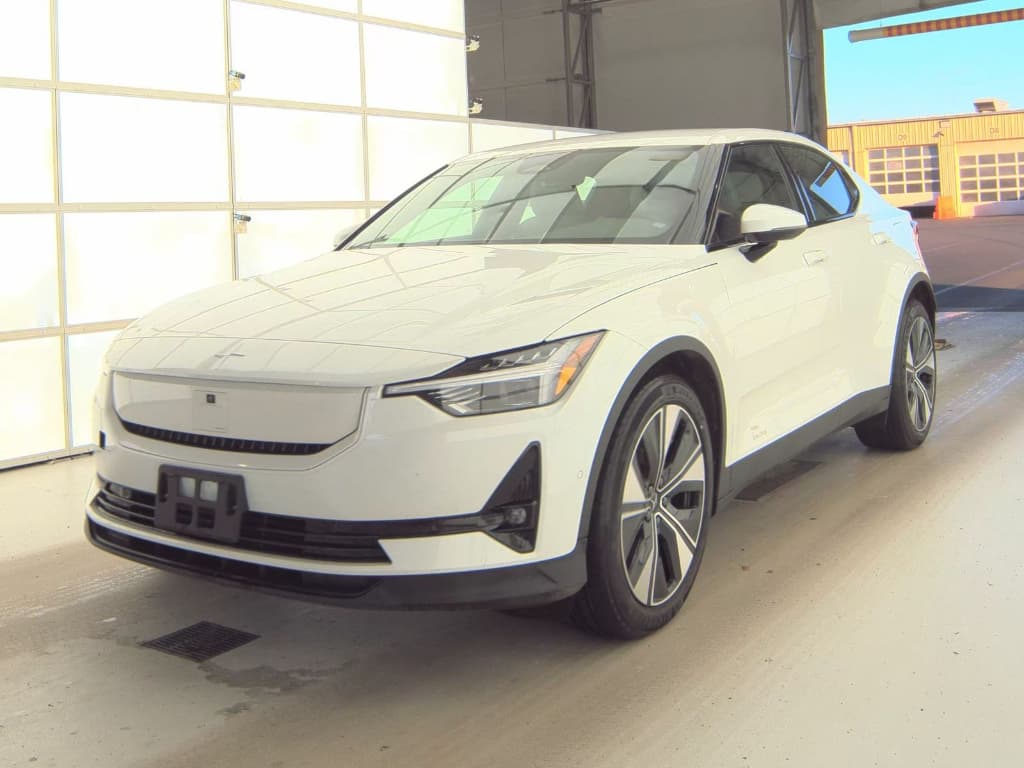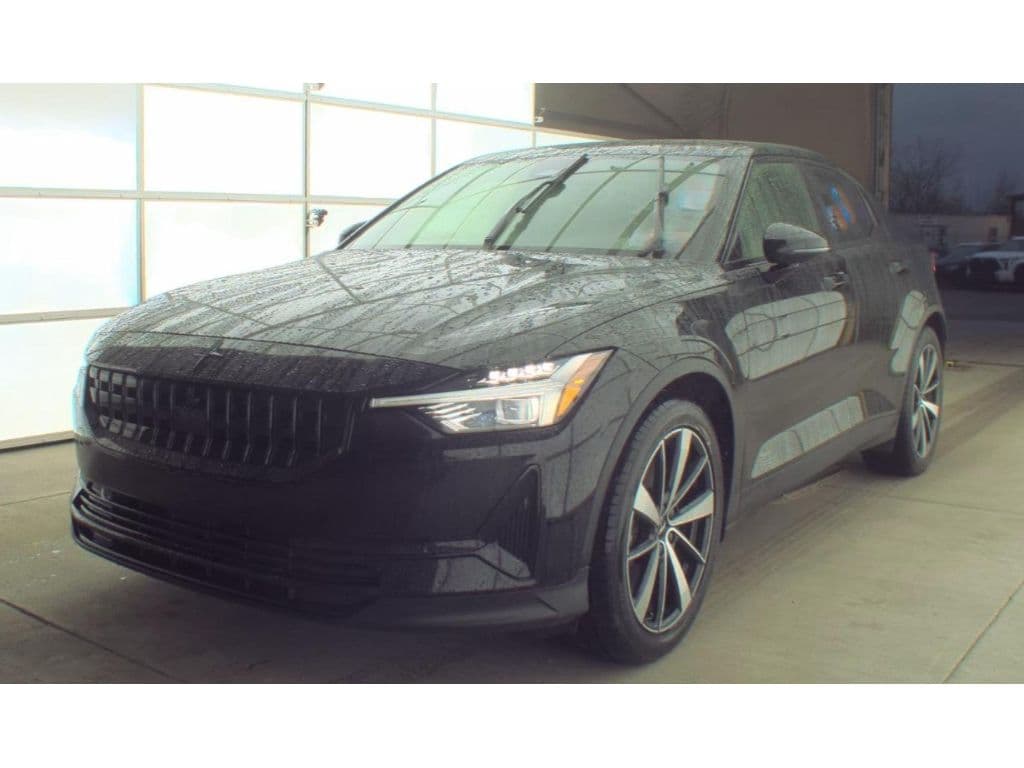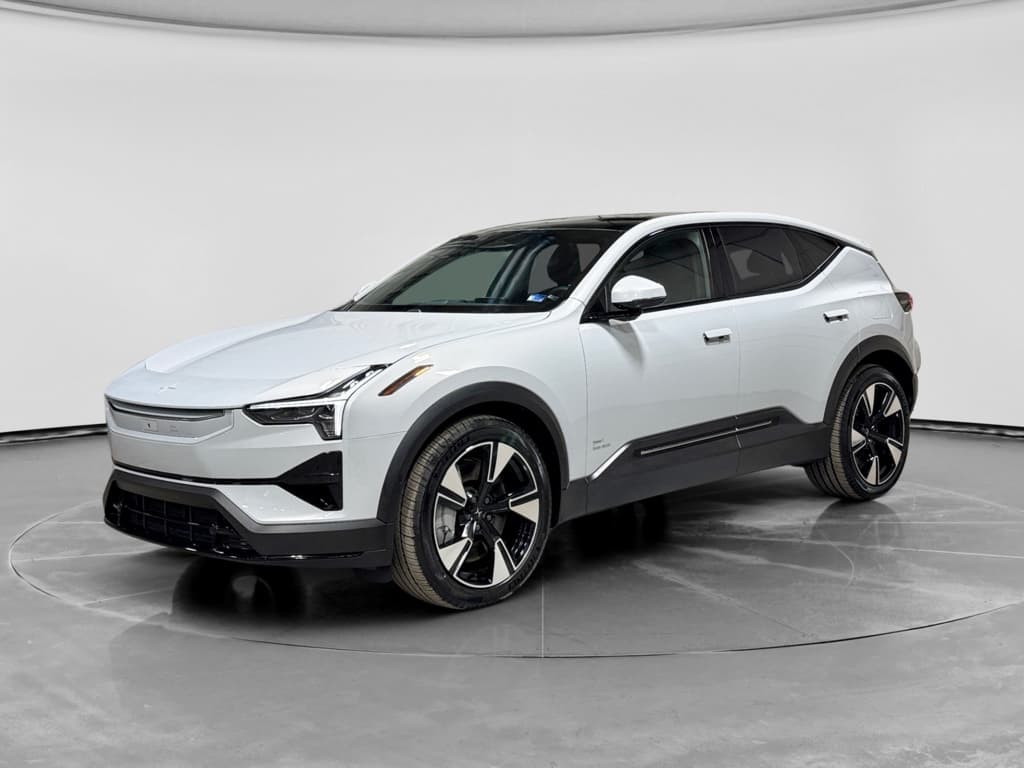
If you’re eyeing a 2025 Polestar 2, especially the Performance Pack-only lineup, it’s smart to understand the real‑world problems and fixes before you sign anything. The 2025 Polestar 2 shares most of its hardware and software with late 2023–2024 cars, so its issues are less about brand‑new failures and more about patterns that have been emerging for several years.
Quick take on 2025 Polestar 2 reliability
2025 Polestar 2 at a Glance: What Changed and Why It Matters for Reliability
For 2025, Polestar narrowed the Polestar 2 lineup in the U.S. down to the high‑spec Performance Pack dual‑motor version, dropping the cheaper Long Range RWD and standard AWD trims. That means every 2025 car in the U.S. combines dual‑motor power, adaptive Ohlins dampers, and big wheels with essentially the same battery and electronics package that arrived in the 2024 refresh.
Quick 2025 Polestar 2 Reliability Context
Because the 2025 car is an evolution rather than a clean‑sheet redesign, you can learn a lot from 2021–2024 owner reports and early recall campaigns. The upside is that some early software and charging bugs have been ironed out with updates. The downside is that chassis noises, infotainment gremlins, and HVAC quirks haven’t disappeared entirely, they just show up a bit less often and at higher mileages.
How 2025 Polestar 2 Problems Compare to Earlier Years
Earlier model years (2021–early 2023)
- More software recalls and in‑person updates for early cars.
- Higher incidence of TCAM failures that could leave the car unresponsive until rebooted.
- More frequent DC fast‑charging incompatibility with certain networks.
- Some early build‑quality issues like trim rattles and water leaks.
Later cars, including 2025
- Most critical software recalls have been patched by the factory.
- Connectivity and wake‑up issues still appear, but usually as annoyances rather than immobilizing failures.
- Owner complaints cluster around suspension noises, rear axle clicks, HVAC quirks, and infotainment lag.
- Battery and motor hardware look relatively robust so far.
How to read model‑year chatter
Common 2025 Polestar 2 Problems and Symptoms
Because 2025 cars share so much with the 2024 refresh, the problem set is familiar: infotainment and connectivity glitches, suspension and axle noises, picky charging behavior, and HVAC issues. Below is how those typically show up in the real world and which fixes actually work.
TCAM, Infotainment, and Connectivity Glitches
The Polestar 2 leans heavily on its Android Automotive–based infotainment stack and a telematics unit often called the TCAM. When they misbehave, you feel it everywhere: navigation, phone‑as‑key, the Polestar app, charging controls, and even basic wake‑up behavior.
- Slow boot‑up when you enter the car, with the center screen taking 30–60 seconds to fully respond.
- Random reboots of the center display while driving.
- Polestar app shows the car as “offline” or refuses to connect, sometimes breaking phone‑as‑key.
- Keyless entry works inconsistently; doors don’t unlock even though the key or phone is nearby.
- Backup camera briefly goes black or freezes, sometimes tied to earlier recall campaigns on older cars.
- Navigation or Google Maps stutters, losing guidance for a few seconds before recovering.
When an infotainment issue becomes a safety issue
Common fixes and workarounds for TCAM and infotainment issues
1. Soft reboot the infotainment
Hold the home button on the center screen until it restarts. This clears many one‑off glitches like laggy apps or frozen maps.
2. Hard reset when the car is parked
If problems persist, many owners temporarily fix TCAM hiccups by locking the car, walking away with the keys for 10–15 minutes, and letting the car fully sleep before trying again.
3. Confirm the latest software version
In the settings menu, check the software version and compare it to what your retailer lists as current. Many 2025 bugs are squashed by over‑the‑air (OTA) or dealer‑installed updates.
4. Re‑pair your phone and reset the app
Delete the car from your phone, uninstall and reinstall the Polestar app, and then re‑enable phone‑as‑key. This often fixes flaky door unlock and remote‑control behavior.
5. Document repeat failures for warranty
If you have recurring black screens, frozen cameras, or no‑start events, keep dated photos or videos. That documentation can make it easier to push for a TCAM replacement under warranty.
Suspension Clunks, Rear Axle Clicks, and Ride Harshness
Chassis noise is one of the loudest complaint categories on the Polestar 2, and the Performance Pack hardware doesn’t help. Big wheels, firm Ohlins dampers, and dual‑motor torque can expose any weakness in bushings, strut mounts, and axles.
- Front end clunks or creaks at low speeds over speed bumps, driveway lips, or broken pavement.
- Rear axle clicks or a “wheel of fortune” sound when transitioning on and off the accelerator.
- General ride harshness that feels crashy over potholes or expansion joints, especially on larger wheels and low‑profile tires.
- Occasional reports of repeated axle or suspension component replacements before the noise is truly gone.
Don’t ignore a rhythmic rear axle click
How to separate “normal firm ride” from real problems
Use this mental checklist on a 2025 Polestar 2 test drive
Firm but quiet
If the ride feels stiff but you don’t hear distinct clunks, creaks, or clicks, you’re probably just experiencing the Performance Pack tuning.
Noises over bumps
Repeated single clunks or creaks over the same driveway or speed bump usually point to mounts, bushings, or struts that a dealer can inspect.
Noises under torque
A noise that appears only when you gently go on/off the accelerator at low speeds often indicates axle or driveline play. Get this in writing before you buy.
Charging Issues: DC Fast and Level 2
Charging complaints on the Polestar 2 tend to fall into two buckets: picky behavior at third‑party DC fast‑chargers and glitches with scheduled or delayed charging at home. Because 2025 cars sit on a mature hardware and software base, outright “won’t charge at all” failures are less common than in early 2021 cars, but they haven’t disappeared entirely.
- DC fast‑charging sessions that fail to start on the first try, often needing you to stop and restart the session or move stalls.
- Charge speeds that plateau at lower‑than‑expected kW even on a warm battery and high‑power station.
- Scheduled charging at home that sometimes ignores the schedule or starts immediately when plugged in.
- Onboard charger or charge port errors that occasionally throw warnings, but disappear after a restart.
Simple ways to improve charging reliability
HVAC Noises and Inconsistent Heating/Cooling
Another recurring Polestar 2 theme is HVAC that behaves oddly: short‑term temperature swings, one side not heating or cooling, and strange clicking or fluttering sounds behind the dash.
- Intermittent clicking from behind the dashboard at start‑up, sometimes for 15–60 seconds.
- Driver and passenger sides not matching temperatures, one blows cool, the other warm, until the system is restarted.
- Weak airflow even at higher fan speeds, sometimes tied to a clogged cabin filter or a blend‑door issue.
- Occasional fogging or poor dehumidification in very humid or cold weather.
HVAC checks before you head to the dealer
1. Try a full HVAC reset
Turn the system off completely, wait a minute, then turn it back on with a single consistent temperature setting for the whole cabin. Many blend‑door glitches correct themselves after a clean restart.
2. Check the cabin filter
On a used 2025 Polestar 2, a neglected cabin filter can cause weak airflow and noise. Replacing it is relatively cheap compared with deeper HVAC work.
3. Note repeatable patterns
Write down exactly when the issue appears, cold start vs. after 20 minutes, only on Auto mode, only in certain temperatures. Clear notes make it easier for a retailer to reproduce the problem under warranty.
4. Don’t tolerate no‑heat or no‑defrost
Loss of heat or defrost is a safety concern in winter. If you experience this, treat it as urgent warranty work, not an inconvenience to “monitor.”
Warnings, Recalls, and Software Updates on the Polestar 2
The Polestar 2 had several early recalls and software campaigns, many of which were resolved by dealer visits before the car supported the range of OTA updates it has today. By the 2025 model year, most of those headline‑grabbing issues are baked into production fixes or already applied as updates.
Recall and campaign landscape relevant to 2025 buyers
Categories of issues you’ll see when you run a VIN search on a Polestar 2.
| Issue type | Typical fix | What it means for a 2025 car |
|---|---|---|
| Early software stability (2021–2022) | Dealer software flash or OTA update | 2025 builds should ship with these fixes baked in, but used imports or late‑updated cars are worth double‑checking. |
| Backup camera or visibility issues | Software patch or camera module replacement | If a 2025 car shows repeat camera failures, treat it as a current defect, not just an old recall story. |
| Battery management / high‑voltage safety | BMS update or component inspection | Less common on later cars, but always review HV‑system recall history before buying used. |
| Misc. chassis or restraint campaigns | Dealer inspections and hardware swaps | Confirm completion in service records, these are typically one‑and‑done fixes. |
Always verify open recalls by running the VIN through NHTSA or Polestar’s recall portals.
How to check recall and campaign status
Practical Fixes and Workarounds Owners Actually Use
A lot of Polestar 2 ownership is about knowing which problems demand a service appointment and which can be handled with a reboot, a settings tweak, or a bit of preventive maintenance. Here’s a pragmatic view of common 2025 issues and how owners typically deal with them.
Owner‑proven fixes for common 2025 Polestar 2 problems
What usually works before (or alongside) a dealer visit
“Car won’t wake up” moments
If the car stays dark or refuses to shift into gear for a minute or two, many owners report success by:
- Locking the car, walking away with the key for 5–10 minutes.
- Avoiding repeated door‑open/close cycles while it tries to boot.
- Checking for any pending software updates afterward.
If this becomes frequent rather than rare, it’s time to push the retailer to inspect the TCAM and 12‑volt system.
Flaky connectivity and app behavior
Common steps that help:
- Re‑pairing your phone and deleting old Bluetooth profiles.
- Reinstalling the Polestar app and re‑enrolling phone‑as‑key.
- Resetting network settings in the infotainment menu.
Persistent no‑signal behavior in strong coverage areas may justify a hardware check.
Suspension and axle noises
There’s no DIY miracle here, but you can:
- Record videos of the noise on a specific route.
- Test with different wheel/tire combinations if possible.
- Verify torque settings after tire rotations.
Most real fixes require professional inspection and, sometimes, repeated warranty work.
Home charging quirks
Before assuming a car‑side fault:
- Test another EVSE or outlet if you can.
- Disable scheduled charging and confirm immediate charging works.
- Update firmware on smart chargers and check for GFCI trips.
If problems follow the car, not the charger, log timestamps and error messages for the retailer.
What to Check on a Used 2025 Polestar 2
Because every 2025 U.S. Polestar 2 is a high‑spec Performance Pack car, you’re automatically shopping at the sporty, firm‑riding end of the lineup. That makes it even more important to separate expected sharpness from genuine mechanical problems, and to understand where previous owners might have cut corners.
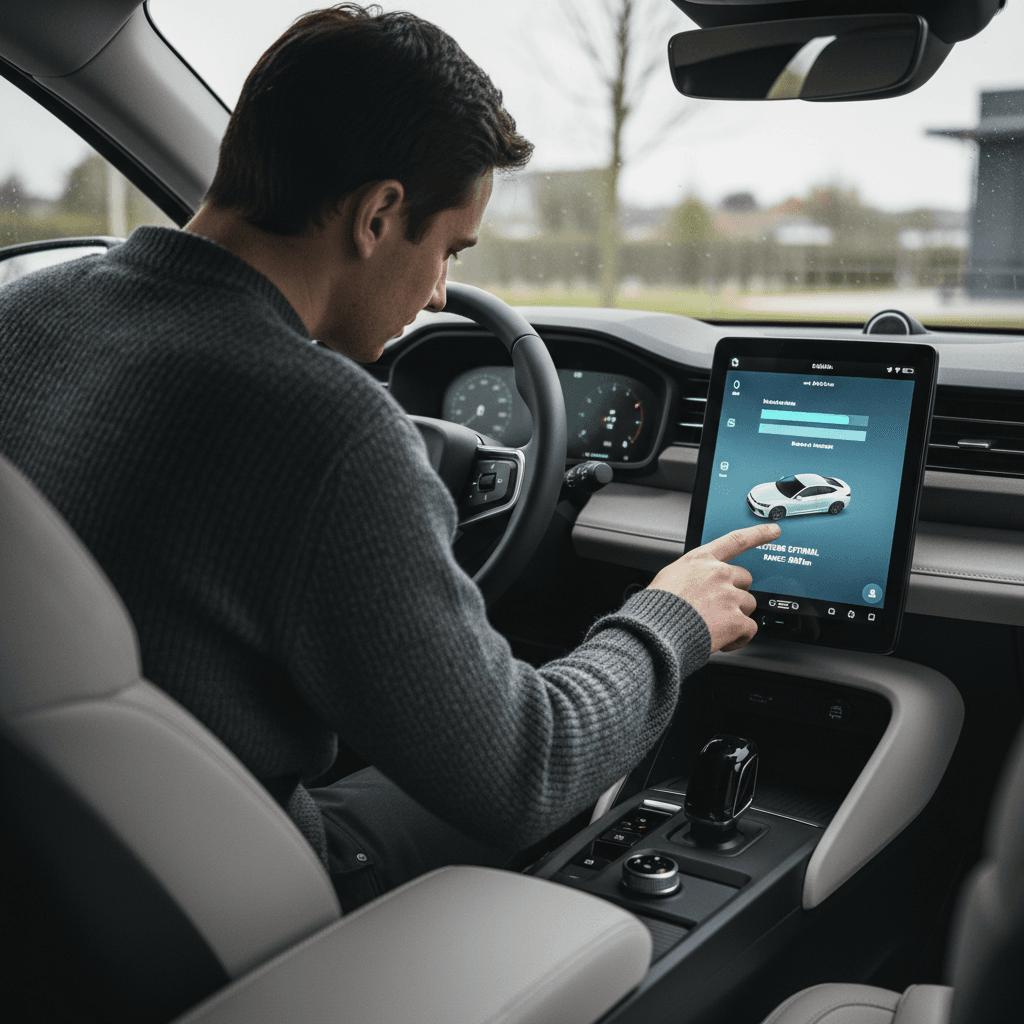
Used 2025 Polestar 2 inspection checklist
1. Cold start and wake‑up behavior
Arrive when the car has been sitting. Unlock it, get in, and watch how quickly the screens boot and the car is ready to drive. Any long pauses, error messages, or no‑start events are major negotiation points.
2. Low‑speed chassis and axle test
On the test drive, repeatedly go on and off the accelerator at 10–20 mph and drive slowly over speed bumps and angled driveways. Listen for clicks, clunks, or creaks from the front or rear.
3. Highway ride and tracking
At 55–70 mph, the car should track straight with no vibrations through the wheel or seat. Harshness is expected; shuddering or pulling is not.
4. Full‑cycle HVAC test
Test heat and A/C on both sides, fan at multiple speeds, and defrost. Any side‑to‑side temperature mismatch or strange noises should be documented and priced into the deal.
5. Charging test if possible
If the seller allows, plug into a Level 2 charger for at least 10–15 minutes. Confirm that the session starts without errors and that scheduled charging behaves as expected.
6. Software, recalls, and service records
In the car, confirm software is current. Separately, run the VIN through recall tools and ask for service records. You want proof that previous campaigns and any repeat issues were addressed.
Why battery health matters less than you think, and more than the seller admits
How Recharged Helps You Buy a Used Polestar 2 With Fewer Surprises
Polestar has built a strong‑driving EV with premium aspirations, but it’s still a relatively young brand ironing out software, supplier, and dealership processes. That’s exactly the kind of car where buying used from a marketplace that actually understands EVs, and this model in particular, pays off.
What Recharged adds when you’re shopping a used 2025 Polestar 2
Beyond a quick test drive and a Carfax report
Recharged Score battery diagnostics
Every Polestar 2 we list comes with a Recharged Score that includes verified battery‑health data, not just guesswork from range estimates. You see how the pack compares to similar cars of the same age and mileage.
Chassis and charging checks
Our inspections pay special attention to suspension noises, axle behavior, and charging performance, because that’s where out‑of‑pocket costs can escalate fast after the factory warranty expires.
Financing, trade‑in, and delivery
Recharged offers financing, trade‑in options, instant offers or consignment, and nationwide delivery, plus EV‑specialist support so you’re not left decoding Polestar quirks on your own.
Ready to find your next EV?
Browse VehiclesTry before you commit
FAQ: 2025 Polestar 2 Problems and Fixes
Frequently asked questions about 2025 Polestar 2 problems
Bottom Line: Should You Worry About 2025 Polestar 2 Problems?
If you want an EV that feels genuinely premium to drive, the 2025 Polestar 2, especially in its all‑Performance‑Pack U.S. guise, makes a strong case. Its problems are real, but they’re mostly the sort of software and chassis issues you see from a young brand still iterating, not a fundamental indictment of the platform. The drivers who end up happiest are the ones who treat those quirks as a cost of entry rather than a surprise.
From a used‑EV perspective, the risk‑management playbook is straightforward: verify software and recall status, aggressively test for suspension and axle noises, check HVAC behavior, and insist on clear battery‑health data before you commit. If you’d rather not navigate that on your own, buying through Recharged adds structured inspections, a Recharged Score battery report, financing and trade‑in options, and EV‑focused support that’s built around exactly these kinds of cars.