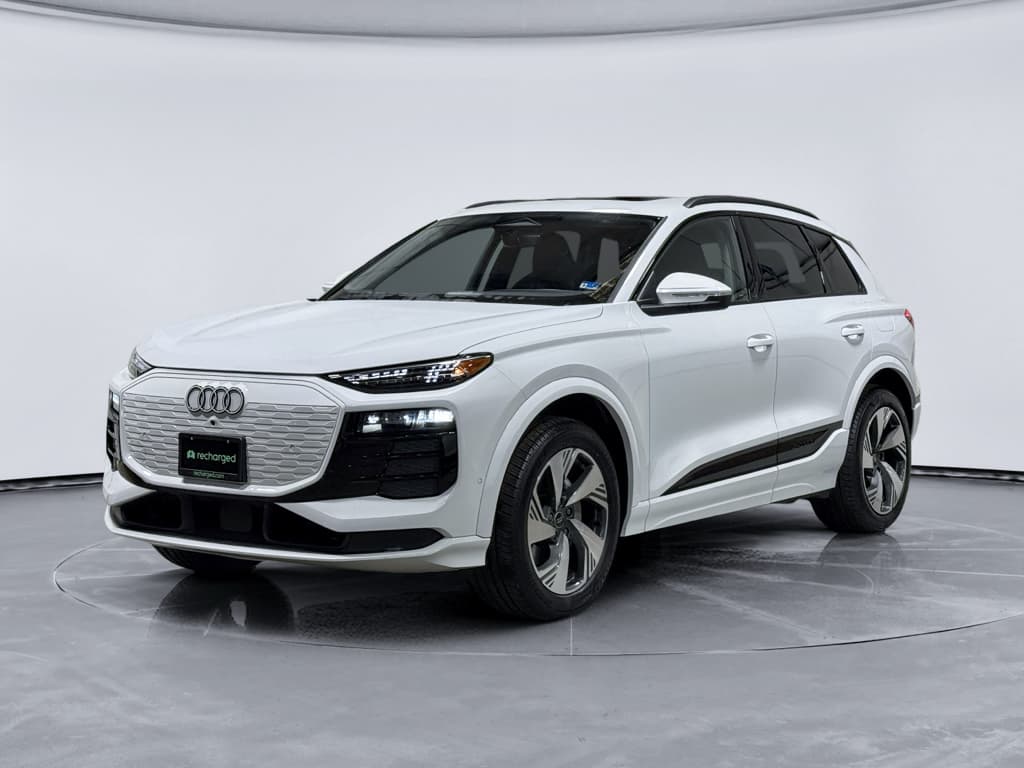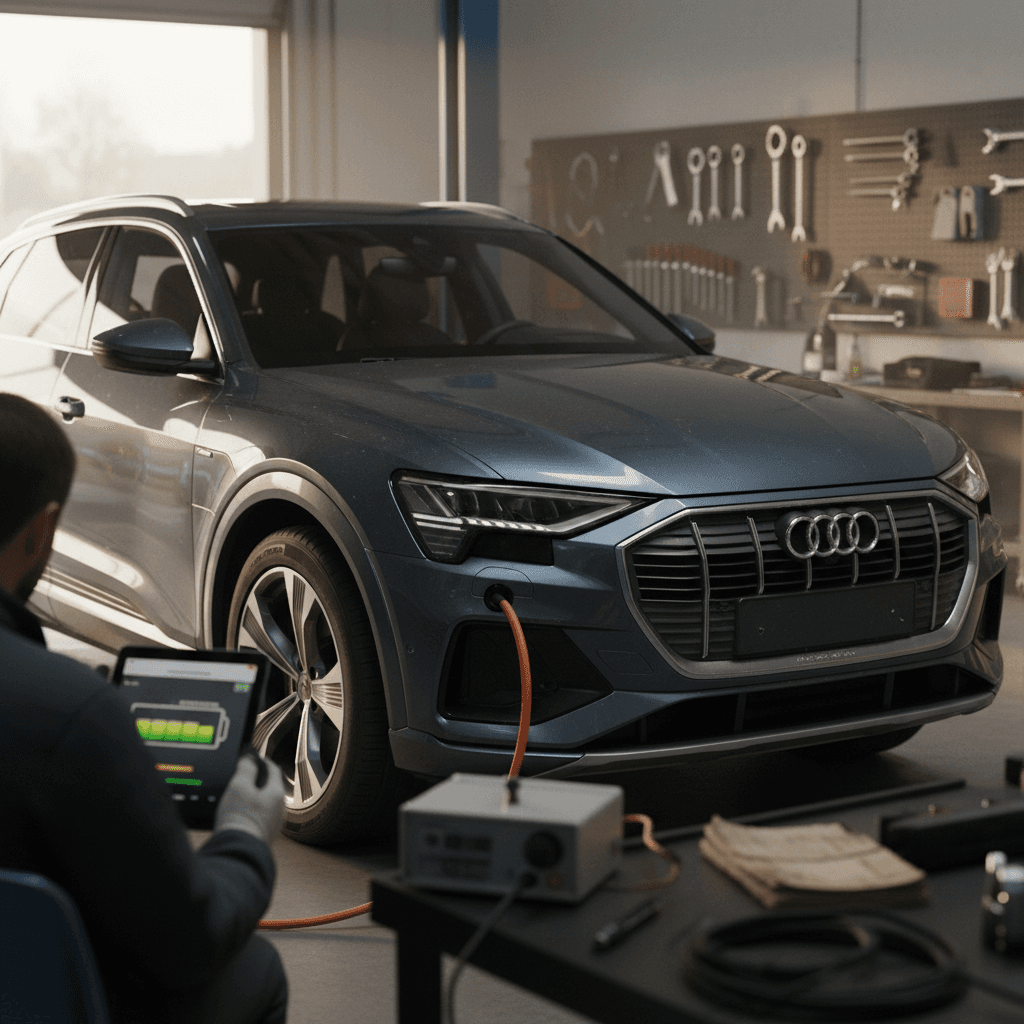
If you’re looking at a 2024 Audi Q8 e-tron, you’ve probably noticed the big spread between its glossy marketing numbers and what owners report in day-to-day driving. This guide walks through a full **2024 Audi Q8 e-tron range test**, explains why results differ from EPA and WLTP ratings, and, most importantly, what that means for you if you’re considering a new or used Q8 e-tron.
Key takeaway up front
Overview: 2024 Audi Q8 e-tron range at a glance
Headline 2024 Q8 e-tron range & efficiency stats
On paper, the 2024 Audi Q8 e-tron looks like it has finally closed the gap with newer luxury EV SUVs. A larger **114 kWh pack (about 106 kWh usable)** and aero tweaks boost official range, and U.S. EPA figures in the 260–280‑mile neighborhood put it in the hunt. In practice, though, this is still a heavy, comfort‑oriented SUV. Driven the way American owners actually use it, fast interstates, climate control running, plenty of cargo, you should think in terms of a **realistic 220–260 miles per charge** on a healthy battery, and less in harsh winter conditions.
Battery, trims and official range ratings
Before you dive into any **range test**, it’s worth getting your arms around the Q8 e-tron lineup and the numbers Audi and regulators publish. Trims and ratings vary by market, but the fundamental hardware story is simple: later‑model Q8s get a much larger battery than the original e-tron SUV and some careful efficiency tweaks.
2024 Audi Q8 e-tron battery and range basics
Key U.S.-relevant configurations and what their range numbers look like on paper.
| Variant | Battery (gross / usable) | Drive | Official combined range | Typical wheel size |
|---|---|---|---|---|
| Q8 50 e-tron SUV | 95 / 89 kWh | AWD | ~230–250 mi (EPA est.) | 19–20" |
| Q8 55 e-tron SUV | 114 / 106 kWh | AWD | ~260–280 mi (EPA est.) | 20" |
| Q8 55 e-tron Sportback | 114 / 106 kWh | AWD | Slightly higher than SUV | 20" |
| SQ8 e-tron SUV/Sportback | 114 / 106 kWh | AWD (3 motors) | Lower than 55 due to power | 20–21" |
Exact figures vary by wheel size, body style, and test cycle, but this gives you a workable frame of reference.
WLTP vs EPA vs your driveway
In Energy Star and EPA databases, a **Q8 e-tron quattro on 20‑inch wheels** shows combined electricity use around **43 kWh per 100 miles** and a combined range figure just north of **270 miles**. Translate that to the language owners actually use and you’re looking at about **2.3–2.4 miles per kWh** on the mixed EPA cycle. That’s decent for a large, upright SUV, but it’s not in the same league as the most efficient crossovers on the market.
Real-world 2024 Q8 e-tron range tests
So how does a 2024 Audi Q8 e-tron behave when you stop staring at lab numbers and just drive the thing? Most independent tests and owner logs paint a consistent picture: **the Q8 is predictable and stable, but not a hyper‑miler**. If you respect physics and weather, it will meet or slightly beat its indicated estimate around town, while steady 75 mph cruising chips away at the number.
Suburban mixed-driving loop (illustrative)
Think of a Q8 55 e-tron SUV on its stock 20‑inch wheels, 65°F ambient, mostly 35–55 mph driving with light traffic.
- Start at 100% state of charge
- Drive 120 miles of mixed suburban and light freeway
- Return with ~55% remaining on the gauge
That works out to a bit over 2.7–2.8 mi/kWh, or a **projected 280–300 miles** if you ran the pack all the way down, comfortably in line with the better official numbers.
Real-world highway run (illustrative)
Same vehicle and temperature, but this time you’re running **75 mph on the interstate** with a couple of passengers and luggage.
- Start at 100% state of charge
- Drive 150 miles almost entirely at 70–78 mph
- Arrive with about 35% remaining
That scenario yields closer to **2.1–2.2 mi/kWh**, which implies a **usable highway range of roughly 220–235 miles** from a full charge in mild weather.
A simple rule of thumb
The performance‑oriented **SQ8 e-tron** behaves like you’d expect: it will hit similar numbers to the 55 when driven gently, but lean into the extra power and you’ll watch the projected range fall more quickly. If you’re cross‑shopping used examples, it’s worth asking yourself honestly how often you’ll use that additional performance versus how much you value a slightly longer buffer between fast‑charge stops.
Highway vs city: why your range test results vary
Many new EV owners are surprised when they see **better range in city and suburban driving than on the open interstate**. In gas SUVs, it’s usually the opposite. With EVs, especially a tall, heavy one like the Q8 e-tron, this pattern is baked in by physics.
Where the Q8 e-tron is most efficient
Understanding why your range test doesn’t match the window sticker.
Low-speed city streets
At 25–45 mph, aero drag is modest and the big battery isn’t working hard. Stop‑and‑go actually helps a bit thanks to regenerative braking.
You’ll often see the car’s guess‑o‑meter creep upward on these drives.
Suburban & two‑lane
Speeds in the 45–60 mph range are usually the sweet spot for **miles per kWh** in a large SUV.
Think of this as the regime where the Q8 e-tron can approach or slightly beat its official combined rating.
Fast interstate cruising
Push past 70 mph and aerodynamic drag on this boxy shape rises quickly. At 75–80 mph, expect a noticeable hit to range.
This is where many owners see mid‑200s or less from a full charge, especially in winter.
Drag hurts big SUVs more
How weather, wheels and driving style change your range
Range tests are only as good as the conditions you run them in. A Q8 e-tron in San Diego at 65°F will be a different animal than the same SUV in Minneapolis in January. If you’re evaluating a used example, it’s smart to **mentally adjust any one‑off test you see online** for three big variables: weather, rolling hardware, and how the right foot is used.
Major factors that move Q8 e-tron range up or down
1. Temperature and climate control
EV batteries are happiest in the 60–80°F range. In cold weather, the Q8 e-tron has to spend energy warming both the pack and the cabin. Combine that with seat heaters and defrost and you can easily give up 20–30% of your mild‑weather range on a bad winter day.
2. Wheel size and tires
Bigger, wider wheels and aggressive tires look terrific but cost you efficiency. A Q8 e-tron on 21s with stickier rubber will generally travel fewer miles per kWh than the same vehicle on 19–20" low‑rolling‑resistance tires.
3. Speed discipline
Because aerodynamic drag rises with the square of speed, 80 mph is dramatically harder on range than 65 mph. If you regularly run in the left lane, your real‑world highway range will skew toward the low end of the spread.
4. Payload and roof accessories
The Q8 e-tron shrugs off four adults and luggage pretty well, but add a bulky cargo box or bike rack on the roof and the aero penalty can be significant, especially in crosswinds.
5. Use of drive modes and regen
The more you let regenerative braking recover energy instead of using the friction brakes, the closer you’ll get to the optimistic ends of owners’ range reports. Efficient drive modes also tame unnecessary power draw.
Cold-weather reality check
Charging speed and road‑trip viability
Range is only half the long‑distance story. For most owners, what really matters is **how often you need to stop and how long you sit once you plug in**. Here the Q8 e-tron is solid but not leading‑edge: its 400‑volt architecture and 170 kW DC peak don’t match the headline numbers of some newer rivals, but its **charging curve is respectable when the battery is preconditioned**.
2024 Audi Q8 e-tron charging snapshot
Approximate values for planning; actual times depend on charger, temperature, and starting SOC.
| Charging type | Peak power | 0–80% time (est.) | Best use case |
|---|---|---|---|
| DC fast charge (public) | Up to 170 kW | ~30–32 minutes | Road trips; jump between cities |
| AC Level 2 home / workplace | 9.6–11 kW | ~10–12 hours (10–90%) | Overnight home charging |
| Level 1 (120V) | 1–1.4 kW | Not practical for full charge | Emergency top‑offs only |
Treat these as planning tools, not promises from the car.
Smart road‑trip strategy
If you’re shopping the Q8 e-tron as a road‑trip family hauler, understand that you’re trading **ultra‑fast charging and headline range** for a very quiet, refined ride and excellent cabin comfort. On a typical interstate journey with a Q8 55, you’re realistically looking at **stops every 150–180 miles**, which line up nicely with restroom and snack breaks if you plan ahead.
Used Q8 e-tron: range, degradation and battery health
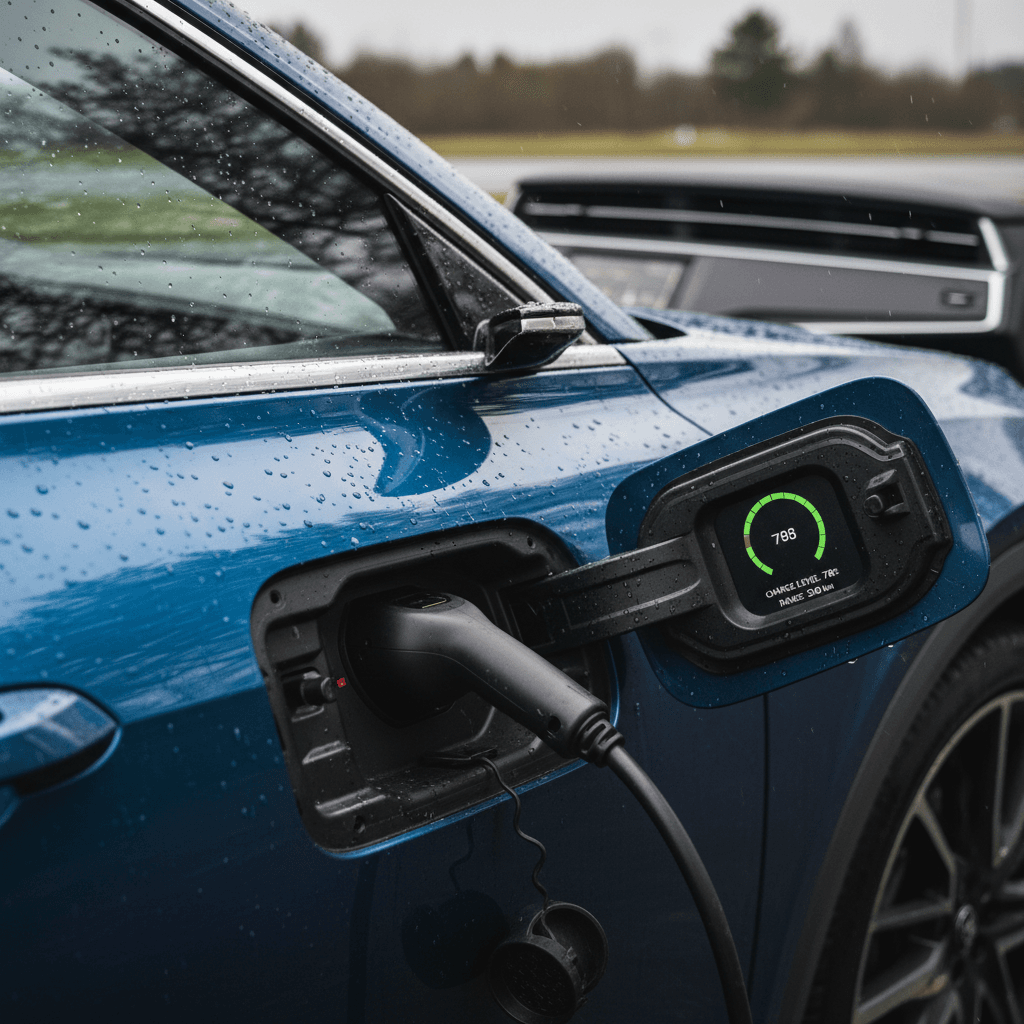
Because the Q8 e-tron’s basic platform dates back to the original e-tron SUV, there are already plenty of higher‑mileage examples in the used market. That’s where Recharged focuses, and where **battery health and realistic range** become critical parts of the buying decision.
What to look for in a used Q8 e-tron range test
Simple checks that tell you a lot about long‑term battery health.
Compare SOC vs miles
On a test drive, note the state of charge (SOC) percentage and the remaining range estimate at the start.
Drive 20–30 miles in mixed conditions, then compare how many miles you actually covered to how much the estimate dropped. Large, unexpected swings can signal either very cold weather, unusual driving, or potential battery imbalance.
Watch how the guess‑o‑meter behaves
A healthy pack and properly calibrated software will adjust gradually as you drive. If the range estimate drops much faster than the odometer climbs, you may want a more formal battery health check.
That’s where tools like a Recharged Score report come in, giving you an objective view of pack capacity and performance.
How Recharged helps here
Ready to find your next EV?
Browse VehiclesAudi’s thermal management and conservative charging behavior have generally kept **degradation reasonable** on these large packs, but you should still plan on **some loss of range over the first 5–8 years**, especially if a previous owner fast‑charged frequently in hot climates. Instead of assuming the original EPA number, it’s smarter to buy based on the **range it delivers today**, documented with a proper health report.
How the Q8 e-tron’s range compares to rival EV SUVs
Range shopping in this class is a bit like fuel‑economy shopping among V8 luxury SUVs: nobody’s truly frugal, but some are better than others. The 2024 Q8 e-tron sits in the **middle of the current luxury EV SUV pack**, behind the most efficient options but ahead of some early‑generation designs.
2024 luxury EV SUV range comparison (high level)
Approximate EPA combined ranges for popular U.S.‑market luxury EV SUVs.
| Model (2024 MY) | Battery size (usable, approx.) | EPA combined range (best configuration) | Character |
|---|---|---|---|
| Audi Q8 55 e-tron SUV | ~106 kWh | ~270 mi | Comfort‑focused, quiet, solid but not stellar efficiency |
| BMW iX xDrive50 | ~105 kWh | ~310 mi | Strong efficiency, big battery, softer ride |
| Mercedes-Benz EQE SUV | ~91 kWh | ~280–300 mi | Good range, tech‑heavy cabin |
| Tesla Model X Long Range | ~95 kWh | ~330 mi | Best‑in‑class range, firmer ride |
| Genesis Electrified GV70 | ~77 kWh | ~235 mi | Smaller pack, shorter legs but quick charging |
Exact figures change with wheel size and options, but this snapshot shows where the Q8 e-tron roughly sits.
Where Audi chose to compete
Practical tips to maximize your Q8 e-tron’s range
Whether you’re evaluating a Q8 e-tron on a test drive or already have one in your garage, you can materially change its real‑world range with a few simple habits. None of these require babying the car; they’re the same kind of smart‑owner adjustments that made sense back when we sweated over miles per gallon.
Five easy ways to stretch your Q8 e-tron’s range
1. Precondition while plugged in
Use the myAudi app or in‑car settings to warm or cool the cabin **while the car is still connected to a Level 2 charger**. That energy comes from the wall, not your battery, leaving more range on the table when you unplug.
2. Aim for 65–70 mph, not 80
On road trips, keeping your cruising speed in the high‑60s instead of the high‑70s can add dozens of miles to a charge. In most traffic, the time penalty is smaller than you’d think.
3. Use Eco/efficiency mode in bad weather
Audi’s efficiency‑oriented drive modes dial back power delivery and climate aggressiveness. On a cold or very hot day, that can be the difference between arriving with a comfortable buffer and white‑knuckle range anxiety.
4. Watch the energy screen, not just range
The Q8 e-tron’s energy and consumption screens tell you **mi/kWh over the last 5, 15 or 30 miles**. Use those to sanity‑check your real‑time efficiency versus what the car predicts for remaining range.
5. Think twice about upsizing wheels
If you’re ordering or shopping used, remember that those beautiful 21‑inch wheels aren’t free in energy terms. Sticking with the more modest wheel/tire packages helps preserve both ride quality and range.
Considering a used Q8 e-tron?
FAQ: 2024 Audi Q8 e-tron range & ownership
Common questions about the 2024 Q8 e-tron’s range
The 2024 Audi Q8 e-tron isn’t the range king of the EV SUV world, but judged on its own terms it’s a thoroughly competent long‑legged traveler. Treat the official ratings as an upper bound, plan around **honest mid‑200‑mile capability** and sensible charging stops, and you get a quiet, refined electric SUV that fits many American driving patterns surprisingly well. If you’re exploring one in the used market, pairing a careful real‑world range check with a verified battery health report, like the **Recharged Score**, turns what used to be guesswork into a confident, informed decision.