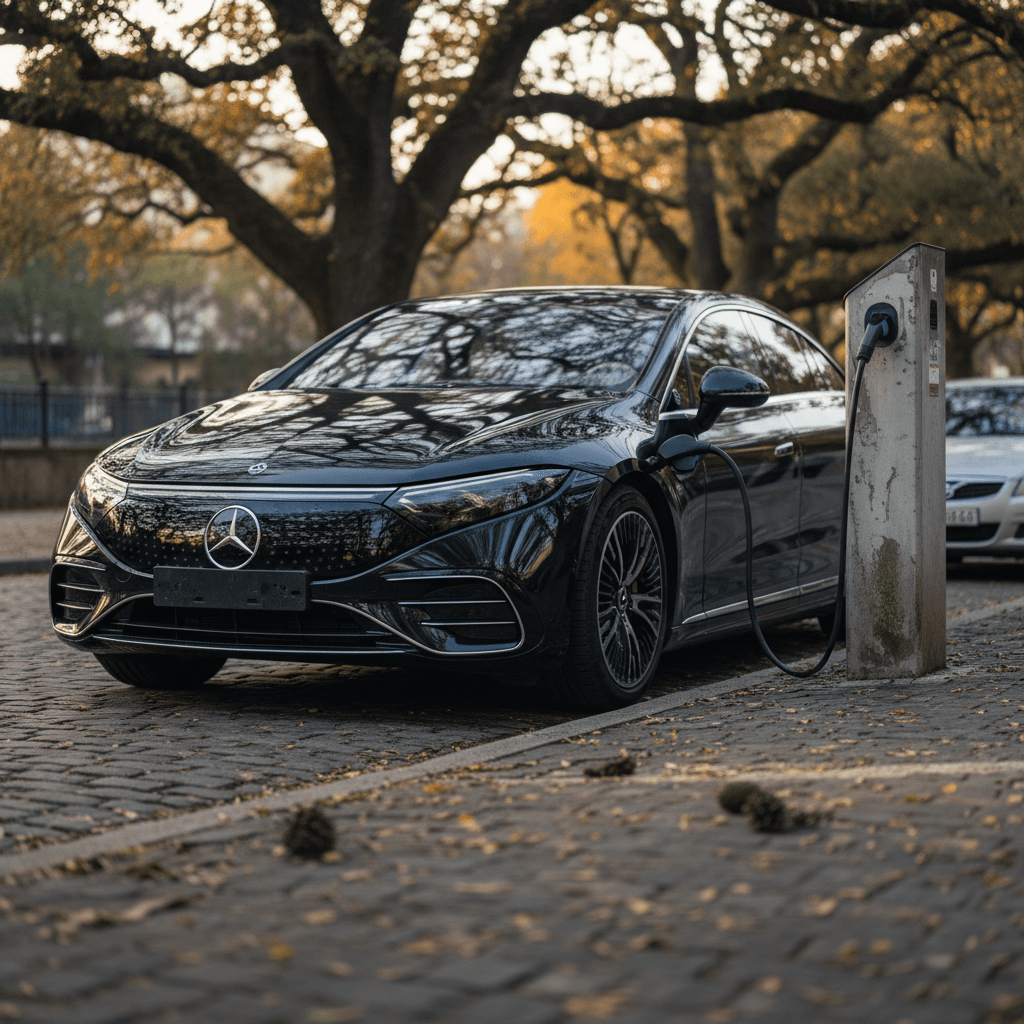
If you’re eyeing a 2024 Mercedes EQS sedan or EQS SUV, you’re probably wondering what the **2024 Mercedes EQS reliability rating** actually looks like behind the glossy brochures and six‑figure MSRPs. The EQS is a rolling tech showcase, hyperscreen, advanced driver assists, complex lighting and comfort features, which naturally raises the question: is it a solid long‑term bet, or a headache once the warranty clock starts ticking?
Quick verdict
2024 Mercedes EQS reliability overview
2024 Mercedes EQS reliability at a glance
The headline is that the **2024 EQS is not a ticking time bomb**, but it also isn’t a set‑and‑forget appliance like a Toyota hybrid. You’re dealing with one of the most complex EVs on sale, and complexity almost always shows up as software quirks, sensor issues, or occasional dealer visits. That’s why the way you evaluate an individual used EQS matters far more than any single published score.
How reliable is the 2024 EQS really?
What the numbers suggest
Third‑party data on the EQS is still catching up, but early quality and dependability measures paint a consistent picture: average to slightly above‑average mechanical reliability, paired with above‑average tech and software complaints. In J.D. Power’s broader quality studies, Mercedes as a brand lands in the middle of the pack, and the EQS hasn’t yet emerged as an outlier, good or bad, versus other big luxury EVs.
What owners are saying
Owner reports are split. Some 2024 EQS sedan and SUV owners report zero significant issues in the first year, praise ride comfort, and describe the car as faultless apart from minor software updates. Others document repeated ADAS warnings, steering corrections, or charging glitches that lead to multiple dealer visits and, in rare cases, lemon‑law discussions.
The big takeaway
2024 EQS reliability ratings and scores
Key 2024 Mercedes EQS reliability ratings
How major sources and owner data characterize 2024 EQS reliability today. (Scores and labels are directional, not hard guarantees.)
| Source / Signal | Model years covered | Score / Verdict | What it really means |
|---|---|---|---|
| Kelley Blue Book owner reliability rating | 1st‑gen EQS through 2024 | 5 / 5 (above average) | Owners who rate their EQS are generally pleased, but this skews toward early‑ownership impressions. |
| Recharged analysis of EQS reliability | 2022–2024 sedan & SUV | “Stable, mid‑pack” | Battery and drive units look solid; nuisance issues are mostly software, sensors, and trim. |
| Car Guide editorial score | 2024 EQS | 79 / 100 overall; reliability N/A | Strong overall rating, but explicit reliability data is still developing for 2024 cars. |
| Recalls & NHTSA complaints | 2024 EQS sedan & SUV | Several recalls, modest complaint volume | There are recalls for specific issues, but not an epidemic of catastrophic failures. |
Published ratings are helpful context, but your pre‑purchase inspection and battery report matter more than any single score.
No single outlet offers a perfect **2024 Mercedes EQS reliability rating** today because long‑term data is still maturing. But when you piece together owner feedback, early quality scores, and recall activity, the pattern looks like this: * The **battery pack and motors are not the primary concern**. * **Electronics, sensors, and driver‑assist features** create most of the friction. * If you stay in the factory warranty window and buy a car with a clean repair history, the risk becomes much more manageable.
How to read reliability scores
Common 2024 EQS problems and what they mean
Most 2024 EQS complaints fall into a few clear buckets. Knowing these ahead of time helps you separate one‑off annoyances from patterns that could make you regret the car.
Most common 2024 EQS problem categories
What shows up most often in real‑world owner reports
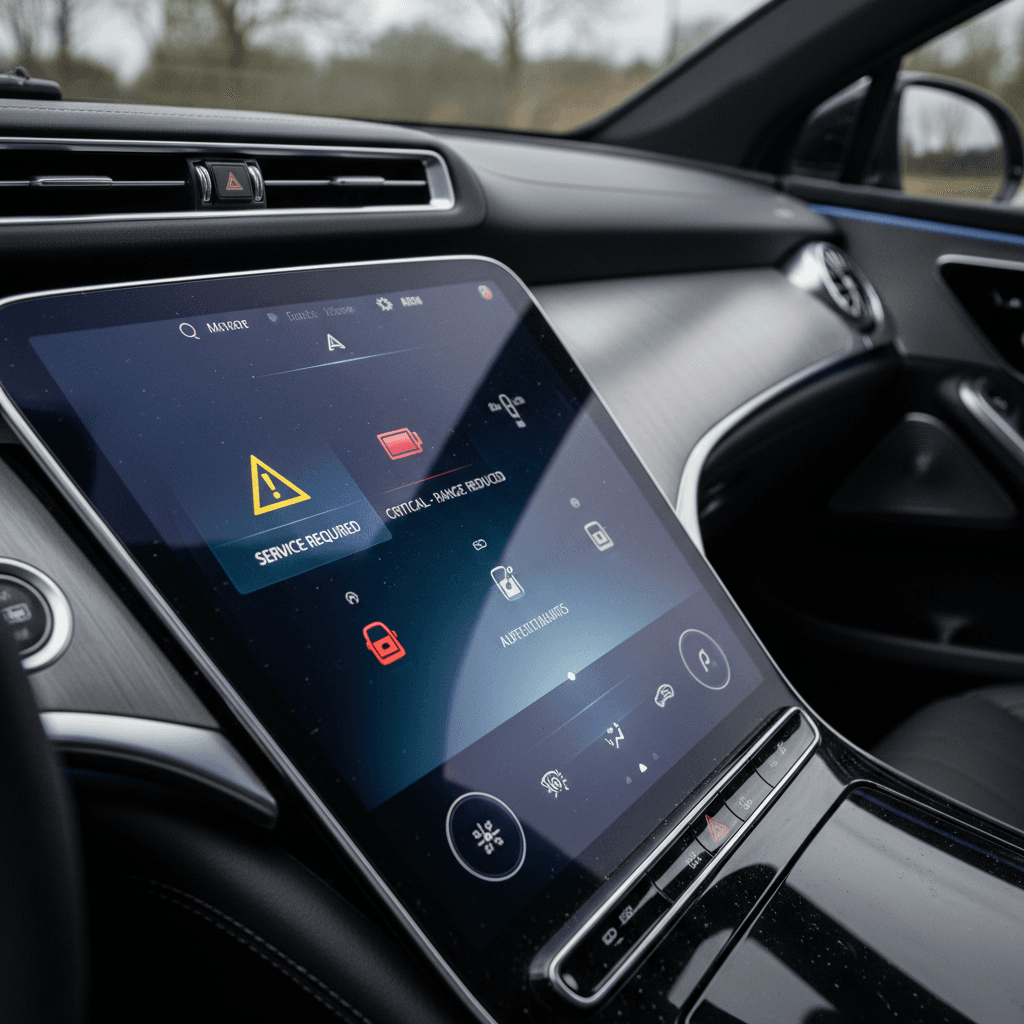
ADAS & steering behavior
Some EQS owners report:
- Lane‑keep assist fighting normal lane changes
- Unintended steering inputs on curved roads
- Driver‑assist features dropping out mid‑drive
- False forward‑collision or blind‑spot warnings
One isolated incident is annoying; repeated ADAS faults or multiple repairs can justify walking away from that particular car.
Charging & charge‑port quirks
Typical complaints include:
- DC fast‑charging sessions ending with an error
- Connectors that won’t latch correctly
- Car refusing to shift into Drive until charge cable releases
Many of these are software or latch‑mechanism issues addressed under warranty, but they’re worth stress‑testing on a test drive.
Infotainment & software bugs
With the giant MBUX screen comes:
- Freezing or laggy menus
- Apple CarPlay / Android Auto disconnects
- Random camera or parking‑sensor warnings
- Features disappearing after an over‑the‑air update
Most are fixed via software updates or module resets, but multiple visits for the same issue are a red flag.
HVAC, noise, and trim niggles
Owners sometimes note:
- Intermittent A/C or heat loss
- Squeaks from the sunroof or dash
- Wind noise around door seals
- Weak third‑row ventilation on the EQS SUV
These are rarely catastrophic, but can be time‑consuming to chase down if you’re unlucky.
When to walk away
Battery health and high-voltage system
The good news: across early model years, the EQS’s **high‑voltage battery and drive units have not generated a wave of catastrophic failures**. There have been software‑related drivetrain recalls on some 2022–2023 cars, but by 2024 many of the rough edges are smoothed out. Real‑world degradation on properly maintained EQS packs so far appears moderate and in line with other premium EVs.
- Mercedes covers the EQS battery for up to 10 years/155,000 miles in the U.S. (check your exact car’s paperwork).
- Most issues advertised as “battery problems” are actually software, cooling, or charging‑system faults, not cells physically failing.
- A high‑mileage car with clear service records and a strong battery test can be a safer bet than a low‑miler with gaps in maintenance and updates.
- Fast‑charging exclusively won’t kill the pack overnight, but a mix of home Level 2 charging and occasional DC fast charging is healthiest.
Why a battery health report matters
Recalls, warranty, and software updates
Like most cutting‑edge EVs, the EQS has seen its share of recalls and technical campaigns, many of them software‑related. For 2024 models, you’ll see references to items such as pedestrian‑warning sounds, power‑distribution fuses, and drivetrain software on certain trims. These aren’t necessarily deal‑breakers, but they absolutely need to have been completed before you sign anything.
Typical EQS recall themes touching 2024 cars
Not a complete list, always run the VIN through NHTSA and Mercedes, but a snapshot of the types of issues involved.
| Recall theme | What can happen | Why it matters for you |
|---|---|---|
| Drivetrain / software logic | Under certain conditions, the drive unit could enter a protective mode or lose propulsion until restarted. | Annoying at best, unsafe at worst if it happens in traffic. Verify that all powertrain recalls are closed. |
| High‑amperage fuses / power distribution | A faulty high‑current fuse or related component might overheat or fail. | Electrical reliability and safety; recall work typically replaces the suspect hardware. |
| Pedestrian warning sound | Incorrect or non‑compliant exterior sound at low speeds on some EVs and PHEVs. | Regulatory compliance; usually fixed with software updates or module replacement. |
| ADAS / camera and radar calibration | Faulty calibration could cause false warnings or reduced driver‑assist performance. | Ties directly into those steering and sensor complaints you read about. Check for updated software and post‑repair test drives. |
Recalls are only scary if they’re ignored. A 2024 EQS with documented recall repairs is usually a better bet than one that was never brought in.
Warranty windows to know
Ownership costs and long-term durability
From a cost‑of‑ownership standpoint, the 2024 EQS is a bit of a paradox. On one hand, you avoid fuel and many traditional maintenance items, no oil changes, timing chains, or exhaust systems. On the other, you’re running an ultra‑complex luxury flagship where **out‑of‑warranty electronics repairs can be breathtakingly expensive**. Even a basic headlight or MBUX component can run into four figures.
Long-term EQS ownership: realities to budget for
Expect high dealer labor rates
You’re paying S‑Class‑level labor prices. Even small jobs can add up quickly at a Mercedes store, especially if diagnosis is involved.
Plan for software-related visits
Over‑the‑air updates help, but some EQS issues still require dealer tools and calibration. Factor in the time and hassle, not just dollars.
Extended coverage can make sense
On a used 2024 EQS, a strong price plus a solid extended warranty, or certified pre‑owned coverage, can be more important than haggling for the last $500 off.
Depreciation is your friend as a buyer
Heavy depreciation is rough on first owners, but it means you can buy a gently used EQS for a fraction of MSRP if you choose carefully.
How Recharged helps on costs
Ready to find your next EV?
Browse VehiclesHow to shop for a used 2024 EQS
If you approach the 2024 EQS like any other used luxury car, you’ll miss what’s unique about modern EVs: software history, charging behavior, and battery health matter just as much as mileage. Here’s how to stack the odds in your favor.
Used 2024 EQS reliability checklist
1. Run the full VIN history
Pull a history report and cross‑check it against Mercedes and NHTSA recall tools. You’re looking for accident damage, repeat repairs, and whether all open campaigns are done.
2. Demand a battery and HV system test
Don’t rely only on the range estimate in the gauge cluster. Ask for a documented battery‑health report and any high‑voltage diagnostic results. That’s standard on Recharged vehicles via the Recharged Score.
3. Test every driver-assist feature
On your test drive, deliberately provoke the ADAS: lane‑keep, adaptive cruise, automatic lane changes, parking assist. Watch for odd steering corrections, dropouts, or incessant warnings.
4. Try multiple chargers
If possible, plug the EQS into a Level 2 station and a DC fast charger. Start and stop sessions to see if any errors pop up or the cable gets “stuck” in the charge port.
5. Stress-test the infotainment
Spend 10–15 minutes with the MBUX system. Pair your phone, run navigation, switch profiles, and use voice commands. Freezes and glitches here are an early warning that modules may need updates, or more.
6. Inspect trim, seals, and HVAC
Listen for wind noise at highway speed, check for water marks around the glass roof, and verify strong heat and A/C from all vents, especially the 2nd and 3rd rows in the SUV.
Lean on EV specialists
Where the 2024 EQS shines vs. rivals
It’s easy to get lost in problem reports and forget why the EQS exists at all. Put simply, when it’s working as intended, the 2024 EQS is one of the most comfortable and cosseting EVs on the road. Compared with rivals like the BMW i7, Tesla Model S, and BMW iX, the EQS trades some simplicity for a **more traditional luxury‑car ambiance**, rich materials, quiet ride, and an emphasis on comfort over razor‑edge handling.
2024 EQS strengths that help offset reliability worries
Why shoppers still seek it out, even with some tech quirks
Exceptional comfort
Air suspension, near‑silent cabins, and available rear‑seat packages make the EQS feel like a rolling lounge. Road‑trip fatigue is impressively low.
High perceived quality
Materials, ambient lighting, and overall ambiance feel more S‑Class than science project. For some buyers, that’s worth putting up with the occasional software glitch.
Aggressive used pricing
Because early EQS models depreciate quickly, a well‑vetted 2024 car can deliver six‑figure luxury for far less, if the reliability boxes are checked.
FAQ: 2024 Mercedes EQS reliability rating
Frequently asked questions about 2024 EQS reliability
Bottom line: Is a 2024 EQS a good bet used?
If you’re looking for an ultra‑comfortable, tech‑rich flagship EV at a used‑car price, a well‑chosen 2024 Mercedes EQS can absolutely make sense. Its **reliability rating is best described as “average overall, with above‑average complexity”**: the driveline and battery look solid so far, while software, sensors, and dealer experiences create most of the ownership drama.
That means success with a used EQS comes down to process. Prioritize cars with **documented recall work, clean service histories, and verified battery health**, and be ruthless about walking away from examples with recurring ADAS or infotainment complaints. When you stack the deck that way, especially by working with an EV‑specialist retailer like Recharged that provides a Recharged Score battery report and expert guidance, you put yourself in a position to enjoy everything the EQS does well, without lying awake worrying about what might fail next.