If you’re eyeing a 2024 Audi e-tron GT, you’re probably wondering what its range looks like **outside** of glossy brochures. The official numbers sound promising, but a real-world 2024 Audi e-tron GT range test tells a more nuanced story, especially if you drive lots of highway miles or you’re shopping the car used and want to be sure its battery health checks out.
Quick take
2024 Audi e-tron GT range at a glance
Audi e-tron GT range & battery snapshot
Audi has incrementally improved the e-tron GT’s battery over its production run. Early U.S.-spec cars (including many 2022–2024 examples you’ll see on the used market) use a 93.4 kWh gross pack with roughly 83–85 kWh usable. Newer global variants are quoted with **up to 105 kWh gross and around 97 kWh usable**, which helps bump official range ratings and real-world results without changing the basic 800‑volt architecture.
Watch the fine print
Official EPA vs WLTP range ratings
The 2024 Audi e-tron GT wears two very different sets of range numbers depending on where you live and which test cycle is being quoted.
2024 Audi e-tron GT range ratings by test cycle
Approximate official figures for e-tron GT variants on major test standards. Exact numbers vary slightly with wheels and options.
| Model / spec | Test cycle | Official range | Notes |
|---|---|---|---|
| e-tron GT (U.S., 2024) | EPA | ~249 mi | Same rating often quoted for standard and RS trims in 2024 model year |
| Early e-tron GT quattro | WLTP | ~280–303 mi | 93.4 kWh pack, 83.7–85 kWh usable, depending on spec |
| Updated e-tron GT (97 kWh usable) | WLTP | ~367–384 mi | Higher-capacity pack introduced for 2025+ in many markets |
| High-efficiency S e-tron GT | WLTP | ~357–387 mi | Optimized for efficiency; range varies with wheel size and options |
EPA numbers apply to U.S. cars; WLTP figures are for European-spec vehicles and are generally optimistic compared with U.S. testing.
If those WLTP numbers look dramatically better than the 249‑mile EPA figure, that’s not a typo. WLTP is a **gentler, more optimistic test** than the U.S. EPA cycle. As a rule of thumb, most luxury EVs land at about **75–85% of their WLTP rating** in mixed real-world U.S. driving. The e-tron GT is no exception.
How to compare apples to apples
Real‑world range tests: What drivers are actually seeing
Laboratory tests are one thing; what you care about is whether the 2024 Audi e-tron GT can comfortably cover your commute or weekend trip without multiple charging stops. Fortunately, recent independent testing gives us a pretty clear pattern.
Typical real‑world range scenarios
Approximate ranges from mixed reviews, owner reports, and highway tests under moderate conditions.
Suburban & mixed driving
Expected range: 230–260 miles on a full charge for 2024‑era cars in mild weather.
Plenty for a week of commuting for most drivers, even with some spirited use of the right pedal.
Steady 70–75 mph highway
Expected range: 210–240 miles on early packs; up to ~270–280 miles on the newest higher‑capacity variants.
High speed, aero drag, and bigger wheels can eat into range quickly.
Cold‑weather use
Expected range: 25–35% reduction isn’t unusual on freezing‑temperature highway drives, especially before the pack is warmed.
The standard heat pump helps, but physics still apply.
One standout data point: a recent 75‑mph highway test of an updated RS e-tron GT Performance managed about **280 miles on a charge**, slightly better than its EPA rating and impressively close to many rivals with similar battery sizes and performance. That’s not necessarily what you’ll see every day, but it indicates that Audi’s aero, gearing, and thermal management are dialed in when conditions cooperate.
Take one test drive, collect two data points
City vs highway, and winter vs summer
City & suburban driving
In low‑speed and stop‑and‑go driving, the Audi e-tron GT’s **regenerative braking** and dual‑motor setup actually help efficiency. You’re recovering energy every time you slow down, and aero drag is relatively low below about 45 mph.
- Expect the car to hit, or even slightly exceed, its EPA rating in temperate weather.
- Use the adjustable regen levels to your advantage in urban driving.
- Climate control is a smaller percentage of energy use when average speed is low.
Highway and fast cruising
At 70–80 mph, the GT’s sleek profile and two‑speed rear gearbox help, but **aero drag dominates**. Throw in 20‑ or 21‑inch wheels and sticky performance tires, and you can see range dip well below the label number.
- Plan on ~15–25% less range at a steady 75 mph vs your mixed-cycle rating.
- Winter highway driving can push that loss to 30% or more in extreme cold.
- If you road‑trip a lot, anchor your expectations to highway numbers, not city figures.
Winter range reality check
Battery pack, charging speed, and efficiency
Range doesn’t live in a vacuum. The 2024 Audi e-tron GT’s appeal is that it combines **sports-car performance, a big-ish battery, and ultra-fast charging** in one package. Here’s how the hardware breaks down for most 2022–2024 cars you’ll see in the market.
Core battery & charging specs for 2024-era e-tron GT
Key specs for U.S.-market e-tron GT and RS e-tron GT models commonly sold in 2022–2024.
| Spec | Value (typical 2022–2024) | What it means for you |
|---|---|---|
| Gross battery capacity | 93.4 kWh | Total physical pack size |
| Usable battery capacity | ~83–85 kWh | Portion you can access; the rest protects long-term health |
| On-board AC charging | 9.6–11 kW | Roughly 10–11 hours for a 0–100% Level 2 charge at home |
| Max DC fast charging | Up to 270–320 kW | 10–80% in about 18–22 minutes on a capable 800‑V charger |
| Typical highway efficiency | ~40 kWh/100 mi | Translates to ~210–230 highway miles on an 84 kWh usable pack in mild weather |
Newer global variants may use a slightly larger usable capacity and quote higher WLTP range, but the basic 800‑volt architecture and fast-charging behavior are similar.
Fast charging makes range feel bigger
How the e-tron GT’s range compares to rivals
The 2024 Audi e-tron GT isn’t trying to win the spreadsheet war on range. It’s aiming for a sweet spot: enough range for real‑world use, backed by very quick charging and serious performance. Still, if you’re cross-shopping, it helps to see where it lands.
Range comparison: e-tron GT vs key luxury EV rivals
Approximate EPA-rated ranges for comparable luxury EVs with dual motors, as of 2024–2025.
| Model | Approx. EPA range | Battery size (usable, approx.) | Personality |
|---|---|---|---|
| Audi e-tron GT / RS (2024) | ~249 mi | ~83–85 kWh | Design-forward grand tourer with ultra-fast charging and strong performance |
| Porsche Taycan (dual-motor) | ~235–270 mi | ~83–93 kWh | Sharpened handling, similar 800‑V tech; often slightly less range than Audi in like-for-like specs |
| Tesla Model S Long Range | ~375+ mi | ~95–100 kWh | Range champ with more conservative styling and less focus on emotional design |
| Mercedes EQE Sedan (dual-motor) | ~260–280 mi | ~90–96 kWh | Comfort-focused luxury sedan with competitive but not class‑leading efficiency |
Exact figures vary by wheel size and trim; use this as a directional guide rather than a spec-sheet shootout.
In other words, the e-tron GT sits toward the **middle of the pack** for luxury EV range. If your top priority is stretching every kWh, there are better options. If you want a car that looks and feels special, charges very quickly, and still covers 200+ highway miles between stops, the Audi makes a strong case.
7 practical ways to maximize your e-tron GT range
Real‑world tactics to stretch the 2024 e-tron GT’s range
1. Use preconditioning before you unplug
Warm or cool the cabin and battery while you’re still plugged in, especially in winter. That way, you’re using wall power instead of battery power to get the car comfortable and the pack into its ideal temperature window.
2. Run the car in Efficiency or Comfort modes
Dynamic mode is fun, but it holds lower gears and wakes up both motors, which costs range. For normal driving, Efficiency or Comfort mode softens responses and favors energy savings without making the car feel slow.
3. Mind your cruising speed
Above 65 mph, **aero drag rises rapidly**. On an e-tron GT, dropping from 78 mph to 70 mph can easily return an extra 20–30 miles of usable range on a full charge, especially on long highway stretches.
4. Learn your regen settings
Use stronger regenerative braking in city and suburban driving where you’re stopping frequently. On the highway, a lighter regen setting and smoother driving can be more efficient, because friction and aero drag dominate.
5. Watch wheel size and tire choice
If you’re ordering or selecting a car, understand that **larger 21‑inch wheels and stickier tires can shave 10–20 miles** off real-world range versus smaller, more aero‑friendly wheels.
6. Keep an eye on climate control
Automatic climate works well, but heated seats and steering wheel use much less energy than blasting the cabin heater. In winter, start with the wheel and seat, then add cabin heat as needed.
7. Plan fast-charge stops smartly
On road trips, it’s usually quicker to charge from **10–60% or 15–70%** and get back on the road than to sit and wait for an 80–100% top‑off where charging speeds taper dramatically.
Range considerations for used e-tron GT buyers
Many shoppers will encounter the 2024 Audi e-tron GT on the **used** market in the next few years. That’s where understanding range, battery health, and charging behavior really pays off, because you’re not just comparing trim levels, you’re comparing how each specific car has aged.
Key range questions to ask about a used e-tron GT
These are the battery and charging details that separate a great used example from a merely okay one.
1. What’s the current battery health?
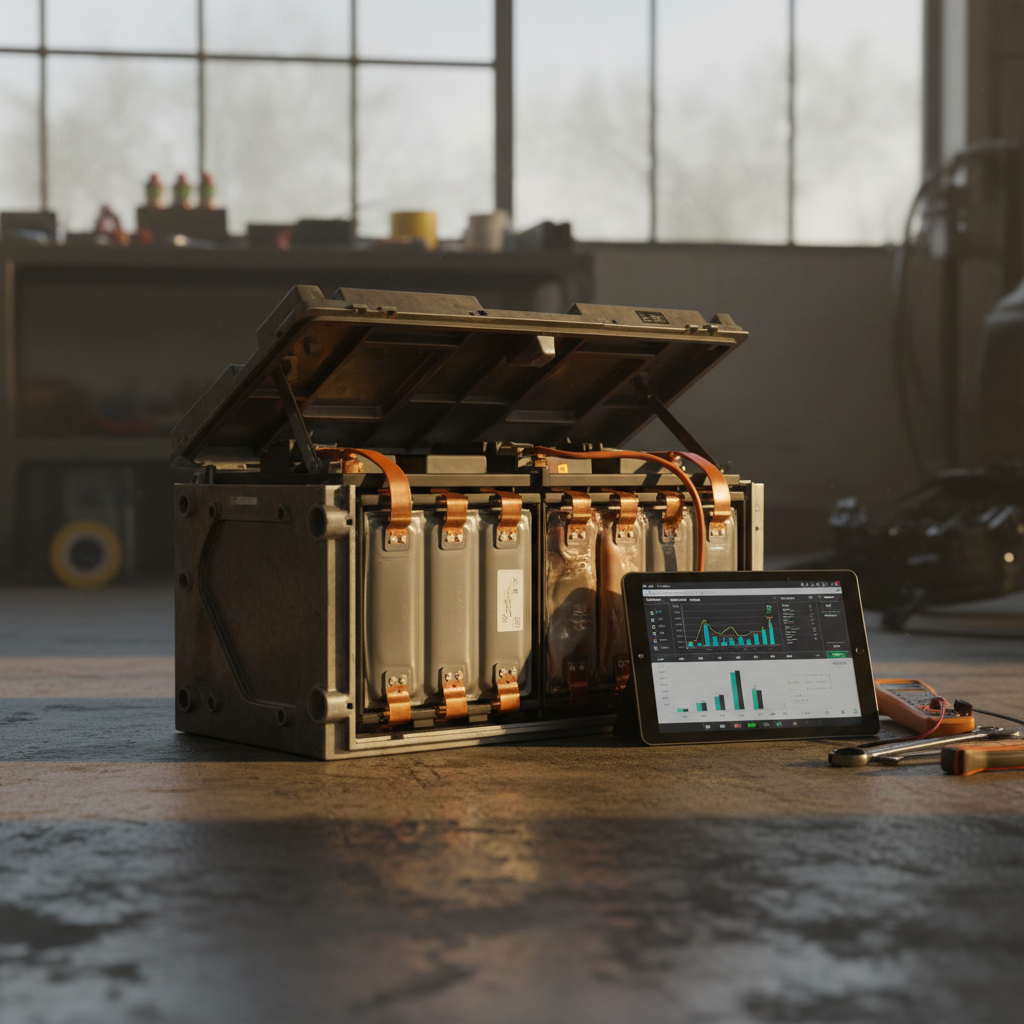
Ask for a battery health report, not just the original range rating. At Recharged, every EV comes with a Recharged Score Report that uses diagnostics to estimate usable capacity and how it compares to a healthy pack.
2. How was the car charged?
A history of constant DC fast charging isn’t an automatic deal-breaker, but it’s useful context. Balanced use of Level 2 home charging with occasional fast charging is generally easiest on long‑term range.
3. How does the car perform on a short range test?
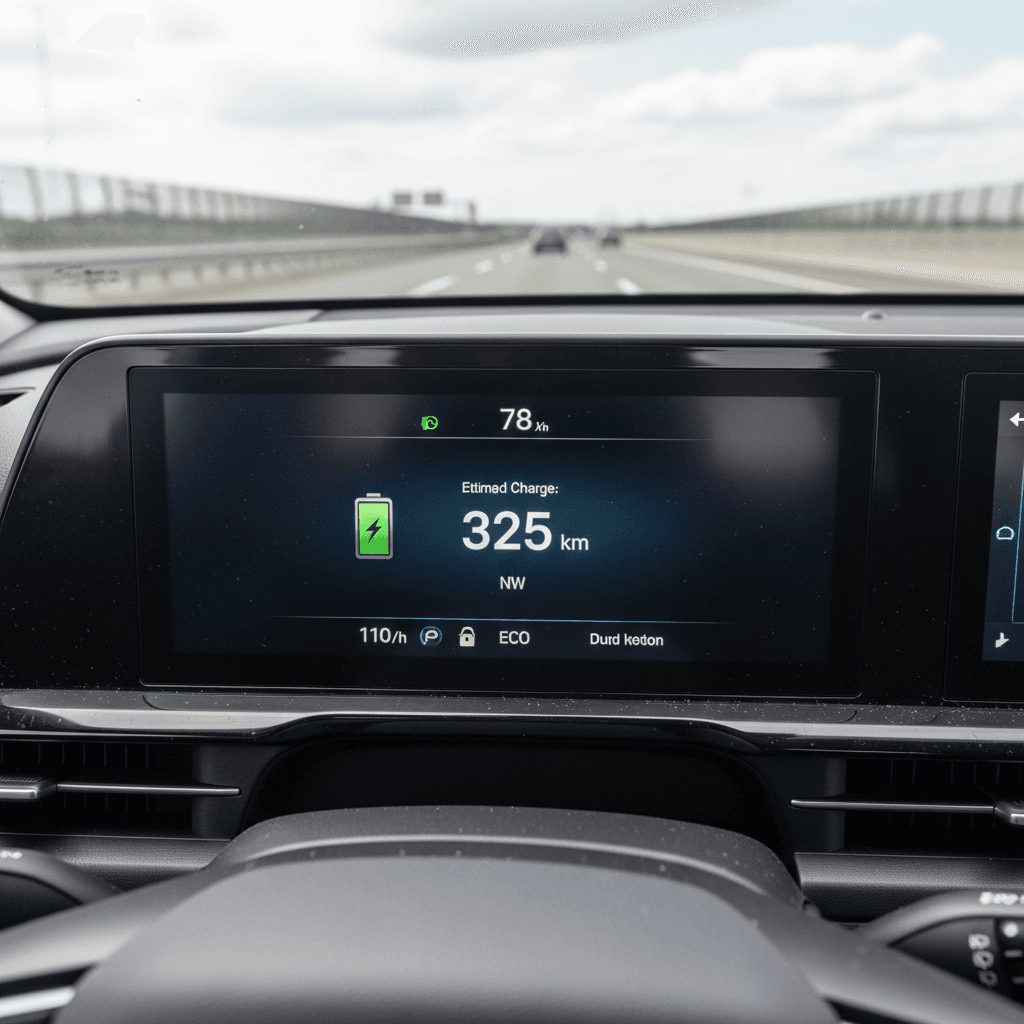
On a test drive, reset a trip meter and drive 20–30 miles at your typical speeds. Compare the energy use and projected remaining range to what you’d expect from a healthy pack.
4. Is software up to date?
OEM software updates can tweak charging behavior, efficiency, and even projected range algorithms. A car that’s current on updates is more likely to deliver predictable results.
How Recharged helps de-risk used EV range
FAQ: 2024 Audi e-tron GT range & ownership
Common questions about 2024 e-tron GT range
Bottom line: Is the e-tron GT’s range good enough?
If you’re expecting the 2024 Audi e-tron GT to be a range champion, you’ll be disappointed. If you’re looking for a **genuinely special-feeling grand tourer** that can comfortably cover 200+ highway miles between fast charges, and recharge quickly when you do stop, it delivers exactly that. Real‑world tests show that the e-tron GT often comes close to, or even slightly exceeds, its EPA rating in the right conditions, and updated higher‑capacity variants push usable range even farther.
For daily commuting and weekend getaways, its range is more than adequate, provided you understand how speed, temperature, wheel choice, and driving style shape the numbers on the dash. And if you’re considering a **used e-tron GT**, pairing your own test drive impressions with an objective battery health check, like the Recharged Score Report that comes standard on every EV sold through Recharged, turns that range test from a leap of faith into a confident purchase decision.