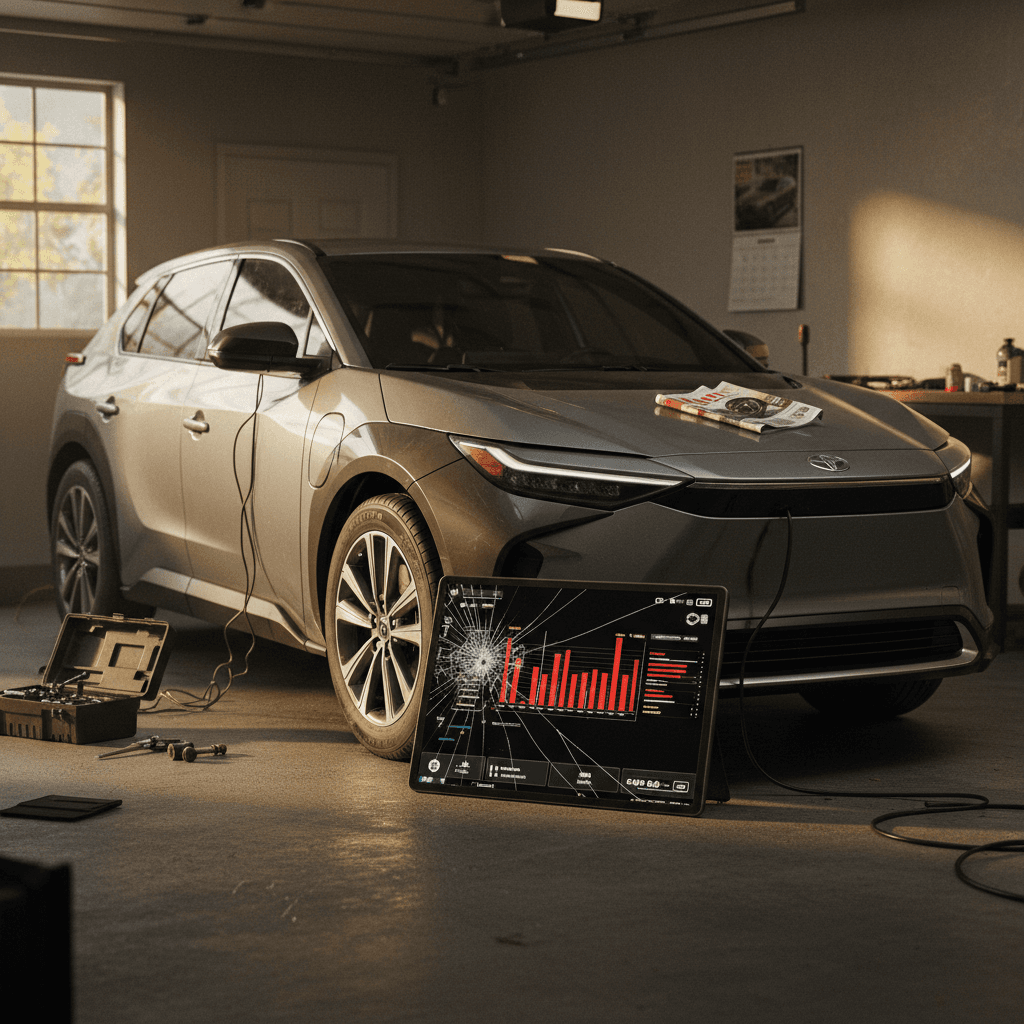
If you’re eyeing a used 2023 Toyota bZ4X, you’re probably expecting classic Toyota reliability in an all-electric package. The reality is more complicated. Early bZ4X models were hit with a dramatic wheel‑bolt recall, software glitches, and ongoing complaints about batteries and electronics, making 2023 Toyota bZ4X reliability one of the most debated topics in the EV world right now.
Quick take
2023 Toyota bZ4X reliability overview
How the 2023 bZ4X is performing so far
Toyota’s first dedicated modern EV was always going to have some growing pains. For the 2023 bZ4X, those showed up as a mix of hardware recalls (notably wheel hubs) and software‑driven reliability complaints involving charging, the HVAC system, and electronics. Third‑party sources rank it as one of Toyota’s least reliable current models, even though the brand overall is still near the top of the industry.
Key risk for shoppers
How reliable is the 2023 bZ4X vs other EVs?
Independent reliability ratings help put the 2023 bZ4X in context. Owner‑survey data from major publications shows the bZ4X performing worse than the average 2023 vehicle, and worse than most other Toyotas of the same year, with trouble areas clustered around electronics, climate control, and EV‑specific systems like charging and the high‑voltage battery.
At the same time, the bZ4X is not a chronic lemon across the board. Many owners report largely trouble‑free daily use, especially for short‑trip, city‑focused driving. Where it tends to fall short versus rivals like the Hyundai Ioniq 5, Kia EV6, or Tesla Model Y is in long‑distance usability and software polish rather than catastrophic mechanical failures.
2023 bZ4X reliability vs other popular EVs
How it stacks up for a typical U.S. used‑EV shopper
Versus other Toyotas
The 2023 bZ4X is one of the lowest‑scoring Toyotas for reliability, thanks to recalls and electronics issues. A RAV4 Hybrid or Prius of the same year will generally be less trouble.
Versus Korean EVs
Hyundai Ioniq 5 and Kia EV6 owners also report issues (especially DC fast‑charging quirks), but overall owner satisfaction and real‑world reliability trends are typically stronger than the bZ4X.
Versus Tesla
Model Y reliability is mixed but supported by a massive service ecosystem and the Supercharger network. The bZ4X’s CCS charging and software feel a generation behind.
How to interpret ratings
Major recalls: wheel bolts, HVAC, and more
The headline story in early bZ4X reliability was a dramatic recall for wheel‑hub bolts that could loosen. Toyota told owners to stop driving affected 2023 bZ4X and Subaru Solterra models until hubs and wheels were replaced. Later, a separate campaign targeted the HVAC system and defroster performance on 2023–2025 models.
Key 2023 Toyota bZ4X recalls to know about
Always run the VIN on NHTSA or Toyota’s recall site and confirm all work has been completed.
| Issue | Model years affected | Symptoms/Risks | Typical fix |
|---|---|---|---|
| Wheel hub bolts loosening | 2023 | Wheel could detach after low‑mileage use, loss of control | Replace hub bolts and wheels, inspection before return to service |
| HVAC / defroster software | 2023–2025 | Defroster/defogger can become inoperative during certain faults, reduced visibility in cold weather | Update HVAC control ECU software; inspect and sometimes replace compressor |
| Rear‑view camera display | 2022–2026 (incl. 2023 bZ4X with PVM) | Frozen or blank camera image when reversing, visibility issue | Software update to parking assist/PVM system |
| Load‑carrying label | 2023–2024 with specific accessories | Incorrect weight label could allow overloading | Dealer sends corrected label or installs new one |
This list focuses on recalls that carry the biggest reliability or safety impact for used‑car shoppers.
Non‑negotiable for used buyers
Common 2023 bZ4X owner complaints
Beyond recalls, owner reviews and NHTSA complaints paint a picture of a car that can be excellent when it works, and very frustrating when it doesn’t. Here are the problem patterns that come up most often.
- 12‑volt battery failures: Some owners report the car going completely dead, sometimes repeatedly, even after the 12‑volt battery was replaced under warranty.
- In‑car electronics glitches: Infotainment freezes, intermittent backup camera oddities, and occasional warning‑light clusters that clear after a restart.
- HVAC and defrost performance: Before the HVAC recall update, drivers in colder climates reported weak or unreliable defrosting and heating.
- Interior rattles and material quality: Multiple reviews call out cheap‑feeling plastics and squeaks or rattles from the dash and doors, unusual criticism for a Toyota.
- Fast‑charging experience: Not strictly a "failure," but many owners are disappointed with DC fast‑charging speeds and reliability, which affects perceived dependability on road trips.
"My bZ4X has gone completely dead multiple times. No power, no response. The dealer replaced the 12V battery, but the issue keeps coming back."
Is there a 12‑volt battery recall?
Battery and charging reliability on the 2023 bZ4X
On paper, the bZ4X’s battery pack is conservative: modest capacity and power outputs, which should favor long‑term durability. Toyota backs it with an 8‑year/100,000‑mile high‑voltage battery warranty. In practice, early‑life reliability issues tend to center less on pack degradation and more on DC fast‑charging behavior, auxiliary batteries, and charging compatibility.
Main battery & charging pain points
What owners actually report over the first few years
12‑volt (aux) battery failures
Repeated 12‑volt battery failures can leave the car completely inoperable, even when the main traction battery is fine. Owners describe multiple jump‑starts or tows and short intervals between replacements.
DC fast‑charging frustration
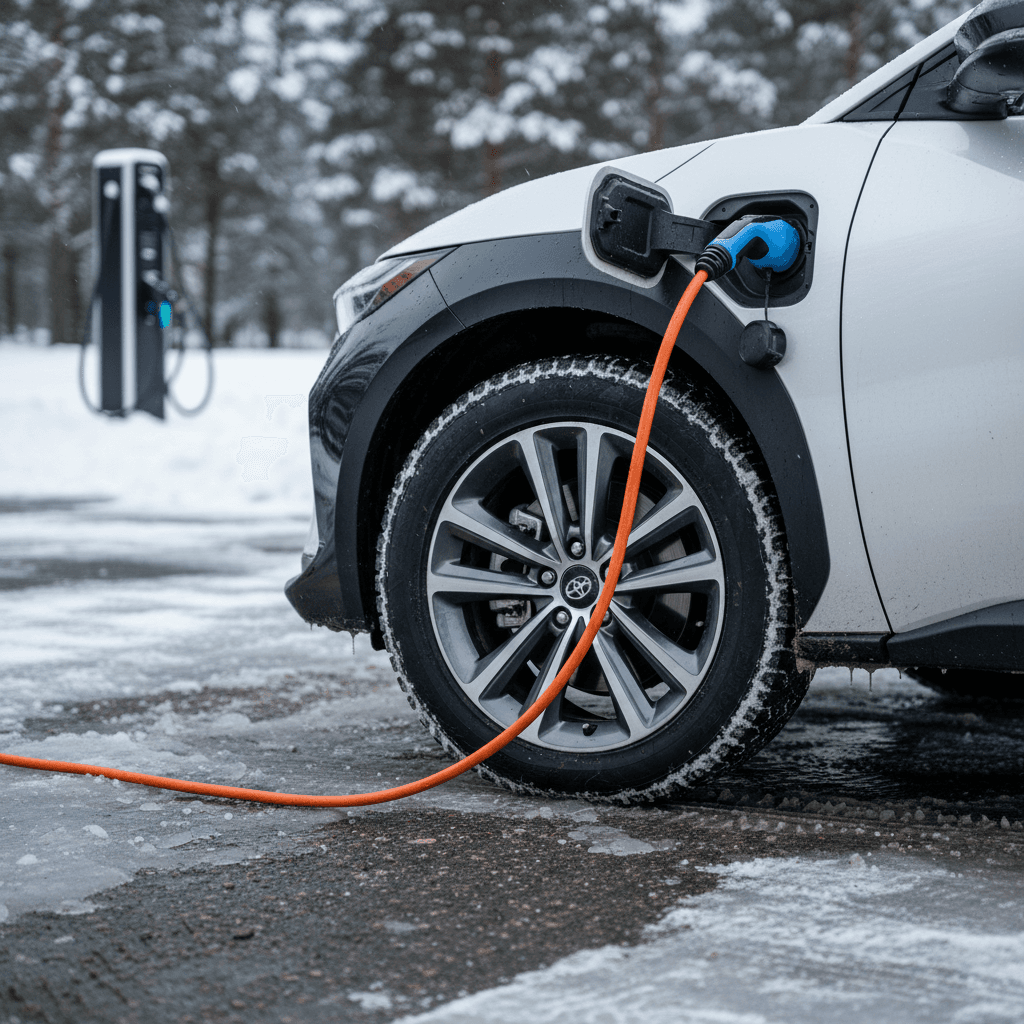
Owners complain that highway fast‑charging is slower and less predictable than rivals. Hot battery temps, conservative charge curves, and CCS network reliability all contribute to a weaker road‑trip experience.
Home charging and charge‑port quirks
Some 2023 bZ4X owners report intermittent problems starting or completing Level 2 charging sessions, often tied to specific chargers. Firmware updates and using high‑quality EVSEs usually improve this.
Battery health so far
Because the bZ4X is still relatively new, large‑scale data on long‑term degradation is limited. Early reports don’t show widespread catastrophic degradation, but consistent DC fast‑charging may still accelerate wear as with any EV.
Smart battery check when buying used
Drivetrain, interior, and build-quality issues
The bZ4X shares its e‑TNGA platform and electric drivetrain with the Subaru Solterra and Lexus RZ, and so far there aren’t widespread reports of motors or gearboxes failing. Most reliability gripes live in the "annoying but fixable" category, interior quality, noises, and software behavior, rather than catastrophic mechanical breakdowns.
Interior & body issues
- Rattles and squeaks from the dash and doors, especially on rough pavement.
- Cheaper plastics than many buyers expect at this price point, leading to a perception of low quality.
- Occasional water or wind noise complaints around door seals and glass.
Ride & hardware durability
- Stiff ride that can make noises more noticeable but hasn’t translated into major suspension failures so far.
- Standard brakes and steering are mostly drama‑free, though some owners mention regenerative‑braking feel they don’t love.
- After wheel‑hub recall work, no ongoing systemic wheel‑loss issues have surfaced.
The upside of Toyota DNA
What this reliability record means for used bZ4X buyers
Because of its recalls, mixed reviews, and lower‑than‑expected demand, the 2023 bZ4X often trades at a discount versus rivals. That can create opportunity, if you know how to separate a well‑sorted example from a future headache.
2023 bZ4X as a used buy: opportunity vs. risk
Who it suits and who should probably look elsewhere
Good match
Urban and suburban commuters who mostly charge at home and don’t rely on fast charging for regular long trips.
Drivers who prioritize easy driving and Toyota’s cabin ergonomics over cutting‑edge range and performance.
So‑so match
Occasional road‑trippers. You’ll get there, but slower DC fast‑charging and CCS network variability make it less relaxed than a Tesla or some Korean EVs.
Poor match
Heavy road‑trip or harsh‑climate use where HVAC performance, fast‑charging speed, and network reliability matter every week. Better to shop alternatives here.
How Recharged reduces the risk
Pre‑purchase checklist for a used 2023 Toyota bZ4X
If you’re shopping a 2023 bZ4X, whether through a marketplace like Recharged, a dealer, or a private seller, use this checklist to separate solid cars from risky ones.
Essential checks before you sign on a 2023 bZ4X
1. Confirm wheel‑hub and HVAC recalls
Run the VIN through Toyota’s recall lookup and NHTSA. Verify the wheel‑hub campaign, HVAC/defroster software update, and camera/parking‑assist updates have all been completed, and keep the paperwork.
2. Ask about 12‑volt battery history
Has the 12‑volt battery been replaced more than once? Frequent auxiliary‑battery failures could hint at deeper electrical or software issues. Factor this into your decision or price negotiation.
3. Review charging behavior
Test the car on a Level 2 home‑style charger and, if possible, a DC fast charger. Make sure sessions start reliably and that you’re seeing charging speeds that roughly match Toyota’s published specs for state‑of‑charge and temperature.
4. Inspect HVAC and defroster performance
On a cold or damp day, confirm the heater and defroster work quickly and consistently. Weak or inconsistent performance could mean the recall wasn’t performed yet or there’s a compressor issue.
5. Listen for rattles and squeaks
During a test drive on rough and smooth roads, listen for dash and door rattles. They’re not safety issues, but they affect day‑to‑day livability and may indicate prior bodywork or poor assembly.
6. Scan the car for stored fault codes
Ask the seller or dealer for a recent diagnostic scan. At Recharged, we pull trouble codes and interpret them for you so you’re not guessing about intermittent warnings or reset‑and‑forget repairs.
7. Verify remaining warranty coverage
Check the in‑service date to see how much is left on the basic, powertrain, and 8‑year/100,000‑mile battery warranty. Extra coverage can make a bZ4X with a spotty past history feel much safer.
Reliability: bZ4X vs Subaru Solterra vs Lexus RZ
Because the Toyota bZ4X, Subaru Solterra, and Lexus RZ all share core hardware, it’s fair to ask whether they share the same reliability story. In broad strokes: yes, but each brand puts its own spin on the ownership experience.
Shared‑platform EV reliability snapshot
How the three siblings compare from a used‑buyer perspective.
| Model | Key overlap with bZ4X | Perceived reliability trend | Typical shopper profile |
|---|---|---|---|
| Toyota bZ4X | Core platform, motors, battery; Toyota‑tuned software and styling | Below typical Toyota standards; mixed owner feedback but improving with recalls and updates | Value‑focused Toyota loyalists and commuters entering EVs for the first time |
| Subaru Solterra | Near‑twin platform and hardware with Subaru AWD tuning | Similar mechanical story, but more early wheel‑hub recall exposure; Subaru dealers vary in EV experience | Subaru fans wanting an electric Outback‑alternative with standard AWD |
| Lexus RZ | Same basic platform but higher‑end interior, stronger performance | Some of the same HVAC and software issues, but fewer complaints about materials and noise | Luxury EV shoppers cross‑shopping Tesla, Genesis, and German brands |
These are general trends; always focus on the specific VIN’s history and condition.
Same bones, different expectations
Ownership experience: costs, warranty, and peace of mind
When you’re talking about reliability, costs and peace of mind matter as much as failure rates. On the plus side, the 2023 bZ4X has no oil changes, no conventional transmission, and fewer wear items than a gas crossover. On the minus side, software‑driven problems and EV‑specific parts can be tricky to diagnose at shops that aren’t up to speed on electric drivetrains.
- Routine maintenance is relatively light: tires, brake fluid, cabin filters, and occasional alignment checks.
- Toyota’s EV‑specific parts and labor pricing is still evolving; some components can be more expensive than their hybrid equivalents.
- The high‑voltage battery is covered for 8 years/100,000 miles, and Toyota typically offers extended warranties you can price into the deal.
- Insurance and tire wear can be higher than a compact gas SUV due to weight and torque.
Leverage the market
FAQ: 2023 Toyota bZ4X reliability
Frequently asked questions about 2023 bZ4X reliability
Bottom line: should you buy a 2023 bZ4X?
The 2023 Toyota bZ4X is not the bulletproof, low‑drama Toyota many shoppers expect, but it’s also not a disaster. It sits in a gray zone: more issues than the brand’s hybrids and gas models, but still potentially a smart buy at the right price and with the right history. If you mostly commute, charge at home, and crave an approachable first EV, a well‑vetted bZ4X can work well.
If you want to shortcut the homework, platforms like Recharged are built for exactly this kind of decision. Every used EV we list, bZ4X included, gets a Recharged Score Report with verified battery health, recall status, and fair‑market pricing, plus EV‑specialist support from first click to delivery. That’s the kind of transparency you want when you’re buying the Toyota that breaks the brand’s reliability stereotype, for better or worse.