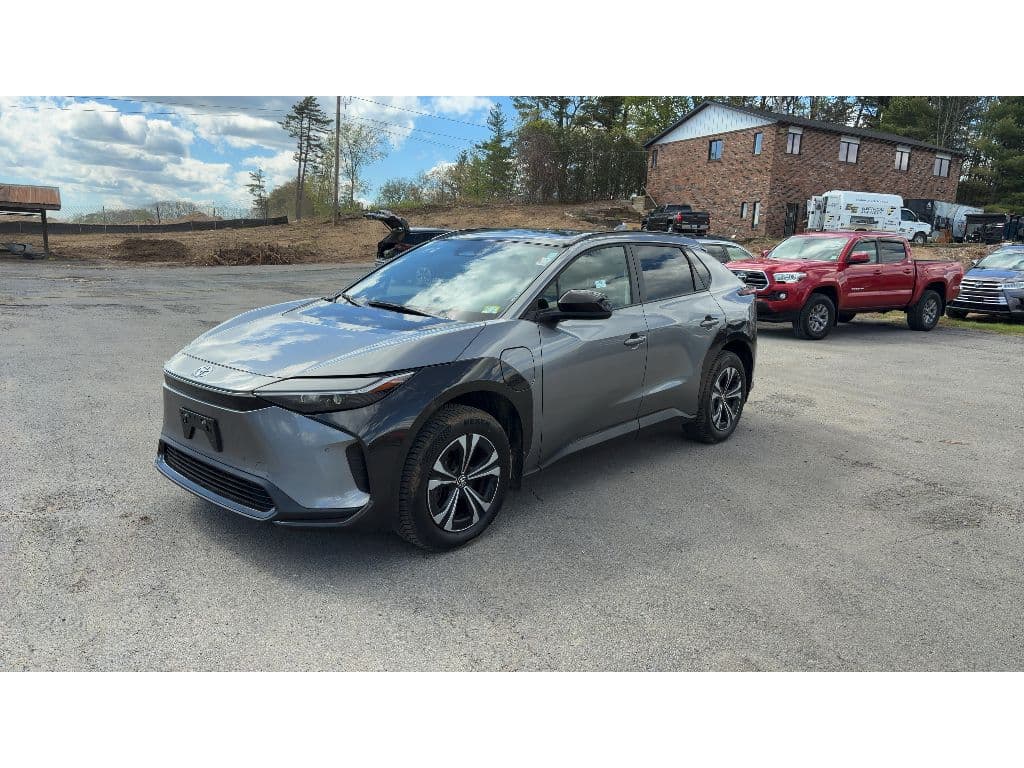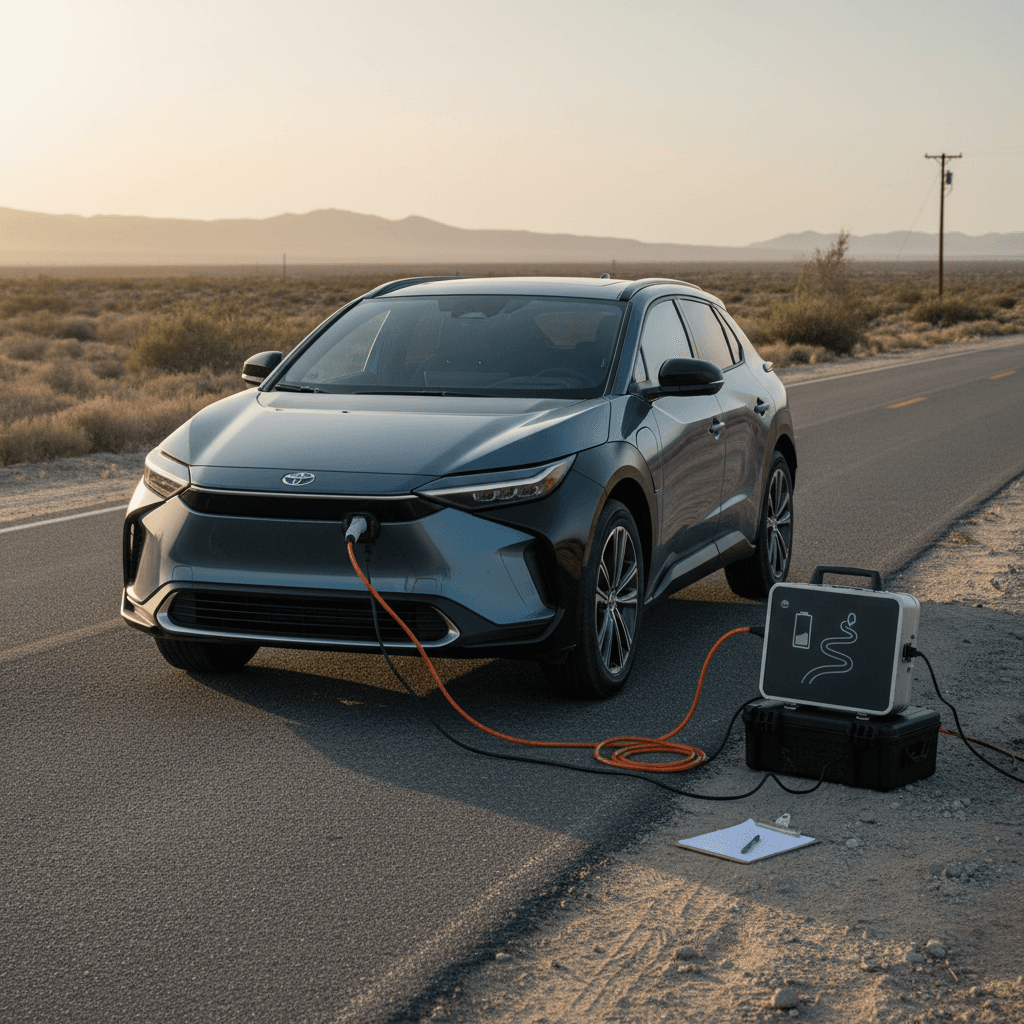
If you’re looking up a 2023 Toyota bZ4X range test, you’ve probably heard mixed things. On paper, Toyota’s first dedicated EV SUV can go up to 252 miles on a charge. In independent real-world tests, though, some trims struggle to crack 230 miles, and highway range can dip closer to 160 miles. In this guide, we unpack why the numbers don’t always match, how the bZ4X behaves in the real world, and what it means if you’re driving or shopping for one, especially used.
At-a-glance takeaway
2023 Toyota bZ4X range test overview
For range testing, there are three main benchmarks you’ll see for the 2023 bZ4X:
- EPA-rated range: The official window-sticker number (222–252 miles depending on trim).
- Laboratory-style media tests: Out-and-back loops at steady highway speeds to see how close an EV gets to its EPA estimate.
- Day-to-day owner experience: Mixed city and highway driving, climate control, cargo, and weather, which often reveals the car’s true personality.
The 2023 bZ4X has a reputation for underperforming its EPA numbers at highway speeds, especially in all-wheel-drive form, while feeling more competitive in lower-speed city and suburban use. That split is important if you’re planning road trips versus mostly commuting.
2023 Toyota bZ4X headline range numbers
EPA range, battery specs, and trims
Before you can judge any 2023 Toyota bZ4X range test, it helps to understand what Toyota actually built. All 2023 models share the same basic battery architecture on Toyota’s e‑TNGA platform, but range varies by drive type and wheel size.
2023 Toyota bZ4X EPA range by trim
Official EPA combined range ratings for U.S.-spec 2023 bZ4X models.
| Trim | Drive | Wheels | EPA Range (mi) | Approx. Battery (kWh) |
|---|---|---|---|---|
| XLE FWD | Front-wheel drive | 18-inch | 252 | ~71.4 gross (~63–64 usable) |
| Limited FWD | Front-wheel drive | 20-inch | 242 | ~71.4 gross |
| XLE AWD | All-wheel drive | 18-inch | 228 | ~72.8 gross (~65–66 usable) |
| Limited AWD | All-wheel drive | 20-inch | 222 | ~72.8 gross |
Larger wheels and all-wheel drive both reduce rated range.
The key pattern is simple: front-wheel drive goes farther than all-wheel drive, and smaller 18-inch wheels go farther than 20s. If you care about range above all else, the XLE FWD on 18s is the spec to benchmark against.
Don’t confuse bZ4X with updated “bZ”
Real-world range tests: What independent testing shows
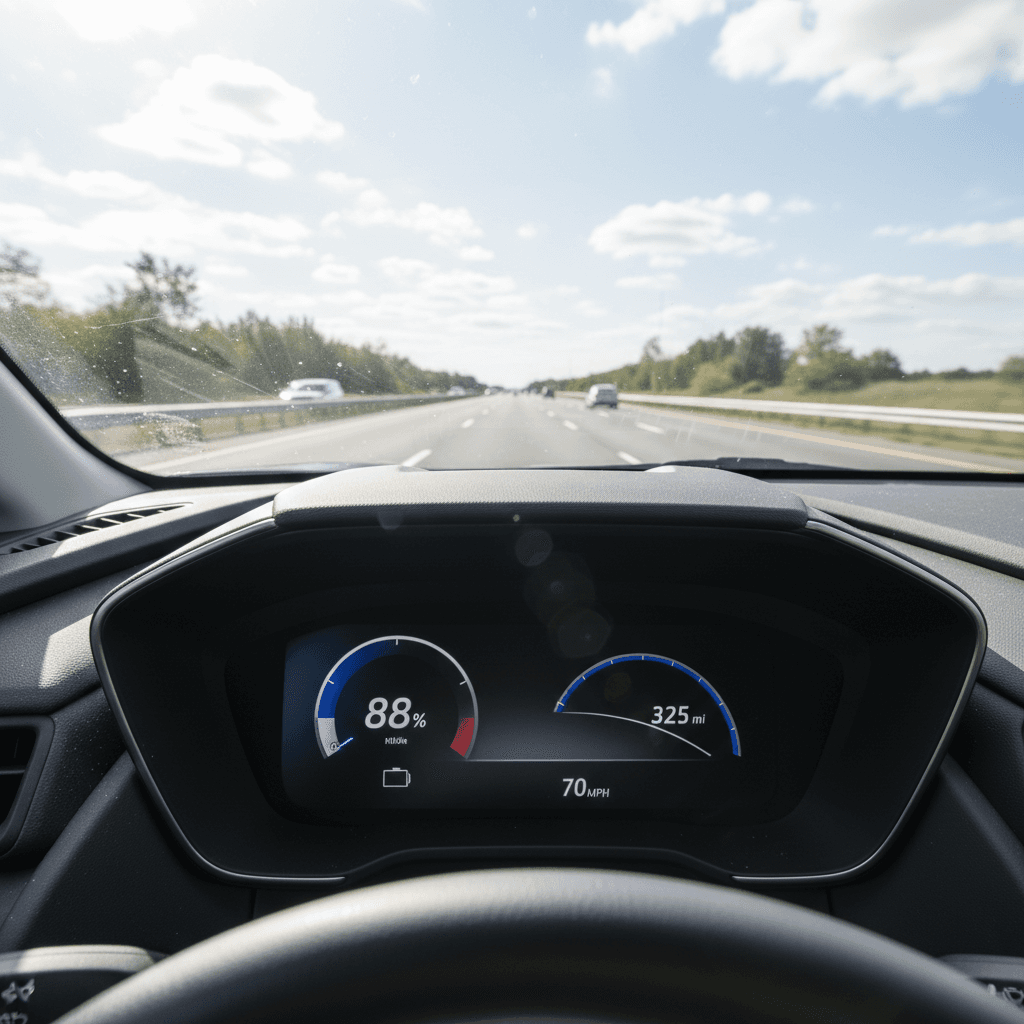
Independent test loops give us a clearer picture of how the 2023 bZ4X behaves outside the lab. Different outlets use slightly different protocols, but a common approach is a 70–75 mph highway loop from 100% down toward empty, then calculating real-world range and efficiency from the energy used.
Highway tests: The weak spot
- In one widely cited test of a dual‑motor bZ4X, the car managed roughly 160 miles of range at sustained highway speeds, far below its 222–228‑mile rating.
- That puts the bZ4X near the bottom of the pack for highway endurance among modern EV crossovers, on par with older designs like the Nissan Leaf rather than segment leaders like the Hyundai Ioniq 5 or Kia EV6.
- Energy use in these tests has landed in the upper‑20s to low‑30s kWh per 100 miles, higher (worse) than Toyota’s own estimates.
Mixed-driving tests: Closer to the label
- In more balanced city–suburban loops, especially with the FWD Limited or XLE trims, some testers have gotten within about 10% of the EPA number, roughly 220–230 miles on a full charge for the 242–252‑mile variants.
- Drivers report that at 35–55 mph with gentle acceleration, the bZ4X feels much more efficient and predictable.
- Owners who don’t spend long stretches at 75 mph typically see range that feels “good enough” for commuting and errands, even if it’s not class‑leading.
How to read range-test numbers
City vs highway vs winter: Why your numbers jump around
The 2023 bZ4X is unusually sensitive to conditions. That shows up when you compare city, highway, and winter range results from owners and reviewers.
How driving conditions change 2023 bZ4X range
Same car, wildly different numbers depending on how and where you drive.
Stop‑and‑go city driving
- Lower aerodynamic drag at 25–45 mph can help the bZ4X feel closer to its EPA rating.
- Regenerative braking recovers energy in traffic.
- Cabin heat or A/C still cuts into range, but not as dramatically as on the highway.
Fast highway cruising
- A boxy SUV shape and relatively modest battery size mean drag becomes the enemy above 65 mph.
- At 70–75 mph, it’s normal to see real‑world range 20–30% below the window sticker.
- Crosswinds, hills, and roof boxes exaggerate the drop.
Cold weather and winter use
- The bZ4X uses battery energy to heat the cabin and battery, especially on short trips.
- Expect winter range to fall another 20–40% depending on temperature and drive length.
- Preconditioning while plugged in helps a lot, use it whenever possible.
Why winter hurts more in the bZ4X
How the 2023 bZ4X compares with rival EVs
On paper, the 2023 Toyota bZ4X sits in the same compact EV‑SUV class as the Hyundai Ioniq 5, Kia EV6, Volkswagen ID.4, Nissan Ariya, and Ford Mustang Mach‑E. But its range story is a little different.
2023 compact EV SUV range comparison (approximate)
EPA combined range for popular 2023 compact electric SUVs with comparable trims.
| Model & Year | Drive | EPA Range (mi) | Notable Highway Test Notes |
|---|---|---|---|
| Toyota bZ4X (FWD) | Single motor | 242–252 | Some tests show modest shortfall vs EPA; decent in mixed driving, weaker at 70–75 mph |
| Toyota bZ4X (AWD) | Dual motor | 222–228 | Highway tests around ~160 mi in worst cases, among lowest in segment |
| Hyundai Ioniq 5 | Single motor | ~220–303 | Often meets or exceeds EPA in independent tests |
| Kia EV6 | Single motor | ~232–310 | Frequent real‑world over‑performance vs rating |
| VW ID.4 | Single motor | ~209–275 | Closer alignment between EPA and highway test results |
| Nissan Ariya | Single motor | ~205–289 | Generally tracks its rating but with similar winter penalties |
| Ford Mustang Mach‑E Std. Range | Single or dual | ~211–250 | Shorter‑range trims comparable, but long‑range models out‑distance bZ4X on trips |
The bZ4X’s range looks competitive on paper, but drops off more sharply in some highway tests.
The pattern: the 2023 bZ4X isn’t unusable; it’s just less forgiving. Rivals with larger packs and better aero can afford to lose 20–30% in bad conditions and still leave you with plenty of usable range. The bZ4X, particularly in AWD form, doesn’t have as much headroom.
Battery degradation, warranty, and long-term range
When you’re considering a used 2023 bZ4X, the natural question is: will range get even worse as the pack ages? So far, we don’t have a decade of North American data on this particular battery, but Toyota has staked a lot of its EV reputation on long‑term durability.
- Toyota targets relatively conservative fast‑charging rates (100–150 kW, depending on drivetrain) and modest pack sizes, which can ease stress on the cells.
- The pack is liquid‑cooled and integrated into the e‑TNGA platform with structural reinforcement, aimed at stability and safety.
- In many markets, Toyota has advertised long battery warranties (often around 8–10 years and high mileage caps), with specific targets around capacity retention. Exact terms vary by region and model year, so check the documentation for a specific VIN.
Why Toyota’s warranty matters for used buyers
On the ground, early‑life degradation reports for 2023 bZ4X owners have been mixed but not alarming. As with most EVs, you might see a few percent of capacity loss in the first couple of years, followed by a slower decline. Because the bZ4X starts with less range than some rivals, even modest degradation has a more noticeable impact on how far you’re comfortable driving between charges.
What these range tests mean for used 2023 bZ4X shoppers
Range performance has a direct impact on used values. The 2023 bZ4X launched into a competitive segment and quickly developed a reputation for mediocre highway range and limited availability early on. As the market has digested those realities, its resale story has been rough for first owners but potentially attractive for used‑EV buyers.
2023 Toyota bZ4X depreciation snapshot
If you’re in the market today, that depreciation can work in your favor. You may find a low‑mileage 2023 bZ4X priced well below comparable Ioniq 5 or EV6 models. The trade‑off is range: you’re effectively spending less upfront in exchange for fewer miles per charge and more careful trip planning.
Where Recharged fits in
Ready to find your next EV?
Browse VehiclesHow to maximize range in your 2023 Toyota bZ4X
If you already own a 2023 bZ4X, or you’re about to buy one, there’s a lot you can do to stretch range and reduce those “why is the GOM dropping so fast?” moments. (GOM is EV‑speak for the “guess‑o‑meter” that displays your estimated miles remaining.)
Practical steps to get more miles from each charge
1. Choose your wheels and tires wisely
If you have a choice between trims, the XLE’s 18‑inch wheels and lower‑rolling‑resistance tires give you a noticeable efficiency edge over the 20‑inch Limited setup. If you’re already on 20s, consider an efficient replacement tire when it’s time to swap rubber.
2. Dial back highway speeds
Aerodynamic drag rises exponentially with speed. Dropping from 75 to 68 mph can easily gain you 10–15% more range in a 2023 bZ4X. Use cruise control where it’s safe to smooth out acceleration spikes.
3. Precondition while plugged in
On cold or very hot days, use the bZ4X’s climate preconditioning while the car is still on the charger. Warming or cooling the cabin and battery from grid power preserves more energy for driving.
4. Use Eco mode and gentle inputs
Eco mode softens throttle response and tamps down power‑hungry systems. Combine that with gradual acceleration and anticipating traffic so you coast instead of brake, maximizing regenerative braking rather than wasting energy as heat.
5. Watch your rooftop and cargo load
Roof racks, cargo boxes, and bikes can slash highway range, especially on a relatively modest battery pack. Remove them when you’re not using them, and pack light when you can.
6. Plan charging around your habits
If your routine includes lots of short trips in winter, aim to keep the pack between roughly 20% and 80% and plug in at home regularly. That way you’re often starting trips with a warm battery and healthy buffer, rather than deep‑cycling the pack.
Lean on smart route planning
2023 Toyota bZ4X range test: FAQ
Common questions about 2023 Toyota bZ4X range tests
Bottom line: Is the 2023 bZ4X’s range good enough?
The headline from most 2023 Toyota bZ4X range tests is clear: it’s not a class leader, especially on the highway. The EPA numbers look respectable, but real‑world results, particularly with all‑wheel drive at 70–75 mph or in cold weather, land well short of what rivals deliver. If you’re expecting to knock out 250‑mile interstate legs between charges, this isn’t your SUV.
That doesn’t make the 2023 bZ4X a write‑off. For drivers with predictable daily miles, home charging, and mostly city or suburban routes, it can be a solid, quiet, easy‑to‑live‑with EV, especially at today’s used‑market prices after heavy early depreciation. The key is going in with eyes open about its range envelope and planning around it.
If you’re considering a used 2023 bZ4X, look beyond the window sticker. Ask for a battery health report, pay attention to wheel size and drivetrain, and think honestly about your driving patterns. At Recharged, we built our Recharged Score and EV‑specialist buying support to give you that clarity up front, so you can decide whether a bZ4X fits your life, or whether another used EV in our inventory will better match the miles you actually need each day.