If you’re looking at a 2023 Toyota bZ4X, you’ve probably heard about wheel-hub recalls, disappointing fast‑charging, and winter range drops. The first model year of Toyota’s electric crossover isn’t quite the cockroach-tough Corolla of EVs, but it’s also not the disaster some headlines imply. This guide walks through the most common 2023 bZ4X problems and, crucially, the fixes and checks that make the difference between a bargain and a headache.
Context matters
Overview: How worried should you be about 2023 bZ4X problems?
2023 bZ4X reliability at a glance
Owner surveys and complaint databases paint a mixed picture. The 2023 bZ4X scores below average for overall reliability compared with other 2023 vehicles, driven more by nuisance faults than catastrophic failures. Charging speed, winter range, HVAC behavior and software quirks dominate real‑world complaints, especially on early builds.
The good news: most of the truly scary stuff, the early wheel‑hub bolt recall, the more recent HVAC/defroster software recall, camera and display updates, has a clear dealer fix. If you’re shopping a used 2023 bZ4X, your job is to verify that those fixes have been done, and that the car’s charging and range behavior match your life, not a brochure.
Major 2023 Toyota bZ4X recalls and how to confirm fixes
Key 2023 bZ4X recalls that buyers must understand
Most used examples on the market should already have these repairs, but don’t assume, verify.
1. Wheel‑hub bolt / wheel detachment (early 2023)
On the earliest 2023 bZ4X builds, improperly torqued wheel‑hub bolts could loosen and, in extreme cases, allow a wheel to detach while driving. Toyota paused sales and offered buybacks or repairs.
Fix: Updated hardware and tightening procedure at the dealer. Any bZ4X that stayed in service should have this done; many affected cars were repurchased or never reached private owners.
2. HVAC / defrost software recall (2023–2025)
A software fault can put the heat‑pump system into failsafe after certain compressor failures, shutting down heat and defrost. Loss of windshield defogging in winter is a safety issue, so Toyota issued a broad recall covering 2023–2025 bZ4X, Subaru Solterra and Lexus RZ.
Fix: Dealer software update plus compressor replacement in some cases. Always confirm this recall is closed before you buy in a cold climate.
3. Rear camera / display behavior
Some 2023 bZ4X models have recalls or service campaigns for backup‑camera or multi‑display software, where the camera image may not appear or the screen can blank or freeze.
Fix: Multimedia software update at the dealer; on a test drive, shift repeatedly between Drive, Reverse and Park and confirm the camera is responsive and clear.
4. Labeling & VIN / certification issues
Small but confusing: early bZ4X and twin Subaru Solterra units had labeling problems, wrong VIN or certification labeling that didn’t match NHTSA records. Toyota responded with updated labels and letters.
Fix: Confirm the driver’s door jamb labels match the VIN, and run the VIN through the NHTSA recall checker for peace of mind.
Always run the VIN
How to confirm 2023 bZ4X recall work
Use this quick guide when you’re looking at a specific VIN or inspection report.
| Issue | What to Ask For | Quick Test on a Test Drive |
|---|---|---|
| Wheel‑hub bolt recall | Dealer repair invoice showing recall campaign closed | Car tracks straight, no wheel vibration or clunks over bumps. |
| HVAC / defrost recall | Service record with updated HVAC software and, if applicable, compressor replacement | Full‑heat and full‑defrost test from cold start; look for strong airflow and stable temps. |
| Camera / display | Proof of multimedia software update | Shift into Reverse multiple times; camera image should appear instantly with no flicker. |
| VIN / label corrections | Photo of updated certification label if applicable | VIN plate at base of windshield, door jamb sticker and title all match. |
Don’t rely on a salesperson’s verbal assurance, ask for screenshots or service records.
Charging problems: Slow DC speeds, home charging quirks & fixes
The single biggest day‑to‑day complaint with the 2023 bZ4X is how it charges, especially on road trips. On paper, front‑wheel‑drive trims top out around 150 kW on DC fast chargers, while AWD versions are capped lower. In practice, a lot of owners see peaks closer to 50–70 kW, and the curve falls off quickly as the battery fills.
- AWD models are significantly slower to DC fast‑charge than many rivals and even than FWD bZ4X trims.
- In cold weather, both FWD and AWD may crawl along at 20–40 kW until the battery warms up.
- Older public chargers, especially 50 kW units, will bottleneck the car no matter what the brochure says.
Fast‑charging fixes & expectations
Common DC fast‑charging complaints
- “It never reaches the advertised kW.” This is worst on early AWD cars and in cold weather. Toyota has issued charging‑performance software updates aimed at smoothing the curve and improving charging display accuracy, but physics and conservative battery management remain limits.
- “The car throttles hard above ~60%.” That’s by design. The bZ4X, like many EVs, slows charging aggressively as the pack fills to protect battery health.
AC home charging quirks
- Charge scheduling bugs. Some owners report the scheduled‑charging feature randomly ignoring settings and starting to charge immediately. A full multimedia and ECU software update often helps; occasionally the schedule has to be deleted and recreated.
- Charger handshake failures. If your Level 2 charger clicks on then drops out after a few seconds, you could be dealing with a marginal home circuit, a finicky EVSE, or a car side fault. Try a different charger and outlet before blaming the bZ4X outright.
When to see a dealer about charging
Range complaints and winter performance: What’s normal, what’s not
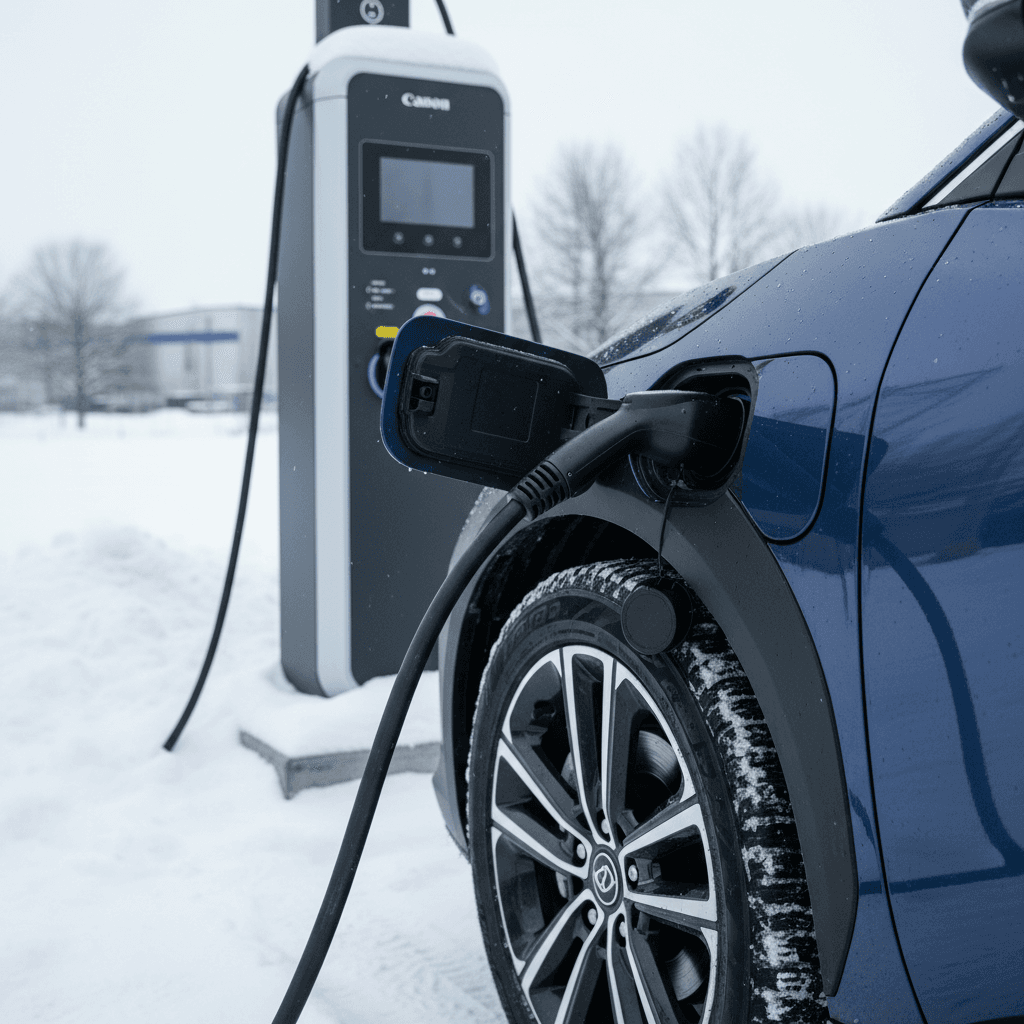
On the spec sheet, a 2023 bZ4X XLE FWD is rated up to the low‑250‑mile range, with AWD trims lower. In reality, owners often report 180–210 miles in mild weather and far less when temperatures fall below freezing. That’s not a Toyota conspiracy; it’s how batteries behave, especially in a relatively conservative pack like this one.
- Cold‑soaked batteries accept less energy and give up less, slashing both range and charging speed.
- Short trips are range killers because you spend a huge share of energy heating a cold cabin and cold pack.
- High speeds (75–80 mph) and headwinds can easily add another 15–20% hit on top of winter losses.
Practical winter‑range fixes
If you’re seeing losses far beyond that, say, burning 80–90% of the battery for a 100‑mile highway trip in moderate weather, that’s a red flag. Ask the seller for a recent highway‑range example (miles driven vs. % battery used) and, if possible, replicate it on a long test drive. Big outliers may indicate tire issues, alignment problems or software that needs an update.
Software, infotainment and app glitches
Toyota’s new‑generation infotainment system is more modern than the old Entune era, but it hasn’t escaped growing pains. bZ4X owners report a grab‑bag of software issues: wireless Apple CarPlay or Android Auto that occasionally refuse to connect, random audio dropouts, frozen camera views, charging schedules that don’t “stick,” and a Toyota app that can be slow or inconsistent about updating state of charge.
Typical 2023 bZ4X software complaints
Annoying? Yes. Deal‑breakers? Usually not, if you keep software current.
Phone integration hiccups
Wireless CarPlay/Android Auto failing to connect until you restart the car or the phone, laggy voice commands, or occasional audio cutouts.
Try this: Delete and re‑pair the phone, check for head‑unit updates, and consider using wired USB for long trips where reliability matters more than convenience.
Instrument & camera oddities
Cluster elements briefly disappearing, backup camera delay or freezing, blank main display that comes back after a restart.
Try this: Confirm all multimedia recalls are done, then have the dealer check for the latest firmware. Most glitches are software, not failing hardware.
Over‑the‑air update gaps
The bZ4X can accept OTA updates, but many cars leave the factory and then never see another update because owners ignore prompts or connectivity is poor.
Fix: On a used car, assume it’s behind. Ask the dealer to bring all ECUs and the multimedia system to current spec as part of reconditioning.
Test the tech like you test the drivetrain
12‑volt battery and “bricked” bZ4X issues
A recurring theme in owner forums is the humble 12‑volt battery. Like most EVs, the bZ4X uses the small 12‑volt to boot the computers and close the contactors for the high‑voltage pack. If that little battery sags, the car can appear completely dead, no start, no charge, sometimes a Christmas tree of error messages, leading owners to say their bZ4X “bricked.”
- Cars that sit for days or weeks without being driven, especially with multiple connected services or accessories, seem more likely to flatten the 12‑volt.
- Short, low‑speed errands don’t give the system much time to top the 12‑volt back up.
- Some owners have had early 12‑volt batteries replaced under warranty and seen the issue vanish.
12‑volt best practices
When you’re considering a used 2023 bZ4X, ask the seller directly about 12‑volt replacement history and any no‑start events. A recent OEM 12‑volt battery, clean terminals and no history of repeated failures are all green flags.
Other complaints: Build quality, HVAC and oddball issues
Beyond charging and software, the 2023 bZ4X has the usual first‑model‑year scatter of minor complaints: wind noise from the mirrors, trim rattles, inconsistent panel gaps, quirky HVAC behavior and the occasional failed compressor tied to that big HVAC recall.
Quick checks for common non‑drivetrain gripes
Listen for rattles and buzzes
Drive on a rough road and a concrete freeway at 65–75 mph. Rattles from the dash or cargo area and excessive wind roar around the mirrors are the most common annoyances. Is it acceptable to you?
Stress‑test the HVAC
With the car cold, run max heat and defrost, then switch to full A/C. Make sure the system responds quickly, doesn’t blow only lukewarm air, and doesn’t throw any HVAC error messages.
Inspect weather‑seals and glass
Look closely at door seals, hatch alignment and glass edges for gaps or damage. Water leaks and wind noise often start with small sealing flaws.
Look for warning lights history
Ask the seller for any screenshots of prior error messages. A long list of unexplained popping‑up warnings, especially around braking, steering or traction, deserves follow‑up at a dealer.
Don’t normalize obvious defects
Fixes, updates and preventive maintenance that actually help
High‑impact fixes a dealer can do
- Complete all open recalls. Wheel‑hub bolts, HVAC/defrost, camera and labeling recalls are non‑negotiable. Get written proof.
- Update all control units. Ask specifically for the latest charging‑performance, multimedia and HVAC software, not just a generic "we scanned it."
- Test and, if needed, replace the 12‑volt battery. A weak 12‑volt can masquerade as a dozen different mystery faults.
- Road‑force balance and alignment. Many “EV ride” and range complaints are really about under‑inflated or out‑of‑spec tires.
Habits that make bZ4X ownership easier
- Charge mostly between ~10–80%. It’s better for long‑term battery health and makes DC fast‑charging sessions faster and more predictable.
- Pre‑condition in extreme temps. Run climate while plugged in before morning commutes and winter road‑trips; you’ll save usable range.
- Drive it regularly. EVs, including the bZ4X, are happiest when they’re driven, not when they sit for weeks with everything connected.
- Keep records. Save service and update receipts; they’ll help you and the next owner, and support warranty claims if something does go wrong.
How Recharged helps here
Ready to find your next EV?
Browse VehiclesUsed 2023 bZ4X buyer checklist: How to spot a good one
Essential checklist before you buy a 2023 bZ4X
1. Pull a full recall & service history
Run the VIN through the federal recall tool and Toyota’s owner portal. Ask for dealer invoices showing the wheel‑hub, HVAC/defrost and camera updates done. No paperwork? Treat it as not done.
2. Evaluate charging at home and in public
If possible, plug into a Level 2 home charger and a DC fast charger during your test period. Watch for handshake failures, error messages, or DC speeds that are dramatically lower than what the seller claims.
3. Do a real‑world range test
Start near 100% charge, reset trip data, and drive at your typical highway speed for 40–60 miles. Compare miles driven to battery % used. If the math says you’re getting less than two‑thirds of the expected range in mild weather, ask why.
4. Check 12‑volt health
Look for a recent 12‑volt replacement on the service history. If there’s any no‑start or “won’t ready up” story, insist the selling dealer test and, if necessary, replace the 12‑volt before delivery.
5. Push every button and feature
Test seat heaters, steering‑wheel heat, driver‑assist features, cameras, app connectivity and charge scheduling. It’s better to discover a glitch while the seller still has an incentive to fix it.
6. Compare trims and model years
If fast‑charging performance is critical for you, consider later‑build 2023s, 2024–2025 models, or rival EVs that road‑trip better. Sometimes the smartest “fix” is choosing the EV that matches how you actually drive.
2023 Toyota bZ4X problems: FAQ
Frequently asked questions about 2023 bZ4X problems and fixes
Bottom line: Is a 2023 bZ4X still worth it?
The 2023 Toyota bZ4X is not the flawless, set‑and‑forget appliance many people associate with the Toyota badge. It’s a first‑wave EV with conservative charging hardware, noticeable winter‑range penalties and a stack of recalls that you have to take seriously. But when those issues are addressed, when the recalls are done, the software is current, the 12‑volt is healthy and your expectations about road‑trip charging are realistic, it can be a quiet, comfortable, low‑drama commuter that benefits from Toyota’s long battery warranty.
If you want an ultra‑fast‑charging highway animal, you should probably look at other EVs. If you want a straightforward electric crossover for daily use and school runs, a well‑sorted 2023 bZ4X can be a smart value buy, especially when lease returns start to hit the market. Just be choosy, lean on inspection reports, and don’t be shy about walking away from cars with missing recall paperwork or sketchy charging behavior. And if you’d rather have those checks done for you, browsing 2023 bZ4X listings that already have a Recharged Score and full recall verification is an easy way to start on the right foot.