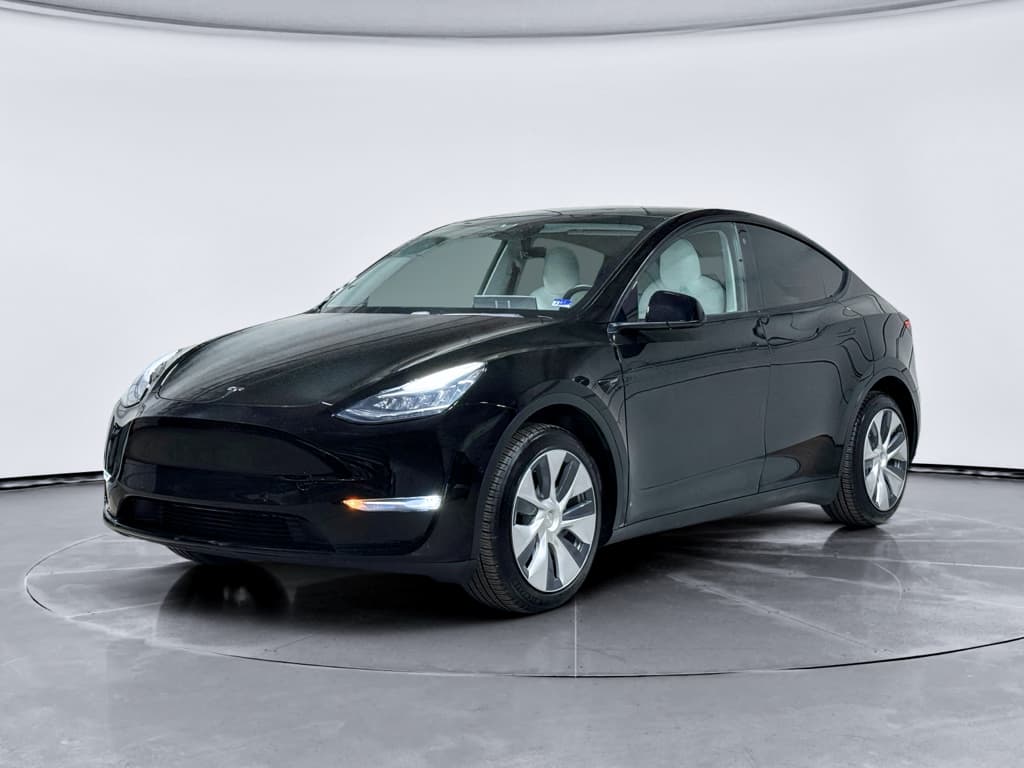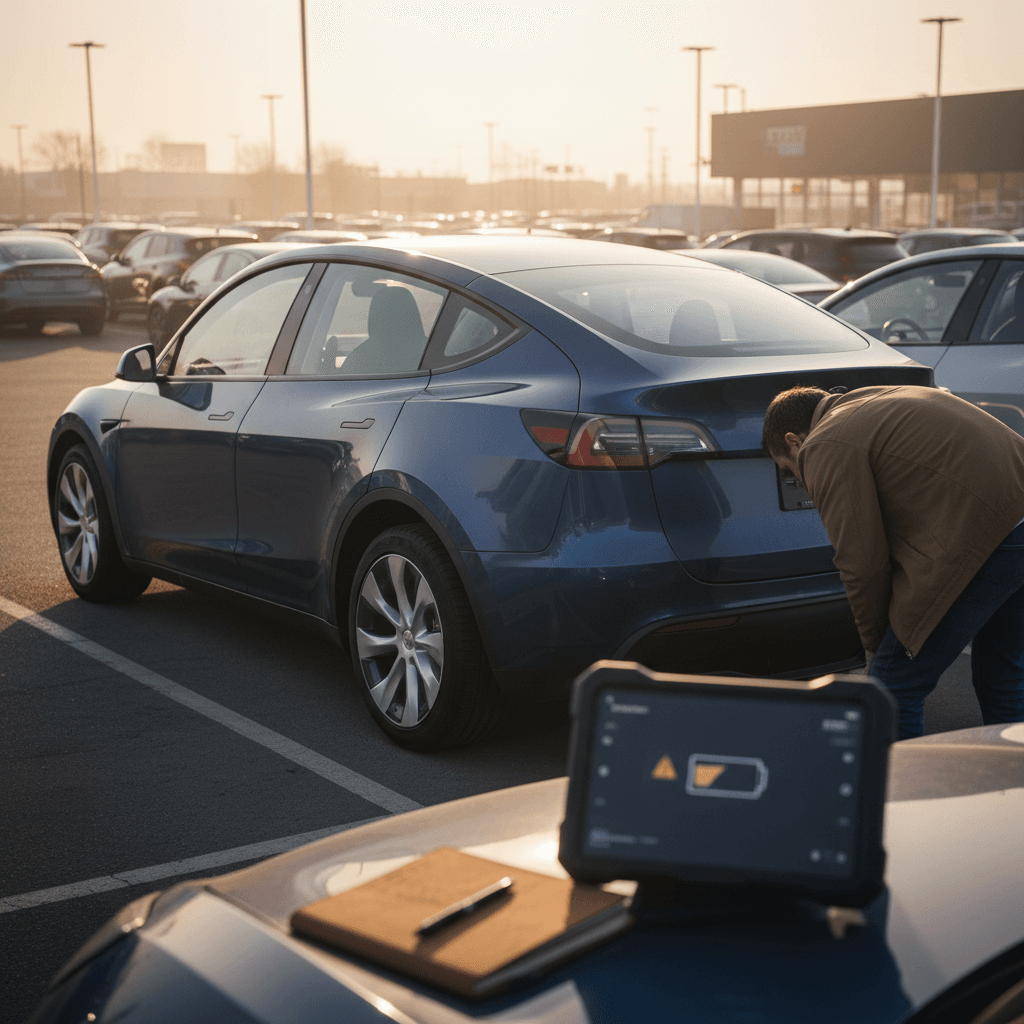
If you’re eyeing a 2023 Tesla Model Y on the used market, reliability is probably your biggest question. The Model Y is the best‑selling EV in the world, but owner surveys and inspection data show a mixed picture, strong battery and drivetrain durability paired with more day‑to‑day glitches than many traditional SUVs.
Quick take
2023 Tesla Model Y reliability in a nutshell
2023 Tesla Model Y reliability snapshot
So where does the 2023 Model Y land? Third‑party data paints a “good but not perfect” story. J.D. Power’s owner surveys put the Model Y’s overall quality and reliability in the upper 70s out of 100, while Consumer Reports has moved the Model Y into the “about average” reliability bucket after earlier years scored below average. Independent inspection data in Europe is harsher, with Germany’s TÜV calling out a relatively high rate of serious defects in nearly new Model Ys, especially in suspension, brakes and lighting. Put together, you’re looking at an EV that can rack up miles reliably, but one that’s more likely than a RAV4 or CR‑V to visit the service center for annoyances.
EVs vs gas vehicles
How reliable is the 2023 Tesla Model Y overall?
What the scores say
- J.D. Power owner data puts recent Model Y model‑years in the high‑70s overall, with quality & reliability around 70/100, respectable, but not class‑leading.
- Consumer Reports now rates the Model Y’s latest reliability as about average compared with all vehicles, after earlier years scored as below average.
- In Consumer Reports’ most recent brand report, Tesla’s reliability score has improved to roughly mid‑pack among automakers, and the Model Y stands out as one of the better‑performing EVs in their data set.
What real owners report
- Owner reviews on major sites often give the Model Y 4+ out of 5 stars for reliability, praising the powertrain and low running costs.
- Negative reviews tend to cluster around build quality (rattles, trim, doors), in‑car electronics and service experience, not catastrophic failures.
- Many owners report several software‑related visits or mobile‑service appointments in the first 1–2 years, but few engine‑out, transmission‑out type events, because there’s no engine or transmission in the traditional sense.
Big picture
Most common 2023 Model Y reliability issues
When you drill into owner surveys and defect reports for the 2023 Tesla Model Y, a pattern emerges: lots of small irritations, a handful of serious hardware issues, and very few powertrain failures. Here are the main trouble spots you should know before you buy used.
Top trouble spots on 2023 Model Y
These are the issues that come up most often in surveys, inspections and owner forums.
Body & trim quality
Owners frequently mention panel gaps, paint defects, loose trim and wind noise. Germany’s TÜV data also flags lighting and exterior hardware issues as common reasons for inspection failures.
In‑car electronics & software
The giant center screen controls nearly everything. Complaints include glitches, random reboots, Bluetooth and camera issues, and bugs after over‑the‑air updates. Most are fixed via software or module replacement, but they’re aggravating.
Suspension & noises
On rougher roads, owners report rattles, clunks or squeaks from the suspension and interior. In European inspections, suspension components show an above‑average defect rate for such a young vehicle.
Doors, latches & windows
Electronically actuated doors and flush handles can be finicky. There are documented complaints and investigations around doors not opening properly after certain failures, making it crucial to confirm proper operation and that occupants understand manual overrides.
Climate system quirks
Some owners note HVAC noises, intermittent heat/AC performance, or odors from the system. Typically resolved under warranty via software tweaks or component replacement (blowers, valves).
Fit, finish & squeaks
Expect more rattles and squeaks than in the best Japanese or Korean competitors. Many buyers accept this trade‑off for the EV driving experience, but it’s worth tempering expectations.
A note on door safety
Battery and charging: the good news for 2023 Model Y
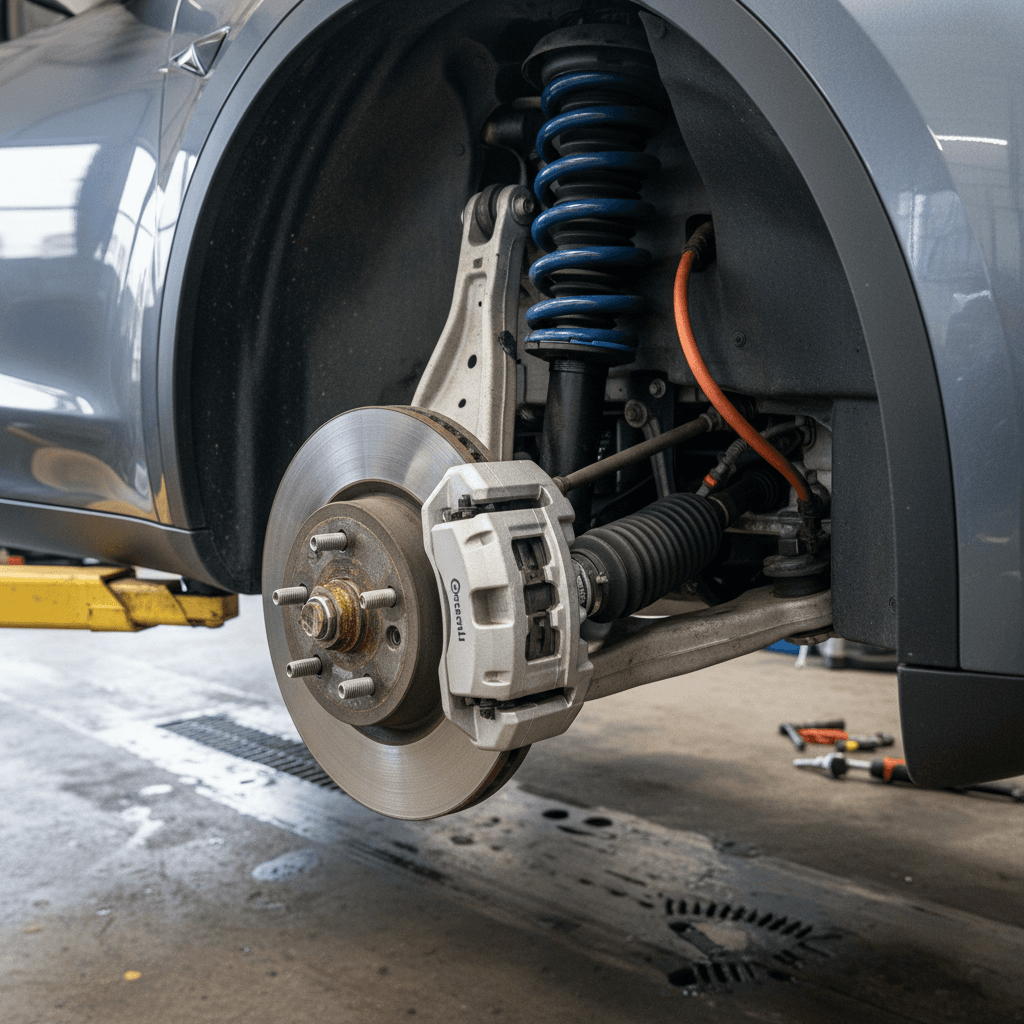
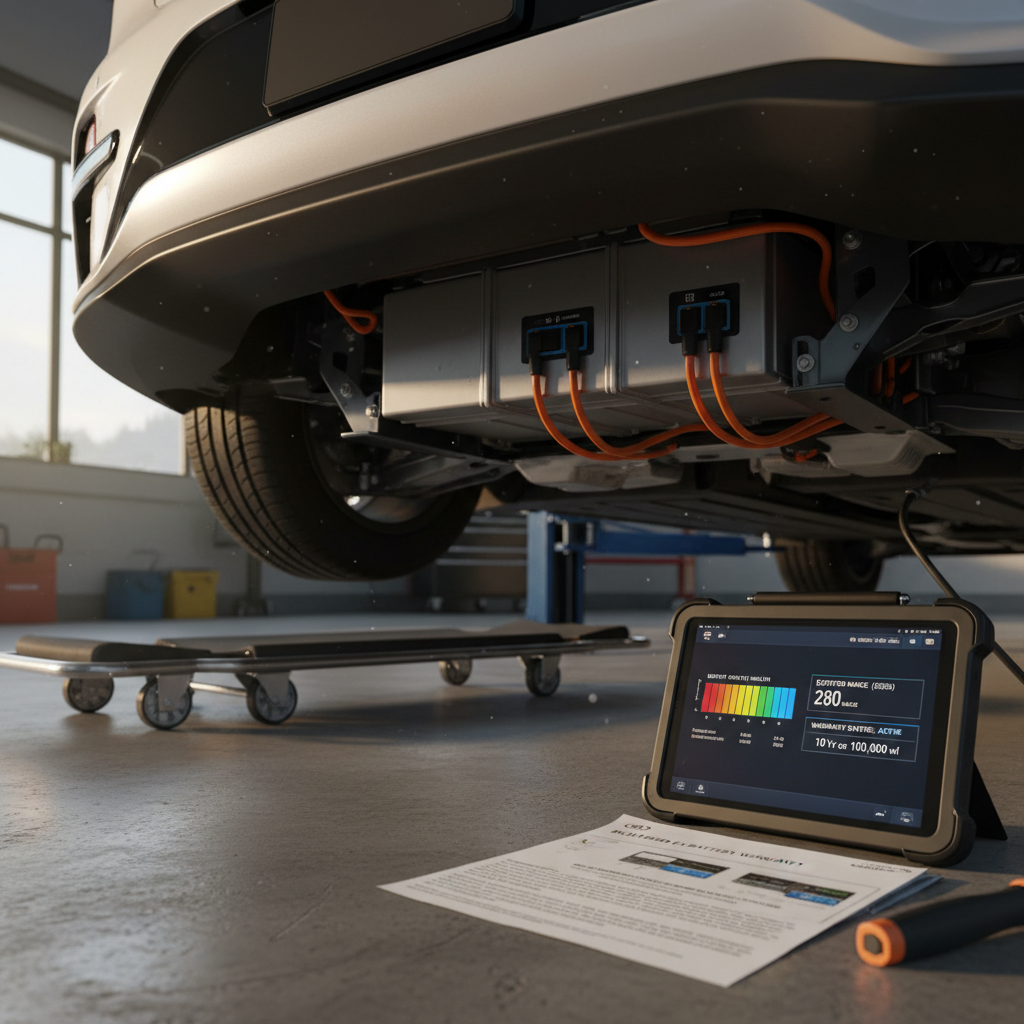
While cosmetic and electronic issues get the headlines, the 2023 Tesla Model Y’s high‑voltage battery pack and drive units have generally proven robust. For a used‑EV buyer, that’s the critical foundation.
- Real‑world owner reports typically show modest battery degradation, often in the single‑digit percentage range after the first 2–3 years, depending on mileage and fast‑charging habits.
- Thermal management and software protections help the pack avoid the worst rapid‑degradation scenarios seen in some early‑generation EVs.
- Tesla’s integrated battery + motor design means fewer moving parts than a gas SUV, which usually translates to fewer mechanical failures over the long term.
- Charging hardware issues do crop up (sticky charge doors, occasional port faults, home charging errors), but they are far less common than trim or infotainment complaints and are typically warranty repairs on a 2023.
Maximize your Model Y’s battery life
Recalls, safety investigations and what they mean for you
Like many tech‑heavy vehicles, the 2023 Tesla Model Y has been included in a series of recalls and software campaigns, some Model‑Y specific, others spanning most of Tesla’s lineup. Many are addressed via over‑the‑air updates, which is convenient, but you still want to understand the themes.
Examples of recalls affecting 2023–era Model Y
Exact coverage depends on build date and equipment. Always run a VIN check with NHTSA and Tesla before you buy.
| Issue theme | Typical fix type | Why it matters |
|---|---|---|
| Rear camera / visibility | Over‑the‑air software update or replacing affected computer | Loss of rear camera image can reduce rear visibility and violates federal safety standards. |
| Warning‑light font size | Over‑the‑air software update | Brake and ABS warning lights must meet visibility standards so drivers can react quickly. |
| Tire pressure monitoring | Over‑the‑air software update | If the TPMS light doesn’t stay on correctly, you might not know you’re driving on under‑inflated tires. |
| Front seatback welds (limited build range) | Seat assembly replacement at service center | Improperly welded seatbacks may not restrain occupants properly in a crash. |
| Front trunk (frunk) latch detection | Over‑the‑air software update | A hood that can open while driving is a serious visibility and crash risk. |
Most Tesla recalls are remedied with software updates, but some require service‑center visits or component replacement.
How to check recall status
Maintenance, repair costs and warranty coverage
One reason so many people live with Tesla’s quirks is that the Model Y is inexpensive to run compared with a gas crossover. Electricity is generally cheaper per mile than gasoline, there’s no oil to change, and the motors and reduction gearboxes require little routine attention.
Ownership costs: where the 2023 Model Y shines (and where it doesn’t)
Compared with a similarly quick gas SUV, the Model Y usually wins on fuel and maintenance, but unexpected repairs can still sting.
Lower day‑to‑day costs
- Energy costs: Home charging often equates to the equivalent of paying $1–$2 per gallon of fuel, depending on local electricity rates.
- Routine service: No oil changes, timing belts or spark plugs. Most visits are for tire rotations, brake fluid and cabin filters.
- Brake wear: Strong regenerative braking means pads and rotors often last far longer than in a comparable gas SUV.
Where costs can creep up
- Tires: The Model Y’s weight and torque can chew through performance tires faster than you’re used to.
- Out‑of‑warranty electronics: Screen or control‑module failures can be pricey if they happen after coverage expires.
- Body repairs: Aluminum and advanced driver‑assist hardware make collision repairs more expensive than on mainstream SUVs.
A 2023 Tesla Model Y still carries a meaningful slice of its original factory warranty. Tesla’s basic limited warranty is 4 years/50,000 miles from in‑service date, while the battery and drive unit are covered for 8 years/120,000 miles (with a minimum 70% retained battery capacity). On a used 2023, that usually means you’ll have battery and motor coverage for years, while bumper‑to‑bumper coverage depends heavily on current mileage and in‑service date.
Ask specifically about in‑service date
Buying a used 2023 Tesla Model Y: what to check
If you’re shopping for a 2023 Model Y, your goal is to find a car with a healthy battery and drive system, clean accident history, and as few build‑quality and electronics headaches as possible. That comes down to a focused inspection.
Used 2023 Model Y pre‑purchase checklist
1. Run a full history and recall check
Pull a vehicle history report, verify there are no undisclosed accidents or structural damage, and use the VIN to check for open recalls or unperformed service campaigns.
2. Inspect body, paint and glass closely
Look for misaligned panels, uneven gaps around doors and hatch, overspray that hints at prior repairs, cracked glass and any water leaks around doors or the panoramic roof.
3. Test all doors, windows and latches
Open and close every door, hatch and frunk several times. Confirm emergency mechanical releases work and that passengers know how to operate them, especially in the rear seats.
4. Exercise the electronics
Spend time with the center screen: test Bluetooth, navigation, cameras, audio, climate controls, seat heaters, phone key, app connectivity and Autopilot features where safe.
5. Evaluate ride quality and noises
On the test drive, listen for clunks, rattles or steering vibrations over bumps and at highway speed, these can hint at suspension or alignment issues that may not be obvious visually.
6. Check tires, brakes and underbody
Uneven tire wear or a pull under braking may indicate alignment or suspension problems. If possible, have a shop or EV expert put the car on a lift and inspect suspension components and the battery pack area.
Don’t skip a professional inspection
How Recharged evaluates 2023 Model Y reliability
At Recharged, every used EV, including the 2023 Tesla Model Y, goes through a structured intake process designed to surface exactly the kinds of issues owners report most often. The goal is simple: you shouldn’t have to guess how a used Model Y was treated or how much life is left in the battery pack.
What’s in a Recharged Score for a 2023 Model Y?
We combine diagnostics, road testing and market data so you can shop with confidence.
Battery health diagnostics
Mechanical & safety inspection
Fair‑market pricing & warranty review
Ready to find your next EV?
Browse VehiclesIf you’re trading in or selling your current EV, Recharged can provide an instant offer or consignment option, and we offer financing and nationwide delivery so you can complete the entire transaction digitally or visit our Experience Center in Richmond, VA if you prefer to see vehicles in person.
FAQ: 2023 Tesla Model Y reliability questions answered
Frequently asked questions about 2023 Tesla Model Y reliability
Bottom line: Is a 2023 Model Y a smart used buy?
If you value strong EV range, quick performance and low day‑to‑day running costs, a well‑vetted 2023 Tesla Model Y can be an excellent used buy. The battery and motors are generally durable, and Tesla’s frequent software updates can improve the car over time. The trade‑offs are more squeaks, rattles and electronic quirks than you’d get in the most reliable gas SUVs, plus a recall and regulatory environment that’s still evolving.
The key is to buy the right example. Prioritize vehicles with a clean history, no signs of crash damage, solid suspension and brake condition, and a documented record of recall completion. A Recharged Score Report, with verified battery health, fair‑market pricing and an expert inspection, can give you the kind of transparency that’s hard to get in a private sale. Do that, and the 2023 Model Y’s mix of performance and practicality can serve you well for many years.