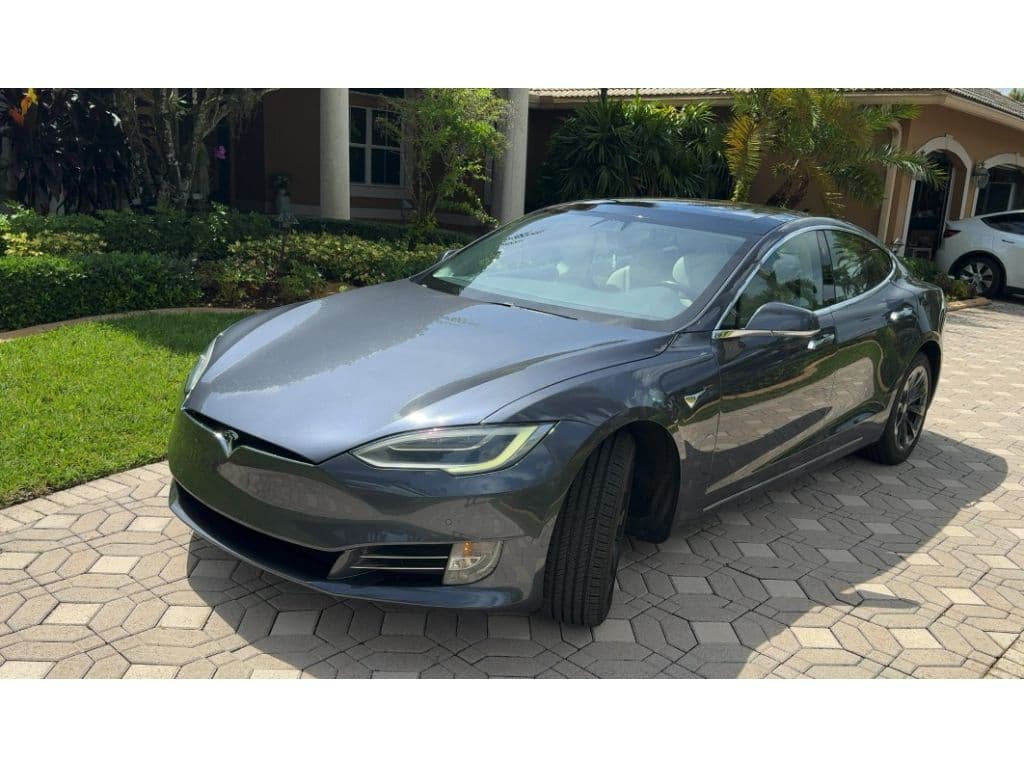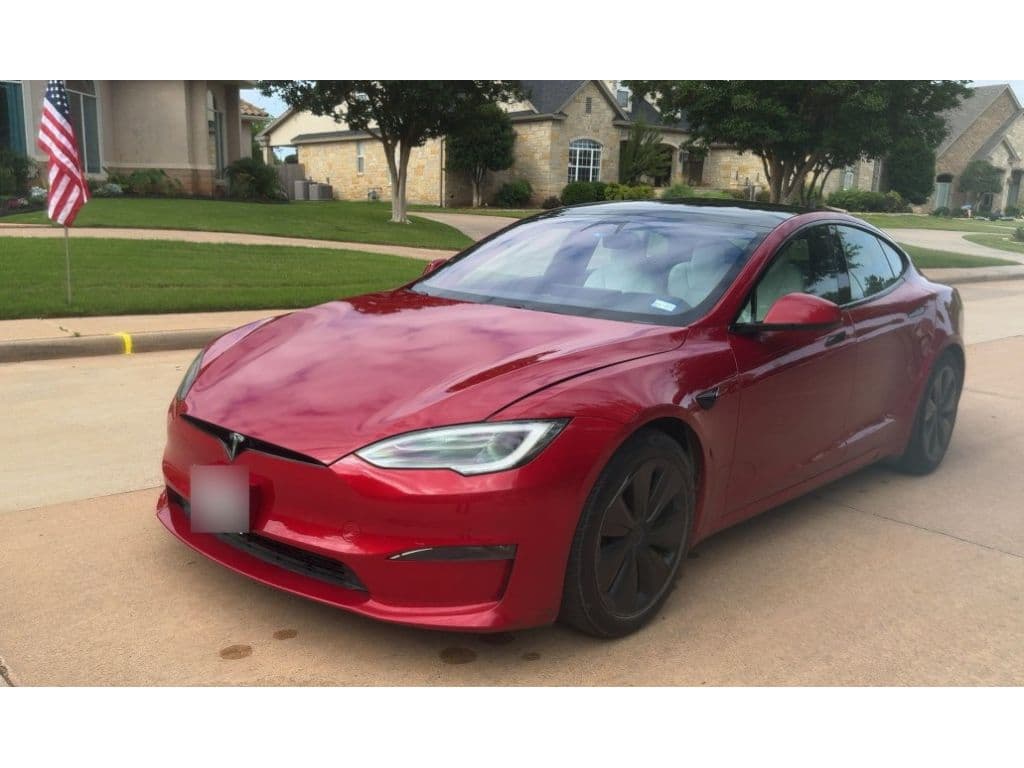
If you’re eyeing a **2023 Tesla Model S**, you’re probably wondering whether the car’s stunning performance and range are backed up by solid reliability, especially now that it’s a few years old. The short answer: it’s better than earlier Model S years in several ways, but you need to go in with eyes wide open about **recalls, build quality, electronics issues, and battery health**.
Quick take
2023 Tesla Model S reliability at a glance
2023 Model S: snapshot for used buyers
Context matters with Tesla reliability. Traditional survey data shows the **2023 Model S is less reliable than the average new car**, but it also shows meaningful improvements versus early Model S years where drive units, door handles, and sunroofs were chronic problems. Think of it as a car with a **solid powertrain and battery**, wrapped in **tech‑heavy, sometimes fussy hardware and software**.
Note on survey data
What the reliability ratings actually say
Independent ratings paint a nuanced picture of **2023 Tesla Model S reliability**:
- Consumer-oriented surveys rank the 2023 Model S as **below the average car overall**, but **better than many ultra‑luxury sedans**, thanks to a strong powertrain and improved body hardware compared to earlier Teslas.
- RepairPal‑style scoring pegs the Model S in the **“above average” reliability range** for luxury alternative‑fuel vehicles, with a score around **3.5 out of 5** and relatively infrequent major repairs for its class.
- Consumer Reports’ broader Tesla analysis has recently **returned the Model S to a recommended status**, noting fewer complaints about paint, trim, and body hardware than in prior model years.
Where ratings tend to agree is on the pattern of problems. You’re **unlikely to see catastrophic mechanical failures** in a 2023 Model S. Instead, owners most often report issues with **trim and weather‑sealing, in‑car electronics, and intermittent software behavior**. Those things can still be expensive or annoying, but they’re different from engine or transmission failures in a gas car.
Recalls: how many, how serious, and what to check
If you pull up the 2023 Model S on the NHTSA or Center for Auto Safety databases, the first thing that jumps out is the **sheer number of recalls, roughly a dozen or more**, depending on how you count overlapping campaigns. That looks scary, but you have to understand Tesla’s recall culture to interpret it.
The main types of 2023 Model S recalls
Most are software, a few are physical hardware checks
Software & FSD behavior
Several recalls target **Full Self‑Driving (FSD) Beta and Autopilot behavior**, for example, rolling stops, handling of turn‑only lanes, or speed‑limit compliance. These are typically addressed via **over‑the‑air updates**, not dealer visits.
Airbags & safety systems
Certain 2021–2024 Model S vehicles, including many 2023s, had recalls for **airbag horn pads or potential airbag tearing during deployment**. These require **physical inspection and, if needed, replacement**.
Seat belts & body hardware
Some 2021–2023 Model S cars were recalled for **front seat belts that might not be properly anchored**, plus periodic campaigns for exterior trim or camera harness routing. These are again **inspection‑and‑fix** items.
How to check recall status
How recall volume should influence your decision
Not all recalls are created equal. Here’s how to think about them when evaluating a used 2023 Model S.
| Recall type | Examples | Fix type | Buyer impact |
|---|---|---|---|
| Software behavior | FSD Beta intersection behavior, warning chimes | Over‑the‑air update | Low, as long as car is on current software |
| Visibility & cameras | Rear‑view image display rules, backup camera performance | Software or routing inspection | Medium, test cameras and displays in person |
| Restraints & airbags | Seat belt anchor connection, airbag horn pad | Service center inspection/part replacement | High, confirm completion before purchase |
| Body/trim | Loose exterior trim, minor panel attachments | Service center repair | Mostly cosmetic, but can affect noise and resale |
Use this as a framework, not a complete recall list.
In other words, the **high recall count doesn’t automatically mean the 2023 Model S is a lemon**. It does mean you should treat recall verification as mandatory, not optional, when buying used.
Common 2023 Model S issues to watch for
Owner surveys and complaint databases show a consistent pattern of **non‑drivetrain issues** on the 2023 Model S. When you’re evaluating a used example, pay particular attention to the categories below.
Most frequently reported trouble spots
1. Noises, rattles, and wind leaks
Some owners report **squeaks, rattles, or wind noise** from doors, glass, and seals. On a test drive, listen on the highway and over rough pavement, and look closely at door and hatch alignment.
2. Body hardware and trim quality
Complaints include **loose trim, misaligned panels, and premature wear of interior “vegan leather”**. Inspect seat bolsters, armrests, and door panels for early wear or peeling, and check that all doors, frunk, and trunk open and close smoothly.
3. Climate control quirks
The heat pump and automatic climate system are efficient but not immune from issues. Watch for **weak HVAC performance, inconsistent cabin temps, or unusual compressor noise**, especially in very hot or cold conditions.
4. Brake noises and feel
Regenerative braking does most of the work, so friction brakes can **rust or squeal** if the car sits a lot. Feel for pulsation through the pedal and listen for grinding; periodic “burn‑off” stops can help, but warped rotors are a negotiation point.
5. In‑car electronics and infotainment
Intermittent bugs, **screen reboots, Bluetooth hiccups, camera delays**, are common themes. Many are fixable via software, but a failing touchscreen or MCU can be costly out of warranty, so check for lag, dead pixels, or ghost touches.
Red flags when viewing a car
Battery health, range, and long‑term durability
Underneath the software drama, the **battery and drive units are the strongest part of the 2023 Tesla Model S story**. That’s critical, because pack or drive‑unit failures are the kind of events that can turn a used EV into a nightmare.
- Tesla’s long‑term data on Model S and X packs suggests **around 12% degradation at ~200,000 miles**, or roughly **5–10% loss by 100,000 miles** in many real‑world cases.
- Independent analyses of Model S fleet data show **most cars still retain 70–80% of original capacity** well past 200,000 miles when they haven’t been abused with frequent fast charging or extreme heat.
- The 2023 Model S benefits from **refined NCA battery chemistry and thermal management**, which tend to degrade more slowly than early‑2010s packs.
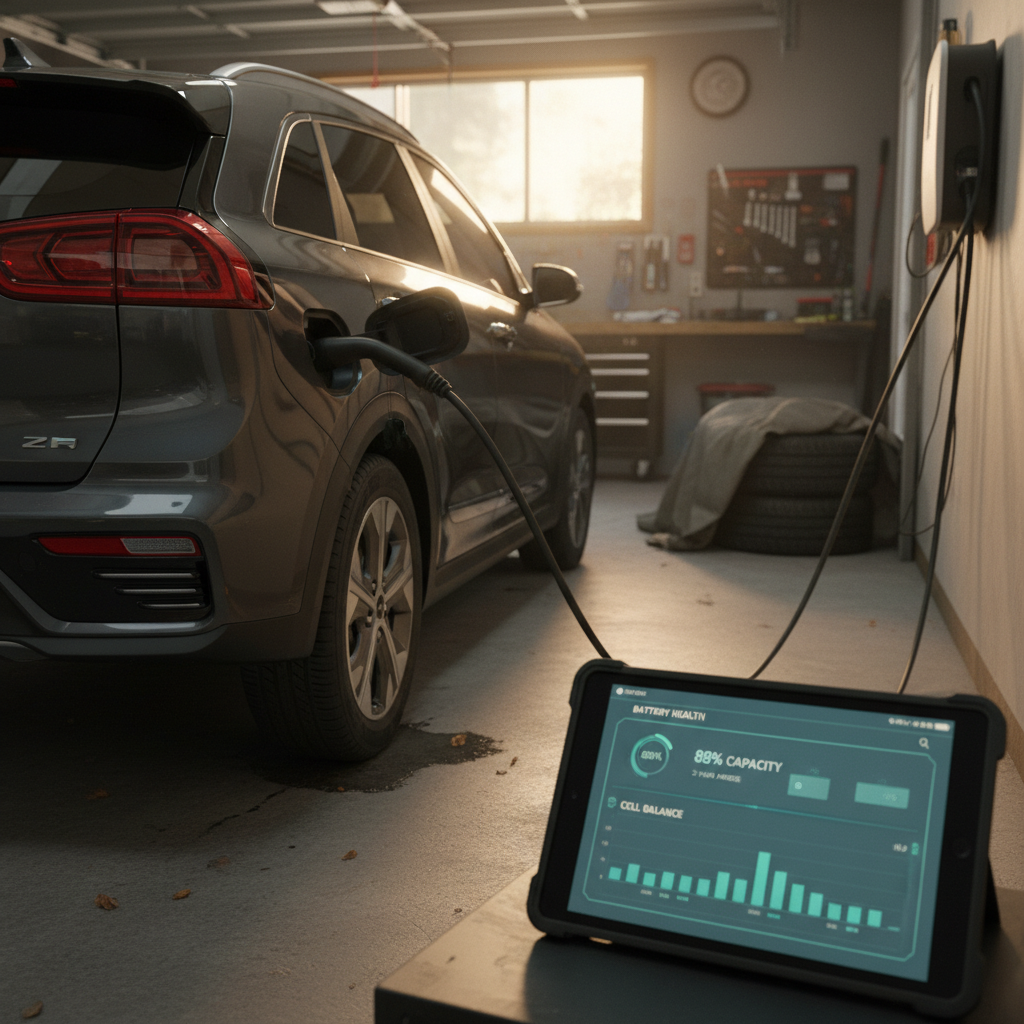
How to quickly sanity‑check battery health
Good news for long‑term ownership
For most used‑car shoppers, the key takeaway is that **battery replacement is rare** on newer Model S vehicles. Even at higher mileage, you’re usually looking at **modest range loss**, not imminent pack failure, especially if the car was **garaged, charged mostly on Level 2, and not routinely taken to 100%**.
Where you still need to be cautious
Battery health can suffer more quickly if the car lives in a **very hot climate**, spends its life **fast‑charging**, or sits at **high state of charge** for long stretches. Ask specifically about **charging habits and climate history**, and whenever possible, rely on objective diagnostics like a **Recharged Score battery health report** rather than gut feel.
Software, screens, and Autopilot quirks
If there’s a single theme across Tesla reliability complaints, it’s that the company tends to **move fast and patch later** on the software side. The 2023 Model S is no exception: many of its recalls and owner gripes relate to **FSD Beta behavior, driver‑assist warnings, and infotainment bugs** rather than broken hardware.
The 3 big software/electronics buckets
Most are manageable, but you should still test them thoroughly
Autopilot & FSD behavior
2023 cars may have **Enhanced Autopilot** or the expensive **FSD Capability** option. Behavior has changed repeatedly through updates, and at times has triggered recalls for issues like rolling stops or poor lane selection. Treat these as **driver‑assist tools, not self‑driving**, and verify you’re comfortable with how the car behaves on your test drive.
Center screen & IC
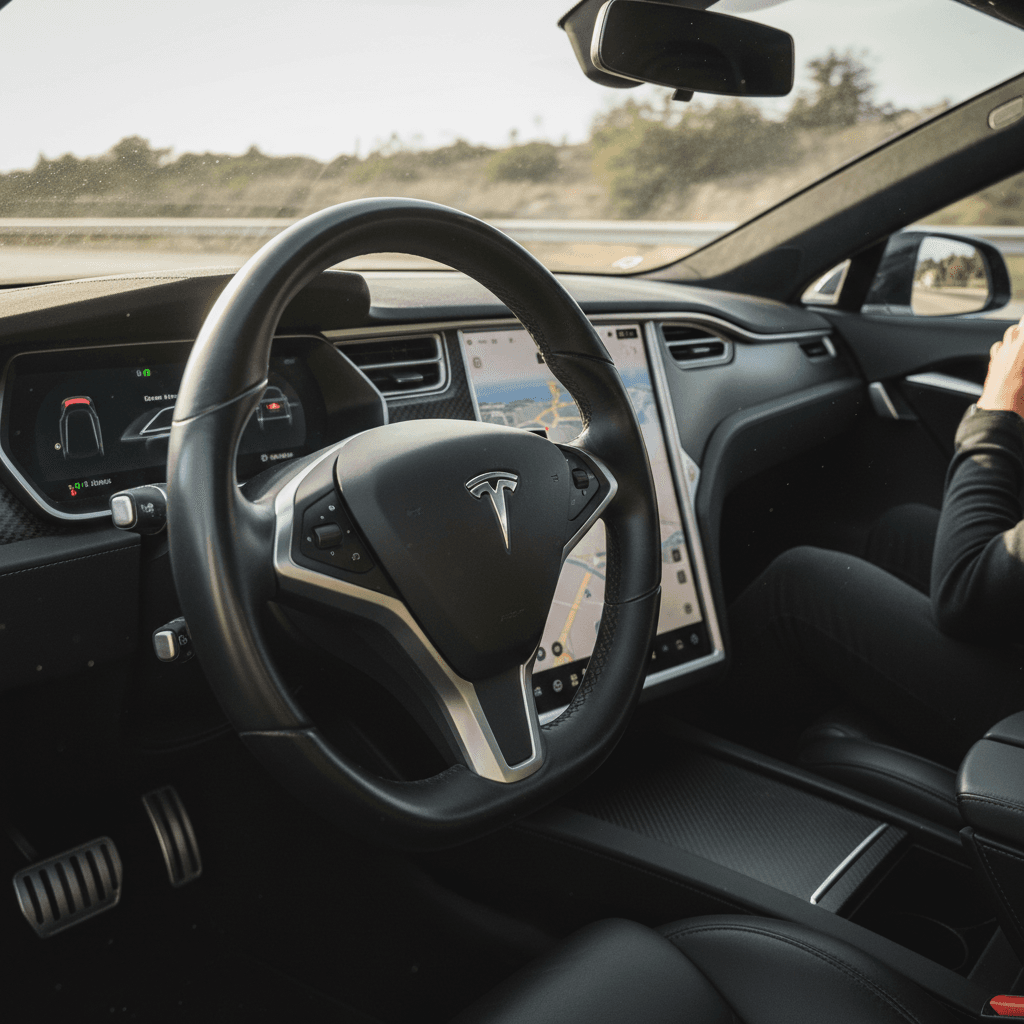
The center touchscreen and driver display run nearly everything, from HVAC to wipers. Owners occasionally report **reboots, lag, or ghost taps**. During your inspection, spend time navigating menus, adjusting settings, and watching for any flickering, dead pixels, or unexplained restarts.
Cameras & sensors
Because Tesla leans heavily on cameras, **fogged lenses, wiring issues, or calibration glitches** can manifest as driver‑assist problems and warning messages. Test every camera view, including blind‑spot and backup views, and look for clean, sharp images in various lighting conditions.
Safety versus convenience
Maintenance, repairs, and total cost of ownership
On paper, the 2023 Tesla Model S should be **cheaper to own than a comparable gas luxury sedan**: no oil changes, no transmission, fewer moving parts, and excellent efficiency. In reality, costs are lumpy, **routine running costs are low, but surprise repairs can be expensive**, especially if you’re outside Tesla’s warranty ecosystem.
2023 Model S ownership cost profile
How the big cost categories typically stack up compared with a gas luxury sedan.
| Category | 2023 Model S expectation | What it means for you |
|---|---|---|
| Routine maintenance | Low | No oil, fewer filters. Expect mainly tire rotations, cabin filters, brake fluid checks. |
| Tires & brakes | Medium–High | Heavy, powerful EV on performance tires. Budget for **frequent tire replacements** and occasional brake service. |
| Out‑of‑warranty repairs | Medium–High | Electronics, glass, and trim work can be pricey at Tesla Service. Third‑party options exist but vary by region. |
| Energy cost | Low | Home Level 2 charging is typically **far cheaper per mile** than premium gasoline, especially off‑peak. |
| Depreciation | Medium | Luxury EVs drop faster than mainstream cars, but the 2023 S should hold value better than early EVs thanks to range and prestige. |
Actual costs vary by mileage, climate, and how you charge.
Warranty sweet spot
How to shop smart for a used 2023 Model S
Because the 2023 Model S mixes strong fundamentals with a lot of tech complexity, the **quality of the individual car** matters more than the average statistic. Here’s a practical roadmap for evaluating one.
Essential checks before you buy
1. Verify recalls and software status
Run the VIN through NHTSA and ask for screenshots from the Tesla app or service history. Confirm **all safety‑critical recalls** (seat belts, airbags) are closed, and that the car is on **current software**.
2. Get objective battery health data
Don’t guess from range alone. Use a **professional battery health scan**, like the Recharged Score, to see remaining capacity, imbalance, and fast‑charging history where available.
3. Inspect body, trim, and interior wear
Look for **panel gaps, water leak evidence, and premature wear** on vegan‑leather seats and steering wheel. Cosmetic issues won’t strand you, but they do affect value and signal how carefully the car was treated.
4. Stress‑test electronics and driver‑assist
Spend time with the car in **daylight and at night**. Test every window, seat control, camera view, speaker, Bluetooth function, and driver‑assist feature you plan to use. Any persistent warning icons are bargaining chips, or reasons to walk.
5. Drive in mixed conditions
Take a **short highway stint and some rougher pavement**. Listen for rattles, feel for straight tracking, and test strong acceleration and hard braking at least once to check for shudder or pulling.
6. Understand charging history and habits
Ask where the car was primarily charged (home vs. Superchargers), average daily state of charge, and whether it lived in a **hot or cold climate**. Long‑term Supercharger abuse or brutal heat can accelerate degradation.
When a 2023 Model S is a strong buy
How Recharged helps you de‑risk a used Tesla
Shopping for a used 2023 Model S is fundamentally a **risk‑management exercise**: you’re trading cutting‑edge performance and range against the possibility of expensive electronics or trim issues down the road. That’s exactly the gap Recharged was built to close.
Why consider a 2023 Model S through Recharged
Tools and support designed specifically for used EVs
Recharged Score battery report
Every Recharged vehicle comes with a **Recharged Score**, our battery‑health and value report. It uses diagnostics and market data to show **real‑world pack health, charging behavior, and fair pricing**, so you’re not guessing about the most expensive component in the car.
EV‑specialist guidance
Our EV specialists help you understand **which quirks are normal for a Model S** and which are warning signs. They’ll walk you through **recall status, warranty coverage, and inspection results**, so you can make a confident decision.
Financing, trade‑in, and delivery
You can **finance, trade in your current vehicle, or get an instant offer**, all online. Vehicles can be delivered nationwide, or you can visit our **Experience Center in Richmond, VA** if you want to see cars in person before you decide.
Ready to find your next EV?
Browse VehiclesAlready have a 2023 Model S in mind?
Frequently asked questions about 2023 Model S reliability
2023 Tesla Model S reliability FAQ
Bottom line: is the 2023 Model S a good bet?
Viewed in isolation, the **2023 Tesla Model S reliability story is mixed, but not bleak**. You’re getting a car with a **proven battery and drivetrain, huge real‑world range, and cutting‑edge performance**, wrapped in a package that can suffer from **software drama, cosmetic flaws, and occasionally expensive electronics**. If you’re willing to be methodical, verifying recalls, scrutinizing build quality, and demanding real battery‑health data, the 2023 Model S can be a **high‑reward used buy** that dramatically undercuts the cost of a new flagship EV.
The key is to treat each car as an individual. With the right example, and the right partner helping you evaluate it, you can enjoy the upsides of Tesla’s technology and range without being blindsided by its quirks. That’s the kind of due diligence Recharged was built for.