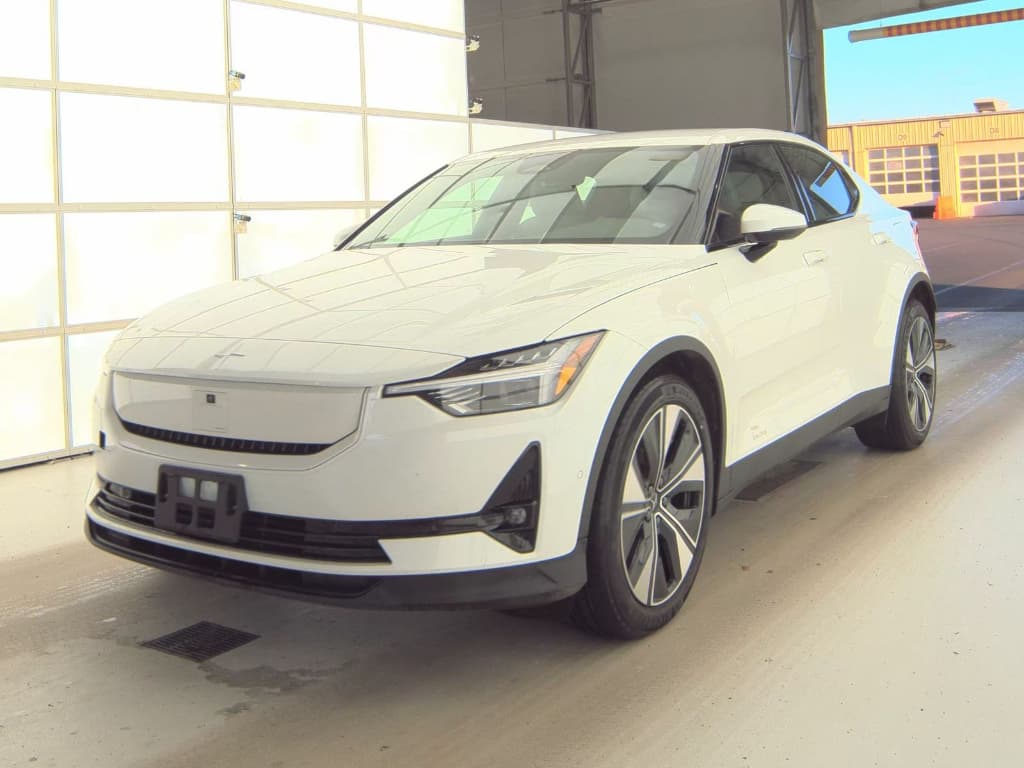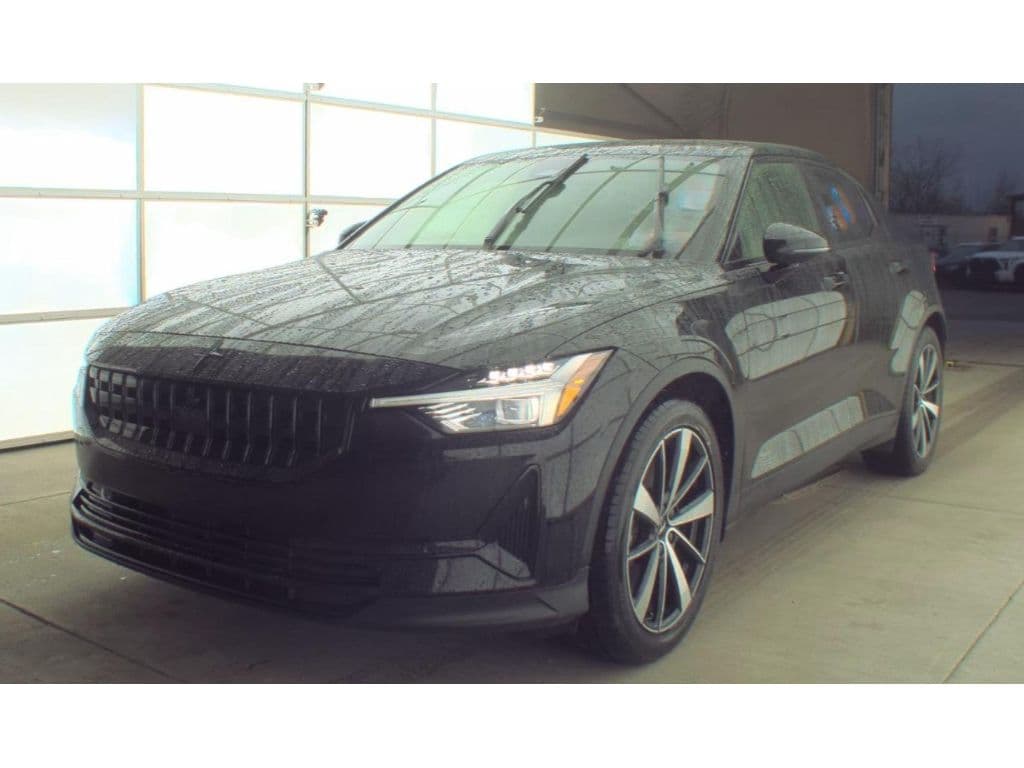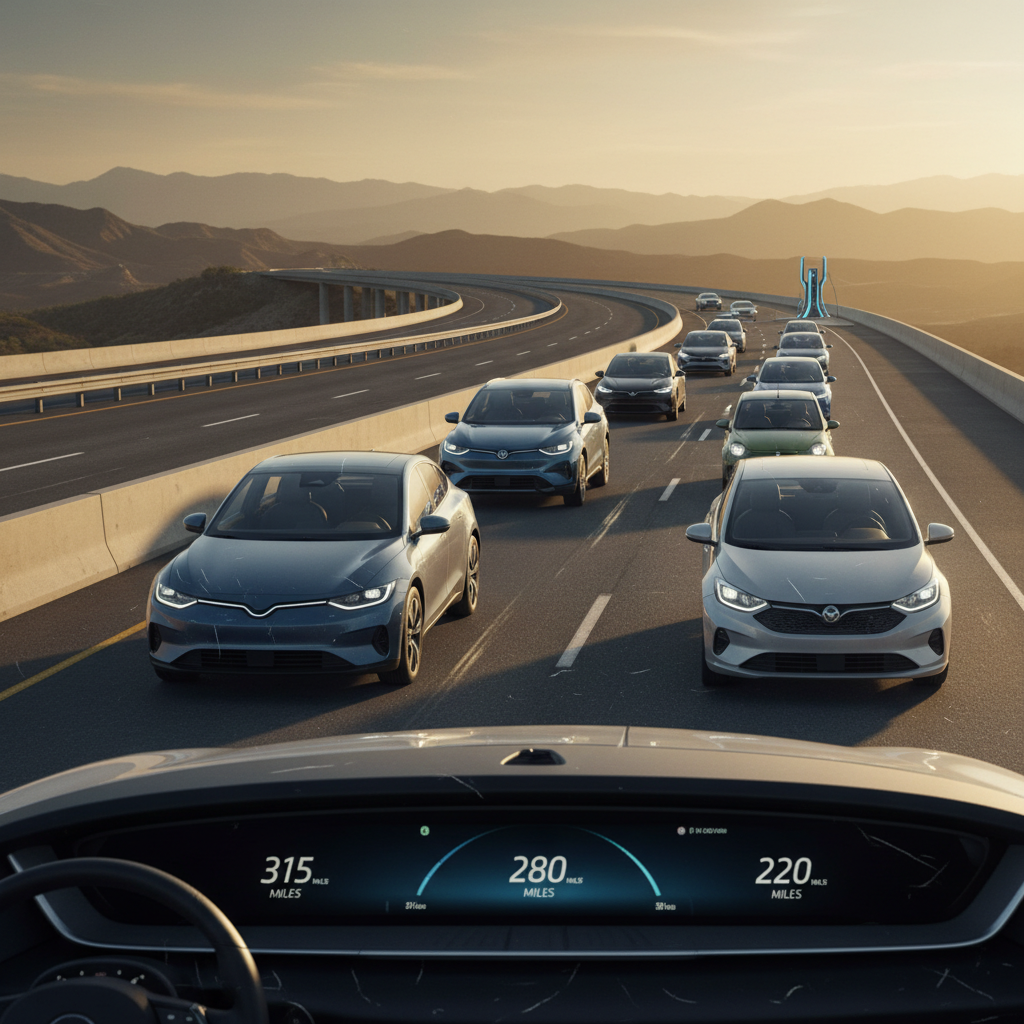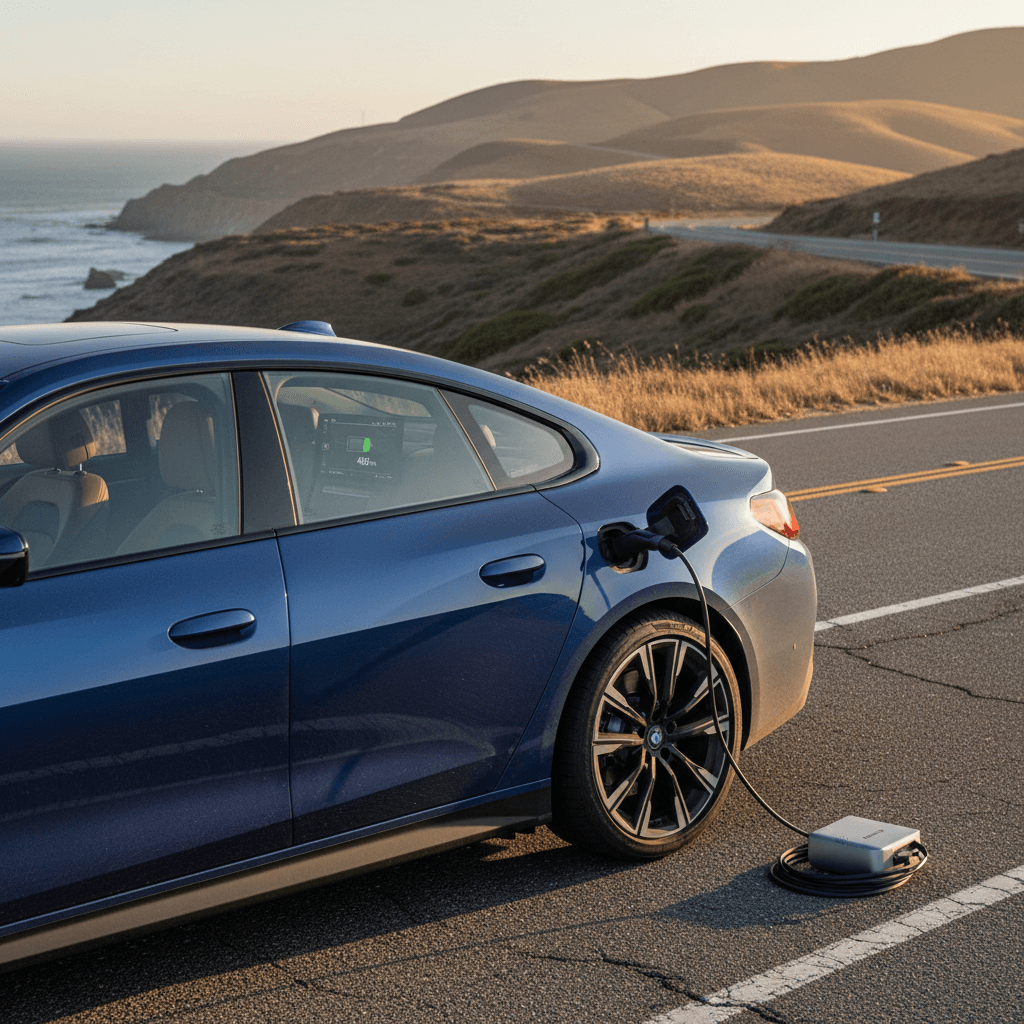
If you’re looking at a 2023 Polestar 2, you’ve probably seen the official EPA range numbers, but what matters is how far this EV actually goes in the real world. This 2023 Polestar 2 range test guide pulls together EPA data, media tests and owner reports to show what you can realistically expect on highway commutes, mixed driving, and winter road trips, especially if you’re considering a used example.
Key takeaway
2023 Polestar 2 range overview
For 2023 in the U.S., the Polestar 2 lineup is built around a ~78 kWh lithium-ion battery pack and comes in two main long‑range configurations:
2023 Polestar 2 official range & efficiency
EPA‑rated range and efficiency for the main 2023 Polestar 2 variants sold in North America.
| 2023 Polestar 2 trim | Drivetrain | Battery (usable) | EPA range (mi) | EPA efficiency (kWh/100 mi) | MPGe (combined) |
|---|---|---|---|---|---|
| Long Range Single Motor | FWD | ≈75–78 kWh | 270 | ~31 | 107 |
| Long Range Dual Motor | AWD | ≈75–78 kWh | 260 | ~34 | 100 |
EPA ratings are a good benchmark, but real‑world results will vary with speed, temperature and driving style.
How to read these numbers
EPA range ratings vs real-world driving
Every EV behaves differently once you get it out of the lab and onto real roads. The 2023 Polestar 2 actually lines up fairly well with its EPA label, but like most dual‑motor performance‑leaning EVs, it pays a penalty at higher speeds and in cold weather.
EPA lab cycle vs your daily reality
Why your 2023 Polestar 2 may not match the window sticker
Speed profile
Temperature
Load & aero
In independent media tests and owner trip logs, a 2023 Polestar 2 Long Range Single Motor driven thoughtfully at U.S. highway speeds typically lands around 225–245 miles on a full charge. The Dual Motor tends to fall in the 210–235 mile band, assuming mild weather and starting from 100% down to about 5–10% state of charge.
Typical real-world range for a healthy 2023 Polestar 2
Highway range test: what you can actually expect
Most people searching for a 2023 Polestar 2 range test really want to know: “How far can I go at 70–75 mph before I have to stop and charge?” That’s where the gap between EPA and reality is largest, and where trip‑planning anxiety shows up.
Scenario 1: Mild weather, 70 mph cruise
- Long Range Single Motor: Expect roughly 3.1–3.3 mi/kWh (about 30–32 kWh/100 mi).
- Usable highway range: ~230–250 miles from 100% down to 5% SOC.
- Comfortable planning range: Plan legs of 180–210 miles to keep a buffer.
Scenario 2: 75–80 mph, light headwind
- Long Range Dual Motor: Efficiency can drop closer to 2.5–2.8 mi/kWh.
- Usable highway range: ~200–220 miles from 100% down to 5% SOC.
- Comfortable planning range: Think in 160–190 mile stints between fast chargers.
Why range falls off above 70 mph
City and mixed driving: where the Polestar 2 shines
Like most EVs, the 2023 Polestar 2 is significantly more efficient at lower speeds, and its regenerative braking system does its best work in stop‑and‑go traffic. In everyday city and suburban use, many owners actually meet or slightly beat the EPA range number.
- In 30–45 mph city driving with light traffic, both Single and Dual Motor cars can see 3.3–3.7 mi/kWh.
- On mixed suburban routes (45–65 mph) with some stop‑and‑go, 3.1–3.4 mi/kWh is common.
- That translates to roughly 240–270 miles of practical range on a full charge in mild weather.
Good news for commuters
Winter driving and weather: how much range you lose
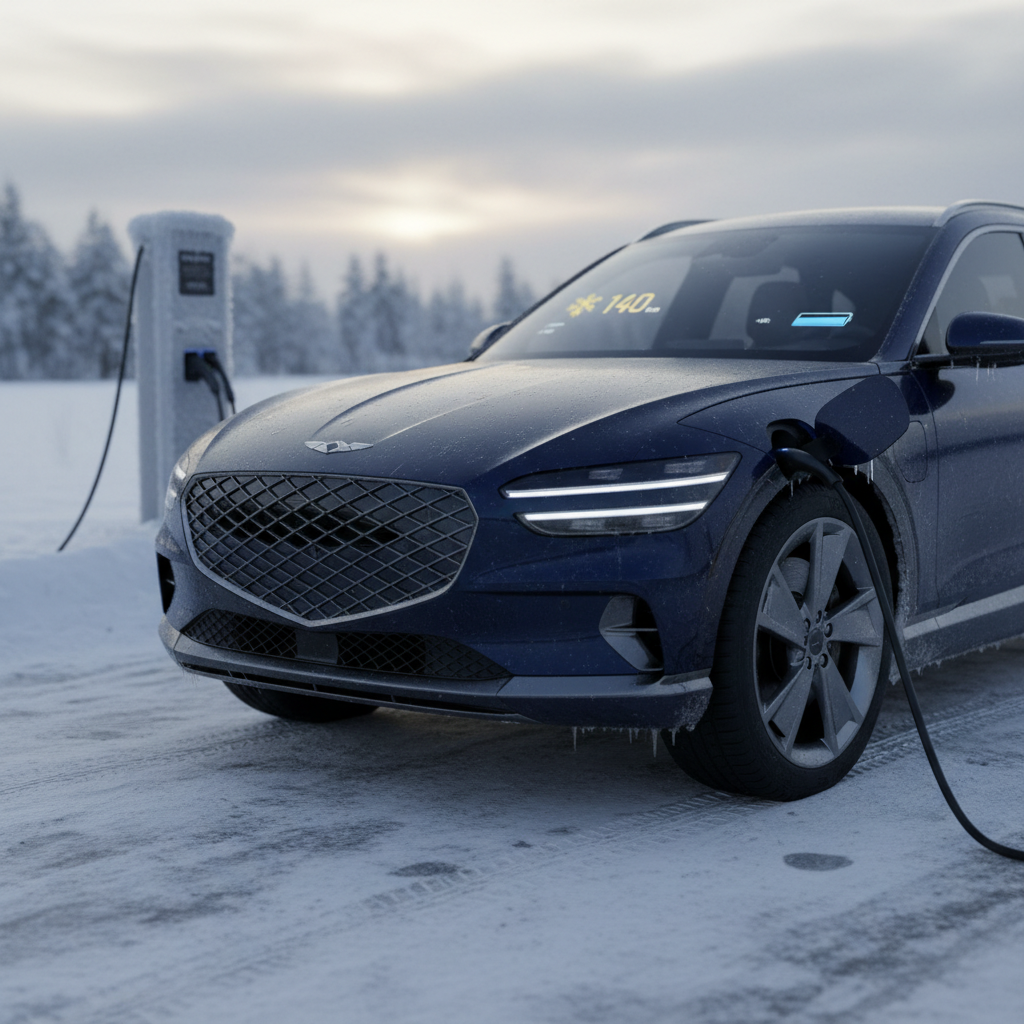
Cold temperatures and cabin heating are the nemesis of EV range, and the 2023 Polestar 2 is no exception. The optional heat pump helps, but you should still budget for a sizable range hit in true winter conditions.
How winter affects 2023 Polestar 2 range
The colder it gets, the more energy goes to the cabin and battery conditioning
Cool (40–55°F)
Cold (25–40°F)
Very cold (<20°F)
Don’t plan winter trips off the EPA sticker
Single motor vs dual motor: which 2023 Polestar 2 goes farther?
Polestar offers the 2023 2 with either a single front motor or dual motors with all‑wheel drive. Power and traction are better with the dual‑motor setup, but there’s a small though meaningful range trade‑off.
2023 Polestar 2 Single vs Dual Motor range comparison
How the two main 2023 Polestar 2 configurations differ in range and performance.
| Metric | Long Range Single Motor (FWD) | Long Range Dual Motor (AWD) |
|---|---|---|
| EPA range | 270 mi | 260 mi |
| Typical 70–75 mph highway range (mild temps) | ~235–250 mi | ~210–225 mi |
| City / mixed range (mild temps) | 250–270 mi | 235–255 mi |
| 0–60 mph (manufacturer est.) | ~7.0 s | ~4.5 s |
| Traction in snow | FWD only | AWD – better in deep snow |
For most drivers, the Single Motor’s extra range is more noticeable day‑to‑day than the Dual Motor’s extra acceleration.
Which should you pick?
Charging speeds and trip planning with the 2023 Polestar 2
Range is only half the story; how quickly you can add miles back matters just as much. The 2023 Polestar 2 supports up to about 155 kW on DC fast chargers and 11 kW on Level 2 AC, which is right in line with other compact premium EVs of its generation.
2023 Polestar 2 charging times
Typical charge times for a 2023 Polestar 2 Long Range battery in good conditions.
| Charging type | Power | Approx. time | Miles added (typical) |
|---|---|---|---|
| Level 1 home (120V) | 1–1.4 kW | 40–60+ hours, 0→100% | Slow trickle – emergency only |
| Level 2 home / public (240V, 40–48A) | 7–11 kW | ~8 hours, 0→100% | Full overnight charge |
| DC fast charger (CCS), 10→80% | up to 155 kW | ~30–35 minutes | ~170–200 highway miles |
| DC fast, 20→60% | Peak portion | ~15–20 minutes | ~110–140 highway miles |
Fast charging is most efficient between about 10% and 60–70% state of charge, beyond that, the curve tapers to protect the battery.
How to plan road‑trip legs
How range changes as a used Polestar 2 ages
If you’re shopping the 2023 Polestar 2 on the used market, you’re right to ask how much range it will have left after a few years. Lithium‑ion batteries do lose capacity over time, but the real‑world story is usually more moderate than the horror stories you see online.
- By year 3–4, many modern EVs show 5–10% capacity loss when treated reasonably well.
- Fast‑charging exclusively, living in extreme heat, or constantly charging to 100% can accelerate degradation.
- Polestar warranties the battery for 8 years or 100,000 miles, which protects you against severe defects, not normal wear.
How Recharged measures real battery health
Ready to find your next EV?
Browse VehiclesPractical tips to maximize your Polestar 2 range
Range isn’t just a spec sheet number, it’s something you can actively manage. The 2023 Polestar 2 gives you several tools in the software and hardware to stretch each kWh further without babying the car.
Simple ways to go farther on every charge
1. Use Eco or balanced drive modes
Dial back the sharpest throttle settings and heavy climate use. You still have plenty of power, but you’ll reduce those wasteful spikes in energy consumption that eat into highway range.
2. Precondition while plugged in
On cold or hot days, schedule climate preconditioning from the app while the car is still charging. You warm or cool the cabin using grid power instead of battery power, preserving more range for the drive.
3. Moderate your cruising speed
Bringing highway speed down from 78 mph to 68–70 mph can easily save 15–20% energy in the Polestar 2. Over a full battery, that’s like gaining 30–40 miles of usable range for free.
4. Check tire pressures regularly
Underinflated tires increase rolling resistance and can quietly siphon away 5–10% of your range. Aim for the pressures listed on the door jamb; consider the higher end of that range before long highway drives.
5. Travel light and ditch roof boxes
Extra weight and drag from cargo boxes, bike racks and heavy loads have an outsized impact at highway speeds. Remove accessories when you don’t need them and pack inside the cabin when you can.
6. Learn your car’s efficiency readouts
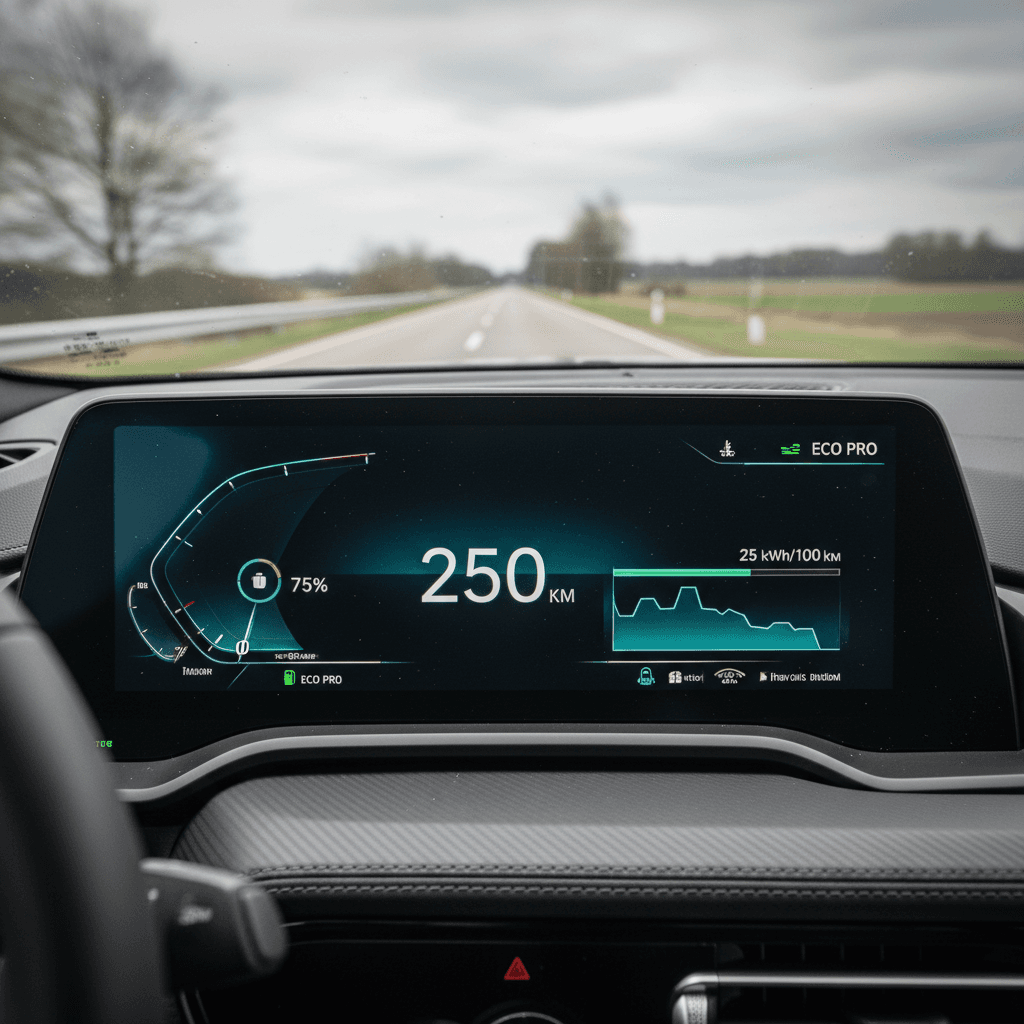
Use the Polestar 2’s trip computer to monitor kWh/100 mi (or mi/kWh). Over a few weeks, you’ll quickly see which driving habits help or hurt your efficiency and can adjust without thinking about it.
FAQ: 2023 Polestar 2 range questions
Frequently asked questions about 2023 Polestar 2 range
Is the 2023 Polestar 2’s range right for you?
The 2023 Polestar 2 doesn’t rewrite the rulebook on EV range, but it delivers honest, competitive numbers: around 230–250 real‑world miles for the Long Range Single Motor and 210–230 miles for the Dual Motor in typical highway use, with more available in gentle mixed driving and less in harsh winters. The key is understanding how your own driving, speed, climate, and trip length, interacts with those numbers.
If you mostly commute 40–80 miles a day and take a few long trips a year, the 2023 Polestar 2’s range is more than sufficient, especially paired with overnight home charging. When you’re ready to explore a used Polestar 2, Recharged can help you compare trims, understand verified battery health through our Recharged Score Report, line up financing and delivery, and make sure the car’s real‑world range actually fits your life, not just the spec sheet.