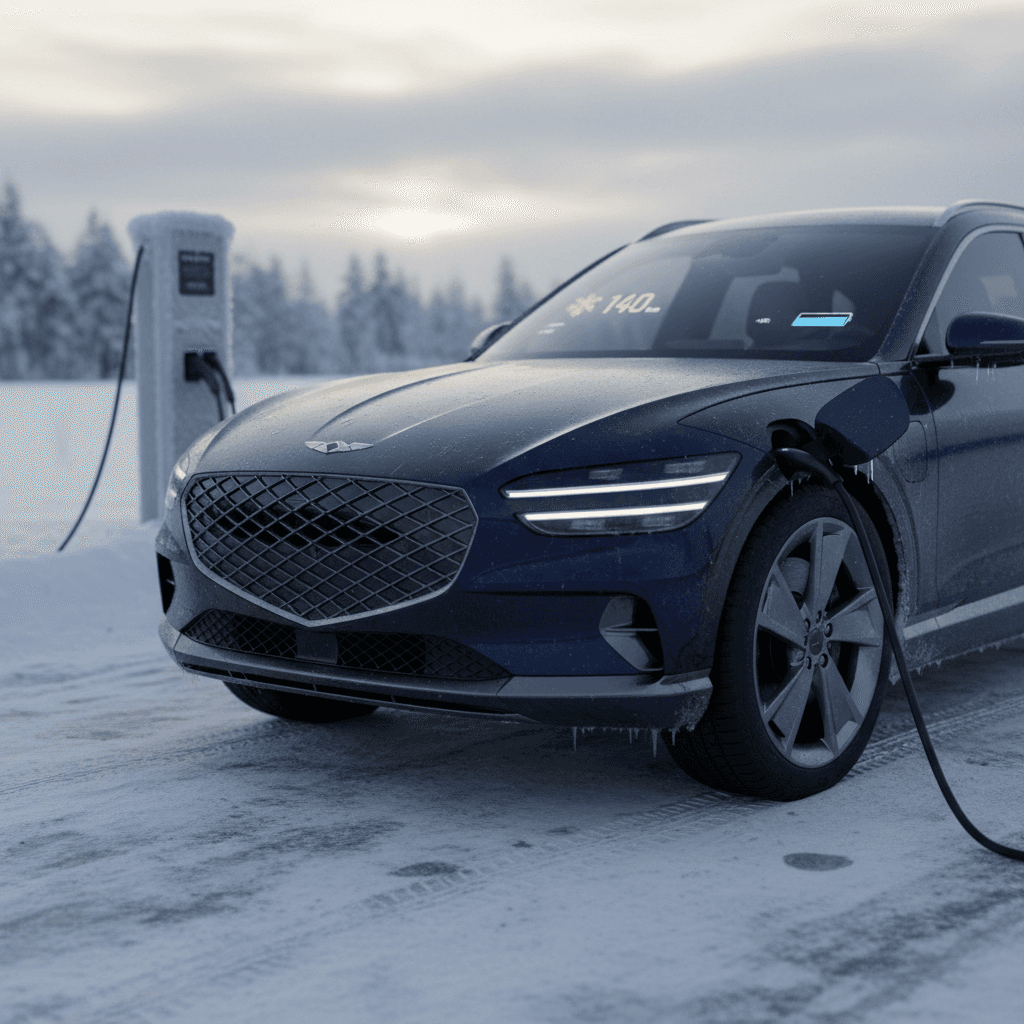
If you own or are considering a Genesis GV60, you’ve probably heard that EVs can lose a chunk of range in cold weather. The phrase “Genesis GV60 winter range loss” shows up in forums, road tests, and owner groups for a reason: below-freezing temperatures absolutely change how far you can go on a charge. The good news is that the GV60 is better prepared than many EVs, if you understand what’s happening and how to drive around it.
Quick takeaway
Genesis GV60 range basics before winter hits
Before you can judge winter range loss, you need a clean baseline. The Genesis GV60 sits on Hyundai Motor Group’s E‑GMP platform and, depending on model year and trim, offers different official EPA ranges:
EPA-rated range for common Genesis GV60 trims
Approximate EPA combined range figures for U.S.-spec GV60 models. Numbers may vary slightly by model year and wheel size.
| Model / Battery | Drivetrain | EPA combined range (mi) | Battery usable capacity |
|---|---|---|---|
| GV60 RWD (77.4 kWh) | RWD | 294 | 77.4 kWh |
| GV60 Advanced AWD (77.4 kWh) | AWD | 248 | 77.4 kWh |
| GV60 Performance AWD (77.4 kWh) | AWD | 235 | 77.4 kWh |
| 2026+ GV60 RWD (84 kWh) | RWD | ≈306 (Genesis est.) | 84.0 kWh |
| 2026+ GV60 AWD / Performance (84 kWh) | AWD | Mid- to high-200s (est.) | 84.0 kWh |
Your real-world range in winter will typically be lower than these EPA values.
Know your trim
Why the Genesis GV60 loses range in winter
Four main reasons your GV60 loses range in the cold
All EVs are affected, but E‑GMP cars like the GV60 have some built-in advantages.
1. Cold batteries are less efficient
2. Cabin heating is energy-hungry
3. Higher rolling and aero drag
4. Short trips never let it warm up
Don’t judge it on one frozen morning
How much winter range loss is normal in a GV60?
Typical Genesis GV60 winter range loss
Those numbers sound dramatic, but they’re in line with what we see in many modern EVs, not just Genesis. The E‑GMP platform’s standard heat pump and battery preconditioning help, but physics still wins when the mercury drops. The key is planning around the worst case instead of assuming you’ll always hit the EPA figure.
EPA ratings are mild-weather numbers
GV60 trims, batteries, and how they behave in the cold
GV60 RWD: winter range champ
The rear‑wheel‑drive GV60, especially in later model years with the 84 kWh battery, is your best bet if winter range is top priority. With EPA ratings approaching or exceeding 300 miles, even a 30% winter hit still leaves a comfortable buffer for most commutes.
- Best efficiency of the lineup
- Less power, but still quick by traditional SUV standards
- Often rides on narrower, more efficient tires
Advanced & Performance AWD: traction vs. range
The Advanced AWD and Performance AWD trims trade some range for power and all‑weather traction. The same 77.4 kWh pack has to feed two motors, and the Performance model often wears wider 21‑inch tires and more aggressive rubber.
- Advanced AWD: solid middle ground, good winter grip with acceptable range
- Performance AWD: noticeably shorter winter legs, but maximum punch
- Expect the biggest winter losses here if you drive hard
Heat pump is standard, and it matters
Real-world GV60 owner experiences in cold weather
Numbers are one thing; real‑world accounts are another. GV60 owners in colder regions report that summer highway range close to 270–300 miles on newer RWD or big‑battery models can drop into the 230–260 mile ballpark in light winter use, and lower still in harsh conditions. Performance owners in the Midwest describe winter as “downright sad” for long drives, especially if they keep the car on sticky tires and don’t precondition.
"In summers I am close to 310–320. Winter it drops to 270-ish on the GOM… In the winter in the Midwest it’s down right sad how little real world range we get."
Why owners’ numbers vary so much
Driving habits that quietly kill GV60 winter range
- Cruising at 75–80 mph on cold days instead of 60–65 mph
- Running the cabin at 74–76°F instead of 68–70°F
- Leaving the car unplugged overnight so it has to warm the battery from stone cold
- Using quick, 5–10 mile trips with full defrost every time instead of combining errands
- Keeping 20" or 21" performance‑or winter‑tire setups at very low pressures
- Leaving roof boxes, bike racks, or ski carriers on all season
Beware the ‘Boost’ button
Practical ways to reduce Genesis GV60 winter range loss
Seven proven tactics to stretch GV60 range in the cold
1. Precondition while plugged in
Use the Genesis app or in‑car settings to <strong>preheat the cabin and battery while still connected to your home charger</strong>. That shifts the biggest energy draw off the battery and onto the grid.
2. Turn on scheduled departure
If your schedule is predictable, set a departure time so the GV60 times battery warm‑up and cabin heating. You’ll start with a warm pack, faster regen, and better efficiency from the first mile.
3. Use seat and wheel heaters first
Heated seats and steering wheel use far less energy than blasting the HVAC. Keep cabin temperature a few degrees lower and rely on those contact heaters to stay comfortable.
4. Dial back highway speed
Dropping from 75 mph to 65 mph is one of the most effective ways to claw back winter range. In many cases you can save <strong>10–15% energy</strong> with a relatively small time penalty.
5. Check tire pressures monthly
Cold weather drops tire pressure. Running 5–8 psi low increases rolling resistance and can trigger extra stability‑control intervention. Inflate to the recommended pressure on the door jamb when tires are cold.
6. Keep the car plugged in
When possible, leave your GV60 plugged in overnight. The car can use shore power for battery management and keep the pack from getting extremely cold, which helps both range and fast‑charging performance.
7. Bundle trips together
Combine errands into one longer outing instead of multiple short hops. Once the battery and cabin are warm, you’re using energy to move the car, not to repeatedly heat a frozen interior.
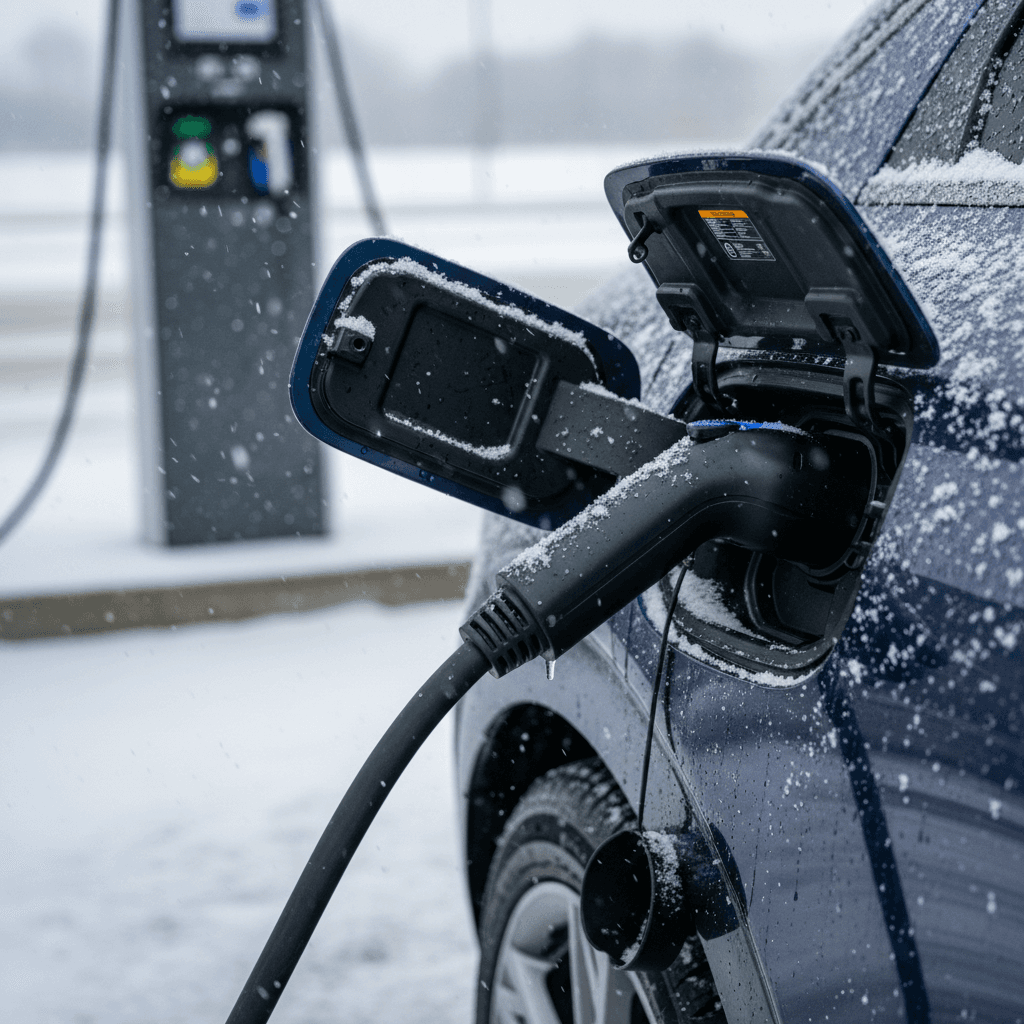
Plan winter charging like a road tripper
Shopping for a used GV60 in snow-belt states
If you’re considering a used Genesis GV60 and you live in the Midwest, Northeast, or mountain states, winter range should be part of your shopping checklist, not an afterthought. Fortunately, the GV60’s robust battery management and heat‑pump system mean that cold‑weather efficiency is more about configuration and driving profile than hidden degradation, especially on younger vehicles.
What to look for in a winter-ready used GV60
These choices matter more than paint color when temperatures drop.
Battery and trim
Wheels & tires
Battery health report
How Recharged helps winter shoppers
FAQ: Genesis GV60 winter range loss
Frequently asked questions about GV60 winter range
Bottom line: Is the GV60 a good winter EV?
If you’re worried about Genesis GV60 winter range loss, you’re not alone, and you’re not wrong to ask the question. Like every modern EV, the GV60 loses a noticeable slice of range when temperatures drop, especially on short trips and high‑speed highway runs. But with a standard heat pump, battery preconditioning, and a choice of trims that start from nearly 300 miles of EPA range, it’s fundamentally a strong winter companion when you match the right configuration to your driving.
For current owners, smart charging habits, preconditioning, and a few driving tweaks will usually keep winter range loss in the 20–30% band instead of the horror stories you might see online. For shoppers, especially in snow‑belt states, focusing on the right trim, wheel and tire package, and verified battery health will matter more than the badge on the grille. If you’d like help choosing or evaluating a used GV60, Recharged can pair you with EV specialists, provide a Recharged Score Report for battery health, and even arrange nationwide delivery so you can enjoy confident winter driving from day one.