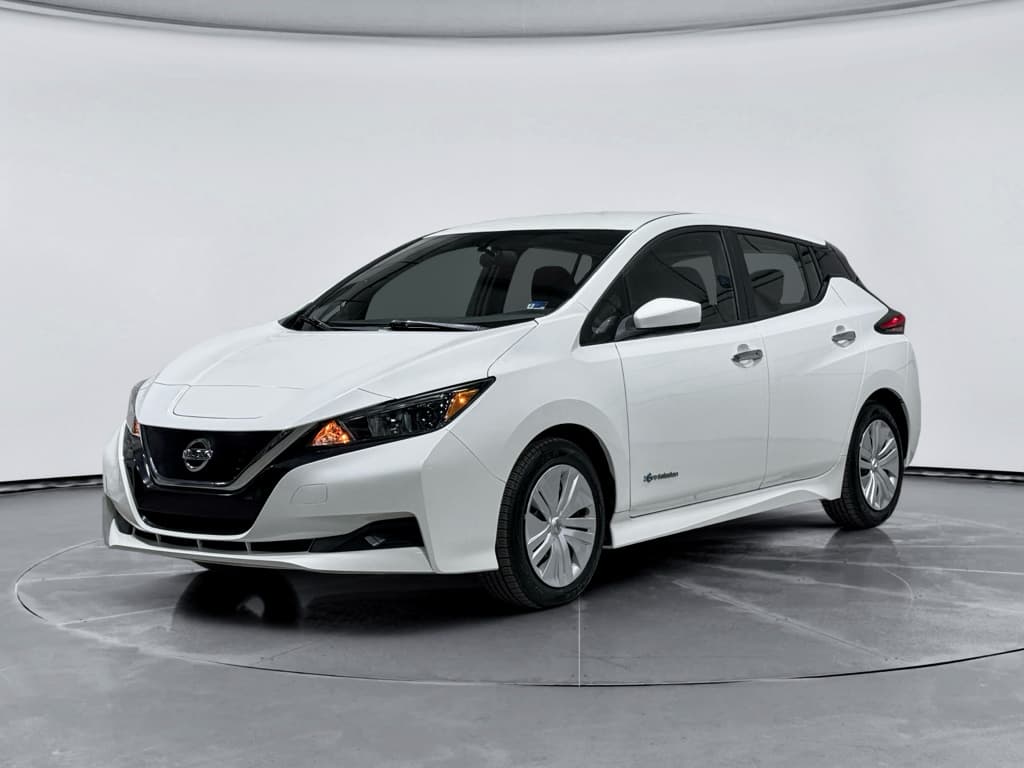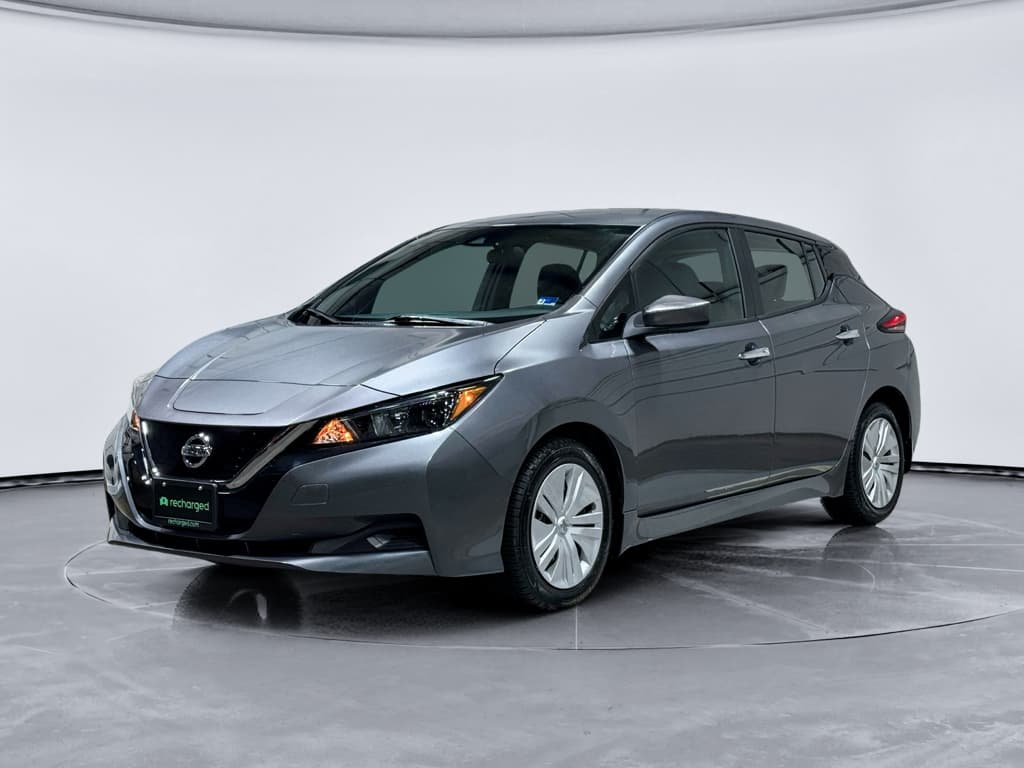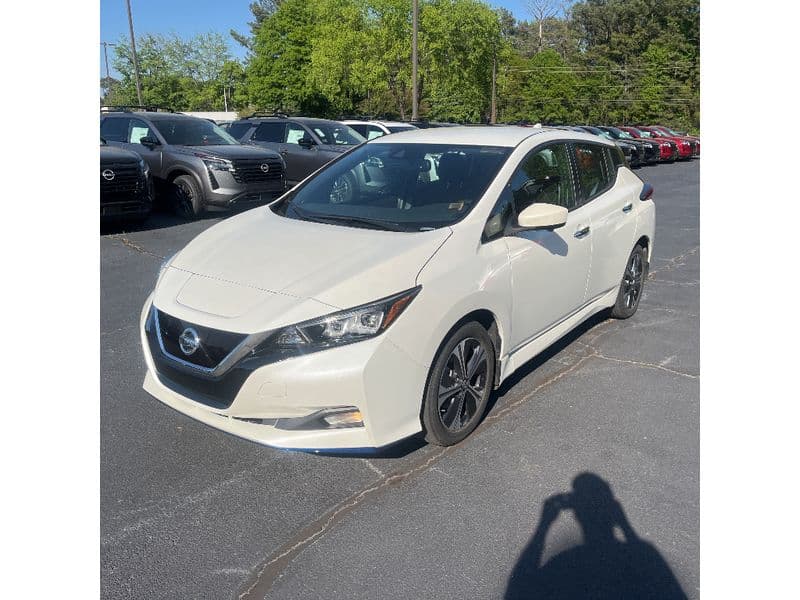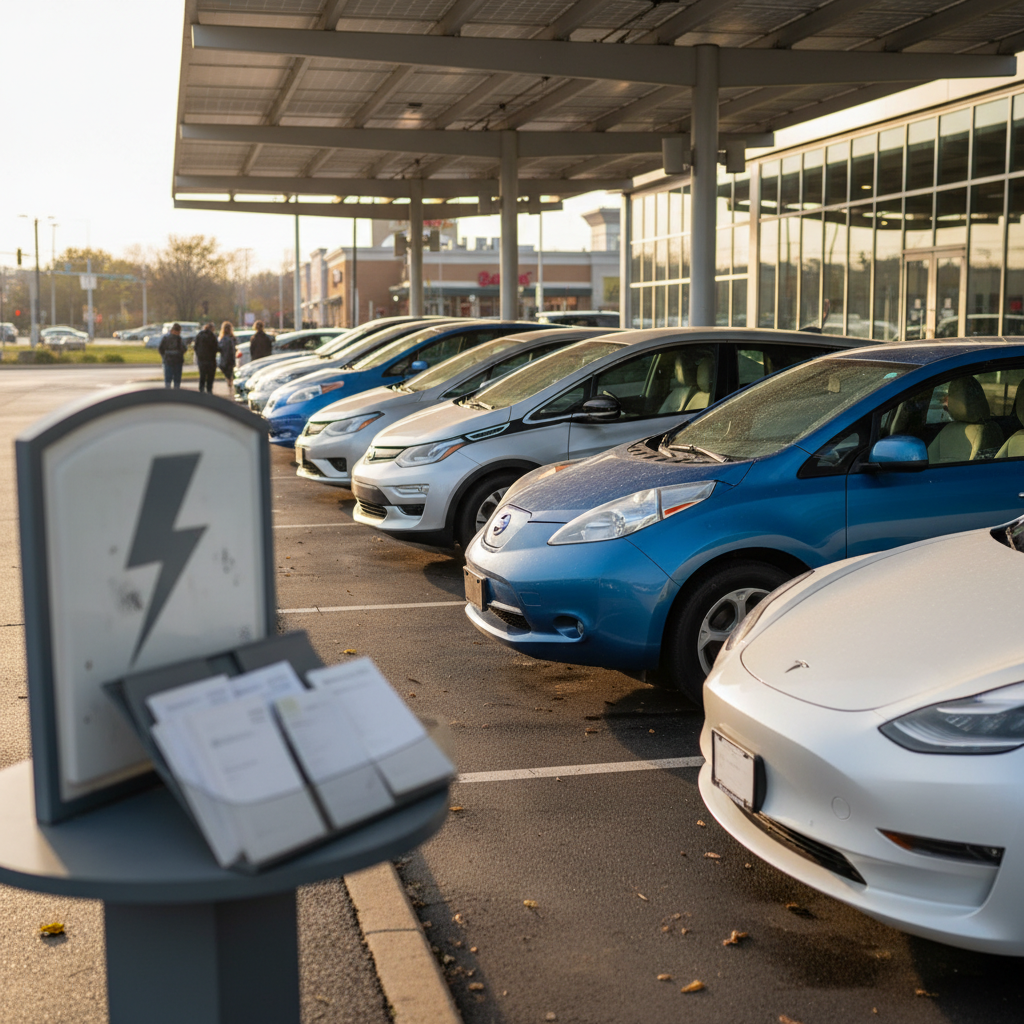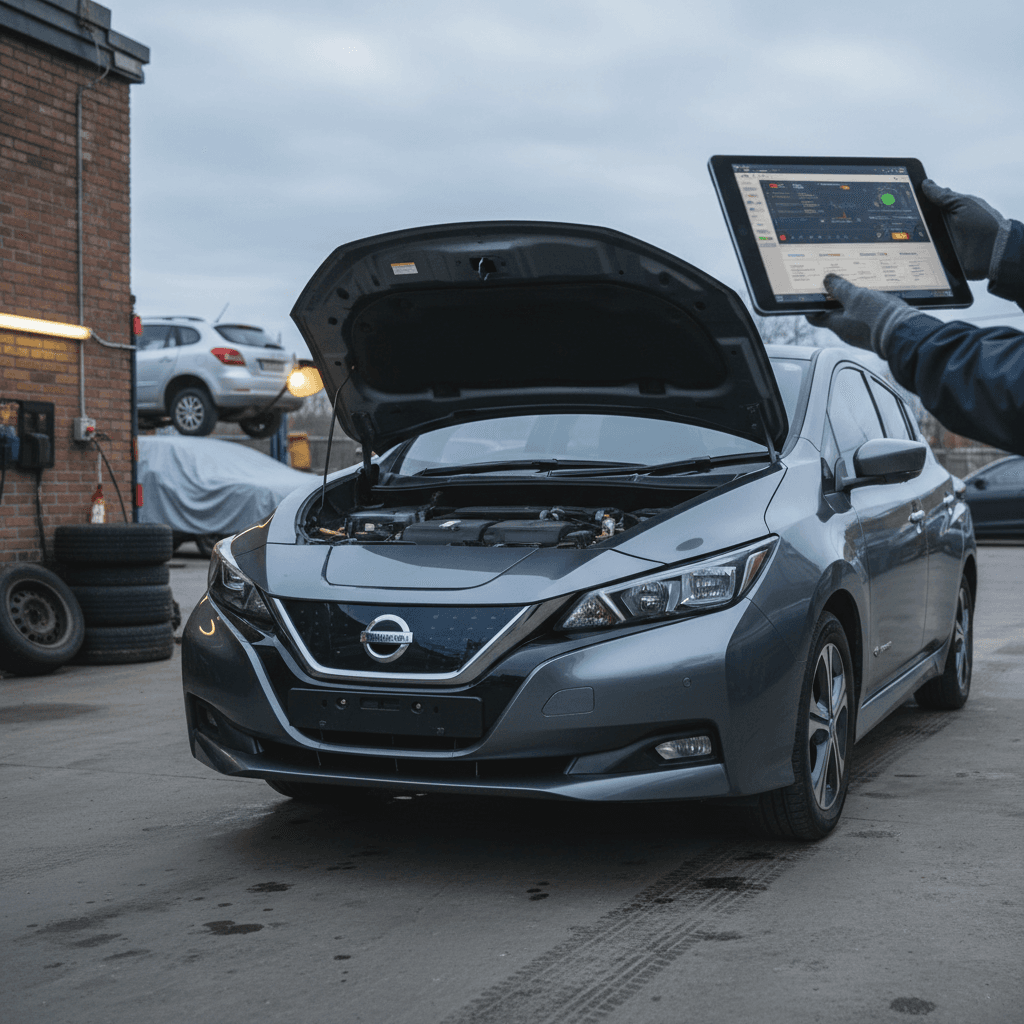
If you’re considering a 2023 Nissan Leaf, especially on the used market, it’s smart to understand real‑world 2023 Nissan Leaf problems before you sign anything. On paper, the Leaf is an affordable, simple EV. In practice, owners report a mix of minor annoyances, some serious software and brake‑related recalls, and the same range and battery quirks that have followed the Leaf since launch.
Quick take
Overview: Are 2023 Nissan Leaf Problems a Dealbreaker?
From a high level, the 2023 Leaf looks respectable. Independent testing organizations rate its reliability as roughly average for the model year, and owner review scores tend to be in the low‑to‑mid 4‑out‑of‑5 range overall. That’s not disaster territory. At the same time, there are three formal NHTSA recalls and a pattern of complaints around range, battery behavior, and build quality that used‑car shoppers should treat seriously.
2023 Nissan Leaf at a Glance
For many buyers, the Leaf’s problems are manageable trade‑offs in exchange for low purchase prices and simple, low‑maintenance EV hardware. But if you do a lot of highway driving, live in a hot climate, or want the latest fast‑charging tech, those trade‑offs matter.
Known 2023 Nissan Leaf Recalls
Before you worry about one‑off horror stories, it’s worth grounding yourself in what’s officially been flagged. As of early 2026, the 2023 Leaf has multiple NHTSA safety recalls. Two are especially important for used‑car shoppers:
Key 2023 Leaf Recalls You Should Know
These are safety issues, not just minor quality complaints.
1. Unintended acceleration (R23A6)
A software bug in the Vehicle Control Module can cause the Leaf to keep accelerating briefly even after you stop pressing the pedal, if you:
- Disengage cruise control or ProPilot Assist, then
- Immediately switch drive modes (D → B, turn on e‑Pedal, or switch to Eco), and
- Quickly press and release the accelerator.
It affects 2018–2023 Leafs. The fix is a dealer software update, done free of charge.
2. Brake line corrosion risk (2023 Leaf only)
A separate recall covers certain 2023 Leafs where a right‑hand brake tube may have been damaged during production, potentially corroding and leaking brake fluid over time.
That could lengthen stopping distances. Dealers inspect the brake line and replace it if needed, again at no cost.
Always run the VIN
These recalls don’t mean the 2023 Leaf is unsafe across the board. They do mean you should treat an un‑updated car as a negotiation point, at minimum, and prioritize getting the fixes done immediately after purchase.
Common 2023 Nissan Leaf Owner Complaints
Formal recalls tell only part of the story. To understand real‑world 2023 Nissan Leaf problems, you have to look at owner reviews and forum threads. Themes emerge quickly:
- Software‑related quirks (warning messages, range estimator jumping, drive‑mode weirdness)
- Range that feels meaningfully lower than the window sticker, especially at 70+ mph
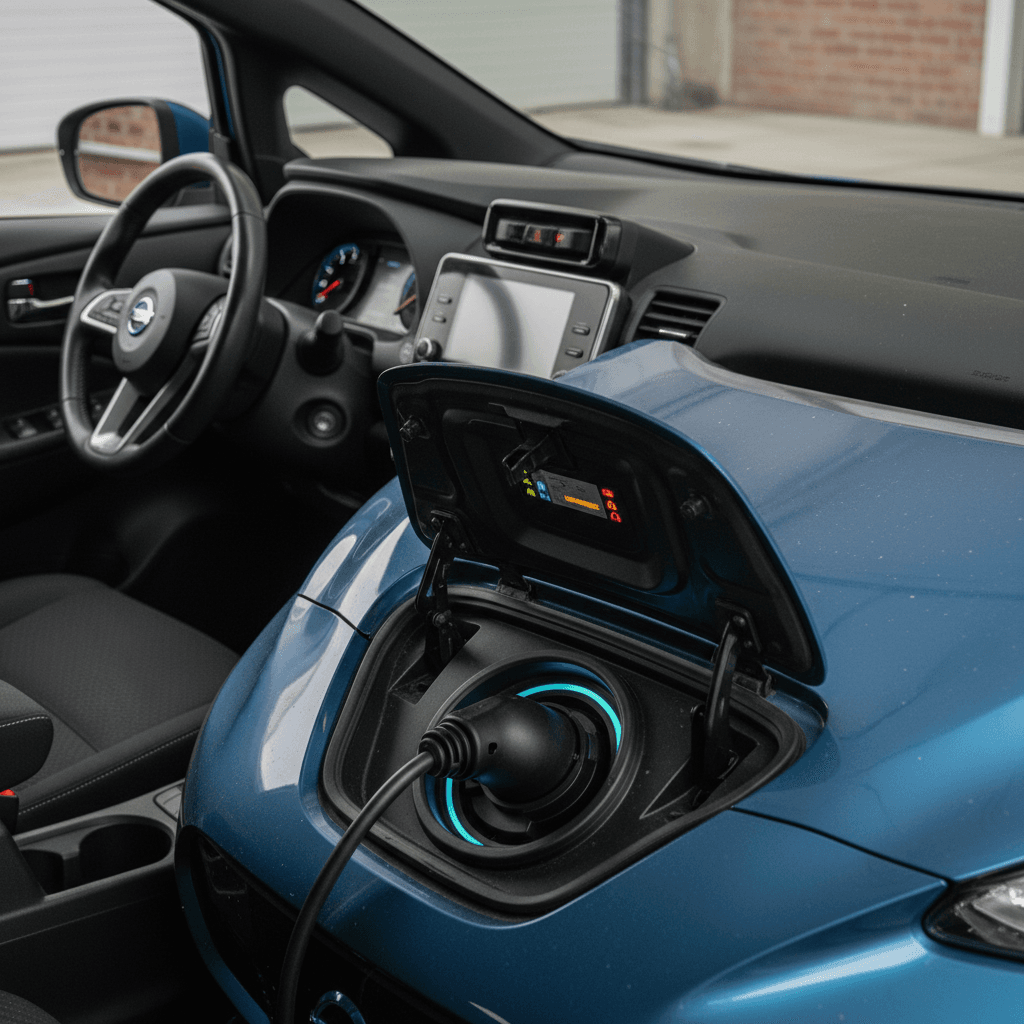
- Isolated cases of repeated “EV system” error messages leading to tows and lengthy dealer diagnostics
- Small but frustrating build‑quality issues like rattles, trim fit and failing horns
- General frustration with resale value if the owner paid close to new‑car MSRP
“Range less than advertised… The battery is unstable. If you drive 70 mph for 30 minutes the charge rapidly begins to deplete… I love the torque and mileage but I would not buy another.”
A few bad apples vs. a pattern
2023 Nissan Leaf Battery & Range Issues
Battery concerns are the first thing many shoppers ask about, and for good reason. The Leaf lacks liquid battery cooling, relies heavily on software to manage pack health, and has built up years of internet lore around degradation. For the 2023 model, there are three main buckets to understand: range reality, odd battery‑gauge behavior, and long‑term degradation risk.
Battery & Range: What 2023 Leaf Owners Report
Most problems are about expectations and use‑case, not catastrophic failures.
1. Real‑world range vs. EPA
A 2023 Leaf SV Plus is rated around 212 miles of range. Many owners report 150–180 miles in mixed driving and significantly less when:
- Driving 70–75 mph on the highway
- Using heat in cold weather
- Climbing long grades
This isn’t unique to Nissan, nearly all EVs lose range at speed, but it feels more dramatic when you start with a smaller battery.
2. Sudden state‑of‑charge drops
A handful of 2023 drivers describe the battery reading dropping suddenly, for example from ~40% to the 20s, then rebounding or causing panic on the highway. In at least one case, Nissan attributed this to BMS (battery management system) software and updated it under warranty.
3. Long‑term degradation questions
Earlier Leafs became infamous for hot‑climate degradation. It’s too early to have long‑term data on 2023 packs, but the underlying thermal design hasn’t fundamentally changed. If you fast‑charge often in very hot weather or park outside, you should assume more degradation risk than a liquid‑cooled EV like a Tesla or Bolt.
Battery‑friendly habits
From a used‑EV‑shopping perspective, the key with a 2023 Leaf is not to assume the EPA rating is your everyday reality. If your normal commute plus side trips routinely push past 120–140 miles before you can plug in, the Leaf starts to feel tight, and the “problems” you’ll experience are really just range mismatch.
Brakes, Safety Systems & Driving Behavior
Beyond the battery, the other serious topics for 2023 Leaf shoppers are braking performance and how the car behaves in edge‑case situations like cruise‑control disengagement and emergency stops.
Unintended acceleration scenario
The high‑profile recall for 2018–2023 Leafs centers on a very specific set of actions: turning off cruise or ProPilot Assist, immediately changing drive modes or enabling e‑Pedal, and then quickly jabbing the accelerator.
In internal Nissan testing, the car could continue accelerating without driver input until the brake was pressed. It’s rare and highly conditional, but it’s exactly the kind of thing software is supposed to prevent.
The fix is a software reflash at a Nissan dealer. If you’re test‑driving a used 2023 Leaf, you won’t be able to easily reproduce the scenario yourself, but you can absolutely ask for documentation that the recall work has been completed.
Brake‑line and braking feel
The 2023 Leaf’s dedicated brake‑tube recall is more straightforward: a damaged tube could corrode and leak, reducing hydraulic braking power. It’s a binary issue, either it’s been inspected and, if needed, replaced, or it hasn’t.
Apart from the recall, most complaints about braking are subjective: some owners dislike the transition between regenerative braking and friction brakes, or the way e‑Pedal feels in stop‑and‑go traffic. That’s about preference and acclimation more than a defect.
Do not ignore brake warnings
Electronics, Interior Quality & Other Small Annoyances
Like most mass‑market EVs, the Leaf cuts costs in the cabin and electronics compared with more expensive rivals. That shows up in complaints about little things breaking or feeling cheap rather than big mechanical failures.
Everyday Irritations 2023 Leaf Owners Mention
Individually small, collectively annoying if you’re picky.
Electronics & accessories
- Horn failures on nearly‑new cars
- Glitchy warning lights or tire‑pressure monitors
- Occasional infotainment freezes or lag
Most of this is covered under the basic warranty but costs time and dealer visits.
Interior trim & rattles
- “Rattles of glory plastic parts” in some owner reviews
- Cheap‑feeling armrests and buttons
- Squeaks over rough pavement
Fit‑and‑finish is functional but not premium.
Resale value complaints
Because the Leaf has been heavily discounted and offers fewer cutting‑edge features than rivals, resale values can be weak. Owners who paid close to MSRP in 2023 sometimes feel burned when they see later used‑car pricing.
The upside of weaker resale
How Serious Are 2023 Nissan Leaf Problems Overall?
When you add everything up, recalls, owner reviews, forum stories, and independent reliability data, the 2023 Leaf lands in a middle ground:
- It is not a disaster car with widespread catastrophic failures.
- It is also not bulletproof; it has real software and brake‑system recalls plus edge‑case electrical issues.
- Battery and range concerns are as much about design choices and expectations as they are about outright defects.
- Cabin quality and electronics are a step behind newer‑generation EVs, but repairs are usually inexpensive under warranty.
For many buyers, especially those with predictable daily mileage, home charging, and modest highway needs, the 2023 Leaf can be a very low‑stress, low‑cost EV. The issues become serious primarily when the car is a poor fit for how you drive or when you buy one with unresolved recalls and hidden electrical faults.
What to Check Before Buying a Used 2023 Nissan Leaf
If you’re shopping the used market, you can dramatically reduce your risk of inheriting someone else’s 2023 Nissan Leaf problems by following a structured inspection process.
Used 2023 Nissan Leaf Pre‑Purchase Checklist
1. Confirm all recalls are done
Ask for a printout of completed campaigns from a Nissan dealer, or run the VIN yourself. Look specifically for the unintended acceleration software update and brake‑tube inspection.
2. Verify battery health, not just range
Use a <strong>battery health report</strong> rather than relying on the dash guess‑o‑meter. Look for full‑charge capacity and any signs of abnormal cell imbalance or sudden drops in state of charge.
3. Take an extended mixed test drive
Drive at city and highway speeds, climb a hill if possible, and watch how the range estimate and state‑of‑charge behave. Sudden drops, warning messages, or loss of power are red flags.
4. Check all driver‑assist and drive modes
Test cruise control or ProPilot Assist, e‑Pedal, Eco mode, and B‑mode. They should engage and disengage smoothly, with no unintended surges or error messages.
5. Listen for rattles and inspect trim
Drive on rough pavement at low speeds with the radio off. Pay attention to plastic creaks, loose trim, or misaligned panels that could point to prior damage or poor assembly.
6. Scan for diagnostic trouble codes
If possible, have a shop or EV specialist scan the car. Hidden EV‑system or battery codes that don’t yet trigger a dash light can foreshadow future headaches.
Use an EV‑savvy inspector
How Recharged Evaluates Used Nissan Leafs
Because the Leaf’s biggest risks hide in the battery and software, a simple test drive isn’t enough. That’s why every Leaf that makes it onto Recharged’s marketplace goes through a battery‑first evaluation instead of just a cosmetic walk‑around.
Battery‑centred diagnostics
Every EV on Recharged gets a Recharged Score Report, which includes:
- Measured battery health vs. original capacity
- Estimated real‑world range in mixed driving
- Any unusual cell behavior we detect during testing
That gives you a much clearer picture than the factory range rating or a simple “it feels fine” test drive.
Title, recall & drive‑system checks
We also:
- Pull history reports and check for structural damage or flood risk
- Verify Nissan recall campaigns are complete, or disclose if they’re not
- Test drive with attention to EV‑system messages, brake feel, and drive‑mode behavior
If a Leaf doesn’t meet our standards, it doesn’t get listed. If it passes but has minor issues, we document those so there are no surprises after delivery.
If you already own a 2023 Leaf and are considering selling, Recharged can also provide an instant offer or consignment option, using the same battery‑health diagnostics to help you present the car transparently to the next owner.
FAQ: 2023 Nissan Leaf Problems & Reliability
Frequently Asked Questions About 2023 Nissan Leaf Problems
Bottom Line: Should 2023 Leaf Problems Stop You?
The 2023 Nissan Leaf isn’t a perfect EV, but it’s also not the disaster you might assume from the loudest forum threads. Its documented problems, software bugs that required recalls, a brake‑tube defect on some cars, mixed owner experiences with battery behavior, and modest cabin quality, are real, but they’re also manageable if you choose carefully.
If the Leaf’s range fits your life, you mostly charge at home, and you buy a car with verified recall completion and a clean battery‑health report, it can be one of the most affordable ways to get into EV ownership. And if you’d rather not decode all that on your own, shopping through a marketplace like Recharged, where every used EV includes a Recharged Score battery report, pricing transparency, and EV‑specialist support, can take a lot of the risk and guesswork out of the process.