If you’re looking at a used electric SUV, the 2023 Nissan Ariya probably pops up with appealing pricing, a comfortable cabin, and solid range. But reliability questions, and Nissan’s decision to discontinue the Ariya in the U.S. after the 2025 model year, can make shoppers understandably cautious. This guide pulls together real‑world owner feedback, recall data, and battery‑health insights so you can decide whether 2023 Nissan Ariya reliability fits your comfort level.
Quick Take
Overview: How Reliable is the 2023 Nissan Ariya?
Because the Ariya launched for 2023, we don’t yet have decade‑long reliability histories. What we do have is a growing pool of owner reports and early data from outlets that track issues and recalls. Those point to a pattern you should understand before buying:
- Powertrain and battery so far appear robust. Many owners report tens of thousands of miles with no drivetrain failures or noticeable battery degradation.
- Multiple recalls hit the 2023 Ariya early. These targeted the electrical propulsion system and steering fasteners, serious items, but they’re addressed free of charge when completed.
- Charging and software are the main pain points. Slow DC fast‑charging compared with rivals and glitchy connected‑car services/apps show up frequently in owner comments.
- Dealer EV experience varies a lot. Some owners praise their Ariya, but slam dealers for long wait times, poor communication, or limited EV expertise.
Don’t Panic About the Discontinuation
Early 2023 Nissan Ariya Reliability Snapshot
Drivetrain & Battery Reliability
For most used‑EV shoppers, the big question is simple: will the battery and motors hold up? So far, the 2023 Ariya looks encouraging on this front.
What We’re Seeing From 2023 Ariya Powertrains
Owner reports and early data are generally positive
Electric Motors & Drivetrain
Across multiple trims, Engage, Venture+, Evolve+, Empower+ and e‑4ORCE AWD, owners routinely report 20,000–40,000 miles with no motor or inverter failures. Occasional noises or one‑off warning lights tend to be resolved with software updates or service visits.
High‑Voltage Battery Pack
Early‑build 2023 Ariyas with both the ~63 kWh and ~87 kWh packs are showing little to no noticeable degradation over the first 2–3 years for typical mileage. Owners who road‑trip and use DC fast charging regularly still report range in line with new‑car expectations.
The Ariya benefits from lessons Nissan learned with the Leaf. Unlike early Leafs, which lacked liquid thermal management, the Ariya uses a more advanced battery‑cooling system and updated chemistry, both of which should help long‑term durability. That doesn’t guarantee perfection, but it reduces the odds of rapid capacity loss in normal use.
Battery Health Pro Tip
One area to watch is the interplay between the high‑voltage pack and the 12‑volt system. Like many modern EVs, the Ariya can throw confusing warnings or even refuse to start when the 12‑volt battery is weak, even though the big traction battery is fine. This isn’t unique to Nissan, but it’s something a pre‑purchase inspection should catch.
Charging Performance & Winter Range
Reliability isn’t just about whether the car starts; it’s also about whether it performs as advertised day‑to‑day. On that score, the 2023 Ariya gets mixed marks for DC fast‑charging speed and winter range.
DC Fast‑Charging Behavior
- Owners frequently describe the Ariya’s DC fast‑charging curve as slower than key rivals like the Hyundai Ioniq 5 or Tesla Model Y.
- Real‑world reports often show longer stops on road trips, especially in cold weather or when multiple fast‑charge sessions stack up in a day.
- This isn’t typically a failure mode, more a performance limitation, but it can feel like a reliability problem if you expect ultra‑fast charging.
Winter Range Swing
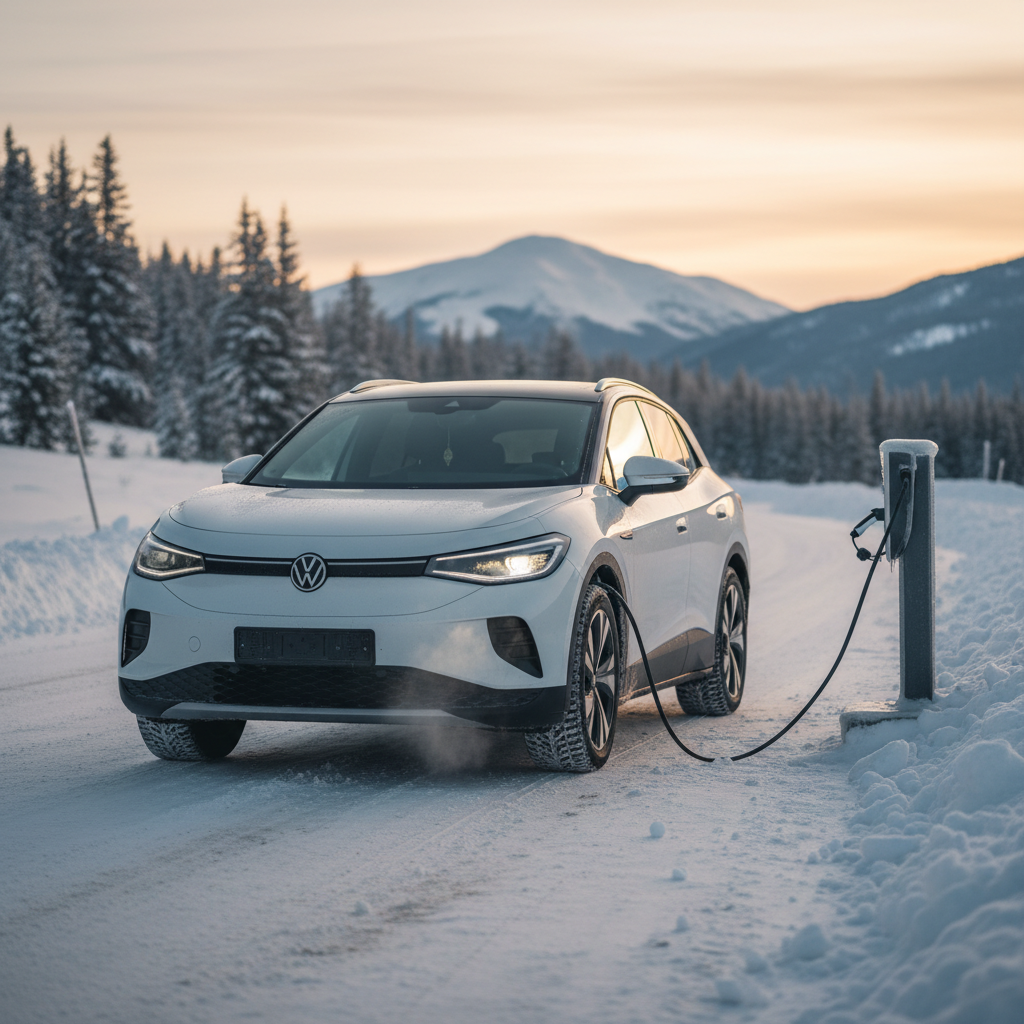
- Like every EV, the Ariya loses range in cold weather. Some owners in colder states report drops from ~300 miles estimated on mild days to 200 miles or less in winter, and in extreme cold, even lower.
- This is normal behavior for lithium‑ion packs, not a sign of a failing battery, but it can surprise first‑time EV drivers.
- Ariya’s cabin heater and all‑wheel‑drive e‑4ORCE variants use extra energy, further trimming winter range if you’re not careful.
Cold‑Weather Reality Check
Software, Infotainment & App Issues
When you dig into owner comments, one theme is hard to miss: the Ariya’s software and connected‑car experience can be frustrating. These gripes don’t usually strand the car, but they do affect perceived reliability.
Most Common 2023 Ariya Tech Complaints
Annoyances more than deal‑breakers, if you know to expect them
NissanConnect App Glitches
Some owners describe trouble keeping the car connected to the NissanConnect Services app, losing access to remote charging info, remote climate, and live map data until accounts are reset or software is updated.
Outdated Navigation UX
Built‑in navigation and route planning are often called clunky compared with rivals. Many owners simply use Apple CarPlay or Android Auto for navigation to avoid slow or unintuitive native maps.
Occasional Warning Chimes & Messages
Random beeps, sensor messages, or traction/ABS noises occasionally surface, then disappear. Dealers sometimes struggle to reproduce them, leaving owners with a car that works, but feels a bit mysterious.
How to De‑Risk Software Headaches
Recalls, Warranty Coverage & Used-Buyer Gotchas
By now the 2023 Ariya has accumulated several federal safety recalls, plus the usual mix of technical service bulletins. None of that is unusual for a first‑generation EV, but you want to be sure any fixes have been done on the car you’re eyeing.
Key 2023 Nissan Ariya Recall Themes
Ask the seller for documentation that these have been completed, or check the VIN against the federal recall database.
| System | Type of Issue | Why It Matters for Reliability |
|---|---|---|
| Electrical propulsion system | Motor/inverter control recalls | Unaddressed, these can cause power‑loss or warning lights. Properly fixed, they shouldn’t be recurring problems. |
| Steering fasteners | Critical fasteners torque recall | Loose or incorrectly torqued steering components are a safety risk and must be corrected at a Nissan dealer. |
| Software calibration | Updated control software | Some recalls and campaigns are essentially software reflashes meant to prevent nuisance warnings or erratic behavior. |
Recall details vary by build date and trim; always verify by VIN.
Always Check Recall Status by VIN
Warranty is the other half of the equation. From new, a 2023 Ariya typically carries:
- 3 years / 36,000 miles basic warranty (bumper‑to‑bumper).
- 5 years / 60,000 miles powertrain warranty (covers electric drive components).
- 8 years / 100,000 miles EV battery warranty, usually including a capacity guarantee down to a specified bar or percentage.
Used Ariya Warranty Quirk
When you buy through a specialist used‑EV retailer like Recharged, you also get an extra layer of diligence: battery‑health screening, recall checks, title history review, and clear disclosure of remaining factory coverage. That reduces the risk of discovering a missing warranty later.
Ownership Costs, Depreciation & Parts Availability
From a reliability perspective, it’s not just about how often something breaks, but how painful it is when it does. The Ariya scores relatively well on day‑to‑day repair costs so far, but there are a few dynamics used buyers should understand.
What 2023 Ariya Owners Are Seeing on Costs
1. Routine maintenance is light
As with other EVs, there’s no engine oil, timing belts, or smog equipment to service. Expect routine visits to focus on cabin filters, brake fluid, and inspections, plus tire rotations (the Ariya is heavy and can be hard on rubber).
2. Depreciation has been steep
Early adopters paid high prices; by 2026, similar 2023 Ariyas can sell for tens of thousands less than original MSRP. That hurts first owners but makes the Ariya an appealing value on the used market if you’re comfortable with its quirks.
3. Collision repairs may be pricey
Body damage, especially to front‑end plastic panels, sensors, and lighting, can get expensive and may take time if parts need to be ordered. That’s typical for modern EVs with advanced driver‑assist hardware.
4. Long‑term parts outlook
Even though Nissan is discontinuing U.S. imports, they remain obligated to support existing Ariyas with parts and warranty repairs. Over a 5–8‑year ownership window, parts availability should be reasonable from franchised dealers.
Where Recharged Fits In
Ready to find your next EV?
Browse VehiclesHow 2023 Ariya Reliability Compares to Other Used EVs
If you’re cross‑shopping a 2023 Ariya with other used EVs, you’re probably weighing it against the Tesla Model Y, Hyundai Ioniq 5/6, Kia EV6, Ford Mustang Mach‑E, or even a Volkswagen ID.4. None of these are perfect. Each has its own reliability profile.
Versus Tesla Model Y
- Tesla’s powertrain and fast‑charging network are proven, but build‑quality complaints (trim, paint, wind noise) are common.
- The Ariya’s cabin quality and ride comfort are competitive or better, but its fast‑charging speed lags and software isn’t as polished.
Versus Hyundai Ioniq 5 / Kia EV6
- Hyundai/Kia offer blistering DC fast‑charging and sharp styling but have faced their own issues (like charging component failures) in some model years.
- The Ariya trades some speed at the plug for a calmer, more traditional driving feel and a simpler trim lineup.
Versus Ford Mustang Mach‑E / VW ID.4
- Mach‑E and ID.4 had early‑run software and build wrinkles, many addressed via updates and recalls.
- The Ariya sits in the same ballpark: no obvious “do not buy” red flag, but enough first‑gen quirks that a strong pre‑purchase inspection is essential.
Bottom Line on Comparisons
Pre‑Purchase Checklist for a Used 2023 Nissan Ariya
If you like what you see on paper, your next step is making sure the specific Ariya you’re considering is one of the good ones. Use this checklist when you’re shopping, whether that’s at a Nissan dealer, an independent lot, or online.
Used 2023 Ariya Reliability Checklist
1. Verify recall completion by VIN
Run the VIN through the federal recall site and ask the seller for paperwork showing that <strong>all open recalls</strong> have been completed. If anything is still open, factor the inconvenience of getting it handled at a Nissan dealer into your decision.
2. Confirm remaining factory warranty
Ask a Nissan dealer (or Nissan corporate) to print or email a coverage summary showing remaining <strong>basic, powertrain, EV‑system, and battery</strong> warranty. Don’t rely solely on what a generic listing or salesperson says.
3. Get objective battery‑health data
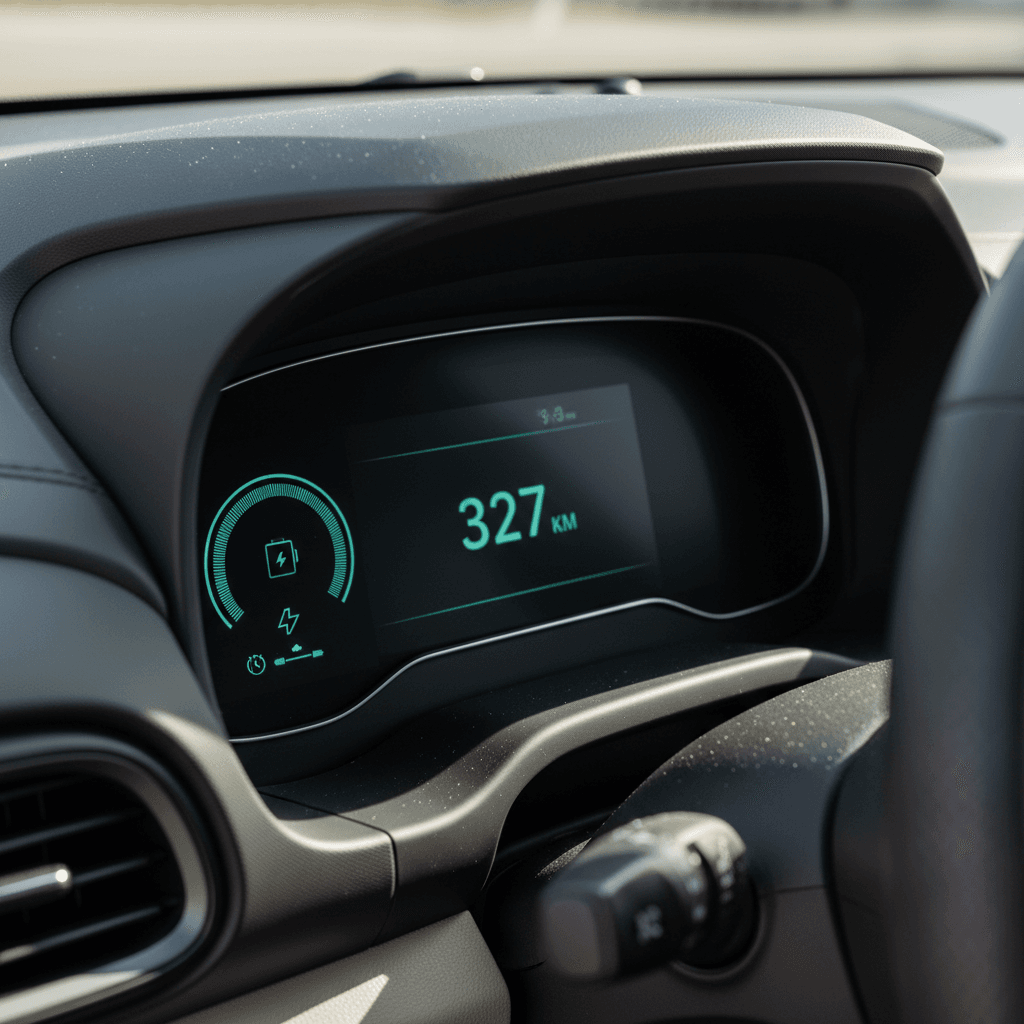
Dash‑displayed range estimates can be misleading. A proper battery‑health scan, like the <strong>Recharged Score</strong> report, gives you a clearer picture of remaining capacity and any imbalances between cells.
4. Inspect tires and suspension
Look for uneven tire wear, noises over bumps, or vague steering feel. The Ariya is heavy; neglected tires or suspension components can wear faster and affect both safety and refinement.
5. Test all charging scenarios you’ll use
If possible, plug into a Level 2 charger and, if the seller allows, a DC fast charger. Confirm the car charges normally, displays realistic times, and doesn’t throw errors when you unplug and re‑plug.
6. Stress‑test the tech
Pair your phone, launch navigation, try voice commands, and test the NissanConnect app if it’s active. Pay attention to lag, error messages, and whether core features like climate control, cameras, and sensors behave predictably.
7. Review service records
A thick stack of receipts isn’t mandatory on a 3‑year‑old EV, but you should see at least basic maintenance, recall visits, and any software updates documented. Spotty records don’t automatically kill the deal, but they do justify a sharper price.
Is a Used 2023 Nissan Ariya Right for You?
Taken as a whole, the 2023 Nissan Ariya looks like a solid but not flawless used‑EV choice. Early reliability data paints a picture of sturdy powertrains, respectable battery health, and a comfortable driving experience wrapped in software that’s merely okay and fast‑charging that’s a step behind the leaders.
Ariya Is a Good Fit If…
- You value a quiet, comfortable interior and calm driving manners over razor‑sharp performance.
- You do most charging at home or work on Level 2, with only occasional DC fast‑charging road trips.
- You’re willing to lean on CarPlay/Android Auto instead of factory navigation and apps.
- You want to capitalize on steep early depreciation and get a lot of EV for the money.
You May Want to Look Elsewhere If…
- You road‑trip often and want the fastest possible DC charging and most robust long‑distance network.
- You’re extremely sensitive to software polish, over‑the‑air updates, and a slick app experience.
- You’re uneasy with first‑generation products and prefer a model with a longer track record.
If those trade‑offs line up with how you drive, a carefully vetted 2023 Ariya can be a smart buy, especially when you have verified battery health, clear warranty documentation, and completed recalls. Recharged was built to make that process transparent. With our Recharged Score, expert EV support, and nationwide delivery, you can shop used Ariyas and other EVs with the kind of data and guidance that traditional dealers rarely provide.