If you’re eyeing a **2023 Mini Cooper Electric (Mini Cooper SE)**, you’ve probably heard two competing stories: it’s a fun, rock‑solid little EV, or it’s a quirky city car with some annoying issues. The truth sits somewhere in the middle. This guide walks through real‑world 2023 Mini Cooper Electric problems owners report, what’s *actually* common, and what you should inspect if you’re shopping used.
Quick context: what car are we talking about?
Overview: Should You Worry About 2023 Mini Cooper Electric Problems?
The 2023 Mini Cooper Electric doesn’t show the kind of widespread, high‑profile failures you see in some early EVs. Most owners report **few or no serious problems** beyond normal maintenance, especially in the first 2–3 years. At the same time, a handful of **recalls, nuisance defects, and climate‑related quirks** are worth understanding, particularly if you’re buying used and out of bumper‑to‑bumper warranty.
2023 Mini Cooper Electric Reliability Snapshot
Big picture
How Reliable Is the 2023 Mini Cooper Electric Overall?
MINI as a brand has climbed significantly in long‑term reliability rankings over the past decade, moving from near the bottom of industry surveys in the late 2000s to top‑tier status in recent dependability studies. The **Mini Cooper SE** benefits from that turnaround and from an electric drivetrain derived from the BMW i3, which has a solid reliability record when you strip away the gas range‑extender hardware.
2023 Mini Cooper SE: Strengths vs. Weak Spots
Where this EV shines, and where owners see issues
Where it’s strong
- Drivetrain robustness: Very few reports of motor or inverter failure.
- Battery longevity: Many owners with 30k–35k miles still report near‑original capacity.
- City‑car use case: Short commutes and home charging hide most range limitations.
- Shared parts: Many components are common with gas Minis, helping parts availability.
Where problems crop up
- Small but real defects: Shifter malfunctions, loose active grille shutters, flaky charge‑port sensors.
- Climate quirks: No dedicated battery heater in many markets; reduced power and range in cold weather.
- Dealer familiarity: Some stores still see few SEs and climb a learning curve on EV repairs.
- Short range: Highway road‑trip expectations often clash with the SE’s modest battery size.
Don’t ignore dealer experience
Most Common 2023 Mini Cooper Electric Problems
Owner forums, social media groups, and early‑life warranty claims point to a cluster of recurring issues on the 2020–2023 Mini SE, a subset of which specifically show up on 2023 cars. Here’s what surfaces most often.
1. Gear selector and shifting issues
Several owners of 2023 Mini Cooper Electrics report **difficulty shifting into Drive or Reverse**, or the selector **refusing to go into Park**. In mild cases, cycling the power (car off, then on) temporarily restores normal shifting. In more persistent cases, dealers have replaced the **entire shifter assembly** under warranty because a small internal part isn’t serviced separately.
- Symptoms: car won’t go into D/R or P, on‑screen “drivetrain malfunction” or gear‑selection errors
- Typical fix: shifter assembly replacement under warranty
- Long‑term concern: out of warranty, a full assembly isn’t cheap, worth checking thoroughly on a used SE
Test this on your test drive
2. 12‑volt battery and “dead car” behavior
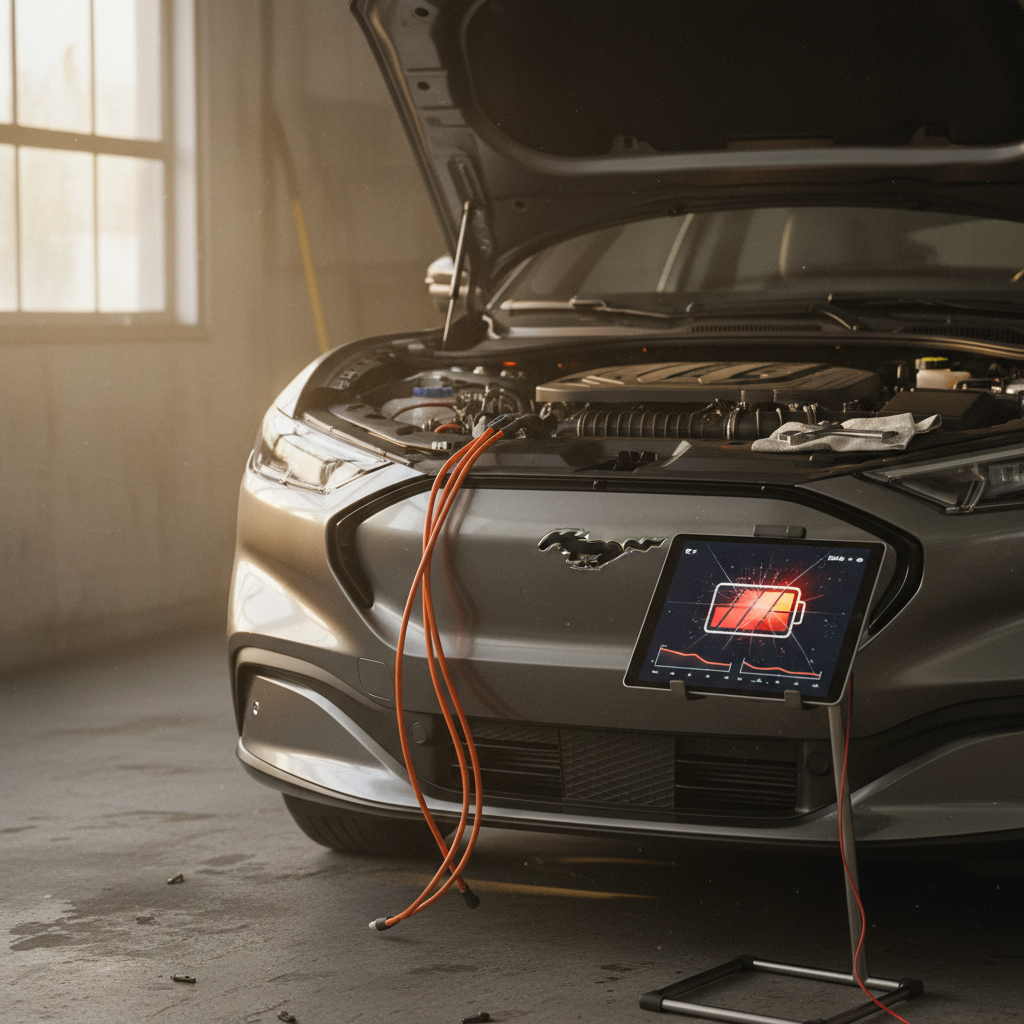
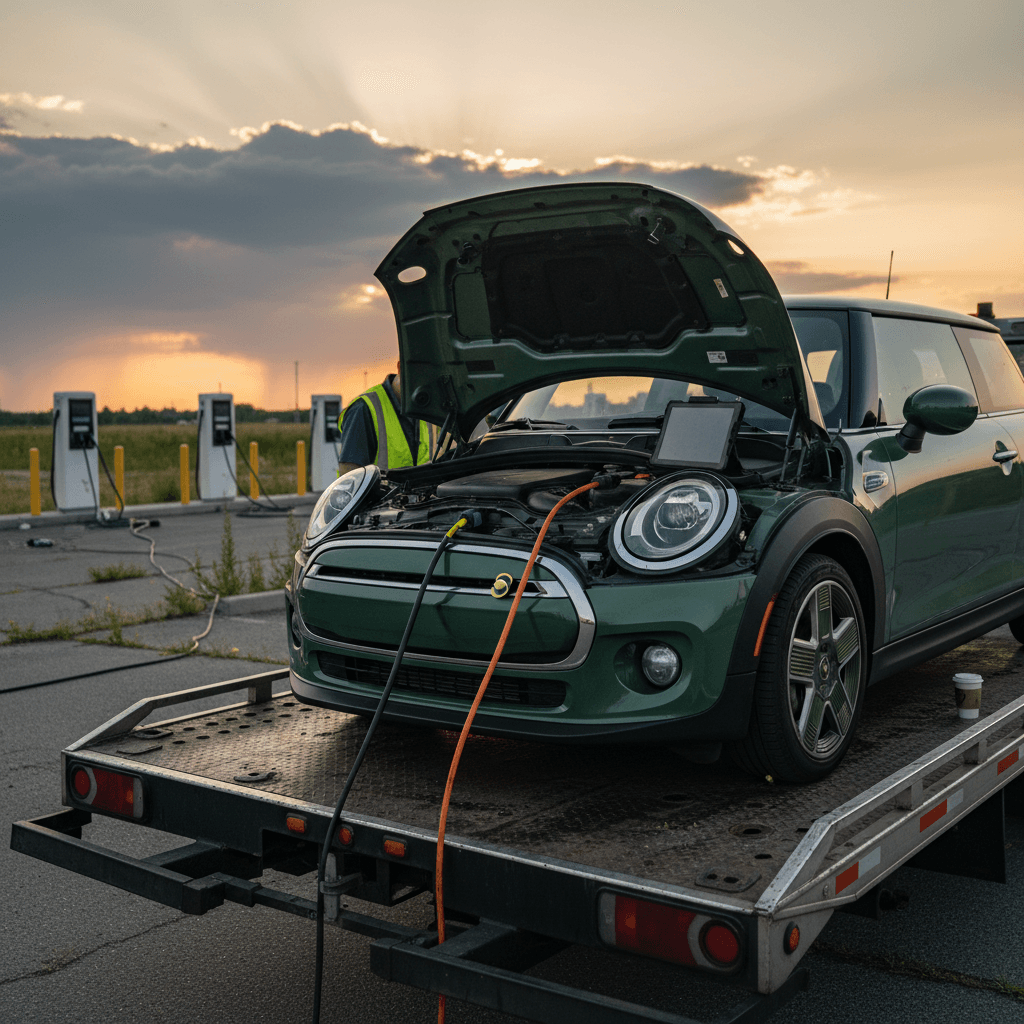
Like many EVs, the Mini SE relies heavily on its **12‑volt auxiliary battery** to wake up control modules. When that battery is weak or a connection is poor, owners can experience a car that is **completely unresponsive**, even with a full high‑voltage pack. Some 2020–2023 cars have also been involved in a **12‑volt battery–related recall** addressing overheating or venting concerns around the battery cover and cap design.
- Symptoms: car won’t power on, flickering warnings, “unable to charge” when not plugged in
- Contributing factors: aging 12‑volt battery, parasitic draw, or poor terminal/cover design on earlier builds
- What to check: recall completion for the 12‑volt system and age of the 12‑volt battery on any 2023 SE you’re considering
3. Charging‑port flap and sensor issues
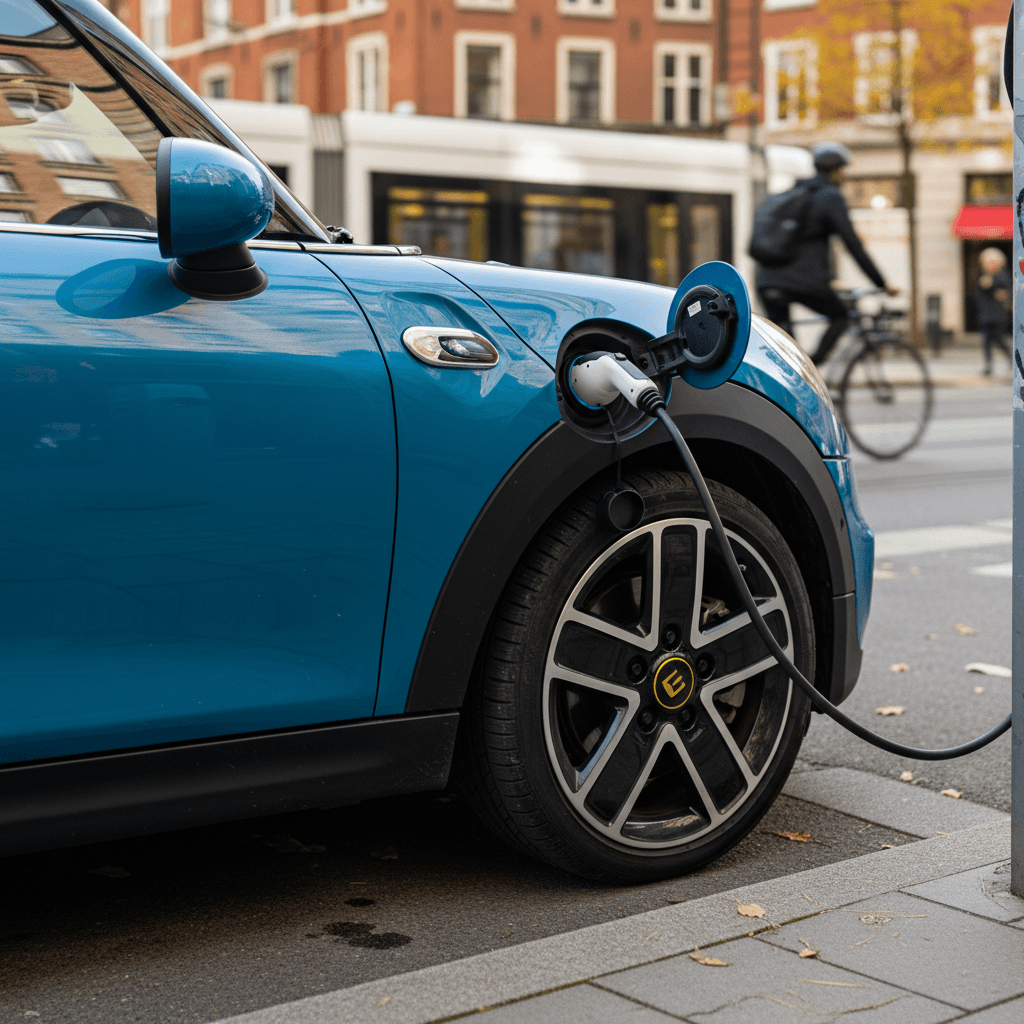
Owners across multiple model years, including 2023, report a **finicky charge‑port door sensor**. The car may think the flap is open when it’s closed, or vice‑versa, triggering warning messages or preventing charging sessions from starting.
- Symptoms: “charge flap open” warnings, failure to lock/unlock charge door correctly, or random error messages
- Typical fix: sensor or latch replacement, sometimes the entire flap assembly, usually a quick dealer repair
- Buying tip: open and close the charge door several times; verify the cluster and infotainment respond correctly and the car charges without error
4. Active grille shutters and front‑end hardware
Some Mini SE owners notice **loose active grille shutters** or noises from the front of the car. These shutters are meant to open and close for aerodynamic and cooling reasons, but early builds sometimes arrived with misaligned hardware.
- Symptoms: rattling or visible looseness in the lower grille area; in rare cases, error messages related to airflow or cooling
- Fix: re‑securing or replacing the shutter assembly, often handled under warranty on newer cars
- Shopping angle: during an inspection, crouch down and gently check that the lower shutter assembly is firmly attached on both sides
5. HVAC and heat‑pump problems
A smaller but notable number of 2023 Mini Cooper Electric owners report **cabin heat suddenly stopping**, especially early in ownership. On cars equipped with a heat‑pump‑based system, that can mean no warm air in cold weather until components are replaced or reflashed.
- Symptoms: no hot air even with climate controls set to max heat; in some cases, HVAC errors or defrost performance issues
- Potential fix: heat‑pump or HVAC module repair or replacement, sometimes combined with software updates
- Why it matters: a failed heater is more than a comfort issue in cold‑weather states, it’s a safety concern and can accelerate windshield fogging or icing
6. Software quirks and infotainment annoyances
Most software complaints on the 2023 Mini SE fall into the **“annoying, not fatal”** category: inconsistent Apple CarPlay behavior, laggy onboard navigation, or Bluetooth oddities. These issues show up across the Mini lineup, not just on the electric version.
- Common themes: CarPlay dropping connection, occasional lag in the Mini map system, or glitchy voice commands
- Mitigation: firmware updates at the dealer, keeping phones up to date, and using wired CarPlay when wireless is unreliable
- Shopping tip: pair your phone on the test drive and run CarPlay, Bluetooth streaming, and navigation for at least 10–15 minutes
Battery Health and Range on the 2023 Mini SE
Battery degradation is a core worry for any used EV shopper. So far, real‑world reports for the 2020–2023 Mini SE are **encouraging**. Owners with 30,000–35,000 miles on mixed‑climate cars often see only a **2–5% drop** in estimated capacity and can still achieve roughly 110–120 miles on a full charge in mild weather.
What affects Mini SE battery health?
Why one 2023 SE may age better than another
Climate
Charging habits
Driving profile
What Recharged checks for you
Range expectations vs. reality
The 2023 Mini Cooper Electric’s official EPA range is in the neighborhood of **114 miles**, but owners see a spectrum in real life:
- Mild weather, city‑heavy driving: often 115–125 miles per charge if driven efficiently
- Winter highway use: 80–100 miles is more realistic, especially at U.S. interstate speeds
- Heavy HVAC use or strong headwinds: can knock another 10–15 miles off a charge
Short range magnifies small problems
Recalls and Technical Campaigns to Know About
Most 2023 Mini Cooper Electric problems are handled quietly through warranty work, but a couple of **formal recalls and service campaigns** matter when you’re buying used. Exact campaign numbers vary by market and build date, so always run the VIN through the **NHTSA recall lookup** and ask for a dealer service printout.
Key Recall Themes for Recent Mini SE Models
Representative issues that have affected 2020–2023 Mini Cooper Electric models (exact coverage depends on VIN).
| Issue area | What’s affected | Typical remedy | Why it matters |
|---|---|---|---|
| 12‑volt battery cover / venting | Auxiliary 12‑volt battery on some early cars | Replacement of cover, cap, or related hardware; inspection for damage | Reduces risk of overheating or venting issues around the 12‑volt battery. |
| High‑voltage battery hardware (select vehicles) | Limited batches of Mini SE packs built during certain periods | Dealer‑performed inspection; in rare cases, pack module work or replacement | Ensures HV battery meets safety and durability standards. |
| Airbag / safety systems (various MINI models) | May include certain SE builds depending on VIN | Software or hardware update to airbag/sensor system | Keeps crash protection systems working as designed. |
Use this table as a starting point, then confirm recall status for any specific 2023 Mini Cooper Electric with its VIN.
Non‑negotiable for used buyers
Drivability and Winter Performance Quirks
Even when nothing is “broken,” the 2023 Mini Cooper Electric has some **quirks** that first‑time EV owners interpret as problems. Many are normal behavior for this particular car.
Regen “thunk” and brake feel
Some drivers notice a small thunk or transition when coming to a complete stop in maximum regenerative braking mode. That’s typically the system handing off from regen to the friction brakes.
If it’s mild and consistent, it’s likely normal. But if you feel pulling, grinding, or hear loud clunks, have the car inspected.
Cold‑weather power limits
Owners in colder climates report the Mini SE **reducing available power** when the pack is cold, sometimes down to 80% or less. You may see warnings about limited performance until the battery warms up.
This is common behavior for EVs without aggressive battery preconditioning. It’s not a defect by itself, but it impacts winter drivability and range.
Cold‑weather workaround
What to Check When Buying a Used 2023 Mini Cooper Electric
Because the 2023 Mini Cooper Electric is still relatively new, most cars on the market are coming off short leases or early trades. That’s good news for you, they’re usually low‑mileage, but it also means many are leaving full factory warranty in the next few years. A targeted inspection goes a long way.
10 key checks for a used 2023 Mini Cooper Electric
1. Verify recall and campaign history
Ask the seller or a MINI dealer for a **full service history printout** and confirm that all battery, 12‑volt, and safety recalls have been completed. If anything is open, get it addressed before purchase.
2. Get objective battery health data
Don’t rely solely on the dash’s range estimate. Use a seller who can provide **measured battery capacity** (like Recharged’s battery‑health diagnostics) so you know how much of the original pack remains.
3. Test the shifter thoroughly
With the car on, shift between P, R, N and D at least a dozen times in a safe area. Watch for any refusal to go into gear, warning messages, or need to power‑cycle the car.
4. Inspect and operate the charge port
Open and close the charge‑port flap repeatedly. Plug in to a Level 2 charger and confirm that charging starts promptly, with no persistent errors about the flap or connection.
5. Check HVAC and heated features
Run the heater, A/C, defroster, heated seats, and heated steering wheel (if equipped). Weak heat or no heat is a common complaint that can require heat‑pump or HVAC repair.
6. Look under the front bumper
Kneel down and inspect the **active grille shutters** and lower fascia. They should feel secure, not loose or rattling. Any damage or misalignment deserves further inspection.
7. Evaluate tires and suspension
The SE is heavier than a gas Mini and can be driven enthusiastically. Check for **uneven tire wear, cupping, or vibration** on the highway that might hint at alignment or suspension issues.
8. Confirm infotainment and CarPlay stability
Pair your phone, run navigation, stream audio, and test voice commands. Occasional glitches happen, but repeated disconnects or freezing could point to software that needs an update.
9. Review charging habits with the previous owner
If you can, ask how the car was charged, mostly at home Level 2, or frequent DC fast charging? Gentle home charging usually means a happier battery over time.
10. Drive your real‑world route
If you typically commute 60 miles round‑trip with highway sections, replicate that in your test drive if possible. Make sure the **range and comfort fit your lifestyle** before you commit.
How Recharged simplifies this
Ready to find your next EV?
Browse VehiclesOwnership Costs, and How Recharged Helps
Once you’re past the early‑life teething issues, the 2023 Mini Cooper Electric is generally **inexpensive to run**. There’s no oil to change, no timing belt, and fewer moving parts than a gas Cooper. Still, it pays to budget for the known weak spots and for routine wear items.
Where 2023 Mini Cooper Electric Owners Spend Money
And how to keep surprises in check
Routine maintenance
12‑volt battery & electronics
Big‑ticket outliers
Recharged is built around making this simpler. Beyond the Recharged Score, you can **finance a used Mini SE, trade in your current vehicle, and arrange nationwide delivery** without setting foot in a showroom. If your priority is transparency, especially around battery health and prior repairs, shopping a curated used EV marketplace can remove a lot of the guesswork.
FAQ: 2023 Mini Cooper Electric Problems
Frequently Asked Questions About 2023 Mini Cooper Electric Issues
The 2023 Mini Cooper Electric is not a problem‑child EV, but it isn’t flawless either. If it fits your lifestyle, short daily miles, easy home charging, and a taste for go‑kart handling, you’re likely to find it **more fun than fussy**, especially if you screen out cars with unresolved shifter, HVAC, or battery‑system issues. Focus on battery health, recall completion, and a thorough test drive, and a used 2023 Mini SE can be one of the smartest city‑EV buys on the market. Recharged was built to make that process transparent, from verified battery diagnostics to nationwide delivery, so you can enjoy the fun side of this little electric MINI without losing sleep over the rest.