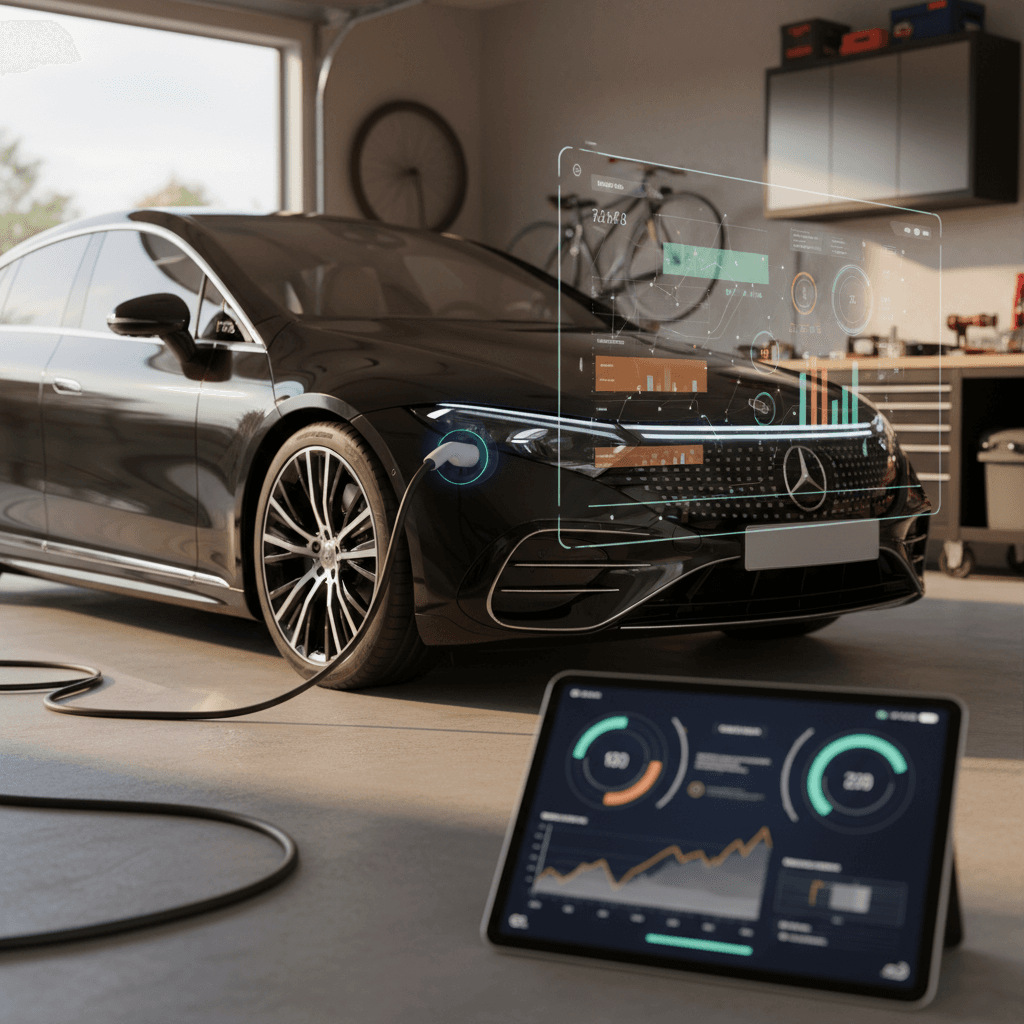
If you’re eyeing a 2023 Mercedes EQS sedan or EQS SUV on the used market, you’re probably asking a very specific question: what’s the **2023 Mercedes EQS reliability rating**, and will all that tech turn into repair bills once the factory sheen wears off? Early data paints a nuanced picture, solid fundamentals, but more software and electronics gremlins than you’d expect in a six‑figure flagship.
Quick take
2023 Mercedes EQS reliability rating at a glance
Headline reliability stats for the 2023 EQS
On paper, the 2023 EQS lands squarely in the middle of the pack. **J.D. Power assigns the 2023 Mercedes‑Benz EQS a Quality & Reliability score of about 74 out of 100**, which it labels "Average" for the segment. Owner reviews on Kelley Blue Book skew much rosier, with a 4.4 overall score from early reviewers and a perfect **5.0/5 sub‑score for reliability** and quality from those who’ve chimed in so far. Strip away the numbers, and a pattern emerges: the EV hardware is robust, but the more you lean on the advanced driver‑assist and infotainment software, the more opportunities there are for headaches, especially if your local dealer is backed up.
How major scorecards rate the 2023 EQS
2023 Mercedes EQS reliability ratings from key sources
How leading rating agencies and owner‑review sites score the 2023 EQS on reliability and quality.
| Source | Metric | Score / Verdict | What it Focuses On |
|---|---|---|---|
| J.D. Power | Quality & Reliability score | 74/100 – Average | Defects, malfunctions and design flaws experienced in the first three years. |
| J.D. Power | Overall owner score | 75/100 – Average | Blends quality, driving experience, resale and dealership experience. |
| Kelley Blue Book | Owner reliability sub‑score | 5.0/5 – Above average (limited sample) | Owner‑reported reliability, comfort and build impressions. |
| Consumer Reports | Predicted reliability | Below average to average (varies by trim, paywalled) | Forecast based on early problem trends and Mercedes brand history. |
| Recharged analysis | Used‑EV reliability outlook | Mixed but improving | Mechanicals solid, but software and dealer support are swing factors. |
Scores reflect early‑life reliability; long‑term durability will depend heavily on software support and service quality.
Beware small sample sizes
Owner experience: what 2023 EQS drivers report
What living with a 2023 EQS really feels like
Owner stories show two very different realities: serene luxury vs. software frustration.
Many owners: “Effortless, quiet, drama‑free”
Plenty of 2023 EQS sedan and SUV drivers report **tens of thousands of largely trouble‑free miles**. They praise:
- Comfort and noise isolation on long highway drives
- Smooth power delivery and strong acceleration
- High‑quality interior materials and tech wow‑factor
Others: warning lights and service visits
On the other end of the spectrum, forums highlight:
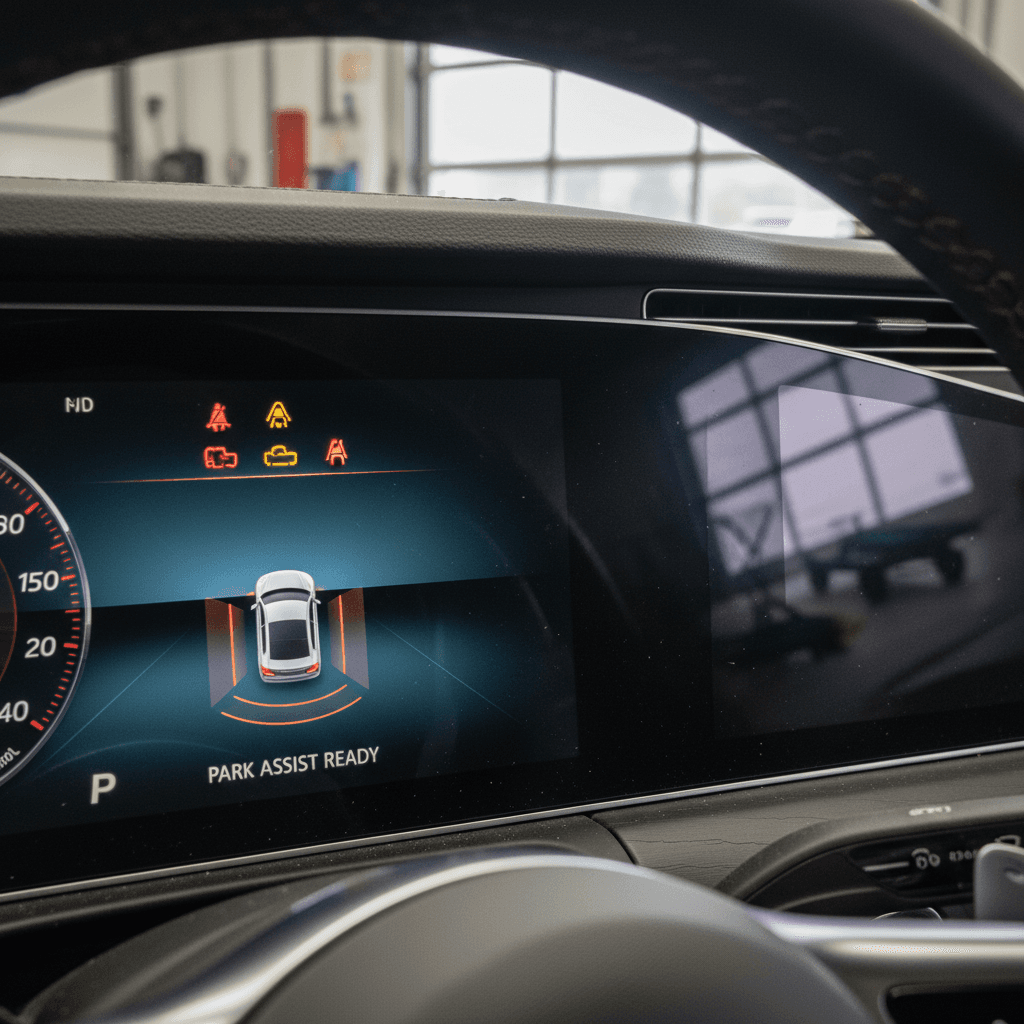
- Repeated warning messages for ADAS and suspension systems
- Infotainment freezes or black screens needing resets
- Dealer visits stretching into weeks while parts or software arrive
The middle ground: “Great car, fussy tech”
Most owners land between these extremes: **they love the way the EQS drives**, but accept that a software‑rich luxury EV will occasionally throw glitches, especially as updates roll out.
If you scan owner forums for 2023 EQS sedans and SUVs, the recurring theme isn’t catastrophic failures, it’s **inconsistent software behavior and the time it takes to resolve it**. Some drivers report a year of smooth sailing; others describe a cascade of warning lights, particularly around driver‑assistance, parking sensors, and infotainment. A few report buybacks or lemon‑law cases when those issues proved stubborn. The deciding factor in many stories isn’t whether the car ever glitched, it’s whether the local dealer could diagnose and fix it quickly.
Common 2023 EQS problems to know about
- Intermittent ADAS warnings (lane‑keep, adaptive cruise, emergency braking) requiring software updates or sensor calibration.
- Infotainment bugs: laggy MBUX Hyperscreen, frozen displays or random reboots, occasionally taking climate or camera views with them.
- Charging hiccups at DC fast chargers: sessions that stop unexpectedly, or cables that don’t latch correctly on the first try.
- Suspension noises or ride‑height warnings, sometimes tied to the air suspension system on higher‑trim models.
- Interior squeaks, rattles or wind noise around the panoramic roof or door seals, especially on early builds.
- Occasional issues with HVAC performance, like delayed cabin heat, or 3rd‑row ventilation complaints on EQS SUV trims.
Simple fixes vs. red flags
Recalls affecting 2023 EQS sedans and SUVs
Like most first‑generation luxury EVs, the 2023 EQS has already seen several recalls, many of them software‑related. Exact campaigns depend on build date, trim and market, but U.S. owners will typically see at least one or two recall entries tied to their VIN.
Examples of recall themes for 2022–2023 Mercedes EQS
Not an exhaustive list, always run a VIN check, but a snapshot of the types of issues Mercedes has addressed with recalls and service campaigns.
| Recall theme | Potential symptom | Typical remedy |
|---|---|---|
| Drive system software | Risk of sudden loss of propulsion with multiple warnings in cluster under rare conditions. | Dealers update the drivetrain or battery‑management software to more robust versions. |
| Pedestrian warning sound / acoustic alerts | Exterior warning sound may not meet regulatory requirements at low speed. | Software flash or, in some cases, replacement of audio control components. |
| Brake or stability‑control calibration | Warning lights for ABS/ESP, possible reduction in driver‑assist functions. | Inspection and software update; hardware replacement if necessary. |
| Airbag / restraint system updates (select vehicles) | Airbag warning light, or risk of incorrect deployment in certain crash scenarios. | Inspection and component replacement as specified by the recall. |
Most EQS recalls are resolved with software updates or targeted part replacements, usually at no cost to the owner.
Always run the VIN
Battery and drivetrain reliability on the 2023 EQS
High‑voltage battery health so far
Good news first: across early‑life data and owner reports, there’s **no clear pattern of widespread battery pack failures** on 2022–2023 EQS sedans or SUVs. Range complaints you do see often trace back to:
- Normal cold‑weather losses and HVAC usage
- High sustained highway speeds in winter
- Software estimates that are conservative or need updates
Mercedes also covers the high‑voltage battery for **8 years/100,000 miles (U.S.)**, which will still apply to most 2023 models for years on the used market.
Motors, gearbox and cooling systems
Mechanically, the EQS’s permanent‑magnet motors and reduction gear seem **far less trouble‑prone than its infotainment stack**. We don’t yet see the same pattern of drive‑unit replacements that dogged some early Tesla models, for example.
Where problems do show up, they’re usually tied to software, like the drivetrain control module unexpectedly limiting power and throwing errors, rather than hardware failing outright.
Where the EQS looks solid
How the 2023 EQS compares to other luxury EVs
2023 EQS vs. key luxury EV rivals
Reliability is only one part of the equation, but it’s a big one when you’re shopping used.
Tesla Model S
Pros: Mature EV platform, huge fast‑charging network, strong efficiency.
Cons: Historically spotty build quality, interior materials not as plush as EQS, service backlogs in some regions.
BMW iX / i5
Pros: Well‑developed software, strong owner satisfaction, fewer random glitches reported so far.
Cons: Less dramatic interior design than EQS; charging network depends heavily on third‑party providers.
Audi Q8 e‑tron
Pros: Conservative design, familiar Audi ergonomics, generally predictable reliability.
Cons: Older platform with shorter range; not as futuristic or efficient as EQS.
Placed next to its peers, the **2023 EQS is neither a disaster nor a reliability star**. It trades a bit of peace‑of‑mind for wow‑factor: more screens, more features, more acoustic glass, and more potential failure points. If you prioritize rock‑solid simplicity, a less tech‑heavy luxury EV or plug‑in hybrid may suit you better. If you want S‑Class quiet with EV torque and can tolerate occasional software drama, the 2023 EQS can still make sense, especially at today’s used‑market prices relative to its original six‑figure MSRP.
Used 2023 EQS reliability checklist
Reliability checklist for a used 2023 Mercedes EQS
1. Pull full service and recall history
Ask for dealer service printouts and confirm that **all open recalls and software campaigns** are complete. Gaps in updates can explain many warning‑light stories you’ll see online.
2. Scan for repeat complaints
Look for any item that appears more than once: repeated ADAS warnings, recurring infotainment resets, or multiple tows for the same issue. Repetition is a bigger problem than a single repaired fault.
3. Test every driver‑assist feature
On a thorough test drive, verify adaptive cruise, lane‑keep assist, blind‑spot monitoring, automatic parking and emergency braking. You want **clean operation and no warning messages** during and after your drive.
4. Stress‑test the infotainment and climate
Spend at least 15–20 minutes with the MBUX system: switch between apps, use navigation, stream audio and adjust climate zones. Watch for freezes, lag or delayed HVAC response, especially in the EQS SUV’s rear rows.
5. Inspect suspension and tires
Listen for clunks or squeaks over speed bumps and rough pavement, and visually inspect air‑suspension components for leaks. Uneven tire wear can hint at alignment or suspension issues.
6. Evaluate charging behavior
If possible, **DC fast‑charge and Level 2‑charge** the car before you buy. You’re checking for stable sessions, normal charging speeds and connectors that release properly.
7. Have an EV‑savvy shop inspect it
A pre‑purchase inspection from a shop that actually sees EQS models (or other high‑end EVs) is worth the money. They can pull fault codes, check software levels and look for emerging issues you won’t see on a short drive.
Let the car’s data work for you
How Recharged evaluates 2023 EQS reliability
At Recharged, every EQS we list, 2023 models included, comes with a **Recharged Score Report** that goes deeper than a CARFAX and a quick once‑over on the lot. Because complex EVs live or die by their electronics, we put heavy weight on battery health, software status and real‑world behavior rather than cosmetics alone.
What the Recharged Score looks at on a 2023 EQS
Beyond a clean title: how we separate promising cars from future headaches.
Battery & charging health
- Measured battery capacity vs. original spec
- DC fast‑charge history and any signs of abuse
- On‑board charger operation and charge‑port condition
Software, sensors & safety systems
- Current software level and completed campaigns
- Stored fault codes across ADAS, suspension and infotainment
- Verification that key driver‑assist features behave as designed
Wear items & mechanicals
- Tire and brake wear, including from regen‑heavy driving
- Suspension noises, leaks or ride‑height inconsistencies
- Fluid leaks or cooling‑system concerns for EV components
Pricing vs. risk
- How the car’s condition and history compare to typical 2023 EQS examples
- Fair‑market pricing that bakes in known reliability patterns
- Financing and protection options that fit a tech‑heavy flagship EV
Ready to find your next EV?
Browse VehiclesWhy this matters for an EQS
FAQ: 2023 Mercedes EQS reliability
Frequently asked questions about 2023 EQS reliability
Bottom line: should you buy a 2023 EQS?
If you’re looking strictly for a set‑and‑forget commuter, the **2023 Mercedes EQS isn’t the safest choice**. It’s a tech‑dense flagship that rewards you with S‑Class‑grade comfort, near‑silent cruising and serious EV performance, but it also brings more software and electronics risk than a simpler luxury car. The formal **2023 Mercedes EQS reliability rating, mid‑70s out of 100 from J.D. Power, backs that up: not a problem child, not a paragon of durability either.
Where the 2023 EQS makes sense is for used‑EV shoppers who understand that trade‑off and price it in. If you can document a clean history, verify up‑to‑date software and recalls, and confirm strong battery health, you’re effectively buying a six‑figure luxury EV at a steep discount, with many years of battery warranty still on the clock. Partnering with a specialist like Recharged, where every EQS listing includes a **Recharged Score Report**, EV‑savvy inspection and nationwide delivery, can tilt the odds further in your favor and turn a complex flagship into a manageable, rewarding daily driver.