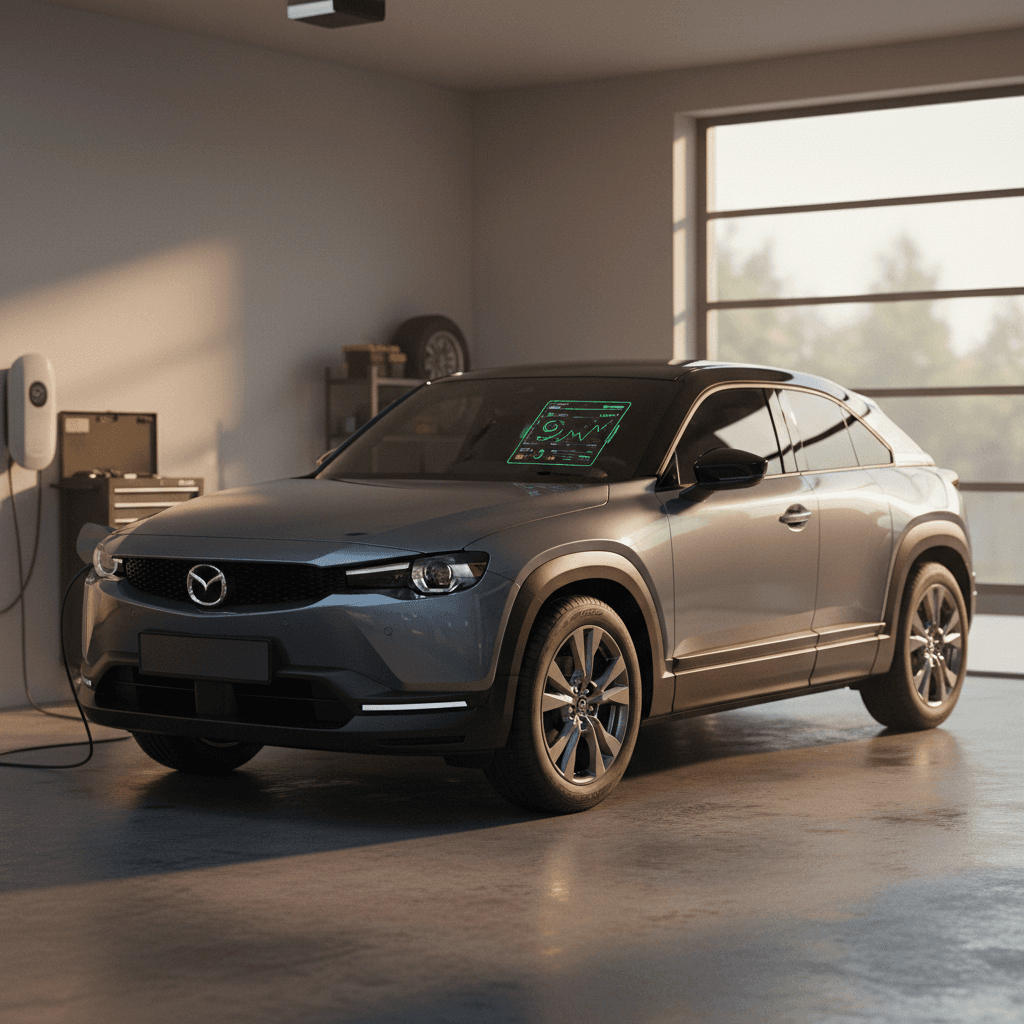
If you’re looking at a **used 2023 Mazda MX-30**, you’re probably wondering whether it’s a clever bargain or a short‑range headache. The MX-30’s limited 100‑mile EPA range kept sales low, but that also means prices can be tempting on the used market. Reliability, though, is a separate question, and because so few were sold, there isn’t much headline data to go on. This guide pulls together what we do know so you can decide with eyes wide open.
Key context: 2023 was the MX-30’s final US model year
2023 Mazda MX-30 reliability at a glance
2023 MX-30 reliability fast facts
Traditional reliability scores from sources like Consumer Reports and J.D. Power don’t tell us much about the 2023 Mazda MX-30. The sample size is simply too small; some ratings services don’t publish a reliability verdict at all for the MX‑30’s short 2022–2023 run. Instead, we have to rely on warranty terms, early‑ownership reports, and what we know about Mazda build quality in general.
- **No widespread systemic failures** have emerged for the 2023 MX-30’s battery or motor so far.
- Mazda’s **core build quality**, fit, finish, and driving feel, remains a strong point.
- There are **emerging concerns** about thin paint and rust on some MX‑30s, especially in harsh climates.
- Low volumes and the model’s discontinuation raise **question marks about parts availability** long‑term.
Lack of data cuts both ways
Electric drivetrain & battery reliability
Mechanically, the MX‑30 is a fairly simple EV. A **single front‑mounted electric motor** drives the front wheels, fed by a **35.5‑kWh lithium‑ion pack**. Power and acceleration are modest, but that simplicity can be a plus for reliability, there’s only one motor and no complex all‑wheel‑drive system to worry about.
MX-30 EV drivetrain: strengths and watch‑outs
Potential reliability strengths
- Small battery pack generates less heat and is easier to cool than large high‑performance packs.
- Conservative power output puts less mechanical stress on the motor and driveline.
- Proven Mazda Skyactiv architecture underneath, adapted for EV duty.
Potential weak spots
- Limited real‑world data on pack degradation because of low sales and short time in market.
- Dealer EV expertise can vary, and some reports suggest inconsistency in diagnosing rare EV issues.
- Very small fleet size may make **replacement pack sourcing** more complex a decade from now.
On paper, the MX‑30’s battery warranty is right in line with the rest of the industry, **8 years or 100,000 miles** against defects. Many owners of early‑build MX‑30s in Europe and North America report normal range retention so far, with no epidemic of failed packs. Isolated cases of high‑voltage battery replacement have surfaced online for earlier model years, but they appear to be one‑off issues rather than a pattern.
How to judge MX-30 battery health on a test drive
Good use cases for long‑term battery health
- Short urban or suburban commutes where you rarely push the pack below 20% or above 90%.
- Regular Level 2 charging at home instead of relying heavily on DC fast charging.
- Mild climates without extreme heat or long winters with road salt embedded in slush.
Harder use cases on the MX‑30
- Daily highway runs that regularly stretch the 100‑mile range, forcing full charges and deep discharges.
- Parking outside in very hot climates with the pack frequently near 100% charge.
- Going months without driving, which can be tough on both the 12‑volt and high‑voltage systems if not stored correctly.
Body, paint & rust concerns on the MX-30
Where we do see a pattern emerging, especially from European owners, is in **thin paint and early rust formation** on exposed areas. Several MX‑30 drivers have reported stone chips on the roof and lower doors turning into visible rust surprisingly quickly, sometimes within the first couple of years of ownership. In some markets, dealers have acknowledged this as a **paint‑thickness issue** and handled repairs under warranty; in others, owners have been told it’s normal wear and tear.
- Check the **leading edge of the roof**, the hood, and the rocker panels for chips that have started to brown around the edges.
- Look closely along the **bottom seam of the doors** and around the tailgate for bubbling paint or surface rust.
- If the vehicle has lived in a **snow‑belt or coastal region**, be extra picky, salt and sand accelerate any weakness in paint or undercoating.
- Ask the seller if any **corrosion repairs or repainting** have already been done, and get documentation.
Don’t ignore early rust on a low‑mileage EV
Electronics, infotainment & charging issues
Beyond the battery and bodywork, the 2023 MX‑30 shares much of its electronics and infotainment with other Mazdas. That cuts both ways. On the plus side, most components are familiar to dealers. On the downside, Mazda infotainment systems from the 2014–2023 era have been the subject of a class‑action settlement over **Mazda Connect failures**, frozen screens, reboot loops, and malfunctioning navigation and Bluetooth. The MX‑30 falls in that era, even though the exact hardware and software can vary by model.
Electronics & charging: what to watch for
Infotainment
- Cycle through navigation, audio, Bluetooth, and backup camera.
- Watch for reboots, lag, or frozen screens.
- Check for any open campaigns or software updates at a Mazda dealer.
AC charging behavior
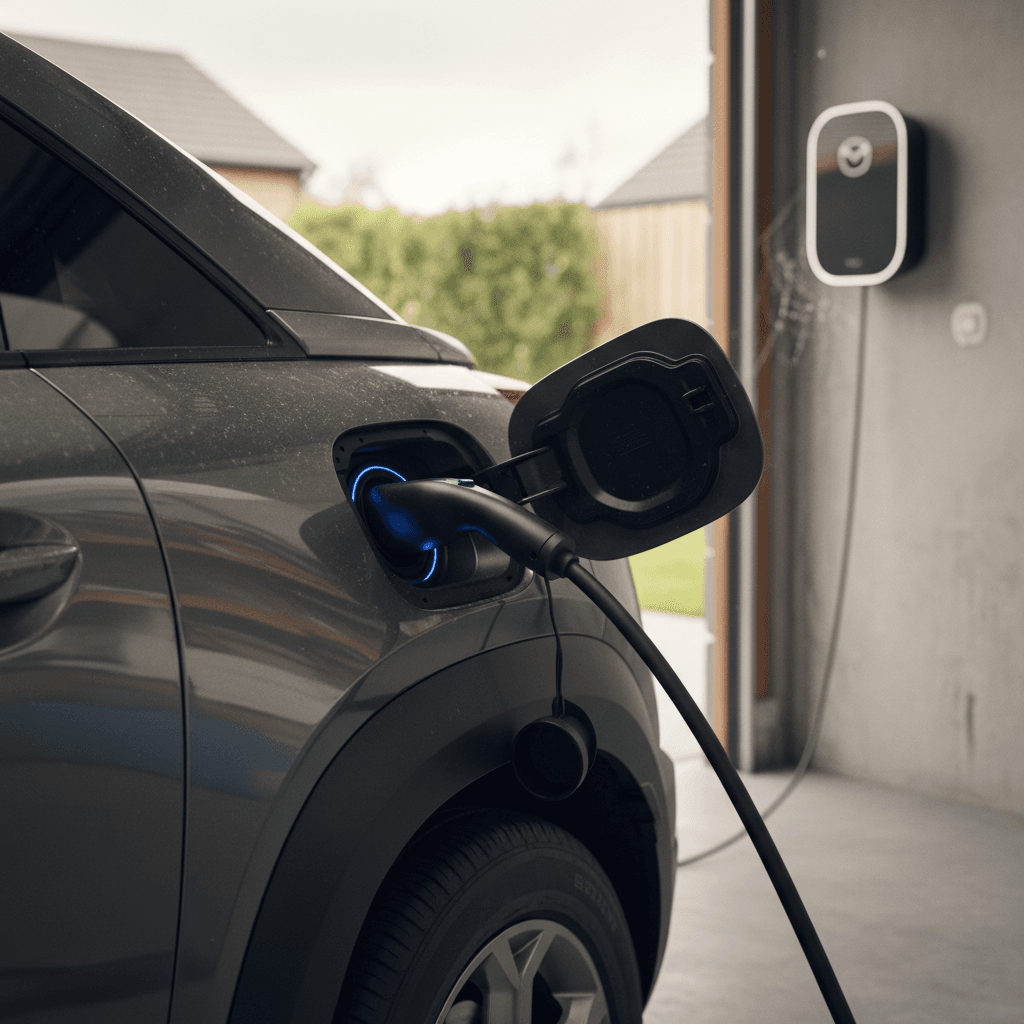
- Verify it charges normally on a Level 2 station.
- Listen for unusual clicks or fan noises during charging.
- Confirm charge rate and time roughly match Mazda’s specs.
DC fast charging
- If possible, test a fast‑charge session.
- Confirm the car ramps up to expected power and doesn’t drop unexpectedly.
- Ask the owner about any charging‑station compatibility issues.
Battery‑drain recall on some 2023 Mazdas
A weak 12‑volt battery can mimic more serious EV problems, no‑start conditions, random warning lights, and odd behavior from driver‑assist features. When you combine a niche EV with a dealer network still ramping up EV experience, misdiagnosis isn’t uncommon. That’s one reason a **thorough pre‑purchase inspection by an EV‑literate shop** is so valuable.
Recalls, warranty coverage & parts availability
As of early 2026, there are **no U.S. NHTSA safety recalls** specific to the 2023 Mazda MX‑30 EV. That’s good news, but again, low volume makes it hard to draw sweeping conclusions. What we can say is that Mazda’s basic warranty coverage for a 2023 MX‑30 originally included:
2023 Mazda MX-30 original warranty coverage (U.S.)
| Coverage | Term | What it typically covers |
|---|---|---|
| Basic (bumper‑to‑bumper) | 3 years / 36,000 miles | Most non‑wear components, electronics and interior trim |
| Powertrain | 5 years / 60,000 miles | Electric motor, reduction gear, related driveline parts |
| EV battery | 8 years / 100,000 miles | Defects in materials or workmanship on the high‑voltage pack |
| Corrosion perforation | 5 years / unlimited miles | Rust‑through of body panels from the inside out |
| Roadside assistance | 3 years / 36,000 miles | Towing, jump starts, limited lockout/fuel help |
Always confirm remaining coverage by build date and in‑service date; time starts when the vehicle was first sold, not model year.
Warranty reality check for a 2023 MX‑30 in 2026
There’s another dimension here: **parts availability**. The MX‑30 has already been discontinued as a pure EV globally, and Mazda has moved on to other EV platforms. Early owner stories include cars being written off after minor accidents because parts simply weren’t available in a reasonable time frame. That doesn’t mean every MX‑30 will be hard to service, but it does mean you should:
- Ask the selling dealer (or a local Mazda service department) how many MX‑30s they actually see and how quickly they can get key parts.
- Check whether crash‑repair parts, tailgates, bumpers, lamps, and glass, are available or back‑ordered in your region.
- Factor **total‑loss risk** into your insurance conversation; sometimes insurers will total a car when parts availability is uncertain.
Owner experiences and what the data misses
Browse owner forums and you’ll see a recurring theme: people who like their MX‑30 tend to **love the way it drives and feels inside**, but a minority have run into frustrating reliability and support stories, long waits for parts, dealers unsure how to diagnose unusual EV issues, or early electrical gremlins that required software updates.
“The first few months I didn’t use the car because it didn’t feel safe… After months, the dealer came with a software update that fixed the most problematic issues. It’s been a pleasure ever since… I wouldn’t buy it again, but I am still very happy with it.”
That kind of mixed verdict is exactly what you’d expect from a low‑volume first‑generation EV. Hardware failures don’t appear widespread, but **software, dealer experience, and support** can make or break the ownership story. If you’re buying used, you’re not just evaluating the car, you’re evaluating the local support ecosystem around it.
How the 2023 MX-30 compares to other used EVs
Where the MX‑30 looks good
- Simple, modest‑power drivetrain that’s unlikely to be overstressed.
- Comfortable, upscale interior and familiar Mazda driving dynamics.
- Smaller, easier‑to‑park body that suits city driving.
- Low demand means you can often find **aggressive used pricing** versus rivals.
Where rivals have an edge
- Compacts like the Chevy Bolt EUV, Hyundai Kona Electric, and Kia Niro EV offer **substantially more range** and larger charging networks.
- Higher‑volume models have **better parts pipelines** and more experienced dealer technicians.
- Some rivals offer **longer corrosion and basic warranties**, especially in EV‑focused brands.
Who the 2023 MX‑30 fits best
Checklist if you’re shopping a used 2023 MX-30
Used 2023 MX-30 reliability checklist
1. Verify remaining warranty & recall status
Use the VIN to confirm in‑service date, remaining battery warranty, and any completed or outstanding recalls or service campaigns. Ask for printed dealer service history if possible.
2. Get objective battery health data
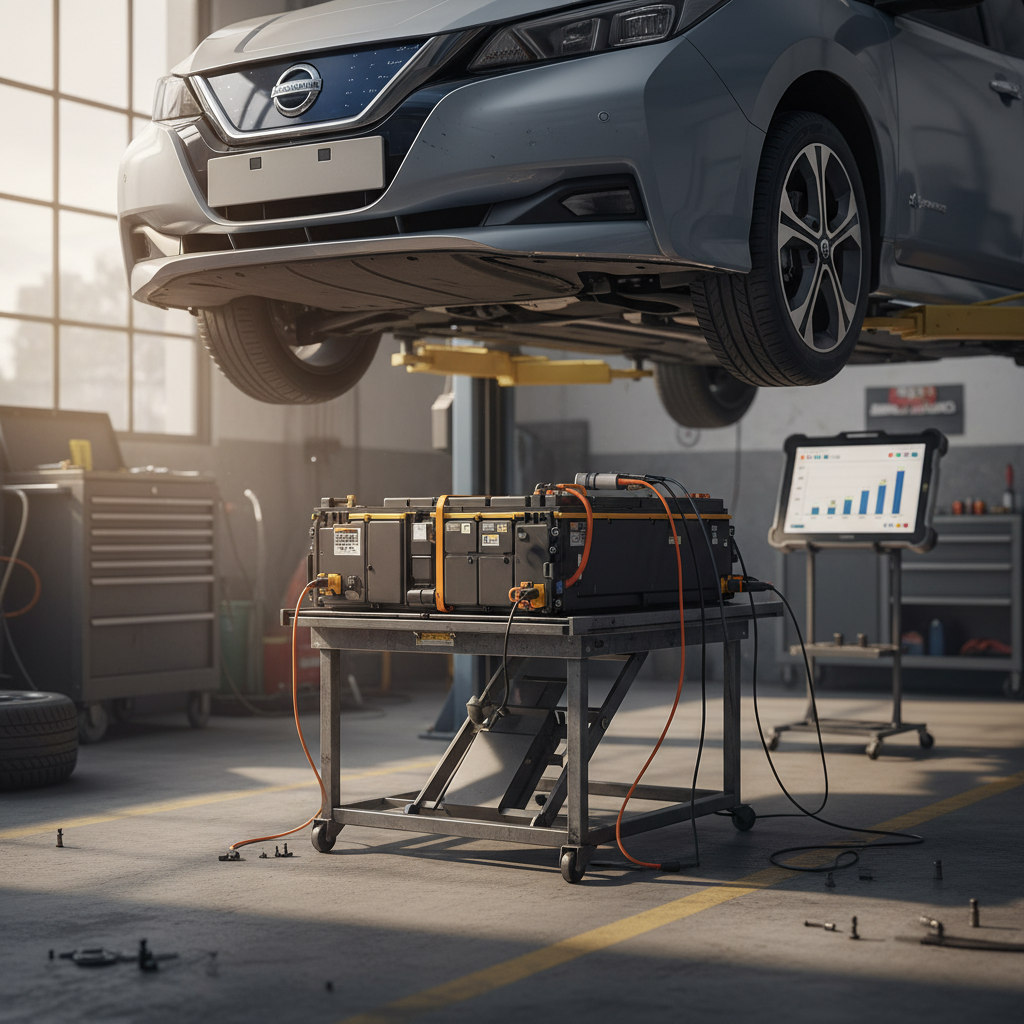
Don’t guess about range. Ask for recent range records, and when possible, use a third‑party EV inspection, like a Recharged Score battery health report, to see how much capacity is left.
3. Inspect paint, roof and door bottoms for rust
Pay close attention to the roof leading edge, rocker panels, and lower door seams. Early rust or widespread stone‑chip damage should either be professionally addressed or reflected in price.
4. Test every electronic and driver‑assist feature
Check infotainment, Bluetooth, navigation, cameras, adaptive cruise, lane‑keep, and parking sensors. Glitchy behavior could signal the need for software updates or hardware replacement.
5. Confirm charging behavior on Level 2
If possible, plug into a Level 2 station and verify that charging starts promptly, remains stable, and delivers a rate in line with Mazda’s published specs. Ask the seller about fast‑charging history.
6. Ask about parts and service experience locally
Before you buy, talk to your local Mazda service department. Do they see MX‑30s regularly? How long are people waiting for parts? Their answers tell you a lot about future repair downtime.
7. Compare total cost with alternative EVs
Use the MX‑30’s price advantage to your benefit. Compare it against used EVs like the Bolt EUV, Kona Electric, or Niro EV. If prices are similar, those longer‑range models may be a better bet.
How Recharged can help with a used MX‑30
FAQ: 2023 Mazda MX-30 reliability
Frequently asked questions about 2023 Mazda MX-30 reliability
Bottom line: Is the 2023 MX-30 a safe used bet?
From a pure hardware standpoint, the **2023 Mazda MX‑30 doesn’t look like a ticking time bomb**. Its small battery, single motor, and solid Mazda build quality give it a decent foundation for reliability. Where things get murkier is in the surrounding ecosystem: thin paint and early rust reports, a history of Mazda infotainment hiccups, limited dealer EV experience, and the realities of owning a discontinued, low‑volume model.
If you understand those trade‑offs, drive modest miles, and can buy an MX‑30 at a meaningful discount versus more capable used EVs, it can make sense as a stylish, city‑focused runabout. If you want a low‑risk, do‑everything electric car, there are safer bets in the used market. Either way, leaning on data, battery‑health diagnostics, service history, and careful inspection, will do more for your ownership experience than any single reliability score.