If you live where winters are long and cold, you’ve probably heard the horror stories: electric SUVs that lose half their range as soon as the temperature drops. The Genesis Electrified GV70 is a stunning luxury EV, but how bad is winter range loss really, and what can you do about it?
Key takeaway
Genesis Electrified GV70 winter range loss at a glance
Electrified GV70 range and typical winter loss
The 2024 Genesis Electrified GV70 is EPA‑rated at 236 miles of range from its roughly 77.4 kWh battery pack, using a dual‑motor all‑wheel‑drive setup. In mild weather, careful drivers can get surprisingly close to that number. In cold weather, things change quickly.
- In light winter (around freezing, mixed driving), plan on 150–185 miles from a full charge.
- In deeper cold (teens and single digits), especially on the highway, plan on 130–160 miles.
- Short, stop‑and‑go trips with a cold battery and constant cabin heat can feel even worse than the numbers suggest.
Don’t plan winter trips off the EPA number
EPA range vs real winter range in the Electrified GV70
On paper, the Electrified GV70 looks competitive. The EPA lists a 236‑mile combined range and 91 MPGe for recent model years, right in line with other compact luxury electric SUVs. That’s your best‑case, lab‑condition number.
In the real world, independent testers and owners see predictable winter drop‑off. A cold‑weather road test at around 30°F with 70‑mph highway cruising saw the trip computer start at about 226 miles of predicted range, already 10 miles below EPA before the driver even left the driveway. From there, the car’s adaptive cruise and steady speeds helped, but range still trailed what you’d expect in spring or fall.
What the lab says
- 236 miles EPA combined for the Electrified GV70.
- Tested at moderate speeds, mild temperatures, and gentle acceleration.
- No luggage, no crosswinds, no seat heaters and defrosters cranked to max.
What winter says
- Battery chemistry slows down and delivers less usable energy.
- Cabin heat, defrost, and heated glass pull several kilowatts by themselves.
- Snow tires, slush, and cold air all add rolling and aerodynamic drag.
Hyundai‑Genesis advantage: the heat pump
Why cold weather reduces EV range
Every modern EV loses range when the temperature drops, whether it’s a Tesla, a Hyundai, or a Genesis. The Electrified GV70 is no exception. Three things are working against you in winter: the battery chemistry, the energy load from heat, and the hard work of moving a heavy SUV through dense, cold air and snow.
- Battery chemistry slows down in the cold. Lithium‑ion cells can’t move ions as efficiently at low temperatures, so their usable capacity temporarily shrinks. The car protects the pack by limiting power and voltage when it’s cold, which feels like lost range and slower fast‑charging.
- Cabin heat is expensive. In a gas car, waste engine heat is free. In an EV, heat comes from the battery. Even with a heat pump, keeping a luxury‑grade cabin warm, defrosting glass, and warming seats and steering wheel can draw 2–5 kW or more.
- Rolling and aerodynamic drag go up. Cold air is denser, snow tires have more rolling resistance, and slush or snow takes extra energy to push through. Add crosswinds and winter traffic, and your efficiency falls further.
Short trips hurt most
Electrified GV70 winter performance: owner stories
Numbers are helpful, but winter range is something you feel in your shoulders on a dark, icy highway. Electrified GV70 owners have now logged several winters across the Midwest, Northeast, and northern Europe, and their stories paint a consistent picture.
What real Electrified GV70 owners report in winter
Anecdotes always vary, but the patterns match the data
Mild winter, Northeast
A buyer in the Northeast reported winter range estimates of 190–220 miles at 100% during January and February. That’s roughly 10–20% below EPA, climbing back over 250 miles on the same routes once spring arrived.
Thanksgiving road trip, 28°F
Another 2025 Electrified GV70 owner saw about 25% range reduction on a long Thanksgiving trip in temps around 28°F, mostly highway. That lines up with what you’d expect for a heavy, dual‑motor luxury SUV at those temperatures.
Frustration at 100–110 miles
A driver in a colder region complained of getting only about 110 miles from a full charge when the car predicted 190+ miles, combining a lot of short trips, heater use, and city driving. That’s an extreme case, but it shows how driving style and trip pattern can amplify winter loss.
Cluster glitches vs real range loss
City vs highway: which winter driving kills range faster?
The Electrified GV70 is a comfortable long‑legged cruiser, but in winter, highway miles are your most expensive miles.
City & suburban driving
- Lower speeds and more regen braking help offset the heating penalty.
- In light winter, you might see 170–190 miles of mixed city range on a full charge.
- In deep cold but with longer trips, think 140–170 miles, especially if you precondition while plugged in.
Highway driving
- At 70–75 mph on a cold day, drag and heater use stack up.
- Real‑world drivers often land in the 130–170 mile range at interstate speeds below freezing.
- If you’re fighting strong headwinds, heavy snow, or very low temps, build in a 50% buffer to be safe.
Range rule of thumb for winter trips
Fast‑charging the Electrified GV70 in cold weather
On the right DC fast charger, Genesis says the Electrified GV70 can charge from 10% to 80% in about 18 minutes thanks to its 800‑volt E‑GMP platform. In summer, it’s impressive. In winter, getting anywhere near that requires a warm battery and some planning.
Owners have reported that at 20–30°F, even with the car supposedly preconditioning the battery en route to a charger, speeds can drop to 60–90 kW on stations rated for 180–350 kW. At a Tesla Supercharger (using a CCS‑to‑NACS adapter where supported) in similar weather, one driver saw around 125 kW, better, but still far from the 200‑plus kW peaks you might see on a warm July afternoon.
Typical DC fast‑charging behavior in the cold
What Electrified GV70 drivers often see at different temperatures, assuming arrival around 20–30% state of charge.
| Ambient temp | Battery warm‑up | Typical peak speed | What it feels like |
|---|---|---|---|
| 50–70°F | Battery already warm from driving | 180–230 kW | As advertised; fast 10–80% sessions. |
| 25–35°F | Navigation‑based preconditioning working well | 110–160 kW | Good, but not summer‑fast; add a few extra minutes. |
| 10–25°F | Short drive, limited preconditioning | 60–110 kW | Noticeably slower; expect 25–35 minutes to go 10–80%. |
| Below 10°F | Battery very cold, no preconditioning | <60 kW | Painfully slow, like charging on an older 50 kW unit. |
Actual speeds vary with charger quality, battery temperature, and software updates, but this gives you a planning baseline.
Preconditioning isn’t magic, yet
12 practical tips to cut winter range loss in your GV70
Cold‑weather playbook for Electrified GV70 owners
1. Always precondition while plugged in
Use the Genesis Connected Services app or in‑car settings to warm the cabin and battery before you leave, <strong>while the car is still on Level 2</strong>. That lets the grid, not your battery, pay for the first big heat load.
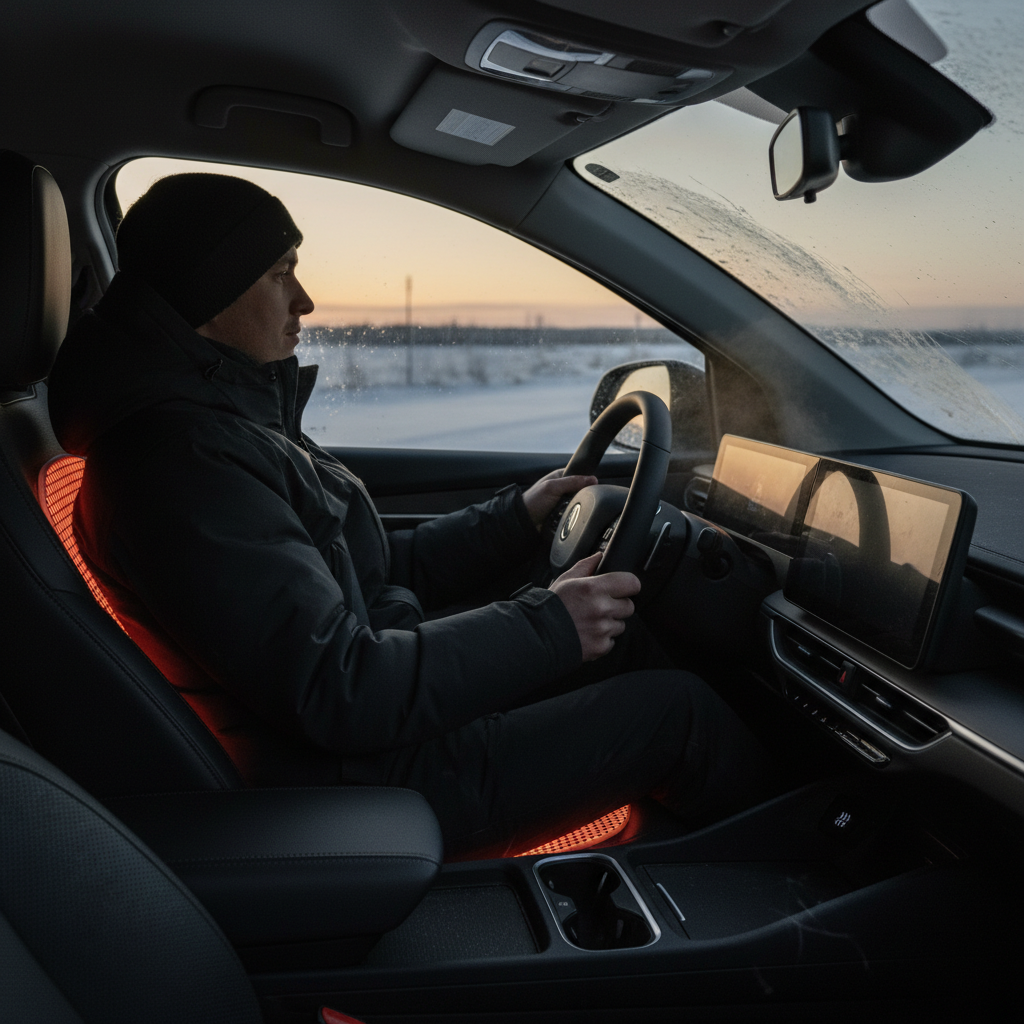
2. Favor seat and wheel heaters over blasting air
Heated seats and the steering wheel sip energy compared with cranking the cabin fan and defroster. Keep the cabin a touch cooler (around 70–72°F) and rely on the contact heat for comfort.
3. Use Eco mode in deep cold
Eco mode softens throttle response and tamps down power demand from the climate system. You still have plenty of performance, but you’ll gain extra miles when temps dive into the teens and single digits.
4. Plan shorter DC fast‑charge jumps
In winter, treat your Electrified GV70 like a car with a smaller tank. Instead of trying to stretch 200+ miles between fast chargers, plan 120–150‑mile hops so you always arrive with a margin.
5. Keep your state of charge in the sweet spot
Batteries are happiest and most efficient between about 20% and 80% SOC. In cold weather road‑tripping, bounce between those numbers instead of running down to 5% or topping off to 100% at DC fast‑charge stops.
6. Check your tire setup and pressure
Real winter tires are a safety must below 40°F, but they do add rolling resistance. Keep them inflated to the door‑jamb spec (check more often in cold snaps) to minimize extra drag and protect range.
7. Smooth out your driving
Hard launches, tailgating, and sudden braking waste winter energy. Use the GV70’s adaptive cruise where it’s safe, maintain steady speeds, and lean on strong regenerative braking for smoother, more efficient progress.
8. Bundle errands into one longer drive
Instead of three separate five‑mile errands with a cold car, combine them into one 15‑mile loop. Once the battery and cabin are warm, every additional mile costs you less energy.
9. Keep an eye on accessories
Roof boxes, bike racks, and big winter gear hanging in the slipstream take a noticeable bite out of range at highway speed. Remove them when you’re not using them, especially for long trips.
10. Learn what your car’s guess‑o‑meter really means
Spend a week watching predicted range versus actual miles in your local winter conditions. Once you see the pattern, maybe your car’s 180‑mile estimate really means 150 miles of confident driving, you’ll plan with much less stress.
11. Use apps to layer in real‑time data
Pair the in‑car nav with third‑party tools that estimate winter consumption and charger reliability. A conservative plan plus good charger intel is the antidote to range anxiety on icy nights.
12. Service campaigns and software updates matter
Ask your Genesis dealer to check for <strong>open recalls or TSBs</strong>, especially on newer 2024–2025 models. Software fixes for climate control, preconditioning, or cluster behavior can make winter range more predictable, and less frustrating.
Is the Genesis Electrified GV70 a good winter EV?
Judged purely on numbers, the Electrified GV70’s winter performance is right in the hunt with other luxury compact EV SUVs. You’re not getting the iron‑fisted efficiency of a streamlined Tesla Model Y, but you are getting a genuinely upscale cabin, strong AWD traction, and a modern heat pump that keeps range loss manageable.
Winter pros and cons of the Electrified GV70
What stands out once the temperature drops
Winter strengths
- AWD traction and quick torque make it a confident snow‑day SUV.
- Heat pump HVAC preserves more range than older EVs with resistance heaters.
- Quiet, well‑insulated cabin means you can run slightly lower temps and stay comfy.
- Strong DC fast‑charge capability when the battery is properly warmed.
Winter trade‑offs
- Short, cold trips can deliver dramatically worse range than the EPA sticker suggests.
- Preconditioning logic and charging‑station recognition are still catching up to the best in the segment.
- Real‑world winter highway range of around 150 miles can feel tight if chargers are far apart.
Bottom line for winter drivers
Buying a used Electrified GV70 for cold climates
If you’re shopping the used market, the Electrified GV70 can be a sweet spot: a high‑end interior, stout performance, and depreciation that has already taken a bite out of the original sticker price. For winter‑heavy regions, there are a few extra boxes to check.
Cold‑climate checklist for a used Electrified GV70
Confirm battery health, not just miles
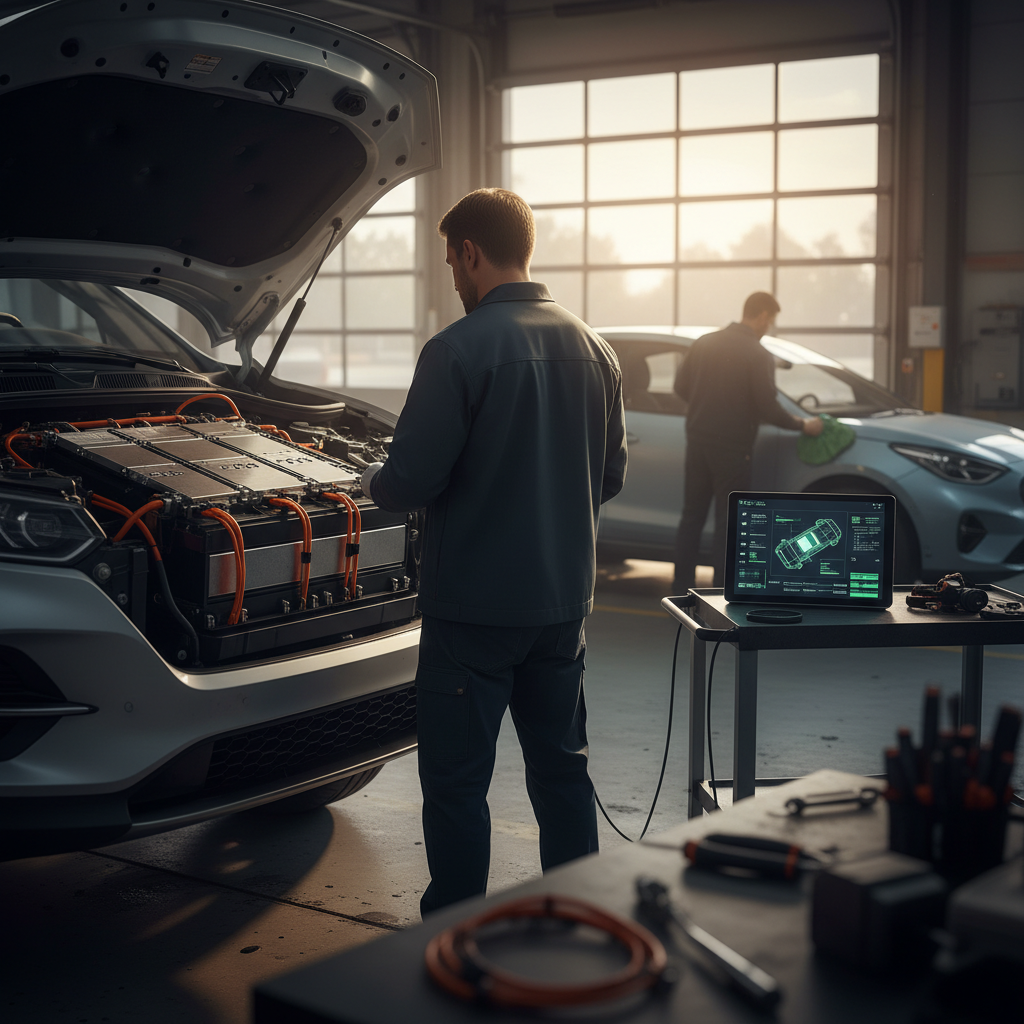
Two Electrified GV70s with the same odometer can have very different battery histories. A standardized battery health report, like the <strong>Recharged Score</strong> you get on every EV from Recharged, shows remaining capacity and fast‑charge behavior so you’re not guessing about winter range.
Look for software updates and recalls
Ask for service records that show recent software updates and any recall work on the instrument cluster, charging, or high‑voltage system. That’s especially important on 2024–2025 vehicles that saw early production software glitches.
Ask about fast‑charging history
A car that spent every weekend on a DC fast charger in Phoenix will age differently than one that mostly trickle‑charged in a cool garage. Fast‑charging isn’t bad by itself, but an honest history helps you interpret any winter‑range loss you experience.
Check cold‑weather equipment
Make sure the heated seats, steering wheel, and defrosters work perfectly, they’re your efficiency tools in January. If you live where snow is a sure thing, budget for a dedicated set of winter wheels and tires.
Think about your routes, not just specs
Map your real winter driving: work commute, weekend trips, kids’ activities. If almost everything falls under 70–80 miles per day, an Electrified GV70 with healthy battery diagnostics will feel easy to live with, even in a harsh winter state.
Use expert help for the purchase
If you’re new to EVs, working with an EV‑specialist retailer like <strong>Recharged</strong> can take the guesswork out. You’ll see <strong>verified battery health</strong>, fair pricing, and get guidance on home charging and winter habits before you ever sign.
Genesis Electrified GV70 winter range: FAQ
Frequently asked questions about Electrified GV70 winter range loss
Winter doesn’t have to turn your Genesis Electrified GV70 into a white‑knuckle experiment. Once you understand why winter range loss happens, what numbers are realistic for your climate, and how to drive and charge around the cold, the picture changes. You’re left with a quick, quiet, all‑wheel‑drive luxury SUV that shrugs off snow and ice, and a set of habits that keep your range predictable all season long. And if you’re considering a used Electrified GV70, working with a retailer that backs every EV with verified battery health and EV‑savvy support can make winter ownership as calm as a freshly plowed street.