If you’re eyeing a used 2023 Hyundai Kona Electric, you’ve probably heard two very different stories: owners who absolutely love their little electric crossover, and a vocal minority who’ve dealt with frustrating battery, software, or tire issues. This guide walks through the most common 2023 Kona Electric problems, how serious they really are, and what to check before you buy.
Quick take
Overview: How Reliable is the 2023 Kona Electric?
2023 Kona Electric reliability snapshot
Owner ratings for the 2023 Hyundai Kona Electric tend to land in the 4-out-of-5-star range, with many drivers praising its value, efficiency, and punchy around-town performance. Complaints are real, but they’re not on the same level as early‑generation Kona EV battery recalls that affected 2019–2020 packs. For 2023, the key is understanding which issues are normal EV quirks, and which are red flags when you’re shopping used.
Biggest 2023 Hyundai Kona Electric Problems
Let’s break down the main categories of 2023 Hyundai Kona Electric problems you’ll see in owner reviews and forums, and how worried you should be about each one.
Battery health and high-voltage pack issues
What owners report
- Isolated high-voltage battery failures on low‑mileage 2023 cars, sometimes right after purchase.
- Warning lights like an orange EV system triangle, followed by limp mode or a no‑start condition.
- Dealers diagnosing a bad pack and replacing the entire battery under warranty.
How serious is it?
These failures are rare but disruptive. The main battery is the most expensive component in the car, so a replacement can be a five‑figure repair if you’re out of warranty. The good news: on a 2023 Kona Electric, Hyundai’s battery warranty should still be active for years, and most replacements have been fully covered.
When you buy used, your job is to verify warranty status and check for any battery-related repair history.
Watch for these warning signs
Beyond outright failures, 2023 Kona Electric owners sometimes worry about battery degradation. From the data that’s surfaced so far, most 2023 packs show modest, expected range loss rather than dramatic drops. This generation uses a later‑revision pack design, which appears more robust than early models that were part of widely publicized recalls. Still, you should always verify real‑world range and state of health rather than trusting a dashboard guess.
Tire wear and braking behavior
The Kona Electric is a compact crossover, but its battery makes it significantly heavier than a gas Kona. That extra weight sits low and works the tires harder, especially if you drive aggressively or mostly in stop‑and‑go traffic.
- Premature tire wear: Some Kona Electric (and other EV Kona) owners report needing new tires around 20,000–30,000 miles, sometimes with the center tread wearing faster than the shoulders if pressures are kept high.
- Brake behavior on curves or hills: A few drivers describe the inner wheel briefly locking or skidding when braking hard into a downhill corner, likely a mix of ABS calibration, road conditions, and how regeneration blends with friction brakes.
- Noise and ride complaints: As tires wear, cabin noise can increase, and the ride can turn harsh on rough pavement. This is common to many small EV crossovers, not just the Kona.
Tire and brake pro tip
Software, infotainment and Bluelink glitches
Like most modern EVs, the 2023 Kona Electric leans heavily on software, for its touchscreen, driver-assistance features, and Hyundai’s connected services (Bluelink/MyHyundai). That opens the door to the next cluster of complaints: glitches that don’t strand you, but drive you nuts.
Common 2023 Kona Electric software complaints
Annoying more often than dangerous, but still worth checking
Infotainment bugs
- Random reboots or frozen screens
- Black backup camera image until restart
- Occasional lag when switching apps
Bluelink / app issues
- App mis-identifying the car type
- EV features (charge status, preconditioning) not showing
- Connectivity breaking after an over‑the‑air update
Driver-assist quirks
- Lane-keep assist tugging or drifting oddly
- Overly aggressive steering corrections
- Warning beeps that feel inconsistent
The upside of software problems
If you’re shopping used, scroll through the infotainment menus, pair your phone, test the backup camera, and, if possible, have the seller demonstrate the Bluelink app with the car. A 10‑minute tech check can save you from months of back‑and‑forth with support later.
Charging performance and range complaints
A healthy 2023 Kona Electric should feel consistent and predictable at the plug. The trouble is, many owners’ first experience with public charging comes with a steep learning curve, and it can be hard to tell the difference between a car problem and a network problem.
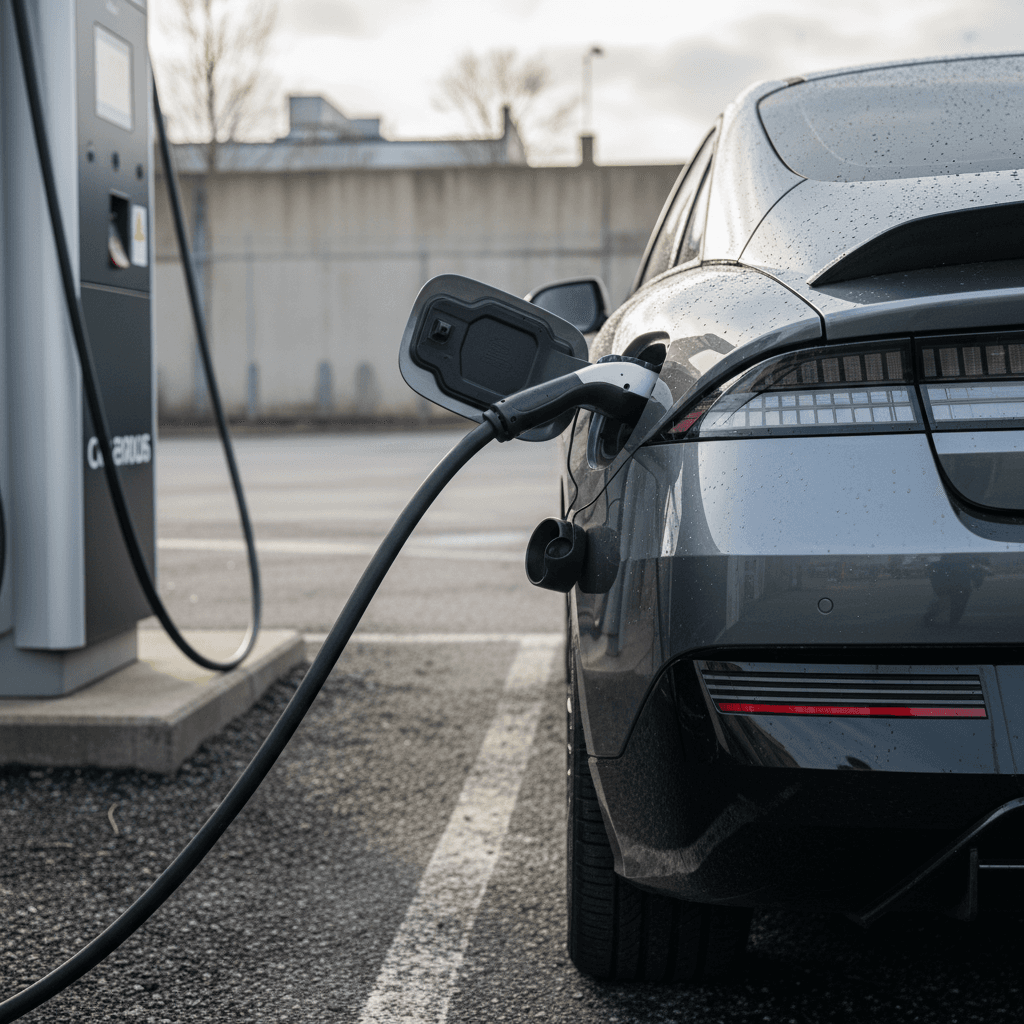
- Session failures at DC fast chargers: Commonly blamed on the car, but in many cases trace back to finicky stations, bad cables, or software handshakes. If the Kona faults out at multiple different chargers, that’s when you press a dealer for diagnostics.
- Slower-than-expected DC rates: The Kona Electric is not a charging rocket ship; tapering earlier than you expect, especially in cold weather or on a nearly full battery, is normal behavior.
- Real-world range below EPA: Drivers in cold climates, with lots of highway miles at 70–80 mph, or running winter tires often see real‑world range 15–30% under the 258‑mile EPA number. That alone doesn’t mean the battery is unhealthy.
Range reality check
Recalls, Warranties and Service Campaigns
Hyundai has dealt with high‑profile Kona EV recalls in earlier model years, mostly centered on fire risks in certain LG Chem battery packs. By 2023, those early packs had been superseded, and the major, park‑outside‑and‑limit‑charging style recalls have not been a defining feature of this model year.
Key protections for a 2023 Kona Electric (U.S.)
Exact terms can vary by state and original sale date; always confirm with a Hyundai dealer using the VIN.
| Coverage | Typical Term | What it covers | Why it matters for problems |
|---|---|---|---|
| High-voltage battery warranty | 10 years / 100,000 miles | Defects in the main traction battery pack | Protects you from rare but expensive pack failures. |
| EV system / powertrain warranty | 5 years / 60,000 miles | Electric motor, reduction gear, onboard charger, related components | Covers many drivetrain faults that might appear in early ownership. |
| New vehicle limited warranty | 5 years / 60,000 miles | Broad coverage for defects in materials or workmanship | Can cover infotainment issues, cameras, and some electronics. |
| Software updates and service campaigns | Varies | Infotainment bugs, instrument display glitches, driver‑assist tuning | Many owners get these fixes free as campaigns, not formal recalls. |
Battery and EV component warranties are a major safety net when considering a used 2023 Kona Electric.
Always run a recall and campaign check
Should You Avoid the 2023 Kona Electric?
Reasons the 2023 Kona Electric is worth a look
- Strong value on the used market compared with many rival EVs.
- Practical range for daily driving, with a compact footprint that’s easy to park.
- Later‑generation battery hardware compared with early recall‑plagued Konas.
- Long factory battery and EV component warranties still in force for most cars.
Reasons to be cautious, or walk away
- Any history of high‑voltage battery replacement or unresolved EV warning lights.
- Severe, uneven tire wear or braking behavior that feels grabby or unpredictable.
- Persistent software issues the seller shrugs off as "just a glitch."
- Poor or missing service records, especially for recall and campaign work.
If you want a small, efficient EV and you’re willing to be a bit choosy about the example you buy, the 2023 Kona Electric is not a year you need to automatically avoid. But it is a car that rewards careful inspection, a detailed test drive, and a clear understanding of what’s still under warranty.
Used 2023 Kona Electric Buying Checklist
Inspecting a 2023 Kona Electric: 10 things to check
1. Confirm battery and EV warranty coverage
Ask for the in‑service date (the day the first owner took delivery) and current mileage. Call a Hyundai dealer with the VIN and confirm that the high‑voltage battery and EV system warranties are still active.
2. Look for battery or EV warning history
During your test drive, watch the dash for orange EV system warnings. Ask the seller directly if they’ve ever seen high‑voltage or EV system alerts and what the dealer found.
3. Verify real-world range
Start your drive with a reasonably full battery and note projected range. After 20–30 miles of mixed driving, compare remaining range with what you’d expect. Big, unexplained drops can be a red flag.
4. Inspect tires for uneven wear
Check all four tires for center wear, feathering on the edges, or mismatched brands and tread depths. Abnormal wear can point to alignment issues or hard use.
5. Test braking on hills and curves
On a safe, empty road, gently brake into a downhill corner. Listen for ABS pulsing and feel for any sudden wheel lockups or skids. The car should stay composed and predictable.
6. Put the infotainment system through its paces
Test navigation, CarPlay/Android Auto, backup camera, audio, and Bluetooth. Try a few ignition cycles to see if the screen ever boots to black or reboots randomly.
7. Check Bluelink / MyHyundai functionality
If the seller has Bluelink active, ask them to show you charge status, climate control, and remote lock/unlock in the app. Mis‑identification of the vehicle or missing EV menus can signal account or software issues.
8. Review service records and campaigns
Look for documentation of software updates, completed recalls, and any EV system work. A car that’s been regularly serviced at a Hyundai dealer is easier to trust.
9. Inspect the charging port and cables
Check for bent pins, cracked plastic, or corrosion in the charge port. If the car comes with an OEM portable charger, plug it into a 120V outlet and verify that it charges normally.
10. Get a third-party EV inspection if you’re unsure
If you’re not confident evaluating an EV yourself, consider a pre‑purchase inspection from a shop that understands high‑voltage systems, or buy from a marketplace that provides battery health reporting up front.
How Recharged Evaluates Kona Electric Battery Health
The battery pack is the beating heart of your 2023 Kona Electric. When you buy used, you’re really buying whatever life that pack has left, so guessing is not good enough.
What goes into a Recharged Score for a 2023 Kona Electric
Why a battery health report matters more than a shiny detail job
Deep battery diagnostics
Verified history & pricing
EV‑specialist support
Ready to find your next EV?
Browse VehiclesWhy shop a 2023 Kona Electric with Recharged
2023 Hyundai Kona Electric Problems: FAQ
Frequently asked questions about 2023 Kona Electric problems
The 2023 Hyundai Kona Electric isn’t perfect, but few affordable EVs are. What it offers is a compelling mix of range, efficiency, and value, wrapped in a compact crossover that still feels fresh on the road. If you understand the most common 2023 Kona Electric problems, insist on clear records, and lean on solid battery health data instead of guesswork, you can end up with a small electric SUV that quietly does exactly what you bought it to do: make every mile cheaper, calmer, and a little bit cleaner.