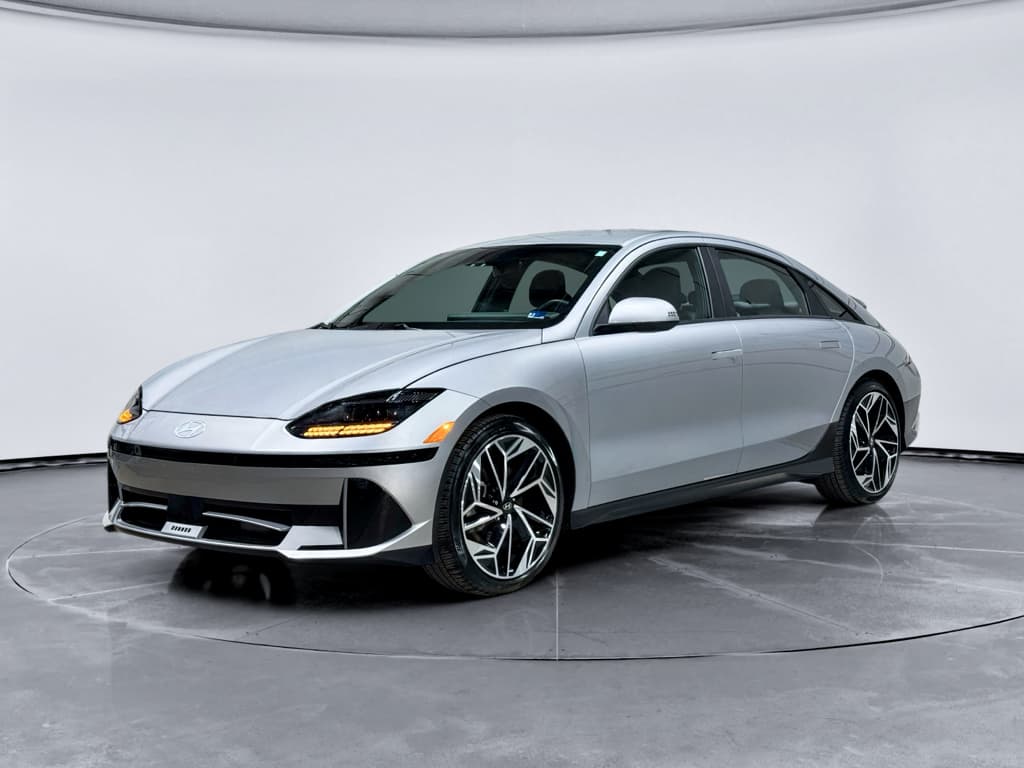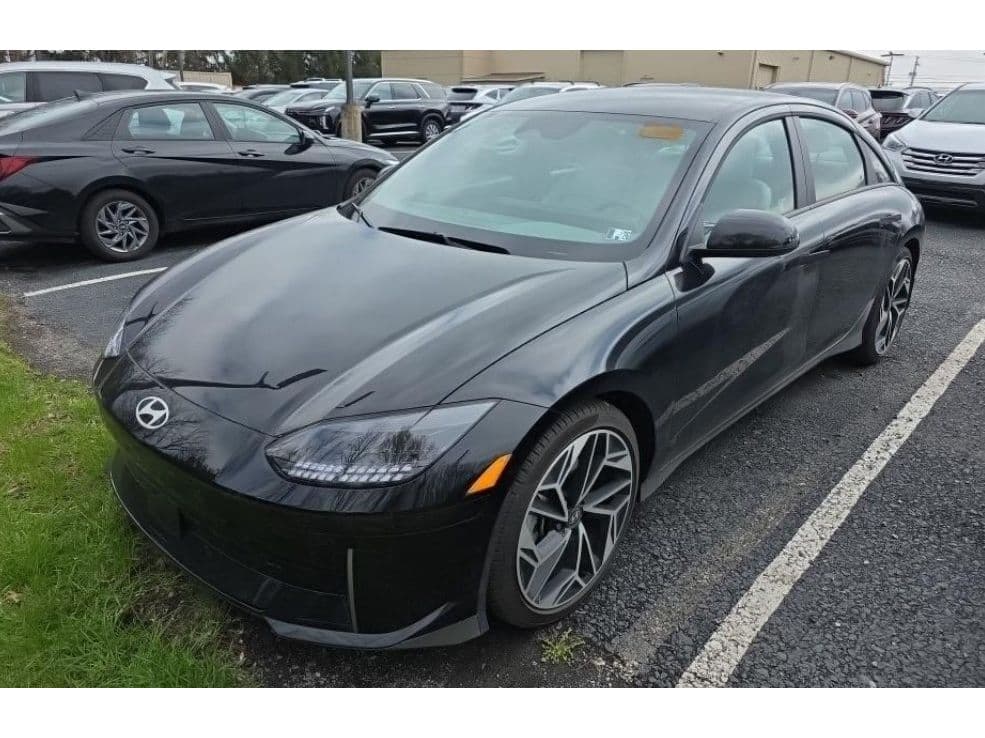
If you’re looking at a used 2023 Hyundai Ioniq 6, you’ve probably already heard about recalls for power loss and charging hardware. This 2023 Hyundai Ioniq 6 recalls list pulls together the major campaigns in one place, explains what each fix does, and shows you how to verify that a specific car is up to date before you sign anything.
Model years covered
Overview: How many recalls hit the 2023 Ioniq 6?
2023 Hyundai Ioniq 6 recall snapshot
Consumer data and NHTSA records show that the **2023 Hyundai Ioniq 6 has been recalled multiple times**, largely for electrical and charging issues rather than crash-structure defects. From a used-buyer standpoint, that doesn’t automatically make it a bad bet, but it does mean you should pay close attention to **ICCU repairs, software updates and the charging port door campaign** when you inspect a car.
Recall counts can change
2023 Hyundai Ioniq 6 recalls list (quick summary)
Key 2023 Hyundai Ioniq 6 recalls
Major U.S. safety recalls that include the 2023 Ioniq 6. Always confirm details with an official VIN lookup, as build dates and trim levels determine whether a specific car is affected.
| Hyundai campaign | Approx. NHTSA # | Issue | Main symptoms for drivers | Typical remedy |
|---|---|---|---|---|
| 257 | 24V-204 | ICCU / charging control fault may damage 12‑V system and cause loss of drive power | Warning lights, reduced or lost propulsion, vehicle may not restart | Software update to protect ICCU, inspection and replacement of ICCU and related fuses as needed |
| 282 | TBD (filed 2025) | Charging port door outer panel may detach | Charge door not closing properly, loose or missing outer door panel | Inspection and replacement of charging port door assembly, hardware update |
| VCU software update (dealer code often shown as 9A1) | varies | Vehicle control unit calibration issue related to powertrain/charging behavior | Warning messages, erratic behavior in rare cases | Dealer reprograms the Vehicle Control Unit with updated software |
| Early ICCU-related campaign (predecessor to 257) | 23V‑xxx range | Initial ICCU protection logic and component inspection | Early power-loss or no‑start incidents, especially on vehicles built through mid‑2023 | Initial software update and component check; superseded by later, broader campaign 257 on many vehicles |
Quick reference for the main 2023 Ioniq 6 recalls that used buyers should know about.
How to use this list
ICCU power-loss recall (Hyundai 257 / NHTSA 24V-204)
The most important recall on the 2023 Hyundai Ioniq 6 is Hyundai campaign **257**, listed with NHTSA as **24V-204**. It targets the **Integrated Charging Control Unit (ICCU)**, a key component that manages DC fast charging and supports the 12‑volt system from the high-voltage battery.
What goes wrong
- The ICCU’s internal electronics can be damaged over time.
- When that happens, it may stop properly **charging the 12‑volt system**.
- A weak 12‑volt supply can trigger warning lights, limit performance or cause the car to lose drive power while moving.
- In some cases, the Ioniq 6 may not restart after being shut off.
What the recall fixes
- Dealers install an **updated ICCU software calibration** to better protect the hardware.
- They inspect the ICCU and related fuses; if there’s damage, they **replace components** at no cost.
- The goal is to prevent sudden power loss and extend ICCU life.
- Owners who had earlier ICCU recall work may still be covered under 257 for a more complete fix.
Why this recall matters
In real‑world complaints, some 2023 Ioniq 6 owners reported their car shutting down or going into limp mode shortly after earlier ICCU fixes, suggesting that **software‑only updates weren’t always enough**. Campaign 257 broadened both the software logic and inspection instructions, which is why you’ll sometimes see multiple ICCU‑related events in one vehicle’s history.
- When reviewing service records, look for wording like **“ICCU replacement,” “ICCU fuse,” or “campaign 257 / 24V‑204 performed.”**
- If the paperwork only mentions a **software update** without component inspection, ask the dealer to confirm whether the latest recall has been completed.
- On a test drive, pay attention to any **electrical-system warnings, sudden loss of power, or inability to shift into gear**, all red flags that the ICCU system still isn’t healthy.
Charging port door recall (Hyundai 282)
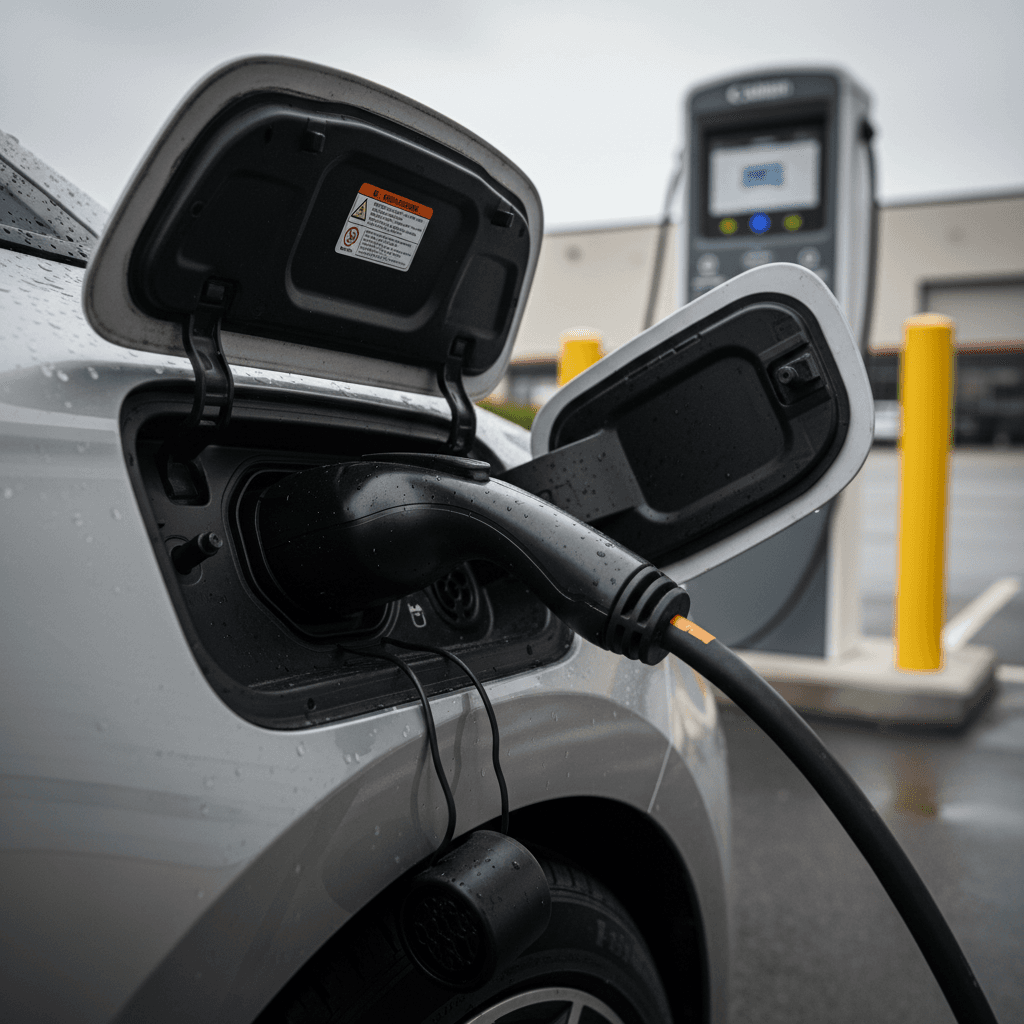
Hyundai’s campaign **282** covers **charging port door outer panel detachment** on certain 2023–2025 Ioniq 6 vehicles. The issue isn’t as dramatic as power loss, but it’s still a safety and usability concern, especially in bad weather.
Symptoms owners see
- Charge door that doesn’t sit flush with the body.
- Door feels loose, wobbly or hard to fully latch.
- In some cases the outer panel separates from the hinge and goes missing.
- In rain or snow, you may notice water or debris in the port area more than usual.
What dealers do under recall 282
- Inspect the charging port door, hinges and mounting hardware.
- Replace the door assembly with an updated part if they see looseness, damage or poor fit.
- Confirm the door opens and closes smoothly and seals as intended.
- Repairs are free, and Hyundai has said it will reimburse owners who already paid out of pocket for similar fixes.
Risk level vs. annoyance factor
Other software and electrical campaigns
Beyond the headline recalls, many 2023 Hyundai Ioniq 6 sedans have received **smaller software campaigns and technical service bulletins (TSBs)** aimed at improving driveability, charging consistency and warning‑light behavior. These may not all show up as formal NHTSA recalls, but they still matter to how the car behaves.
Common non‑structural fixes on 2023 Ioniq 6 models
Most of these are addressed during routine dealer visits, but it’s worth confirming on any used car you buy.
VCU / powertrain software updates
Often coded on repair orders as something like “VCU update” or campaign 9A1. These updates refine how the car manages power and communicates with the high‑voltage system.
Charging behavior tuning
Updates to charging logic can smooth out fast‑charging ramps, cold‑weather limits, and home‑charging reliability. They’re usually done alongside other recall work.
12‑V battery checks
Because the ICCU supports the 12‑V system, dealers will often test or replace the 12‑V battery when doing recall work, especially if owners reported no‑start issues.
Ask for a printout
How to check open recalls on a 2023 Ioniq 6
The recall list above is a useful map, but the only way to know whether a specific 2023 Ioniq 6 still has open work is to run its **Vehicle Identification Number (VIN)** through the official tools. It takes less than a minute and should be part of your standard used‑car due diligence.
Step‑by‑step: Check a 2023 Ioniq 6 for open recalls
1. Locate the VIN
On the Ioniq 6, you’ll find the 17‑character VIN at the base of the windshield on the driver’s side, on the driver‑door jamb label, and on the registration or insurance card.
2. Use the NHTSA recall lookup
Go to the official NHTSA recall site and enter the VIN. If there are **unrepaired safety recalls**, they’ll be listed with descriptions and campaign numbers.
3. Cross‑check with Hyundai’s site
Hyundai’s own recall/campaign lookup may show **service campaigns and software updates** that aren’t on the NHTSA list. That’s helpful context for ICCU and charging‑related work.
4. Match campaigns to our list
Compare what you see online to this **2023 Hyundai Ioniq 6 recalls list**. Look specifically for ICCU/ICCU fuse campaigns and the charging port door recall 282.
5. Confirm repair documentation
Ask the seller for **service invoices** showing each recall marked as completed. For dealer cars, you can also ask the service department to confirm there are no open recalls on the stock number you’re considering.
6. Re‑check right before purchase
Campaigns roll out in waves. It’s smart to run the VIN **again** the day you finalize the deal, in case a new recall was added while you were shopping.
Don’t rely on Carfax alone
What these recalls mean if you’re buying used
For shoppers, the right question isn’t just “How many recalls does the 2023 Hyundai Ioniq 6 have?” It’s **“Has this particular car had the important recalls done correctly, and how has it behaved since?”** That’s what separates a smart used‑EV buy from a headache.
Upside of a recalled 2023 Ioniq 6
- Recalls are free fixes that often improve long‑term reliability.
- A car with documented ICCU replacement and updated software can actually be a safer bet than one that hasn’t seen the dealer at all.
- Because recalls generate online chatter, you may find **better pricing leverage** on a 2023 Ioniq 6 compared with rivals that quietly have their own issues.
Risks to watch for
- Owners who ignored recall notices may also have skipped routine maintenance.
- Poor workmanship, like software updates applied without required inspections, can leave **underlying ICCU damage** in place.
- Multiple tows for power‑loss complaints in the history could signal a car that’s been hard on components or slow to get a complete fix.
Good news for value shoppers
Pre‑purchase checklist for a recalled 2023 Ioniq 6
Once you’ve confirmed recall status on paper, it’s time to see how the car behaves in the real world. Use this checklist during your test drive and inspection, whether you’re shopping at a franchise dealer, independent lot or private party.
Used‑buyer checklist for a 2023 Hyundai Ioniq 6
1. Scan the exterior and charging port
Make sure the **charge door sits flush, opens smoothly and latches firmly**. Look for missing trim around the port and signs of water or corrosion inside the socket.
2. Review recall and service paperwork
You want to see **campaign 257 (ICCU) and 282 (charge door)** listed as completed, plus any VCU software updates. Check that the mileage and dates look reasonable and consistent.
3. Test both home‑style and DC fast charging if possible
If the seller allows, plug into a **Level 2 charger** and, ideally, a nearby DC fast charger. Watch for warning lights, unusually slow charging or interrupted sessions.
4. Drive long enough to warm everything up
Plan at least a **20–30 minute mixed test drive**. Sudden warnings or power‑loss issues sometimes show up only after components are hot or after multiple restarts.
5. Watch the instrument cluster for errors
During the drive, pay attention to **EV system, battery or charging warnings**. Even brief alerts are worth asking a Hyundai dealer to scan before you buy.
6. Ask directly about past issues
A candid owner or dealer should be able to tell you if the car has ever **lost power, refused to start, or needed a tow** for electrical issues, and what was done to fix it.
When to walk away
How Recharged reduces recall and battery risk
If you like the 2023 Ioniq 6 on paper but don’t want to become a recall detective, this is where a curated used‑EV marketplace can help. At Recharged, every vehicle listing includes a **Recharged Score Report** that digs deeper than a basic vehicle‑history pull.
What Recharged checks on a 2023 Ioniq 6
Designed for used‑EV shoppers who care about battery health and real‑world reliability, not just bells and whistles.
Verified recall & campaign status
We review OEM and NHTSA data to see which **Hyundai campaigns are open or completed** on each Ioniq 6, with special focus on ICCU and charging‑system work.
Battery health diagnostics
Our Recharged Score includes **battery‑health measurements**, so you can see how much capacity and range the car realistically offers, not just what it did when new.
End‑to‑end support
From **financing and trade‑in** to nationwide delivery and EV‑specialist support, we walk you through the process so you’re confident about the car’s history and condition.
Ready to find your next EV?
Browse VehiclesBecause Recharged operates a fully digital retail experience plus an on‑the‑ground **Experience Center in Richmond, VA**, you can shop for a 2023 Hyundai Ioniq 6 from your couch, ask detailed questions about recalls and previous repairs, and have the right car delivered to your driveway.
Thinking about selling your Ioniq 6?
2023 Hyundai Ioniq 6 recalls: FAQ
Frequently asked questions about 2023 Hyundai Ioniq 6 recalls
The bottom line: the **2023 Hyundai Ioniq 6 has real but manageable recall history**. If you take a VIN‑first approach, insist on documentation for ICCU and charging‑port repairs, and combine that with a careful test drive and battery‑health review, you can separate solid cars from risky ones quickly. For shoppers who’d rather not go it alone, using a specialist platform like Recharged adds another layer of protection, turning a complicated recall story into a clear decision about whether a particular 2023 Ioniq 6 deserves a spot in your garage.