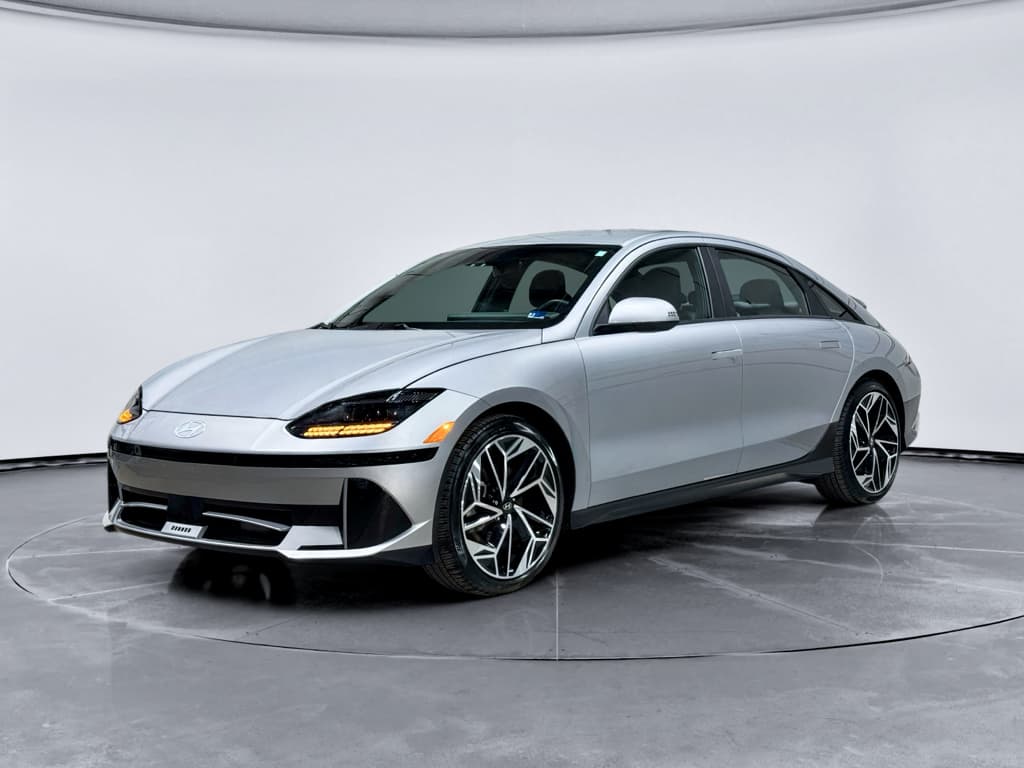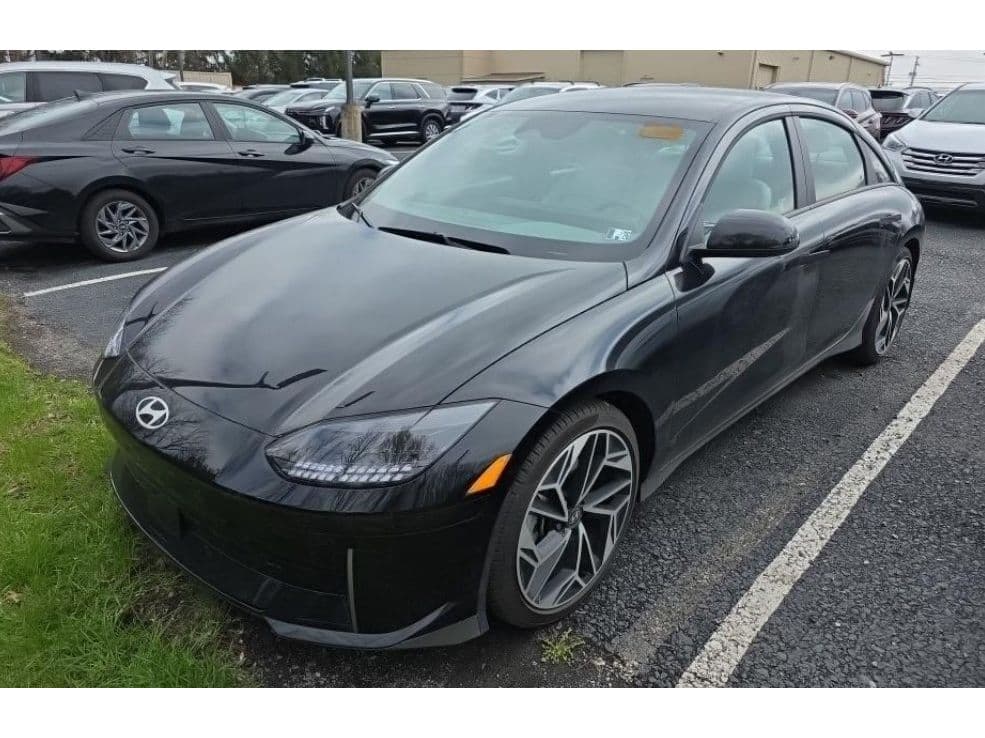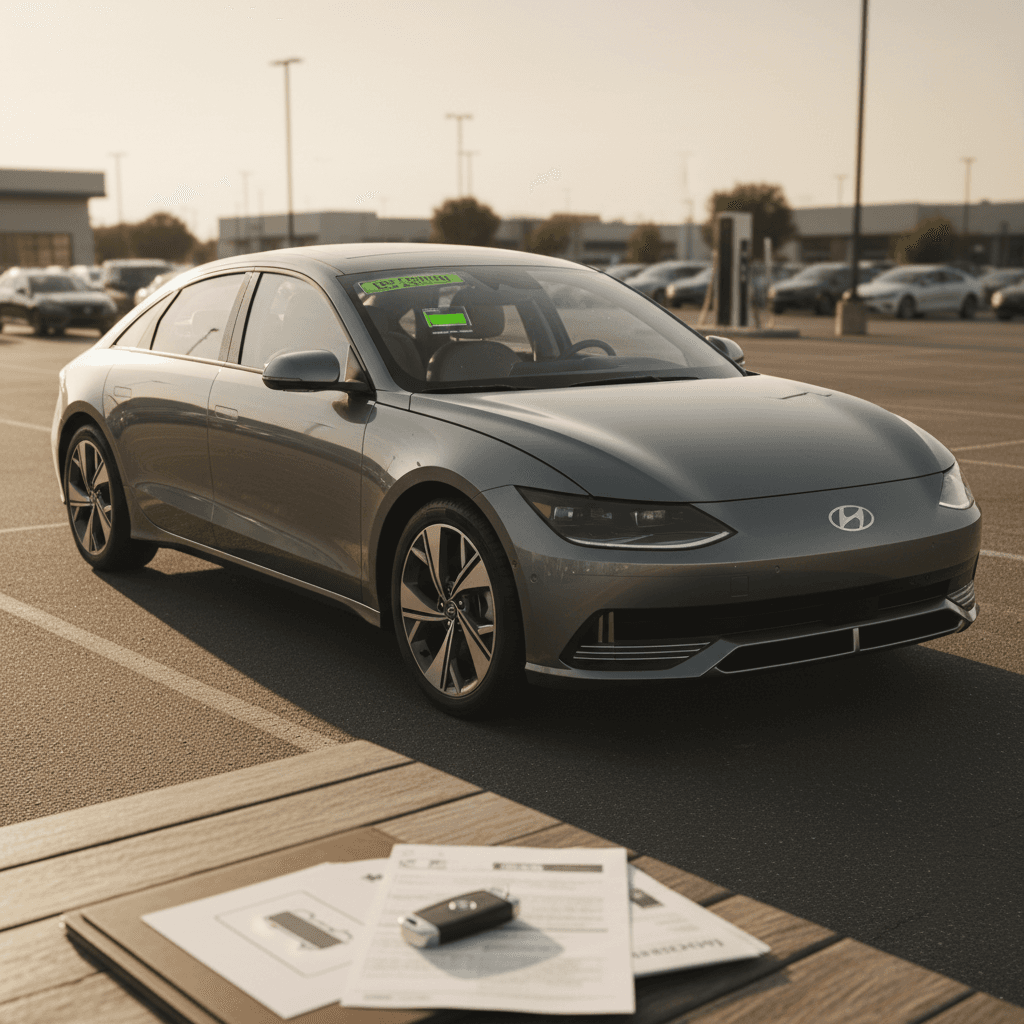
If you want a sleek electric sedan that feels more like a design object than an appliance, the 2023 Hyundai Ioniq 6 should be on your shortlist. As early leases roll off and inventory builds, used 2023 Ioniq 6s are starting to look like some of the best values in the EV market, especially if you understand trims, range, charging, and how depreciation is playing out.
At a glance
Why consider a 2023 Hyundai Ioniq 6 used?
Hyundai launched the Ioniq 6 in the U.S. for the 2023 model year as a more sedan-like counterpart to the Ioniq 5 SUV. On paper, it’s one of the most efficient EVs sold in America, with class‑leading EPA range in some trims and charging performance that rivals or beats many competitors. New, it wasn’t cheap; SE Standard Range started in the low $40,000s and a fully loaded Limited AWD landed well into the $50,000s. As of 2026, though, aggressive incentives on new EVs, rapid model turnover, and Hyundai’s historically soft resale values mean used 2023 Ioniq 6s can often be found deeply discounted compared with MSRP.
For a used shopper, that’s the opportunity: you’re looking at a modern 800‑volt architecture, long‑range battery, and advanced driver‑assist tech at a transaction price that often undercuts a comparable Tesla Model 3 or Polestar 2. The tradeoff is that you need to be a little more careful about software updates, early‑build issues, and how the first owner treated the battery. That’s where a structured buying process, and tools like the Recharged Score Report, become valuable.
Key 2023 Hyundai Ioniq 6 numbers
2023 Hyundai Ioniq 6 trims, batteries, and key specs
Before you shop, you need to know which versions of the 2023 Ioniq 6 exist. In the U.S. market you’ll see three main trims, SE, SEL, and Limited, with two battery sizes and the option of rear‑ or all‑wheel drive.
2023 Ioniq 6 U.S. trims and powertrains
Overview of how battery size and drive layout pair with each trim for the 2023 model year.
| Trim | Battery | Drive | Horsepower | EPA range (approx.) |
|---|---|---|---|---|
| SE Standard Range | 53 kWh | RWD | 149 hp | ~240 mi |
| SE Long Range | 77.4 kWh | RWD | 225 hp | Up to 361 mi |
| SEL Long Range | 77.4 kWh | RWD or AWD | 225–320 hp | ~305–340 mi |
| Limited Long Range | 77.4 kWh | RWD or AWD | 225–320 hp | ~270–340 mi |
Exact features vary by options package; always verify a specific car’s build sheet or window sticker when buying used.
Trim-shopping shortcut
Power and performance
The Ioniq 6 isn’t a track weapon, but it’s quick enough for most drivers. RWD Long Range cars make about 225 hp and feel brisk up to highway speeds, while AWD dual‑motor versions jump to around 320 hp and deliver genuinely strong launches. Drive modes let you dial in steering weight and throttle response, and the low center of gravity keeps the car composed in corners.
Interior and tech
Inside, every 2023 Ioniq 6 uses a twin‑screen layout: a 12.3‑inch digital cluster and 12.3‑inch infotainment screen. Wireless Apple CarPlay and Android Auto are oddly not supported in 2023; you’ll need a cable. SEL and Limited add nicer materials, ambient lighting, and more comfort features. Hyundai’s Highway Driving Assist (HDA) and adaptive cruise are widely praised and standard or available across trims.
Range, efficiency, and real-world driving
On paper, the 2023 Ioniq 6 is one of the most efficient EVs sold in the U.S., and in practice it mostly delivers. Thanks to its slippery shape and shared e‑GMP platform, the car achieves excellent miles per kWh compared with similarly sized sedans and crossovers.
How range changes by configuration
Battery size, wheels, and driveline matter more than you might expect.
SE Standard Range RWD
Smallest 53 kWh pack. Real‑world range for mixed driving often lands around 200–220 miles depending on speed and weather. Best if you have reliable home charging and shorter commutes.
SE Long Range RWD
The range champion. EPA up to 361 miles, with many owners seeing 4+ mi/kWh at moderate highway speeds. Ideal if you road‑trip but don’t need AWD.
SEL/Limited AWD
Dual‑motor AWD trims trade efficiency for traction and performance. Expect a meaningful drop in range vs. RWD, often 30–60 miles depending on wheel size and driving style.
Cold weather caveat
Charging performance: home and public
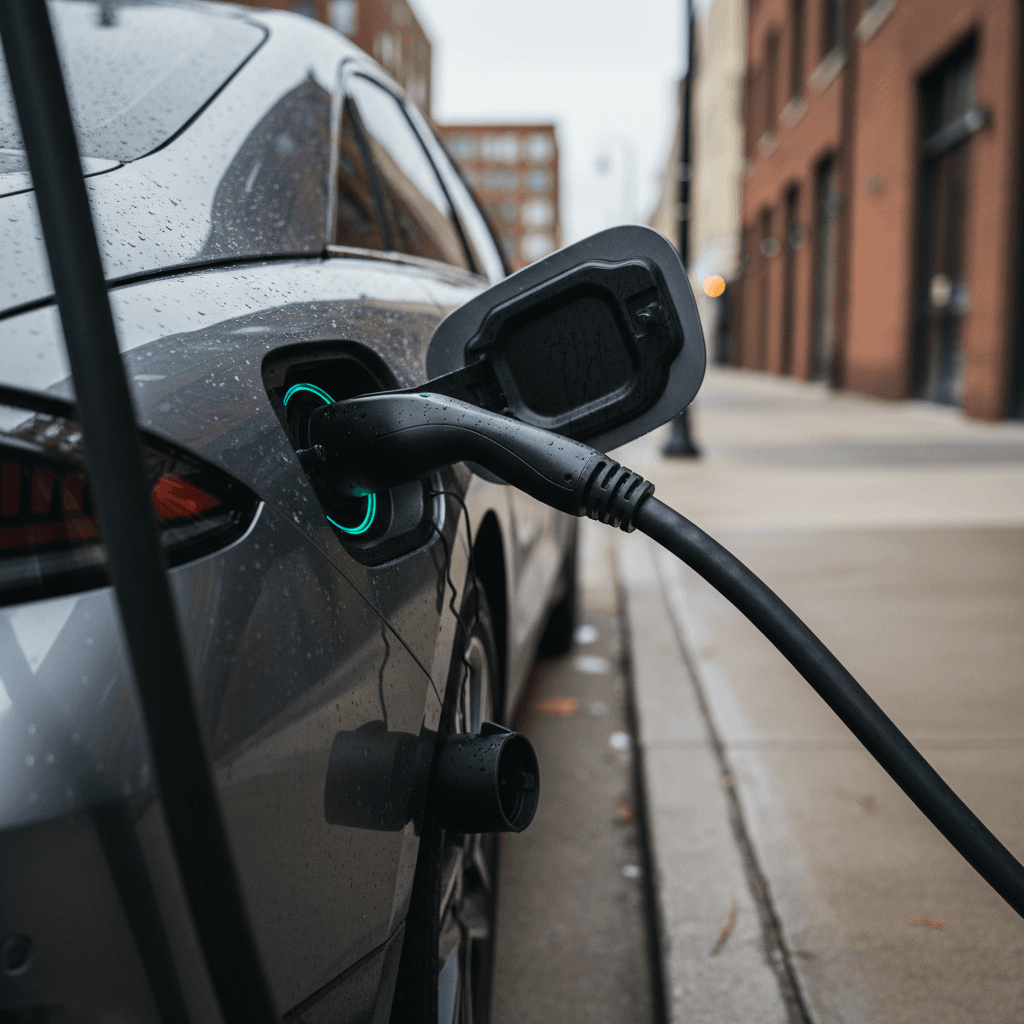
Charging is one of the Ioniq 6’s strongest cards. Built on an 800‑volt architecture, it can accept very high DC fast‑charge power when conditions are right, which dramatically cuts road‑trip downtime compared with many similarly priced EVs.
2023 Ioniq 6 charging basics
Typical charging behavior for the 2023 Hyundai Ioniq 6 in common scenarios.
| Scenario | Power source | Approx. time | Notes |
|---|---|---|---|
| Home Level 1 | 120V outlet (~1.4 kW) | 2–3+ days 10–100% | Emergency only; adds ~3–4 miles of range per hour. |
| Home Level 2 | 240V, 32–48A (7–11 kW) | ~7–9 hours 10–100% | Best everyday solution; overnight full charge on Long Range pack. |
| Public Level 2 | 7–11 kW | Similar to home | Useful at workplaces and destinations. |
| DC fast charge | Up to 235 kW peak | ~18–25 min 10–80% | On a healthy 350 kW station with a preconditioned battery. |
Real‑world times depend heavily on temperature, state of charge, and charger quality.
Plan your home charging first
Ownership costs, depreciation, and incentives
Hyundai’s EVs have been some of the most heavily discounted and incentivized new vehicles in the U.S. over the last few years. That helped move metal off dealer lots, but it also kneecapped resale values. For a used buyer, that’s not a problem, that’s the entire point.
What’s pushing used Ioniq 6 prices down?
Understanding the forces behind the deals helps you shop smarter.
Aggressive new‑car incentives
Stacked OEM rebates, lease cash, and dealer discounts on new Ioniq 6s have yanked down transaction prices. When a new SE or SEL can often be leased or purchased well under MSRP, used values must adjust to remain attractive.
Fast‑moving EV tech
Rapid improvements in range, charging, and features make three‑year‑old EVs look older than they are. That dynamic, plus uncertainty about long‑term battery life, means used EVs, Hyundais included, often depreciate faster than comparable gas cars.
How this benefits you
Cost and incentive questions to ask
1. What was the original sale or lease structure?
If the first owner leased, they probably captured a big federal clean‑vehicle incentive via the leasing company. That may help explain why your used asking price looks far below MSRP without being a red flag.
2. Is the factory battery warranty still active?
The Ioniq 6 carries a long battery warranty (typically 8 years/100,000 miles on the high‑voltage pack). Verify the in‑service date and mileage to see how much coverage remains on the specific car you’re considering.
3. What are real insurance and registration costs?
Get real quotes based on your ZIP code and driving record. Some shoppers overestimate EV insurance costs; others forget that higher MSRPs and advanced tech can push premiums up.
4. How will you charge?
If you can install Level 2 at home, your effective ‘fuel’ cost per mile will likely be significantly lower than a comparable gas car. If you rely on DC fast charging, your energy costs will be higher and more volatile.
Reliability, software updates, and known issues
The 2023 Ioniq 6 is built on the same basic hardware as the Ioniq 5 and Kia EV6, which means much of what we’ve learned about those models carries over. Mechanically, the e‑GMP platform has been reasonably solid so far, but early cars haven’t been completely drama‑free.
Common themes from early Ioniq 6 ownership
Patterns seen across owner reports, service campaigns, and related e‑GMP vehicles.
Charging electronics (ICCU)
Some Hyundai/Kia EVs on this platform have experienced failures of the Integrated Charging Control Unit, which can disable charging or trigger warning lights. Hyundai has issued service campaigns and software updates; verify recall and campaign completion on any used car you’re considering.
Software and infotainment quirks
Laggy infotainment, intermittent Bluetooth issues, and navigation glitches are not unusual. These rarely strand you, but they can affect day‑to‑day satisfaction. Check that the car has the latest software updates and test all features on a long test drive.
Dealer variability
Hyundai’s service and sales experience varies widely by dealer and region. For a used purchase, it’s worth asking local EV owners about their service department and, if needed, being willing to drive a bit farther for a more EV‑savvy store.
Don’t skip recall checks
What to check when buying a used 2023 Ioniq 6
A 2023 Ioniq 6 is new enough that you’re shopping more for condition, history, and software state than for wear items like motors or suspension. Still, EVs age differently than gas cars, and you should tailor your inspection accordingly.
Used Ioniq 6 inspection checklist
1. Battery health and fast‑charging behavior
Ask for a <strong>battery health report</strong>. At Recharged, every Ioniq 6 comes with a Recharged Score that quantifies pack health using real diagnostics, not just a dash readout. If you’re buying elsewhere, monitor how quickly the car tapers from peak DC fast‑charge power and look for any history of repeated charge‑stopping errors.
2. Charging port and cables
Inspect the charge port for damage, corrosion, or bent pins. Confirm that the car charges normally on both Level 2 and DC fast chargers, and that the charge‑port door opens and closes reliably. Make sure included portable charging cables actually work.
3. Software version and features
Within the settings menus, note the software version and confirm you’re on a recent build. Test navigation, cameras, driver‑assist systems, and over‑the‑air update capability if present. Glitches during your test drive rarely get better on their own.
4. Tires, wheels, and alignment
Low‑profile tires on 20‑inch wheels look great but are easier to damage. Check for curb rash, bubbles, or uneven tire wear that might suggest poor alignment or pothole damage. Remember that non‑OEM tires can change efficiency and noise levels.
5. ADAS sensors and calibration
Test adaptive cruise, lane‑keeping, blind‑spot warnings, and parking sensors. Any warnings or inconsistent behavior could indicate sensor damage or misalignment, which can be expensive to diagnose and fix.
6. Charging history and use case
Whenever possible, learn how the previous owner used the car. Lots of DC fast‑charging, always charging to 100%, or being stored at a very high state of charge in hot climates can accelerate battery aging. A car that mostly lived on sensible Level 2 home charging is ideal.
Lean on third‑party inspections
Ioniq 6 vs. Tesla Model 3 and other rivals
Shopping a used 2023 Ioniq 6 usually means you’re also eyeing a Tesla Model 3, maybe a Polestar 2, and possibly crossovers like the Hyundai Ioniq 5 or Kia EV6. Each has its own logic. The Ioniq 6 leans into efficiency, distinctive design, and a more traditional dealer‑based ownership model.
Where the Ioniq 6 shines
- Efficiency and range: In SE Long Range RWD form, it beats many rivals on EPA range and real‑world energy use.
- Charging curve: The 800‑volt platform lets it spend more time at high DC charge power than many competitors.
- Comfort and refinement: Quiet cabin, smooth ride, and a design that feels more like a concept car brought to life.
- Value on the used market: Rapid depreciation means you often get more equipment for the money than with a comparable Model 3.
Where competitors may be stronger
- Tesla Model 3: Denser fast‑charging network, more mature software ecosystem, and broader third‑party accessory support.
- Polestar 2: Tighter handling feel and a more premium brand image, though with less rear‑seat and trunk space.
- Ioniq 5 / Kia EV6: If you want a hatchback/SUV body style and more cargo flexibility, the platform‑mates might fit better.
How to frame the choice
How Recharged can simplify your Ioniq 6 purchase
A used EV asks you to judge not just mileage and options, but invisible things like battery health and how the car was charged in its first few years. That’s exactly where most traditional dealers and private sellers are weakest, and where Recharged is designed to help.
Buying a 2023 Ioniq 6 through Recharged
What you get beyond just a listing and a price tag.
Recharged Score battery diagnostics
Every Ioniq 6 on Recharged comes with a Recharged Score Report that measures real battery health, charging behavior, and projected range, so you’re not guessing from a dashboard bar graph.
Transparent pricing and trade‑in options
You see fair‑market pricing up front, plus options to trade in your current car, get an instant offer, or use consignment if you’re selling. That matters in a segment where book values can lag behind real‑world EV pricing.
Expert EV support and delivery
From helping you compare trims to arranging nationwide delivery and connecting you with home‑charging solutions, Recharged’s EV‑specialist team walks you through every step. If you’re near Richmond, VA, you can also visit the Recharged Experience Center to see vehicles in person.
Ready to find your next EV?
Browse VehiclesIf you understand its trims, range nuances, and early‑life quirks, the 2023 Hyundai Ioniq 6 is one of the most compelling used EV sedans on the market: efficient, distinctive, and now surprisingly attainable. Whether you buy through Recharged or elsewhere, use the checklists and context above to separate genuinely good cars from problem children, and to make sure the price you pay reflects both the car’s impressive capabilities and the realities of today’s fast‑moving EV market.
2023 Hyundai Ioniq 6 buying FAQ
Frequently asked questions about buying a 2023 Hyundai Ioniq 6
“The Ioniq 6 is proof that mainstream EVs don’t have to be anonymous appliances. In the used market, it turns that design ambition into a rare combination of character and value.”