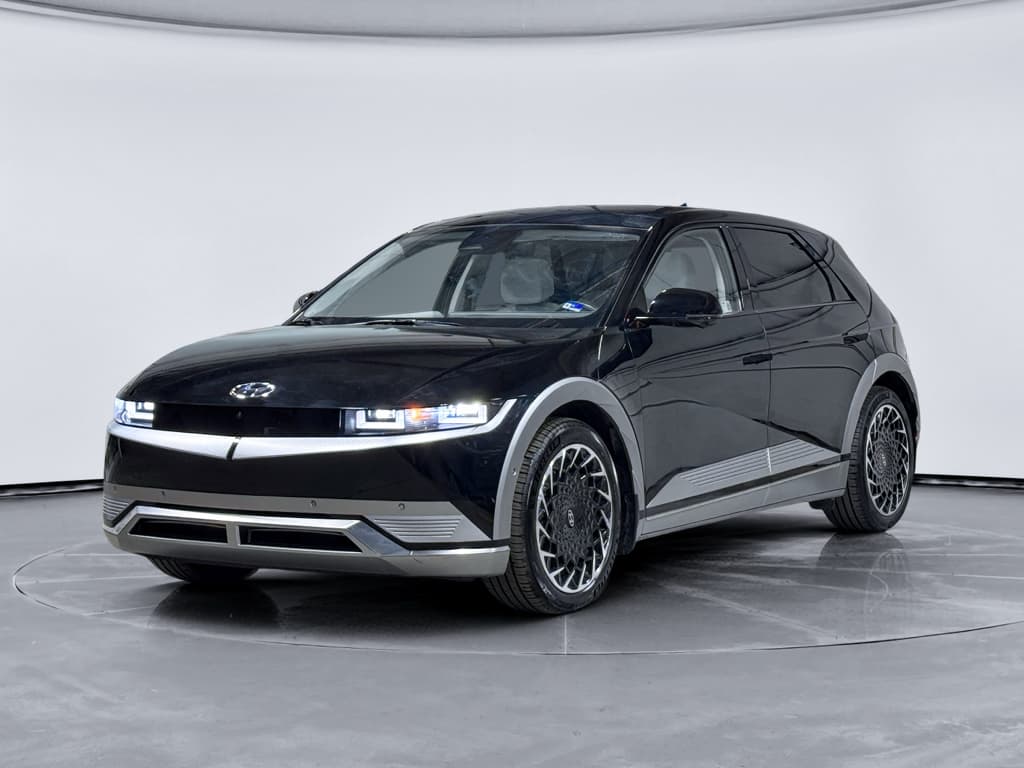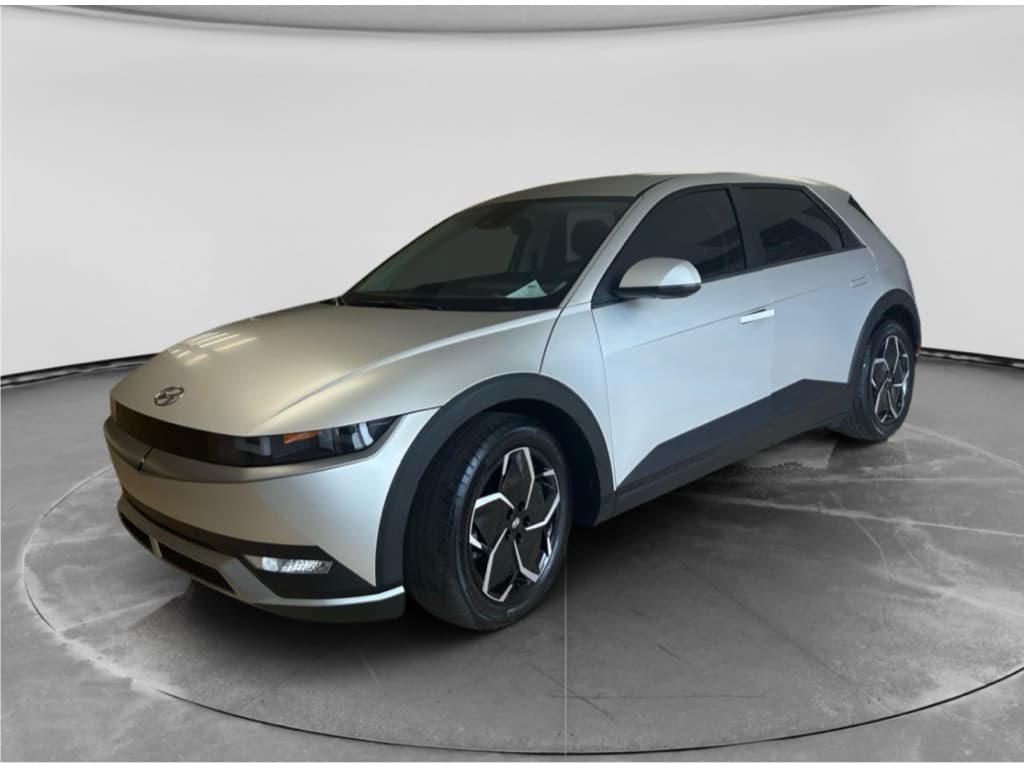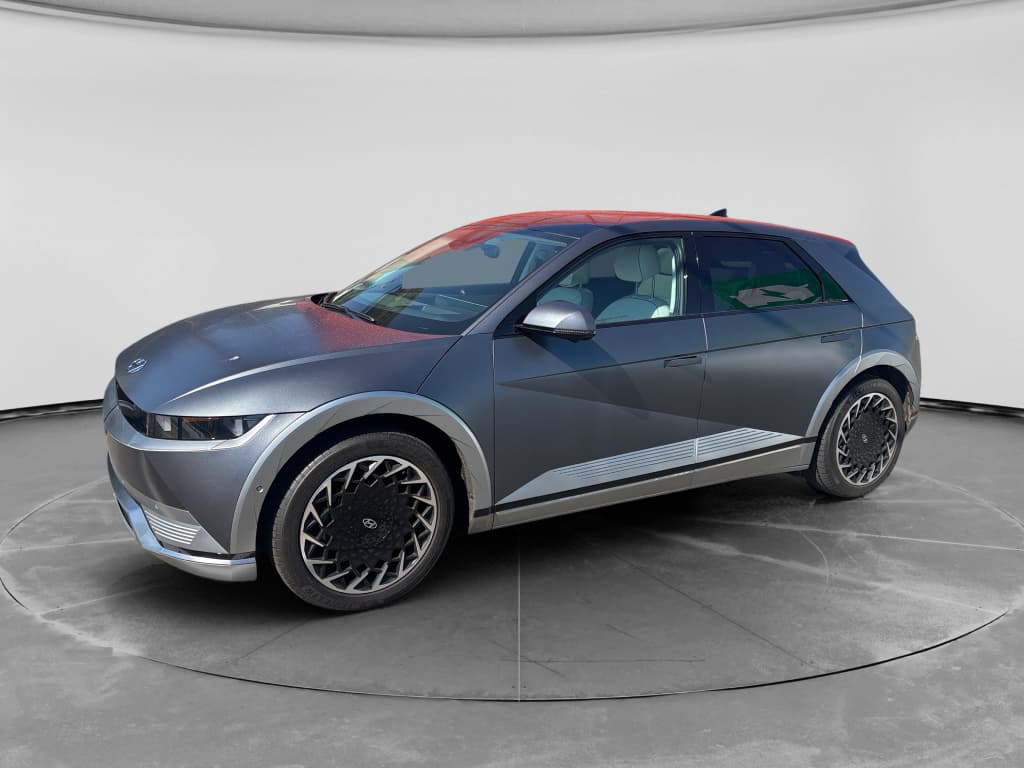
You don’t buy a 2023 Hyundai IONIQ 5 just because it looks like a concept car that escaped an auto show. You buy it to live with, commute in, road trip in, haul kids and Costco runs. So the big question is: how reliable is the 2023 Hyundai IONIQ 5 once the new-car smell fades, especially if you’re eyeing one used?
Quick reliability snapshot
Overview: How Reliable is the 2023 Hyundai IONIQ 5?
By 2023, the Hyundai IONIQ 5 was in its second model year on Hyundai’s E-GMP platform. That means many early bugs from the 2022 launch had already been chased down with software updates and minor hardware revisions. In owner surveys and forum chatter, the 2023 model tends to land in the **“better than average”** camp for an early-generation EV, but not flawless.
- Strong reputation for battery health and range retention in the first 2–3 years
- Very few reports of complete drivetrain failures
- Annoyances skew toward software glitches and charging behavior
- Hyundai’s long EV warranty lowers risk, especially for used buyers
If you’re coming from a traditional gas crossover, the 2023 IONIQ 5’s reliability picture feels familiar: some squeaks and rattles here, some infotainment hiccups there, but rarely the sort of catastrophic failures that park the car in your driveway for weeks. Your job as a buyer is to understand where the weak spots are and how to shop around them.
2023 IONIQ 5 Ownership Snapshot (Typical Experience)
Motor, Inverter & Battery Reliability
The heart of any EV reliability story is the **battery pack and drive unit**. In the 2023 IONIQ 5, those pieces are part of Hyundai’s dedicated E-GMP architecture, shared with the Kia EV6 and Genesis GV60. That shared DNA means Hyundai has more than one model’s worth of real‑world data to lean on, and it shows.
How the 2023 IONIQ 5’s Core EV Hardware Holds Up
Battery, motors, and what to expect as miles add up
High‑voltage battery
The 2023 IONIQ 5’s lithium‑ion pack has generally aged well so far. Most owners report only modest range loss in the first 30,000–50,000 miles when the car is charged sensibly (avoiding daily 100% fast charges).
Look for a range test or a third‑party battery report if you’re buying used.
Motors & reduction gear
Both the single‑motor (RWD) and dual‑motor (AWD) setups have few reports of outright failure. No widespread patterns of broken drive units or gearboxes have surfaced as of the 2023 model year.
Listen for unusual whines or grinding under load during your test drive.
Inverter & power electronics
The inverter, responsible for delivering power smoothly to the motors, has been largely drama‑free on 2023 models. Most drivability complaints trace back to software calibration, not hardware defects.
Ensure all software updates are current to benefit from drivability refinements.
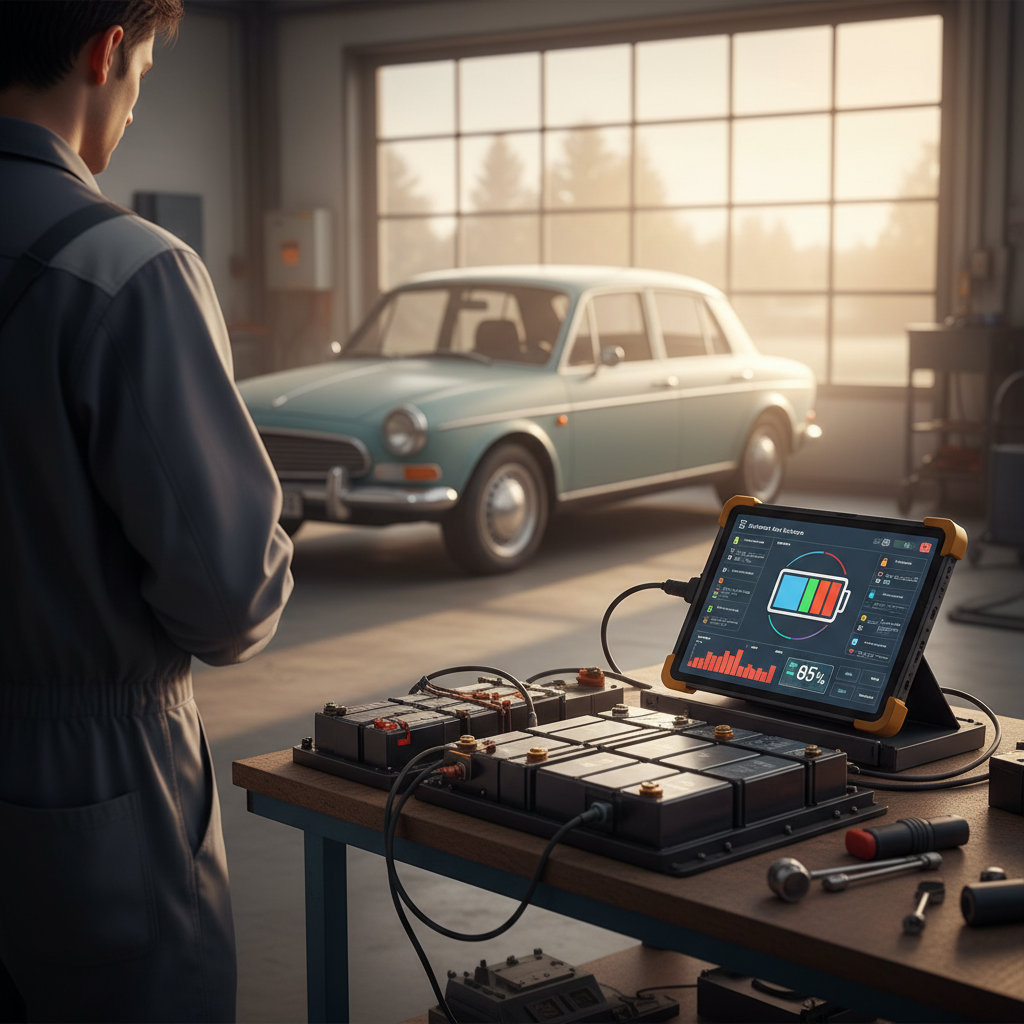
Smart way to check battery health
Hyundai backs the IONIQ 5’s battery for around 10 years/100,000 miles, which is one of the strongest warranties in the business. That doesn’t mean packs never fail, but it does mean that in the rare case of a serious defect, you’re more likely to be covered, especially on a 2023 model being sold in 2026 or 2027.
Charging Performance and Common Complaints
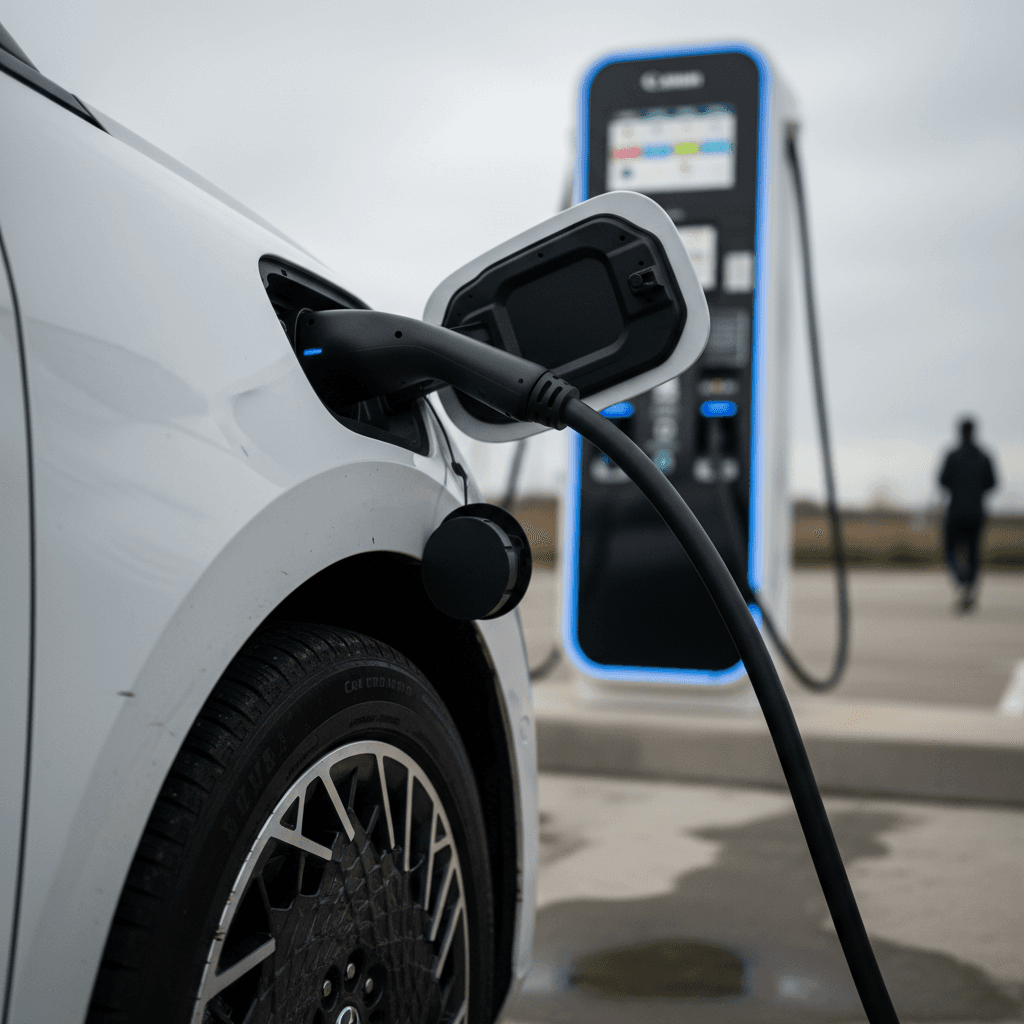
On paper, the 2023 IONIQ 5 is a DC‑fast‑charging rock star. With an 800‑volt architecture, it can go from a low state of charge to 80% in under 20 minutes on a strong enough charger. In reality, owner experiences vary based on weather, charger brand, and software version.
Common 2023 IONIQ 5 Charging Complaints
Not every car will show these issues, but they’re the patterns you’ll see in owner reports.
| Issue | How It Shows Up | What to Look For on a Test Drive |
|---|---|---|
| Slower-than‑expected DC fast charging | Car rarely reaches peak advertised kW, or tapers early | Try a reputable DC fast charger; watch if speed stabilizes or falls off quickly. |
| Charge‑port door problems | Door sticks, fails to open/close smoothly, or doesn’t latch | Open/close it several times; check for binding, misalignment, or warning messages. |
| Public charger handshake failures | Charging stops shortly after starting, or errors on charger screen | If possible, test at 1–2 different networks to see if issues repeat. |
| AC charging inconsistencies | Home Level 2 charging stops unexpectedly or at lower amperage | Check charge settings in the car and on the EVSE; confirm breaker/outlet sizing. |
Use this as a checklist during your test drive, especially if you can visit a DC fast charger.
Don’t blame the car too quickly
The key reliability story around charging is consistency. A good 2023 IONIQ 5 should behave the same way, every time, at the same station and temperature. If a car shows highly unpredictable charging speeds or frequent failures compared to other EVs on the same charger, that’s a red flag worth investigating before you sign.
Software, Electronics & Everyday Annoyances
If the IONIQ 5 develops a personality, it happens in its software and electronics. These are the pieces you touch every day: the twin 12.3‑inch screens, driver‑assist systems, keyless entry, and the app. They rarely fail completely, but they can act up in ways that make the car feel less polished than it looks.
Typical 2023 IONIQ 5 Tech Quirks
These are more annoyances than deal‑breakers, but worth knowing about.
Infotainment lag or freezes
Some owners report occasional lag, black screens, or the system rebooting on its own. It’s usually fixed with a software update or simple restart, but test all menus and the backup camera during your drive.
Driver‑assist behavior
Hyundai’s Highway Driving Assist can feel “ping‑pongy” within the lane or too conservative with cut‑ins. That’s a calibration matter, not a failure, but you should decide whether you like the tuning on a real‑world highway drive.
Digital instrument cluster glitches
Random warning lights that disappear, or messages like “Check system” that never return, are often software‑related. Document anything persistent and ask for dealer records.
App connectivity
Remote functions (pre‑conditioning, lock/unlock) may be slow or fail occasionally. That’s common across many brands, not just Hyundai, but it’s part of your day‑to‑day experience.
Easy reliability win: updates
Build Quality, Interior Wear & Cold-Weather Behavior
Slide into a 2023 IONIQ 5 and you’ll notice two things: the airy, open cabin and Hyundai’s typical mix of soft‑touch materials and harder plastics down low. Reliability here isn’t about whether it drives, it’s about how the car looks and feels after three winters and too many fast‑food runs.
Build Quality & Cold‑Weather Checks for a Used IONIQ 5
1. Listen for rattles and squeaks
On a rough road, listen around the dash, rear hatch, and panoramic roof (if equipped). Minor noises are common; loud or structural‑sounding clunks are not.
2. Inspect seat bolsters and fabric
The IONIQ 5’s light‑colored interiors show wear and staining quickly. Heavily creased driver’s bolsters on a low‑mileage car can hint at hard use.
3. Check door and hatch alignment
Uneven gaps or doors that require a slam to shut may indicate prior body work. Make sure the hatch opens and closes smoothly, especially in cold weather.
4. Test HVAC and heat pump in cold
If you can, test on a cool day. Weak cabin heat, noisy fans, or foggy windows can signal HVAC or heat‑pump issues, which matter a lot in winter EV driving.
5. Watch cold‑weather range
Like any EV, the IONIQ 5 loses range in the cold. What you’re watching for is <strong>excessive</strong> loss versus other EVs, often a sign of failing to pre‑condition or improper tire choice rather than a defect.
6. Check underbody and suspension
In snow‑belt regions, look for corrosion on suspension components and underbody fasteners. Light surface rust is normal; heavy flaking or holes are not.
Cold weather doesn’t mean “unreliable”
Maintenance Costs, Warranty & Recalls
One reason many shoppers end up in an IONIQ 5 instead of a gas crossover is the promise of low maintenance. The 2023 model largely delivers: there’s no oil to change, no timing belt to snap, and far fewer moving parts in the drivetrain. Your main consumables will be tires, brake fluid, and cabin air filters.
Typical maintenance profile
- Tires: The instant torque and weight of an EV can chew through rubber faster than a similar gas SUV. Budget for quality replacements every 25,000–40,000 miles, depending on driving style.
- Brakes: Regenerative braking means pads and rotors often last much longer than in a gas car, sometimes 60,000 miles or more.
- Fluids: You’ll still need occasional brake‑fluid flushes and HVAC service, but nothing like a traditional engine service schedule.
Warranty & recall reality check
- Battery & electric components: Hyundai’s long EV warranty lowers the financial risk of early battery or drive‑unit failures on a 2023 model.
- Bumper‑to‑bumper: By the time you’re shopping used in 2026–2028, part of the basic warranty may remain, depending on mileage and in‑service date.
- Recalls: Like most modern cars, the IONIQ 5 has had a few software and safety recalls. Ask for documentation that these were completed.
How Recharged helps here
Ready to find your next EV?
Browse VehiclesBuying a Used 2023 IONIQ 5: What to Check
A used EV is only as good as its first owner, and how carefully you inspect it. The 2023 Hyundai IONIQ 5 can be an excellent used buy if you take a methodical approach and let data, not hope, guide you.
Used 2023 IONIQ 5 Pre‑Purchase Checklist
Confirm trim, battery and drivetrain
Make sure you know if you’re looking at a Standard Range or Long Range pack, and whether it’s single‑motor RWD or dual‑motor AWD. Range, performance, and tire wear all depend on this.
Review charging history and habits
Ask where the car was usually charged. A home Level 2 routine is ideal. Constant max‑power DC fast charging isn’t automatically bad, but it’s worth pairing with a battery health report.
Inspect for accident repairs
Check Carfax or similar history, but also look for mismatched paint, overspray, or uneven panel gaps. The IONIQ 5’s sharp lines make sloppy repairs stand out.
Test DC fast charging, if possible
Even a 10‑minute session can reveal a lot about how the car communicates with chargers and how stable its charging curve is.
Scan for warning lights and stored codes
A professional pre‑purchase inspection, or a trusted EV‑savvy shop, can read stored diagnostic codes that don’t show up on the dash.
Get a battery health report
This is the big one. At Recharged, every IONIQ 5 comes with a Recharged Score, so you can see measured battery health instead of guessing based on a range estimate.
Red flags, walk away from these
Reliability: IONIQ 5 vs Kia EV6 vs Tesla Model Y
Most shoppers cross‑shop the 2023 Hyundai IONIQ 5 against its close cousin, the Kia EV6, and the ever‑present Tesla Model Y. All three are competent EVs with strong drivetrains, but they wear their reliability stories differently.
How the 2023 IONIQ 5 Stacks Up on Reliability
High‑level view of where the IONIQ 5 lands versus key rivals.
| Model | Drivetrain & Battery | Software & Tech | Build Quality | Ownership Feel |
|---|---|---|---|---|
| Hyundai IONIQ 5 (2023) | Strong battery health so far; few major motor issues reported | Some infotainment lag; mostly fixed with updates | Solid overall; some rattles and interior wear over time | Relaxed, comfortable, family‑friendly crossover |
| Kia EV6 (2023) | Shares E‑GMP hardware; similar reliability picture to IONIQ 5 | Sportier tuning; similar software strengths/weaknesses | Slightly firmer ride; comparable long‑term durability | More performance‑oriented feel, tighter cabin |
| Tesla Model Y (2023) | Proven drivetrains; lots of high‑mileage examples | Frequent over‑the‑air updates; some owners report bugs with new releases | Panel gaps and trim quality can be hit‑or‑miss | Tech‑heavy, minimalist, very efficient road‑tripper |
Individual cars vary, but this gives you a directional sense of risk and ownership experience.
Where the IONIQ 5 really shines
2023 Hyundai IONIQ 5 Reliability: FAQ
Frequently Asked Questions
Bottom Line: Who the 2023 IONIQ 5 Suits Best
If you want an EV that looks like the future but behaves like a well‑sorted family car, the 2023 Hyundai IONIQ 5 deserves a close look. Its core hardware, battery, motors, and inverter, has been strong so far, and Hyundai’s long EV warranty takes some of the fear out of going electric, especially on the used market.
You’ll still want to be picky. Skip cars with unexplained charging drama, sloppy body repairs, or vague answers about service history. Prioritize examples with documented updates, clean inspections, and proof that the battery is still healthy. That’s exactly what Recharged focuses on: used EVs with transparent battery data, fair pricing, and people who can explain what all of it means in plain English.
Do that, and a 2023 Hyundai IONIQ 5 isn’t just a stylish experiment in electrification. It’s a practical, dependable daily driver that can quietly replace your gas crossover, and make you smile every time you walk up to those pixel lights in the driveway.