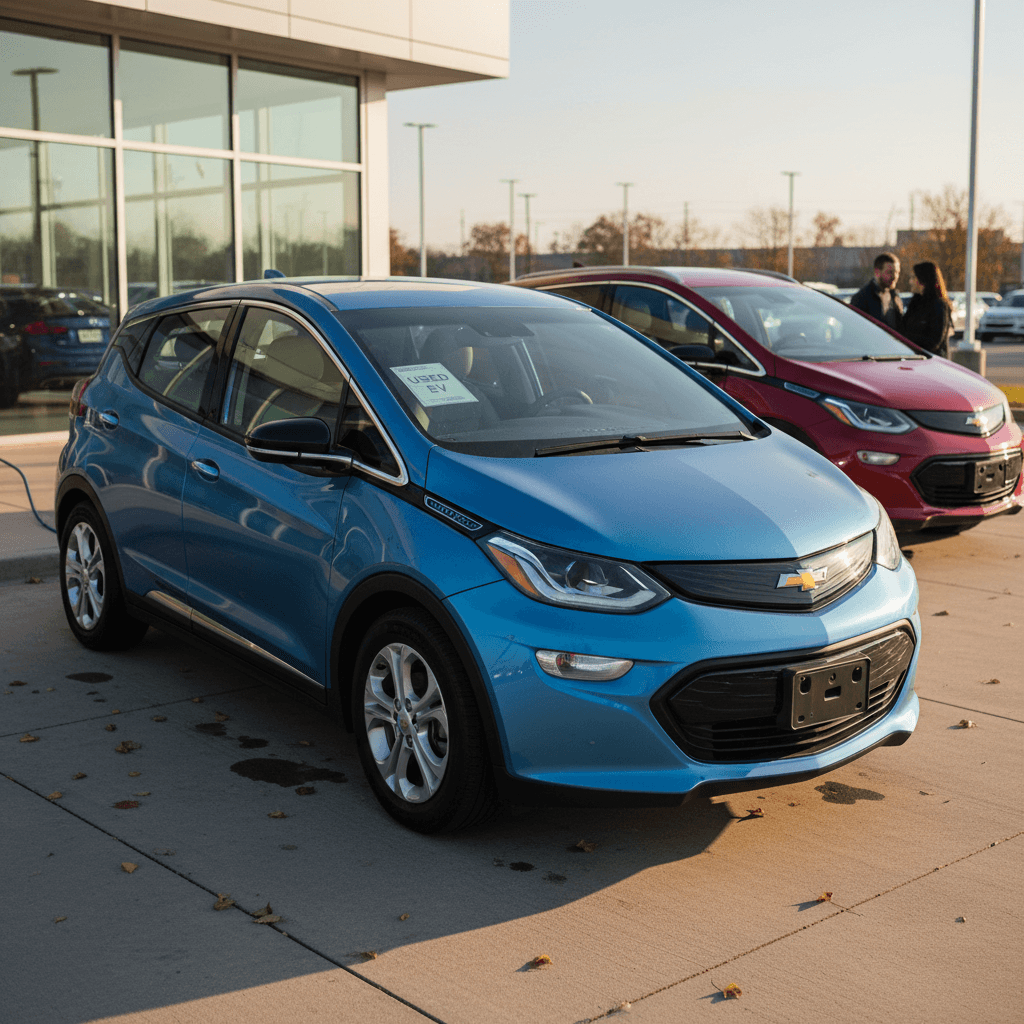
If you’re hunting for an affordable electric crossover, the 2023 Chevy Bolt EUV probably sits near the top of your list, and for good reason. It offers solid real‑world range, low running costs, and a surprisingly roomy cabin at a price that undercuts most rivals, especially on the used market. This review focuses on what the 2023 Bolt EUV is really like to live with in 2026, and what you should look for before you buy one used.
Quick take
2023 Chevy Bolt EUV overview
Chevrolet launched the Bolt EUV as the slightly larger, more SUV‑styled sibling to the original Bolt EV. The 2023 model year benefitted from a major price cut compared with earlier years, plus refreshed styling and a better interior layout, making it one of the most compelling small EVs for budget‑minded shoppers.
- Body style: subcompact electric crossover (longer and taller than the Bolt EV)
- Battery: 65–66 kWh lithium‑ion pack (post‑recall units use updated LG cells)
- EPA range: about 247 miles for the EUV, depending on trim and wheels
- Drive: single front motor, front‑wheel drive only
- Notable options: Super Cruise hands‑free highway driving, panoramic sunroof, ventilated seats on some trims
Model-year sweet spot
2023 Chevy Bolt EUV key numbers
Specs, range, and key figures
On paper, the 2023 Bolt EUV sits in a sweet spot between efficiency and practicality. It’s not a performance EV or a long‑range road‑trip monster, but as a daily driver and commuter it punches well above its price.
2023 Chevy Bolt EUV core specs
Key mechanical and performance specs for the 2023 Bolt EUV.
| Item | 2023 Bolt EUV |
|---|---|
| Battery capacity | Approx. 65–66 kWh lithium‑ion |
| EPA range | About 247 miles |
| Drivetrain | Front‑wheel drive, single motor |
| Power | ~200 hp (150 kW) |
| Torque | 266 lb‑ft (approx.) |
| 0–60 mph | Around 7.0 seconds (manufacturer/road tests) |
| Onboard AC charging | Up to 7.2 kW (Level 2) |
| DC fast charging | Up to ~55 kW peak |
| Connector | CCS1 for DC fast, J1772 for AC |
Exact figures vary slightly by trim and wheel/tire choice, but this captures the fundamentals.
In real‑world use, most owners see the full EPA range or better in mild weather on mixed city/highway routes. At steady 70–75 mph or in winter conditions, a practical planning number is more like 180–220 miles between DC fast‑charging stops.
Highway range reality check
Driving experience and comfort
City and suburban driving
The Bolt EUV feels right at home in city traffic. The electric motor delivers instant torque, so it jumps away from lights quickly and merges confidently. One‑pedal driving and strong regenerative braking make stop‑and‑go traffic less tiring, and the compact footprint makes parking simple.
- Light, accurate steering that’s easy to place in tight spaces
- Small turning circle for U‑turns and parking garages
- Quiet, smooth acceleration with no gear shifts
Highway and long trips
On the highway, the 2023 Bolt EUV is competent but not luxurious. It tracks straight and feels stable at 70–75 mph, but road and wind noise are higher than in newer, larger EVs. The suspension is tuned more for efficiency than plushness, so sharp bumps can be felt.
- Plenty of passing power up to about 70 mph
- Ride can feel firm on broken pavement
- Optional Super Cruise transforms highway comfort if equipped
Interior space and practicality
Why the EUV body style matters compared with the regular Bolt EV
More rear legroom
Flexible cargo area
Family‑friendly footprint
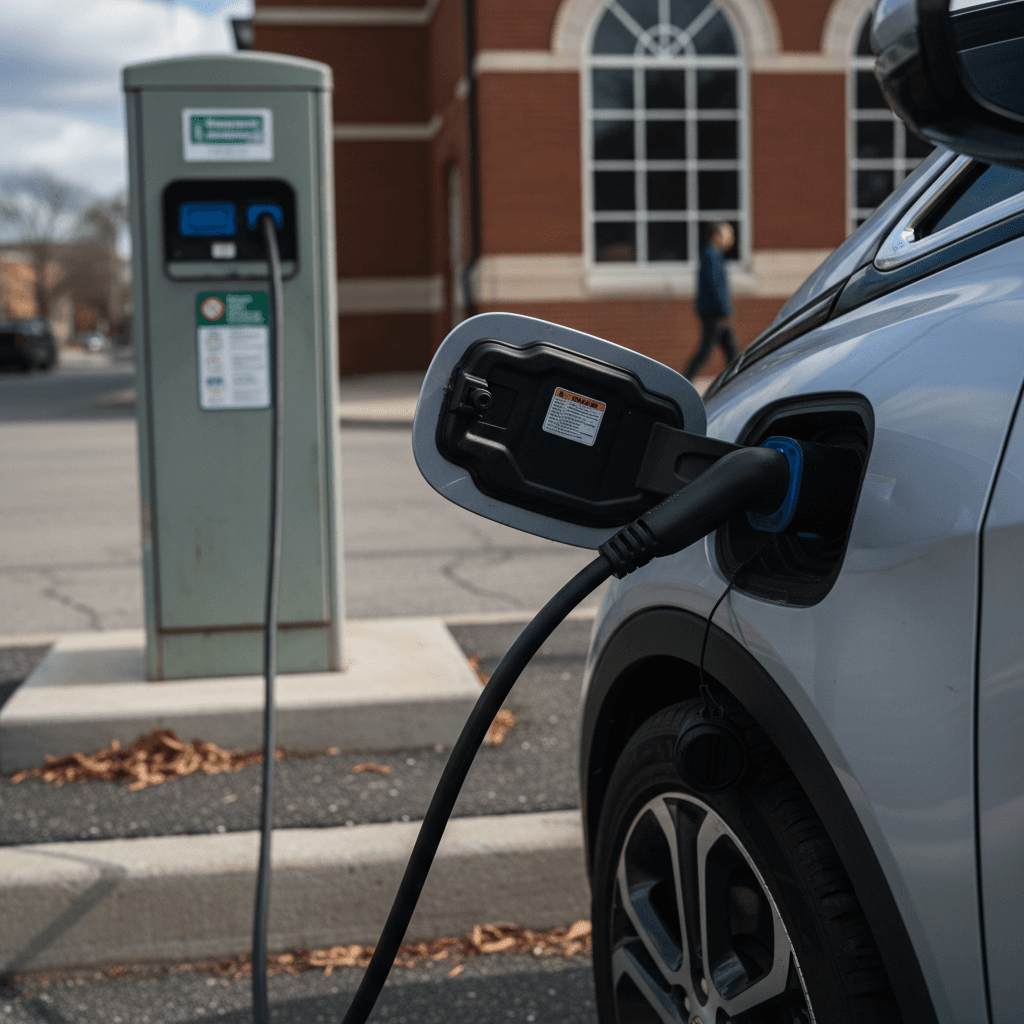
Real-world charging: home and DC fast
The 2023 Bolt EUV uses a CCS1 connector for DC fast charging and a J1772 inlet for AC charging. It’s capable rather than cutting‑edge: fine for commuting and occasional trips, but not among the fastest‑charging EVs on the market.
Charging options for the 2023 Bolt EUV
What to expect at home and on the road
Level 1 (120V)
Level 2 (240V)
DC fast charging
Optimize your fast‑charging stops
If you have reliable access to Level 2 charging where you live, or even just where you work, the Bolt EUV’s modest DC fast‑charging speed becomes much less of a concern. You’ll simply start every day with a “full tank.” Where it becomes a limitation is repeated long‑distance trips in a single day, especially in cold weather.
Connector standard note
Interior, tech, and Super Cruise
Step inside the 2023 Bolt EUV and you’ll find a straightforward, functional cabin. Materials are mostly hard plastics with some soft‑touch areas, and the overall design feels more practical than premium. If you’re coming from a newer Hyundai Ioniq 5 or Tesla Model Y, it will feel dated. If you’re coming from a compact gas hatchback, it will feel pretty familiar.
- 10.2‑inch central touchscreen with wired or wireless Apple CarPlay and Android Auto
- Digital driver display with EV‑specific information (range, energy use, regen)
- Physical climate controls and traditional buttons for many core functions
- Available ventilated front seats and heated rear seats on higher trims
- Available panoramic sunroof that brightens the otherwise dark cabin
Super Cruise: standout option
Safety, reliability, and battery recalls
The Bolt family has a complicated history because of earlier battery‑fire recalls, but that story is important context, especially for used shoppers in 2026.
What to know about Bolt EUV safety and reliability
1. Battery recall background
Earlier Bolt EVs and EUVs were recalled for potential battery‑fire risks. GM replaced or repaired packs with updated LG cells and implemented software updates. By the 2023 model year, most of this work was accounted for in production.
2. Confirm recall completion
If you’re buying a 2023 Bolt EUV, verify via a GM dealer or official VIN lookup that all applicable campaigns are complete. This is standard practice and should be documented in the service history.
3. Crash safety ratings
The Bolt platform has performed well in key crash tests, with strong scores for roof strength and occupant protection. As a small car, it can’t defy physics versus large SUVs, but it’s competitive in its class.
4. Driver-assistance suite
Standard driver‑assist features typically include automatic emergency braking, lane‑keeping assistance, and available blind‑spot monitoring. Super Cruise, where equipped, adds hands‑free highway capability on mapped roads.
5. Battery longevity
The 65–66 kWh pack in post‑recall Bolts has generally shown modest degradation when properly cared for. Many owners report only slight range loss after tens of thousands of miles when they avoid frequent 100% fast charges.
6. Pre‑purchase battery health check
Before you buy used, a professional battery‑health assessment gives you a clearer picture than range estimates alone. That’s why every vehicle sold by Recharged includes a <strong>Recharged Score</strong> with verified battery state of health.
How Recharged helps here
Bolt EV vs. Bolt EUV: which makes more sense used?
If you’ve started researching the 2023 Bolt EUV, you’ve almost certainly run into its sibling, the Bolt EV. They share a platform, battery, and most mechanical components, but they’re aimed at slightly different buyers.
Bolt EV: the thriftier choice
- Shorter overall length and slightly lighter curb weight
- Very similar efficiency and range in the real world
- Often a bit cheaper on the used market
- Rear seat and cargo area feel tighter, especially for tall passengers
Bolt EUV: the roomier all‑rounder
- More rear‑seat legroom and a more SUV‑like stance
- Available Super Cruise and some additional comfort options
- A touch less nimble in tight parking lots, but still small by SUV standards
- Generally commands a small price premium over similar‑mileage Bolt EVs
Which one should you choose?
Ownership costs and used-market value
One of the biggest reasons the 2023 Bolt EUV review keeps coming up in EV forums is simple: it’s one of the least expensive ways to get into a modern, usable EV. Depreciation and Chevy’s 2023 price cuts work in your favor when you shop used.
Why the 2023 Bolt EUV is a value play
Cost factors that stand out in 2026
Low used prices
Cheap to run
Minimal routine maintenance
Resale and future-proofing
Used 2023 Bolt EUV buying checklist
When you’re evaluating a used 2023 Chevy Bolt EUV, focus on the areas that matter most for EV ownership: battery health, charging hardware, and how the car was used by the previous owner.
Essential checks before you buy a 2023 Bolt EUV used
1. Verify battery recall and software updates
Confirm that all GM battery‑related recalls and software updates have been completed. Ask for documentation or have a Chevy dealer run the VIN.
2. Review battery health and range
Check the displayed range at 100% (or near‑full) charge in mild weather and compare to the EPA 247‑mile rating. Where possible, use a professional battery‑health report like the <strong>Recharged Score</strong> instead of relying solely on the dashboard.
3. Inspect the charging port and cables
Look for corrosion, damage, or loose fit at the CCS/J1772 port. Plug into a Level 2 charger and, if possible, a DC fast charger to confirm consistent charging behavior and normal charge speeds.
4. Test driver-assistance features
On a test drive, verify that adaptive cruise control, lane‑keeping assistance, parking sensors, and (if equipped) Super Cruise all function properly. Check for warning lights or messages on the instrument cluster.
5. Check tires and brakes
EVs are heavier and can be harder on tires. Uneven wear can indicate alignment issues. Make sure there’s plenty of tread left and that brake‑pedal feel is consistent and firm.
6. Confirm charging equipment included
Many 2023 Bolt EUVs originally shipped with a portable charger that can handle both Level 1 and Level 2 (with the right outlet). Confirm what’s included with the sale and factor replacement cost into your budget if it’s missing.
7. Look at usage pattern
A high‑mileage highway commuter car that was regularly charged to 80–90% may actually be easier on the battery than a low‑mileage car that sat unused at 100% charge in extreme heat. Ask how the car was used and where it was parked.
8. Get a professional EV inspection
Because EVs differ from gas cars, consider a specialist inspection or buying from an EV‑focused retailer like <strong>Recharged</strong> that has already completed diagnostics and provides transparent reports.
Buying through Recharged
Ready to find your next EV?
Browse VehiclesWho the 2023 Chevy Bolt EUV is (and isn’t) for
Great fit if…
- You want an affordable, practical EV with enough range for daily driving, weekend trips, and moderate road‑trip use.
- You value hatchback practicality in a compact footprint and don’t need a huge SUV.
- You have (or can install) Level 2 charging at home or work.
- You’re comfortable trading some charging speed and interior flash for a lower purchase price.
- You can find, or specifically want, a Super Cruise‑equipped model.
Probably not the best choice if…
- You routinely do 400–500 mile days at 75–80 mph and want the fastest possible DC charging.
- You need all‑wheel drive, off‑road capability, or towing capacity.
- You prioritize a luxury interior, ultra‑quiet cabin, or large panoramic display screens.
- You must have a factory NACS (Tesla) port rather than CCS, and don’t want to consider adapters or network changes.
Frequently asked questions about the 2023 Bolt EUV
2023 Chevy Bolt EUV FAQ
Bottom line: is the 2023 Bolt EUV a good buy in 2026?
If you’re looking for an honest, real‑world 2023 Chevy Bolt EUV review, the verdict is straightforward: it’s one of the smartest used‑EV buys you can make right now, provided its range and charging profile fit your life. You get a practical, efficient electric crossover with enough range for most daily driving, reasonable comfort, and available Super Cruise, all at a price that undercuts many newer rivals.
The trade‑offs are equally clear: modest DC fast‑charging speeds, a cabin that feels more economy car than luxury EV, and a connector standard that’s being phased out in favor of NACS over the coming years. For many shoppers, those compromises are worth the savings. If you want to take the guesswork out of battery health, charging history, and pricing, browsing Recharged for a 2023 Bolt EUV with a full Recharged Score Report is one of the easiest ways to get into EV ownership with confidence.