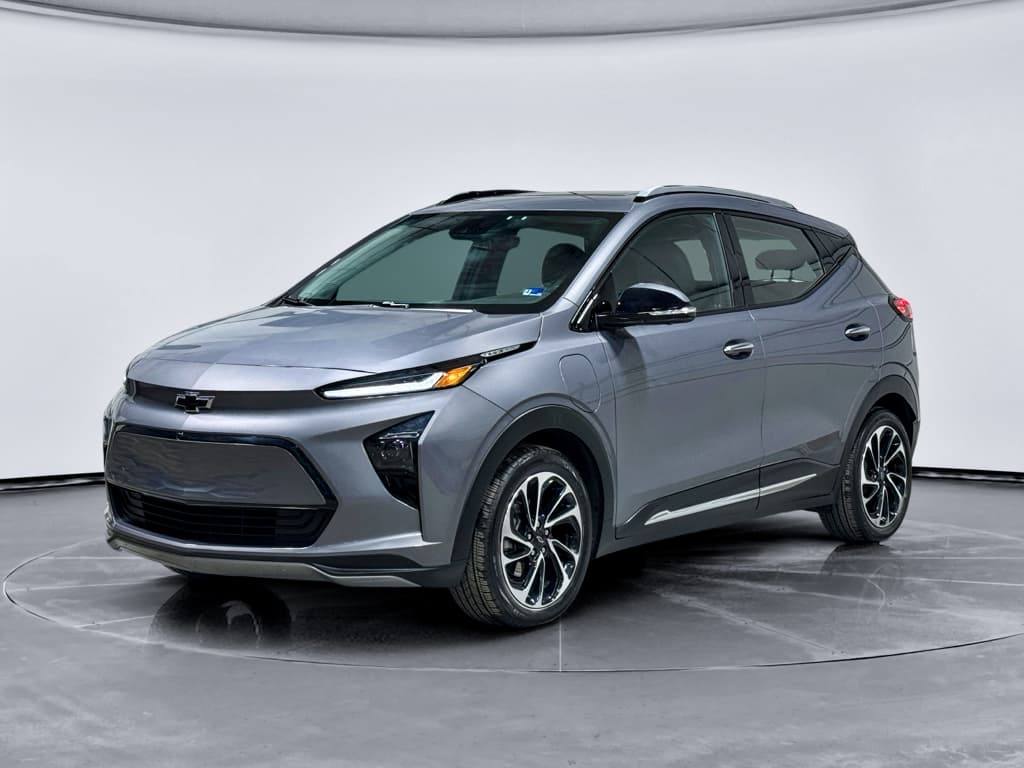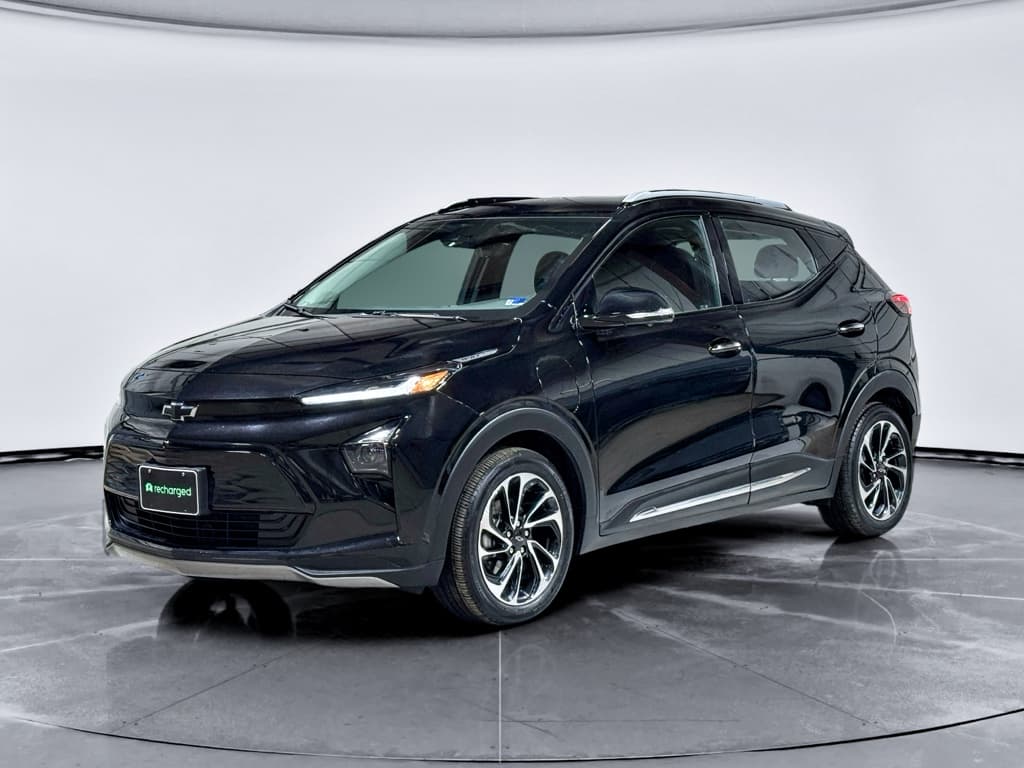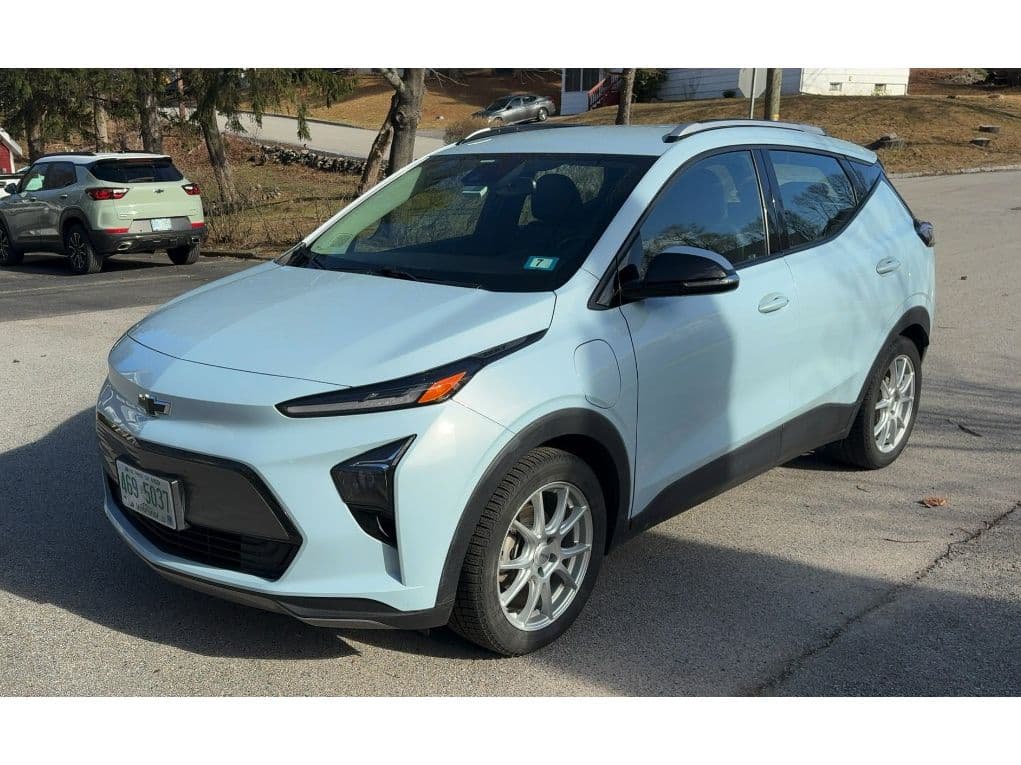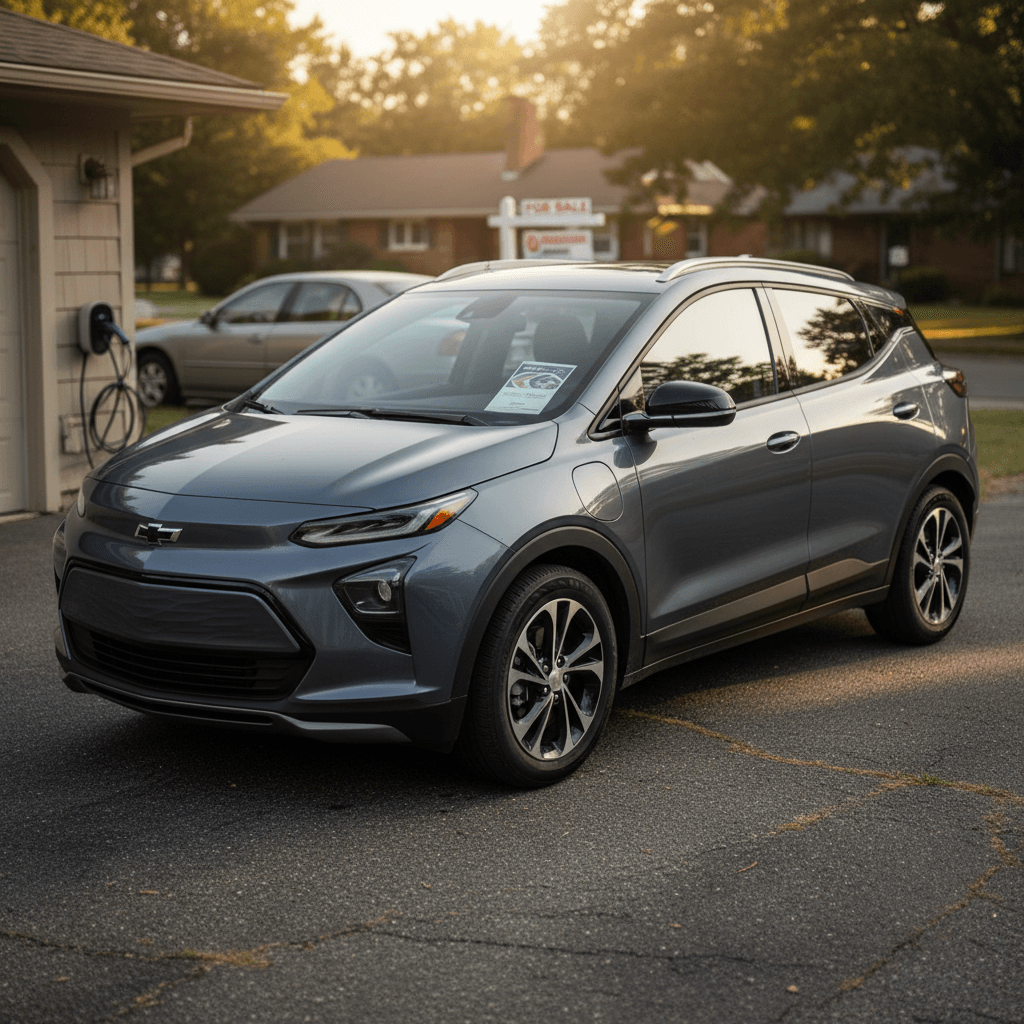
If you’re shopping for an affordable used EV, the 2023 Chevrolet Bolt EUV is the automotive equivalent of a great apartment with an ugly ZIP code in its past: fantastic value, still haunted by old headlines. This buying guide walks you through trims, range, charging, reliability, pricing, and the specific things to inspect so you can decide if a 2023 Bolt EUV belongs in your driveway.
Production is over, but support isn’t
Why the 2023 Bolt EUV is a big deal on the used market
One of the cheapest real EVs you can buy
The 2023 Bolt EUV launched with a sharply reduced MSRP compared with earlier years, putting a spacious, genuinely usable EV in the same price neighborhood as compact gas crossovers. On today’s used market, that aggressive pricing and three years of depreciation mean you’re often looking at a car with modern safety tech and 200+ miles of range for the price of a lightly used Corolla.
The last, and best, year of the first generation
By 2023, GM had already lived through the high‑profile battery recall on earlier Bolts and updated the pack and software. The Bolt EUV’s final model year benefited from those fixes plus small running improvements. For used buyers, that makes 2023 the sweet spot: updated battery hardware, no brand‑new‑model teething pains, and plenty of inventory coming off leases and rentals.
2023 Chevrolet Bolt EUV at a glance
Quick specs and key highlights
Core 2023 Bolt EUV specs
The essentials you should know before digging into trims and pricing.
| Category | Spec |
|---|---|
| Battery | ~65 kWh lithium‑ion pack |
| Official range | 247 miles EPA (all trims) |
| Drivetrain | Front‑wheel drive, single motor (up to ~200 hp equivalent) |
| Onboard charger | 11.5 kW AC (Level 2) |
| DC fast charging | Standard; up to 55 kW peak, ~95 miles in 30 minutes |
| Seating | 5 passengers |
| Cargo | 16.3 cu ft behind rear seats; 56.9 cu ft max |
| Driver assist | Chevy Safety Assist standard; Super Cruise available on Premier |
Specs shown are typical for U.S. 2023 Bolt EUV models; always confirm exact equipment on the specific VIN you’re considering.
Think of it as an electric Trax with better manners
Trim levels: LT vs Premier (and Redline)
The 2023 Chevrolet Bolt EUV came in two trims, LT and Premier, plus an appearance‑focused Redline Edition package. Range and motor output are the same across the lineup, so your decision is mostly about comfort, tech, and cosmetics.
2023 Bolt EUV trims compared
Both trims share the same battery, range, and motor. The differences are in comfort and tech.
LT: Best budget choice
- Cloth seats with manual adjustment
- Standard Chevy Safety Assist (automatic emergency braking, lane keep assist, following distance indicator and more)
- 10.2" touchscreen with wireless Apple CarPlay/Android Auto
- Auto climate control, keyless entry, push‑button start
- Optional comfort & convenience packages (heated seats, heated steering wheel)
If you’re cost‑sensitive and don’t care about leather or Super Cruise, a well‑optioned LT can be the sweet spot.
Premier: Tech and comfort upgrade
- Leather‑appointed seats, often with ventilated front seats
- Standard heated steering wheel and heated front seats on most builds
- Adaptive cruise, HD surround‑view camera, and extra interior soft‑touch materials on many cars
- Available Super Cruise hands‑free driving on mapped highways
- More likely to have upgraded audio and extra driver‑assist features
If you do a lot of highway miles, the Premier’s Super Cruise option alone can justify the price difference on the used market.
About the Redline Edition
Range and real‑world efficiency
On paper, every 2023 Bolt EUV carries a 247‑mile EPA combined range. In reality, you’ll see a spectrum depending on climate, driving style, and how full you charge the battery.
- Typical mixed driving in mild weather: 230–260 miles on a full charge if you’re not lead‑footed.
- High‑speed highway (75+ mph): expect 180–210 miles, especially into a headwind or with winter tires.
- Winter in the upper Midwest or Northeast: 160–200 miles isn’t unusual if you pre‑heat the cabin and use seat/steering‑wheel heaters instead of blasting HVAC.
- Urban commuting: with lots of stop‑and‑go and regenerative braking, many owners exceed EPA numbers on moderate‑temperature days.
Cold weather will shrink your range
Charging: how fast is the Bolt EUV?
Charging is where the 2023 Bolt EUV shows both its age and its value play. It’s optimized for overnight Level 2 charging, not for cannonball runs between DC fast chargers.
Charging options for a 2023 Bolt EUV
Approximate real‑world charging speeds; actual results vary with temperature, battery state of charge, and charger quality.
| Charging type | Hardware needed | Typical power | Approx. rate added | Best use case |
|---|---|---|---|---|
| Level 1 (120V wall outlet) | Included dual‑level charge cord | 1.2–1.4 kW | 3–4 miles of range per hour | Emergency or very light daily use |
| Level 2 (240V, home or public) | 11.5 kW onboard charger + 40A circuit | 7–11 kW depending on circuit | 25–37 miles of range per hour | Overnight home charging; topping off in town |
| DC fast charging | CCS DC fast charger | Up to ~55 kW peak | Up to ~95 miles in 30 minutes | Occasional road trips; quick mid‑day top‑ups |
Level 2 is where the Bolt EUV shines; DC fast charging is adequate but not cutting‑edge.
Home charging makes it a star
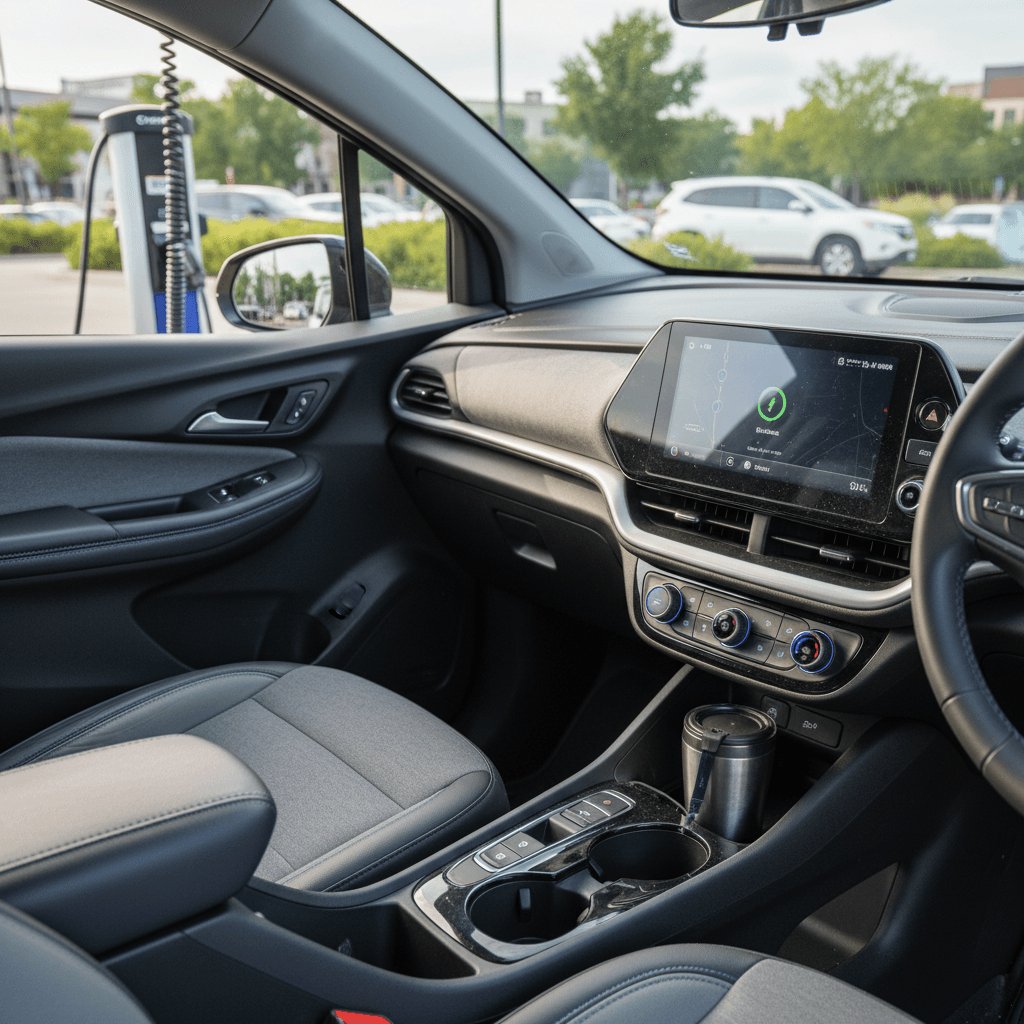
Reliability, recalls, and battery health
The two big questions every used‑Bolt shopper asks are, "Will it catch fire?" and "How long will the battery last?" The short answer: the battery‑fire recall centered on earlier model years, and by 2023 the hardware and software fixes were baked in. The 2023 EUV has generally solid reliability for an affordable EV, with a few quirks to watch for.
What we know about 2023 Bolt EUV reliability
The good news, the question marks, and how Recharged helps de‑risk your purchase.
Battery fire saga is in the rearview
But individual packs can still fail
How Recharged measures battery health
Don’t rely solely on the dash range estimate
Pricing, depreciation, and what a fair deal looks like
Because GM slashed the Bolt EUV’s MSRP for 2023 and then killed production at the end of that year, the used market is…interesting. Values are driven by mileage, trim, region, and how hard local dealers leaned into discounting when these were still new.
How much has a 2023 Bolt EUV depreciated?
Industry guides suggest a roughly 45% drop in value over the first three years for a typical 2023 Bolt EUV, depending on trim and mileage. That sounds brutal, until you realize most modern gas cars take a similar percentage hit. Because the starting price was low, the used‑market dollar numbers often look very reasonable compared with rivals.
What affects the price of a specific car?
- Trim & options: Premier and Redline cars, especially with Super Cruise, command a premium.
- Mileage: Under 20,000 miles usually carries a noticeable bump.
- Battery health: A pack that still tests near original capacity is worth paying for.
- History: Ex‑rental cars can be cheaper but may have seen harder use; clean, one‑owner cars tend to hold value.
- Regional incentives: State EV rebates and used federal credits can shift transaction prices in your favor.
How Recharged benchmarks fair pricing
Ready to find your next EV?
Browse VehiclesWhat to check on a used 2023 Bolt EUV
Used EVs live and die by details you can’t see in the glossy photos. Before you fall in love with a low monthly payment, walk through this checklist, or let a platform like Recharged do it for you.
2023 Bolt EUV used‑buyer checklist
1. Confirm battery and high‑voltage warranty
GM’s high‑voltage battery warranty is typically 8 years / 100,000 miles from the original in‑service date. Verify both the in‑service date and the odometer so you know how much coverage is left. Ask for any paperwork on battery diagnostics or prior repairs.
2. Pull the full service and recall history
Ask for a full service history and check for open recalls by VIN. You want to see recall work completed on schedule, software updates applied, and routine maintenance (brake fluid, cabin filters, tire rotations) documented, not just "no news".
3. Inspect charging behavior on Level 2
If possible, plug the car into a Level 2 charger and watch it ramp up. It should connect cleanly, pull a stable current, and show reasonable miles‑per‑hour of charge. Flaky behavior here can point to onboard charger or charge‑port issues.
4. Test DC fast charging at least once
Even if you rarely road‑trip, do a test DC fast charge from a low state of charge. Confirm that it connects, ramps up toward its expected ~55 kW peak, and doesn’t immediately throttle to single‑digit speeds without a clear reason (e.g., near‑full battery or extreme cold).
5. Check for water leaks and interior wear
Look for damp carpet in the rear footwells and cargo area, especially on ex‑rental cars that may have sat outside. Inspect seat bolsters, steering wheel, and the center console for wear that doesn’t match the claimed mileage.
6. Verify driver‑assist features
On test drive, confirm that lane‑keeping assist, adaptive cruise (if equipped), parking sensors, and surround‑view cameras behave as expected. If the car has Super Cruise, make sure it activates and holds lane properly on a mapped highway segment.
Let Recharged sweat the details
Is the 2023 Bolt EUV right for you?
Great match for
- Commuters with home charging: If your daily round‑trip is under ~120 miles and you can plug in overnight, this car is in its element.
- First‑time EV buyers: Simple controls, good visibility, and predictable range make it a low‑stress introduction to electric driving.
- Small families or couples: The extra legroom compared with the regular Bolt EV is noticeable, especially in the back seat.
- Value hunters: You want modern safety tech and EV torque without committing luxury‑car money.
Maybe not ideal if…
- You road‑trip constantly: The modest DC fast‑charging speeds make long‑distance travel slower and more planning‑intensive than in newer 800‑volt EVs.
- You need AWD or towing: The Bolt EUV is FWD only and not rated for serious towing. Snow tires help, but it’s not a Subaru.
- You want a high seating position: It’s more hatchback‑crossover than true SUV; some drivers find the driving position lower than expected.
- You need a dealer on every corner: Chevy coverage is broad, but not every store has deep EV expertise. That’s where specialist support, like Recharged’s EV team, matters.
Viewed coldly, the 2023 Chevrolet Bolt EUV is a rational purchase: cheap to run, roomy enough, and discounted heavily by the used market’s short memory. Viewed warmly, it’s also a surprisingly likable little crossover, with instant torque, a quiet cabin, and the kind of low‑drama ownership that makes you forget gas stations exist. If you pair it with home charging and go in with clear eyes about its charging and highway limitations, a healthy 2023 Bolt EUV can be one of the smartest used‑EV buys of the decade, especially when its battery health and pricing have already been vetted by a Recharged Score report.
Frequently asked questions about the 2023 Bolt EUV
2023 Chevrolet Bolt EUV FAQs
"Once you stop thinking of it as a compromised EV and start thinking of it as an overachieving compact car that happens to run on electrons, the Bolt EUV makes a very strong case for itself, especially on the used lot."