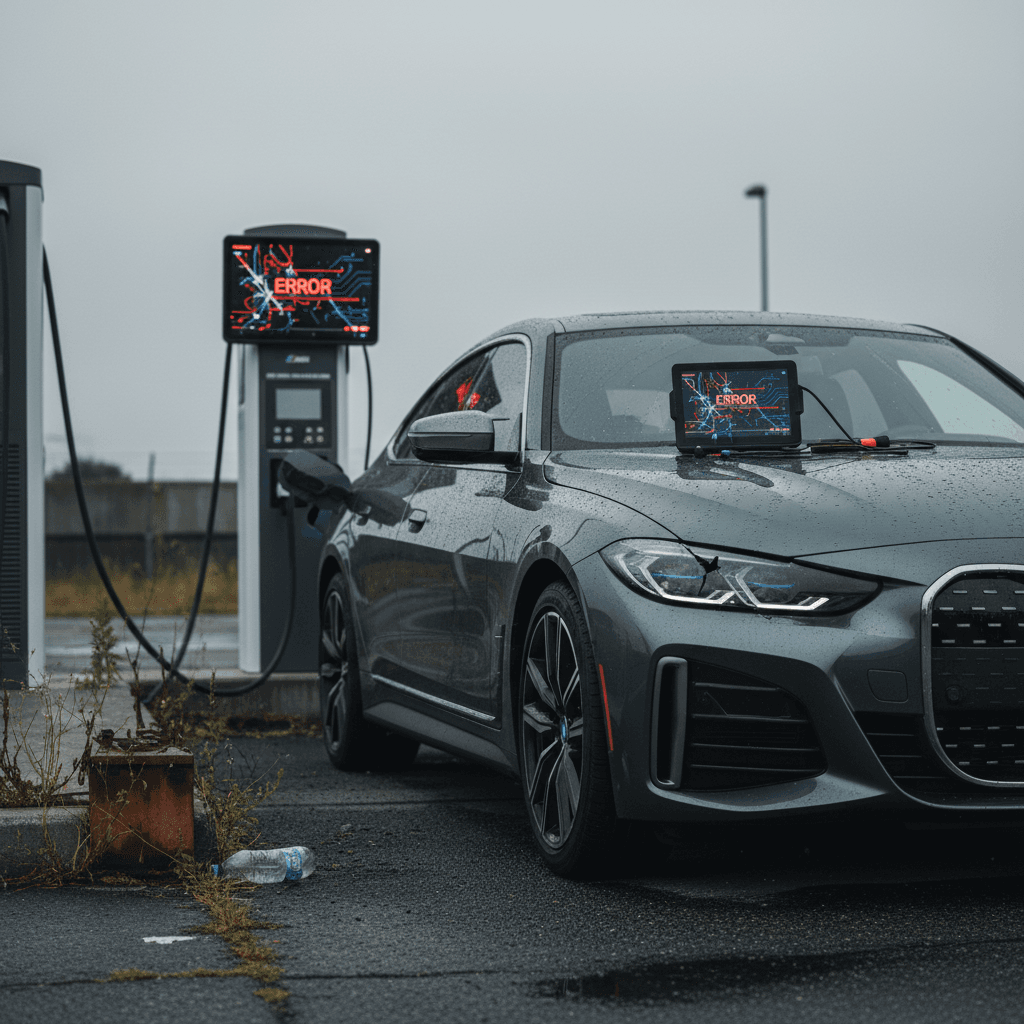
If you’re looking at a flagship luxury EV, the 2023 BMW i7 is probably high on your list. But once you start digging, you quickly run into headlines about 2023 BMW i7 problems, recalls, and software gremlins. The reality is more nuanced: the i7 is both an impressive tech showcase and an early‑generation EV with a long recall sheet you need to understand before you buy used.
Quick take
Overview: Should You Worry About 2023 BMW i7 Problems?
The first model year of any all‑new platform tends to carry more bugs, and the 2023 i7 is no exception. It launched with a new body style, new infotainment software, new driver‑assist tech, and a large high‑voltage battery pack. That’s a lot of moving pieces, digitally speaking. The good news is that most of the serious problems have been addressed through recalls and software updates, not full mechanical overhauls.
2023 BMW i7 problem snapshot
Where owners tend to run into frustration is less about catastrophic failures and more about nuisance issues: glitchy driver‑assist systems, occasional infotainment freezes, charging finickiness at some DC fast chargers, and the ordinary realities of a very large, very heavy luxury sedan in the real world.
Known Recalls on the 2023 BMW i7
Before you worry about anecdotal problems, you should understand the official record. The 2023 i7 has accumulated double‑digit federal recalls, more than many peers. That sounds scary, but most campaigns target specific software behaviors or small batches of hardware rather than every car on the road.
Major recall themes on the 2023 BMW i7
This table summarizes the most important recall categories affecting many 2023 i7s. Exact coverage depends on production date and trim.
| Area | Issue | Typical Symptom | Remedy Type |
|---|---|---|---|
| High‑voltage battery control | Battery ECU software may cut power | Sudden loss of drive power, warning messages | Software update at dealer |
| Propulsion system (select cars) | Stress in some battery modules | Potential power loss or, in rare cases, thermal event risk | Module inspection and replacement |
| Brake system | Integrated brake unit may malfunction | Loss of power brake assist; ABS/ESC warnings | Brake unit replacement |
| Steering/driver monitoring | Hands‑on detection ground fault | Driver‑assist may not detect hands on wheel correctly | Steering wheel ground fix |
| Seats | Front seat length adjustment weld issue | Seat structure may not perform as designed in a crash | Seat frame inspection/replacement |
| Air bags | Front passenger seat ECU logic | Air bag and active headrest may be disabled in specific seat positions | Seat ECU reprogramming |
| Interaction Bar controls | Defrost and hazard controls may not respond | Defrost, defog, hazard lights may not work via dash panel | Interaction Bar replacement |
| Windshield wipers | Wipers may fail in certain conditions | Partial or total loss of windshield wiping | Wiper system replacement |
Always run the specific VIN through the NHTSA lookup tool or a BMW dealer to see which recalls apply.
Don’t guess, check the VIN
From a used‑buyer perspective, recalls are actually the *easiest* problems to live with. They’re performed free of charge, and once documented, they don’t necessarily hurt long‑term value. The red flag is a 2023 i7 that shows open campaigns or a spotty service history, which suggests the previous owner didn’t stay on top of fixes.
Software and electronics issues
If the i7 has an Achilles’ heel, it’s complexity. BMW’s latest iDrive infotainment, the curved display, the dramatic “Interaction Bar” across the dash, and a deep stack of driver‑assist features all run on software that is still evolving. Many owners report that updates improve one thing and occasionally break another, at least temporarily.
Common 2023 BMW i7 software and electronics complaints
Most are more annoying than dangerous, but you should still test for them on a used car.
Infotainment glitches
Owners report occasional:
- System freezes or lag when switching menus
- Wireless CarPlay / Android Auto dropouts
- Streaming audio cutting in and out
These issues often improve after a full reboot or OTA update, but repeat offenders can be frustrating on a long commute.
Driver-assist quirks
The i7’s adaptive cruise and lane‑keeping generally work well, but some drivers describe:
- Overly conservative braking for traffic ahead
- Ping‑ponging within the lane on poorly marked roads
- Steering wheel “hands on” warnings even when holding the wheel
A steering‑wheel ground fix recall addresses one subset of these problems.
Ambient & Interaction Bar behavior
Because the decorative lighting is also a control surface, some owners have seen:
- Buttons failing to light when pressed
- Non‑responsive defrost/hazard touch zones (covered by recall)
- Occasional mismatch between selected and displayed color themes
Here, recalls and software updates are your friend, verify they’re current.
How to test electronics on a test drive
Battery and charging concerns
Mechanically, the i7’s battery and dual‑motor hardware share a lot with the iX and i4, which have shown decent durability so far. The main problems have been tied to control software and a small batch of suspect modules, rather than widespread battery degradation or failures across the fleet.
High-voltage control software
Early on, some i7s were recalled because the battery control unit could trigger an unexpected power shutdown. Drivers would see warnings and, in rare cases, a sudden loss of propulsion. The fix is a software update, often performed alongside other campaign work. If you’re buying used, confirm:
- All battery ECU campaigns are marked complete on the VIN
- No recent history of unexplained power‑loss events in service notes
Battery module stress (small population)
A later campaign targeted a very small number of i7s with potentially overstressed battery modules from assembly. The concern is that module housings could crack under stress, increasing the risk of power loss or, in worst cases, a thermal event. BMW’s remedy is to
- Inspect affected packs based on serial numbers and build data
- Replace the impacted battery modules at no cost if necessary
Only a handful of i7s are impacted, but if your prospective car is in the affected build window, insist on documentation that the inspection or replacement has already been done.
- As with any large luxury EV, real‑world range is often 10–25% lower than the official EPA rating, especially at highway speeds or in cold weather.
- The i7’s weight and power mean frequent DC fast charging will be tempting on road trips, but that also makes battery health monitoring more important on a used purchase.
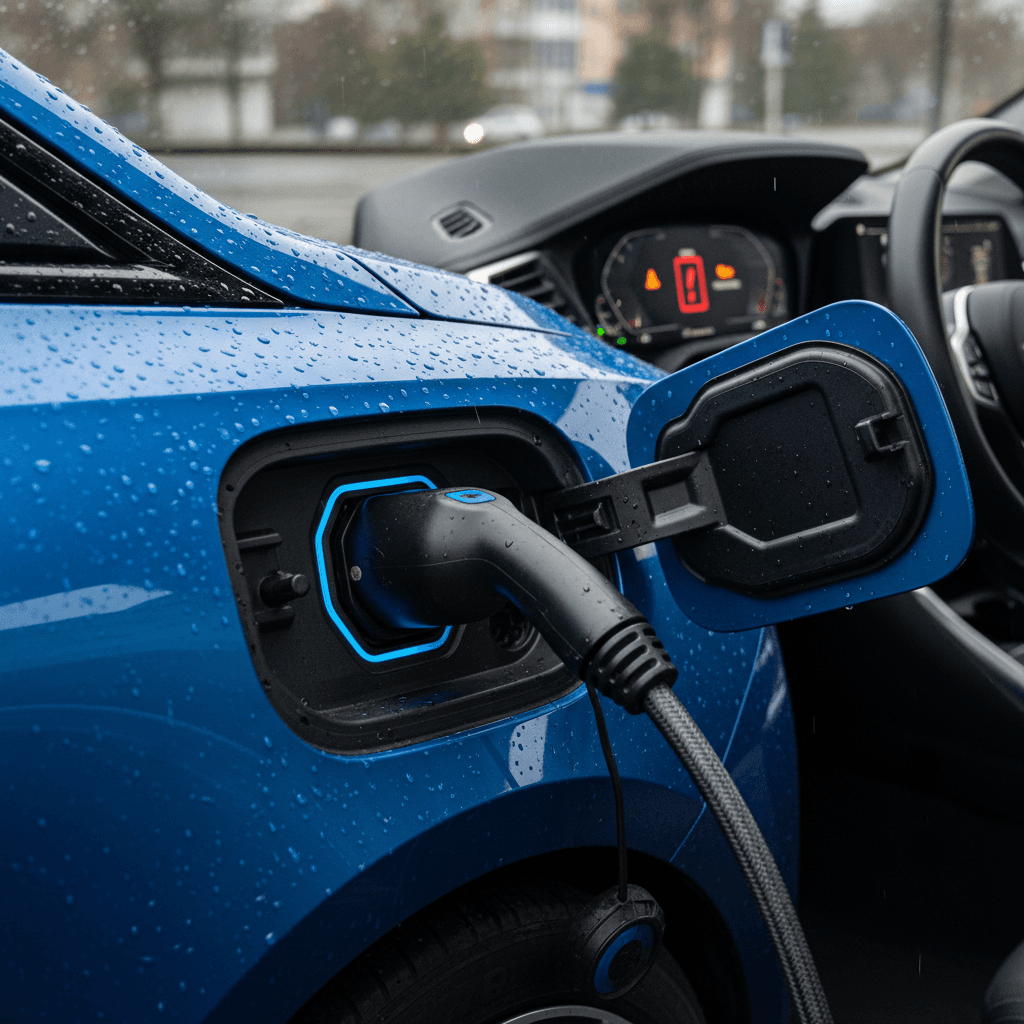
- Some owners report finicky behavior with certain third‑party fast‑charging networks, usually solved with software updates or by favoring better‑maintained stations.
Ride comfort, noise and ergonomic complaints
Not all “problems” are mechanical failures. A chunk of owner dissatisfaction with the 2023 i7 comes down to expectations: buyers are cross‑shopping S‑Class, EQS, Lucid Air, and Model S Plaid and expecting perfection. What they find instead is a big, fast, complex sedan that’s occasionally compromised by physics and packaging choices.
Comfort, usability and design complaints you’ll hear about the i7
These won’t necessarily show up on a scan tool, but they matter to daily livability.
Ride & motion sickness
The i7’s adaptive air suspension aims to float over bumps, but some passengers, especially in the back, report feeling queasy on undulating roads. The combination of soft body control, tall sidewalls, and heavy curb weight can trigger motion sickness for those sensitive to it.
If you have family members prone to car sickness, bring them on the test drive and include a mix of city, highway, and rough pavement.
Noise character
The i7 is mostly quiet, but at highway speeds some owners notice:
- More tire roar on rough concrete than they expected from a six‑figure sedan
- Occasional wind rustle around mirrors or the panoramic roof
Tire choice and wheel size (particularly 21‑inch wheels) make a noticeable difference here.
Seating & ergonomics
Between thick doors, a massive center console, and a lot of seat adjustment, some drivers find it oddly hard to get perfectly comfortable. A few also wish for more under‑thigh support or easier ingress/egress, especially older passengers.
These aren’t defects, but they’re the kind of small annoyance that gets bigger in year three of ownership.
The upside: when it all clicks
What these problems mean for long-term reliability
Stepping back, the pattern on the 2023 i7 looks familiar to anyone who watches new EV launches closely. Rather than chronic mechanical failures, you mostly see first‑generation software and integration issues plus a few narrowly targeted hardware campaigns. That’s not to minimize them, losing brake assist or drive power is serious, but it does change how you think about risk as a used‑EV shopper.
What’s encouraging
- BMW has actively issued recalls and OTA updates rather than ignoring problems.
- The underlying eDrive platform is shared with higher‑volume models (i4, iX), so field data and parts availability are improving over time.
- No widespread pattern of rapid battery degradation has emerged so far; most cars still show healthy usable range when driven reasonably.
What still deserves caution
- The more software‑defined a car is, the more you depend on the dealer and OTA pipeline for bug fixes.
- An i7 that has been neglected, missed updates, skipped service, will be much more trouble than one that has been maintained on schedule.
- Out‑of‑warranty repairs on a flagship BMW are expensive. Even minor electrical gremlins can turn into four‑figure invoices.
Flagship risk, flagship reward
Checklist before buying a used 2023 BMW i7
Because the 2023 i7’s biggest problems are often invisible on a quick walk‑around, you need a structured approach to evaluating any used example. Here’s a practical checklist you can bring to the dealership, or send to the seller, before you commit.
Used 2023 BMW i7 buyer checklist
1. Run a full VIN recall and campaign check
Ask the seller for the VIN and run it through NHTSA’s recall lookup. Then call a BMW dealer and request a printout of all completed and outstanding recalls, software campaigns, and service bulletins. Walk away from cars with multiple open safety recalls that the seller refuses to address.
2. Review complete service history
Look for documented annual service visits and software updates at BMW dealers or reputable specialists. Pay close attention to any notes about power loss, brake warnings, battery faults, or repeated infotainment complaints, these should match up with completed repairs or campaigns.
3. Inspect for accident and body repairs
Because many i7 recalls involve seats, airbags, or structural components, you don’t want undisclosed collision damage muddying the waters. Pull a vehicle history report, look for paint work, and, if the car is high‑value, consider a pre‑purchase inspection by an independent shop familiar with modern BMWs.
4. Test drive with a plan
Drive on city streets and highways, then find a rougher road. Listen for clunks, rattles, or unusual noises from the suspension or steering. Test every drive mode, adaptive cruise, lane‑keeping, and parking assist feature. Bring at least one passenger to check back‑seat comfort and potential motion sickness.
5. Verify charging behavior and battery health
Start your test with the battery between 30–60%. Use a Level 3 (DC fast) charger if possible and monitor the charge curve, does it ramp up smoothly and hold steady, or constantly disconnect? On a platform like Recharged, review the vehicle’s <strong>battery health report</strong> and compare current range to original EPA estimates.
6. Confirm remaining warranty coverage
The i7’s high‑voltage battery and electric drive components typically carry an 8‑year/100,000‑mile warranty (from original in‑service date), while the basic warranty is much shorter. Have the dealer print the warranty start date and remaining coverage so you know how much runway is left.
How Recharged streamlines this process
How recalls and warranty work on a used i7
One common misconception is that recalls and EV component warranties only apply to the first owner. In reality, they follow the car, which is good news if you’re picking up a 2023 i7 in 2026 or later.
Recalls vs. warranty on a used 2023 BMW i7
Know who pays for what, and for how long.
Safety recalls & service campaigns
- Always free, regardless of ownership or mileage.
- Performed only by authorized BMW dealers.
- Do not expire, but parts availability can impact timing.
- Show up on the VIN record once completed.
If a seller won’t have open recalls done before sale, treat that as a serious red flag.
Limited and high-voltage warranties
- Basic warranty: typically 4 years/50,000 miles from in‑service date.
- Battery & electric drive: typically 8 years/100,000 miles (or similar) against failure and excessive degradation.
- Transfer automatically to subsequent owners.
A 2023 i7 first sold in late 2023 will usually have high‑voltage coverage well into the early 2030s.
Ask the selling dealer for two key dates
When a 2023 BMW i7 is a good used buy, and when to walk away
Flagship luxury EVs like the i7 depreciate hard in the first few years, which is exactly why they’re tempting on the used market. A car that stickered north of six figures can slide into the price range of a new midsize SUV within a surprisingly short time. The trick is knowing when you’re getting a bargain, and when you’re inheriting someone else’s headache.
A 2023 i7 that’s worth it
- Clean history, no structural accident damage.
- All major recalls and campaigns documented as completed.
- Regular dealer service with notes that match completed repairs.
- Battery health and range that line up with expectations for mileage and climate.
- Remaining high‑voltage warranty coverage of several years.
On Recharged, we bake these checks into our intake process and surface them in the Recharged Score so you’re not guessing from a glossy listing.
An i7 you should walk away from
- Multiple open safety recalls the seller hasn’t scheduled.
- Intermittent loss‑of‑power or brake‑system warnings in service notes.
- Evidence of flood damage or serious crash repairs.
- Charging behavior that looks unstable at DC fast chargers.
- Seller unwilling to let you get a pre‑purchase inspection or battery health report.
At this price point, the right answer is usually to wait for a better example rather than rationalize a bad one.
FAQ: 2023 BMW i7 problems
Frequently asked questions about 2023 BMW i7 problems
Bottom line: Is the 2023 BMW i7 too risky?
If your definition of “reliable” is a car you never have to think about, the 2023 BMW i7 probably isn’t for you. It’s a first‑generation flagship EV loaded with software and hardware that will continue to evolve over its life. But if you’re willing to do your homework, and especially if you leverage tools like a Recharged Score battery and recall report, a carefully chosen i7 can deliver a level of comfort, performance, and tech that would be unattainable at the same price new.
The key is to treat every used 2023 i7 as an individual. Ignore the horror stories and the hype, and focus on the specific car in front of you: its history, its health, and the paper trail that backs it up. Do that well, and the i7’s problems become manageable risks rather than deal breakers, while its strengths as a long‑range, ultra‑luxury EV really start to shine.