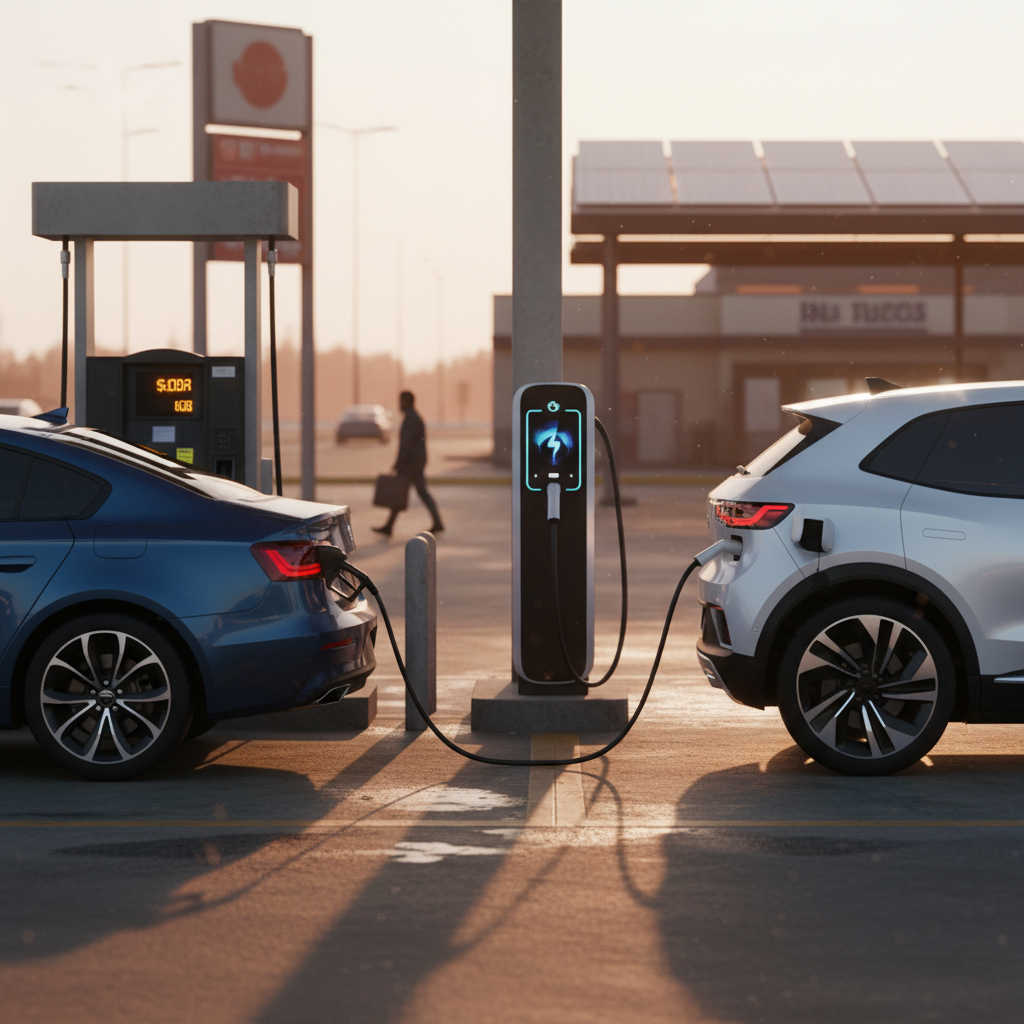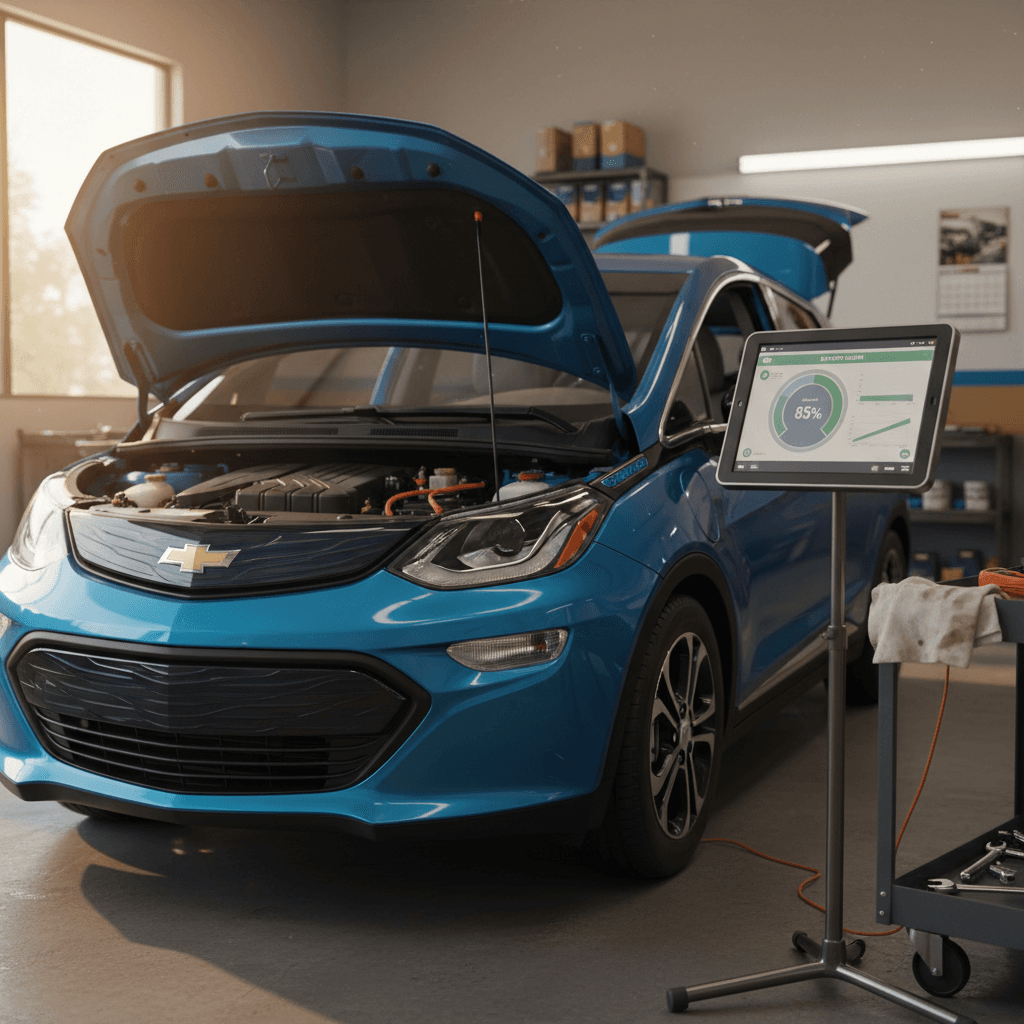
Shopping for a Chevy Bolt EUV is a little different from hunting for a used gas crossover. You’re not just kicking tires, you’re evaluating battery health, charging performance, and a recall story that made a lot of headlines. This Chevy Bolt EUV buying checklist walks you step‑by‑step through everything to check before you sign.
Model years to focus on
Why the Chevy Bolt EUV is a smart used buy
The Chevy Bolt EUV sits in a sweet spot for used EV shoppers. It’s a compact crossover with real back‑seat space, a 65 kWh battery, about 247 miles of EPA range, standard DC fast charging (CCS), and available Super Cruise hands‑free driving. Because GM discontinued this generation after 2023, depreciation has already done some of the hard work for you, late Bolt EUV models typically list below what comparable new EVs cost.
Chevy Bolt EUV at a glance
Good news on running costs
Quick Chevy Bolt EUV buying checklist
One‑page Chevy Bolt EUV buyer’s checklist
1. Confirm it’s really an EUV
Check the badge on the tailgate and the longer, more SUV‑like body. The EUV has a longer wheelbase and more rear legroom than the standard Bolt EV.
2. Verify model year and trim
2022–2023 were the only years for this generation. Identify LT vs Premier and note options like Super Cruise, panoramic sunroof, and adaptive cruise.
3. Ask for recall and battery documentation
Request proof that all battery‑related recalls and software updates have been completed, and ask for any battery test or health reports available.
4. Inspect charging gear and ports
Confirm the J1772 AC port and CCS DC fast‑charge port are clean, undamaged, and that the portable charge cord (if included) works and matches your outlet type.
5. Check price against mileage and condition
Compare asking price to similar 2022–2023 Bolt EUVs. Expect fresher, lower‑mile EUVs to sit near the top of the price range.
6. Do a structured test drive
Drive on city streets and highway. Listen for clunks, test one‑pedal driving, and verify all driver‑assist and infotainment features.
7. Review warranty and ownership costs
Confirm remaining battery and powertrain warranty, plus your plan for home or workplace charging and insurance costs.
Don’t skip documentation
Know which Bolt you’re looking at: EV vs EUV, trims, and key features
Bolt EV vs Bolt EUV: the basics
- Bolt EV: Shorter hatchback, tighter rear seat, a bit more cargo on paper.
- Bolt EUV: Longer wheelbase, more rear legroom, slightly taller ride, marketed as a subcompact SUV.
- Powertrain, battery size, and range are very similar between the two.
How to visually spot the EUV
- Look for the EUV badge on the tailgate.
- The EUV’s rear doors and roofline are longer, with a slightly chunkier SUV stance.
- Some EUVs have a panoramic sunroof or Super Cruise light bar on the steering wheel, EVs don’t.
Chevy Bolt EUV trims and options
Most used cars will be LT or Premier with varying option packages.
LT
Base trim, but well‑equipped:
- Cloth seats (often heated front)
- Key safety tech: automatic emergency braking, lane keep assist
- Optional packages may add blind‑spot monitoring and rear parking assist
Premier
More comfort and tech:
- Leather‑appointed seats, heated & ventilated fronts
- Standard blind‑spot monitoring, rear cross‑traffic alert
- More likely to include sunroof and upgraded audio
Super Cruise & sunroof
Rare but desirable:
- Super Cruise hands‑free driving on mapped highways
- Panoramic sunroof (some prefer the brighter cabin, others want max headroom)
- Note: Super Cruise requires an active subscription for full functionality
Know your must‑haves
Battery health and charging checklist
In an EV, the battery is the heart and the wallet. The Bolt EUV uses a 65 kWh lithium‑ion pack with an EPA‑rated 247 miles of range when new. Your job as a buyer is to figure out how much of that capability is still there and whether the car has been treated kindly when charging.
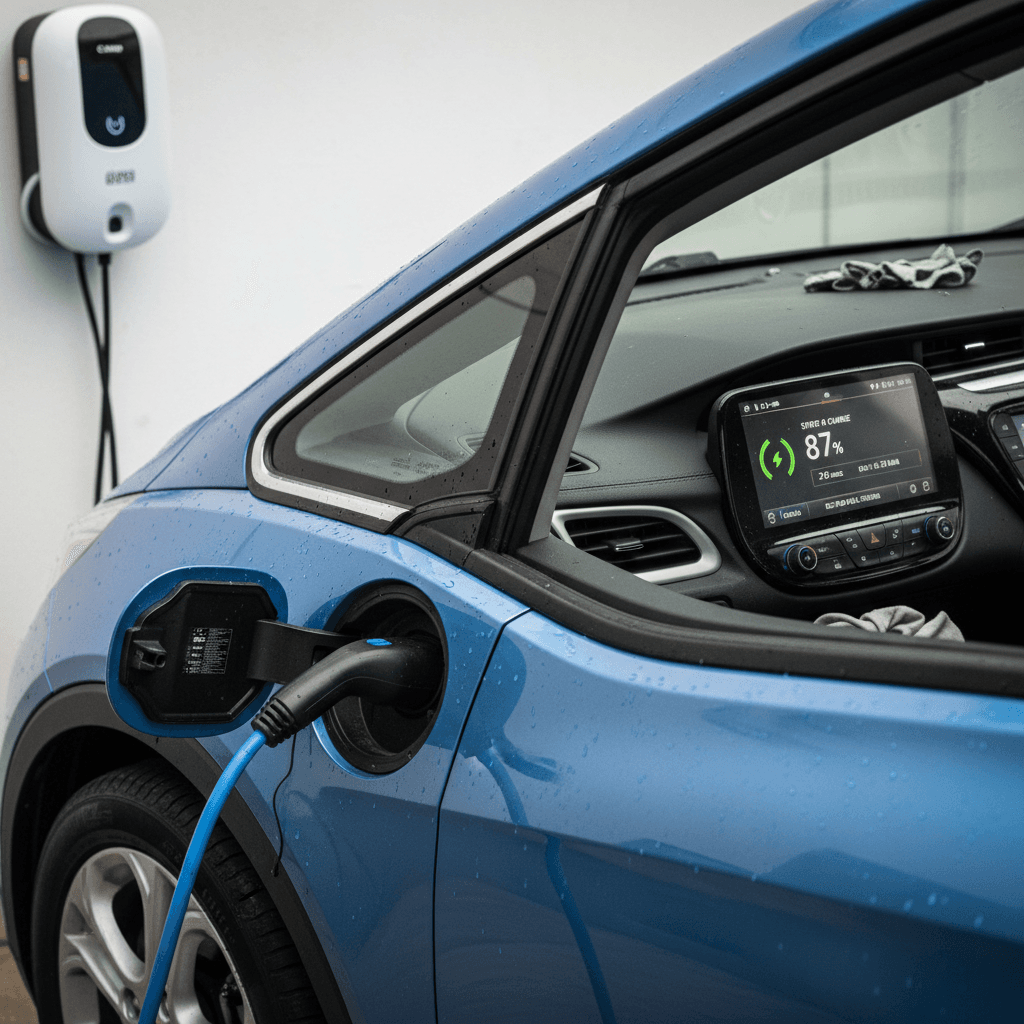
Battery & charging checks you can do as a shopper
1. Check state of charge (SoC) vs range
With the car at a known charge level (for example 80%), note the estimated remaining miles. If a 2022–2023 Bolt EUV at 80% is only showing 120–130 miles in mild weather, ask why. Short trips, extreme cold, and recent driving style can all affect the estimate, but it’s a clue worth noting.
2. Ask to see lifetime energy use
Many owners leave the trip computer running from new. A lower average kWh/100 miles suggests efficient driving. Very high consumption may hint at lots of high‑speed driving or heavy loads.
3. Inspect AC (Level 1/2) charging
Confirm the car charges normally from a Level 2 station or the included charge cord. Watch for any error lights on the dash, the charger, or at the charge port.
4. Verify DC fast‑charge behavior
If practical, plug into a DC fast charger briefly. The EUV should ramp up quickly toward its roughly 55 kW peak, then taper. Loud clicking, repeated stops, or error messages are red flags.
5. Look closely at charge ports
Open the front charge door. The upper J1772 AC portion and lower CCS DC pins should be clean, straight, and corrosion‑free. A broken latch or bent pin can get expensive fast.
6. Ask about charging habits
Politely ask how the car was charged: mostly home Level 2, or frequent DC fast charging? Occasional road‑trip fast charging is fine, but constant high‑power charging can be harder on the pack over time.
What about official battery tests?
Recall history and warranty checks
The Bolt family went through a high‑profile battery recall earlier in the decade. Most Bolt EUVs on the market today have already had recall work completed or were built after the highest‑risk batches, but you still want to verify, not assume.
Key questions about recalls and warranty
Use this as a script when you talk to a seller or dealer.
| Item | What to ask | What you want to hear |
|---|---|---|
| Battery recall status | “Has all recall work on the high‑voltage battery been completed, and can you show me documentation?” | Service invoices or a GM recall printout confirming completion. |
| Software updates | “Is the car running the latest battery and charging software updates from GM?” | Recent service dates with notes about software updates. |
| Open campaigns | “Are there any open recalls or service campaigns?” | “No open recalls,” or a clear plan to complete any that remain. |
| Battery warranty | “What’s the remaining battery warranty by time and miles?” | Clear explanation of GM’s 8‑year/100,000‑mile (typical) EV battery warranty and what’s left on this VIN. |
| Other warranty | “Is any bumper‑to‑bumper or powertrain warranty left?” | Exact dates/miles from an in‑service date lookup. |
Write these answers down so you can compare cars later.
If you can’t confirm recall completion…
Pricing, mileage, and value for money
By late 2025, used Chevy Bolt EUVs fall into a fairly predictable range. Recent market data shows late‑generation Bolts and Bolt EUVs (2022–2023) often landing around the $21,000–$28,000 mark depending on trim, mileage, options, and recall history. EUVs usually sit toward the top of that band because of their extra space and features.
How to sense‑check a Bolt EUV price
Three quick comparisons that keep you from overpaying.
Miles vs. model year
Compare odometer to age:
- Under 25k miles: Expect higher pricing.
- ~30k–60k miles: Sweet spot for value.
- 75k+ miles: Discount expected, and you’ll be out of basic warranty sooner.
Trim and options
Value what’s actually on the car:
- Premier, Super Cruise, and sunroof command a premium.
- Base LT without driver‑assist packages should be priced lower.
Compare to similar listings
Look at at least 3–5 comparable Bolt EUVs in your region.
If a price is thousands higher with no clear reason, negotiate, or keep looking.
Where Recharged fits in
In‑person inspection checklist
Even if you’re shopping mostly online, an in‑person or third‑party inspection is worth its weight in peace of mind. The Bolt EUV doesn’t have spark plugs to pull or oil leaks to chase, but you can still learn a lot with your eyes, ears, and a flashlight.
Exterior, interior, and under‑hood checks
Body panels & paint
Walk around the car slowly. Look for mismatched paint, waves in the panels, or uneven gaps that might suggest accident repairs. Small cosmetic dings are normal; structural repairs are a different story.
Lights, glass, and trim
Check headlights, taillights, and turn signals for cracks and condensation. Inspect windshield and panoramic roof (if equipped) for chips and cracks. Make sure trim pieces are secure.
Tires and wheels
Uneven tire wear can hint at alignment or suspension issues. Confirm tire brand, age, and tread depth, replacing four tires on a Bolt EUV isn’t cheap.
Brakes and suspension feel
Peek through the wheels at rotors and pads. On the test drive, listen for clunks over bumps or grinding when braking. EVs use regen a lot, so pads may look better than you’d expect for the mileage.
Interior wear
Check seat bolsters, steering wheel, and center console. Excessive wear or stains in a relatively young EV may indicate hard use or poor care.
Under‑hood and under‑body
You’re not checking for oil leaks, but you can still look for loose panels, missing fasteners, or evidence of under‑body impacts, especially near the battery pack shielding.
Don’t forget the charge port door
Test‑drive checklist: How a good Bolt EUV should feel
The test drive is where a used Bolt EUV tells you who it really is. With no engine noise to mask issues, you’ll hear more, both the good quiet and any bad rattles.
What to do on your Bolt EUV test drive
1. Start with a cold start
If possible, see the car first thing in the day. Cold starts can reveal noises and warnings that a warmed‑up car hides. Verify there are no warning lights or error messages on the dash.
2. Try one‑pedal driving
Engage one‑pedal mode and low‑speed regen. The car should slow smoothly when you lift off the accelerator, without shuddering or jerking.
3. Listen at parking‑lot speeds
In a quiet lot, turn the wheel lock‑to‑lock and listen for clunks, pops, or grinding. Any repeatable noise here deserves a mechanic’s opinion.
4. Accelerate firmly onto a highway
The Bolt EUV’s 200 hp motor should deliver brisk, linear acceleration. If it feels unusually sluggish, accompanied by warnings, have it checked.
5. Check steering and tracking
On a straight, low‑traffic road, gently loosen your grip on the wheel. The car should track straight without pulling sharply to one side.
6. Test all driver‑assist features
Try adaptive cruise, lane keep assist, parking sensors, and, if equipped, Super Cruise. Any feature that won’t engage or throws a message may need calibration or repair.
7. Evaluate cabin tech
Pair your phone, test Bluetooth audio, check the backup camera, and tap through menus. Make sure volume knobs, HVAC controls, and heated seats all work as advertised.
Use the silence to your advantage
Paperwork, financing, and ownership costs
Once you’ve found a Bolt EUV you like, the final checks are on paper. This is where you make sure the deal you’re about to sign matches the car that’s in front of you, and that you’re ready for EV ownership day‑to‑day.
Paperwork & history to review
- Title status: Make sure it’s clean (not salvage or rebuilt) unless you’re intentionally buying a branded‑title car at a deep discount.
- Vehicle history report: Look for prior accidents, flood damage, or odometer discrepancies.
- Service records: Regular tire rotations, brake inspections, and completed recalls show a car that’s been cared for.
- Odometer & VIN check: Confirm the VIN on all documents matches the dash and door‑jamb stickers, and that the odometer reading matches the paperwork.
Financing & long‑term costs
- Loan terms: Compare APR and total interest between lenders. EV‑friendly lenders sometimes offer better terms.
- Insurance: Get quotes by VIN, EVs can differ from gas cars in premium.
- Charging plan: Do you have a 240V outlet at home, or will you install one? Factor that into your budget.
- Incentives: Some regions offer rebates or credits even for used EVs; check your local programs.
Home charging costs in perspective
How Recharged makes buying a Bolt EUV simpler
If you’d rather not juggle spreadsheets, history reports, and range guesses, this is exactly the kind of work Recharged was built to handle. We specialize in used EVs, including the Chevy Bolt and Bolt EUV, and we’ve baked much of this checklist into our process.
What you get with a Bolt EUV from Recharged
Less guesswork, more confidence.
Recharged Score battery report
Every vehicle comes with a Recharged Score Report that includes verified battery health data, real‑world range insights, and a transparent look at how this specific Bolt EUV compares to others like it.
EV‑specialist inspection
Our team focuses on electric vehicles all day, every day. We look at the charging system, software updates, and recall history, not just the paint and tires.
Financing & nationwide delivery
We offer EV‑friendly financing, options to trade‑in your current car, and nationwide delivery, all through a fully digital process or with in‑person help at our Experience Center in Richmond, VA.
Ready to find your next EV?
Browse VehiclesGuided support, start to finish
Chevy Bolt EUV buying FAQ
Frequently asked questions about buying a Chevy Bolt EUV
Final thoughts: A checklist worth keeping on your phone
The Chevy Bolt EUV is one of those rare used‑car opportunities where smart homework can pay off for years. Get the battery, recalls, and charging story right, and you end up with a quiet, quick, low‑maintenance crossover that shrinks your fuel bills and fits easily into daily life. Use this Chevy Bolt EUV buying checklist as a companion while you browse listings, talk to sellers, and take test drives. And if you’d prefer an expert riding shotgun, figuratively, at least, Recharged is here with verified battery health, pricing analysis, and EV‑specialist support from first click to delivery.