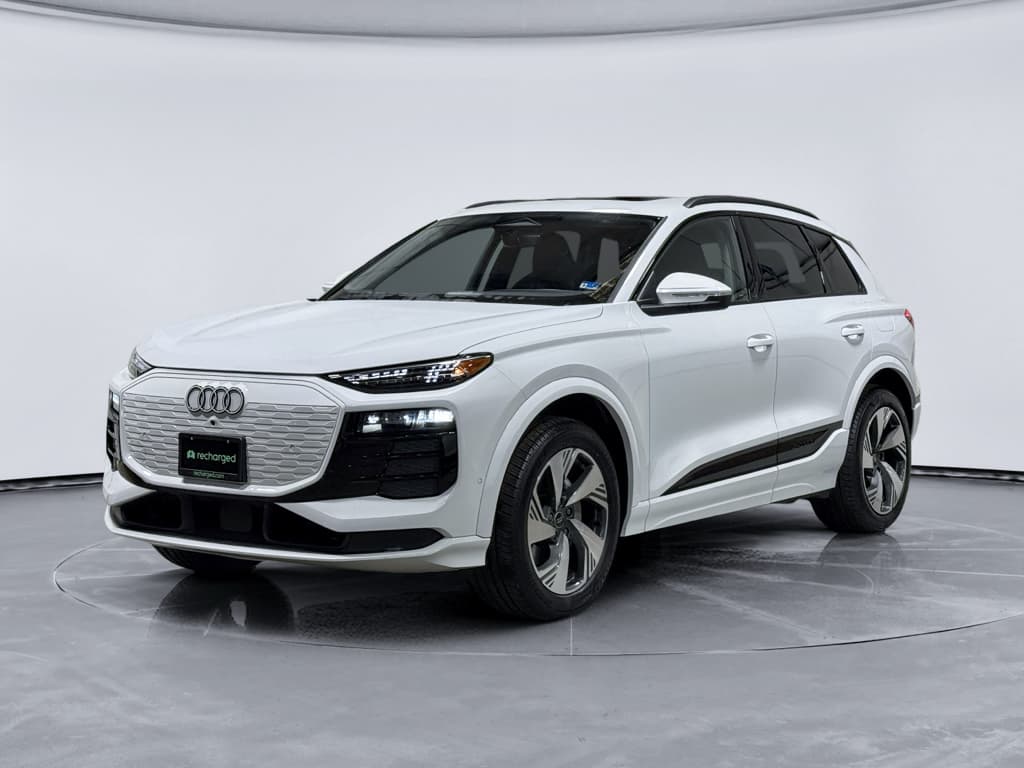
If you’re eyeing a luxury electric SUV, the 2023 Audi Q8 e-tron probably lands near the top of your list. The big question, though, is reliability, especially now that Audi has ended Q8 e-tron production and these SUVs are quickly migrating into the used market. Here’s a clear, data-informed look at how the 2023 Q8 e-tron is holding up and what that means if you’re shopping used.
Quick take
Overview: How Reliable is the 2023 Audi Q8 e-tron?
Because the 2023 Q8 e-tron is relatively new, long-term reliability data is still limited. Consumer-facing sources like Consumer Reports list the model with no reliability rating yet because there isn’t enough multi‑year data from owners. That means you need to lean more heavily on early owner feedback, independent road tests, and what we already know from earlier e-tron models.
2023 Audi Q8 e-tron at a Glance for Used Shoppers
Production has ended
Known Strengths and Weak Spots
Where the 2023 Q8 e-tron is strong
- Cabin quality: Typical Audi: quiet, solid-feeling, and well-finished. Owners often cite comfort as a standout.
- Ride comfort: The standard air suspension (in many trims) delivers a supple ride, especially on smaller wheels.
- Safety tech: A full suite of driver-assistance features and a strong legacy crash rating from the earlier e-tron.
- EV maturity: Audi used lessons from the 2019–2022 e-tron to tweak range and efficiency for 2023.
Where reliability concerns show up
- Energy efficiency: Independent tests often find the big Audi less efficient than rivals, hurting real‑world range and increasing charging stops.
- Battery & range complaints: A minority of owners report early range loss or battery-module issues that required complex repairs.
- Dealer EV experience: Some Audi stores are still ramping up EV training, which can mean longer downtimes if troubleshooting gets complicated.
- Discontinued model risk: With production ended, long‑term parts and software attention may focus on newer Audi EVs.
Battery Health and Range Degradation
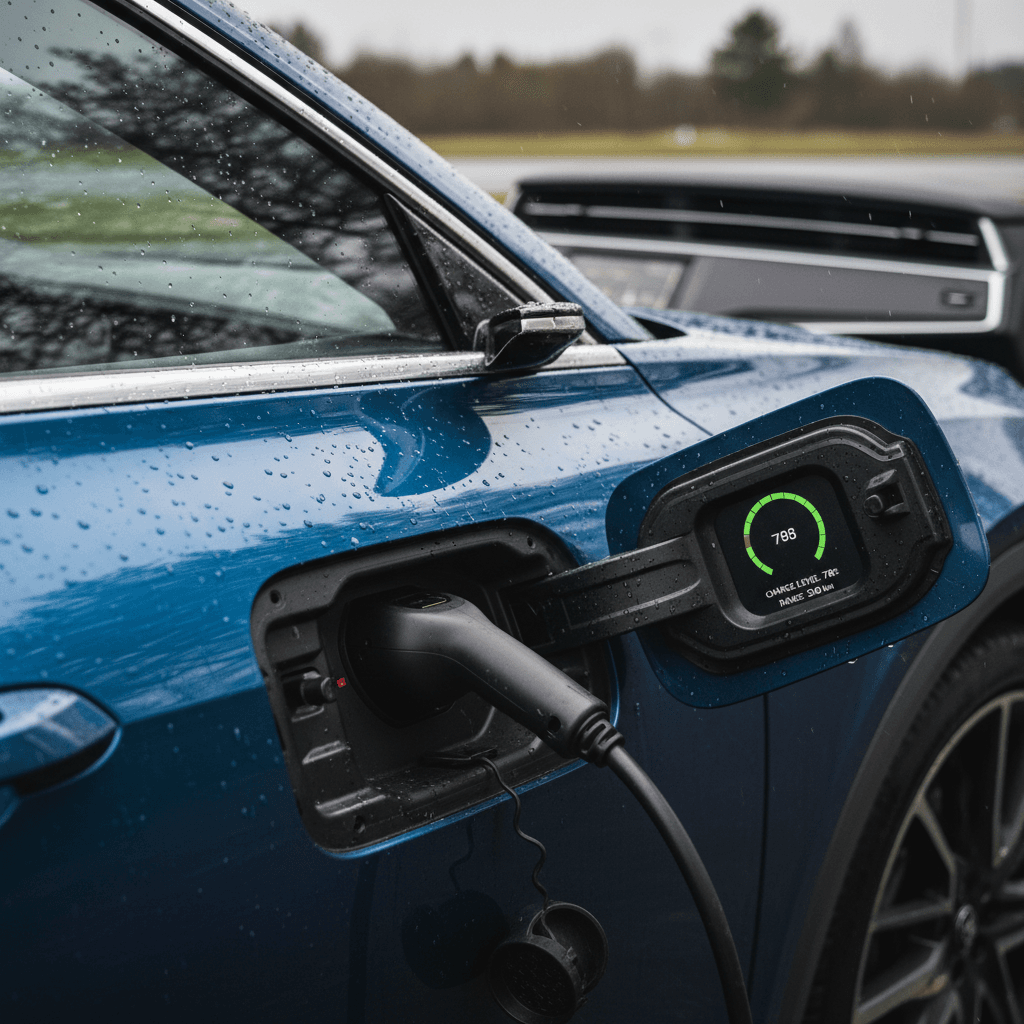
In an electric SUV like the 2023 Audi Q8 e-tron, battery reliability is the whole ballgame. The motors and single‑speed gearbox are relatively simple; what really determines whether this SUV feels dependable is how well the high‑voltage battery maintains range and how often it triggers trouble codes or limp‑home behavior.
Battery Reliability: What We’re Seeing So Far
Patterns from owner reports and early field experience
Improved vs. early e-tron
Real-world range is modest
Is early degradation an issue?
Why small degradation matters more on the Q8 e-tron
- Use DC fast charging when you need it, but rely on Level 2 at home or work when possible.
- Avoid storing the vehicle at 100% or very low state of charge for long periods.
- If you live in a hot climate, park in the shade or a garage when you can, heat is hard on any lithium‑ion pack.
- Keep software up to date; some updates tweak thermal management and range estimation.
Audi’s high‑voltage battery warranty typically runs 8 years or 100,000 miles for capacity and defects, but the fine print matters. Warranties usually only trigger if capacity drops below a set threshold, so a Q8 e-tron that has lost, say, 15–20% range may still be considered "within spec." That’s exactly why third‑party battery health testing is valuable when you’re buying used.
Common Issues Reported by Owners
Because full reliability datasets aren’t mature yet, the best early insight comes from real owner experiences, service bulletins, and lemon‑law cases. Most 2023 Q8 e-tron owners report trouble‑free driving, but the pattern of complaints is worth understanding before you buy.
2023 Audi Q8 e-tron: Early-Stage Issue Landscape
Not every Q8 e-tron will see these problems, but these are themes that show up more than once in owner reports and case studies.
| Area | Example Symptoms | Reliability Impact | What to Ask/Check |
|---|---|---|---|
| High-voltage battery & range | Noticeable drop in range vs. first months of ownership; car never reaches estimated miles even in mild weather | Can lead to repeat dealer visits, battery module replacements, or ongoing "range anxiety" if not resolved | Request state-of-health data, look for any high-voltage battery repairs, and compare real‑world range to original EPA estimates. |
| Charging behavior | Slow DC fast charging, inconsistent charge curve, or frequent charging errors at stations that work fine for other EVs | Inconvenient on road trips; usually software, charging hardware, or temperature‑related rather than outright failure | Test DC fast charging before you buy, and review any service history related to on‑board charger or DC fast‑charge faults. |
| 12V battery & electronics | Car won’t "wake up," parasitic drains traced to stuck seat switch or other comfort electronics | Annoying no‑start situations and potential towing if the 12V system dies unexpectedly | Check for 12V battery replacements under warranty and ask about any parasitic-draw diagnostics or interior switch repairs. |
| Climate & cooling systems | AC noises after battery work, "cooling system malfunction" warnings, or repeated HVAC repairs | Usually fixable but can trigger long service visits given the complexity of EV thermal systems | Inspect invoices for compressor replacements, cooling system diagnostics, or repeat AC visits within short mileage windows. |
| Driver-assistance quirks | Overly aggressive lane-keeping, false collision warnings, or phantom braking episodes | More of a drivability/comfort issue than a failure, but can affect confidence on multi‑lane highways | During a test drive, exercise lane-keeping, adaptive cruise, and AEB in varied conditions to see if the behavior feels predictable. |
Use this table as a checklist when you review service records or schedule a pre‑purchase inspection.
How to turn anecdotes into a real risk assessment
Safety and Driver-Assistance Reliability
On paper, the 2023 Audi Q8 e-tron’s safety story is strong. Its predecessor, the original e-tron SUV, earned a five‑star Euro NCAP crash rating, and the Q8 e-tron builds on the same basic structure with refinements to driver-assistance tech. Audi also has a long track record for solid crash performance and advanced safety features.
Safety & ADAS: What Used Buyers Should Know
Good hardware, but calibration and tuning matter
Structural safety
Driver-assistance tuning
Sensor reliability
Don’t confuse annoyance with failure
Running Costs, Maintenance, and Repair Realities
EVs tend to be simpler mechanically than gas SUVs, no oil changes, fewer moving parts, and no exhaust or transmission to service. That pattern largely holds for the 2023 Audi Q8 e-tron. Where costs can spike, however, is when something high‑voltage or electronics‑related does go wrong and a dealer has to spend days diagnosing it.
Ownership Costs: Where the Q8 e-tron is Predictable, and Where It Isn’t
Budget for more than just electricity
The "easy" side of ownership
- No engine maintenance: No oil changes, spark plugs, or timing chain to worry about.
- Brake wear often low: Regenerative braking can extend pad and rotor life, especially for city drivers.
- Scheduled maintenance: Routine checks, cabin filters, brake fluid, and inspections are similar to other premium EVs.
Where costs can climb
- Out-of-warranty electronics: Replacement of complex control modules or infotainment components can be pricey.
- Battery-related repairs: Module replacements or high‑voltage contactor work are time‑intensive jobs if they fall outside warranty.
- Dealer downtimes: Some stores still building EV expertise may keep the car for weeks while chasing intermittent issues.
Leaning on EV‑savvy partners pays off
What This Means if You’re Buying Used
If you like the way the 2023 Audi Q8 e-tron drives, and plenty of owners do, the reliability question isn’t whether it will fall apart. It’s whether the range, battery behavior, and electronics will match your expectations over the next 5–8 years. Here’s how to approach a used example with a dealer or private seller.
Used 2023 Audi Q8 e-tron Reliability Checklist
1. Get objective battery health data
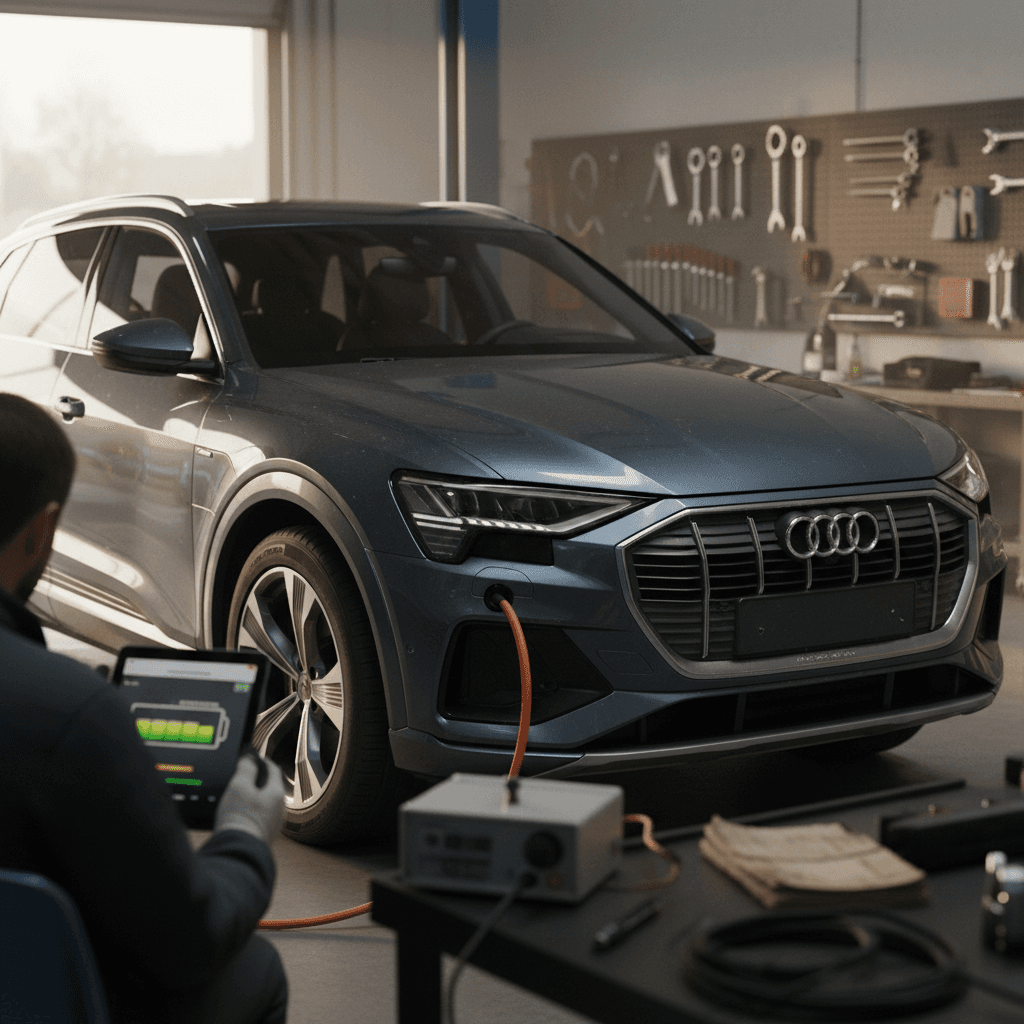
Ask for a <strong>state-of-health (SoH) report</strong> from a reputable diagnostic tool, not just range guesses from the trip computer. Ideally you’ll see a pack that’s still in the mid‑ to high‑90% range after a couple of years.
2. Compare real-world range to expectations
On your test drive, reset the trip computer on a fully or mostly charged battery and drive a known route at highway speeds. Compare energy use and projected range to what Audi originally advertised and what you actually need day to day.
3. Scrutinize service records for repeat visits
One A/C repair or one software update isn’t a red flag. Multiple visits for the <strong>same battery, charging, or cooling concern</strong> within a short mileage window is a sign to proceed carefully, or walk away.
4. Test DC fast charging before you buy
If possible, plug into a known‑good DC fast charger. Watch how quickly the car ramps up and whether it holds a reasonable rate. Strange behavior here can foreshadow time‑consuming troubleshooting later.
5. Exercise all driver-assistance features
Take time to test lane-keeping, adaptive cruise, automatic emergency braking, and parking aids. You’re looking for <strong>predictable, repeatable behavior</strong>. If the system feels erratic, note it in your negotiations or have it inspected.
6. Confirm warranty coverage and terms
Verify remaining factory coverage on both the <strong>bumper‑to‑bumper</strong> and <strong>high‑voltage battery</strong> warranties. If they’re close to expiring, consider whether an extended plan from a trusted provider makes sense for you.
Don’t ignore software history
How Recharged Evaluates Q8 e-tron Battery Health
Because reliability for a used 2023 Audi Q8 e-tron mostly comes down to battery health and charging behavior, Recharged builds that into the process from day one. Every vehicle listed on our platform includes a Recharged Score Report that makes the invisible visible.
What Recharged Looks At on a Q8 e-tron
Making a high‑voltage system as transparent as a Carfax report
Verified battery diagnostics
Charging and thermal behavior
Ownership & cost clarity
Ready to find your next EV?
Browse VehiclesWhy this matters for a discontinued model
FAQ: 2023 Audi Q8 e-tron Reliability
Frequently Asked Questions
The 2023 Audi Q8 e-tron is not a horror‑story EV, nor is it a set‑and‑forget appliance. It’s a comfortable, premium electric SUV with a reliability profile that hinges on factors most gas buyers never had to think about: battery state of health, charging behavior, and software. If you do your homework, especially on the high‑voltage side, and use objective tools like Recharged’s Score Report to separate the strong examples from the shaky ones, a used Q8 e-tron can still be a compelling way to get into a luxury EV at a significant discount from new.