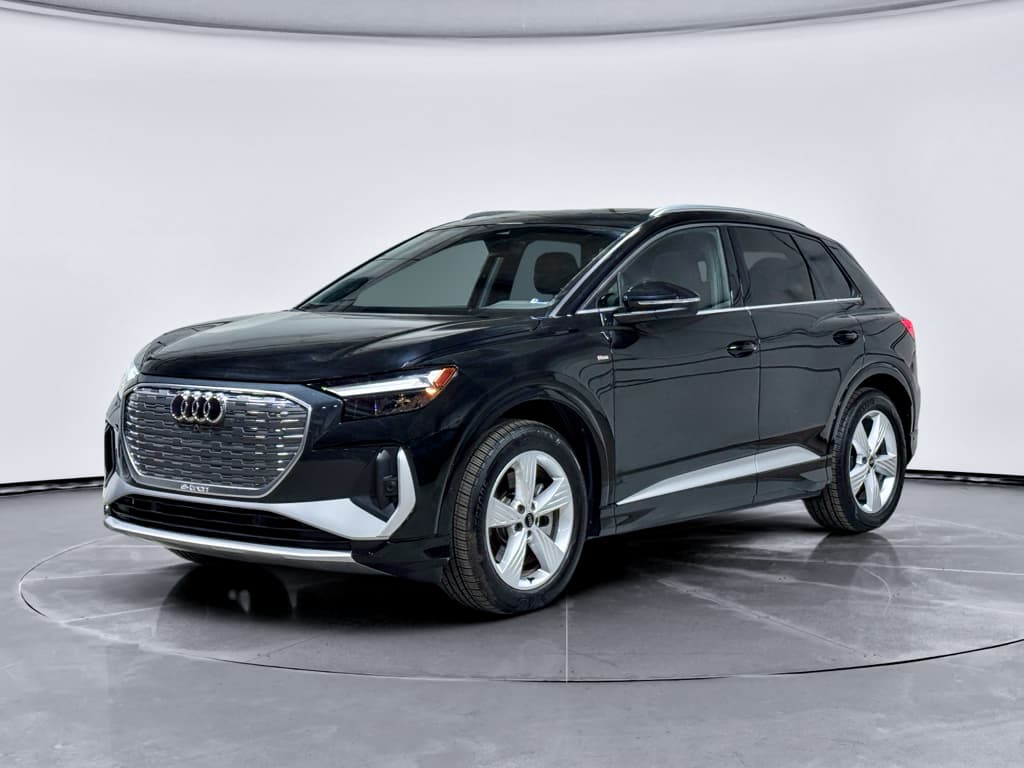
The 2023 Audi Q8 e-tron is the facelifted successor to the original e-tron SUV, more range, a nicer interior, and classic Audi refinement. But if you search for 2023 Audi Q8 e-tron problems, you’ll find threads full of charging headaches, range disappointment, and software weirdness. This guide pulls together the most common issues owners report, what’s background noise versus genuine red flag, and how to shop smart if you’re considering a used Q8 e-tron.
Quick take
Overview: Should You Worry About 2023 Q8 e-tron Problems?
Where the Q8 e-tron shines
- Quiet, comfortable highway cruiser with classic Audi build quality
- Well‑tuned air suspension (when it’s working properly)
- Real luxury cabin, not a science project
- Solid safety tech and crash structure
Where owners complain
- Real‑world range falling short of expectations, especially on U.S. highways
- DC fast charging issues and Electrify America dependency
- Software & infotainment bugs, plus myAudi / EA integration problems
- Some reports of brake vibration and suspension wear
Key context
Most Common 2023 Audi Q8 e-tron Problems
Most-talked-about Q8 e-tron issues (based on owner reports
Let’s unpack each of these groups of problems so you can separate deal‑breakers from annoyances, and know what to look for in a used 2023 Q8 e-tron.
Battery, Range and Degradation Concerns
On paper, the 2023 Audi Q8 e-tron improves on the original e-tron’s weak range with a larger usable battery and efficiency tweaks. In practice, many American owners still complain that real‑world range lags expectations, especially at 70–80 mph or in cold weather. Some report seeing only 150–200 miles at 80% charge after the first year, even on the higher‑capacity 55 or SQ8 variants.
- Noticeable range loss within the first 12–24 months of ownership
- High highway consumption, especially above ~70 mph or in winter
- Range estimates that swing dramatically with temperature and driving style
- Range gap between EPA rating and what owners see on U.S. interstates
How to sanity‑check Q8 e-tron battery health
Independent shops that specialize in EVs report that Q8 e-tron battery packs are generally robust, but individual modules can drift over time, causing the car to protect itself with reduced usable capacity. That shows up to you as “sudden” reduced range. The fix is usually a software calibration or, in more serious cases, module replacement, both of which should be covered under the original battery warranty on a 2023 model.
Where Recharged helps
DC Fast Charging and Electrify America Headaches
Scroll through Q8 e-tron owner forums and you’ll see a recurring theme: the car AC charges fine at home, but DC fast charging can be flaky. Owners describe plugging into multiple DC fast chargers (including but not limited to Electrify America), watching the charger “think” for minutes, and then timing out with no session started, even though Level 2 works perfectly.
- Handshake failures where the charger times out before the session starts
- Inconsistent peak DC rates, especially on busy or hot days
- Plug & Charge issues with legacy free‑charging subscriptions on used vehicles
- In some cases, DC fast charging disabled by a “stuck” fault code until a dealer clears it
Don’t blame the car for every charging failure
If a 2023 Q8 e-tron won’t DC fast charge…
Here’s the rough decision tree owners and techs actually use
1. Try a different station
Start simple:
- Different stall, same site
- Then a different network entirely
- Rule out a bad charger before you blame the car
2. Bypass Plug & Charge
Especially on used Q8 e-trons, outdated myAudi / EA setup can block sessions:
- Disable Plug & Charge in MMI
- Start the session from the app or card instead
3. Get faults cleared
If the car has logged a DC charging fault, it may refuse new sessions until it’s cleared:
- Ask the dealer to scan for charging faults
- Update charging and battery software
The Q8 e-tron’s DC hardware is capable of competitive speeds for its class, but the combination of a heavy SUV, modest voltage, and inconsistent public infrastructure means long‑distance road‑tripping still takes planning. If you rely on fast charging often, it’s worth test‑driving the exact car on your local DC network before you buy.
Software, Infotainment and App Glitches
Like most modern luxury EVs, the 2023 Q8 e-tron leans heavily on software, and that’s where a lot of owner frustration lives. Issues range from minor annoyances to “I’ve been back to the dealer three times and it’s still weird.”
- myAudi app bugs that prevent starting or stopping EA sessions, or that randomly log you out
- Connectivity problems (vehicle stuck reporting old data, or weak cellular signal)
- Infotainment screen freezing or rebooting mid‑drive
- Glitches with CarPlay/Android Auto, especially on older smartphones or after OS updates
- Instrument cluster or camera view delays, particularly when shifting into reverse
Rearview camera software recall
The reality is that most Q8 e-tron software quirks are annoying rather than dangerous, and many are fixed by over‑the‑air or dealer‑installed updates. The bigger problem is inconsistency across dealers: some stores have strong EV techs who chase down bugs, others treat every infotainment issue like an isolated one‑off.
Smart move before you buy used
Driver Assistance Issues: Lane Keep and Phantom Braking
Several Q8 e-tron owners complain that Audi’s lane‑keeping and adaptive cruise tuning can be over‑aggressive. In day‑to‑day driving, that shows up as the car “ping‑ponging” within the lane, trying to pull you away from poorly marked edges, or even braking sharply when there’s no obvious obstacle, what drivers often describe as phantom braking.
- Lane assist tugging aggressively on the wheel, especially on curvy or poorly marked roads
- Automatic steering trying to pull into or away from exit lanes
- Unexpected hard braking when the system misreads shadows, parked cars, or merge zones
- Lane assist defaulting back on at each start, requiring manual deactivation every drive
Treat driver assistance as support, not autopilot
If a specific car feels particularly bad, yanking at the wheel, repeatedly slamming the brakes for no reason, that’s worth a dealer visit. Misaligned cameras, radar sensors, or incorrect calibration after collision repair can all make the system misbehave. For a used purchase, it’s also a hint to ask about any prior accident damage.
Brakes, Suspension and Ride Quality
The Q8 e-tron is a heavy, air‑suspended luxury SUV riding on big wheels. When everything’s fresh, it’s one of the more comfortable EVs in its class. But owners and safety complaints do flag some recurring issues around brakes and suspension, especially as miles accumulate.
- Brake vibration or pulsation under moderate braking, even after rotor and pad replacement
- Premature brake wear on higher‑mileage or aggressively driven vehicles
- Air suspension faults (warning lights, uneven ride height, compressor running loudly)
- Knocks or clunks over bumps from worn bushings or dampers
Watch for repeat brake repairs
Independent data suggests that air‑suspension repairs and brake work are some of the most expensive non‑battery jobs on a Q8 e-tron. That’s not unique to Audi, big premium SUVs from BMW and Mercedes have similar patterns, but it matters if you’re buying out of warranty or planning long‑term ownership.
Recalls and Technical Service Bulletins for the Q8 e-tron
Because the Q8 e-tron is closely related to earlier e-tron models, it sits inside a wider ecosystem of VW Group recalls and service campaigns. The exact list for a 2023 Q8 e-tron will depend on its build date and region, but there are a few themes to be aware of:
Typical recall & campaign themes affecting Q8 e-tron family
Always verify any specific VIN on the NHTSA site or with an Audi dealer.
| Area | What it looks like | Typical fix |
|---|---|---|
| Rearview camera / visibility | Delayed or missing camera image when shifting into reverse | Software update to the camera/control unit |
| Software / instrument cluster | Cluster or virtual cockpit display may intermittently fail, losing critical info like speed | Software update at dealer |
| Charging / HV system | Stored DC charging faults, limited fast‑charge capability, or warning messages | Diagnostic scan, software updates, sometimes hardware replacement |
| Safety‑related ADAS | Warnings or changed behavior in lane‑keep or collision‑avoid systems | Sensor calibration and/or updated software |
This table is illustrative, not exhaustive. Ask the seller, or your Audi service advisor, for a recall printout by VIN.
How to check a specific 2023 Q8 e-tron
- All open safety recalls are completed
- All software campaigns and key TSBs for charging, ADAS, and cameras are done
What These Problems Mean If You’re Buying Used
If you’re shopping the 2023 Audi Q8 e-tron on the used market, you’re probably seeing some eye‑catching depreciation. That’s the upside of early‑generation luxury EVs: they fall hard from MSRP. The downside is exactly what we’ve walked through, complex hardware, a lot of software, and a battery‑electric architecture that depends heavily on how the first owner drove and charged it.
Good candidates for used buyers
- Low‑mileage, single‑owner vehicles with complete service history
- Cars that spent most of their life AC charging at home
- Examples with all major software and camera/charging campaigns completed
- Vehicles selling from EV‑savvy dealers or platforms that can show battery data
Situations to approach cautiously
- Q8 e-trons with vague or missing service records
- Repeated visits for brake vibration, charging faults, or ADAS misbehavior
- Cars that lived on DC fast charging (rideshare, heavy road‑trip use)
- Out‑of‑warranty examples without an extended service plan or EV‑specialist inspection
How Recharged de‑risks used Q8 e-trons
Ready to find your next EV?
Browse VehiclesPre‑Purchase Checklist for a Used 2023 Q8 e-tron
10 things to check before you sign
1. Confirm battery warranty status
Ask for the in‑service date and verify how many years and miles of high‑voltage battery coverage are left. A 2023 Q8 e-tron should still have significant battery warranty remaining.
2. Get real battery health data
Don’t rely only on the dash. Ideally, use a platform like Recharged that runs a proper battery‑health test or have an EV‑savvy shop pull pack data and module balance information.
3. Test real‑world range
Start at a known state of charge, drive at your normal highway speed for 20–30 miles, and see if the projected full‑pack range lines up with your expectations.
4. Fast‑charge it on your local network
If you plan to road‑trip, take the actual car to a nearby DC fast charger. Confirm it starts sessions reliably and reaches reasonable charge rates for its state of charge and temperature.
5. Verify recall and software campaigns
Run the VIN on the NHTSA site and ask an Audi dealer for a recall/campaign report. Make sure rearview camera, cluster, and critical HV/charging updates are done.
6. Evaluate driver‑assist behavior
On a test drive, try lane‑keep and adaptive cruise on both highway and suburban roads. If the car yanks the wheel, dives for exits, or brakes unpredictably, have the sensors and calibration checked, or walk away.
7. Listen and feel for brake issues
From 40–60 mph, brake gently and feel for vibration or pulsing. Ask for records of any prior brake work; repeated rotor replacements in short mileage are a red flag.
8. Inspect air suspension operation
Cycle through ride‑height modes, listen for an overworked compressor, and look at the car from front and rear for any sagging corners. Air‑suspension repairs can be pricey.
9. Stress-test the infotainment
Pair your phone, use navigation, flip between sources and apps. Watch for freezing, black screens, or slow camera activation when you select reverse.
10. Plan the total cost of ownership
Factor in potential out‑of‑warranty repairs, tire costs for heavy EVs, and your home charging setup. Compare that to alternatives you’re considering, not just the purchase price.
FAQ: 2023 Audi Q8 e-tron Problems
Frequently asked questions about 2023 Q8 e-tron issues
Bottom Line: Is the 2023 Q8 e-tron Worth It Used?
If you’re chasing maximum range per dollar, the 2023 Audi Q8 e-tron probably isn’t your first pick. But if you care more about a refined, comfortable electric SUV with a proper luxury interior, and you’re willing to be choosy about the example you buy, it can be a compelling used value.
The key is to treat the well‑publicized 2023 Audi Q8 e-tron problems as a checklist, not a deal‑breaker: verify battery health, test fast charging where you actually drive, make sure software and recalls are current, and pay attention to brakes and suspension on the test drive.
If you’d rather not manage all that yourself, browsing Q8 e-trons on Recharged lets you start with vehicles that already have verified battery health, transparent history, and EV‑specialist screening. That way you spend less time worrying about what might go wrong, and more time deciding whether this particular flavor of German electric luxury actually fits your life.