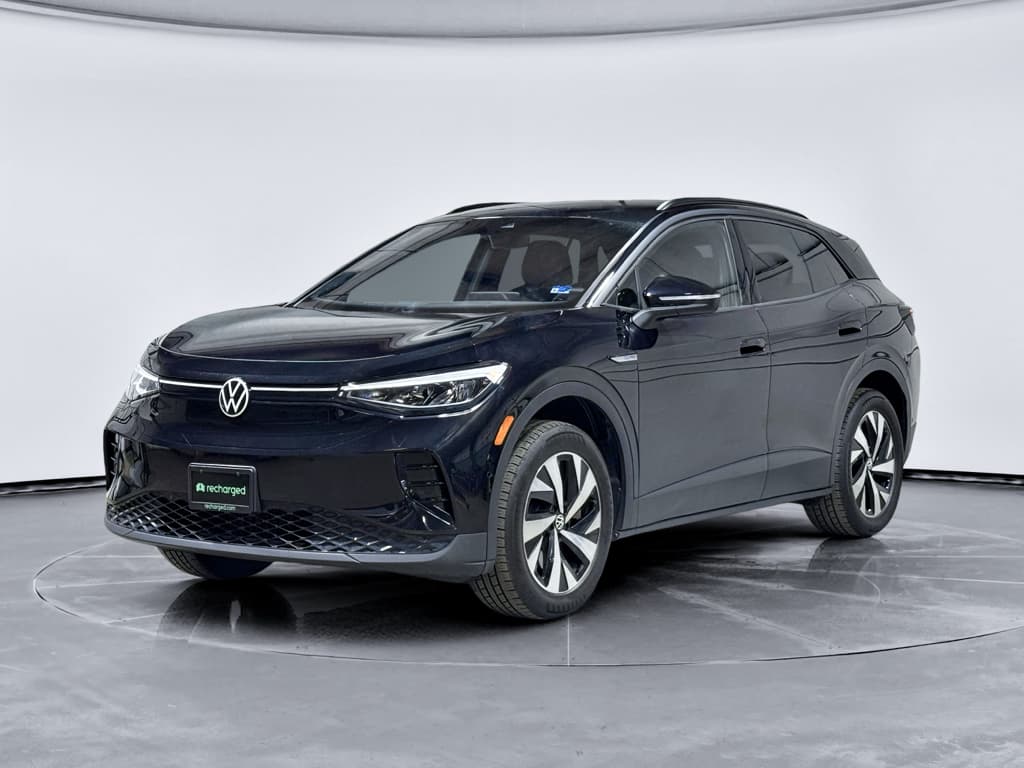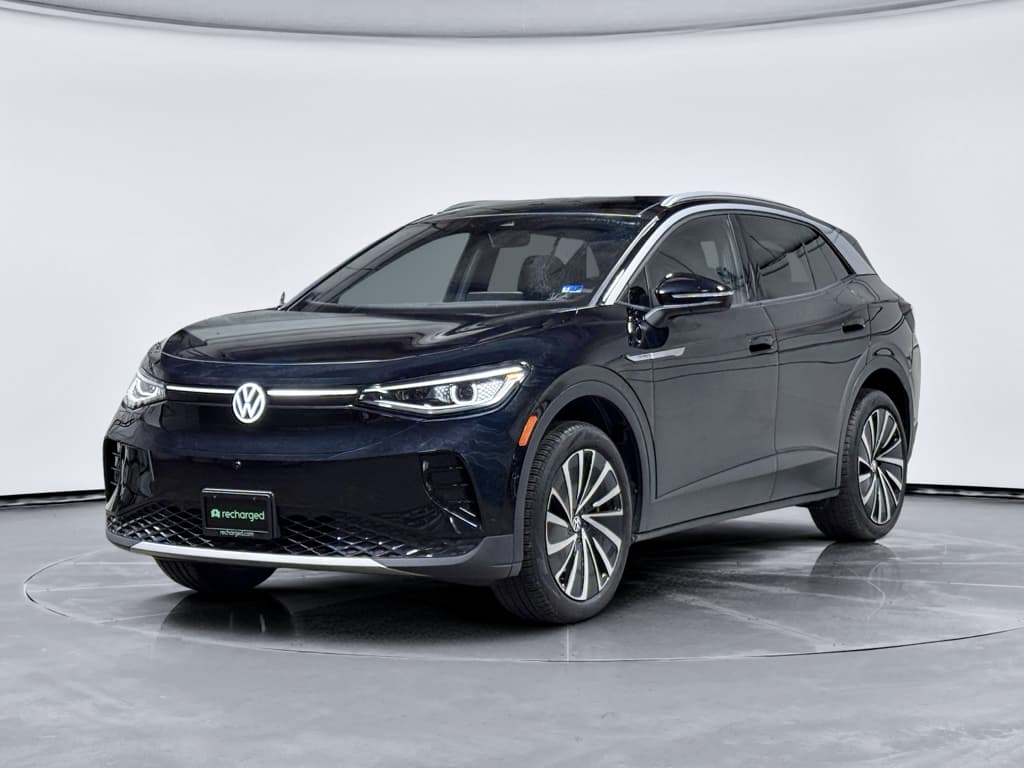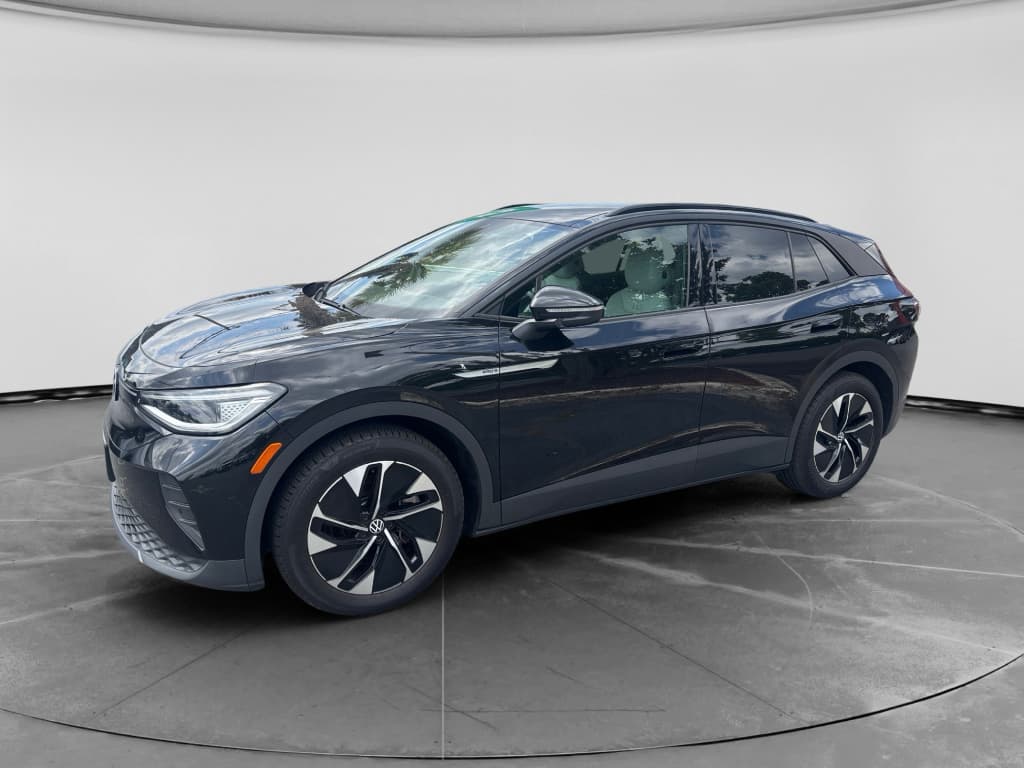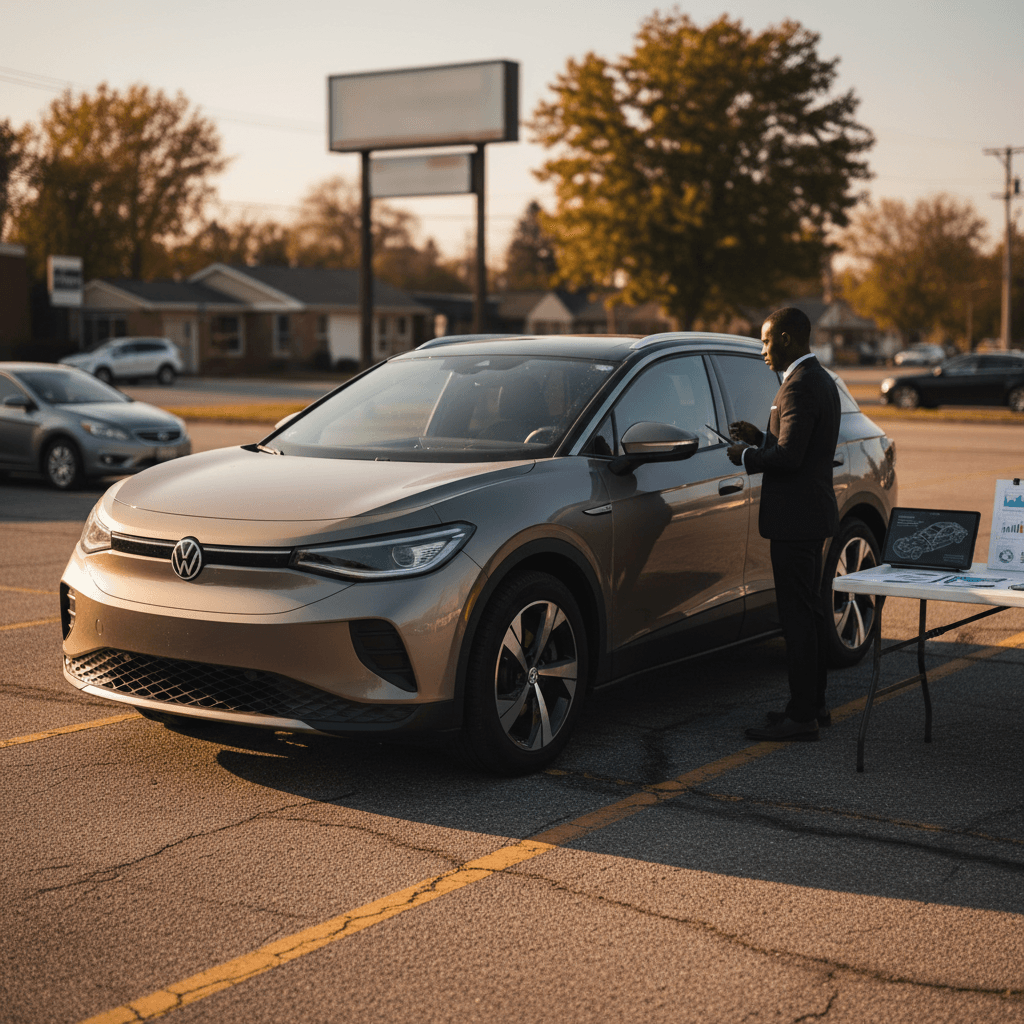
If you’re shopping for a practical, affordable used electric SUV, a 2022 Volkswagen ID.4 is going to pop up, a lot. It’s roomy, comfortable, and one of the more relaxed-driving EVs out there. But it’s also a product of Volkswagen’s early software-learning years, which means you need to shop with your eyes open. This 2022 Volkswagen ID.4 buying guide walks you through trims, range, charging, reliability, pricing, and the smart checks to make before you sign anything.
Model-year snapshot
Why the 2022 VW ID.4 Is Worth a Look Used
2022 Volkswagen ID.4 at a glance
The 2022 ID.4 sits in a sweet spot for used EV shoppers. Compared with the 2021 model, it picked up a bit more range and faster DC fast charging, and many early software bugs were at least partially ironed out. Against newer rivals like the Hyundai Ioniq 5 and Kia EV6, it’s not the quickest or flashiest, but it offers a calm ride, a big back seat, and a nearly flat cargo area that works beautifully for family duty.
Why 2022 (not 2021 or 2023)?
2022 ID.4 trims, drivetrains, and key specs
In the U.S., the 2022 Volkswagen ID.4 lineup revolves around a single battery size and two trims, each offered with rear‑wheel drive (RWD) or all‑wheel drive (AWD). That simplifies your life compared with some EVs that come in four battery sizes and a dozen option packages.
2022 Volkswagen ID.4 U.S. trims and highlights
Use this table to quickly compare power, range, and key features between trims before you shop.
| Trim | Drivetrain | Power | EPA range (approx.) | Key highlights |
|---|---|---|---|---|
| Pro | RWD | 201 hp | ~280 miles | 19" wheels, cloth seats with leatherette bolsters, heated front seats, heat pump on many builds, 12" touchscreen, IQ.Drive driver assistance. |
| Pro S | RWD | 201 hp | ~268–275 miles | Adds panoramic fixed glass roof, power tailgate, premium upholstery, ambient lighting, upgraded seats, more convenience features. |
| Pro AWD | AWD dual motor | 295 hp | ~251–255 miles | Quicker acceleration, better traction in snow and rain, towing up to about 2,700 lbs when properly equipped. |
| Pro S AWD | AWD dual motor | 295 hp | ~245–251 miles | Top-spec comfort and tech with AWD performance; usually the priciest used 2022 ID.4. |
All 2022 U.S. ID.4s use the larger 82 kWh gross battery pack (about 77 kWh usable).
Smart value pick
RWD: efficiency and value
- Best range: If you road trip or do long commutes, the RWD Pro’s extra miles matter.
- Simpler hardware: Fewer moving parts and slightly less stress on the battery in daily use.
- Lower cost: RWD models usually undercut AWD by several thousand dollars on the used market.
AWD: traction and punch
- Quicker off the line: Dual motors make the ID.4 feel more confident merging and passing.
- Better in winter: If you live where it snows, AWD plus proper winter tires is worth the range hit.
- Towing: Check the individual car’s tow rating and hitch equipment if you plan to pull a small trailer.
Range and charging: what to expect in the real world
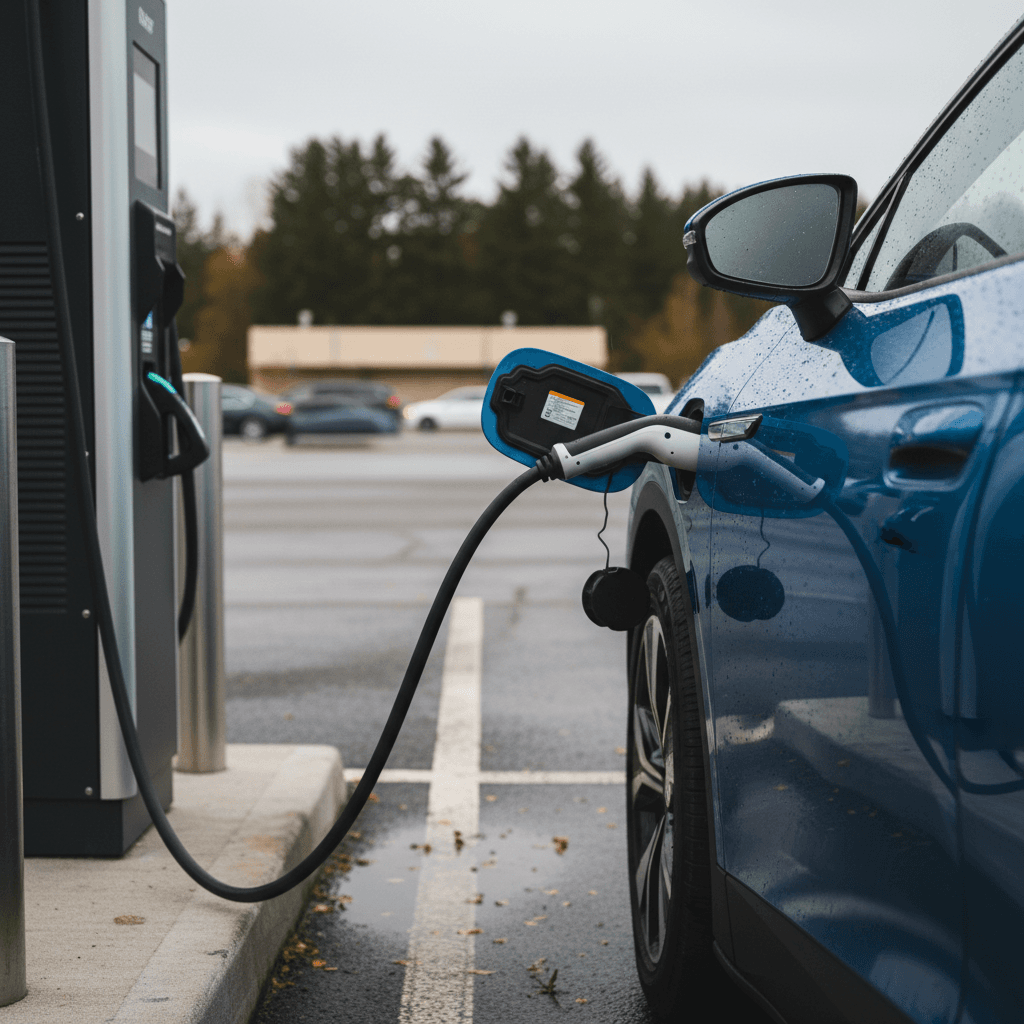
On paper, a 2022 ID.4 looks like a solid long‑range EV, and in the real world it generally is, if you respect physics. Battery size is about 77 kWh usable, and depending on trim you’re looking at EPA estimates in the mid‑200‑mile range. But weather, speed, cargo, and hills all chip away at those numbers.
Typical 2022 ID.4 range expectations
EPA ratings are a starting point, here’s what many owners see day to day.
City and mixed driving
In mild weather, many RWD owners report 230–260 miles per charge with normal driving and climate use.
Highway at 70–75 mph
Expect closer to 190–220 miles on a full charge at U.S. interstate speeds, especially in colder temps.
Winter conditions
In real cold, range can dip 25–40%. Preconditioning while plugged in and using seat/steering wheel heaters help.
Don’t chase 0%
- AC Level 2 charging: The ID.4 carries an 11 kW onboard charger. On a 240‑volt, 40–50 amp home circuit, a full charge from low state‑of‑charge overnight (roughly 7–9 hours) is easy.
- DC fast charging: 2022 models improved peak DC fast‑charge power to around 135 kW at compatible stations, trimming time from about 5–10% to 80% into the 30–40‑minute window in good conditions.
- Public network compatibility: As a 2022 model, the ID.4 uses the CCS fast‑charging standard. Over time, more public sites are adding NACS (Tesla‑style) plugs, but CCS will remain widely supported for years.
Home charging makes this car
Interior space, tech, and everyday usability
Volkswagen didn’t try to turn the ID.4 into a spaceship. Inside, it feels more like a thoughtfully modern family crossover than a rolling tech demo, especially compared with some rival EVs. The driving position is upright but comfortable, and the flat floor makes the back seat adult‑friendly even for three across on short trips.
What it’s like to live with a 2022 ID.4
Strengths, quirks, and where you might feel compromises.
Space & comfort
Lots of headroom and a generous back seat. The cargo area is square and usable, with a low load floor and split‑folding rear seats.
Infotainment & controls
Every 2022 gets a 12" central touchscreen. The interface is capable but menus can feel deep, and touch‑slider volume/temp controls annoy some owners.
Ride & noise
The ID.4 rides softly and feels planted, prioritizing comfort over razor‑sharp handling. Road and wind noise are well controlled for the class.
Over-the-air updates matter
Reliability: common 2022 ID.4 problems to know
Here’s the blunt truth: the 2022 ID.4’s fundamentals, battery pack, motors, structure, are generally solid, but the ownership story is shaded by software gremlins and electronic hiccups. Owner reports and third‑party reliability data put the ID.4 on the more troublesome side of the EV spectrum, especially compared with the best from Hyundai and Tesla.
Most common 2022 ID.4 issues reported
Not every car will have these, but you should actively look for them when shopping used.
Software & infotainment glitches
- Freezing or rebooting main screen.
- Delayed rear‑view camera or park sensors.
- Random warning messages that clear on restart.
Many are fixed with updates, but some cars bounce in and out of the service bay.
12‑volt battery and electronics
- Weak or failed 12‑volt battery causing no‑start conditions.
- Occasional communication faults between modules.
- Keyless entry, door handle, or lighting quirks.
Charging and high-voltage quirks
- Inconsistent DC fast‑charging speeds compared with sticker specs.
- Charging sessions that fail to start or stop unexpectedly.
- Some of this is station‑related, but cars with repeat issues deserve extra scrutiny.
Build quality complaints
- Rattles from trim and cargo area.
- Wind noise from doors or glass on some vehicles.
- Misaligned exterior panels or weatherstripping.
Cosmetic flaws are common in the early production years of new EVs; the trick is separating annoyance from real defect.
Do not skip recall checks
You’ll also want to look at pattern of repairs. A single software update or 12‑volt battery replacement is not a big deal. A stack of service visits for the same charging or electrical complaint, on the other hand, is a red flag. This is where a platform like Recharged can help, because every car includes a Recharged Score Report with a deep dive on charging behavior, battery health, and known-issue screening for that VIN.
Battery health and warranty coverage
Battery anxiety is real when you’re buying used, but the ID.4’s pack has some reassuring fundamentals. It’s a liquid‑cooled, under‑floor lithium‑ion pack with a long warranty and, so far, relatively few reports of severe degradation compared with some early‑generation EVs.
Battery, warranty, and what to confirm
1. Understand the factory warranty
For U.S. buyers, Volkswagen’s high‑voltage battery warranty is typically 8 years or 100,000 miles from the in‑service date (whichever comes first), with a minimum capacity promise. In 2026, many 2022s still have several years and tens of thousands of miles of coverage left.
2. Ask for a battery health report
Ideally, you want more than a dashboard guess. At Recharged, every car comes with a <strong>Recharged Score battery health diagnostic</strong> that uses real charging and driving data to estimate usable capacity and spot abnormal degradation.
3. Check fast-charge history
A car that lived on DC fast charging won’t automatically have a bad battery, but heavy fast‑charge use can accelerate wear. If you can, look at telematics logs or owner history to understand prior use.
4. Look for warning lights
During the test drive, watch for any persistent high‑voltage system warnings, reduced‑power messages, or charging‑system alerts. These can hint at bigger issues than a single 12‑volt battery swap.
5. Verify recall‑related battery fixes
If the car had any battery‑related recalls, confirm they were completed at a VW dealer and ask for paperwork. This protects you if a later warranty claim comes up.
How much degradation is normal?
What a fair 2022 ID.4 price looks like in 2026
Used‑EV pricing moves quickly, but some patterns hold. In early 2026, 2022 ID.4s in many U.S. markets slot in as value alternatives to newer Korean and American rivals, especially if you prioritize comfort and space over thrill‑ride performance.
How trim, mileage, and condition shape pricing
These are directional examples, always cross‑check current local listings and vehicle histories.
| Configuration example | Mileage example | Condition snapshot | Typical price positioning |
|---|---|---|---|
| Pro RWD, base-ish options | 35,000–45,000 miles | Good cosmetic condition, full service history | Often in the mid‑$20,000s at retail; private sales may come in a bit lower. |
| Pro S RWD, panoramic roof | 25,000–35,000 miles | Very clean, one‑owner, dealer‑serviced | Upper‑$20,000s to low‑$30,000s depending on region and options. |
| Pro AWD | 40,000–55,000 miles | Some wear, but no major events | Usually a few thousand more than comparable RWD cars due to extra power and traction. |
| Pro S AWD | Under 30,000 miles | Loaded, well‑optioned, possibly CPO | Often at the top of the 2022 ID.4 price range; compare closely with newer rivals. |
Assumes clean titles, no major accidents, and up‑to‑date recalls and software. Regional incentives and EV demand will move numbers up or down.
Factor in tax credits and fees
Inspection checklist before you buy a 2022 ID.4
You don’t need to be an engineer to vet a 2022 ID.4, but you do want a systematic approach. Here’s a practical checklist you can run through in under an hour, with extra depth if you’re buying long‑distance and relying on photos, reports, and remote inspections.
Pre‑purchase checklist for a 2022 Volkswagen ID.4
1. Run the VIN
Check NHTSA and Volkswagen recall tools, verify clean title status, and look for accident history or lemon‑law buybacks. Recharged includes this in every listing, but double‑checking never hurts.
2. Look at tires and brakes
Uneven tire wear can point to alignment issues or suspension problems. On a relatively heavy EV like the ID.4, budget for tires sooner rather than later if tread is low.
3. Inspect body and glass
Walk the car in good light. Look for inconsistent panel gaps, mismatched paint, cracks or chips in the windshield, and evidence of poorly repaired damage.
4. Test every door and hatch
Open and close all doors, hatch, and charge door. Pay attention to sticky handles or latches that don’t feel consistent, door hardware has been a complaint area on some ID.4s.
5. Drive it in mixed conditions
On your test drive, try low‑speed city streets and higher‑speed roads. Listen for clunks, rattles, or wind noise, and pay attention to brake feel and one‑pedal‑style regen behavior.
6. Exercise the chargers
If possible, plug into a Level 2 station and a DC fast charger. Confirm the car charges as expected, with reasonable speeds and no persistent warnings.
7. Push the electronics
Cycle through infotainment menus, try Bluetooth, navigation, climate controls, parking sensors, and driver‑assist features. Any glitch now is likely to annoy you later.
8. Get a professional inspection
A shop familiar with EVs, or a seller like Recharged that does EV‑specific inspections and full battery diagnostics, can spot problems you can’t see in a driveway walk‑around.
Don’t rush a remote purchase
Who the 2022 ID.4 suits best, and when to skip it
Great fit if you are…
- A comfort-first commuter: You want a smooth, quiet, easygoing EV more than a 0–60 hero.
- A small family or dog owner: The flat floor, wide rear doors, and big cargo area make life easier.
- New to EVs: You like the idea of an EV that behaves a bit more like a familiar crossover, with a straightforward driving experience.
- Buying on value: A well‑sorted 2022 ID.4 can undercut newer competitors while still delivering modern range and features.
You might want to skip it if…
- You’re allergic to tech quirks: If minor software bugs or occasional dealer visits will drive you crazy, cross‑shop something with a stronger reliability record.
- You crave performance: Even the AWD ID.4 is more brisk than thrilling. If you want sharp, sporty, look at Ioniq 5/EV6 or performance‑oriented EVs.
- You lack reliable home charging: Any EV is tougher without a stable place to plug in, and the ID.4 is no exception.
- You need a rock-solid track record: If your top priority is long‑term bulletproof reliability, a more conservative hybrid or a later‑generation EV may be a better choice.
2022 VW ID.4 FAQ
Frequently asked questions about the 2022 Volkswagen ID.4
Bottom line: should you buy a 2022 Volkswagen ID.4?
If you’re hunting for a family‑friendly electric SUV that doesn’t demand a luxury‑brand budget, the 2022 Volkswagen ID.4 deserves a serious look. It’s comfortable, spacious, and equipped with a battery and range that still make sense in 2026, especially in Pro RWD form. The catch is that you need to go in clear‑eyed about software and electronics quirks, and you can’t afford to skip the homework: recall checks, service history, and a real battery‑health assessment.
Get those pieces right, and a 2022 ID.4 can be a quietly excellent daily companion, one that handles school runs, commutes, and weekend getaways without drama. If you’d rather not juggle VIN lookups, recall lists, and charger tests on your own, shopping through Recharged bakes that work into the process. Either way, use this guide as your roadmap, take your time, and let the right ID.4 find you, not the other way around.