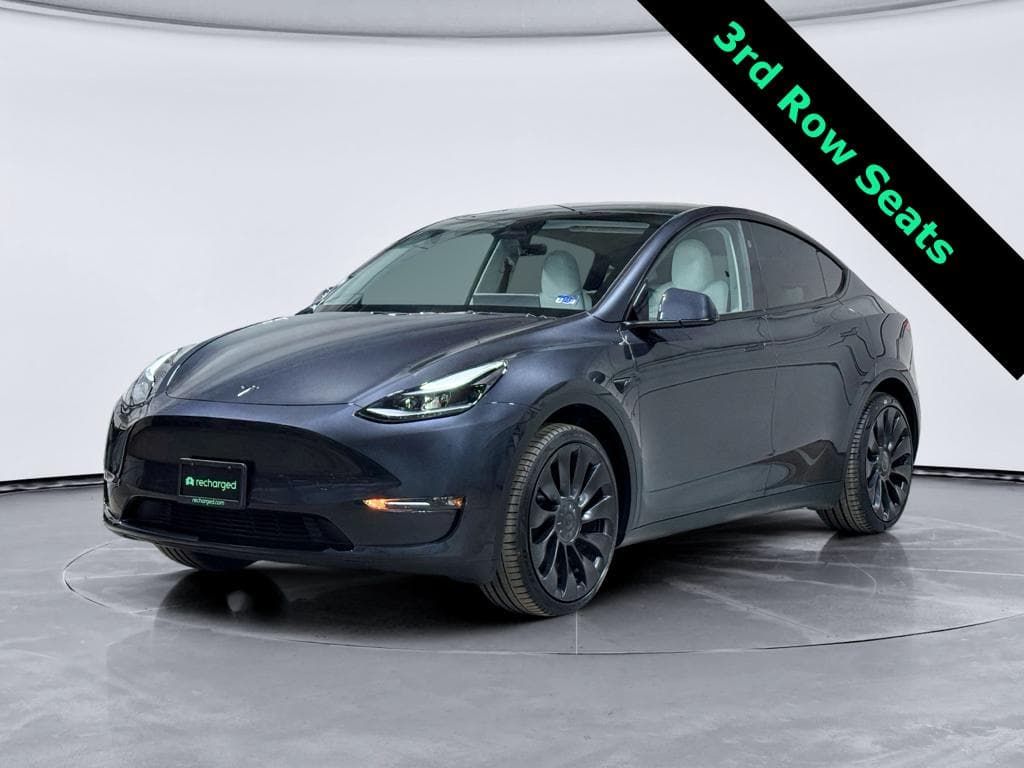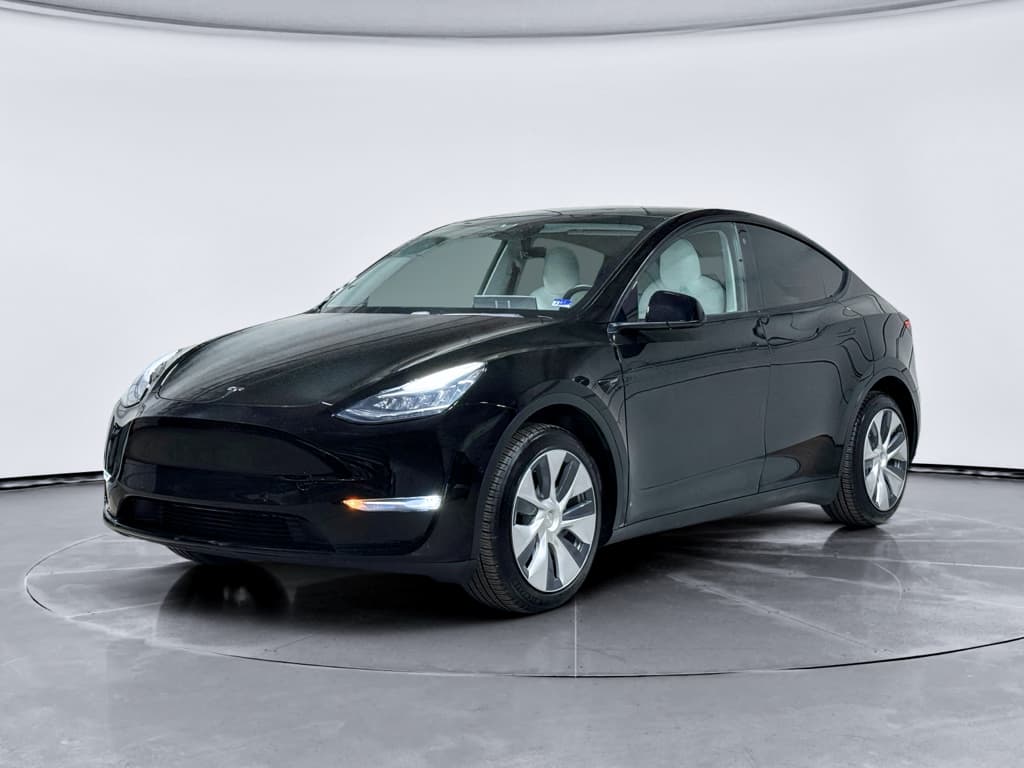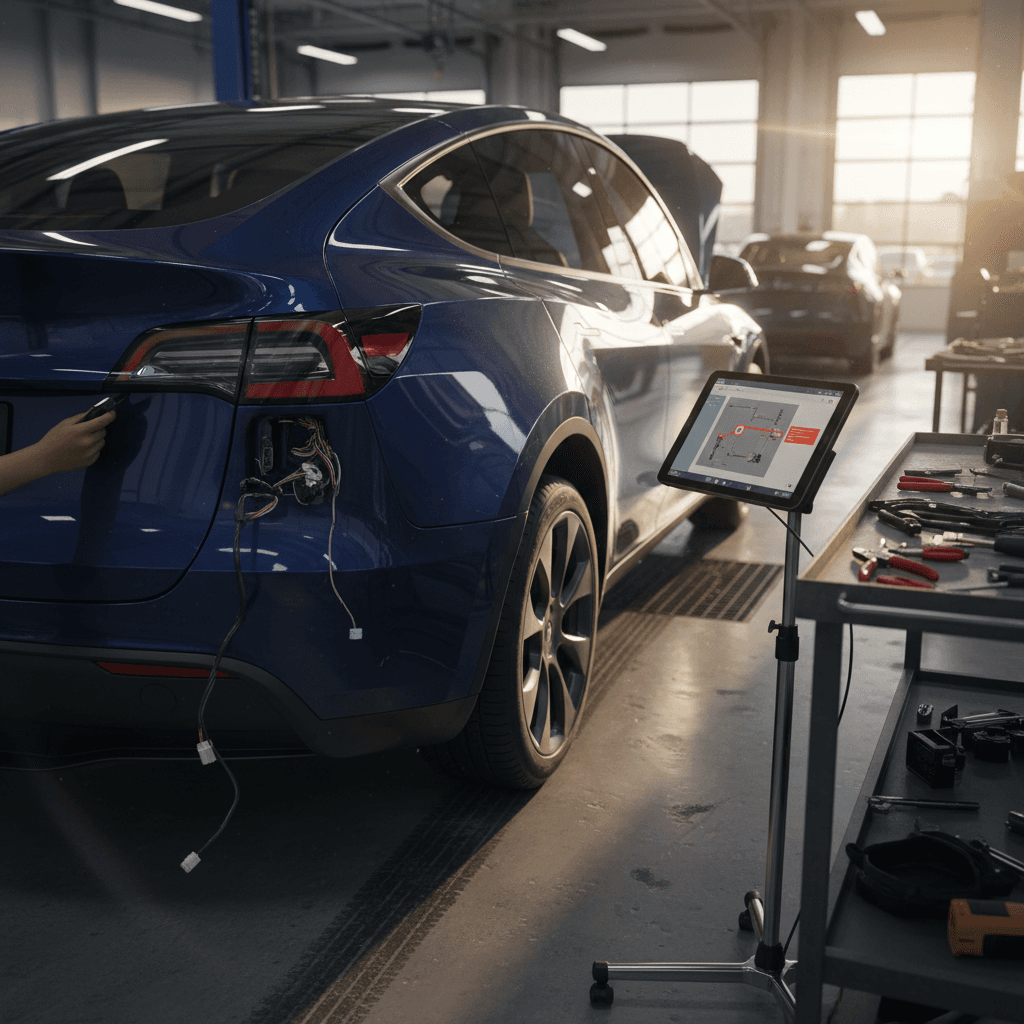
The 2022 Tesla Model Y is wildly popular, but it’s also part of an era where Tesla pushed out a **blizzard of recalls**, many tied to software and driver-assistance. If you own one, or you’re shopping used, you’ve probably wondered how serious the 2022 Tesla Model Y recalls list really is, and what it means for safety, value, and day‑to‑day driving.
Quick reality check
Why the 2022 Tesla Model Y recall story matters
By 2022, the Model Y had become Tesla’s volume play, the family crossover you suddenly saw in every Trader Joe’s parking lot. With that scale came scrutiny. Federal regulators zeroed in on **Autopilot misuse, camera reliability, warning fonts, and other details** that don’t usually make headlines but absolutely show up in recall notices.
- Tesla issues recalls more frequently than legacy brands, but many are **software-only** and don’t require a service visit.
- The 2022 Model Y is wrapped into several **multi‑model campaigns** that cover Model 3, S, and X as well.
- For used‑EV shoppers, a clean recall history is a **safety and resale value signal**, just like maintenance records.
Don’t confuse recalls with complaints
How Tesla recalls work (and why your car updates itself)
If you’re coming from a traditional brand, Tesla’s recall process feels almost science‑fiction. Many fixes are delivered the same way your phone gets an iOS update. That’s convenient, but the convenience can lull owners into assuming **everything** has been taken care of automatically.
Two types of recalls you’ll see on a 2022 Model Y
Both are free fixes, but they behave very differently in real life.
Software (OTA) recalls
These are the bulk of recent Tesla recalls for the 2022 Model Y.
- Fixed via over‑the‑air update while parked
- Examples: Autosteer behavior, warning fonts, camera behavior
- Owner chooses when to install, like a phone OS update
Physical hardware recalls
These feel more like traditional recalls.
- Require a Tesla Service visit or mobile ranger
- Examples: trim or seat anchor issues, latches, suspension hardware
- Work is free, but you must schedule the appointment
Pro move for owners
Major 2022 Tesla Model Y recalls: high-level overview
2022 Model Y recalls in context
Instead of obsessing over the precise count on any given day (it changes as new campaigns are issued), it’s more useful to group the **2022 Tesla Model Y recalls list** into themes: Autopilot/Autosteer behavior, warning‑label and font‑size compliance, camera and visibility issues, and a smaller cluster of traditional hardware and build issues.
2022 Tesla Model Y recalls list, explained in plain English
Below is a simplified, owner‑friendly view of the key U.S. safety recalls that can involve the 2022 Model Y. Exact details, like build dates and production plants, vary by campaign, so you should always run your **specific VIN** through the NHTSA recall lookup and Tesla app before making decisions.
Key recall themes affecting the 2022 Tesla Model Y
This table groups multiple NHTSA campaigns into owner‑understandable buckets. Individual recall numbers and production ranges differ, but the patterns are the same.
| Recall theme | What’s wrong | Typical remedy type | Why it matters |
|---|---|---|---|
| Autosteer / Autopilot misuse controls | System allowed drivers to operate with insufficient supervision, increasing crash risk when drivers treated it like self‑driving. | OTA software update adjusting engagement rules, alerts, and driver monitoring. | Reduces the chances drivers over‑trust assistance and collide with other vehicles or objects. |
| Warning icons & font size | Certain warning messages (like brake or park indicators) didn’t meet U.S. size/visibility rules. | OTA update changing fonts, icon sizes, and layouts on the screen. | Ensures critical warnings are clearly legible and compliant with safety standards. |
| Rearview camera display | Under some conditions, the backup camera image could fail to appear or cut out while in Reverse. | OTA update to the camera software stack; some cars also receive inspection or component replacement if needed. | Poor rear visibility greatly increases the risk of low‑speed backing crashes. |
| Door or hood latch logic | Electronic controls or detection logic could misinterpret latch status, or allow an open hood state while moving. | OTA update to detection logic; in some campaigns, physical inspection or replacement of specific components. | Reduces the chance of a hood or latch opening unexpectedly on the move, blocking vision or compromising occupant safety. |
| Exterior lighting logic | In isolated cases, lighting behavior didn’t match regulatory requirements (e.g., tell‑tale brightness or activation behavior). | OTA calibration to lighting control modules. | Improves conspicuity and ensures that other drivers receive correct signals from your car. |
| Seat or seat‑belt anchor hardware | On a small number of vehicles, hardware securing seats or belts might not meet torque or assembly specs. | Physical inspection and re‑torque or replacement at a Tesla Service Center or via mobile service. | Seat and belt integrity is fundamental in a crash; this is a must‑fix item. |
| Steering or suspension hardware | Earlier Model Y production saw campaigns addressing fasteners that might loosen over time under certain loads. | Physical inspection; replacement or re‑torque of affected bolts and components. | Loose hardware can affect steering feel and, in the worst case, control. |
| Software non‑compliance housekeeping | Housekeeping‑style recalls to align various indicators, chimes, and menus with evolving federal standards. | OTA updates bundled into broader software releases. | These rarely change how the car feels to drive, but keep it street‑legal on paper. |
Always verify eligibility using your VIN; not every 2022 Model Y is included in every campaign.
Always VIN-check, never guess
Autopilot and Autosteer recalls: what changed and why it matters
The most controversial items on the 2022 Tesla Model Y recalls list revolve around **Autopilot and Autosteer**. Regulators didn’t accuse the car of literally driving itself into things; they accused Tesla of making it too easy for humans to **misuse** the system, then blamed the car for not complaining loudly enough.
What regulators were worried about
- Drivers engaging Autosteer in conditions it wasn’t designed for (city streets, poor lane markings).
- Long stretches of hands‑off driving without effective enforcement.
- Crashes where drivers seemed over‑reliant on the system.
What the recall updates actually do
- Tighter rules about when and where Autosteer will engage.
- More frequent and more forceful prompts to keep hands on the wheel and eyes on the road.
- Changes to how the system disengages or limits re‑engagement after misuse.
If you like driver aids, this is good news
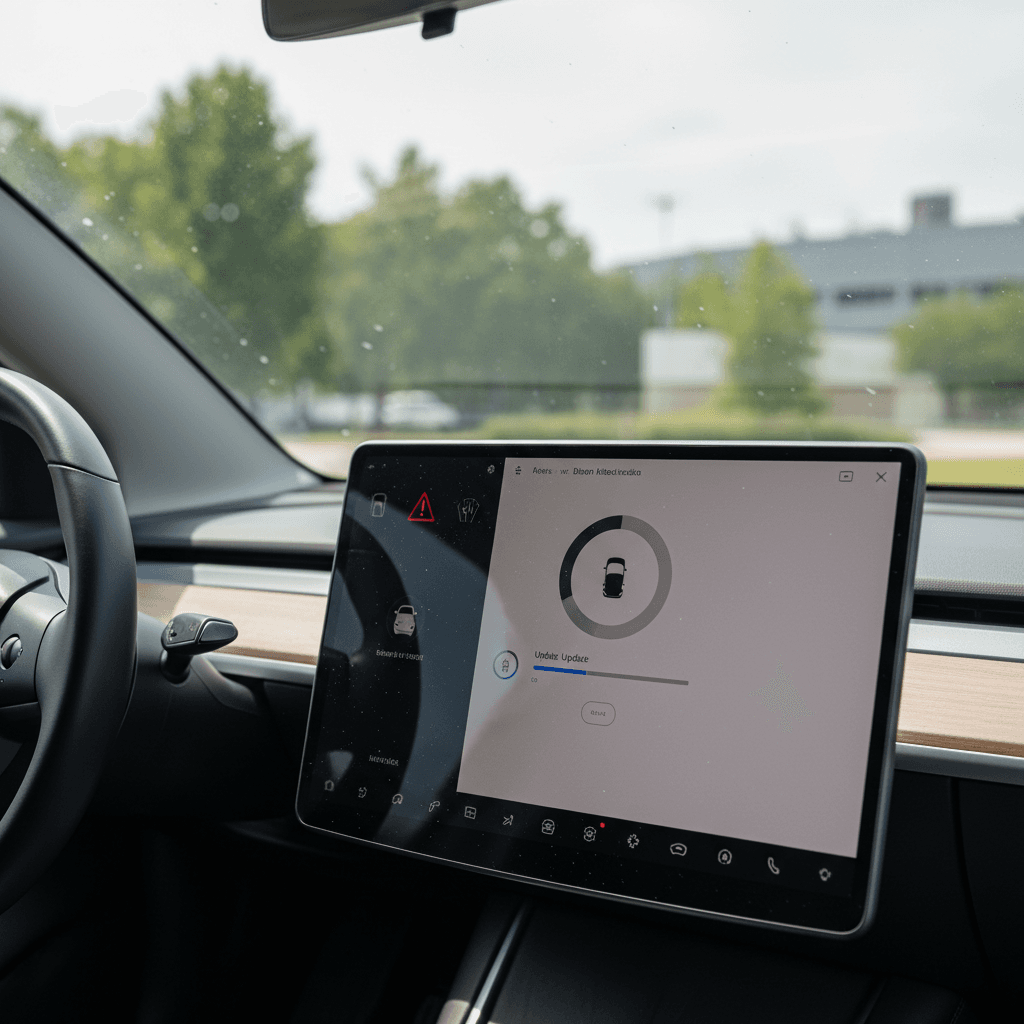
Software, camera, and display recalls on the 2022 Model Y
The 2022 Model Y leans on cameras and screens the way older cars leaned on mirrors and dials. Surprise: regulators care a lot when those digital eyes and voices don’t behave perfectly. Several big multi‑model recalls swept in 2022 Ys over things like **backup camera behavior** and **tiny warning fonts**.
The "small" software recalls that actually matter
They may sound nit‑picky, but they exist because people really crash into things they can’t see or don’t get warned about.
Rearview camera glitches
On some vehicles, the backup image might fail to appear or remain stable while in Reverse.
The fix ensures a reliable, always‑on image when you need it most, backing into a driveway or around kids and pets.
Tiny warning text
Some clusters used font sizes that didn’t meet the fine print of U.S. rules.
That might sound like legal hair‑splitting, but clearer warnings mean fewer “I never saw that” moments.
Indicator & lighting logic
Recalls have also tweaked how certain tell‑tales and lights behave.
Again, this is about making the car’s digital language obvious to the human behind the wheel.
How to confirm software recalls are done
Hardware, trim, and other build-related recalls
Tesla’s early Model Y production was infamous for fit‑and‑finish issues. By 2022, the worst of that had improved, but some **hardware‑based recalls** still touch this model year: seat anchors, latches, and specific suspension or steering fasteners in certain production ranges.
- Seat‑back or rear seat anchor torque checks on a subset of vehicles.
- Seat‑belt components that might not have been assembled exactly to spec.
- Suspension or steering fasteners that could loosen under extreme use, usually caught early and corrected in service campaigns.
- Occasional trim or weather‑seal items where detachment could create a hazard, not merely cosmetic annoyance.
Hardware recalls are not optional
How to check recall status on a 2022 Tesla Model Y
You don’t need to guess whether your 2022 Model Y, or one you’re considering buying, has open recalls. Between Tesla’s own systems and federal tools, you can get a straight answer in a few minutes.
Step-by-step: see every recall tied to your 2022 Model Y
1. Grab the VIN
You’ll find the 17‑character VIN at the bottom of the windshield on the driver’s side, on the door jamb, and inside the Tesla app under vehicle details. For a used‑car listing, ask the seller to send it to you directly.
2. Run it through NHTSA
Go to the official NHTSA recall lookup site and enter the VIN. You’ll see a list of all <strong>open safety recalls</strong> that still need action. If it shows "0 unrepaired recalls," that’s a good baseline.
3. Check the Tesla app and in‑car notifications
On the center screen, tap <strong>Controls → Software</strong> and look for any pending updates or notices. In the Tesla app, look under <strong>Service</strong> or alert banners for recall‑related tasks.
4. Confirm service history for hardware work
For physical recalls (seats, suspension, latches), ask Tesla Service or the current owner for documentation. Screenshots of completed service visits, invoices with campaign numbers, or a Tesla service history printout all help.
5. Watch for non‑recall service campaigns
Tesla sometimes quietly fixes issues via service bulletins that never rise to formal recall status. Ask if any "goodwill" or campaign work has been done, these often track known trouble spots.
6. Re‑check annually
New recalls can appear years into ownership. Make a habit of checking your VIN on NHTSA’s site once or twice a year, especially before long road trips.
Buying a used 2022 Model Y: recall checklist
The 2022 Model Y sits in a sweet spot for used EV shoppers: newer battery tech than the earliest cars, plenty of inventory, and often a reasonable price. Recalls don’t automatically disqualify a car, but a sloppy recall history should absolutely influence how you negotiate and what you’re willing to tolerate.
Questions to ask the seller
- “Have all safety recalls on this VIN been completed?”
- “Can you share screenshots from the Tesla app showing no open recalls?”
- “Do you have service records for any seat, belt, suspension, or latch work?”
- “Have you ever declined a recommended recall or service campaign?”
Signals of a well‑cared‑for 2022 Model Y
- Software up to current version with no pending safety updates.
- Documented completion of major Autopilot and camera recalls.
- No dashboard warnings, no taped‑over sensors or cameras.
- Clean Carfax/AutoCheck, with Tesla service visits appearing at reasonable intervals.
Use recalls as leverage, not just fear
How Recharged handles recalls on used Teslas
One advantage of shopping a 2022 Model Y through Recharged is that you don’t have to become your own NHTSA investigator. Every vehicle we list goes through a structured vetting process that includes recalls, software status, and battery health.
What happens to a 2022 Model Y before it appears on Recharged
The goal is simple: no surprises after you click "buy."
VIN‑level recall audit
We check each 2022 Model Y’s VIN against federal recall databases and Tesla documentation.
Any open safety recalls are flagged and resolved before delivery or clearly disclosed.
Recharged Score battery diagnostics
Every Tesla gets a Recharged Score Report, including verified battery health and fair‑market pricing insights.
You see how this specific car compares to typical 2022 Model Y degradation.
EV‑specialist guidance
Our EV experts can walk you through which recalls are routine software housekeeping and which ones deserve extra attention in a test drive.
If you’re trading in, we’ll also factor recall status into your instant offer or consignment plan.
Ready to find your next EV?
Browse VehiclesBecause Recharged handles financing, trade‑ins, and nationwide delivery in a single digital flow, you can shop for a 2022 Model Y from your couch, knowing that recall status and battery health aren’t just optimistic promises, they’re documented in writing.
FAQ: 2022 Tesla Model Y recalls
Frequently asked questions about 2022 Model Y recalls
Bottom line: should recalls scare you off a 2022 Model Y?
The 2022 Tesla Model Y doesn’t have a clean, sparse recall history; it has a **busy** one, shaped by software‑first engineering and a very public tug‑of‑war over how much help a car should give a distracted human. That’s not a reason to write it off. It is a reason to treat recall status as a first‑class data point, right alongside battery health, accident history, and price.
If you’re already an owner, your job is straightforward: keep software current, stay on top of NHTSA and Tesla notifications, and schedule hardware fixes promptly. If you’re shopping used, especially through a platform like Recharged, insist on **VIN‑verified recall closure** and a transparent health report before you sign or click anything. In that light, the 2022 Model Y’s long recall sheet isn’t a horror story; it’s a to‑do list, and you’re allowed to demand proof that someone’s already checked the boxes.