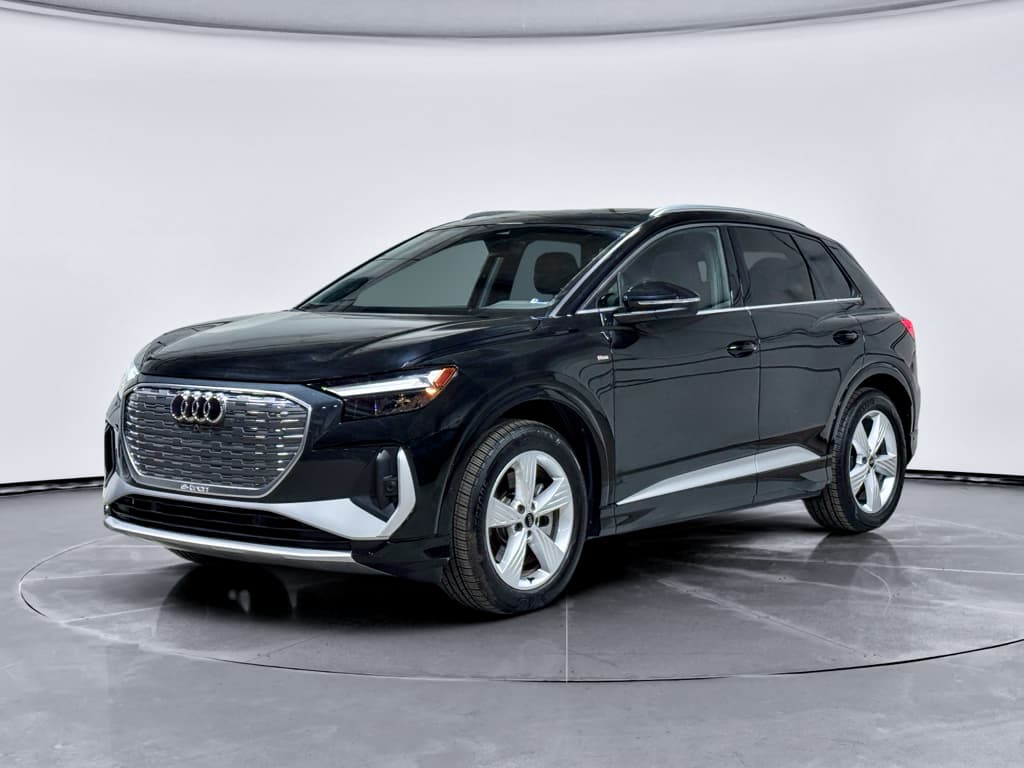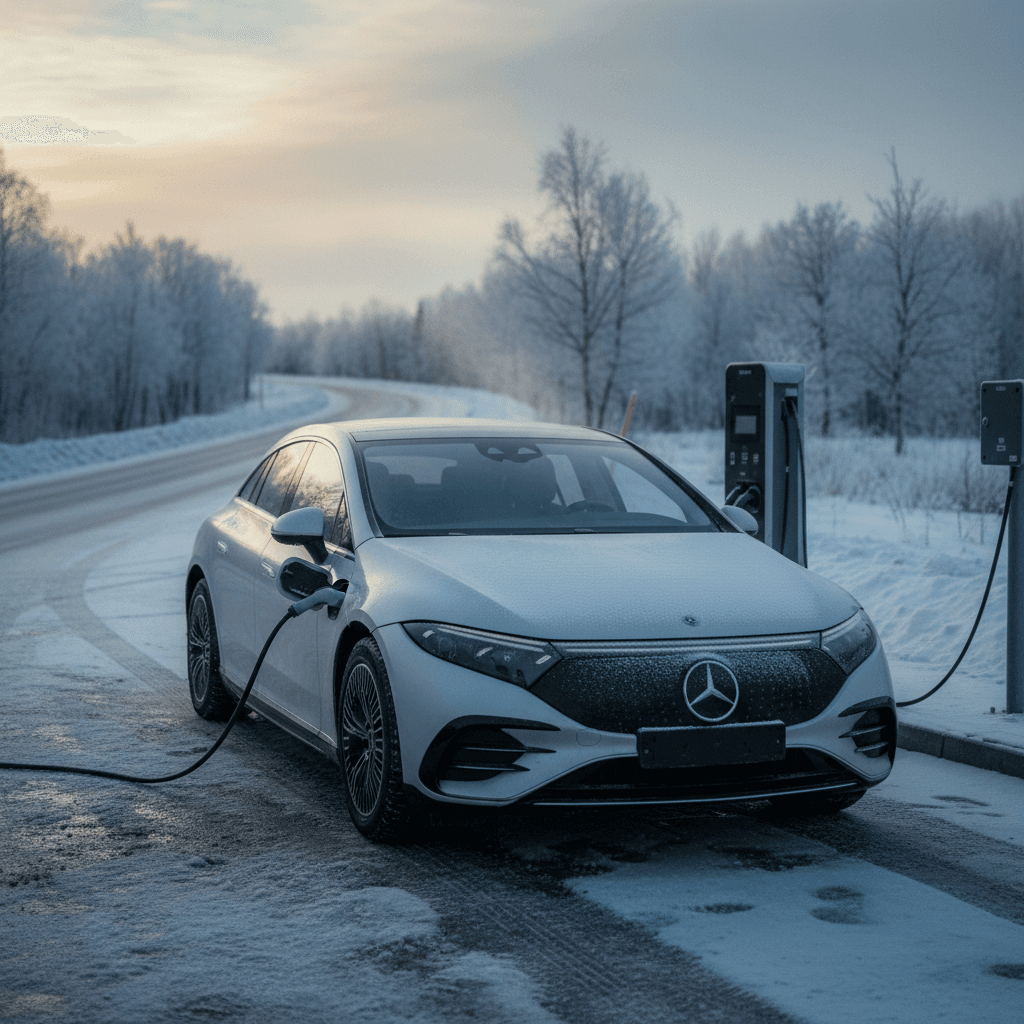
You bought (or are eyeing) an Audi Q8 e-tron because you like your luxury with a side of conscience. Then winter shows up, the mercury drops, and suddenly that generous EPA range looks more like wishful thinking. Audi Q8 e-tron winter range loss is real, but it’s predictable, and you can plan around it.
Quick answer
Audi Q8 e-tron winter range: the big picture
- 285 miles EPA range for the standard Q8 e-tron SUV
- 296–300 miles for the Sportback, depending on package and wheels
Audi Q8 e-tron range: EPA vs typical winter reality
EPA fine print matters
EPA range vs real-world winter range
The 2024+ Q8 e-tron is a meaningful improvement over the old e-tron SUV. The larger battery and aero tweaks raised EPA range from around 220–226 miles in early models to 285–300 miles today. That’s good news if you’re shopping used, because you’ll find both early short-range e-trons and the updated Q8 e-tron on the same lot.
What the lab says
- EPA cycle is done in controlled conditions around 70°F.
- Moderate acceleration, moderate speeds, limited heater use.
- Battery is fully warmed, no snow, no headwinds.
What your winter does
- Air is denser, so aerodynamic drag spikes at highway speeds.
- The Q8 e-tron’s big, cozy cabin pulls a lot of energy for heat.
- Cold cells are less efficient; they resist accepting and delivering power.
Result: your real-world winter range is always lower than the EPA label, sometimes dramatically so on short trips.
View EPA as a summer maximum
Why the Q8 e-tron loses range in cold weather
Cold weather doesn’t just hurt one thing; it gangs up on the Q8 e-tron from several angles at once. The SUV’s strengths, big battery, quiet cabin, thick insulation, can also work against you when it’s 15°F and you’re trying to commute in comfort.
- Battery chemistry slows down. Lithium-ion cells are less efficient in the cold. Internal resistance increases, so you lose some energy as heat inside the pack and can’t access the full punch of that 106 kWh as easily.
- Cabin heating is energy-hungry. Unlike a gas engine, there’s no free waste-heat. The Q8 e-tron uses electric heaters and/or a heat pump to warm a large cabin with lots of glass and leather. That can easily draw several kilowatts in the first 10–15 minutes.
- Short trips are worst. If you do a lot of 5–10 minute drives, the car warms the cabin and battery again and again without ever settling into an efficient steady state.
- Higher rolling resistance tires. Winter tires or aggressive all-seasons are grippier but less efficient. Bigger wheels (20–21 inches) hurt a bit more than the skinny 19s on the Sportback Ultra package.
- Thicker air at highway speed. Colder, denser air increases aerodynamic drag. In a large SUV like the Q8 e-tron, that drag penalty really shows up at 70–80 mph.
Why your second winter trip feels better
How much winter range loss to expect
There’s no single number, Minneapolis in January is not Portland in March, but you can ballpark winter range loss for your Audi Q8 e-tron using a few simple scenarios. The figures below assume a healthy battery and a driver who isn’t drag-racing stoplights.
Typical Audi Q8 e-tron winter range loss scenarios
Ballpark expectations for a Q8 e-tron 55 with the larger battery. If you own an earlier 2019–2022 e-tron with the smaller pack, subtract roughly 15–20% from the ranges below.
| Conditions | Temp & Use Case | Expected Range vs EPA | Approx. Miles from 285-mi EPA (SUV) |
|---|---|---|---|
| Cool, not brutal | 40–50°F, mix of city & suburban, moderate heat | 10–15% loss | 240–255 miles |
| Typical U.S. winter day | 20–35°F, city + highway, cabin 70°F | 20–30% loss | 200–230 miles |
| Harsh winter commute | 10–20°F, mostly short trips, lots of defrost | 30–35% loss | 180–200 miles |
| Deep freeze + highway | 0–10°F, 70–75 mph, full cabin heat | 35–40% loss | 165–185 miles |
These are estimates, not guarantees, your driving style, elevation, wind, and tire choice matter.
Watch your margins in deep cold
Driving modes, tires and specs that change winter range
Not all Q8 e-trons are created equal. Two SUVs with the same battery can behave very differently in winter depending on wheels, tires, and how you’ve set the drive modes.
Spec choices that help, or hurt, winter range
The same Q8 e-tron can be a winter hero or a thirsty snowplow, depending on how it’s set up.
Efficiency vs Dynamic mode
Efficiency mode softens throttle response, limits top speed, and can ease climate settings. It’s your winter friend.
Spend all winter in Dynamic and you’ll get brisk response but higher consumption, fun, but expensive in electrons.
Wheel & tire choices
Smaller 19-inch wheels with low-rolling-resistance tires (like the Sportback Ultra package) give the best range.
Larger 20–21 inch wheels and aggressive winters improve grip but can easily cost you 5–10% range.
Suspension & ride height
The Q8 e-tron’s air suspension can lower at speed to cut drag.
Driving in a high off-road mode on dry highways increases aero drag and hurts both range and stability.
Easy win: let the car lower itself
Practical tips to reduce winter range loss
You can’t negotiate with physics, but you can stack the deck in your favor. Here’s how to make your Audi Q8 e-tron feel less fragile in February and more like the confident grand tourer you drove home in May.
7 ways to protect your Q8 e-tron’s winter range
1. Precondition while plugged in
Use the myAudi app or in-car timers to preheat the cabin and battery while the car is still on your home charger. That shifts a big thermal energy hit from the battery to the grid.
2. Start with a warm battery
If you can, time your departure to immediately follow charging. A battery that just finished charging is warmer and more efficient than one that sat cold overnight.
3. Use seat and wheel heaters first
Seat and steering wheel heaters use far less energy than cranking the cabin temp to 75°F. Set the climate a couple of degrees lower and lean on the contact heaters.
4. Avoid lots of short, cold starts
Combine errands into fewer, longer trips so the Q8 e-tron has a chance to warm its battery and cabin once instead of six separate times.
5. Keep your speed in check
In cold, dense air, every extra 5 mph above ~65 hits range hard. On a 285‑mile rated Q8 e-tron, backing off from 80 to 70 mph can easily be the difference between 190 and 210 winter miles.
6. Clear snow and ice from the car
Snow on the roof, in wheel wells, or blocking aero surfaces increases drag and weight. It’s also a safety issue. Take the extra 2 minutes to brush it off.
7. Mind roof boxes and racks
A ski box is like towing a parachute. If you need one, assume another 5–10% range hit at highway speeds, especially in a headwind.
Use Eco climate settings
Charging your Audi Q8 e-tron in winter
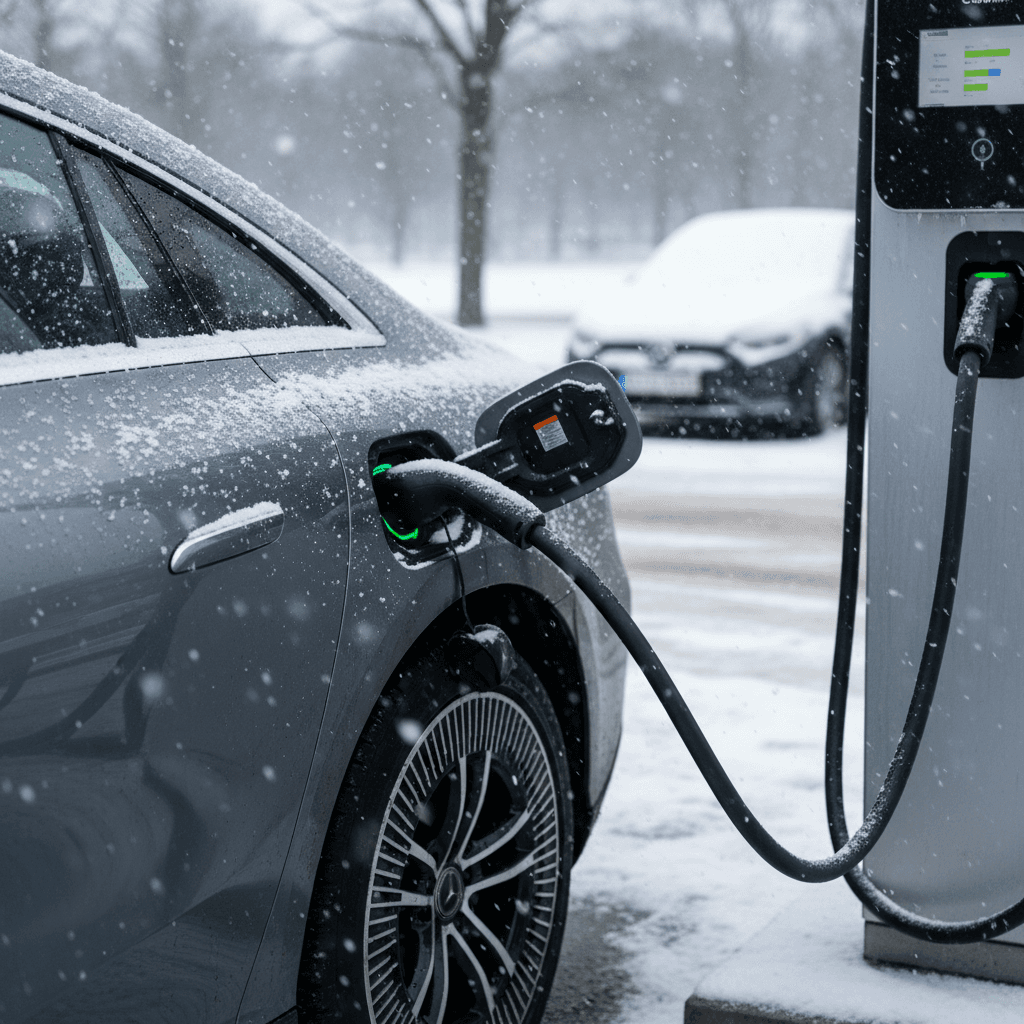
The Q8 e-tron can accept up to around 170 kW on a DC fast charger in ideal conditions and supports robust Level 2 AC charging at home. Cold weather complicates both. If you’ve ever pulled into a fast charger at 10% on a frigid morning and wondered why it’s only pulling double digits, this is why.
- Cold battery = slower fast charging. When the pack is very cold, the car will limit charge speed to protect cell health. You may see 40–80 kW instead of the bragged-about 170 kW until things warm up.
- Precondition to the charger when possible. If your navigation knows you’re heading to a DC fast charger, the Q8 e-tron can gently warm the pack on the way, improving both speed and efficiency.
- Home Level 2 is your winter superpower. A 40–60A home charger lets you easily recover daily winter commuting miles overnight, even with 30% seasonal losses.
- Don’t obsess over 100% in the cold. For daily use, charging to around 80–90% is still healthier for the pack long-term. Save full 100% charges for road trips where you need every mile.
Where Recharged fits in
Shopping for a used Q8 e-tron: checking battery health
Used Q8 e-trons are starting to look very tempting: deep depreciation, serious luxury, and that big battery. The catch is that every previous winter the car has lived through is written, faintly, into its cells. You want to know how much usable capacity, and therefore winter range, is left.
Winter-specific checks for a used Audi Q8 e-tron
Range anxiety is bad; buying range blindness is worse. Here’s what to look at before you sign anything.
Ask for a real battery health report
Don’t settle for “it seems fine.” A proper diagnostic report estimates remaining usable capacity compared with new.
At Recharged, every EV includes a Recharged Score that summarizes pack health, charging history, and likely real-world range.
Test it like you’ll actually drive it
If possible, drive the car in similar temps and routes to your daily life, especially highway stretches.
Watch the projected range vs miles driven. If the car sheds range far faster than expected, that’s a red flag.
Compare to the correct EPA number
Know whether you’re looking at an older 2019–2022 e-tron or a 2024+ Q8 e-tron with the updated 106 kWh pack.
Use the correct EPA baseline when you’re estimating what winter range should look like.
Price in winter reality
A Q8 e-tron that’s perfect for a 40‑mile winter commute might be wrong for 180‑mile ski trips.
At Recharged, our EV specialists can help you match your routes, your climate, and your budget to the right used Q8 e-tron, or suggest better fits.
Nationwide, but winter-focused
Ready to find your next EV?
Browse VehiclesAudi Q8 e-tron winter range FAQ
Audi Q8 e-tron winter range: frequently asked questions
Key takeaways for Q8 e-tron owners and shoppers
The Audi Q8 e-tron is a deeply refined electric SUV whose only real vice is appetite. In winter, that appetite grows. Expect 20–35% winter range loss in normal cold and up to about 40% in the harshest conditions, and plan your life accordingly. Use preconditioning, smart climate settings, moderate speeds, and sensible wheel and tire choices, and the Q8 e-tron becomes a relaxed, capable winter partner instead of a source of anxiety.
If you’re shopping used, remember that not every Q8 e-tron, or earlier e-tron, is the same. Battery health, wheel setup, and your local winter all matter more than the brochure’s biggest number. Working with a specialist like Recharged, where every vehicle comes with transparent battery diagnostics, financing options, trade‑in support, and expert EV guidance from start to finish, makes it much easier to buy with your eyes open, and enjoy your EV all year long.