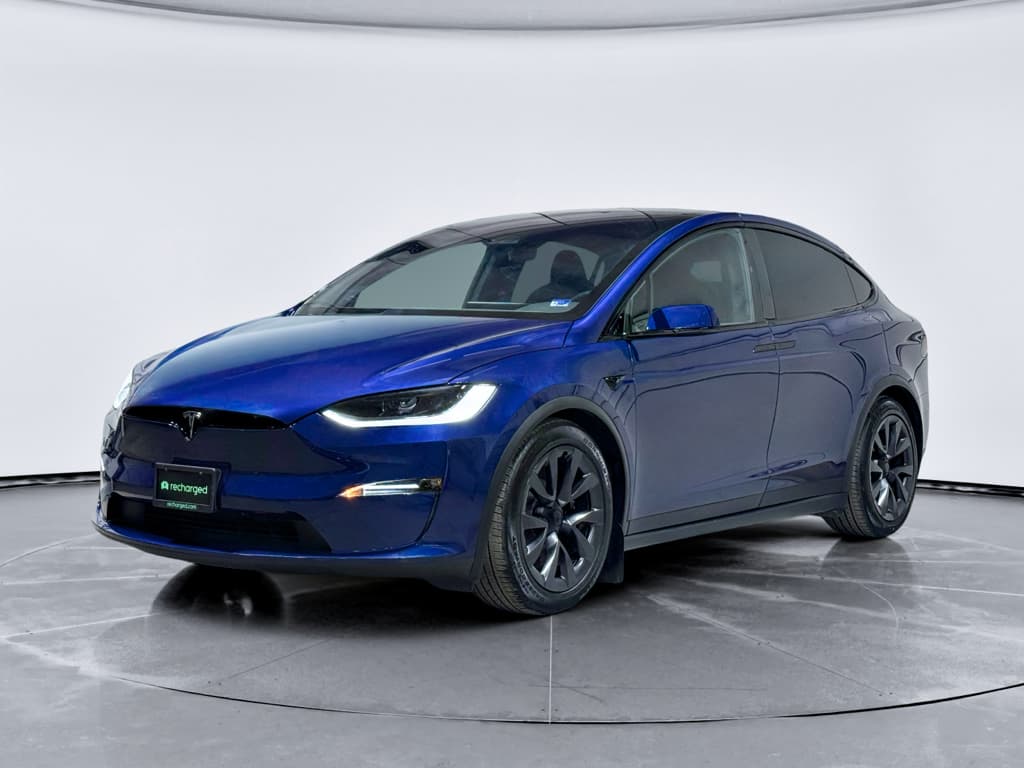
If you own, or are shopping for, a 2022 Tesla Model X, you’ve probably heard that Teslas get recalled a lot. The good news is that many items on the 2022 Tesla Model X recalls list are software fixes delivered over the air. The bad news is that a few hardware campaigns still require a service visit, and you’ll want to know which is which before you sign for a used Model X.
Important context
Why 2022 Model X recalls matter for current and future owners
Tesla’s flagship SUV is complex: falcon-wing doors, advanced driver‑assist features, large battery pack, and constant software changes. That complexity shows up in the recall record. Independent safety databases list more than two dozen separate recall campaigns that touch the 2022 Model X, from Autosteer behavior to seat belt logic and door latches.
- You need to know whether your specific VIN is affected, not just the model year.
- Completed recalls can actually make a used 2022 Model X safer than when it was new.
- Open recalls are a negotiation lever when you’re buying, and a safety priority if you already own the car.
Don’t assume previous owners kept up
2022 Model X recall landscape at a glance
Quick overview: Key 2022 Tesla Model X recalls
Before we dive into the line‑by‑line list, here are the big recall themes that matter most for a 2022 Model X owner or buyer:
Major recall themes for the 2022 Model X
Most campaigns fall into a few predictable buckets
Autosteer & Autopilot behavior
Multiple recalls tweak how Autosteer and other driver‑assist functions monitor you and respond to road conditions. These are almost always software updates.
Seat belts & restraint logic
Several campaigns address seat belt reminder chimes, buckle attachment to pretensioners, and seat‑belt‑related software logic for airbags.
Doors, latches & airbags
A smaller set of recalls covers doors that could unlatch in a crash, side‑curtain airbag behavior, and other body‑related safety systems.
Summary of major 2022 Model X recall topics
This table groups individual NHTSA recalls into owner‑friendly categories. Your car may be in some or all of these, depending on build date and options.
| Category | Typical Fix Type | Example Concerns | Owner Effort |
|---|---|---|---|
| Autosteer / Autopilot logic | OTA software update | Vehicle may not sufficiently enforce driver attention or could behave unexpectedly in certain conditions. | Low – install update when notified. |
| Seat belt reminder & logic | OTA update + occasional hardware inspection | Seat belt chime may not reset properly; logic linking belts and airbags may not fully meet regulations. | Low to medium – some cars need a quick inspection. |
| Front seat belt attachment | Physical inspection & re‑attachment if needed | First‑row seatbelts may not be correctly attached to pretensioners on some 2021–2023 S/X vehicles. | Medium – short service visit, no cost. |
| Doors/door latches | OTA update to latch control logic | Side doors may not fully meet side‑impact latch standards unless software is updated. | Low – software only, but critical to install. |
| Side‑curtain airbags | OTA calibration update | Airbag deployment behavior in a specific seating/occupant scenario may not match test expectations. | Low – software calibration pushed over the air. |
| Instrument cluster / camera display | OTA software update | Rear camera or other required displays may not behave exactly as regulations specify in every condition. | Low – typical over‑the‑air update. |
Use this as a map; always verify exact campaigns against your VIN.
Detailed 2022 Tesla Model X recalls list
The National Highway Traffic Safety Administration (NHTSA) and Tesla list recalls by campaign number, but owners usually care more about what the recall fixes than the number on the paperwork. Below, we group key 2022 Model X recalls by system and describe what’s going on in plain English.
1. Autosteer / Autopilot behavior recalls
Several large campaigns cover 2016–2023 Model X vehicles equipped with Autosteer. These recalls are about how the system monitors you and responds, not a broken physical part on your SUV.
- Autosteer misuse mitigation: Software update that tightens how Autosteer checks driver attention, lane discipline, and disengagement behavior.
- Full Self‑Driving (FSD) Beta intersection behavior: For cars running FSD Beta, updates address how the vehicle handles stop signs, yellow lights, and certain complex intersections.
- Speed control logic: In some campaigns, the update adjusts how quickly the vehicle approaches speed changes or responds to posted speed‑limit data.
Owner tip: Treat recall updates like you treat phone security updates
2. Seat belt reminder and logic recalls
One early campaign that touches 2021–2022 Model X “Palladium” vehicles involves the seat belt reminder chime. Under very specific firmware versions and sequences of events, the chime might not behave exactly as U.S. regulations require after it has already sounded once.
- Condition: On certain firmware versions prior to early 2022, the driver seat belt reminder might not chime again on the next key cycle even if conditions call for it.
- Fix: Tesla pushed an over‑the‑air update that corrected the reminder logic. No physical inspection is needed unless your car missed or declined the update.
- What to watch: If you ever notice abnormal chime behavior around seat belts, confirm that your vehicle is on current software and check your recall status in the app.
3. Front seat belt attachment & pretensioners
Another multi‑year campaign covers front seat belt attachment on certain 2021–2023 Model S and Model X vehicles. In a small number of vehicles, the first‑row seat belts may not be secured to the pretensioner anchor as robustly as intended.
- Risk: In a severe crash, a poorly attached belt might not manage forces as designed.
- Symptoms: Most owners will notice nothing in daily driving. This is a proactive safety check, not a response to widespread failures.
- Fix: Tesla service inspects the attachment point and, if needed, re‑secures the belt to the pretensioner. It’s a brief, in‑shop visit with no charge.
Do not delay belt‑related recalls
4. Door latch / side‑impact compliance recalls
In 2023, Tesla issued a campaign covering roughly 120,000 Model S and Model X vehicles from the 2021–2023 model years because doors could unlock or unlatch in certain crash scenarios unless the control logic was updated.
- Concern: Regulations require doors to stay latched in most side‑impact events to help protect occupants.
- Fix: An OTA software update revises how the body control module manages door locks and latches during a crash event.
- Owner impact: No change to how you open or close doors in daily life, but a critical change in the split‑second behavior during a collision.
5. Airbag and side‑curtain behavior recalls
Tesla has also fine‑tuned how side‑curtain airbags deploy in some 2021–2022 Model X vehicles based on internal testing. These campaigns tend to be about calibration and timing, not failed hardware.
- Scenario‑specific deployment: Tesla observed that, in a particular test configuration, the airbag behavior could be improved.
- Fix: A software update adjusts deployment thresholds and timing for that scenario.
- Hardware: In most cases, the airbag modules themselves do not need replacement; the remedy is calibration in software.
6. Instrument cluster, cameras and display rules
Like many modern EVs, the Model X relies on screens to show legally required information, speed, warning lights, rear‑view camera image. A handful of Tesla recalls across 2021–2024 vehicles address edge‑case behavior around these displays.
- Rear camera display timing or persistence under certain conditions.
- Instrument cluster icon behavior if a subsystem restarts.
- Compliance with updated interpretations of display requirements by regulators.
For a 2022 Model X owner, these are nearly always invisible fixes that arrive as part of an OTA release. You won’t see a giant “recall” banner every time; the release notes may mention regulatory or safety changes in more generic language.
Software vs. hardware recalls on the 2022 Model X
Software‑only recalls
These are the bulk of the 2022 Model X recall list. Tesla sends an over‑the‑air update that you install much like a phone OS update.
- Examples: Autosteer behavior, door latch logic, seat belt reminder timing, camera display rules.
- Time investment: A few minutes to schedule, then 10–30 minutes while the car is parked.
- Signs it’s done: Your car shows a successful install and Tesla marks the recall “completed” for your VIN.
Hardware or inspection recalls
These include seat belt attachment checks and any campaign that calls for a physical inspection or parts swap.
- Examples: Front seat belt attachment, certain steering‑assist hardware campaigns on earlier Model X years, rare harness or sensor replacements.
- Time investment: Usually under half a day at a Tesla Service Center or via Mobile Service.
- Signs it’s done: Service invoice in your Tesla account and recall marked complete.
Good news for 2022 owners
How to check your 2022 Model X for open recalls
You don’t have to guess whether your 2022 Model X is clear. Every recall is tracked by VIN, and there are three simple ways to check status before or after you buy.
Step‑by‑step: Confirm recall status on a 2022 Model X
1. Use Tesla’s official recall page
Visit Tesla’s support site and navigate to the recall section. Enter the full VIN to see any open safety recalls for that specific vehicle.
2. Check the MyTesla app
If the car is already in your account, open the app, tap <strong>Service</strong>, and look for recall notices or required software updates tied to safety campaigns.
3. Run the VIN through NHTSA
On the NHTSA recall lookup tool, enter the 17‑digit VIN. It will show all <strong>unrepaired safety recalls</strong> reported to the government for that vehicle.
4. Read recent service invoices
Ask the seller for the latest Tesla service records. Completed recall work appears as $0 line items with recall or campaign codes.
5. Confirm software is current
On the center screen, check the Software tab. If the car is several versions behind and the owner has been ignoring updates, you may inherit a backlog of recall‑related installs.
6. Document status before you buy
Take screenshots or PDF printouts of VIN checks. If recalls are still open, you can either ask the seller to complete them or factor the inconvenience into your offer.
What recalls mean if you’re buying a used 2022 Model X
When you’re shopping used, a long recall list can look scary on paper. In reality, it’s more important to know which recalls are open and whether they’ve been done correctly.
How recalls can actually help you
- Proof of care: A seller with documented recall completion typically kept up with software and service.
- Free safety upgrades: A 2022 Model X that has every recall done may have better driver‑assist behavior and safety tuning than when it rolled out of the factory.
- Negotiation leverage: If you’ll need to schedule a belt inspection or other visit soon after purchase, that’s worth factoring into price discussions.
Red flags to watch for
- Multiple open, old recalls: Especially anything involving seat belts, airbags, or doors unlatching in a crash.
- Owner resistance to updates: If a seller brags they “stayed on old software to avoid Tesla’s changes,” assume safety updates may be missing too.
- Inconsistent stories: If they claim recalls were done but you see no record in Tesla service history, treat that as a yellow flag.
How Recharged handles recall checks
Practical ownership tips after recall repairs
Whether you’ve just had recall work done or you’re buying a 2022 Model X with a clean slate, there are a few smart habits that will keep you ahead of future campaigns.
Ownership habits that make recalls almost painless
A little attention now saves hassle later
Stay on current software
Set a weekly reminder to check for updates. Installing them promptly keeps your safety systems aligned with the latest regulatory and Tesla changes.
Save every service invoice
Even $0 recall invoices matter. They document that your belts, airbags, and door systems were inspected or updated as required.
Test basics after updates
After any major OTA or service visit, take a short drive. Confirm Autosteer behaves as expected, warning chimes work, and doors and belts feel normal.
Quick self‑check after a Model X recall visit
1. Seat belts click and retract smoothly
Buckle and unbuckle every front seating position. Pay attention to retraction force and any odd noises after pretensioner‑related work.
2. Door locks and handles feel normal
Lock/unlock from the app, key, and interior switches. Open and close each door, listening for new rattles or resistance.
3. Warning chimes behave consistently
Confirm the seat belt chime starts and stops when it should, and that no new unknown alerts appear in the cluster.
4. Autosteer prompts are clear
On a safe, familiar road, briefly engage Autosteer and confirm the system still nags appropriately if you loosen your grip.
5. Keep documentation handy
Download the service invoice from your Tesla account and store it with your registration so future buyers can see the work was done.
FAQ: 2022 Tesla Model X recalls
Common questions about 2022 Model X recalls
Bottom line: Should 2022 Model X recalls scare you off?
The 2022 Tesla Model X is part luxury family hauler, part rolling software platform. That combination inevitably generates a long‑looking recall list, but once you separate quick software patches from the smaller handful of critical hardware checks, the picture becomes less alarming and more manageable.
If you already own a 2022 Model X, your job is straightforward: keep software current, check your VIN through Tesla and NHTSA a couple of times a year, and prioritize any recall that touches belts, doors, or airbags. If you’re shopping used, treat recall status as one more data point alongside battery health, cosmetic condition, and price.
One advantage of buying through a specialist like Recharged is that you’re not doing this detective work alone. Our Recharged Score and EV‑savvy advisors help you understand which recalls matter, which are already complete, and what that means for everyday safety and long‑term ownership. With the homework done, a 2022 Model X can still be the striking, practical, long‑range EV SUV you were hoping for, without any surprises hiding in the fine print.