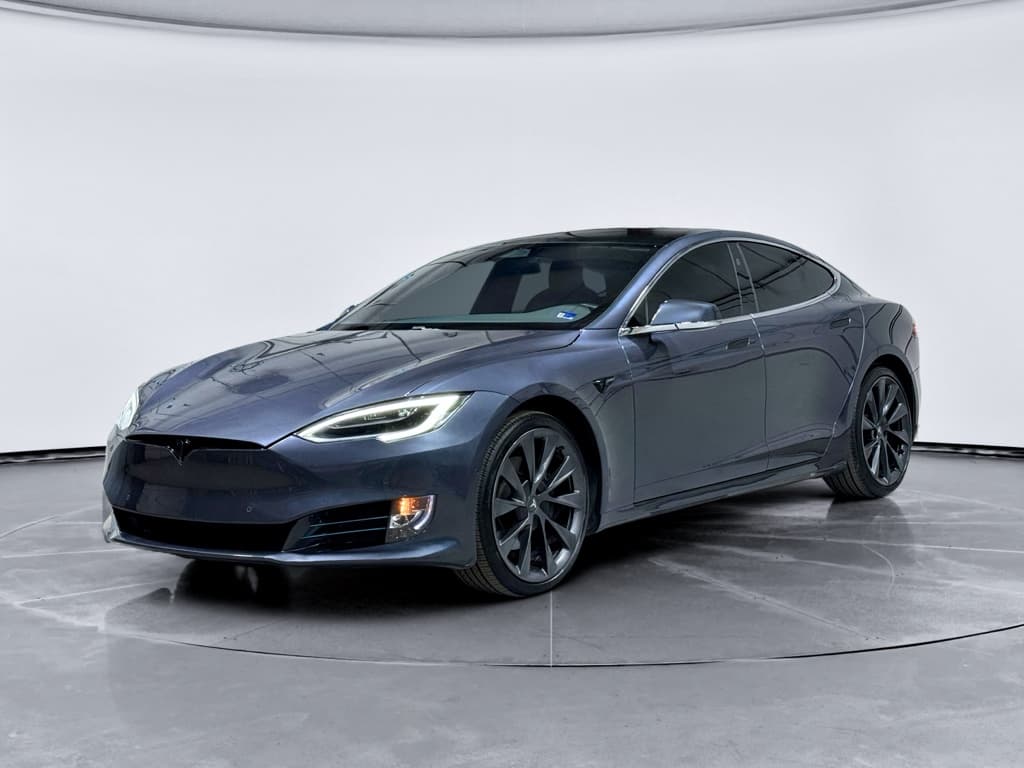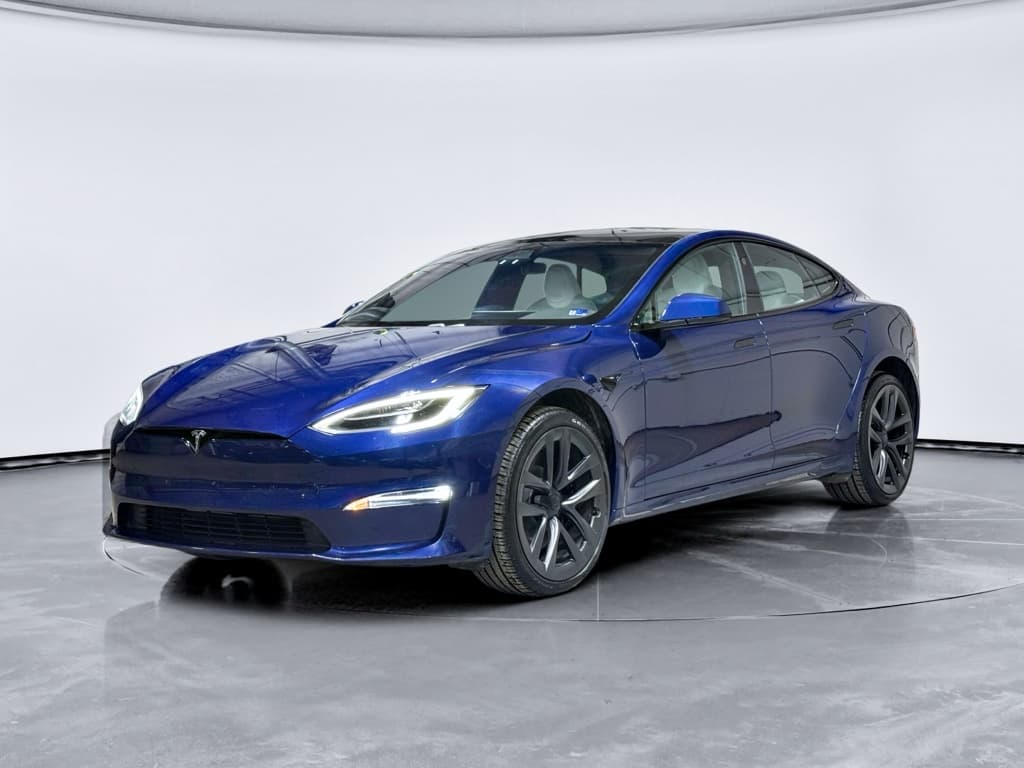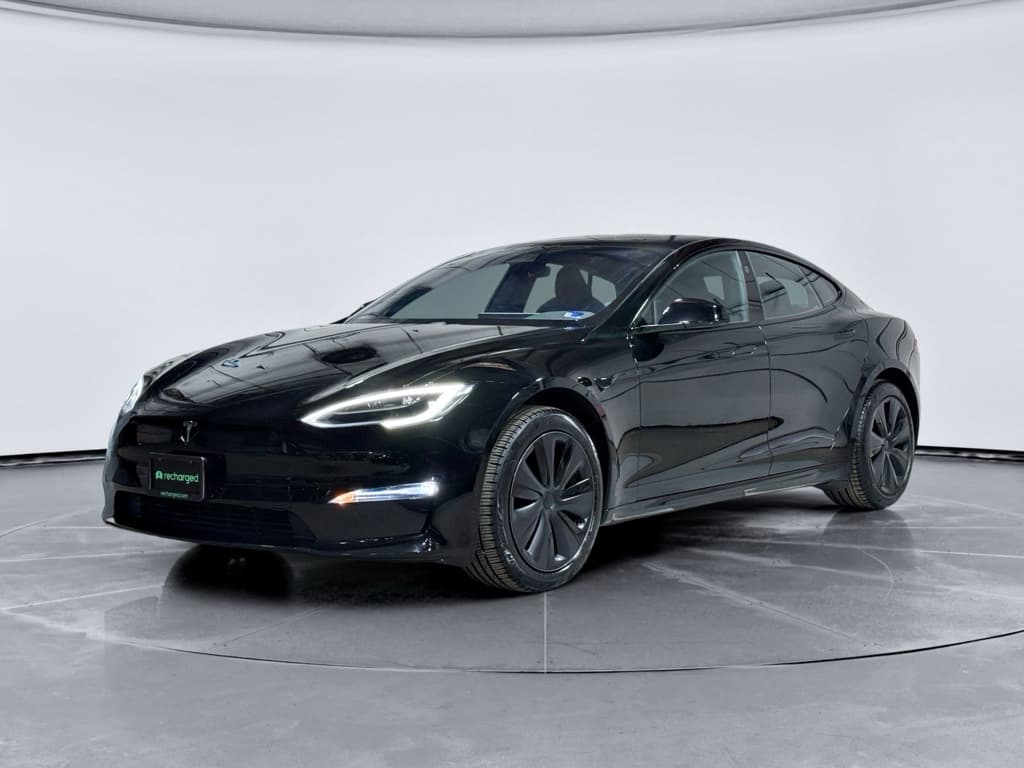
If you own, or are considering, a 2022 Tesla Model S, you’ve probably heard that Teslas have a lot of recalls. The 2022 Tesla Model S recalls list is indeed long, but most of those actions are software updates, not catastrophic hardware failures. Understanding the difference matters a lot more than the raw recall count, especially if you’re shopping used.
Quick context
Overview: How many recalls affect the 2022 Tesla Model S?
By 2026, the 2022 Model S is covered by **well over a dozen federal safety recalls**, touching everything from seat belts and rearview cameras to Autopilot behavior. Some owners run across headlines like “19 recalls for the 2022 Model S” and understandably get nervous. The important nuance is that a **single NHTSA recall can apply to many model years at once**, so a 2022 Model S might be grouped into a broad campaign aimed at 2016–2023 Model S vehicles, for example.
2022 Tesla Model S recall landscape at a glance
Recall counts change over time
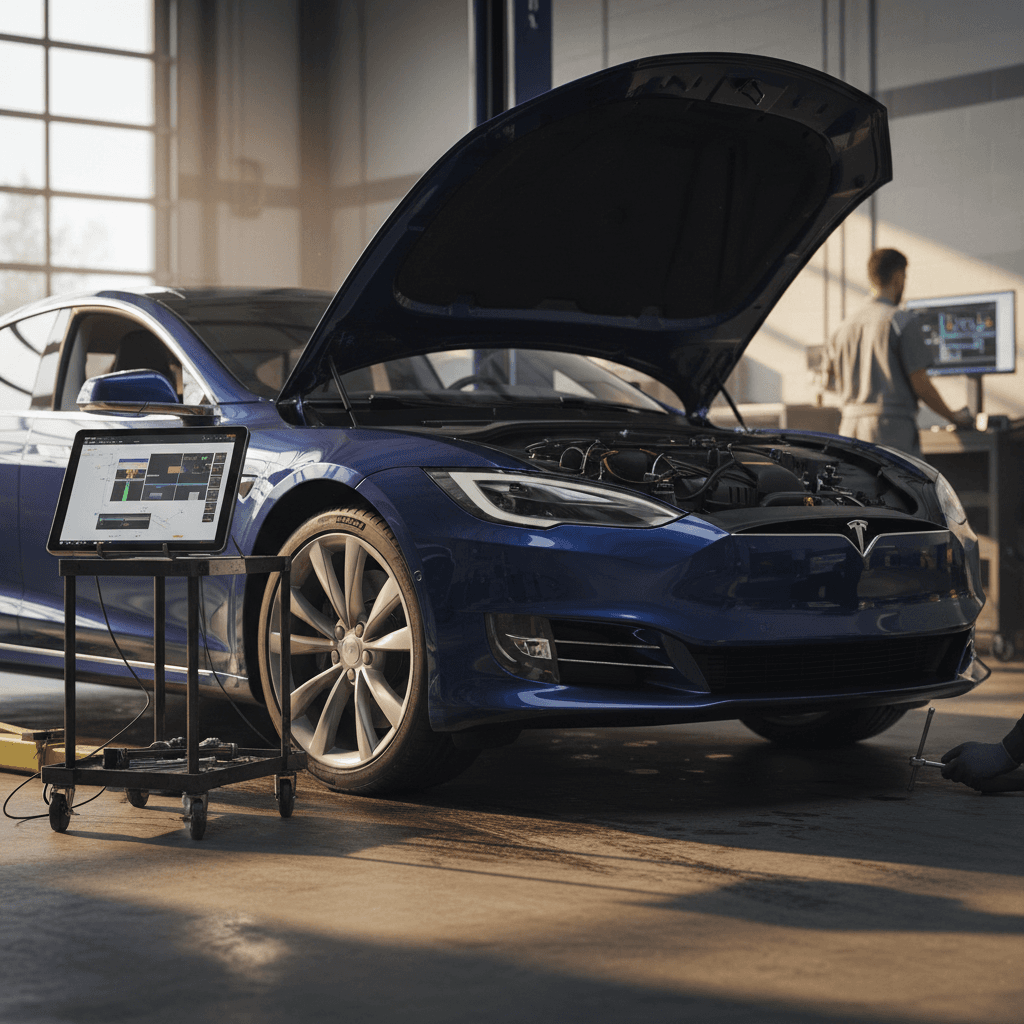
How Tesla recalls work: software vs service visits
Over‑the‑air (OTA) software recalls
Tesla leans heavily on software to fix defects. In many recalls, the remedy is simply a **mandatory software update** that adjusts how a feature behaves, brake warnings, Autosteer limits, backup camera display, instrument‑panel fonts, and so on.
- Delivered via Wi‑Fi or cellular
- Usually takes 15–30 minutes
- No dealership visit required
- You’ll see a notice in the car or app
Physical (hardware) recalls
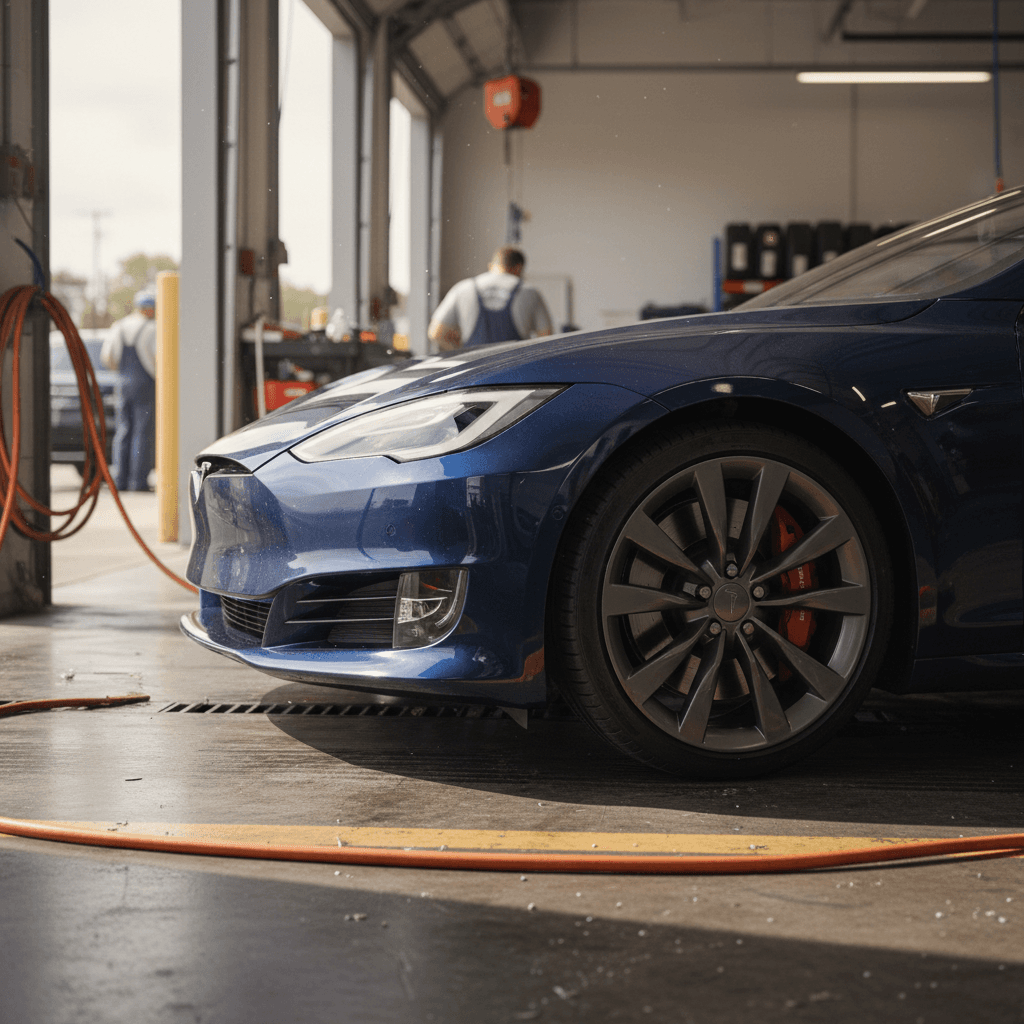
Hardware‑related recalls still exist, things like **seat‑belt anchor inspections, suspension components, or door latches**.
- Require a service center or mobile tech
- May involve parts inspection or replacement
- Appointments scheduled in the Tesla app
- Completed at no cost to you
Why this matters for owners
Major 2022 Model S recalls: quick summary table
Below is a high‑level look at some of the **most important U.S. safety recalls** that include the 2022 Tesla Model S among their affected vehicles. Exact NHTSA campaign numbers and build ranges can vary, so treat this as a map, not the final word.
Key recall campaigns affecting the 2022 Tesla Model S
Representative major recalls that commonly apply to 2022 Model S vehicles. Always confirm your specific VIN.
| Issue area | Typical model years covered | Type of fix | What owners experienced/at risk |
|---|---|---|---|
| Full Self‑Driving / Autosteer behavior | 2016–2023 Model S | OTA software update | Vehicle could proceed through intersections or change lanes in ways that might violate traffic laws, increasing crash risk. |
| Autopilot driver monitoring & controls | 2012–2023 Model S (Autosteer‑equipped) | OTA software update | System didn’t sufficiently ensure drivers were paying attention when Autosteer was active. |
| Seat‑belt front row anchor inspection | 2021–2023 Model S and Model X | Service inspection & possible re‑work | Improperly secured front seat‑belt anchors could detach in a crash, increasing injury risk. |
| Rearview camera display | 2023–2025 Model S (select computers/software) | OTA software update | Backup camera image might fail to display while in Reverse. |
| Turn‑signal/hazard indicator visibility or chimes | Various 2021–2024 Tesla models including Model S | OTA software update | Indicators or alerts might not be sufficiently visible/audible, potentially confusing the driver. |
| Warning font size on instrument panel | Wide Tesla fleet including some later Model S | OTA software update | Critical warning text could be too small, making it harder to read quickly. |
| Power window auto‑reversal performance | Certain 2021–2022 Tesla vehicles | OTA software update + validation | Window auto‑reversal may not react as robustly as required when encountering an obstruction. |
Many campaigns span multiple years of Model S production. A 2022 vehicle may fall in or out of scope depending on build date and configuration.
This is not an official VIN‑level list
Key 2022 Model S safety recalls explained
Front seat‑belt anchor inspection and repair
One of the more traditional hardware recalls affecting many 2022 Model S sedans involves the **front seat‑belt anchors**. In a portion of 2021–2023 Model S and Model X vehicles, the connection between the first‑row seat belts and their pretensioners may not have been reattached to specification after service work.
- Potential risk: In a serious crash, an improperly secured belt could detach from its anchor, reducing its ability to restrain occupants.
- Symptoms: In normal driving you may notice nothing at all; this is typically discovered only via inspection.
- Remedy: Tesla inspects the first‑row belt anchor connections and re‑secures or replaces components as needed.
- Owner action: Schedule a service visit in the Tesla app when notified; this is not something you can or should inspect yourself.
Don’t ignore seat‑belt recalls
Power window auto‑reversal behavior
Another campaign that can include 2022 vehicles looks at **power window automatic reversal**, the system that should detect an obstruction (like a hand) and reverse direction rather than continue to close. Regulators found that under specific test conditions, some Tesla windows didn’t react as robustly as required.
Tesla’s fix has typically involved **recalibrating and updating window control software** to ensure the windows reverse properly when they sense resistance. Even though this particular issue is addressed by software, it’s squarely about **injury prevention**, so you should accept and install the update promptly.
External lighting, indicator, and chime behavior
Several broader Tesla campaigns have focused on **how clearly the car communicates with you and other road users**, from turn‑signal indicators and brake warnings to instrument‑panel alerts. Sometimes, these recalls come down to details like chime timing or how fast a warning appears on screen.
While they may sound minor compared with a failed airbag, these fixes are about **driver awareness and distraction reduction**. A 2022 Model S with all of these updates installed should, if anything, be safer and more mature in its behavior than when it left the factory.
Software-focused recalls and driver-assistance updates
The most publicized Tesla recalls in recent years have involved **Autopilot and Full Self‑Driving (FSD) features**. NHTSA has repeatedly concluded that Tesla needed to adjust how these systems behave and how they monitor driver attention. Your 2022 Model S can be swept into more than one of these campaigns depending on its hardware and software configuration.
Common software recalls that may cover a 2022 Model S
These usually install automatically as long as you keep the car updated.
Autosteer behavior in city streets
Autosteer and FSD Beta could, in some situations, **roll through stop signs, mis-handle turns, or follow traffic too aggressively**. Recalls in this area forced Tesla to make the systems more conservative and rule‑abiding.
Driver monitoring and hand‑on‑wheel checks
Several actions increased the **strictness of driver supervision**, for example, escalating alerts faster if the car doesn’t sense driver engagement while Autosteer is active.
Backup camera and visibility
On some newer 2023–2025 Model S vehicles, a recall addressed backup camera images occasionally failing to appear. While not all 2022s are affected, a few late‑build cars may share related software.
Software recalls often improve the car
How to check if your 2022 Model S has open recalls
Because recall campaigns are constantly evolving, the smartest move is to **check the VIN every time you buy, sell, or service** a 2022 Model S. Fortunately, doing that is straightforward and free.
Step‑by‑step: Check recall status on a 2022 Model S
1. Locate the VIN
Find the 17‑character VIN in the lower corner of the windshield on the driver’s side, in the door jamb, or in the Tesla app under Vehicle details.
2. Use NHTSA’s VIN lookup
Go to the National Highway Traffic Safety Administration’s official site and enter the VIN. The tool will show **unrepaired safety recalls** specific to that vehicle.
3. Check Tesla’s own recall & service alerts
Open the Tesla app or log into your Tesla account. Look for any open recall or service campaigns listed under your vehicle.
4. Confirm recent software version
On the center screen, tap **Controls → Software**. Compare your software version date to the recall notice; most campaigns specify a minimum version that includes the fix.
5. Schedule service if needed
If NHTSA or Tesla shows an open recall that isn’t purely software, or if your software is out of date, schedule a **mobile or service center appointment** directly in the app.
6. Keep records for resale
Save screenshots or service invoices showing completed recall work. Buyers of used EVs, and retailers like <strong>Recharged</strong>, place real value on clean recall history.
What these recalls mean if you’re buying a used 2022 Model S
If you’re in the market for a used 2022 Model S, the recall headlines can feel intimidating. The reality is more nuanced. A car that’s been **diligently updated and serviced** through each recall campaign can be a better bet than one that hasn’t seen a service bay in years, even if both technically have the same underlying design.
Red flags for shoppers
- Open hardware recalls for items like seat belts or structural components that the seller can’t prove have been addressed.
- Very old software version compared with what Tesla lists as current for that model; this can indicate skipped updates or prolonged neglect.
- Incomplete paperwork, no service history, no documentation showing recall completion, and a seller who dismisses safety questions.
Positive signs
- Documented recall closures in service records or screenshots from the Tesla app.
- Regular software updates installed promptly, showing the owner stayed engaged.
- Third‑party inspection or a **Recharged Score battery and vehicle health report** that calls out any open campaigns.
How Recharged handles recall risk
Ready to find your next EV?
Browse VehiclesSafety checklist for current and future owners
Recalls are just one part of the safety equation for a high‑performance EV like the 2022 Model S. Whether you already own one or are about to, a few simple habits can keep your car safer and easier to resell.
Practical safety habits for 2022 Model S drivers
Install updates within a week
When your Model S prompts you for a software update, especially one labeled as a safety or recall fix, plan to install it within a few days rather than constantly postponing.
Re‑check recalls twice a year
Set a reminder every six months to run your VIN through NHTSA’s lookup, particularly if you use Autopilot or FSD features heavily.
Pay attention to seat belts and windows
If a belt feels loose, doesn’t retract smoothly, or a window pinches or doesn’t reverse when it hits resistance, schedule service immediately even if you haven’t seen a recall notice yet.
Use Autopilot as a driver aid, not a chauffeur
Many software recalls revolve around over‑trusting driver‑assist tech. Keep your hands on the wheel and eyes on the road; the systems are there to help, not replace you.
Document everything for resale
Keep a simple digital folder with service invoices, recall completion notices, and key update screenshots. It will pay off when you trade, consign, or sell the car.
Consider a professional EV inspection
Before purchasing, or before your factory warranty runs out, have a knowledgeable EV shop or a retailer like <strong>Recharged</strong> perform a health and safety check, including battery diagnostics.
FAQ: 2022 Tesla Model S recalls
Frequently asked questions about 2022 Tesla Model S recalls
Bottom line: Should recalls scare you away from a 2022 Model S?
The 2022 Tesla Model S sits at the crossroads of two trends: a long‑running flagship EV with years of real‑world data behind it, and a software‑heavy platform that regulators are watching closely. That combination naturally produces a **long recalls list**, but the list alone doesn’t tell you if a particular car is a good buy.
If you’re already an owner, your job is straightforward: **stay current on software, check your VIN twice a year, and never ignore hardware‑related notices**. If you’re shopping used, focus less on the number of campaigns and more on **proof that each relevant recall has been completed**, plus an independent view of the car’s battery and overall condition.
Working with an EV‑specialist retailer like Recharged can simplify that homework. Every used EV we sell, including 2022 Model S examples, comes with a **Recharged Score Report** that surfaces battery health, market‑correct pricing, and key history insights so you’re not left decoding recall jargon on your own. Done right, buying a 2022 Model S can still be a smart, confidence‑inspiring move, not in spite of the recalls, but because you’ve verified that they’ve made the car better.