If you’ve shopped for an EV lately, you’ve probably had a rude awakening when the insurance quote popped up. In 2026, many electric‑car drivers in the U.S. are seeing full‑coverage premiums in the **$2,400–$4,000 per year** range, sometimes more for luxury models. But not every EV is a wallet vampire. Some models are quietly among the **cheapest electric cars to insure in 2026**, often coming in close to comparable gas compacts and crossovers.
First things first
Why EV insurance is weirdly expensive (and getting better)
Where EV insurance stands in 2026
For several years, electric vehicles were the actuarial equivalent of a horror movie: limited claims history, expensive aluminum and high‑strength‑steel bodywork, and battery packs that turned even modest crashes into five‑figure repair bills. Some fleets saw EVs costing **40–60% more to insure** than comparable gas cars earlier in the decade.
The picture in 2026 is more nuanced. As claims data has matured and more mainstream EVs have entered the road, think **Nissan Leaf, Chevrolet Bolt, Hyundai Kona Electric, Kia Niro EV, Chevrolet Equinox EV**, insurers have started rating them closer to regular compact crossovers. At the same time, high‑dollar performance EVs and big luxury SUVs still skew the averages upward.
Rates are moving fast
Cheapest electric cars to insure in 2026: Shortlist
Based on 2025–2026 insurance‑cost studies, carrier rate filings, and cross‑checks with Recharged’s own cost‑of‑ownership data, the following models tend to be among the **cheapest EVs to insure in 2026** for many U.S. drivers:
EVs that commonly land at the low end of insurance costs
Exact rankings vary by insurer and state, but these models repeatedly show up in “cheapest to insure” lists.
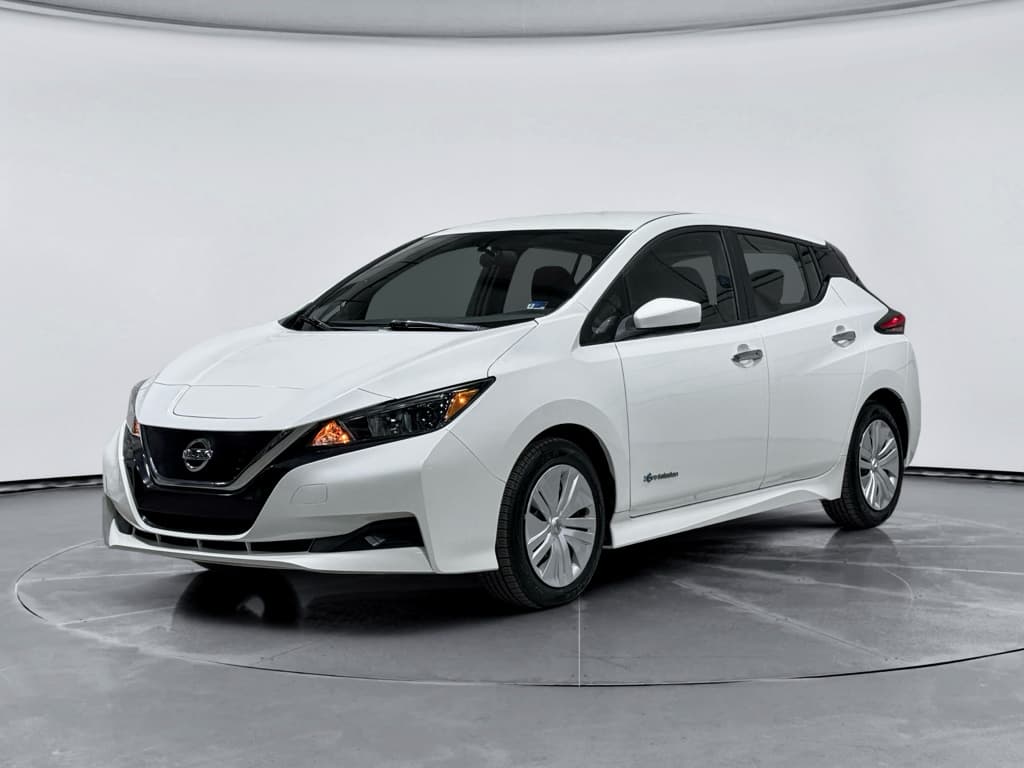
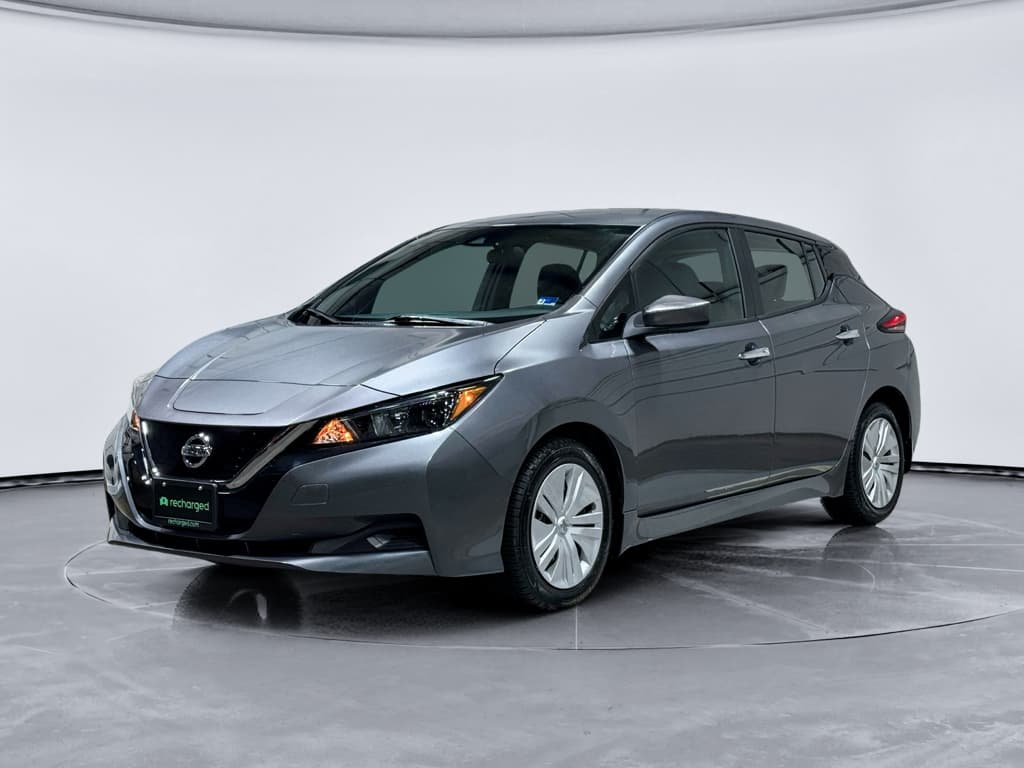
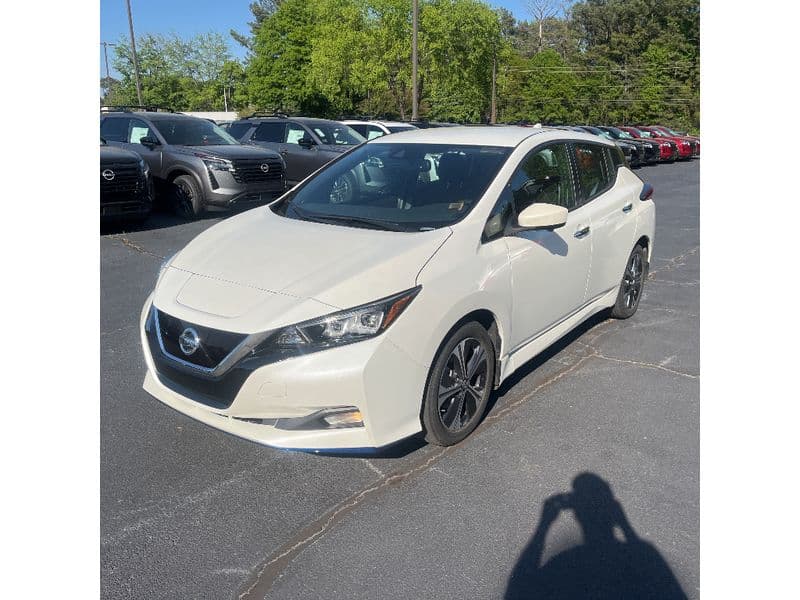
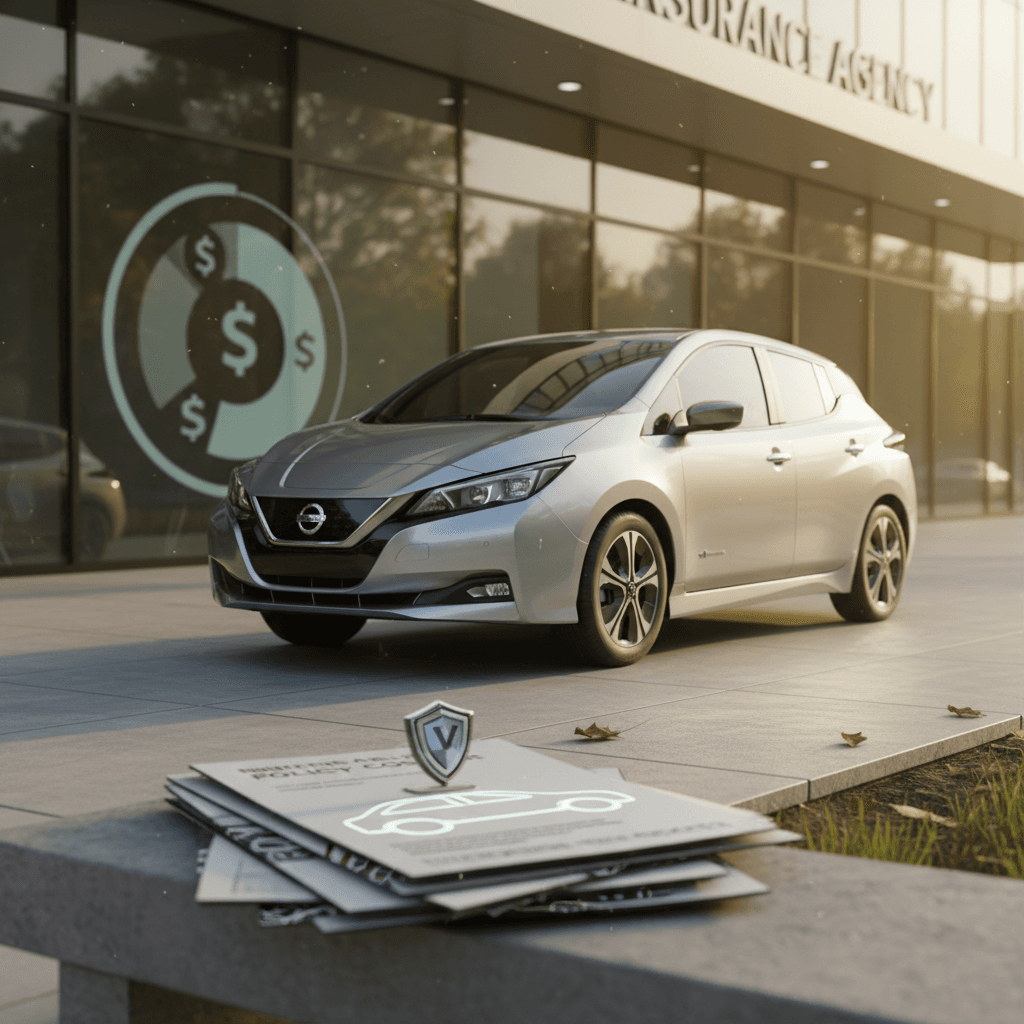
Nissan Leaf (2024–2026)
The long‑running compact hatch is one of the least expensive EVs to insure, thanks to modest power, strong safety scores, and a huge pool of parts and repair data. The redesigned 2026 Leaf keeps those virtues while adding more range.
Chevrolet Bolt EV / EUV (through 2025)
GM’s budget EV twins are insurance darlings: relatively simple, compact, and widely sold. Even with the new‑generation Bolt arriving for 2027, used 2022–2025 models are typically among the lowest‑cost EVs to cover.
Hyundai Kona Electric
A subcompact crossover with mainstream repair costs and good crash‑test performance. Multiple studies put Kona Electric only slightly above comparable gas crossovers on insurance price.
Kia Niro EV
Another small crossover that avoids luxury‑segment complexity. Many insurers rate Niro EV favorably relative to larger, heavier EV SUVs.
Chevrolet Equinox EV
Chevy’s newer Equinox EV was specifically called out in a 2025 insurer study as one of the most affordable electric cars to insure, thanks to its mass‑market positioning and mainstream parts pricing.
Select mainstream compacts
Regionally, models like the VW ID.4 Standard and base Subaru electric crossovers also show up with mid‑pack or low insurance rates, especially in areas where they’re common.
What about Tesla?
Typical 2026 insurance costs by popular EV model
To keep this grounded, here’s a **ballpark view of typical full‑coverage premiums** U.S. drivers may see in 2026 for popular electric models. These are reference ranges pulled from recent insurance‑cost guides and market analyses, not quotes for you personally:
Approximate 2026 annual full‑coverage premiums by EV model
Assumes a clean‑record driver in a mainstream U.S. metro, carrying roughly 100/300/100 liability, comp and collision with a $500–$1,000 deductible. Your numbers may be higher or lower.
| EV model | Vehicle type | Typical annual premium (2026) | Relative to similar gas car |
|---|---|---|---|
| Nissan Leaf (2022–2026) | Compact hatch | $1,800–$2,200 | Roughly similar to gas compacts; sometimes slightly cheaper |
| Chevrolet Bolt EV / EUV (2022–2025) | Compact hatch / small crossover | $1,900–$2,300 | ~10–15% more than an equivalent gas compact |
| Hyundai Kona Electric | Subcompact crossover | $2,000–$2,350 | ~15–20% more than gas Kona in many markets |
| Kia Niro EV | Compact crossover | $2,050–$2,400 | Slightly above an equivalent hybrid or gas compact SUV |
| Chevrolet Equinox EV | Compact crossover | $2,050–$2,450 | Often only modestly higher than gas Equinox |
| Hyundai Ioniq 5 | Midsize crossover | $2,100–$2,700 | Middle of the pack vs. other EV crossovers |
| Tesla Model 3 RWD | Compact sedan | $2,400–$3,000+ | Commonly higher than non‑luxury gas sedans |
| Tesla Model Y | Compact SUV | $2,700–$3,400+ | Often significantly higher than similar gas crossovers |
Use these numbers to compare models, not as a substitute for real quotes.
Don’t treat this table like a quote

Why these EVs are cheaper to insure than others
1. Modest power and performance
Insurance companies love cars that *don’t* tempt you into doing 0–60 runs on every on‑ramp. Models like the Nissan Leaf, Bolt, and Kona Electric make adequate power, but they’re not track toys. Lower performance usually translates into lower crash severity, which helps keep rates down.
2. Mainstream body styles and parts
Compact hatchbacks and crossovers use simpler sheet metal and share more components with gas siblings. A damaged front fender on a Kona Electric is not some rare, hand‑laid carbon‑fiber science project, it’s a mass‑produced part. That keeps repair costs, rental‑car time, and ultimately premiums in check.
3. Strong safety and ADAS performance
Most of the EVs that are cheap to insure score well in crash tests and offer robust driver‑assistance suites: automatic emergency braking, lane‑keeping assist, and the like. When those systems actually prevent crashes, insurers reward them with lower rates.
4. Big, boring sample sizes
Insurers price risk using mountains of data. The more everyday Leafs, Bolts, Konas, and Niros they see in their books, the more confidently they can price them. Exotic, low‑volume EVs tend to carry a data premium because nobody’s sure what they’ll cost to fix after a crash.
Think like an underwriter
Used vs. new: Which EVs are actually cheapest to insure?
One of the quiet perks of the EV market in 2026 is just how attractive **used electric cars** can be from an insurance standpoint. Purchase prices have cooled, and older models often sit in lower comprehensive and collision tiers because they’re simply worth less than a brand‑new flagship EV.
Why used EVs often win on insurance
It’s not just the sticker price that drops after a few years.
Lower vehicle value
Insurance pays for what the car is worth. A 2021 Leaf or Bolt is cheaper to replace than a 2026 luxury crossover, so comprehensive and collision portions of the premium can be dramatically lower.
Stabler repair ecosystem
By the third or fourth model year, independent shops and aftermarket parts often enter the picture. That gives insurers more repair options than “tow it to the dealer and brace for impact.”
Less performance, less risk
Many early‑generation EVs were basic commuters, not 500‑hp dragsters. Insurers see lower severity when things go wrong, which helps rates compared with newer, faster models.
The sweet spot, for many shoppers, is a **2–5‑year‑old compact EV** with a clean accident history and verified battery health. You benefit from lower depreciation and, often, lower insurance than a high‑dollar new EV, without dropping into the unknowns of a very old, heavily‑cycled pack.
How Recharged helps on the used side
7 ways to lower your electric-car insurance in 2026
Practical levers you can actually pull
1. Right‑size your EV choice
If insurance cost matters, bias toward simpler, mainstream EVs, Leaf, Bolt, Kona Electric, Niro EV, Equinox EV, rather than performance‑oriented or luxury models. You’ll often save hundreds per year in premiums alone.
2. Adjust your coverage, not recklessly
You may not need low deductibles on an older, lower‑value EV. Raising your deductible from $500 to $1,000 and skipping unnecessary add‑ons can trim your bill, as long as the out‑of‑pocket risk still fits your savings.
3. Shop multiple EV‑savvy insurers
Some carriers have already re‑rated EVs aggressively; others are still skittish. Always get quotes from at least three companies, including at least one that markets itself as EV‑friendly or usage‑based.
4. Ask specifically about safety discounts
If your EV has automatic emergency braking, lane‑keeping assist, or telematics, make sure those features are listed on the policy. Many discounts don’t apply automatically unless the agent or online form captures the right options.
5. Consider mileage‑based or telematics programs
EVs are popular with low‑mileage urban drivers. If you drive less than 7,500–10,000 miles per year, a pay‑per‑mile or usage‑based policy can claw back some of the EV premium penalty.
6. Bundle and clean up your record
The boring stuff still dominates: multi‑car and home/auto bundles, no recent at‑fault accidents, and good credit (where allowed) have a much bigger impact on your rate than the make and model alone.
7. Time your purchase around rate hikes
In some states, insurers have filed specific EV rate increases that phase in over time. A Recharged specialist can help you understand whether buying now or in a few months is likely to land you in a different rating era.
Bundle the savings
How insurers think about EV risk (in plain English)
Insurance companies are not mystics; they’re spreadsheets with lobbyists. To understand why one EV is cheaper to insure than another, it helps to know the levers they pull behind the curtain.
- **Frequency of claims:** How often that model gets into crashes, thefts, or comprehensive claims (hail, vandalism, etc.).
- **Severity of claims:** When there *is* a claim, how big the check usually is. Battery‑intrusion crashes, for example, can total a car that otherwise looks repairable.
- **Repair ecosystem:** Are there lots of trained body shops and affordable parts, or does every bent bumper require a dealer and a months‑long wait?
- **Driver profile:** Some models skew younger or sportier; others skew older and more conservative. Insurers price the *people* they expect to drive the car, not just the hardware.
- **Safety tech performance:** Advanced driver‑assistance can lower rates, but only if it actually reduces crash frequency in the real‑world data.
The battery question
Where Recharged fits into your insurance picture
Recharged doesn’t sell auto insurance, but we care deeply about what it costs you to keep an EV on the road. That’s why every car on our platform comes with a **Recharged Score Report** that includes battery‑health diagnostics, accident history, and fair‑market pricing. Insurers like cars with clean histories and transparent condition, and so should you.
1. Pick an EV that’s easier to insure
Our EV‑specialist team can help you compare models not just on range and price, but on total cost of ownership, including typical insurance costs. If you’re torn between a used Kona Electric and a more powerful luxury crossover, we’ll talk frankly about what that might mean for your premiums.
2. Use the data when you shop insurance
Because Recharged documents battery health, prior damage, and mileage up front, you’re better positioned to shop your EV around with insurers. A clean, well‑documented car tends to sit in more favorable risk buckets than a mystery‑history auction rescue.
If you’re hunting for the **cheapest electric car to insure in 2026**, the answer isn’t hiding in a single model name; it lives where **sensible hardware, mature repair networks, and boringly good safety records** overlap. Right now, that intersection is crowded with cars like the Nissan Leaf, Chevrolet Bolt, Hyundai Kona Electric, Kia Niro EV, and Chevrolet Equinox EV, especially on the used market. Choose one of those, pair it with smart coverage and an honest look at your driving habits, and insurance becomes just another line item, not the plot twist that ruins your EV ownership story.