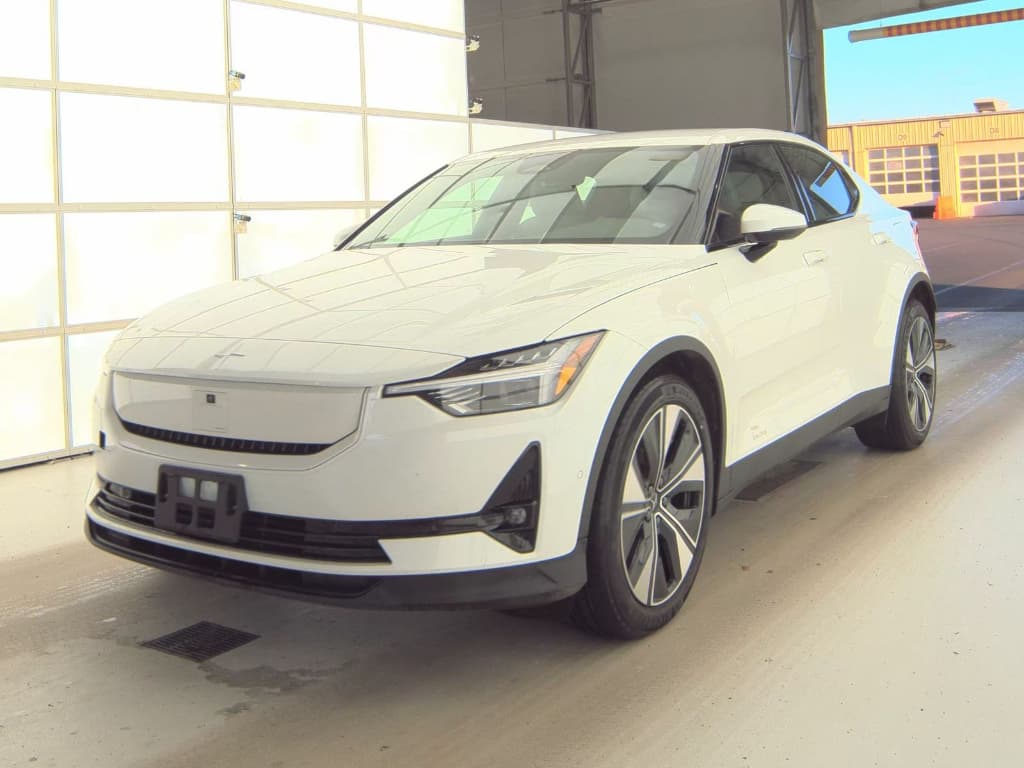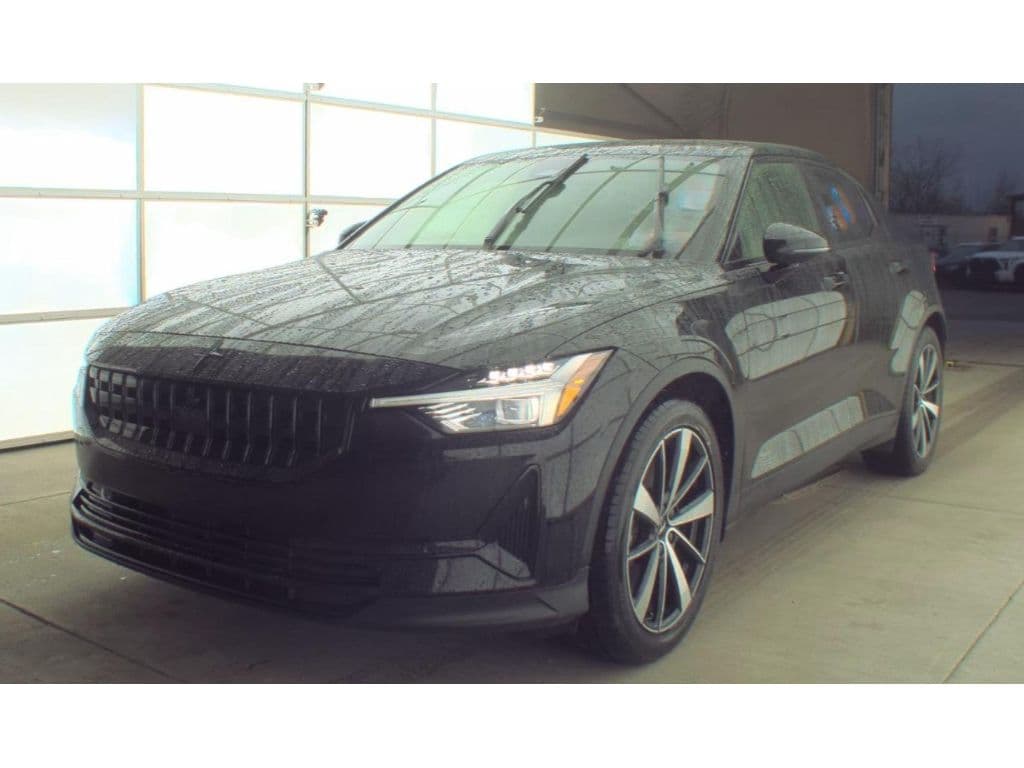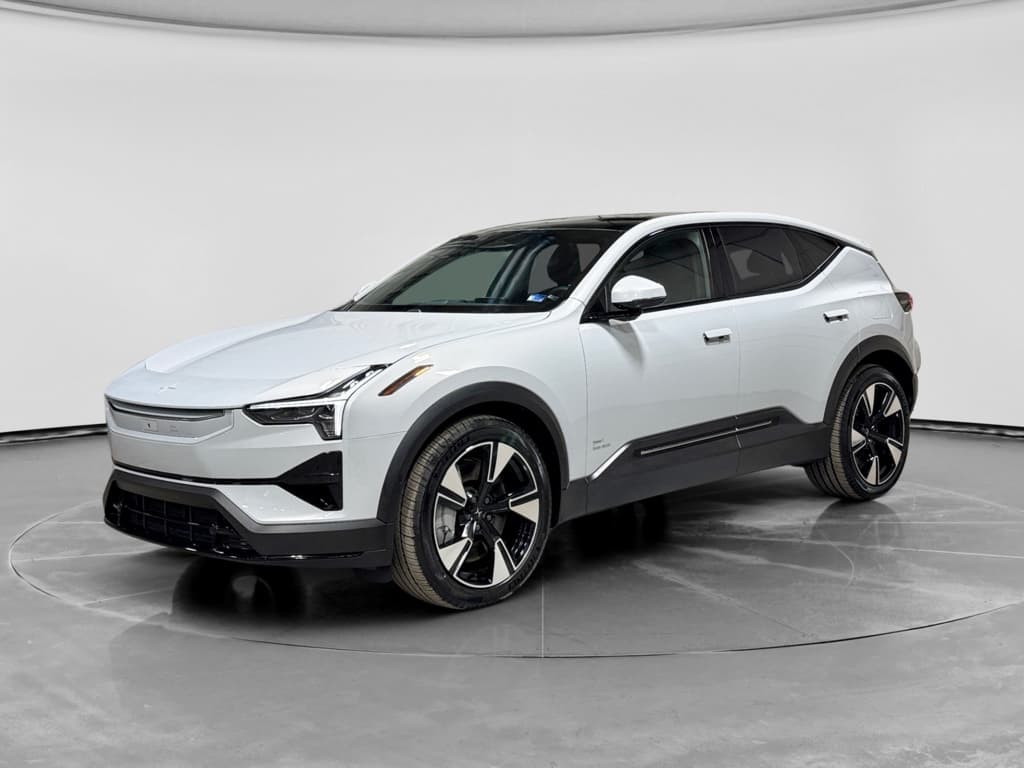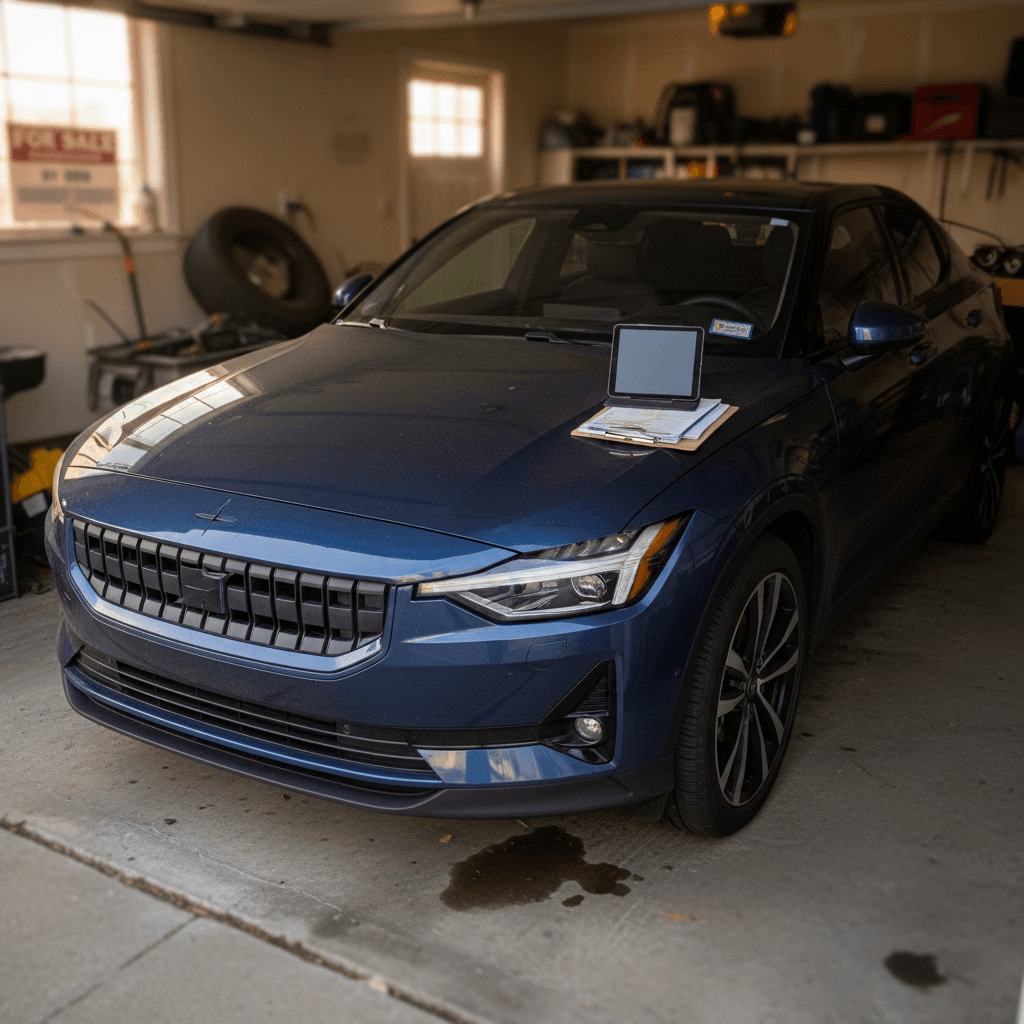
Is the 2024 Polestar 2 a good buy in 2026? In a word: yes, if you know what you’re signing up for. The 2024 model is the sweet-spot year for this Swedish-designed EV: more range, more power, and a rear‑drive layout that finally makes the car drive as good as it looks. But it also carries rapid EV depreciation, patchy software reliability, and a brand that’s still figuring out long‑term support in the U.S. This guide walks you through where the 2024 Polestar 2 shines, where it stumbles, and how to shop one smartly on the used market.
Context: You’re buying in 2026
Bottom line: Is the 2024 Polestar 2 a good buy?
Short answer
If you want a stylish, quick, Scandinavian-feeling EV that stands out from the usual Teslas and Hyundais, a clean 2024 Polestar 2 can be an excellent used buy. The 2024 refresh fixed the car’s biggest dynamic gripe (front‑drive understeer) and improved range, while depreciation has knocked a big hole out of that original MSRP.
The catch
The car lives in a weird middle ground: more premium than a Model 3 RWD, less practical than a Model Y, and backed by a younger brand with a mixed reliability and software record. You’re trading some peace of mind and dealer ubiquity for design, driving feel, and value.
When a 2024 Polestar 2 makes sense
A good buy for the right kind of driver
Design‑first daily driver
You care about interior quality and aesthetics as much as 0–60 times. You want something that feels like a scaled‑down Scandinavian lounge, not a rolling smartphone.
Enthusiast commuter
You want strong acceleration and rear‑drive balance, but you’re not chasing Nürburgring laps. Dual‑motor cars are properly fast; single‑motor RWD has just enough theater.
Value‑seeker with a safety net
You’re happy to let the first owner eat the 18%-ish annual depreciation, but you still want the remainder of the 4-year/50k mile bumper‑to‑bumper and long battery warranty.
When it’s not a good buy
What changed for the 2024 Polestar 2, and why it matters used
To judge whether the 2024 Polestar 2 is a good buy, you need to understand that it’s not just a paint‑and‑trim year. It’s a mechanical turning point for the model. Earlier cars (2021–2023) were front‑wheel drive in single‑motor form and carried smaller batteries; 2024 brings a more serious hardware update.
Key upgrades: 2024 Polestar 2 vs earlier years
Why many enthusiasts and reviewers tell you to start shopping at 2024 and newer.
| Feature | 2021–2023 Polestar 2 | 2024 Polestar 2 |
|---|---|---|
| Single‑motor layout | Front‑wheel drive | Rear‑wheel drive (better traction, balance) |
| Battery (long range) | ≈75 kWh gross | ≈82 kWh gross |
| EPA range (LR single‑motor) | Up to ~270 miles | Low‑ to mid‑300s miles depending on wheels |
| EPA range (LR dual‑motor) | ~260 miles | Up to ~276 miles |
| Charging behavior | Good but not class‑leading | Improved efficiency; similar peak speeds |
| Power output (dual‑motor) | 408 hp (approx.) | Around 421–455 hp depending on spec |
The 2024 model year is generally the pick of the Polestar 2 litter if you care about range and driving feel.
In practice, that means a 2024 car feels more planted and mature, stretches a highway commute more comfortably, and will likely age better from a range perspective than a 2021 or 2022. You’re getting the second‑draft version of the car, not the opening-night release.
Pricing & depreciation: What should you actually pay?
2024 Polestar 2 money picture (U.S., mid‑2026, typical cases)
Polestar 2s have not been shy about losing value. Analysis of early model years shows roughly 17–22% annual depreciation through the first four years, which is steeper than most comparable gas sport sedans and roughly in line with other early‑cycle premium EVs. For you, the second owner, that’s a feature, not a bug.
What you can expect to pay in 2026
Very rough retail ballparks for well‑kept U.S. cars
Long Range Single Motor RWD
- Typical miles: 10,000–30,000
- Ballpark pricing: high-$30,000s to low-$40,000s
- Plus/Pilot packs, wheels, and colors push this higher.
Long Range Dual Motor AWD
- Typical miles: 10,000–30,000
- Ballpark pricing: low‑$40,000s to high‑$40,000s
- Performance Pack cars cluster higher again thanks to power and Ohlins suspension.
Use depreciation to your advantage
On Recharged, every Polestar 2 listing includes a Recharged Score Report with battery health data, fair‑market pricing, and depreciation context specific to that VIN. That’s especially useful for a car like this, where option packs and prior fast‑charging history can swing value more than a simple year‑make‑model price guide will admit.
Range, charging & daily usability
The 2024 Polestar 2 is no longer the short‑legged early adopter special it once was. With the updated battery and motor setup, it moves into the “good enough for most people most of the time” range bracket, even if it still doesn’t dominate the spec sheet the way a Tesla does.
2024 Polestar 2 range & performance snapshot
Approximate EPA figures; exact range varies with wheel choice, temperature, and options.
| Version | Drivetrain | Battery | EPA range (approx.) | 0–60 mph (approx.) |
|---|---|---|---|---|
| Long Range Single Motor | RWD | ~82 kWh | Low‑ to mid‑300s miles | ~5.9 sec |
| Long Range Dual Motor | AWD | ~82 kWh | Mid‑200s to high‑200s miles | ~4.3 sec |
| Dual Motor Performance Pack | AWD | ~82 kWh | Mid‑200s miles | ≈4.0 sec |
The single‑motor 2024 Polestar 2 offers the best combination of price and range; dual‑motor cars trade some of that for all‑weather traction and acceleration.
- Good: Highway range that genuinely supports 200+ mile stints even at U.S. speeds, especially in single‑motor form.
- Good: Rear‑drive balance and instant torque make it feel more playful than a spec sheet suggests.
- Meh: DC fast‑charging speeds are fine but not class‑leading; it’s not the road‑trip monster that a Hyundai Ioniq 5 or Kia EV6 can be.
- Meh: Trunk and rear‑seat space are just OK, very much a liftback sedan, not a crossover.
Charging reality check
If you routinely road‑trip across sparse charging regions, there are better tools for the job. If you mostly commute, run errands, and occasionally stretch to a nearby city, the 2024 Polestar 2’s range and charging profile slot nicely into real life, especially when paired with home charging.
Reliability, recalls & warranty coverage
Here’s where the 2024 Polestar 2 stops being an Instagram object and becomes a real‑world machine. Mechanically, the car has held up reasonably well so far. The pain points are mostly in the modern automaker’s Achilles’ heel: software, infotainment, cameras, and little gremlins that send warning lights on long road trips.
What we’re seeing from owners and data
Not a disaster, not a Toyota either
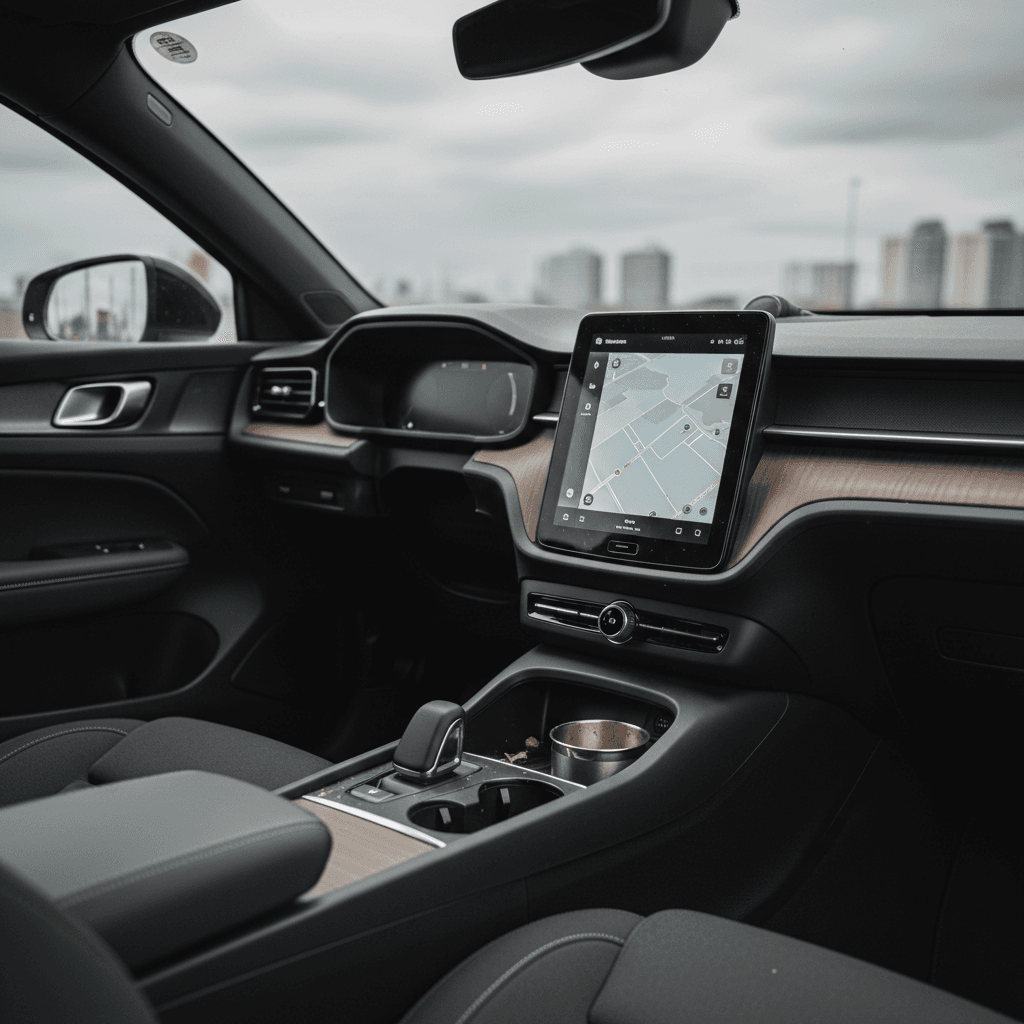
Software & infotainment glitches
Owners report intermittent touchscreen freezes, camera issues, and random warning messages. Many get fixed with updates or reboots; a few require parts and visits.
Hardware & wear items
Suspension components, door seals, and occasional charging port issues show up in some cases, but there’s no single endemic mechanical flaw dominating 2024 cars yet.
Warranty safety net
In 2026, a 2024 Polestar 2 will generally still have at least 2–3 years of basic warranty and long battery coverage remaining, softening the risk curve for second owners.
Don’t ignore recall and campaign history
Because Polestar’s dealer and service footprint in the U.S. is still relatively thin, the real frustration some owners describe isn’t failure itself but downtime and parts logistics. A sensor or camera replaced under warranty is tolerable; waiting two weeks for that part to arrive from Europe is less amusing. If you live hours from the nearest Polestar/Volvo service point, weigh this heavily.
How the 2024 Polestar 2 compares to rivals
Tesla Model 3 (RWD / Long Range)
- Pros vs Polestar 2: More range per dollar, denser Supercharger network, stronger charging performance, higher efficiency.
- Cons: Interior quality and NVH feel cheaper and harsher, less distinctive design, everyone already has one.
- Verdict: If you prize range and infrastructure above all else, the Tesla wins. If you care about cabin feel and character, the Polestar 2 punches back hard.
Hyundai Ioniq 5 / Kia EV6
- Pros vs Polestar 2: Ultra‑fast 800V charging, more usable rear seat and cargo space, strong reliability track record so far.
- Cons: Less premium cabin ambiance, softer driving feel, styling that you either love or don’t.
- Verdict: Road‑trippers and family haulers should start here; design‑centric urbanites may prefer the Polestar.
BMW i4 eDrive40 / xDrive40
- Pros vs Polestar 2: Classic BMW driving polish, richer dealer/service network, strong refinement.
- Cons: Often pricier used, options can explode costs, infotainment complexity.
- Verdict: The i4 feels more like a traditional luxury sport sedan; the Polestar 2 feels like a design object that happens to be quick.
Where the Polestar 2 genuinely shines
Who the 2024 Polestar 2 is perfect for, and who should skip it
Buy it if this sounds like you
- You want a compact premium EV, not a family crossover.
- You care about design, materials, and driving feel more than dominating spec sheets.
- You have reliable access to home charging.
- You live within reasonable range of a Polestar or Volvo service center.
- You’re willing to tolerate the occasional software quirk in exchange for something distinctive.
Skip it if this sounds like you
- You need maximum rear‑seat and cargo space.
- You road‑trip constantly and want the fastest charging network and speeds available.
- You value appliance‑like reliability over all else.
- You’re in a region with sparse Polestar service support.
- You want to own the car long past warranty with minimal drama.
Used 2024 Polestar 2 buying checklist
9 things to verify before you say yes
1. Confirm remaining warranty
Ask for the in‑service date and mileage so you know exactly how much of the 4‑year/50,000‑mile bumper‑to‑bumper and 8‑year battery warranty is left. A car first titled late in 2024 is more attractive than one sold early in the model year.
2. Review recall and campaign status
Make sure all safety recalls and software campaigns have been completed. On Recharged, this is summarized up front; elsewhere, ask for documentation from a Polestar/Volvo dealer.
3. Get battery health data, not just range guesses
Look for <strong>state‑of‑health (SoH)</strong> testing or detailed charging history. The Recharged Score Report includes verified battery diagnostics so you’re not gambling on a heavily fast‑charged former ride‑share car.
4. Inspect for software and infotainment behavior
During your test drive, cycle through cameras, driver‑assist features, and the Google‑based infotainment. A system that freezes, reboots, or throws random alerts during a 30–60 minute drive is waving a red flag.
5. Check tires, wheels, and suspension
Performance Pack and big‑wheel cars are more likely to have curb rash and tired tires. Listen for clunks over bumps and inspect for uneven tire wear, both can hint at alignment or suspension issues.
6. Evaluate charging behavior
If possible, plug into a DC fast charger and watch how the car ramps. You want stable charging without repeated stoppages or communication errors, which can indicate hardware issues.
7. Look closely at interior wear
The Polestar 2’s interior materials are generally good, but light‑colored trims show wear quickly. Check seat bolsters, steering wheel, vegan upholstery, and door cards for scuffs beyond what the odometer suggests.
8. Verify driver‑assist functionality
Pilot Assist, adaptive cruise, lane keeping, and blind‑spot monitoring should all work smoothly. Inconsistent operation could be calibration, but it can also signal sensor or camera issues.
9. Compare total cost of ownership
Price is just the start. Factor insurance, potential repair costs out of warranty, and likely depreciation over the next 3–5 years. Use tools like Recharged’s depreciation and trade‑in guides to sanity‑check the deal.
Let Recharged do the homework
FAQ: 2024 Polestar 2 as a used buy
Frequently asked questions
Final verdict: Smart buy or future headache?
The 2024 Polestar 2 is the car this nameplate should have been from day one: rear‑drive when you want it, quick in all trims, with range that no longer requires a charging spreadsheet to visit your in‑laws. On the used market in 2026, that makes it a deeply appealing left‑field choice, especially if you’re tired of seeing the same three EVs in every parking lot.
It is not, however, the default, zero‑stress answer. You’re buying into a young brand with a thinner service network and a car whose long‑term reliability story is still being written. That’s where buying smart matters: prioritize strong warranty runway, clean software and recall history, and verified battery health over color and wheel size. Let the first owner take the experimental risk and most of the financial hit; you focus on finding the right example.
If you do that homework, and let tools like the Recharged Score Report and expert EV advisors help you compare options, the 2024 Polestar 2 moves firmly into “good buy” territory. It may never be the safe, ubiquitous choice. But for the right driver, it’s the one that will make every commute feel just a little more like a deliberate aesthetic decision than an errand.