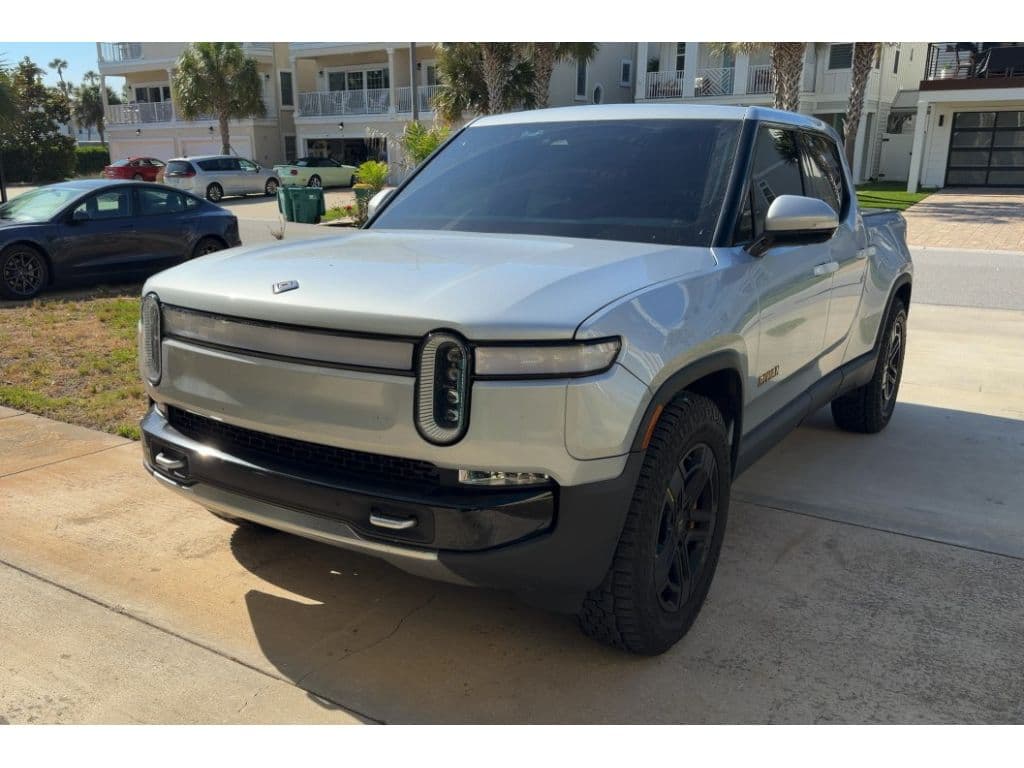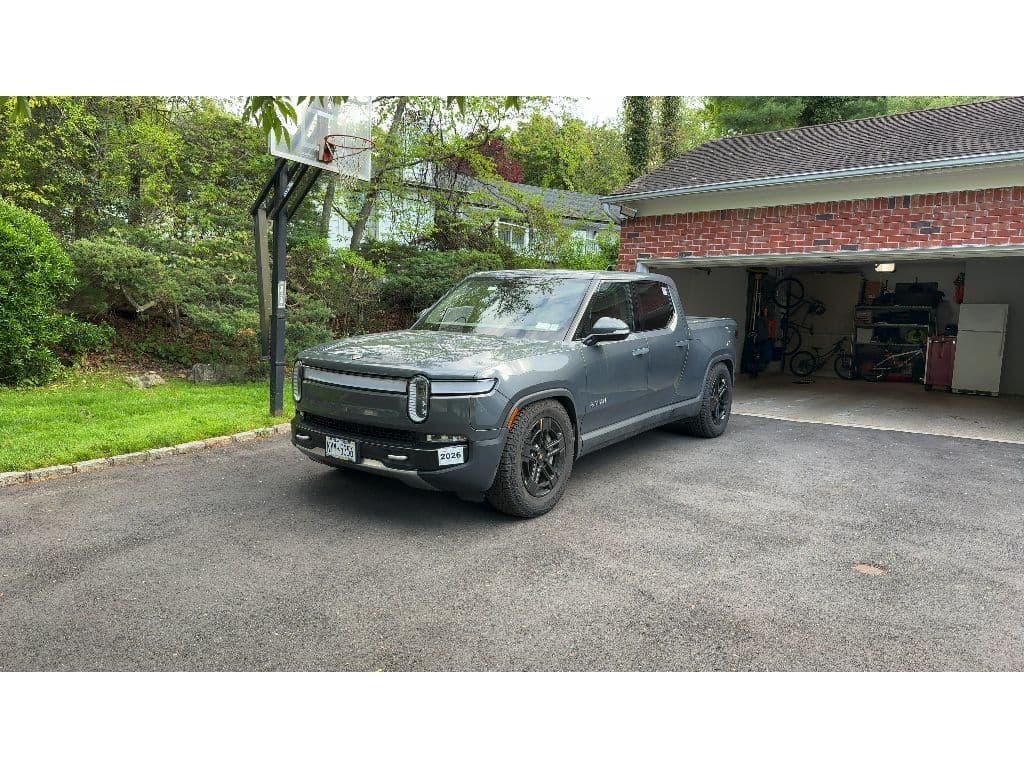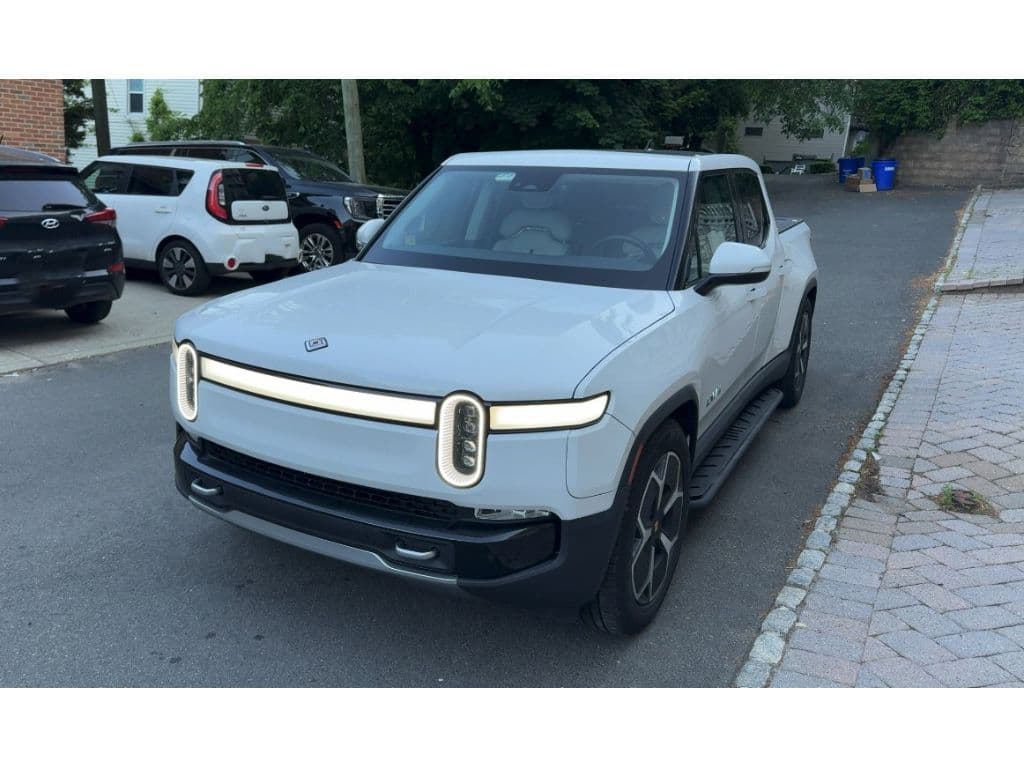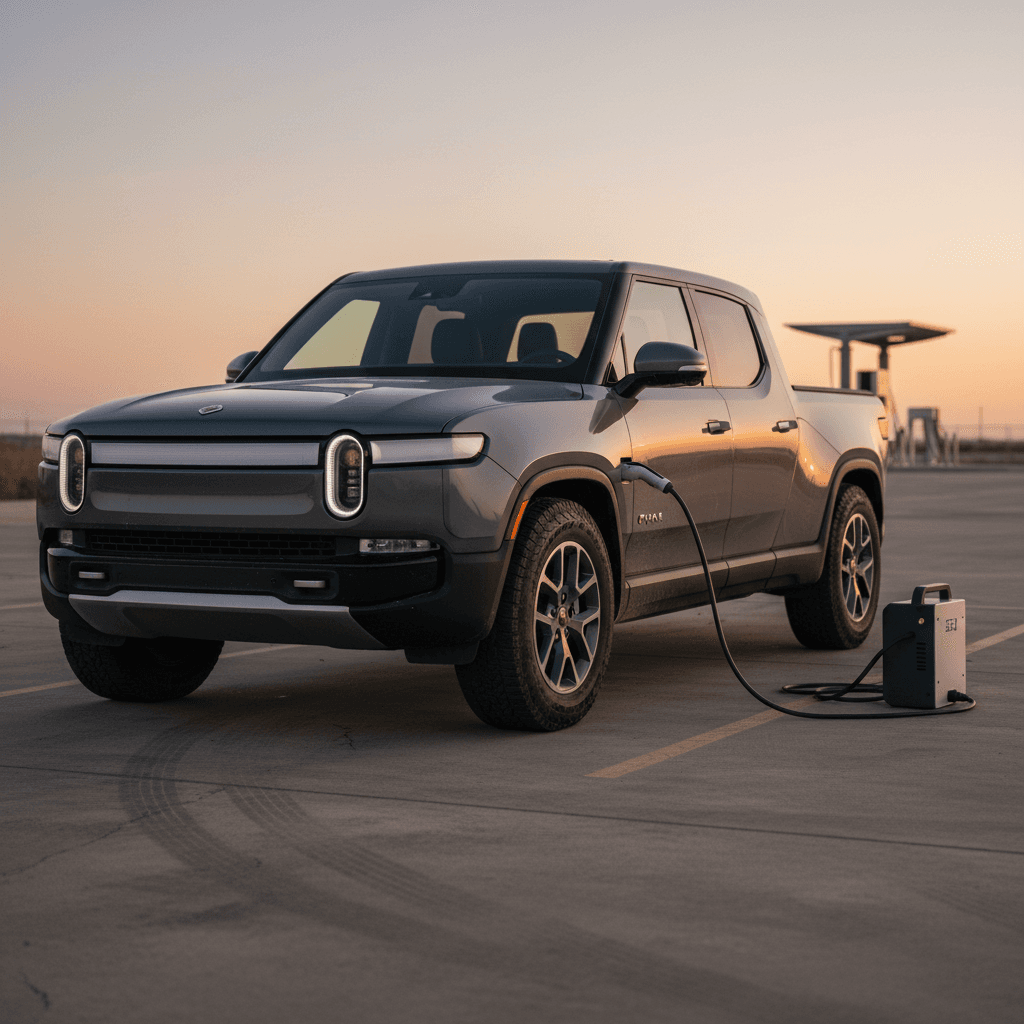
If you’re looking at adventure‑ready electric pickups, a used 2022 Rivian R1T is probably on your shortlist. It was Rivian’s first full production year, which means early‑adopter quirkiness, but also big depreciation that used buyers can take advantage of. This 2022 Rivian R1T review focuses specifically on the used market: real‑world range, towing trade‑offs, reliability patterns, pricing, and how to shop smart.
Model‑year context
Why the 2022 Rivian R1T Makes Sense Used
In 2022, the R1T arrived as a clean‑sheet, quad‑motor, off‑road‑capable EV pickup with supercar acceleration and a premium interior. New, many early builds pushed well into the $80,000–$90,000 range once you added the Large battery pack, off‑road package, and nice‑to‑have options. Fast‑forward to 2026 and those same trucks are often trading in the high‑$40,000s to mid‑$50,000s, depending on miles, spec, and condition. That discount versus new is what makes the 2022 model year interesting for used buyers.
Who a Used 2022 R1T Fits Best
Match the truck’s strengths to your real use case
Outdoor Adventurers
You regularly head for the mountains, ski hill, or trailhead, and you want silent, instant‑torque 4x4 capability without the fuel bill.
Suburban Families
You mostly do school runs, Costco trips, and weekend getaways, and like the idea of a quiet, safe, tech‑forward family hauler.
Light Commercial Users
You tow or haul occasionally, but local and regional work is more common than cross‑country heavy towing.
Used‑buy sweet spot
Key 2022 Rivian R1T Specs Used Buyers Should Know
Because Rivian has changed its battery and motor lineup several times, 2022 trucks can look confusing in listings. The good news: in the U.S. market, most 2022 R1Ts share a common backbone of capability, even if the marketing names have shifted since.
Core 2022 Rivian R1T Specs (Most Common U.S. Configs)
These are the specs you’ll see most often when shopping 2022 R1Ts used.
| Spec | Typical 2022 R1T Value | What It Means Used |
|---|---|---|
| Drivetrain | Quad‑motor AWD | Insane traction and acceleration; more complexity than later dual‑motor trucks. |
| Battery pack | Large pack (~135 kWh usable) | Most 2022s are Large pack; critical for range, towing, and resale. |
| EPA range | ~314 miles (20" wheels), ~300 miles (21"/22") | Real‑world highway range is lower, especially with larger wheels and accessories. |
| DC fast charging | Peak ~200+ kW, 10–80% in ~30–40 min when warm | Plenty for road trips; software updates have improved curves over time. |
| AC charging | 11.5 kW onboard (48A at 240V) | On a 48A Level 2, expect roughly 25–30 miles of range per hour. |
| Towing capacity | 11,000 lbs rated | Capability is high; range drop while towing is the bigger constraint. |
| Payload | ~1,700–1,760 lbs | Comfortable for passengers + gear, but not a heavy work‑truck hauler. |
| Bed length | 4.5 ft | Great for most lifestyle use, limiting for long construction materials. |
Exact figures vary slightly by wheel/tire and options; always confirm on the specific truck.
Watch wheel size
Real‑World Range and Battery Health on a Used R1T
Every used EV review really boils down to one question: how much range do you actually get today, not just when the truck was new? The 2022 R1T launched with impressive EPA numbers, but real‑world results depend heavily on wheels, climate, speed, and how the previous owner drove and charged.
Real‑World 2022 R1T Range Benchmarks
So far, early data suggests that battery degradation on the 2022 R1T has been modest. Many two‑ to three‑year‑old trucks still show estimated full‑charge range close to new, especially when owners regularly charge to 70–80% and avoid constant fast‑charging. Where things diverge is in trucks that towed heavily at highway speeds or lived their lives at 100% charge in hot climates.
How Recharged measures battery health
- On a healthy Large‑pack 2022 R1T, assume roughly 220–250 miles of comfortable highway range at 70–75 mph without towing.
- In winter, especially at sustained highway speeds, it’s reasonable to plan for another 15–30% range hit from cold temps and cabin heat.
- Software updates can both tweak displayed range and improve efficiency; when comparing trucks, note build date and software version in the service history.
Towing, Hauling, and Utility in the Real World
On paper, the 2022 Rivian R1T is a towing monster: 11,000‑lb tow rating and stout payload for a mid‑size‑plus truck. In practice, it’s fantastic for shorter, predictable routes and weekend toys, but you need to be honest about your usage if you’re coming from a diesel or gas 1500/2500 with a huge tank.
Where the 2022 R1T shines at towing
- Instant torque makes merging and climbing grades effortless, even with a big enclosed trailer.
- Independent air suspension levels itself and tows with impressive stability when properly hitched.
- Low center of gravity from the battery pack makes the truck feel planted on rough or windy highways.
- Fine control in reverse makes backing trailers into tight sites easier than in many ICE trucks.
Where tow‑focused buyers should be cautious
- Expect a 40–60% range reduction with large campers or car haulers at highway speeds.
- You’ll be planning your routes around DC fast chargers that accept CCS and have pull‑through or trailer‑friendly layouts.
- The 4.5‑foot bed is great for bikes and camping gear, less ideal for long lumber or bulky work materials.
- High‑load off‑road use plus towing can push tires and suspension harder than a light‑duty lifestyle truck.
If you tow long and heavy, read this twice
2022 Rivian R1T Reliability and Common Issues
Reliability is where early‑build EVs separate casual fans from serious used‑buy shoppers. The 2022 R1T doesn’t have a catastrophic, must‑avoid flaw, but it does have the expected first‑generation quirks, and Rivian’s young service network is a real‑world factor.
Most Common 2022 R1T Issues Used Buyers Should Ask About
Many have been fixed under warranty, but only if the previous owner stayed on top of service.
Water & seals
Some early trucks saw moisture in tail lights, minor water intrusion around door seals, or noisy windows. Usually addressed with revised seals under warranty.
Suspension & ride height faults
Air‑suspension leaks, compressor issues, or height sensor faults can trigger warnings or uneven stance. Repairs range from software updates to component replacement.
12V and low‑voltage alerts
Owners report 12‑volt battery warnings or low‑voltage system messages that can lead to range limits if ignored. Not a pack failure, but still needs attention.
Trim & build niggles
Misaligned panels, squeaks, rattles, and cosmetic flaws are more common on early trucks. Annoying, not mission‑critical, but worth checking on a used example.
Early software bugs
Glitchy driver‑assist, phantom warnings, infotainment freezes. Many issues have been addressed by OTA updates, but verify the truck is on current software.
Distance to service
Even if the truck is solid, living hours from a Rivian service center or mobile tech can turn minor issues into major inconveniences. Factor this into your decision.
Don’t skip recall and service history
The 2022 R1T isn’t fragile, but it is an early‑run, highly complex EV truck. The real test isn’t whether an owner ever saw a warning light; it’s whether those early issues were addressed correctly and on time.
Used 2022 Rivian R1T Pricing and Resale Value
Depreciation is where a used 2022 Rivian R1T flips from early‑adopter risk to opportunity. Early buyers paid luxury‑SUV money; by 2026, you’re seeing real bargains relative to capability, especially if you’re cross‑shopping new half‑ton pickups or premium SUVs.
2022 Rivian R1T Used Pricing Snapshot (Spring 2026)
Those are broad guideposts; real pricing is a function of spec, region, and market mood. Quad‑motor trucks on 20‑inch wheels with Large pack, Adventure trim, tow package, and a clean history will always command a premium. Odd color combos, heavily curbed 22‑inch wheels, or evidence of hard use can knock thousands off the price, and may or may not be worth the discount to you.
How Recharged benchmarks fair pricing
Ready to find your next EV?
Browse VehiclesWhat to Check When Inspecting a Used 2022 R1T
With any used EV, the key is separating normal wear from warning signs of deeper problems. The 2022 R1T adds a few EV‑truck‑specific checks: air suspension health, off‑road use, and the reality that some owners treated these like toys rather than tools.
10 High‑Impact Checks Before You Buy a 2022 R1T
1. Battery health and range history
Ask for a recent full‑charge range screenshot and, ideally, a third‑party or <strong>Recharged Score</strong> battery health report. Range that’s dramatically below similar trucks with similar miles is a red flag.
2. DC fast‑charging vs. home charging mix
A truck that lived on a 240‑volt home charger will usually age better than one fast‑charged daily. Service records and owner interviews can help you understand its charging life.
3. Suspension warnings or uneven stance
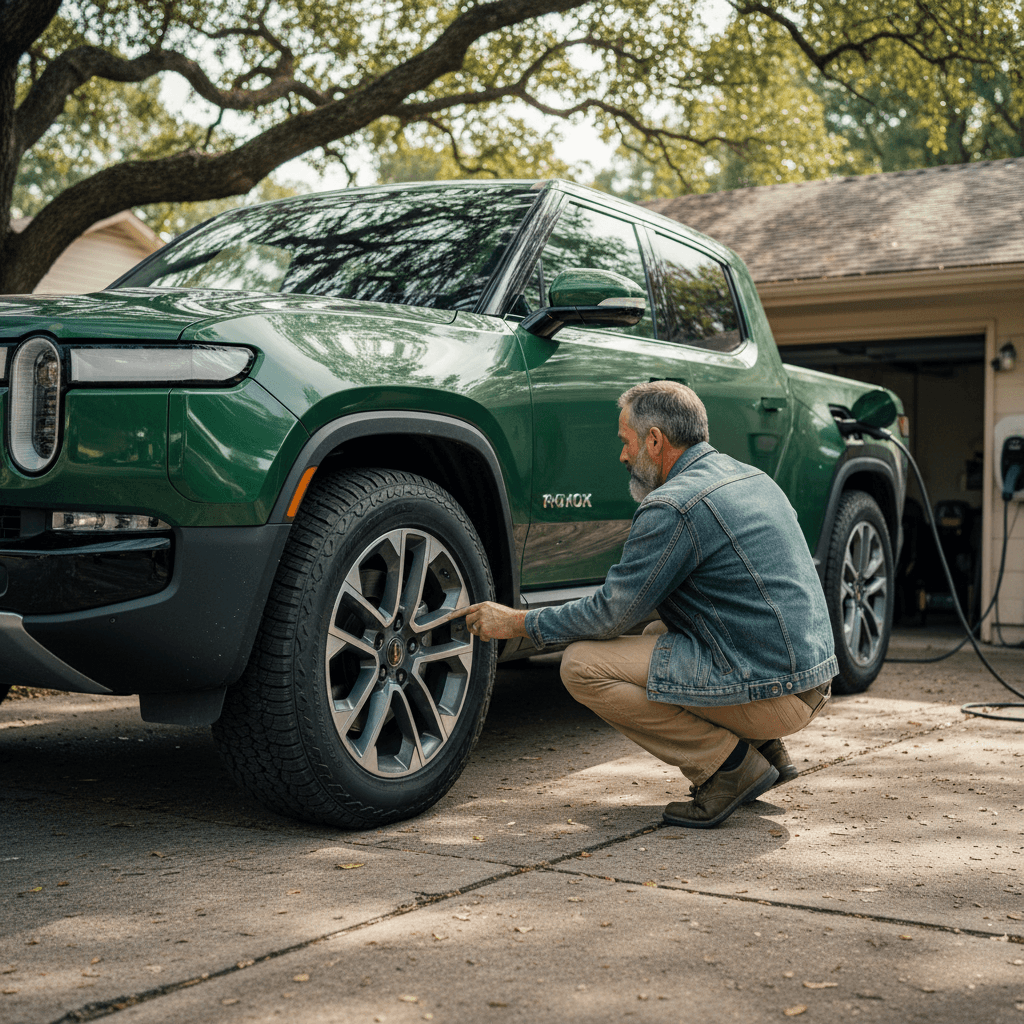
Walk around the truck on level ground. If it leans, sits at different heights corner to corner, or shows active suspension warning lights, budget for diagnosis and possible air‑suspension work.
4. Underbody and off‑road wear
Slide under the truck or use a lift. Scrapes on skid plates are normal; direct hits to structural members, battery case, or suspension arms are not.
5. Wheels, tires, and alignment
Check for curbed or bent wheels, uneven tire wear, and mismatched tires. These are clues about how hard the truck was driven and whether it’s had proper alignments after off‑road use or impacts.
6. Water intrusion and seal condition
Inspect corners of the windshield, door seals, tail lights, and the bed for signs of water marks or mold smells. Ask if any seals or lights were replaced under warranty.
7. Software version and feature set
From the center screen, verify the truck is on current software and that key features, driver‑assist, cameras, infotainment, work smoothly. An unupdated truck raises questions about owner diligence.
8. Driver‑assist cameras and sensors
Test adaptive cruise, lane‑keeping, park assist, and 360° cameras. Glitches can stem from simple calibration issues, or from prior collision damage that wasn’t repaired correctly.
9. Charging hardware and port condition
Inspect the charge port pins and door for damage. Plug into Level 2 and (if possible) DC fast charge to confirm stable charging speeds without error messages.
10. Service network reality check
Before you fall in love, map your nearest Rivian service center and mobile coverage. If you’re hours away, make sure you’re comfortable with potential downtime for non‑urgent fixes.
Consider a professional EV inspection
2022 R1T vs. Newer Rivians and Other EV Trucks
By 2026, the 2022 R1T isn’t just competing with brand‑new Rivians; it’s also up against newer Ford F‑150 Lightnings, Chevrolet Silverado EVs, and an increasingly dense field of three‑row EV SUVs that can handle a lot of the same tasks. So where does an early R1T fit?
How a Used 2022 R1T Stacks Up
Compared with newer R1Ts and rival EV trucks
Vs newer R1Ts
Pros: Lower price, same basic platform and capability, quad‑motor availability, plenty of OTA upgrades already in place.
Cons: More early‑run variance in build quality, older interior details, and sometimes less efficient tuning than 2024–2025 trucks.
Vs Ford F‑150 Lightning
Pros: Better off‑road chops, richer cabin, more distinctive design, stronger adventure focus.
Cons: Shorter bed, Rivian’s newer service network vs. Ford’s huge dealer footprint, charging ecosystem still centered on CCS until NACS arrives.
Vs GMC Hummer EV & others
Pros: More efficient than a Hummer EV, easier to live with day‑to‑day, often thousands cheaper used for equivalent spec.
Cons: Smaller and lighter‑duty if you need “bragging rights” towing or off‑road theatrics over real‑world usability.
Charging standard transition is coming
Is a Used 2022 Rivian R1T Right for You?
If you strip away the early‑adopter hype, the 2022 Rivian R1T is simply a very capable, very fast, very distinctive mid‑size electric truck. As a used buy, it makes the most sense for shoppers who value its combination of adventure‑ready capability and premium feel more than they fear first‑generation quirks.
Who Should, and Shouldn’t, Buy a Used 2022 R1T
Great candidates
You want a dual‑duty vehicle that can handle family life during the week and mountain trips on the weekend without fuel bills.
You value design, interior quality, and tech experience as much as raw tow rating or bed size.
You live within a reasonable radius of Rivian service or are comfortable coordinating mobile service when needed.
You’re willing to read a battery health report and service history instead of buying on paint color alone.
Should think twice
You tow 7,000+ lbs long‑distance multiple times a month and can’t afford extra charging time.
You live very far from Rivian service and need same‑day fixes for even minor issues.
You want a set‑and‑forget truck with zero patience for software updates or early‑run quirks.
You prefer a full‑size bed and ladder‑frame work‑truck feel over premium ride and handling.
For the right buyer, a used 2022 Rivian R1T is one of the most compelling ways to get into an electric truck today. You’re letting someone else pay for launch‑year depreciation and teething issues while you enjoy a still‑cutting‑edge platform. The key is to buy with your eyes open: insist on clear service history, real battery‑health data, and honest pricing that reflects condition. If you’d rather not do that homework alone, Recharged can match you with inspected, battery‑verified R1Ts, financing, trade‑in options, and nationwide delivery so your first Rivian experience feels more like an upgrade than an experiment.