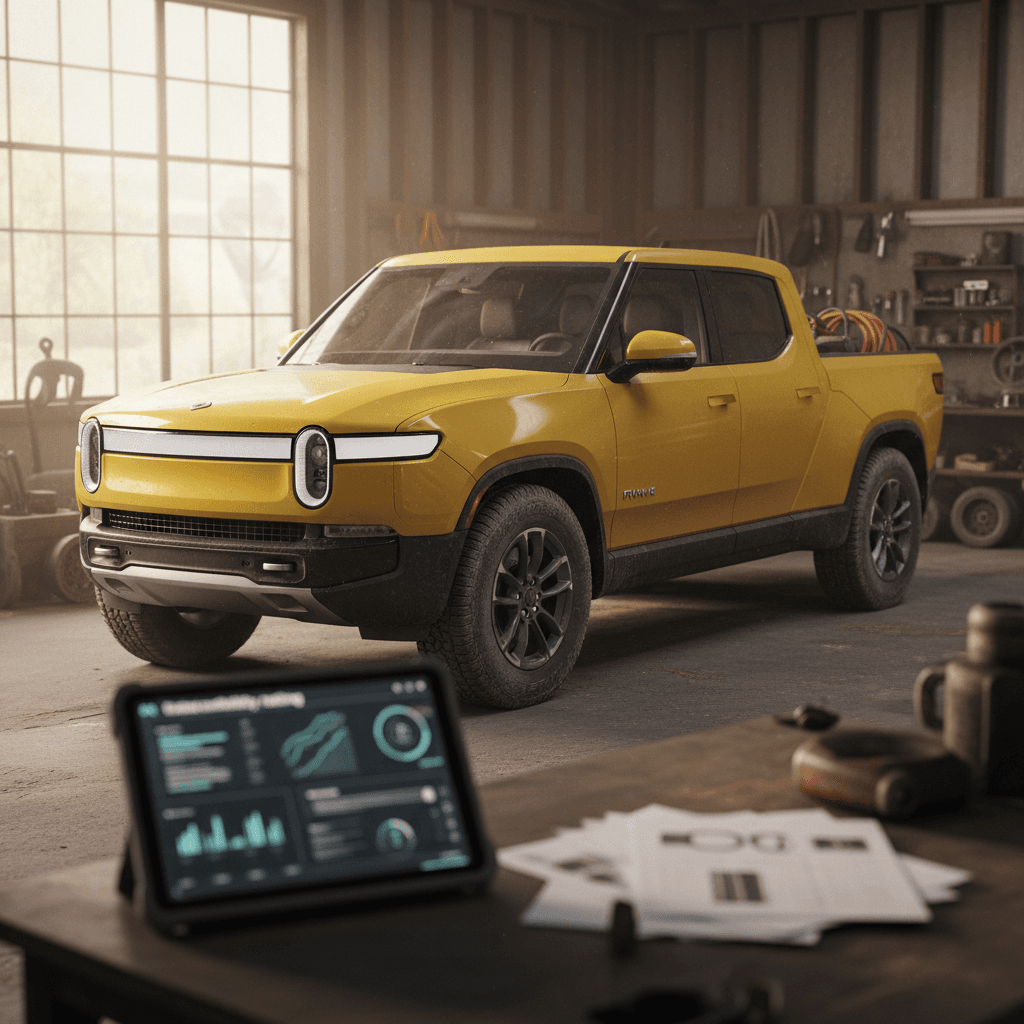
If you’re eyeing a 2022 Rivian R1T on the used market, you’ve probably heard two things: owners love these trucks, and reliability has been…complicated. The 2022 Rivian R1T reliability rating from major outlets like Consumer Reports sits near the bottom of the pack, yet owner satisfaction is sky‑high. Let’s unpack what that actually means for you if you’re shopping a first‑year R1T today.
Key takeaway on 2022 R1T reliability
2022 Rivian R1T reliability at a glance
2022 Rivian R1T reliability snapshot
Because Rivian is a young automaker and the R1T was brand‑new for 2022, even a handful of problems per truck can drag the 2022 Rivian R1T reliability rating down. Reliability studies also only have two Rivian models to average (R1T and R1S), which magnifies every issue. The good news is that the R1T’s powertrain itself has been relatively solid; the majority of headaches come from **electronics, trim, suspension, and minor hardware** rather than catastrophic failures.
Why ratings look harsh
How Consumer Reports rates the Rivian R1T
Consumer Reports gathers reliability data from thousands of owners and rolls that into a **0–100 reliability score**. Rivian’s R1T and R1S have landed near the very bottom of those rankings, with the R1T often cited as one of the **least reliable new vehicles** on sale. That doesn’t mean the truck is constantly breaking down on the side of the road; it means owners report more problems than average compared with similar‑age vehicles.
- Most trouble spots: in‑car electronics, body hardware (like tonneau covers and trim), suspension noises, and climate control quirks.
- Fewer serious powertrain issues: motors and high‑voltage battery systems are not the main drivers of low reliability scores.
- Brand effect: with only R1T and R1S in the lineup, Rivian’s brand score sinks quickly when either model has above‑average issues.
By contrast, traditional brands like Ford or Toyota can have one troublesome model without sinking their entire brand ranking, because their problems are diluted by a larger fleet. With Rivian, **every 2022 R1T survey response moves the needle**.
Common 2022 R1T problems owners report
Spend a little time in Rivian owner forums and you’ll see a pattern. Most 2022 R1T owners aren’t dealing with blown motors or dead packs; they’re wrestling with early‑production teething issues. Here are the big categories to know about.
Typical trouble spots on 2022 Rivian R1T trucks
Not every R1T will have all, or even any, of these, but they show up often in owner reports.
Electronics & software
- Infotainment glitches, random reboots, or laggy screens.
- Occasional phantom warnings or driver‑assist misbehavior that require software patches.
- Phone key and app connectivity hiccups.
Body & hardware
- Early powered tonneau cover failures and binding.
- Panel alignment, water leaks, or trim creaks and rattles.
- Wind noise from mirrors or door seals on some trucks.
Suspension & steering feel
- Clunks or pops from the suspension over low‑speed bumps.
- Steering wheel vibration that can be difficult to fully resolve.
- Occasional alignment issues leading to uneven tire wear.
HVAC & comfort items
- A/C performance issues that sometimes require multiple service attempts.
- Seat heaters, mirrors, or windows intermittently not responding.
- Cabin noises amplified by the quiet EV powertrain.
Focus your test drive
Recalls affecting the 2022 Rivian R1T
Like many first‑generation EVs, the Rivian R1T has had multiple recalls since its launch. The exact list evolves over time, but 2022 trucks have seen recalls for things like loose fasteners in the front suspension, seat belt anchors, and airbag or seat sensor calibration. Most of these are **proactive safety fixes**, and many trucks will already have them addressed.
Examples of recall themes for early Rivian R1T trucks
Not an exhaustive VIN‑specific list, always run the VIN through NHTSA or Rivian to confirm open recalls.
| Area | Typical Concern | What to Ask For |
|---|---|---|
| Front suspension hardware | Fasteners potentially not torqued to spec on some early trucks. | “Has the front suspension fastener recall been completed with documentation?” |
| Seat belts / restraint system | Wiring or mounting concerns that may reduce belt performance in a crash. | “Any seat belt or airbag‑related recalls done on this VIN?” |
| Airbag / seat sensors | Incorrect calibration could affect deployment timing. | “Has Rivian re‑flashed or inspected the restraint system on this truck?” |
| Driveability software | OTA updates for drive units, charging, and driver‑assist behavior. | “Is the truck current on all over‑the‑air software campaigns?” |
Use this table as a conversation starter with the seller or service center when shopping a 2022 R1T.
Good news on recalls
How early-build status affects 2022 R1T reliability
Not every 2022 Rivian R1T is created equal. The very earliest trucks, low VINs built in the first production months, tend to have more "Version 1.0" parts and more of the classic startup‑automaker hiccups. As production rolled through late 2022 and into 2023, Rivian quietly revised components, updated software, and tightened up processes.
Early 2022 builds
- More likely to have the original problematic powered tonneau cover.
- Higher odds of minor leaks, trim issues, and squeaks.
- Some trucks show more frequent service visits in the first year.
Late 2022 builds
- Benefit from running hardware changes and revised parts.
- Often have fewer body and water‑intrusion complaints.
- Still not trouble‑free, but generally more sorted than the first wave.
How to spot an early build
What 2022 R1T owners say about reliability
Owner anecdotes paint a mixed but surprisingly upbeat picture. Some 2022 R1T drivers rack up 50,000–70,000 miles with only minor rattles and a couple of software visits. Others tally **five to seven service appointments in the first year** for small but annoying issues, creaks, sensor faults, or trim adjustments. What’s striking is how many of those owners still say they’d **buy the truck again**.
“I’ve had no drivability issues with my 2022 R1T. 70k miles now and my only services were for stupid noises that I was hyper sensitive to.”
That’s the split personality of the 2022 Rivian R1T reliability story: the **experience is special enough** that many owners forgive more trips to the service center than they’d tolerate from a boring crossover. Your tolerance for that trade‑off should guide how you shop.
2022 Rivian R1T vs. other EV trucks for reliability
If you’re cross‑shopping a 2022 R1T with other electric pickups, you’re mostly looking at fellow first‑generation science projects: Ford F‑150 Lightning, GMC Hummer EV, and early Silverado or Sierra EVs, depending on model year. None of these are reliability rock stars yet.
How the 2022 R1T compares with other EV trucks on reliability
High‑level view using public reliability reports and owner feedback trends rather than exact proprietary scores.
| Model | Generation status (2022) | Reliability reputation | Owner satisfaction vibe |
|---|---|---|---|
| Rivian R1T | All‑new startup truck | Below average; near bottom of CR rankings, lots of minor issues. | Very high, owners love the driving experience and design. |
| Ford F‑150 Lightning | First‑gen EV variant of proven truck | Below average; software and charging issues, some powertrain and build concerns. | High among EV fans, mixed among traditional truck buyers. |
| GMC Hummer EV | Low‑volume halo truck | Limited data but reports of early mechanical and software bugs. | Enthusiasts adore it, but ownership is complex and expensive. |
| Conventional half‑ton gas truck | Mature segment | Often average or better, with well‑known failure patterns. | Less exciting, but easier to live with and repair. |
Use this as directional guidance, always cross‑check the specific model year you’re considering.
All EV trucks are still early days
Used 2022 R1T buyer’s reliability checklist
Reliability ratings tell you how the model has behaved on average. Your job is to figure out whether a specific 2022 R1T you’re looking at is **one of the good ones**. Here’s a focused checklist you can use or adapt.
Reliability checks for a used 2022 Rivian R1T
1. Pull a full service and recall history
Ask the seller for service records from Rivian and run the VIN through NHTSA and Rivian’s own tools to confirm **all recalls and campaigns are complete**. Multiple visits for the same issue can be a red flag.
2. Inspect the tonneau cover and bed hardware
Cycle the powered tonneau cover (if equipped) repeatedly. Listen for binding, watch for uneven motion, and check for signs of previous repairs. A failed cover is one of the most common, and annoying, issues on early trucks.
3. Test every electronic feature
On your test drive, work through **all screens, cameras, driver‑assist systems, windows, mirrors, and seat functions**. Glitches here are part of why the 2022 Rivian R1T reliability rating is low, but many can be addressed with software or minor hardware swaps.
4. Drive over rough, low-speed roads
Find a bumpy neighborhood street or cobblestone. Listen for suspension clunks, steering shudder, or interior buzzes. A quiet truck here is a strong sign the chassis and body are in good shape.
5. Check tires, alignment, and underbody
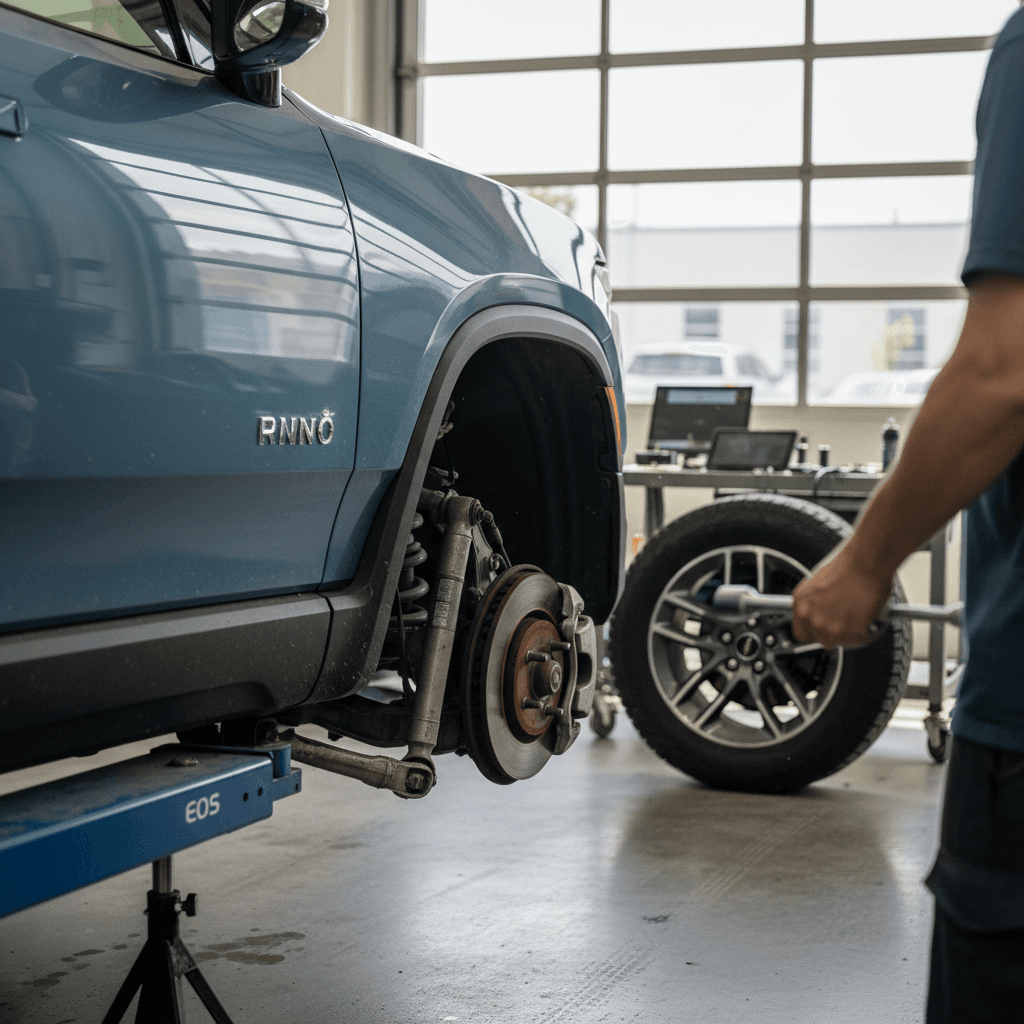
Uneven front tire wear can hint at alignment issues or repeated curb hits. Have a shop or a service center inspect the **front suspension hardware and underbody** for damage or signs of sloppy past repairs.
6. Verify charging behavior
If possible, plug into both **Level 2** and a DC fast charger. Watch charging speeds, connector fit, and whether the truck throws any charging‑related errors. Charging reliability is key to painless EV ownership.
Let someone else crawl around under it
How reliability impacts total cost of ownership
EVs like the R1T save you money at the pump and on routine maintenance, there’s no oil to change and far fewer moving parts than in a gas truck. But a first‑year truck with a spotty reliability record can quietly hand those savings back through **time and hassle** even when repairs are covered under warranty.
Costs that are usually low
- Fuel: Electricity typically costs less per mile than gas or diesel.
- Routine service: No oil changes, fewer filters, less brake wear thanks to regen.
- Emissions equipment: None to fail, no catalytic converters or diesel after‑treatment.
Costs that can creep up
- Out‑of‑warranty repairs: Air suspension components, powered tonneau covers, and body electronics aren’t cheap.
- Time and logistics: Limited service centers can mean longer appointment lead times in some regions.
- Depreciation risk: Perceived reliability can affect resale value compared with more established brands.
Don’t ignore battery health
Should you buy a used 2022 Rivian R1T?
If you want an electric pickup that feels truly special to drive, the 2022 Rivian R1T is still one of the most compelling choices on the market. It’s quick, capable, and charming in a way spec sheets can’t capture. But the **2022 Rivian R1T reliability rating** is undeniably poor by traditional standards, and you should only move forward if you’re comfortable with that trade‑off.
- You’re okay with a few extra service visits if the truck is amazing the other 360 days of the year.
- You can access Rivian service reasonably easily, either via a service center or mobile service in your area.
- You do your homework on a specific truck’s history, not just the model’s reputation.
- You get objective data on battery health and confirm recall and campaign completion.
If all of that sounds acceptable, and the right truck checks out mechanically and electrically, a 2022 R1T can be an **outrageously satisfying** used EV, especially as prices soften on early builds. If you’d rather skip the guesswork, buying through a specialist like Recharged can help: every vehicle we list comes with a **Recharged Score battery health report, transparent pricing, and EV‑savvy support** from test‑drive to delivery.