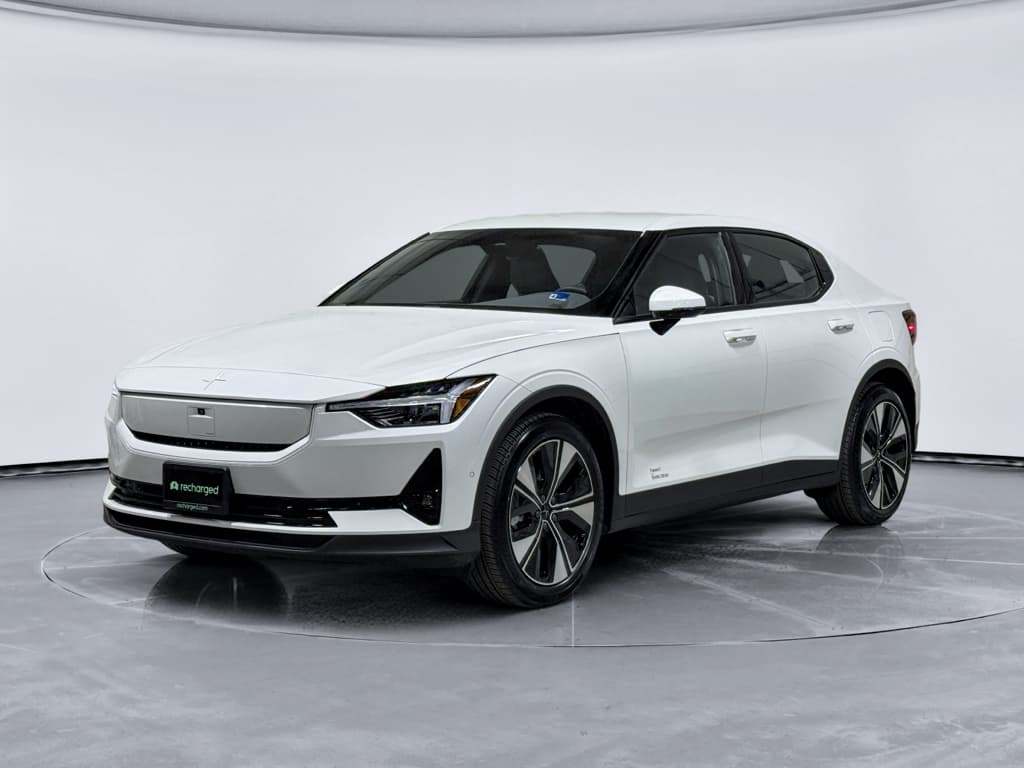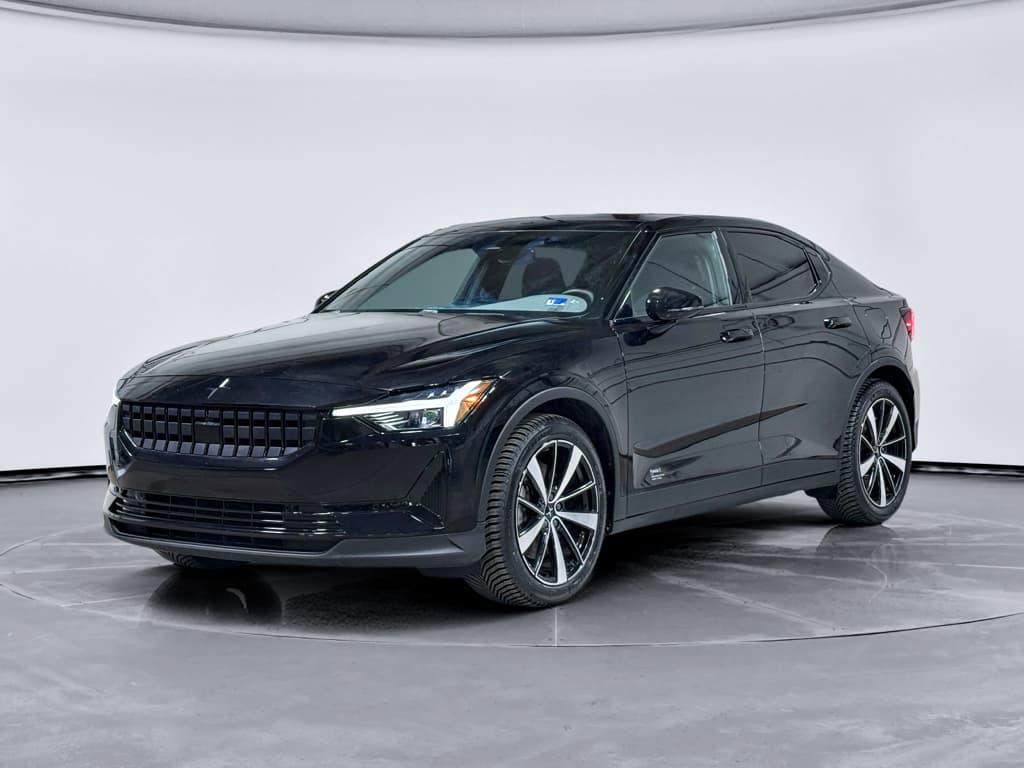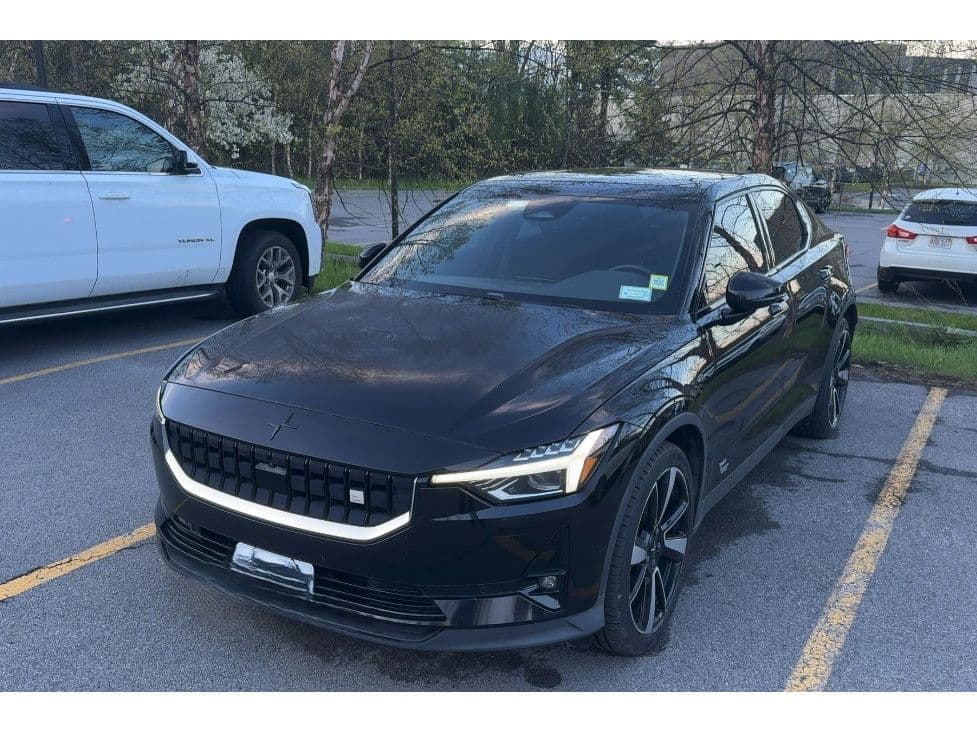
If you’re considering a 2022 Polestar 2, or already own one, you’ve probably heard about software quirks, connectivity glitches, and a few high-profile recalls. The reality is more nuanced: the Polestar 2 is generally a solid EV, but like many early software‑heavy models, certain 2022 Polestar 2 problems show up again and again in owner reports and campaign notices.
Big picture on 2022 Polestar 2 reliability
Overview: How Troubled Is the 2022 Polestar 2?
- Parking/rear camera behavior and infotainment errors
- TCAM/telematics dropouts that kill app connectivity, GPS, and SOS features
- Over‑the‑air (OTA) update failures that sometimes require dealer intervention
- Scattered charging and battery warning messages, usually software‑side
2022 Polestar 2: Problem Landscape at a Glance
Major 2022 Polestar 2 Recalls to Know About
When you’re evaluating a 2022 Polestar 2, especially on the used market, you want to know which recalls have affected the car and whether they’ve been completed. Campaigns vary by country and build date, but there are a few themes worth calling out.
- Rear camera image failure (2021–2025) – A major U.S. recall covers roughly 27,000+ Polestar 2s, including many 2022s, for a defect where the reverse camera can fail to show an image and display a “Camera is temporarily unavailable” message. The fix is a software update that improves communication between the camera module and the infotainment head unit.
- Earlier electrical and powertrain recalls (mostly addressed by 2022) – 2021 launch cars saw more serious campaigns for inverters and 12V battery issues. Many 2022s left the factory with updated hardware or software, but it’s critical to check any individual VIN.
- OTA‑delivered fixes – Polestar often deploys safety and drivability improvements as over‑the‑air updates. That’s convenient, but it also means a car that sat unplugged or was poorly maintained may have missed important software campaigns.
How to check recall status on a 2022 Polestar 2
Most Common 2022 Polestar 2 Problems (Owner-Reported)
Owner forums, lemon‑law summaries, and service bulletins all point to a similar cluster of 2022 Polestar 2 problems. The bulk of issues fall into five buckets:
Top 5 Problem Areas on the 2022 Polestar 2
Where complaints and service visits tend to cluster
1. Parking & rear camera faults
2. TCAM & connectivity issues
3. Infotainment & Google Automotive glitches
4. Charging/battery warnings
5. Misc. electrical & sensor faults
Remember: complaint volume ≠ failure rate
Software & OTA Update Issues
If there’s a single defining trait of modern EVs, Polestar 2 included, it’s that your experience depends heavily on software quality. For 2022 cars, most headaches stem from how updates are delivered and how tightly integrated all the car’s subsystems are with that software.
1. Failed or stuck OTA updates
Owners sometimes report OTA updates that download but fail to install, sometimes repeatedly. Symptoms can include:
- “Update could not start” messages even when all prerequisites are met
- Infotainment screens rebooting or going dark during/after an update
- Loss of GPS, parking aids, or SOS functionality until the car is serviced
In a worst‑case scenario, the car may disable further OTA attempts and require a dealer or service partner to perform a manual update.
2. Post‑update regressions
Because OTA updates touch so many modules, a fix for one bug occasionally introduces another. Owners have described:
- Google Maps losing access to battery data until reinstalled and re‑permissioned
- Range estimates changing noticeably after certain versions
- Camera or sensor messages appearing after an otherwise routine update
This doesn’t mean you should avoid updates. It does mean you should plan time to verify core functions, cameras, navigation, phone app, after each install.
Practical update habits for Polestar 2 owners
From a used‑buying perspective, a 2022 Polestar 2 that’s clearly current on software, and has documentation for dealer‑performed updates if OTA failed, is more attractive than one that’s been sitting on old firmware for years.
Battery, Charging & Range Concerns
Battery and charging issues are the nightmare scenario many EV shoppers fixate on. With the 2022 Polestar 2, most problems reported so far are software or charging‑infrastructure related, not systemic pack failures. That’s good news, but you still need to pay attention.
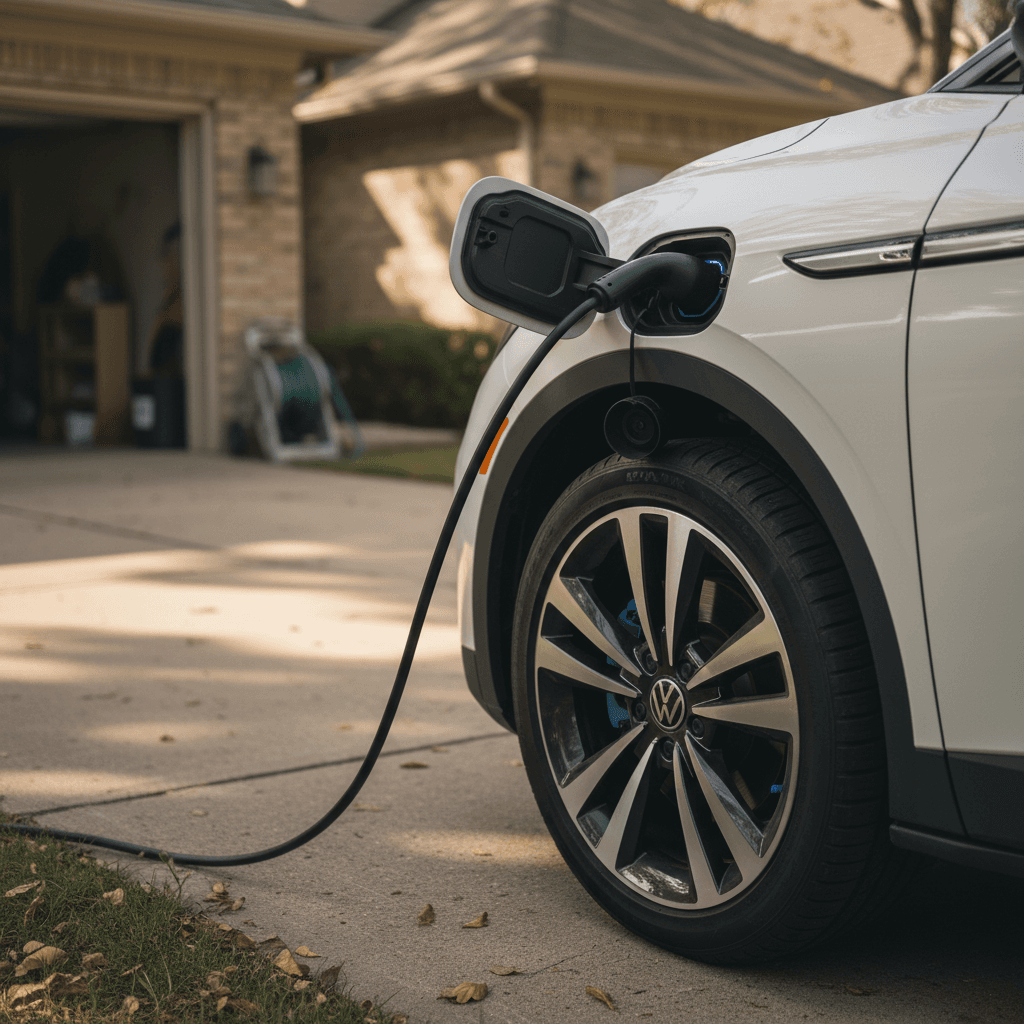
- Unexpected battery warnings – Some owners see sporadic warnings about the high‑voltage battery or charging system that turn out to be sensor or software related. Still, any persistent warning should be scanned and documented.
- Charging‑station compatibility quirks – Like many non‑Tesla EVs, the Polestar 2 can be finicky with certain third‑party DC fast chargers. That often manifests as failed sessions or slower‑than‑advertised charging speeds at specific networks.
- Range vs. EPA rating – Real‑world range for 2022 dual‑motor cars can fall short of official ratings, especially at highway speeds or in cold weather. That’s not unique to Polestar, but it’s worth factoring into your expectations.
- Battery degradation so far – There isn’t evidence of widespread, early pack degradation unique to the 2022 Polestar 2 at this stage. As with any EV, use history (lots of DC fast charging vs. mostly Level 2) and climate matter more than model year alone.
When a battery issue is a deal‑breaker
Drivetrain, Braking & Ride Quality
Compared to the software stack, the core hardware of the 2022 Polestar 2, motors, inverters, and brakes, has been comparatively drama‑free. That said, there are a few themes worth being aware of if you’re test‑driving or evaluating a car for purchase.
Hardware-Related Concerns Reported by Some 2022 Polestar 2 Owners
None of these are epidemic, but they’re worth checking on a test drive.
| Area | What Owners Report | What to Listen/Feel For | When to Worry |
|---|---|---|---|
| Motors & inverters | Occasional reports of inverter or drive‑system fault messages, more common on earlier build years. | Warning messages, sudden loss of power, or the car entering limp mode. | Any active drive‑system warning at sale time needs diagnostics before you sign. |
| Brakes & regen | Some owners notice abrupt transitions between regenerative and friction braking or squeaky pads after storage. | Grabby low‑speed stops, inconsistent pedal feel, or squeal after light application. | If behavior doesn’t improve with driving or software updates, budget for a brake service. |
| Suspension & ride | The Polestar 2 rides firmer than many mainstream EVs; with Performance Pack dampers, it can feel harsh on bad pavement. | Excessive crashing over bumps, rattles from the hatch or interior trim. | Noise that persists on smooth roads or over many surfaces can indicate worn bushings or loose trim. |
| Tires & alignment | Like most sporty EVs, the Polestar 2 can be hard on tires if driven aggressively. | Uneven tire wear, pull to one side, or noise from cupped tread blocks. | Bad wear patterns suggest poor alignment or suspension issues, negotiate or insist on correction. |
Pay attention to noises, harshness, and brake feel, especially on higher‑mileage cars.
Good news on long-term hardware durability
Used 2022 Polestar 2: What to Check Before You Buy
If you’re shopping the used market, you’re trying to separate the well‑maintained, up‑to‑date cars from the ones that have been OTA beta‑tested to death or neglected on old software. Here’s a focused checklist tailored to known 2022 Polestar 2 problems.
Pre‑Purchase Checklist for a 2022 Polestar 2
1. Verify recall and software status
Run the VIN through NHTSA and Polestar’s recall tools. In the car, check that it’s on a current software version and ask for service records showing any dealer‑performed updates after OTA failures.
2. Stress‑test the parking and rear camera systems
In a safe area, shift repeatedly between Drive and Reverse. Confirm the rear camera image appears instantly every time, with no “Camera temporarily unavailable” message or frozen frames.
3. Test telematics and app connectivity
Set up or log into the Polestar app, confirm remote lock/unlock and pre‑conditioning work, and verify that the in‑car LTE connection holds steady for navigation and streaming.
4. Check for warning lights & stored faults
On a test drive, watch for any persistent warnings about battery, drive system, parking aids, or driver‑assist systems. A pre‑purchase scan can reveal stored but not active faults.
5. Evaluate charging behavior at home & public stations
If possible, plug into both Level 2 and at least one DC fast charger before purchase. Confirm charging starts reliably, reaches expected power levels, and doesn’t throw intermittent errors.
6. Assess range and battery health
Compare indicated range at a given state of charge against what’s typical for that configuration and climate. For extra confidence, use a third‑party battery health test or a marketplace like Recharged that includes a verified battery report.
Why a structured inspection matters more with software‑centric EVs
Costs, Warranty Coverage & Long-Term Outlook
Understanding the financial side of 2022 Polestar 2 ownership is just as important as knowing the technical weak spots. The mix of strong core hardware and finicky software has specific implications for costs over the next 5–8 years.
Warranty coverage for key systems
- High‑voltage battery and electric drive units are typically covered by long‑term warranties (often 8 years / 100,000+ miles in North America). Check the specific terms for the original sale region and confirm transferability.
- Bumper‑to‑bumper coverage on a 2022 car will be expiring or recently expired, depending on in‑service date and mileage, putting more software and electronics issues on your dime.
- Software fixes tied to recalls or service campaigns are generally handled by Polestar, but ad‑hoc diagnosis and re‑flashes after the base warranty can still incur labor charges.
Ownership cost patterns we see
- Energy and routine maintenance costs are competitively low; there’s no engine oil and brake wear is modest with regen.
- Out‑of‑network diagnostics (for connectivity or OTA issues) can be frustrating if you don’t live near a Polestar/Volvo service center.
- Resale values will be influenced by software reputation. A car with up‑to‑date firmware, documented repairs, and clean battery health data will command a premium over a similar one with unresolved glitches.
Factor software reputation into the price you’re willing to pay
How Recharged Helps You Shop a Used Polestar 2 With Confidence
Because Recharged focuses exclusively on EVs, we build our process around the kinds of issues that matter with a 2022 Polestar 2: battery health, software state, and connectivity, not just bodywork and tread depth.
What Recharged Looks at on a Used 2022 Polestar 2
Beyond a typical used‑car lot inspection
Recharged Score battery diagnostics
Connectivity & camera checks
Recall & software verification
Nationwide delivery
EV‑specialist guidance
Flexible selling & trade‑in options
Ready to find your next EV?
Browse VehiclesFAQ: 2022 Polestar 2 Problems & Reliability
Frequently Asked Questions About 2022 Polestar 2 Problems
The 2022 Polestar 2 is a compelling EV, but it’s not a frictionless one. Most of its headaches live in the software stack, cameras, connectivity, OTA updates, rather than in the battery pack or motors that actually move you down the road. If you go in with clear eyes, insist on documented recalls and current software, and lean on tools like a Recharged Score Report to quantify battery health, a 2022 Polestar 2 can deliver a distinctive, enjoyable ownership experience without nasty surprises.