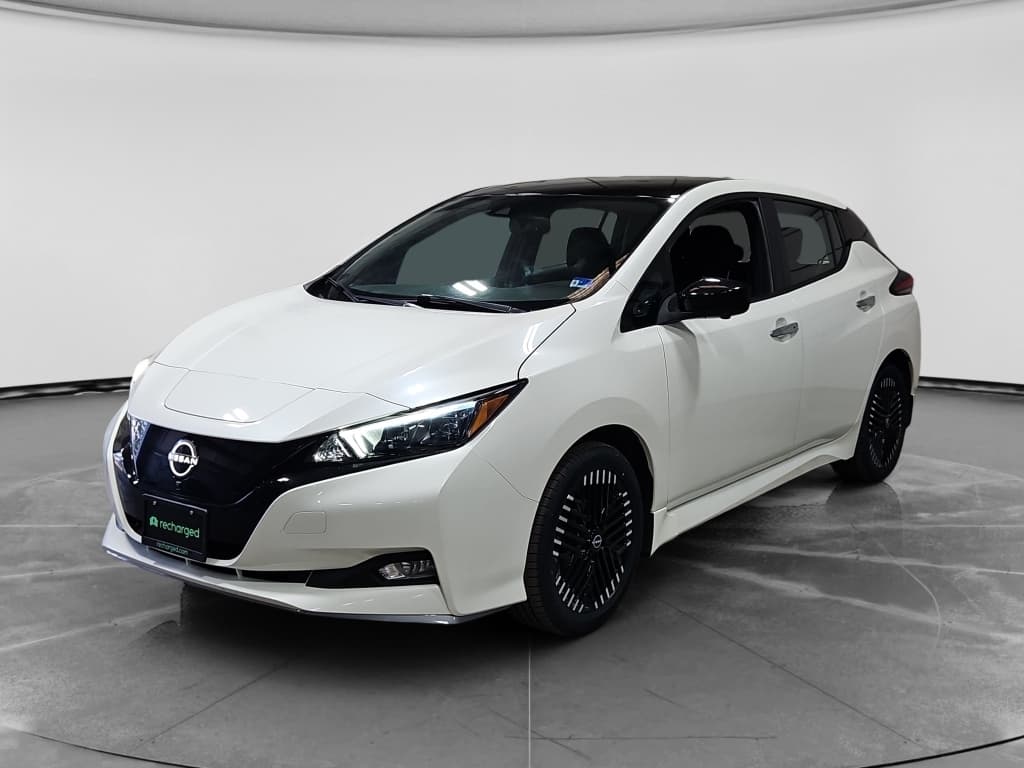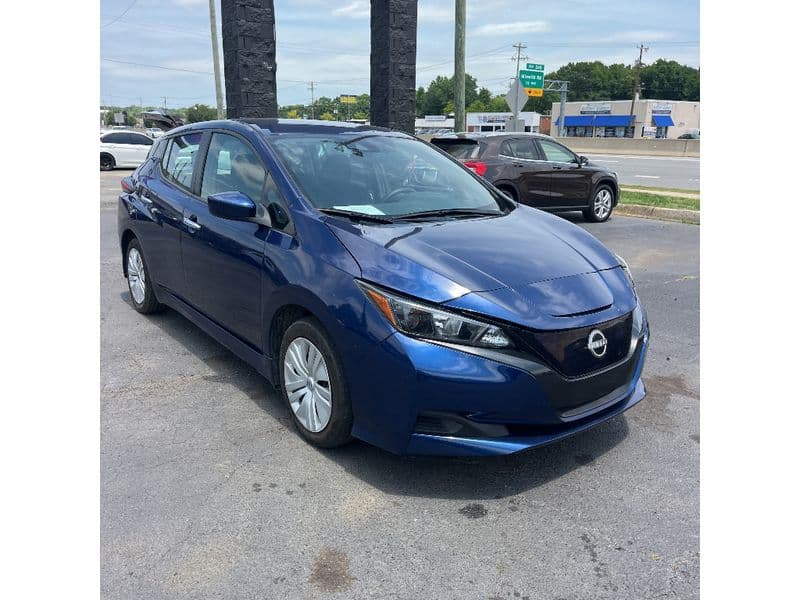
If you’re eyeing a used EV bargain, the 2022 Nissan Leaf will keep popping up with tempting prices and low miles. Then you Google “2022 Nissan Leaf problems” and fall into a rabbit hole of battery stories, charging quirks and owners either raving about the car or swearing it off forever. Let’s pull all of that noise into one clear, practical guide so you know what’s actually risky, what’s overblown, and what to check before you buy.
Big picture on 2022 Leaf reliability
Overview: Should You Worry About 2022 Nissan Leaf Problems?
Start with the context. The Leaf is the elder statesman of EVs, proven hardware, familiar quirks. By 2022, most of the truly ugly early‑generation battery failures had been engineered out, and owner review scores reflect that: strong marks for reliability and low running costs, more mixed feedback on value and range. At the same time, Nissan stuck with an older battery architecture and CHAdeMO fast‑charging standard while the rest of the world marched on, which creates a very 2022‑Leaf sort of problem: the car itself is mostly solid, but the ecosystem around it has moved on.
- For city/suburban drivers doing 20–60 miles a day, the 2022 Leaf can be a quiet, cheap‑to‑run commuter that just works.
- For frequent highway or road‑trip use, the Leaf’s range, battery cooling strategy and CHAdeMO port are significant compromises versus newer EVs.
- The big red flags are: Level 3 quick‑charge battery recall, obvious range loss, charging errors, and glitchy infotainment.
2021–2022 Leaf battery fire recall
How Reliable Is the 2022 Nissan Leaf Overall?
On paper and in owner surveys, the 2022 Leaf looks better than you might expect if you’ve only heard horror stories from the early 2010s cars. Third‑party reliability data shows the 2022 Leaf as more reliable than the average 2022 car overall, with especially good scores for the electric drive system and basic mechanicals. That tracks with real‑world experience: the motor and single‑speed gearbox are understressed, and there’s no gasoline engine to blow up, stall, or leak oil.
2022 Leaf Reliability Snapshot
Where things start to fray is at the margins: some drivers push the Leaf outside its comfort zone, sustained 70–80 mph driving, hot‑climate parking, repeated DC fast charging, then discover the inherent limitations of an air‑cooled pack and modest capacity. Others bump into annoyances that aren’t catastrophic but are irritating in a daily driver: audio systems that crackle, flaky cameras or sensors, random warning lights that require a dealer visit.
Which trims fare best?
Battery & Quick‑Charge Problems on the 2022 Leaf
Battery health is the beating heart of any used EV purchase, and with the Leaf it’s doubly true because Nissan still uses an air‑cooled lithium‑ion pack. That design is fine for light to moderate use in temperate climates, but there are three specific battery‑related concerns owners and shoppers should understand.
- Level 3 quick‑charge overheating recall
- Long‑term degradation and capacity bars
- Charging and battery “mystery problems” that never quite go away
1. Level 3 quick‑charge overheating recall
Nissan has issued a safety recall for certain 2021–2022 Leafs equipped with a DC fast‑charge (Level 3) port. Under specific conditions, the battery can overheat during rapid charging due to excessive lithium deposits within some cells. In the worst case, that overheating could lead to a fire, which is why Nissan and NHTSA treat it very seriously.
- Applies only to certain 2021–2022 Leafs with the CHAdeMO quick‑charge port.
- The remedy is a software update to the battery management system, performed free at a Nissan dealer.
- Owners are advised not to use Level 3 quick charging until the software update is done.
Used‑buyer alert: verify the recall status
2. Normal vs. abnormal battery degradation
Every EV loses some usable capacity over time; the question is how fast. A healthy 2022 Leaf that’s a few years old and driven reasonably, say 30–60 miles a day, might lose a handful of percentage points of capacity in its first 3–4 years. That’s annoying but livable, especially on a Plus model that starts with more range in the tank.
Where you should raise an eyebrow is when the car has already shed multiple capacity bars on the dash display, shows obviously reduced range at 100% charge, or has a history of heavy DC fast‑charging in hot climates. The Leaf’s pack has no active liquid cooling, so it’s more vulnerable to heat than many newer EVs. Add lots of highway miles and frequent quick‑charging and the chemistry gets grumpy sooner.
Quick way to sanity‑check battery health
3. Charging and battery “mystery problems”
A small minority of 2022 Leaf owners report odd charging behavior or recurring battery‑system warnings that never quite get resolved. These cases tend to look like this: the car won’t consistently accept a DC fast charge, or it stops charging early at home, throws error messages, goes back to the dealer for a software update and diagnostics… and the driver still doesn’t fully trust it.
In at least one high‑profile case, repeat battery and charging issues on a 2022 Leaf led to a successful lemon‑law buyback after multiple failed repair attempts. That doesn’t mean the 2022 Leaf is a lemon by design, it means that when things do go wrong with the high‑voltage system, they can be stubborn to fix and may cross into legal territory if repairs drag on.
If your Leaf is already acting up
Real‑World Range Loss vs The Brochure Numbers
On paper, the 2022 Leaf offers competitive range for a budget EV commuter. In the real world, highway speeds, winter temps and battery aging can turn those numbers into more of a wistful suggestion than a promise, and many owner complaints boil down to that gap between expectation and reality.
EPA vs. Real‑World Range for 2022 Leaf
Approximate ranges in mixed conditions for a healthy battery; your results will vary by climate and driving style.
| Trim | Battery | EPA Rated Range | Typical Comfortable Real‑World Range (New) |
|---|---|---|---|
| S | 40 kWh | ~149 miles | 90–120 miles |
| SV Plus / SL Plus | 62 kWh | ~215 miles | 150–190 miles |
The Leaf is happiest at city and suburban speeds. High‑speed highway running and cold weather shrink these numbers quickly.
Owners who stick mostly to city speeds and moderate climates often exceed the EPA ratings in daily use. The complaints come from drivers who routinely do 70–80 mph or who need to add an extra 30–40 miles to their normal commute on the fly. At high speeds the Leaf’s range estimator can plummet disconcertingly, leading to stories of near‑stranding and drivers who say the battery feels “unstable” on the highway.
The Leaf is a sprinting commuter, not a marathoner
Charging Quirks, CCS Compatibility & Everyday Annoyances
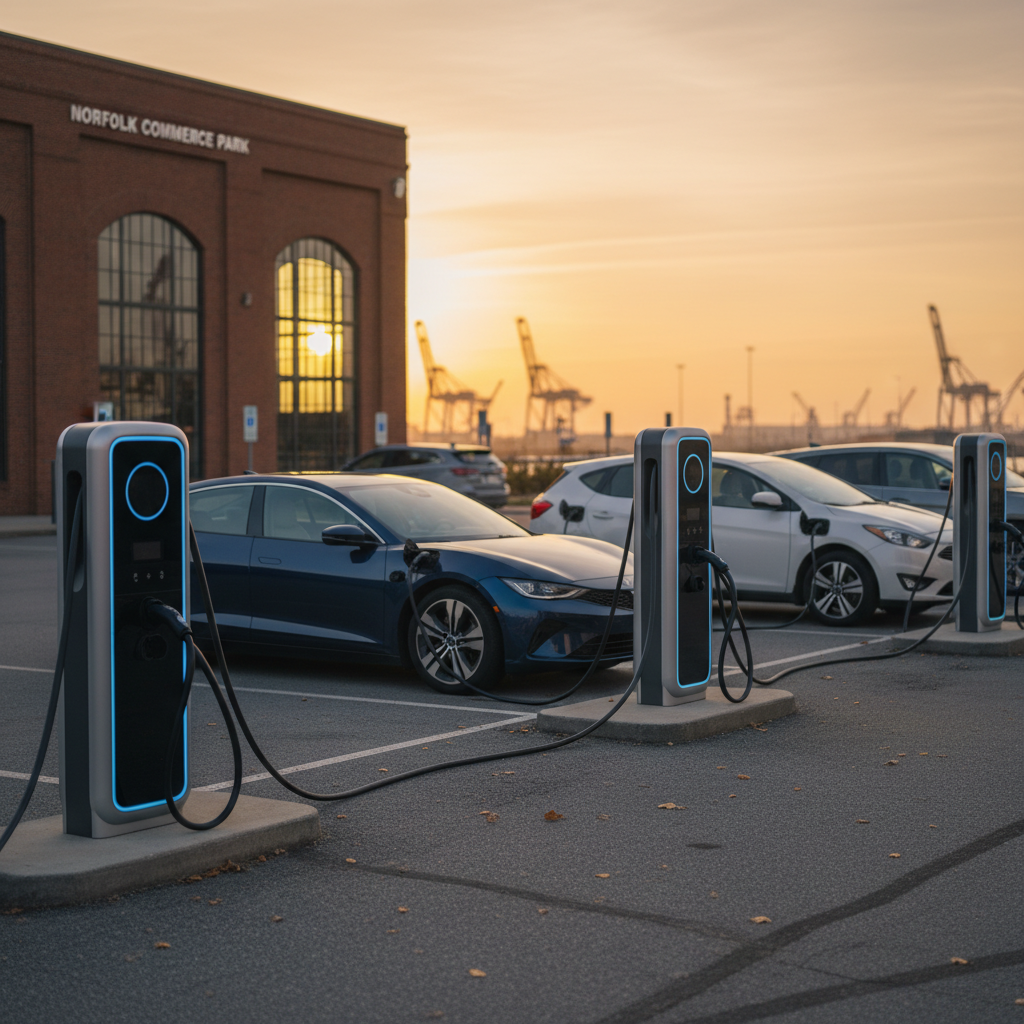
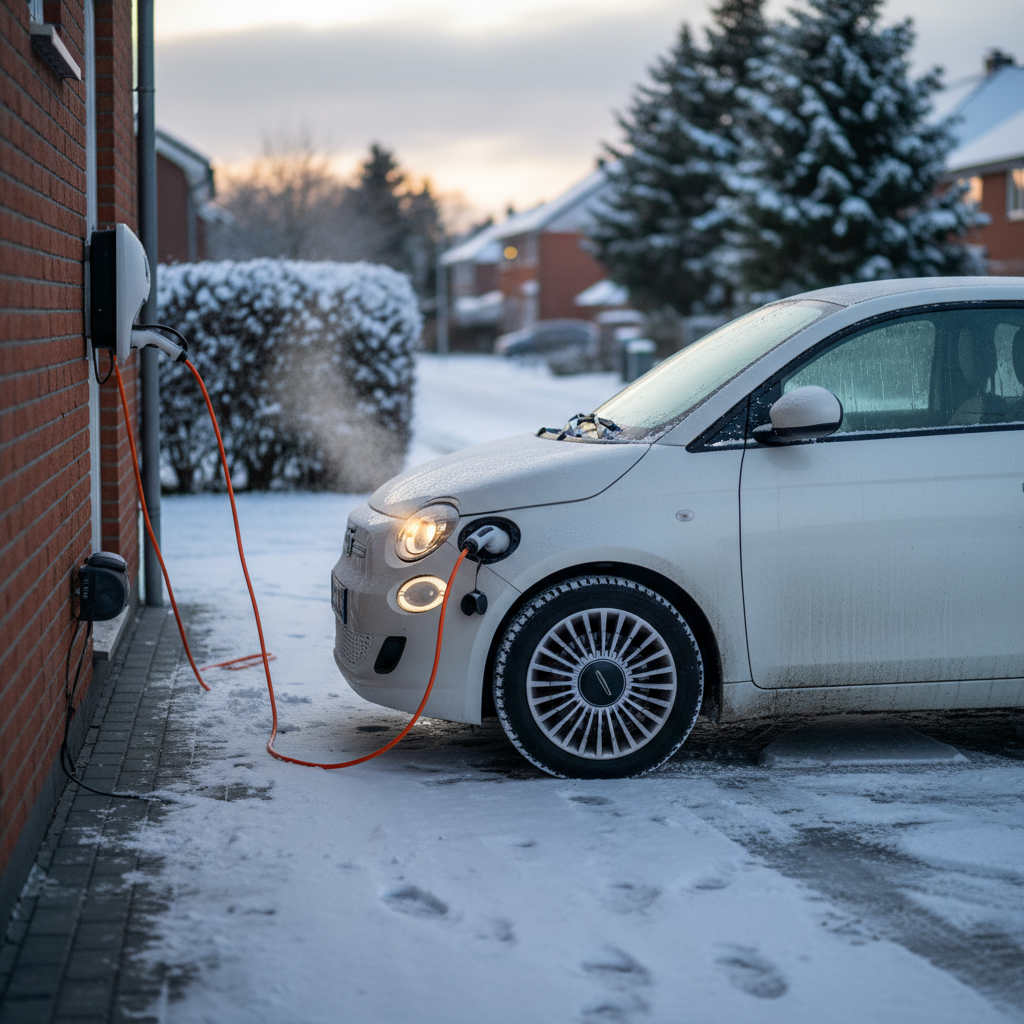
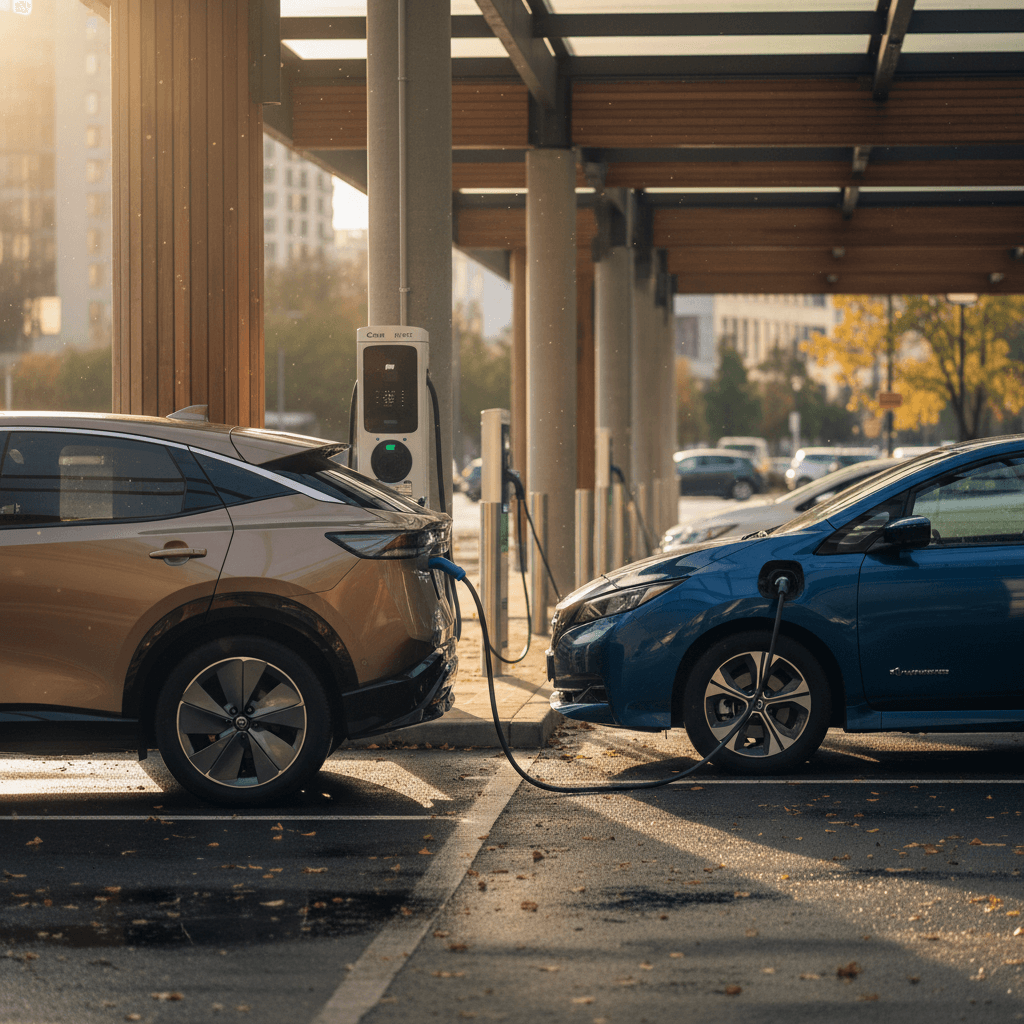
The 2022 Leaf arrives at a weird moment in charging history. While the rest of the North American market has largely shifted to CCS and now NACS (Tesla’s standard), the Leaf soldiers on with a CHAdeMO DC fast‑charge port. That has three practical consequences for you:
- Fewer compatible fast chargers. Many new stations are CCS/NACS‑only. CHAdeMO hardware is no longer being installed at scale and, in some areas, is actively being removed.
- Longer lines at the few CHAdeMO plugs that remain. You and every other legacy Leaf in town are sharing the same lonely pedestal.
- Resale headwinds. As the charging world moves on, buyers discount Leafs because they’re essentially on a dead‑end connector. That’s partly why prices look so attractive now.
Home charging: usually drama‑free
If you can install a Level 2 charger at home, daily life with a 2022 Leaf is straightforward. Plug in overnight, wake up to a full battery, repeat. The onboard AC charger is modest but adequate for overnight top‑ups, and most owners report very few issues with home charging once an electrician has signed off on the circuit.
Public DC fast charging: plan carefully
On the road, the Leaf’s CHAdeMO port means you need to be very intentional when planning charging stops. Always confirm that a station has CHAdeMO, that it’s online, and that your car isn’t under an advisory not to use Level 3 charging due to the recall. Even then, expect slower charge curves and more heat buildup than on newer EVs with liquid‑cooled packs.
Apps to vet CHAdeMO availability
Infotainment, Cameras & Other Electronics Gremlins
Compared with a lot of modern cars, the Leaf’s infotainment system is relatively simple, and still, some owners manage to draw the short straw. A recurring theme in owner forums: audio systems that crackle or cut out when using Bluetooth, USB, or Android Auto / Apple CarPlay, even though terrestrial radio and SiriusXM work normally.
Dealers sometimes attempt a software update and, in some cases, it helps. In others, owners are quoted hundreds of dollars for updates or head‑unit replacement with no firm guarantee of success. If you’re buying used from a private seller, you don’t want to discover this on day three of podcast listening.
Electronics & Infotainment Checks on a Test Drive
1. Hammer the audio system
Bring a USB stick and your phone. Test Bluetooth streaming, Android Auto or Apple CarPlay, and USB playback. Listen for crackling, dropouts or channels cutting in and out.
2. Verify every camera and sensor
Confirm the backup camera, parking sensors and any 360° or ProPILOT features work reliably. Watch for random warnings or blank screens.
3. Cycle all switches and accessories
Windows, locks, seat heaters, steering‑wheel heater, horn, lights, wipers, keyless entry, the boring stuff that’s expensive to fix when it fails out of warranty.
4. Check for warning lights after startup
Make sure no ABS, traction‑control, AEB or EV‑system warning lights remain lit after the car completes its self‑check. Blinking AEB lights and random beeps may indicate a known issue that needs a software or sensor fix.
Why do small issues matter on a Leaf?
Noise, Ride Quality & “Cheap Feel” Complaints
A non‑trivial slice of 2022 Leaf owner criticism isn’t about failures; it’s about how the car feels. Remember, this is essentially an economy hatchback that happens to be electric. At highway speeds you’ll hear more road roar and wind noise than in a newer, more premium EV. Some owners complain about rattles, squeaks, and what one reviewer memorably called “rattles of glory plastic parts.”
- Thin door glass and minimal sound‑deadening compared with more expensive EVs.
- Suspension tuned for comfort around town, but it can feel floaty or clunky over sharp bumps.
- Interior plastics that scuff and buzz sooner than they should, especially in hot‑sun markets.
Perspective check
2022 Leaf Recalls & Service Bulletins to Know
By early 2026, the 2022 Leaf had accumulated multiple recalls and a long list of service bulletins, though not all are catastrophic. A quick tour of the highlights will help you separate the must‑fix from the nice‑to‑have.
Key 2022 Leaf Issues from Recalls & Service Info
Always verify VIN‑specific status with Nissan or NHTSA before you buy.
Level 3 battery overheating recall
As discussed above, certain 2021–2022 Leafs with quick‑charge ports can overheat during DC charging. Nissan’s fix is a battery‑software update and usage advisory.
Driver‑assist & AEB quirks
Service bulletins address situations where Automatic Emergency Braking and related warning lights may blink or misbehave. These usually call for sensor checks and software updates, not hardware replacement.
Assorted electrical & body TSBs
There are dozens of manufacturer communications around climate‑control behavior, minor electrical gremlins and trim issues. They’re worth checking, but they’re not on the same level as a safety recall.
How to quickly review a car’s history
Used 2022 Nissan Leaf Checklist: How to Avoid a Problem Child
Buying a used 2022 Leaf can be an incredible value play, if you’re ruthless about screening the car. Here’s a structured way to separate the keepers from the future Reddit horror stories.
10 Things to Check Before You Buy a 2022 Leaf
1. Battery health & capacity bars
With the car fully charged, confirm how many capacity bars show on the dash (12 is “like new”). Fewer bars, or obviously poor range, warrant a professional battery‑health test, ideally with a tool like LeafSpy or a formal diagnostic like the Recharged Score.
2. Real‑world range test
On your test drive, reset a trip meter and energy meter, drive 20–30 miles at your normal mix of speeds, and extrapolate. Does the projected range match your daily needs with a healthy buffer?
3. Recall completion
Run the VIN for open recalls, with special attention to the Level 3 quick‑charge overheating campaign. Ask for paperwork showing completed fixes.
4. Charging behavior
Test both Level 2 (AC) charging and, if safe and permitted, a CHAdeMO fast charge. Watch for error messages, premature cut‑offs, or unusually slow charging versus what’s advertised for the station.
5. Infotainment & cameras
Follow the earlier electronics checklist: stress‑test audio, phone integration, camera systems and all switches. Any glitch now is leverage for a lower price, or a reason to walk.
6. Underside & corrosion
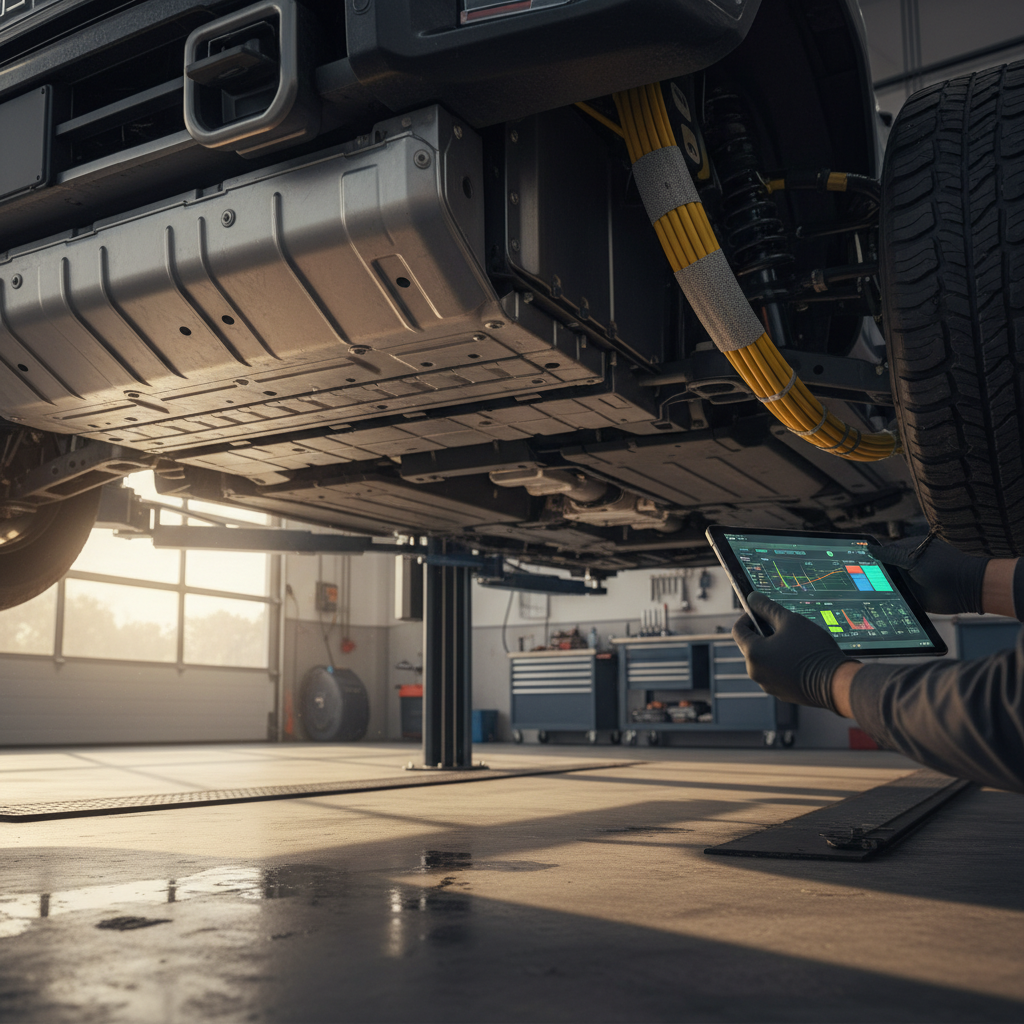
Even though there’s no exhaust, the Leaf still has suspension, steering and brake hardware exposed to the elements. Have a shop or inspection service look underneath for rust, leaks or accident damage.
7. Tires & brakes
Many Leafs rack up low miles but lots of city cycles. Check for uneven tire wear, brake rotor rust, or pads that are more worn than the odometer suggests.
8. History of DC fast charging
If the seller tracked charging habits, ask how often they used DC quick charging and in what conditions. A life spent baking at a hot highway charger is tougher on the pack than gentle home charging.
9. Climate & storage history
Cars that lived in mild climates and garaged parking age far better than those parked outdoors in desert heat or Arctic winters. Where the Leaf has lived matters almost as much as how far it has gone.
10. Professional EV inspection
If you’re not an EV nerd, pay for an inspection by someone who is. At Recharged, every Leaf gets an in‑depth battery and systems check with a transparent Recharged Score so you’re not guessing.
When to walk away from a 2022 Leaf
How Recharged Helps You Avoid the Worst Leafs
If all of this sounds like a lot to keep straight, that’s because a used EV is fundamentally different from a used gasoline car. You’re buying a battery and a software ecosystem as much as you’re buying paint and seats. That’s exactly why Recharged exists.
Why Shop a 2022 Leaf Through Recharged?
We turn invisible EV risks into visible data.
Recharged Score battery diagnostics
Every Leaf on our marketplace gets a Recharged Score Report with verified battery health, so you know how much usable capacity is left and how it compares to similar cars.
Recall & history transparency
We check for open recalls, including the 2021–2022 Level 3 overheating campaign, and surface service history so you’re not surprised later.
EV‑specialist support & delivery
From financing and trade‑ins to nationwide delivery and our Richmond, VA Experience Center, Recharged handles the boring logistics while you focus on whether the Leaf fits your life.
Ready to find your next EV?
Browse VehiclesYou can shop fully online, ask our EV specialists brutally specific questions about a particular 2022 Leaf’s battery report or charging history, and have the car delivered to your driveway. That’s a much better way to buy a complex piece of high‑voltage hardware than squinting at a Craigslist ad that says “battery good.”
FAQ: 2022 Nissan Leaf Problems
Frequently Asked Questions About 2022 Nissan Leaf Problems
Bottom Line: Who the 2022 Leaf Still Makes Sense For
The 2022 Nissan Leaf is not a flawless EV, but it is a known quantity. Its biggest sins are architectural, an aging CHAdeMO fast‑charge port, an air‑cooled battery, a cabin that feels more economy car than spaceship, not ticking time bombs lurking under every floorpan. When problems do crop up, they tend to cluster around battery management, quick‑charge behavior, infotainment hardware and the occasional squeak and rattle.
If you understand those limits, shop carefully, and get objective battery data, a 2022 Leaf can be one of the cheapest, easiest ways to go electric. If you don’t, it can feel like buying into yesterday’s standard the moment you drive off. The difference between those two outcomes is exactly the distance between “random used EV listing” and a transparent, inspected car with a Recharged Score Report, and that’s a gap you absolutely want to close before you plug in.