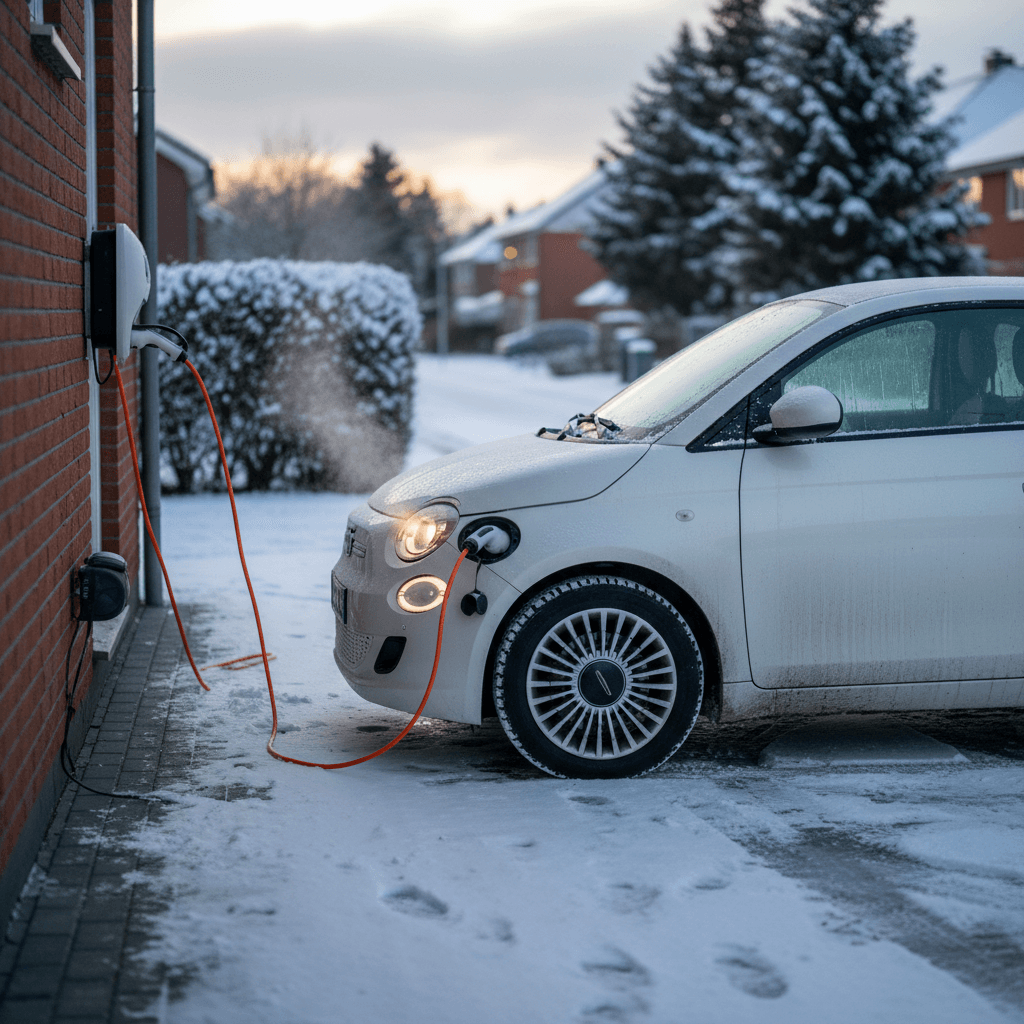
If you’re eyeing a Fiat 500e as a fun city EV, the big question in colder states isn’t the color or the wheels. It’s this: what kind of range will I really get in cold weather? The answer depends a lot on which 500e you’re driving, how cold it gets, and how you use the heater, but with some planning, winter doesn’t have to be a dealbreaker.
Two different Fiat 500e stories
Why Fiat 500e winter range matters
Cold weather bites every EV, but it hits small‑battery cars the hardest. A big SUV that loses 30% of its 300‑mile range still has plenty of cushion. A first‑gen Fiat 500e that starts with around 80 miles doesn’t. That’s why understanding Fiat 500e range in cold weather is essential if you live somewhere with real winters or even just long, chilly shoulder seasons.
- Short commutes and errands can chew up range because the car keeps reheating cabin and battery.
- You have less buffer if traffic, detours, or a surprise cold snap show up.
- Older used 500e models may already have some battery degradation on top of normal winter loss.
The trap with small‑battery EVs
Fiat 500e models and battery sizes that affect winter range
Fiat 500e generations, batteries, and rated range
Knowing which 500e you’re looking at is step one for predicting its winter range.
| Model years / generation | Battery (usable) | EPA rated range (new) | Typical role |
|---|---|---|---|
| 2013–2019 Fiat 500e (original U.S. car) | ~24 kWh | 84 miles | Urban commuter / second car |
| 2024+ Fiat 500e (42 kWh pack) | ~37–38 kWh usable | 149 miles | City car that can stretch to short trips |
EPA ranges are for new vehicles; used examples may have lower real‑world range due to degradation.
Those numbers are for mild weather. Once temps drop near freezing, you’re asking the same small pack to both move the car and act as a space heater. That’s where the gap between spec‑sheet range and winter reality appears.
How cold weather affects EV range in general
Why EVs lose range in cold weather
The Fiat 500e behaves like every other EV, just with less buffer to work with.
Colder batteries are less efficient
Cabin heat is energy‑hungry
Winter driving patterns
Typical EV range loss in cold weather
Heat, not just cold, is the culprit
Fiat 500e range in cold weather: realistic numbers
Let’s turn that into numbers you can actually plan around. These are ballpark real‑world estimates for a healthy battery, starting from a full charge, with mixed city/suburban driving, light to normal heater use, and no major snow on the road.
Approximate Fiat 500e winter range by temperature
Assumes a healthy pack, mixed driving, and reasonable cabin heat use.
| Model | Mild cold (~40°F) | Freezing (~32°F) | Very cold (~20°F) |
|---|---|---|---|
| 2013–2019 Fiat 500e (24 kWh, 84‑mile EPA) | 60–70 miles | 50–65 miles | 40–55 miles |
| 2024+ Fiat 500e (42 kWh, 149‑mile EPA) | 110–125 miles | 95–115 miles | 80–100 miles |
These are planning numbers, not promises. Terrain, speed, wind, snow, and heater settings can push you above or below these ranges.
Short trips can cut deeper than this
Older 24 kWh 500e (2013–2019)
In real winter, think of this car as a 40–60 mile commuter with some buffer, not an 80‑mile road‑tripper. That’s still plenty for many city drivers, but you don’t want to be casually planning 60‑mile round trips on an 8°F morning unless you know your route and charging options well.
New 42 kWh 500e (2024+)
With nearly double the energy, the new car has room to spare. In cold weather it becomes a very comfortable 80–110 mile real‑world commuter, and even 120+ miles is realistic on calmer, not‑so‑frigid days.
City vs. highway: how winter driving style changes 500e range
The Fiat 500e is happiest doing what it was born to do, run around town. In winter, the way you drive matters just as much as the temperature number on a weather app.
How driving style changes winter range
Same temperature, different outcome.
Slow city & suburban driving
Sustained highway speeds
Aim for steady, gentle driving
Realistic winter scenarios for daily driving a 500e
What your day might look like in a Fiat 500e winter
Work commute: 12 miles each way at 30°F
In an older 24 kWh 500e, figure roughly 30–40% of your battery for a 24‑mile day with normal heat. That’s totally manageable with overnight home charging and still leaves a buffer for errands.
Suburban errands: five 3‑mile trips at 25°F
You’re repeatedly heating the cabin and defrost, which is inefficient. On a first‑gen 500e, this kind of use can feel like the car “drinks” 2–3% per short hop.
Weekend visit: 50‑mile round trip at 20°F
On a healthy first‑gen 500e, it’s do‑able if you start at or near 100% and drive gently, but you won’t have much margin left. With a 42 kWh 500e, it’s an easy trip with >30% left over.
Cold snap: car parked outside overnight at 10°F
You’ll see some immediate range estimate drop in the morning even before driving. Once you get going and the battery warms up, efficiency improves, but don’t assume full EPA range until the pack is up to temperature.
Watch elevation and headwinds
7 ways to maximize Fiat 500e range in cold weather
You can’t change physics, but you can stack the deck in your favor. These habits work for both generations of 500e and make the biggest real‑world difference.
Winter range‑max tips for your 500e
1. Preheat while plugged in
If your 500e allows cabin preconditioning on the cord, use it. Warming the cabin (and sometimes the pack) off grid power preserves precious kWh for driving instead of idling in your driveway.
2. Turn the heat down, use seat heaters
Cabin heaters are power hogs. Drop the setpoint a few degrees and lean on seat and steering‑wheel heaters if equipped, they sip energy compared with blasting hot air.
3. Use ECO or range mode
The 500e’s ECO or range mode softens throttle response and can tame climate settings. It won’t magically add miles, but it cuts down on wasteful spikes in power.
4. Keep speeds reasonable
Above about 60 mph, aero drag climbs quickly. On a small‑battery EV in the cold, driving 65 instead of 75 mph can be the difference between arriving with 20% or watching the battery percent tick toward zero.
5. Bundle errands into one longer trip
A single 25‑mile run is more efficient than five 5‑mile hops in deep winter. Once the pack and cabin are warm, keep driving and get your errands done in one loop.
6. Watch tire pressure
Cold weather drops tire pressure, and underinflated tires add rolling resistance. Check your 500e’s tires at least monthly in winter and keep them at the door‑jamb spec.
7. Don’t run it to 0% in winter
Aim to arrive home or at a charger with 10–20% remaining, especially in freezing weather. That buffer protects you from detours, headwinds, and slower‑than‑expected charging on a cold pack.
Small EV, big predictability
Charging a Fiat 500e in cold weather
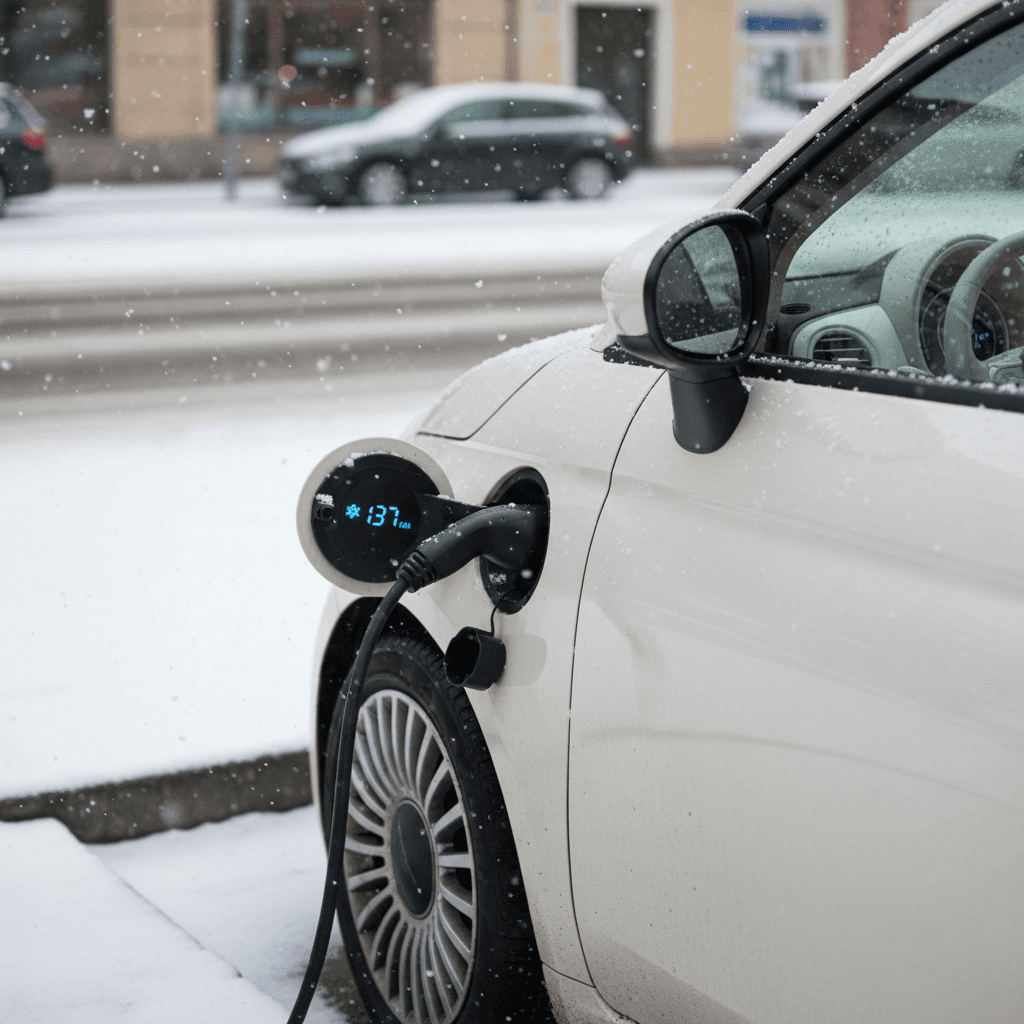
Cold weather doesn’t just trim range; it also changes how your 500e charges. This is especially noticeable on public Level 2 or DC fast charging, and even more so on small‑battery cars that don’t always have sophisticated battery preconditioning.
- Cold batteries charge slower. When the pack is cold‑soaked, the car may limit charging power to protect the cells. On a frigid morning, don’t be surprised if your 500e takes longer to gain the first few percent.
- Arrive at fast chargers with a warm battery. If you’re planning to DC fast charge (in markets where the 500e supports it), try to drive 15–30 minutes first so the pack warms up before you plug in.
- Home Level 2 is a winter superpower. Being able to plug in every night lets you start each cold morning full, with a warm cabin and a usable buffer, even if your rated range has dropped.
Plan winter charging with a margin
Battery health vs. temporary winter range loss
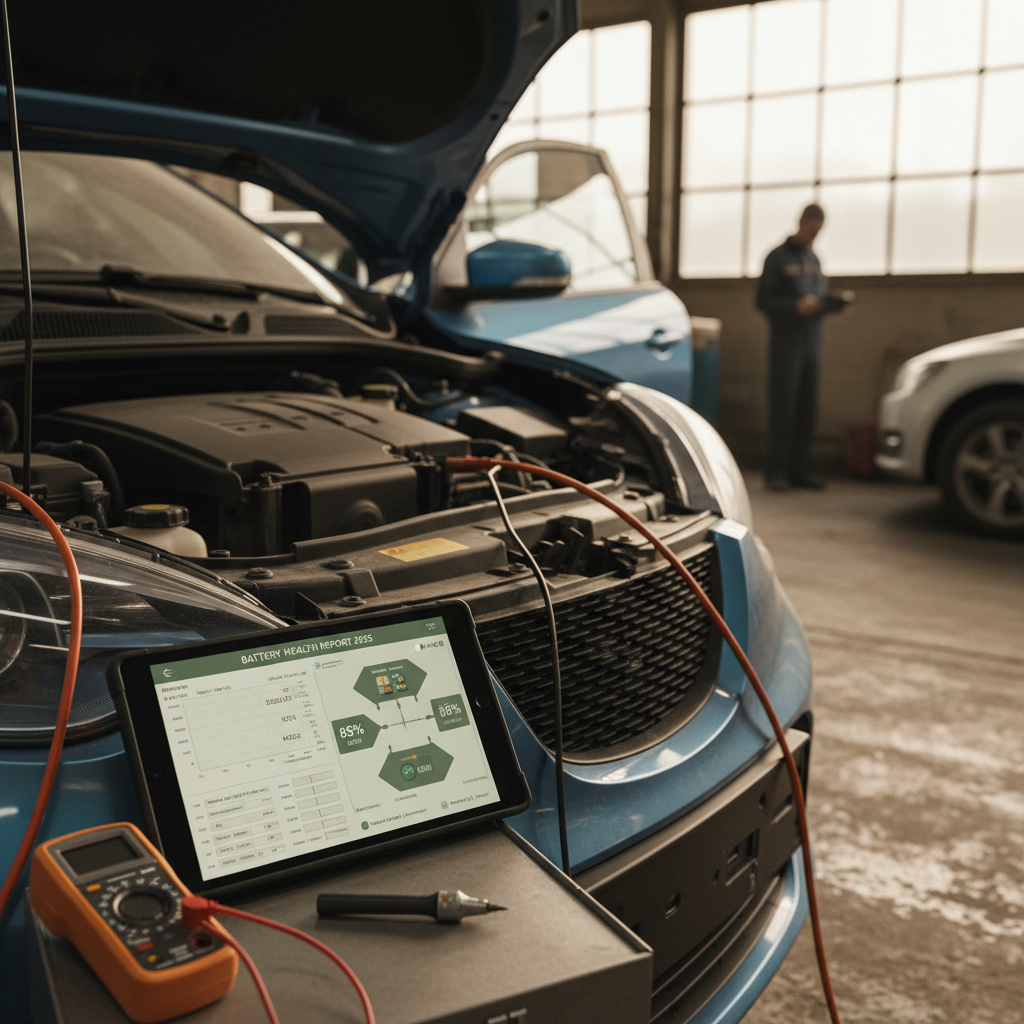
One of the most confusing parts of winter EV ownership is separating normal, seasonal range loss from actual battery degradation. With the Fiat 500e, this is especially important on 8–10‑year‑old cars where the battery’s true condition really matters.
Winter loss (temporary)
- Shows up when temperatures drop, improves in spring.
- Heavily influenced by heater use and trip patterns.
- Range estimates fluctuate day‑to‑day with weather.
- Charging speeds slow down more in the cold.
Degradation (permanent)
- Battery’s maximum usable kWh has shrunk over years.
- Summer range is noticeably lower than when new.
- Loss is present regardless of season.
- May show up as lower rated range even at 70°F.
How Recharged helps you tell the difference
Is a Fiat 500e right for you in a cold climate?
The honest answer: it depends far more on your daily routine and charging access than on your ZIP code. Someone in Minneapolis with a 12‑mile commute and a garage outlet may be better served by a 500e than a Boston commuter doing 65 miles a day with street parking.
Who the Fiat 500e suits in winter, and who it doesn’t
Think about your life, not just the thermometer.
Good winter fit
- Daily round‑trip under ~40–50 miles in an older 500e or ~80–90 miles in a new 42 kWh car.
- Reliable home charging (ideally Level 2) so you start each morning full.
- Most driving in or near town, not 75‑mph interstates every day.
- You’re okay planning a bit more conservatively on the coldest days.
Less ideal use‑case
- Regular long highway commutes in deep winter.
- No home charging and limited public infrastructure nearby.
- Frequent last‑minute 70–90 mile round trips in freezing temps.
- Desire to road‑trip hundreds of miles regardless of weather.
When the 500e really shines
Fiat 500e winter range: FAQ
Frequently asked questions about Fiat 500e range in cold weather
Bottom line on Fiat 500e winter range
The Fiat 500e is one of those cars that makes a ton of sense once you match it to the right life. In cold weather, the older 24 kWh versions are best treated as short‑range city tools, with realistic winter planning numbers in the 40–60 mile band. The newer 42 kWh car stretches that to a genuinely useful 80–110 winter miles for most commuters, with room left for errands and weather surprises.
If you’re considering a used 500e, or any small‑battery EV, focus on your daily mileage, where you’ll park and charge, and how often you really drive far on the coldest days. With honest expectations and a bit of winter strategy, the 500e can be a charming, efficient partner that shrugs off the season instead of being sidelined by it. And if you’d like help finding a 500e with a healthy pack and clear pricing, Recharged’s Recharged Score Report and EV‑specialist support can walk you through every step, from test drive to delivery.