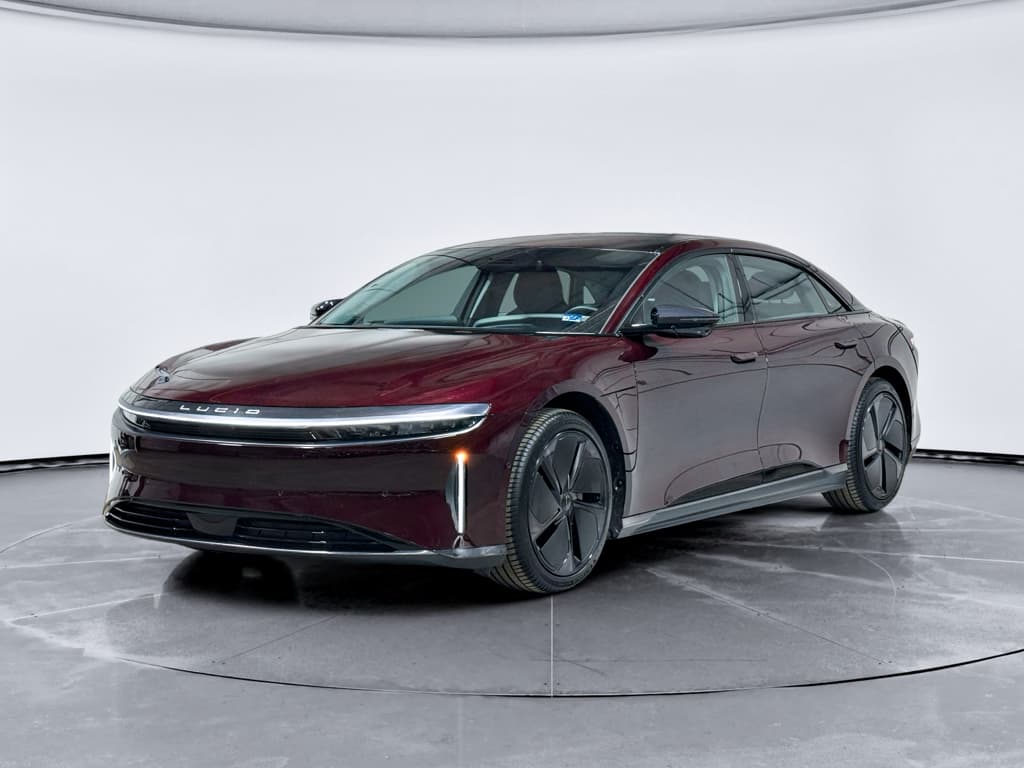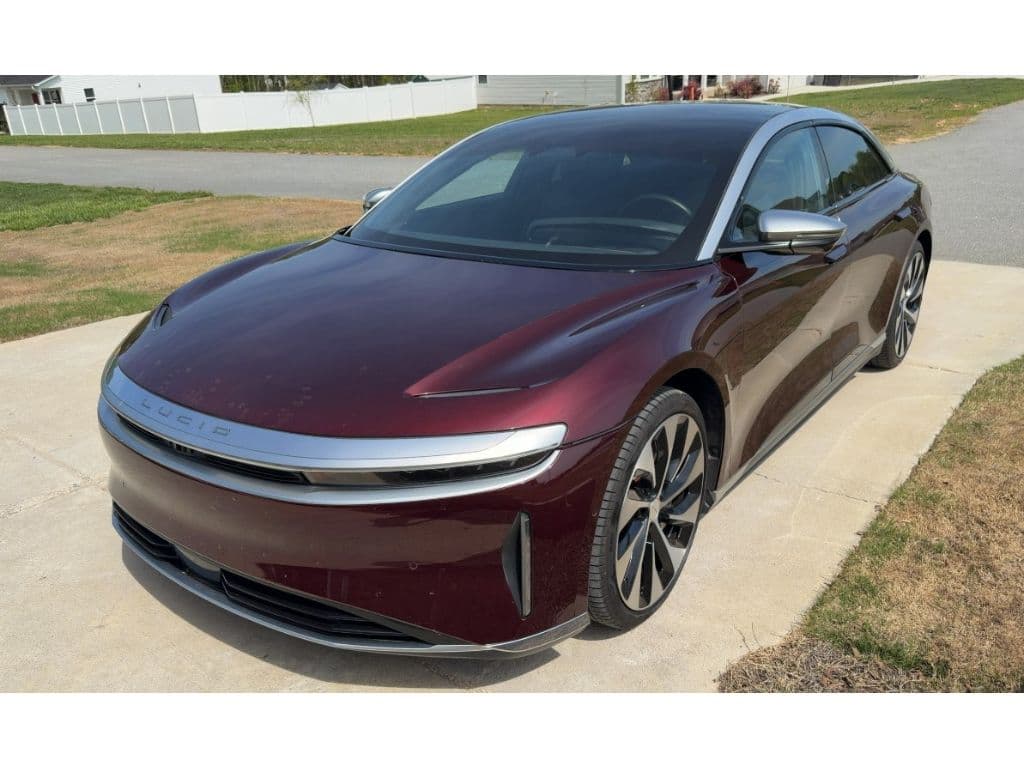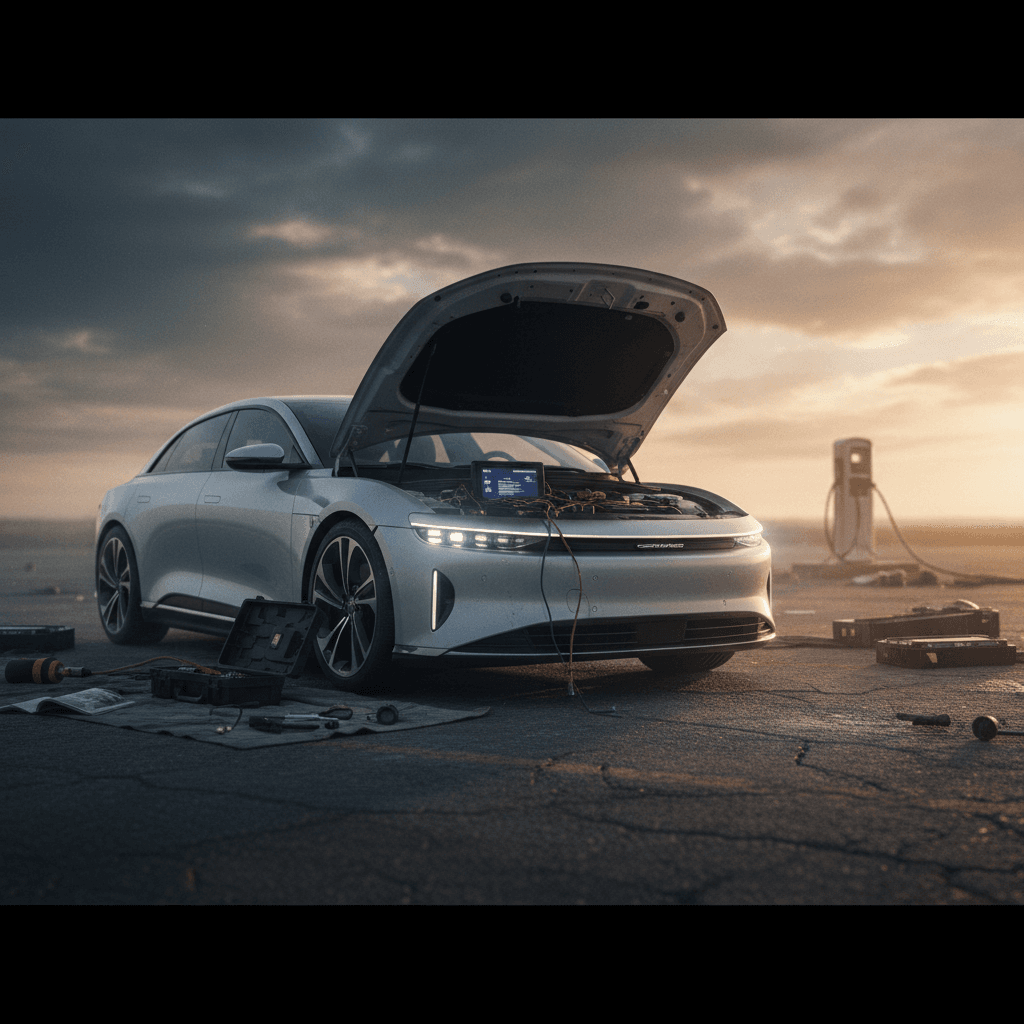
The 2022 Lucid Air is one of the most ambitious electric sedans ever sold in the U.S., blistering performance, huge range numbers, and a gorgeous interior. But if you’re searching for “2022 Lucid Air problems”, you’ve probably heard the other half of the story: early-build quirks, software bugs, and some serious recalls. This guide pulls together what we know so far so you can decide whether a 2022 Air belongs in your driveway, especially if you’re shopping used.
Early-production car reality check
Overview: 2022 Lucid Air problems at a glance
2022 Lucid Air ownership snapshot
Not every 2022 Lucid Air is a problem child. Some owners report years of trouble‑free driving and rave about comfort and performance. Others describe the Air as the most frustrating car they’ve ever owned, citing weeks in the shop and glitchy software. As with many low‑volume, high‑tech startups, variation from car to car is wide, which is exactly why a careful, data-driven look matters if you’re eyeing a used one.
How reliable is the 2022 Lucid Air?
Formal long-term data on the 2022 Lucid Air is still limited because the brand is new and sales volume is relatively low. What we do have are early owner reviews, forum reports, and recall history. Together, they paint a picture of a car that’s incredible to drive but still maturing as a product.
- Owner reviews on major sites are sharply split, some 5‑star experiences, others calling the car unreliable and difficult to service.
- Average reliability scores tend to land around the middle of the pack for luxury EVs, dragged down by electronics and software issues.
- Powertrain durability (motors, high‑voltage pack) has not been a dominant failure point so far; most problems relate to the “car around the battery.”
- Because production began in 2021, we’re just now seeing meaningful 3–4 year ownership stories from early adopters.
Startup automaker caveat
Major 2022 Lucid Air recalls you should know about
Recalls are one of the clearest windows into systemic 2022 Lucid Air problems. The good news: many of these fixes are one‑and‑done. The bad news: some involve important safety systems or can leave you with a temporarily undriveable car if not addressed.
Key 2022 Lucid Air recalls (U.S., summary)
Always run the VIN through NHTSA or Lucid before you buy; details here are a plain‑English overview, not a substitute for an official check.
| Area | Issue | Risk if Unrepaired | Typical Fix |
|---|---|---|---|
| Front suspension | Front strut snap ring can fail, causing sudden drop in ride height or brake line damage. | Loss of control or braking, increased crash risk. | Inspect and replace affected components; secure hardware. |
| Displays / wiring harness | Improperly secured display wiring harness can disable screens, including speedometer and warning lights. | No instrument info, unsafe to drive. | Inspect and secure or repair harness as needed. |
| Rear camera / visibility (2022–2025) | Rearview camera image may be blank or heavily delayed on software before version 2.8.0. | Driver can’t reliably see behind the car when reversing. | Free software update (over‑the‑air or at service center). |
| Towing / tow-eye bracket | Tow eye bracket attachment on a subframe may be insufficient. | Bracket could detach during towing. | Inspect subframe and add fasteners as required. |
Recall eligibility and status can change. Confirm with a Lucid service center before purchase.
Recall due diligence for used shoppers
Common owner‑reported problems on the 2022 Lucid Air
Beyond formal recalls, everyday owners have been documenting their 2022 Lucid Air problems in reviews and forums. Not every car shows these symptoms, but certain themes come up again and again:
Most frequently reported 2022 Lucid Air issues
Patterns from early adopters, forums, and owner reviews
Software instability
Screen & UI glitches
12V battery failures
Build quality quirks
Charging & app frustrations
Climate & comfort bugs
Why "small" software bugs matter
Battery and range issues on early Lucid Air models
One of the Lucid Air’s biggest selling points is range; early Grand Touring models were EPA‑rated well over 400 miles. In the real world, early owners report a more nuanced story.
- Excellent efficiency at highway speeds when conditions are mild, many owners comfortably beat 3 mi/kWh on longer trips.
- Like every EV, cold weather, high speeds, and big wheels can shave a lot off the headline range numbers.
- Some drivers complain of what feels like accelerated range loss over the first couple of years, often a mix of normal battery conditioning, software changes to range prediction, and real degradation.
- A few reviews mention surprisingly high “energy cost per mile,” especially when accounting for charging losses at home or on DC fast chargers.
At this point, there’s no broad evidence that the 2022 Lucid Air’s high‑voltage pack is fundamentally fragile. The higher‑risk zone seems to be the low‑voltage (12‑volt) system: when that support battery or its charging hardware misbehaves, the car can appear “dead” despite a full traction pack.
High‑voltage vs. 12‑volt problems
Software and infotainment quirks
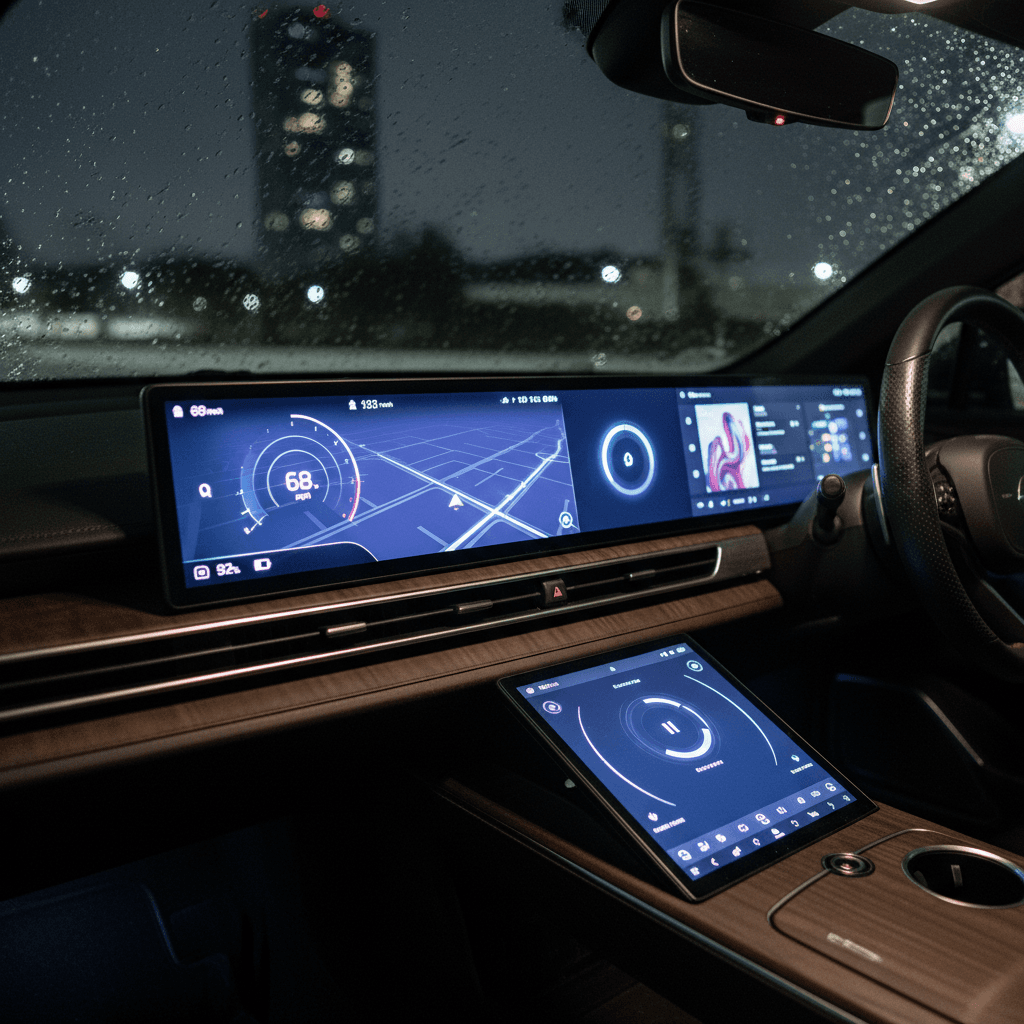
If there’s a single category that defines early 2022 Lucid Air problems, it’s software. Owners praise the design of the interface but often describe living with an early‑access beta instead of a polished luxury car.
Common software complaints
- Over‑the‑air updates that fail or get stuck in limbo, sometimes leaving warning messages that the car may not be drivable until it fully wakes up again.
- Frozen center or lower screens that require a reset or power cycle to restore navigation, climate controls, or audio.
- Random audio loss, including turn‑signal clicks or alerts going silent until the next restart.
- CarPlay / phone integration quirks, like dropped connections or the car grabbing your phone’s audio from inside the house.
How Lucid has responded
- Lucid has steadily pushed software updates that fix bugs, improve stability, and add features.
- Some issues, like the rear camera delay, have escalated into formal recalls with mandatory updates.
- Many owners report that their cars feel dramatically more mature on later software, with fewer crashes and faster screen response.
- But the underlying pattern remains: this is a software‑first car, and staying current on updates isn’t optional.
Used‑buyer tech test
Build quality, suspension, and hardware complaints
Every startup luxury brand has to climb the same mountain: getting its factories to bolt everything together with the same consistency as long‑established German and Japanese rivals. Early Lucid Airs are no exception.
Physical 2022 Lucid Air issues owners talk about
From annoying to potentially serious
Fit-and-finish quirks
Suspension & wheels
Doors, seals & wind noise
Brake & chassis hardware
Don’t ignore clunks or ride‑height changes
Service experience and downtime
Lucid’s service story is still evolving. Some owners rave about responsive mobile technicians and quick fixes. Others describe weeks‑long waits for parts, limited loaner availability, and just one authorized body shop in their entire region.
- Service centers and mobile coverage are still concentrated around major metro areas and early launch markets.
- Complex electronic or body repairs can keep the car in the shop for several weeks, especially when parts have to travel across the country.
- A few owners have been frustrated by finger‑pointing between Lucid, tire brands, and insurers after pothole or tire‑related damage.
- Communication quality varies; some customers report excellent, proactive updates, while others say they had to chase information.
How a strong inspection helps
Ready to find your next EV?
Browse VehiclesShould you buy a used 2022 Lucid Air?
If you love cutting‑edge EVs, the 2022 Lucid Air is wildly appealing. It’s stunning to look at, effortlessly quick, and capable of true long‑distance driving when everything is working as designed. But as a used‑car prospect, it’s not for everyone.
Why a 2022 Lucid Air can be a great buy
- World‑class range and efficiency that still rivals or beats many newer EVs.
- Luxurious cabin with a distinctive design that doesn’t feel like a clone of anything else on the road.
- Depreciation works in your favor, early luxury EVs often drop quickly from their original sticker price, creating sharp used values.
- Ongoing software updates mean the car you buy in 2026 can feel more mature than it did in 2022.
Where you need to be realistic
- Expect occasional software weirdness, even on the latest build, especially compared with long‑running brands.
- Service access may require a long drive or scheduling around mobile availability.
- First‑owner cars may have had extended downtime for recalls and updates; get the history.
- If you want a completely fuss‑free ownership experience, there are more conservative choices among used EVs.
In other words, a used 2022 Air is best suited to an owner who’s comfortable living on the leading edge, someone who values the car’s unique strengths and is prepared to stay on top of software, recalls, and service. If that sounds like you, the payoff can be huge.
Used-buyer checklist for a 2022 Lucid Air
11 things to verify before you buy a 2022 Lucid Air
1. Confirm all recall work is complete
Ask for documentation showing that front suspension, display wiring, tow‑eye, and rear camera recalls have been performed. Cross‑check the VIN on NHTSA’s site and with a Lucid service center.
2. Check current software version
From the main settings screen, note the software version and confirm it’s at or beyond Lucid’s current recommended build, especially the remedy version for rear camera issues.
3. Run a full screen & control test
On your test drive, use every major screen and control: adjust climate, change audio sources, use navigation, try CarPlay/Android Auto, and watch for freezes, lags, or error messages.
4. Ask about 12-volt battery history
Has the 12‑volt battery ever been replaced? Were there "vehicle won’t start" events or flatbed tows related to low‑voltage issues? A recent replacement with proper documentation can actually be a positive.
5. Inspect wheels, tires, and suspension
Look for bent wheels, sidewall bulges, or uneven tire wear. Listen for clunks over bumps and verify ride height looks consistent side‑to‑side. Any doubts? Have a Lucid center inspect it.
6. Look closely at panel gaps and trim
Walk the entire car in good light. Check door, hood, and frunk alignment; look for signs of repainting or bodywork that might indicate an accident or rough repair.
7. Review charging behavior
If possible, plug into both a Level 2 charger and a DC fast charger during your evaluation. Watch how quickly the car negotiates a session and whether it holds its expected charging curve.
8. Confirm warranty coverage
Lucid offers different coverage for the basic vehicle, powertrain, and high‑voltage battery. Ask the seller for an in‑writing confirmation of remaining warranty by component and mileage.
9. Evaluate service history
A thick stack of service records isn’t necessarily bad, what matters is whether issues were resolved and whether patterns (like repeat bricking after updates) continue.
10. Test the phone app and phone-as-key
Pair your phone, use the app to lock/unlock and precondition the car, and try phone‑as‑key. If these tools are flaky on day one, don’t assume they’ll magically improve.
11. Get independent EV-focused diagnostics
A generic pre‑purchase inspection won’t cut it on a car like the Lucid Air. Look for an EV‑specialist evaluation that measures battery health, checks for software faults, and values the car against real‑world used EV pricing data.
How Recharged can help with a 2022 Lucid Air
FAQ: 2022 Lucid Air problems
Frequently asked questions about 2022 Lucid Air issues
The 2022 Lucid Air is a complex car from an ambitious young automaker, and its problems reflect that mix: world‑beating engineering wrapped in still‑maturing software and service. If you walk in with clear eyes, armed with recall checks, a careful test drive, and independent battery diagnostics, it can be a deeply rewarding used EV. If you’d like a second set of eyes on any 2022 Air you’re considering, Recharged is here to help you sort the keepers from the headaches.