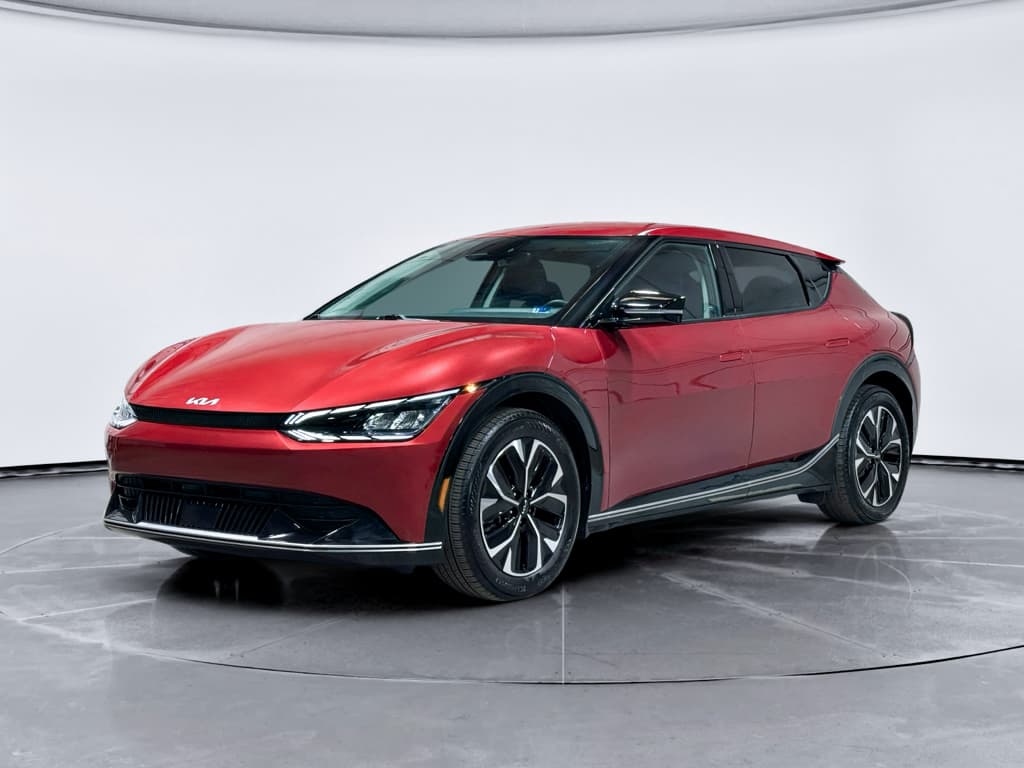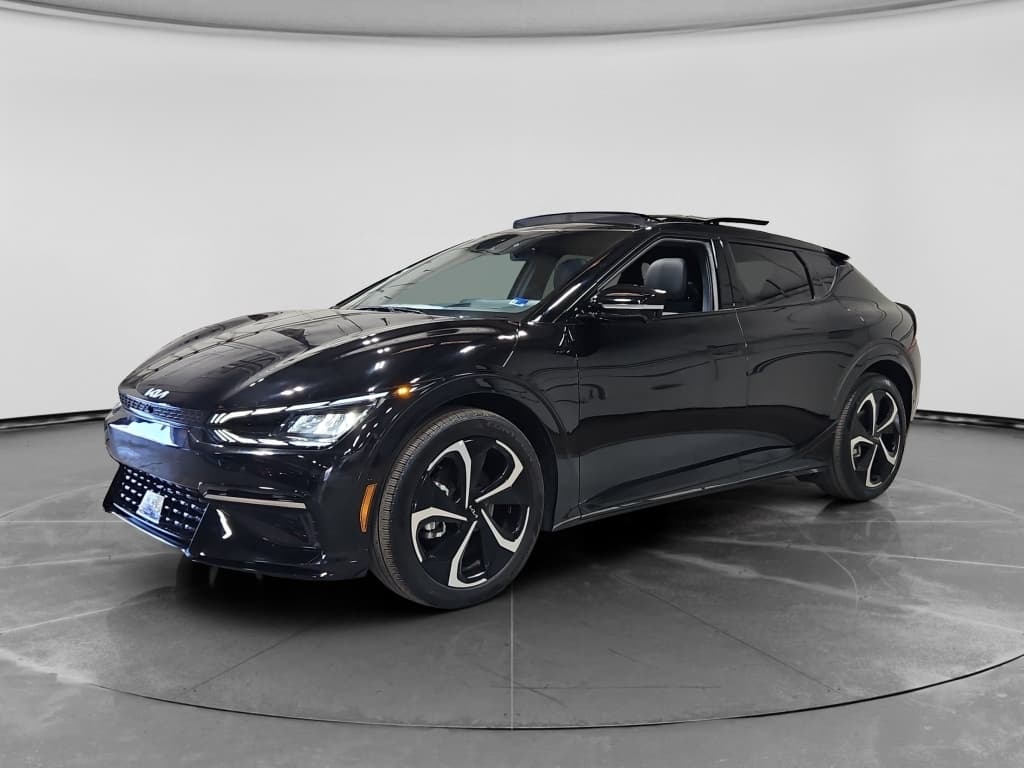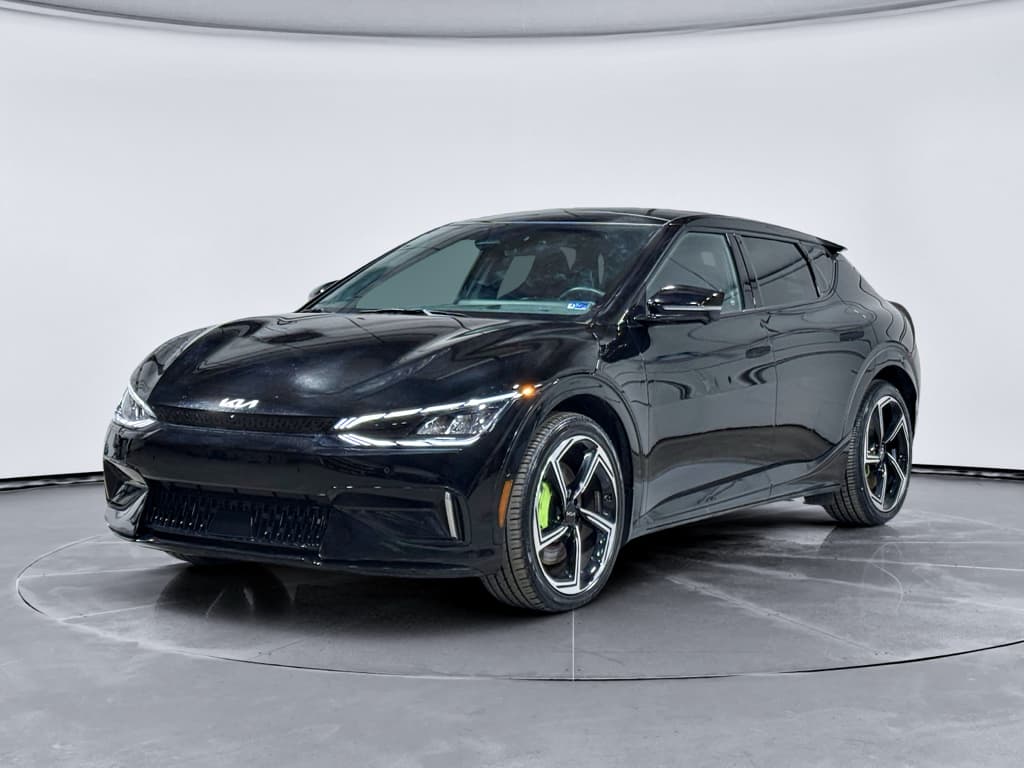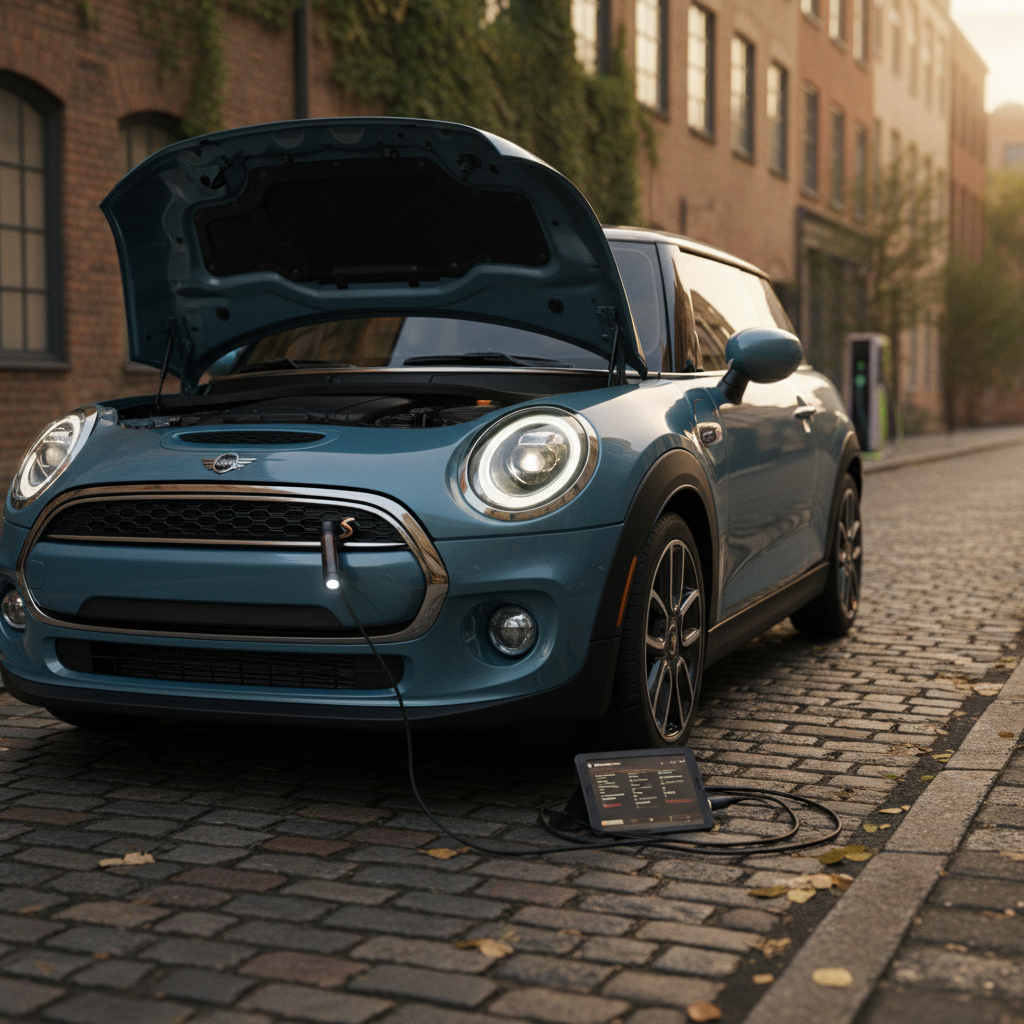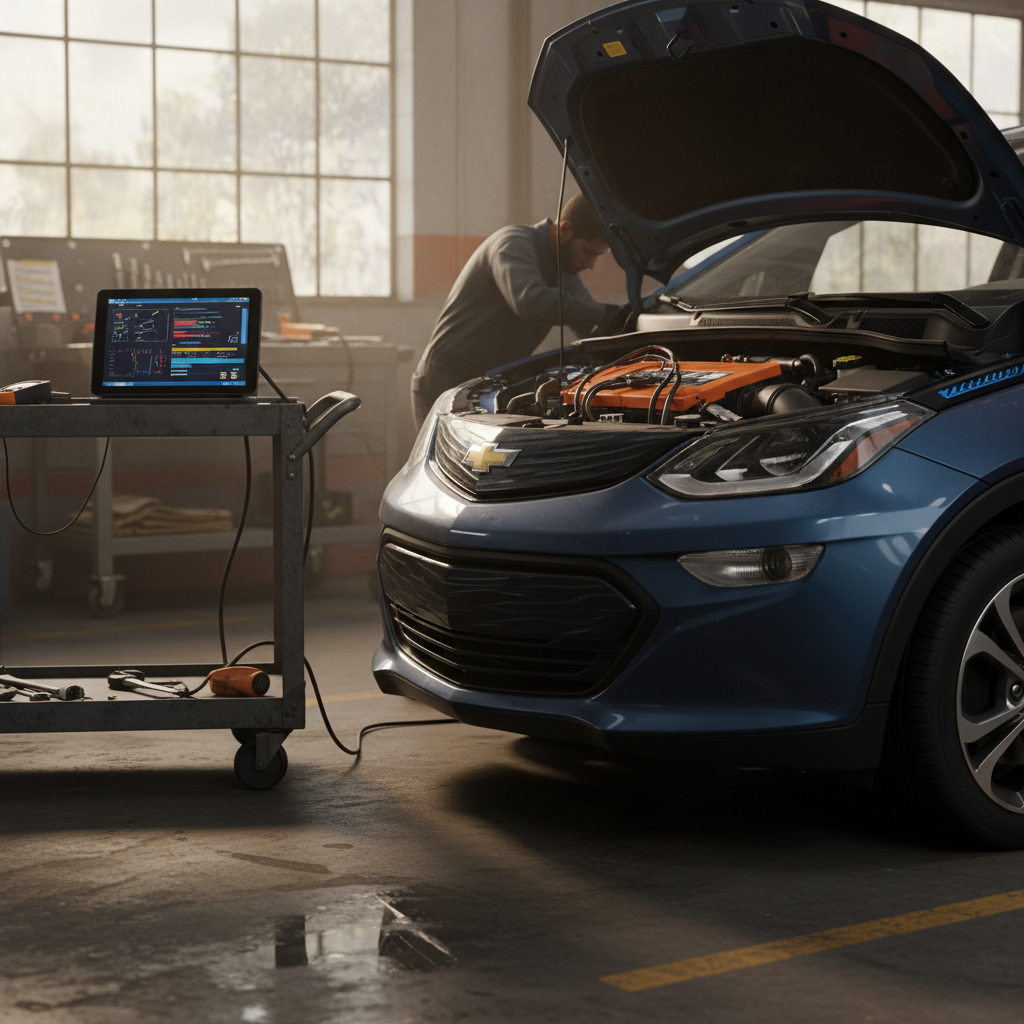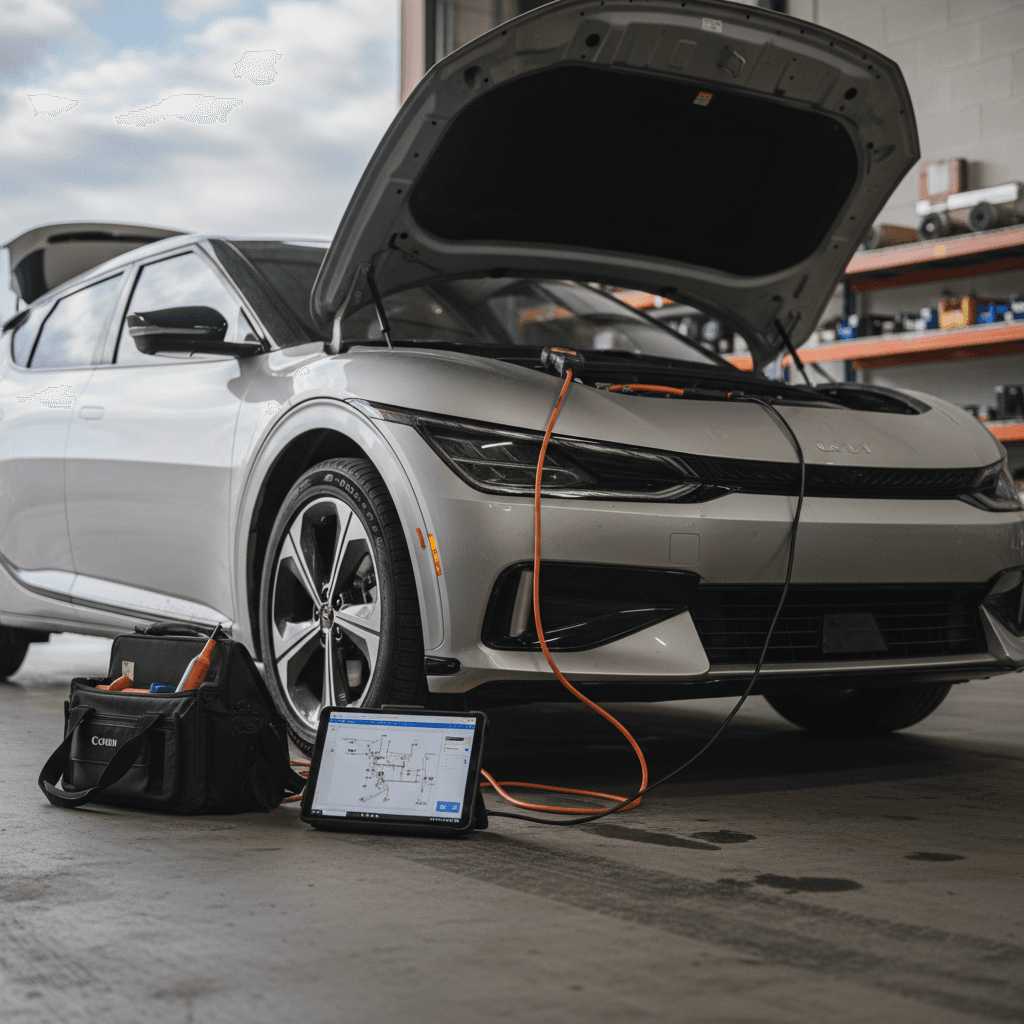
If you own, or are thinking about buying, a 2022 Kia EV6, you’ve probably heard about recalls tied to **loss of power**, the **12‑volt battery**, and the **parking brake**. This 2022 Kia EV6 recalls list walks through each major campaign in plain English, explains what’s being fixed, and shows you how to protect yourself whether you’re an owner today or shopping the used market.
Quick snapshot
Overview: 2022 Kia EV6 recalls list at a glance
Key 2022 Kia EV6 recalls (U.S. market)
High‑level summary of major safety recalls that apply to most 2022 Kia EV6 vehicles.
| Recall ID (NHTSA) | Kia campaign code | Main issue | Primary symptom | Risk level |
|---|---|---|---|---|
| 24V200 | SC302 | ICCU damage from high‑voltage/thermal cycling | Loss of power, warning lights, reduced acceleration | High – loss of motive power |
| 24V867 | SC327 | Repeat ICCU / 12‑volt charging issue on vehicles already repaired under 24V200 | 12‑volt not charging, car won’t start or goes dead after parking | High – vehicle can become inoperable |
| 22V354* | SA533/EPB update* | Electronic parking brake software/owner‑info update on early builds | Parking brake not applying as expected in some situations | Moderate – roll‑away risk on affected vehicles |
Always confirm exact applicability by running your VIN through Kia or NHTSA before assuming coverage.
Important caveat
Recall 1: ICCU loss of power (24V200 / SC302)
The headline recall for the 2022 Kia EV6 is tied to the **Integrated Charging Control Unit (ICCU)**. The ICCU is the component that converts high‑voltage battery power to keep your 12‑volt system alive. On 2022 EV6s (and sibling Hyundai/Genesis E‑GMP models), the ICCU can be damaged over time by voltage spikes and heat cycling, eventually **failing to charge the 12‑volt battery** and causing the car to lose power.
- NHTSA recall ID: commonly referenced as **24V200** in the U.S.
- Kia internal code: **SC302**
- Model years: **2022–2024 EV6**, but **every 2022** in the U.S. market is in the build range.
- Typical build dates affected: late 2021 through early 2024.
When the ICCU starts to fail, the EV6 may drive normally at first but **gradually discharges the 12‑volt battery while you’re on the move**. Once voltage drops low enough, you can see warning lights, limp‑home behavior, or a complete loss of motive power.
Common ICCU recall symptoms on a 2022 EV6
These are warning signs that your car may be in the failure window, even if the repair hasn’t been done yet.
Warning lights & messages
- Multiple warning lights illuminated at once
- "Check EV system" or similar message
- Car may still move but feels different
Reduced or no power
- Sudden loss of acceleration
- Car limited to low speeds
- May coast to a stop and refuse to restart
12‑volt battery issues
- Car dead after parking overnight
- Clicking or no response when pressing Start
- Jump‑start brings it back – temporarily
Safety risk
The official remedy for 24V200/SC302 includes **software changes to reduce electrical stress**, inspection of the ICCU for damage, and **replacement of the ICCU and a related fuse if needed**. The work is done at a Kia dealer and should be **free of charge** as part of the safety recall.
Recall 2: ICCU & 12‑volt battery repeat fix (24V867 / SC327)
After the initial ICCU recall rolled out, many 2022 EV6 owners reported **repeat failures**, or 12‑volt batteries going dead even after having SC302 completed. In late 2024, Kia responded with a follow‑up campaign in the U.S. that again targets **all 2022–2023 EV6 and some 2024s** that were already covered by the first recall.
- NHTSA recall ID: **24V867**
- Kia internal code: **SC327**
- Scope: All 2022–2023 EV6 plus certain 2024s that had SC302 performed.
- Goal: Address ongoing ICCU/12‑volt issues and ensure the 12‑volt battery is correctly supported.
Functionally, you can think of 24V867 as a **“do‑over” and reinforcement** of the ICCU repair for cars that still weren’t stable after 24V200. It again focuses on the ICCU and 12‑volt charging logic, but with updated software and, where necessary, more extensive parts replacement.
How widespread are ICCU‑related recalls on the EV6?
If you already had the ICCU recall…
Recall 3: Electronic parking brake software (2022 only)
Compared with the ICCU issues, the parking‑brake‑related recall on early EV6s flew under the radar. In 2022, Kia issued a campaign affecting roughly **9,000 2022 EV6s** to update **software and owner information for the Electronic Parking Brake (EPB)** and, in some cases, to add clarification in the owner’s manual.
- Component: **Parking Brake – Electrical / Control Module / Software**
- Concern: In very specific situations, the EPB might not function as drivers expect without proper instructions, increasing the risk of a roll‑away if the car isn’t in Park and the brake isn’t properly set.
- Fix: **Software update** to the related control unit and a supplemental leaflet or update to the owner’s manual explaining correct EPB operation.
Why this matters for real‑world use
If you’re looking at a **used 2022 Kia EV6 built in late 2021 or early 2022**, it’s worth confirming this recall has been completed. It’s quick for the dealer and free to you, but it closes a potential safety gap in how the parking brake behaves.
How to check if your 2022 EV6 has open recalls
Because recall coverage depends on VIN and build date, the **only reliable way** to know where you stand is to run an official check. Fortunately, it’s easy and free.
Step‑by‑step: Check your 2022 Kia EV6 for open recalls
1. Find your VIN
Your 17‑digit Vehicle Identification Number is on the driver’s‑side dash (visible through the windshield), the door jamb label, and your registration or insurance card.
2. Use NHTSA’s recall lookup
Go to the official NHTSA recall lookup, enter your VIN, and review any **open safety recalls**. This tool is U.S.‑specific but is the gold standard for safety‑related campaigns.
3. Check Kia’s own recall site
Visit Kia’s owner or recall page, plug in your VIN, and confirm whether campaigns like **SC302** and **SC327** have been completed, scheduled, or are still open.
4. Call or email a Kia dealer
If results are confusing, or you’re buying a used EV6, call the service department at a Kia dealer. Ask for a **recall history printout** based on the VIN.
5. Verify completion dates
Look not just for "closed" recalls, but for **dates**. If ICCU work was done early in the campaign, it might be eligible for updated work under a follow‑up recall.
6. Keep documentation
After recall work, keep the **repair order** and any dealer notes with your records. They’re useful for resale and if you ever need to argue for goodwill coverage on a repeat issue.
Good news on cost
Living with a recalled EV6: symptoms and what to do
Recalls sound scary, but in day‑to‑day life what matters is whether your EV6 is **behaving normally**. Here’s how to connect the recall list to symptoms you might see behind the wheel.
If you notice power or charging issues
- Multiple warnings, reduced acceleration, or the car shutting down while driving point strongly toward the **ICCU/12‑volt recall**.
- Don’t keep driving and hoping it clears. Safely pull over, shut the car down, and **call Kia roadside assistance or a tow**.
- At the dealer, mention that you’re aware of **ICCU recalls SC302 and SC327** and ask them to verify recall status before diagnosing out‑of‑warranty.
If your EV6 won’t start or goes dead parked
- A flat 12‑volt battery, especially after a recent recall visit, may be a **symptom, not the true cause**.
- Document dates, mileage, and conditions (weather, state of charge, parked duration).
- Request that the dealer check for **ICCU fault codes** and confirm whether your VIN is covered by the newer 12‑volt‑focused recall and software updates.
Do not ignore loss of power
Used buyer’s guide: recall checklist for a 2022 Kia EV6
From a shopper’s standpoint, recalls don’t automatically make a 2022 Kia EV6 a bad bet. In fact, a car that’s **had all its recall work done carefully and documented** can be a smarter buy than a similar vehicle whose issues simply haven’t surfaced yet. The key is verifying the right things before you sign anything.
Pre‑purchase recall checklist for a 2022 EV6
1. Run the VIN through NHTSA and Kia
Confirm that **all open recalls are addressed or already scheduled**. A clean slate on ICCU and parking‑brake recalls is a big plus when you’re buying used.
2. Ask for recall paperwork
Request copies of **repair orders** for SC302, SC327, and any EPB‑related updates. Look for parts replaced (ICCU, 12‑volt battery, fuses) and dates of service.
3. Look for repeat ICCU complaints
Scan online listings, vehicle history reports, and any service records for notes about being towed, "no start," or "loss of power." Repeat issues after recall work can be a red flag.
4. Test the car after sitting
If possible, **start the EV6 cold** after it’s sat overnight. Confirm that it boots quickly, shows no warning lights, and accepts a charge without errors.
5. Verify software is current
During a pre‑purchase inspection, have a Kia dealer check that all **software updates tied to recalls and service campaigns** are up to date, not just the mechanical pieces.
6. Consider a specialist inspection
For a high‑value EV like the EV6, it’s worth having an **EV‑savvy technician** look at the car’s battery health, charging behavior, and recall history before you commit. <strong>Recharged</strong> builds this kind of diagnostic insight into every Recharged Score report on the used EVs it lists.
How Recharged approaches recall‑heavy models
Where recalls fit into overall 2022 EV6 reliability
If you zoom out, the 2022 EV6 tells a very familiar modern‑EV story: **strong core engineering**, lively performance, and appealing design, paired with **teething issues in the charging and support electronics**. Data through 2024 shows three recalls and a higher‑than‑average complaint volume for the 2022 model year, largely centered on ICCU and 12‑volt behavior rather than the main high‑voltage battery pack.
2022 EV6: strengths vs. pain points
Recalls address some, but not all, of the ownership story.
Where the 2022 EV6 shines
- Strong range and efficiency for its class
- 800‑volt architecture with ultra‑fast DC charging when everything is working properly
- Attractive design and comfortable daily‑driver manners
- High crash‑test scores and modern active‑safety tech
Where owners report problems
- ICCU and 12‑volt issues leading to no‑start or loss of power
- Waiting on recall parts and diagnostic time at busy dealers
- Occasional software gremlins around driver‑assist and infotainment
- Frustration when issues recur after initial recall work
How to interpret recalls as a buyer
FAQ: 2022 Kia EV6 recalls
Common questions about 2022 Kia EV6 recalls
Bottom line: Should recalls scare you off a 2022 EV6?
The 2022 Kia EV6 has more than its share of **headline‑worthy recalls**, and it’s fair to be cautious, especially around ICCU‑related loss‑of‑power and 12‑volt issues. But recalls are only part of the story. What really matters is whether a specific car has had **all applicable campaigns completed, with good documentation and stable behavior afterward**.
If you already own a 2022 EV6, your playbook is straightforward: **run your VIN**, get any open recalls performed promptly, and pay close attention to warning lights or changes in how the car drives or charges. If you’re shopping used, look for a car with **clean recall history, up‑to‑date software, and verified battery health** rather than walking away from the model entirely.
Recharged was built to make that process far easier. From the Recharged Score battery‑health diagnostics to recall‑aware pricing and expert EV guidance, you can shop a recall‑heavy model like the 2022 EV6 with your eyes open, and still come away with a great value if the individual car checks out.