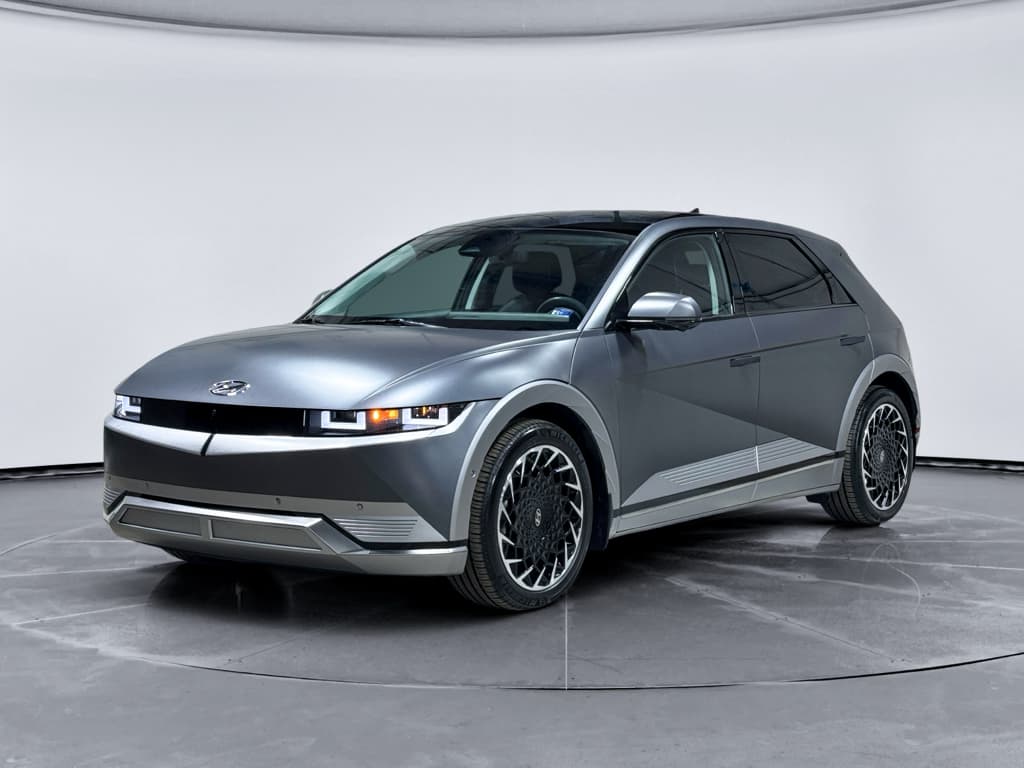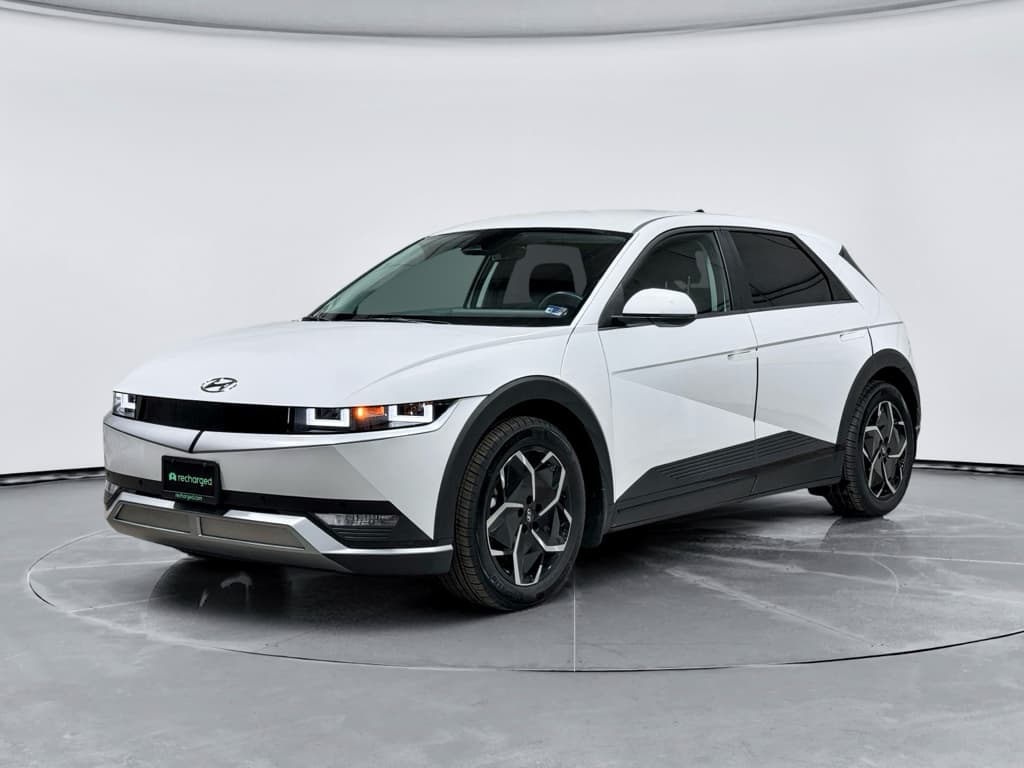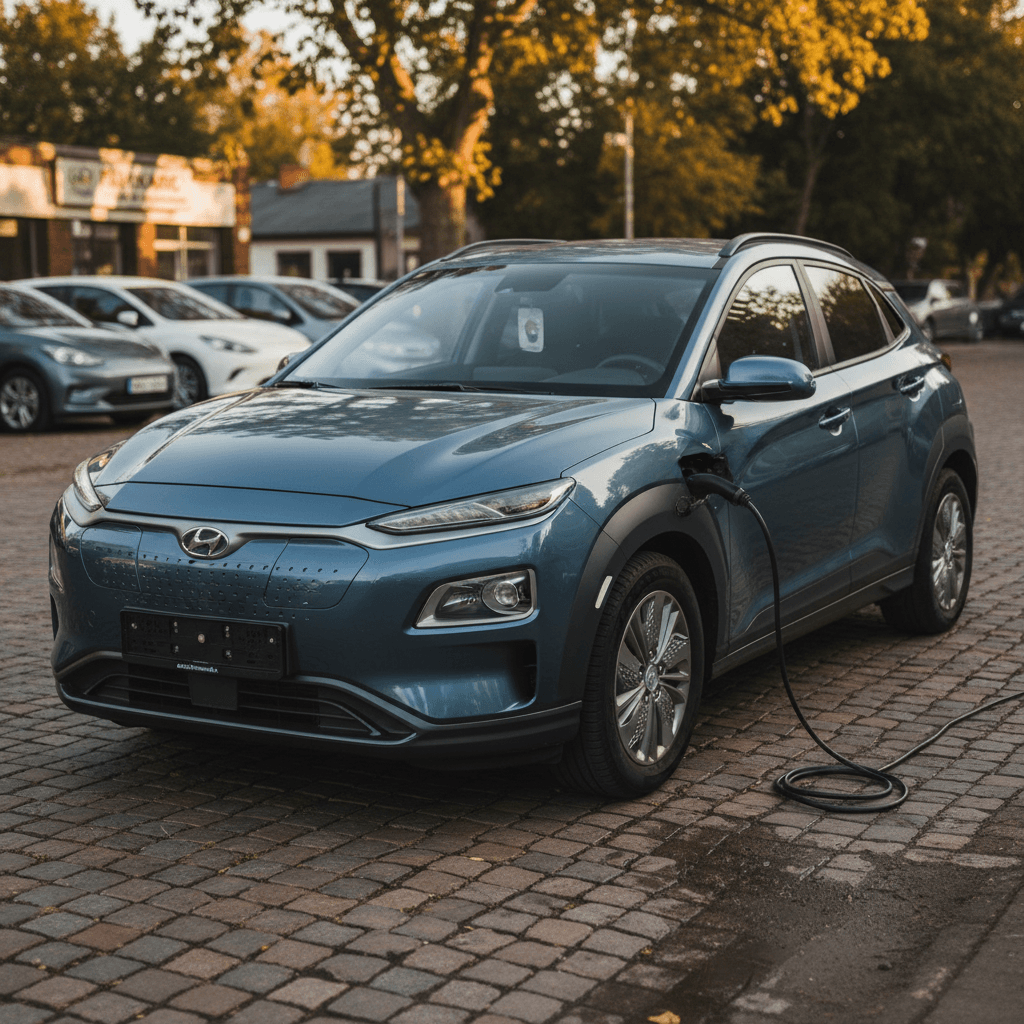
If you’re shopping for an affordable electric crossover, the 2022 Hyundai Kona Electric deserves a hard look on the used market. It blends genuinely strong real-world range and efficiency with a long battery warranty and a relatively low purchase price, especially compared with newer EVs. But it’s not perfect: tight rear seats, modest DC fast‑charging speeds and some Hyundai recall history are all worth understanding before you buy.
Where the 2022 Kona Electric fits
2022 Hyundai Kona Electric overview
By 2022, the Kona Electric was a known quantity. It had already proven that a relatively small, light crossover with a 64‑kWh battery and a single front motor could deliver serious real‑world efficiency. For that model year, U.S. buyers got two trims, SEL and Limited, both using the same powertrain: about 201 horsepower and 291 lb‑ft of torque from a permanent‑magnet motor driving the front wheels only.
Hyundai claimed an EPA range of 258 miles, competitive with the Chevrolet Bolt (259 miles) and ahead of many early‑generation EV crossovers. In independent testing, reviewers routinely saw efficiency of around 3.8–4.0 miles per kWh, which lines up with that official figure and can even exceed it in city‑heavy driving.
2022 Kona Electric spec snapshot
Why used shoppers like it
Key specs: range, battery and charging performance
Under the floor, the 2022 Kona Electric uses a 64‑kWh lithium‑ion battery feeding a permanent‑magnet motor. Officially, you’re looking at 258 miles of EPA‑rated range and 120 MPGe combined, with 132 MPGe city and 108 highway. In independent tests, DC fast‑charging peaks around 70–77 kW, going from about 10% to 80% in roughly 45–50 minutes when conditions are ideal.
2022 Hyundai Kona Electric range and charging specs
Core battery, range and charging numbers that matter when you live with a 2022 Kona Electric every day.
| Spec | 2022 Kona Electric |
|---|---|
| Battery capacity | 64 kWh (usable) |
| EPA range | 258 miles |
| Onboard AC charger | 7.2 kW (Level 2) |
| Home charging 10–100% | ≈ 9–9.5 hours on a 240V, 32A+ Level 2 |
| DC fast‑charge peak | ≈ 70–77 kW |
| DC fast‑charge 10–80% | ≈ 45–50 minutes in good conditions |
| Fast‑charge port | CCS (SAE Combo) |
| Drive layout | Front‑wheel drive only |
Official and commonly reported charging figures for the 2022 Kona Electric.
DC fast charging: not its strongest suit
- Real‑world efficiency in the high‑3 to low‑4 mi/kWh range makes the 64‑kWh pack go a surprisingly long way.
- Level 2 home charging at 7.2 kW easily refills the battery overnight for most drivers.
- CCS DC fast‑charging is widely available today, but the Kona Electric will ultimately benefit if/when CCS‑to‑NACS adapters roll out more broadly.
Driving experience: performance, comfort and noise
On the road, the 2022 Hyundai Kona Electric feels punchy and light on its feet. With 201 hp and 291 lb‑ft going only to the front wheels, it will happily chirp its tires off the line in the wet, but once you’re rolling it settles into a predictable, slightly playful character. Acceleration to 60 mph is in the mid‑7‑second range, quicker than many gas subcompact crossovers but slower than performance‑oriented EVs.
Where it shines
- City and suburban driving: Compact size and instant torque make it effortless to dart through traffic and merge.
- Efficiency over power: You feel like you’re getting a lot of miles for every kWh, which matters when electricity prices climb.
- Single‑pedal driving: Adjustable regen paddles let you dial in how aggressively the car slows when you lift off the accelerator.
Where it falls short
- Highway refinement: Road and wind noise are more noticeable than in larger, newer EVs like IONIQ 5 or Tesla’s crossovers.
- Front‑wheel‑drive traction: In wet or snowy conditions, it’s easy to spin the front tires if you’re heavy‑footed.
- Ride quality: The short wheelbase means sharp bumps and expansion joints are felt more clearly.
Handling character
Interior, tech and practicality
Inside, the 2022 Kona Electric walks a line between budget‑friendly and modern. Materials are more economy‑car than luxury EV, but the layout is logical, visibility is good, and most owners find the seats supportive enough for daily use. The main trade‑offs come down to space and some tech quirks.
Inside the 2022 Kona Electric
Strengths and compromises you’ll notice during a test drive
Cabin space
The front seats feel roomy enough for adults, but rear legroom is tight if you regularly carry tall passengers. Cargo space is solid for the size, but this is not a family road‑trip hauler.
Infotainment
The SEL’s 8‑inch touchscreen supports wireless Apple CarPlay and Android Auto, while the Limited’s larger 10.25‑inch screen oddly requires a cable. Both include built‑in navigation on upper trims.
Everyday usability
Physical buttons for climate and key functions make the Kona feel refreshingly simple compared with touch‑heavy EVs. Storage cubbies and the raised center console help keep gear organized.
SEL infotainment advantage
Safety, driver-assistance tech and recalls
The Kona family tests well in crash safety, and the 2022 Kona Electric benefits from Hyundai’s increasingly robust SmartSense driver‑assistance suite. Features like forward‑collision avoidance with pedestrian detection, lane‑keeping assist and adaptive cruise control are widely available, especially on the Limited trim.
- Strong crash‑test performance for the Kona platform in IIHS and NHTSA testing around this era.
- Standard safety tech on most 2022 Kona Electrics includes automatic emergency braking, lane‑keeping assist and driver‑attention warning.
- Limited trims add features like blind‑spot monitoring with rear cross‑traffic alert and more advanced adaptive cruise control.
Stay current on recalls
Reliability, battery life and warranty coverage
Owner feedback for the Kona Electric has been generally positive, with most 2022 drivers praising low running costs and everyday livability. At the same time, early‑generation Kona EVs (2019–2020) were affected by a widely publicized battery recall, which has colored perceptions of the entire line. The 2022 model benefits from updated packs and software but still shares much of the same underlying architecture, so due diligence is important.
Warranty coverage highlights for the 2022 Kona Electric
Battery health in the real world
SEL vs. Limited: which 2022 Kona Electric trim should you buy?
Because both trims share the same powertrain and battery, choosing a 2022 Hyundai Kona Electric is mostly about deciding how much comfort and tech you want to pay for. The SEL is the value play, while the Limited feels closer to a fully loaded compact crossover, still at a price point below many newer EVs.
2022 Kona Electric SEL vs. Limited
Same range and performance, different equipment levels
Kona Electric SEL
- Lower used prices and often easier to find.
- 8‑inch touchscreen with wireless Apple CarPlay/Android Auto.
- Cloth seats, manual seat adjustments.
- Core safety tech standard.
- Best choice if you care more about value than luxury features.
Kona Electric Limited
- More premium features: leather seats, heated front seats, sunroof (on many cars), upgraded audio.
- 10.25‑inch touchscreen with built‑in navigation (but wired phone mirroring).
- More complete Hyundai SmartSense suite, including extra driver‑assists.
- Great if you plan to keep the car a long time and want all the comforts.
Trim recommendation
Charging experience: home setup and road-trip usability
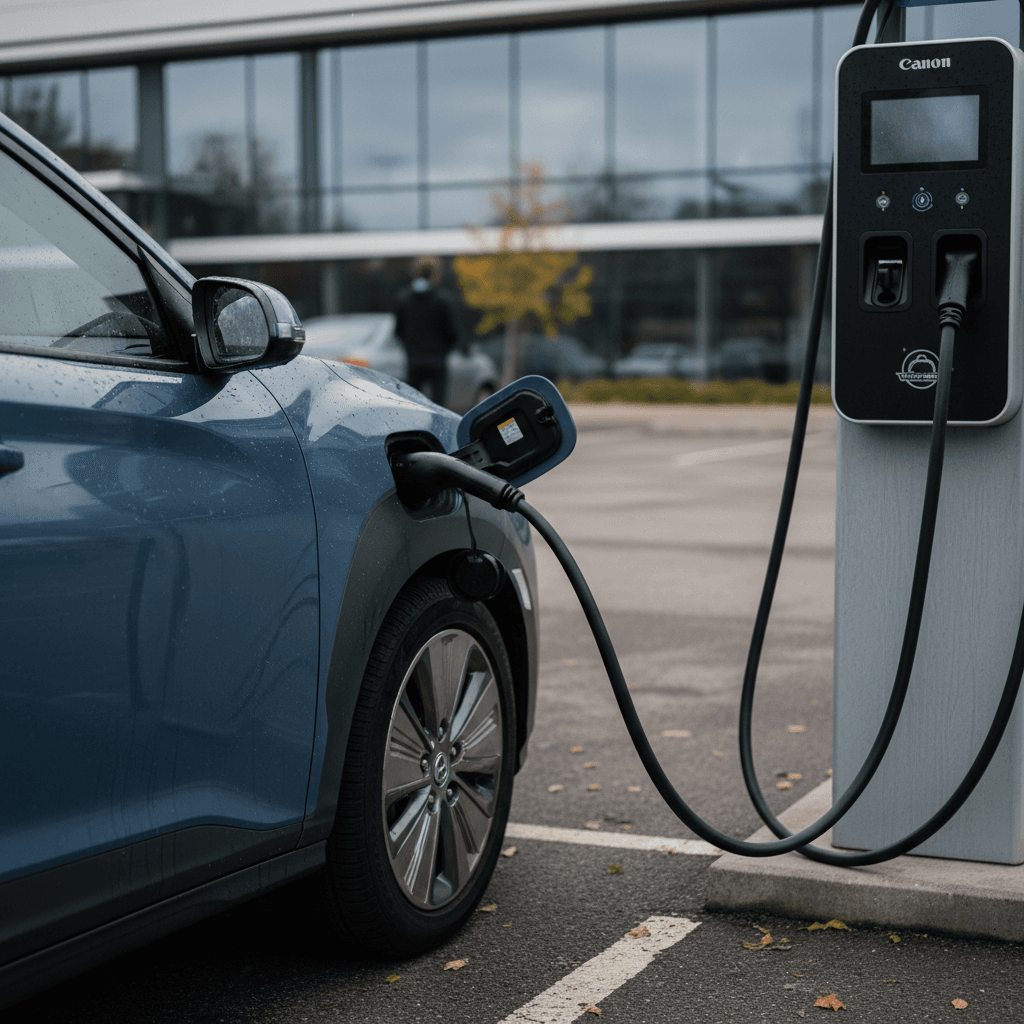
How painless the 2022 Hyundai Kona Electric feels largely comes down to where you charge. With a modest‑sized battery and strong efficiency, the car is tailor‑made for overnight Level 2 charging at home. It’s capable of DC fast charging for road trips, but its modest peak speeds mean it rewards some planning.
Getting the best charging experience from a 2022 Kona Electric
1. Install (or verify) a 240V home charger
The Kona Electric’s 7.2 kW onboard charger is happiest on a 240V, 32–40 amp circuit. A Level 2 wallbox or high‑output portable EVSE will refill the pack overnight from low state of charge.
2. Use scheduled charging for off‑peak rates
Most electric utilities offer time‑of‑use plans that make nighttime charging much cheaper. Use the Kona’s built‑in scheduling or your charger’s app to take advantage.
3. Understand DC fast‑charging limits
On road trips, plan stops around every 140–180 miles and expect 35–50 minutes at a CCS fast‑charger to get from roughly 10% to 80%. Apps like PlugShare or A Better Routeplanner help you map realistic legs.
4. Protect battery longevity
For daily use, try to avoid living at 100% state of charge. Keeping the battery mostly between about 20–80% and limiting fast‑charging when it’s very hot or very cold can help reduce long‑term degradation.
5. Keep cables and adapters organized
The Kona Electric has a modest cargo area, so a dedicated bag for your charge cable and any future CCS‑to‑NACS adapter keeps things tidy and avoids damage to connectors.
6. Test chargers near your home and work
Even if you install home charging, it’s smart to test public stations nearby so you know which ones are reliable before you actually need them.
Safety note on home charging
Used-market pricing and value vs. rivals
Used EV pricing moves quickly, but the story of the 2022 Hyundai Kona Electric is consistent: it typically undercuts larger, newer EVs while delivering similar real‑world range for most commuters. That value is amplified once you factor in Hyundai’s long battery warranty and the model’s strong efficiency.
How the 2022 Kona Electric competes
- Against Chevrolet Bolt/Bolt EUV: Very similar range and performance, but slightly taller "SUV" styling. Market pricing often overlaps, so condition and equipment can matter more than badge.
- Against Nissan Leaf Plus: The Kona’s liquid‑cooled battery and stronger DC fast‑charging support make it more future‑proof for most buyers, even if Leaf prices look tempting.
- Against newer EV crossovers: IONIQ 5, EV6, and Tesla’s crossovers offer more space and faster charging, but often at a much higher price on the used market.
Where Recharged fits in
If you’re considering a 2022 Kona Electric, a key question is battery health. At Recharged, every used EV we list includes a Recharged Score Report with verified battery diagnostics, pricing aligned to actual pack health, and expert guidance on charging and ownership costs. That reduces the guesswork that usually comes with buying a used EV from a traditional dealer or private seller.
Is the 2022 Hyundai Kona Electric right for you?
The 2022 Hyundai Kona Electric is not a perfect EV, but it nails a specific brief extremely well. If you want an efficient, relatively compact electric crossover that can genuinely handle daily commuting and regional trips without costing Tesla money, it’s one of the more compelling used choices on the market. You’ll need to live with a tight rear seat, modest DC fast‑charging speeds and an interior that feels more practical than premium. In return, you get strong range for the battery size, low running costs, and a long battery warranty backing it all up.
- Choose the 2022 Kona Electric if you primarily commute in the city or suburbs, have (or can add) Level 2 home charging, and value efficiency and warranty coverage over space and luxury.
- Look elsewhere if you routinely carry adults in the back seat, road‑trip long distances at high speed, or insist on the latest fast‑charging tech and the biggest in‑car screens.
- If you decide the Kona Electric fits your life, consider browsing Recharged’s used EV inventory or talking with an EV specialist about how its Recharged Score, charging options, and total cost of ownership compare with other models you’re considering.