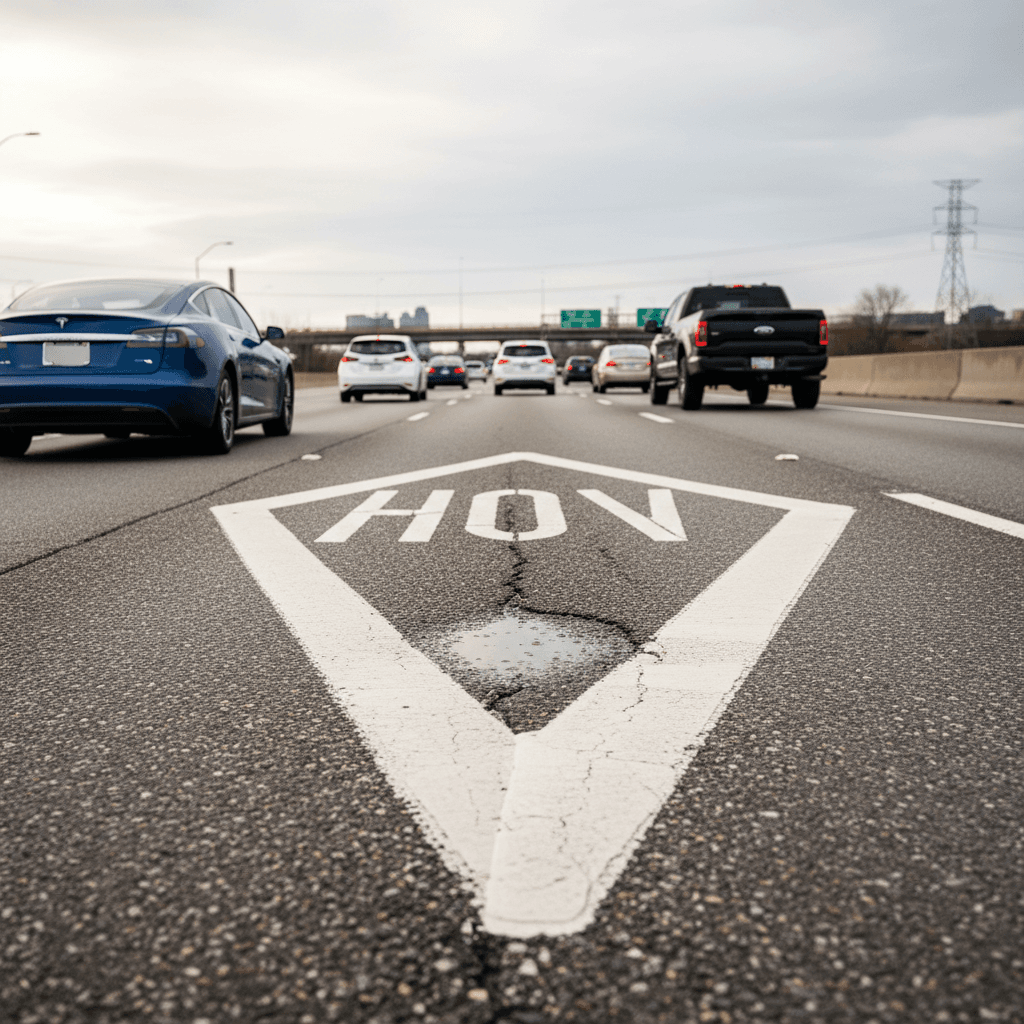
If you drive an electric vehicle in Ohio, it’s natural to wonder whether you get special access to HOV (High-Occupancy Vehicle) lanes the way EV drivers do in some coastal states. The phrase “Ohio EV HOV lane rules” gets tossed around in forums and dealer showrooms, but what’s actually true on Ohio’s highways in 2026?
Fast context
Do EVs Get HOV Lane Perks in Ohio?
Let’s start with the expectation many EV shoppers have: in some states, driving an electric vehicle used to mean you could use the HOV or carpool lane solo during rush hour, sometimes with a special clean-fuel plate or windshield sticker. If you’re hoping for that kind of shortcut in Ohio, you need to reset your expectations a bit.
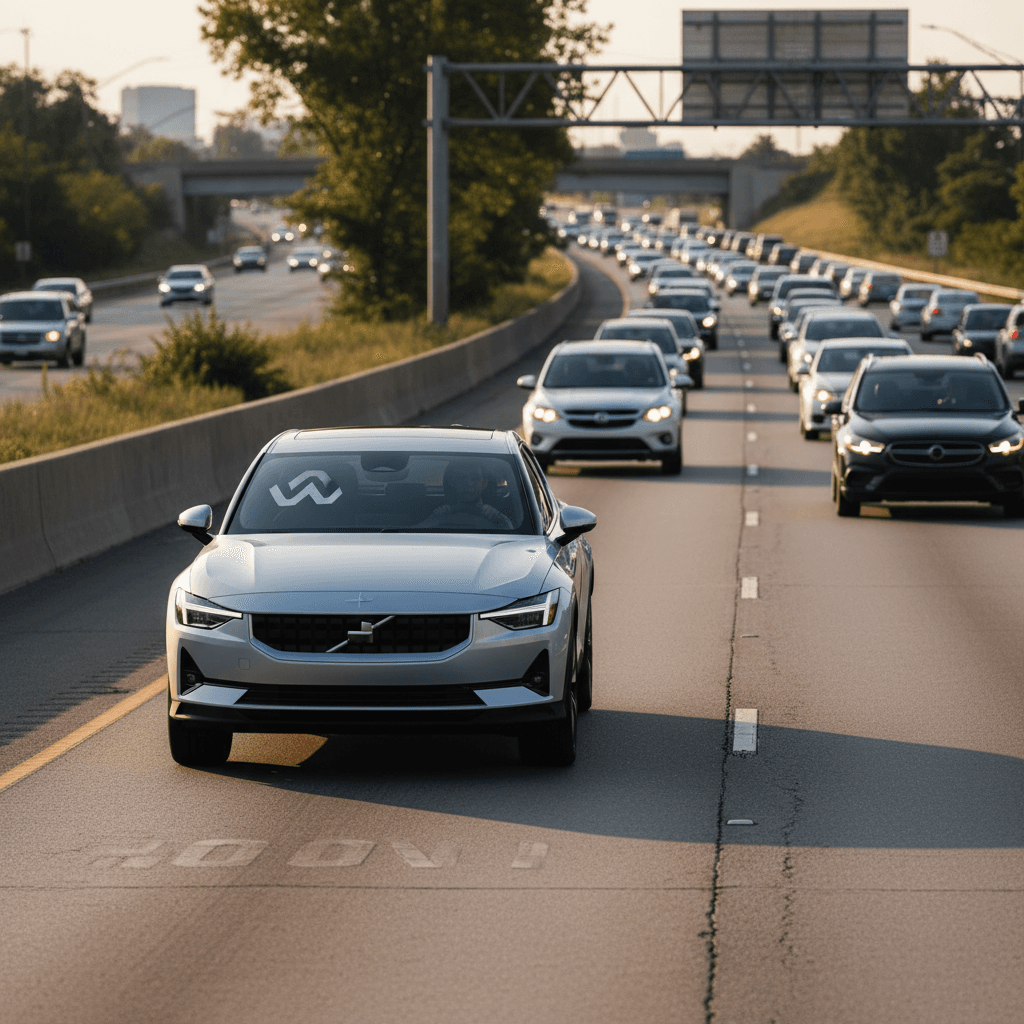
- Ohio does not currently operate traditional HOV carpool lanes on its interstates.
- There is no statewide program that lets EVs bypass occupancy rules in any special lanes.
- You won’t find special EV or “clean fuel” plates that grant HOV access the way you might in other states.
Don’t rely on out-of-state stories
Quick Answer for Ohio EV Drivers
Ohio EV HOV Lane Snapshot (2026)
For day‑to‑day commuting inside Ohio, there’s really one rule of thumb: drive your EV exactly as you would a gas car when it comes to lane eligibility. Speed limits, lane restrictions, and occupancy rules apply the same way, regardless of what’s powering your vehicle.
Does Ohio Even Have HOV Lanes?
A lot of the confusion comes from the fact that Ohio does have some managed lanes, just not the classic “2+ people only” HOV lanes you might expect.
How Ohio Manages Busy Freeways
These lane setups often get mistaken for HOV or EV-only lanes.
Express / Local Lanes
Ohio Turnpike
Urban Capacity Projects
Watch the signs, not the internet
How Federal EV HOV Exemptions Work
So why do you hear so much about EVs and carpool lanes in the news? That mostly comes from a federal law that lets states give EVs special access to HOV lanes if they choose.
Since 2005, a federal statute (23 U.S.C. 166) has allowed states to let certain alternative‑fuel or low‑emission vehicles use HOV lanes with fewer occupants than normally required, often with a special plate or decal. That program has a major milestone coming up:
- The current federal authority for these special EV/HOV exemptions is scheduled to expire on September 30, 2025, unless Congress extends it.
- States that built entire programs around EV access to HOV lanes (like Hawaii, Virginia, or parts of New York) are already adjusting their rules ahead of that date.
- Some states are quietly letting their EV carpool privileges sunset; others are lobbying for extensions or rewriting their own laws around congestion and emissions goals.
Important timing note for EV travelers
How This Applies to Ohio EV Owners
Here’s the key connection: the federal law only matters where there are actual HOV lanes to exempt EVs into. Ohio hasn’t built them, so it hasn’t built an EV‑only access program either.
Inside Ohio
- No HOV corridors on major freeways in 2026.
- No special EV plates or windshield decals tied to lane access.
- EVs follow the same lane and occupancy rules as every other passenger vehicle.
- Most congestion relief focuses on adding capacity or improving interchanges, not carving out carpool lanes.
Crossing state lines
- Once you enter a state with HOV or HOT lanes, their rules apply, not Ohio’s.
- Some states may still allow EV solo HOV use (often with a specific plate or transponder).
- Others have ended EV exemptions or now require full occupancy even for EVs.
- Rules may tighten further after September 30, 2025, if federal authority isn’t renewed.
Before a multi-state commute…
EV-Friendly Policies Ohio Does Offer
No HOV shortcuts doesn’t mean Ohio is ignoring EVs. Instead of carving out lanes, Ohio tends to focus on infrastructure and incentives that benefit all EV drivers, regardless of which lane they’re in.
Where Ohio Actually Helps EV Drivers
It’s more about charging and cost than lane access.
Public charging build‑out
Purchase & tax perks
Local air‑quality goals
Why this can still be a win for you
Planning an Interstate EV Commute From Ohio
If your job or family ties have you crossing state lines every day, that’s where HOV policies can start to matter. Think of Ohio as your baseline, no special EV lane advantages, and then layer on whatever your neighboring state does or doesn’t offer.
Regional Snapshot: What to Expect Just Outside Ohio
High-level overview to prompt you to check specific DOT guidance before depending on any HOV perks.
| State | Common HOV / Managed Lanes? | EV-Specific HOV Perks?* | What an Ohio EV Commuter Should Do |
|---|---|---|---|
| Pennsylvania | Yes, in select metro areas | Varies by corridor and evolving | Check PennDOT for the exact route you plan to use; look for posted signs on I‑279, I‑376, or Philadelphia-area expressways. |
| Michigan | Limited traditional HOV use | Generally none statewide | Focus on travel time and winter range; treat your EV like any other car for lane use. |
| West Virginia | Minimal HOV infrastructure | None widely advertised | Expect standard lanes; watch for occasional truck restrictions in mountain passes. |
| Kentucky | HOV or managed lanes are rare | No broad EV exemption | Plan your route around bridges and river crossings, not lane perks. |
| Indiana | Some managed lanes near big metros | Programs case-by-case | If your commute heads toward Indianapolis, check for any posted rules on managed toll lanes. |
Always confirm current rules with the state DOT before banking your commute on an HOV privilege.
The asterisk on EV perks
Buying a Used EV in Ohio: What Actually Matters
If you were hoping HOV access would justify paying more for an EV, that argument doesn’t really apply in Ohio. Instead, you’ll want to focus on the fundamentals, especially if you’re considering a used EV for your commute.
Key Checks When You’re Shopping a Used EV in Ohio
1. Battery health, not HOV perks
Determine how much usable range the car still has and how that matches your daily commute plus winter driving. A <strong>verified battery report</strong>, like the Recharged Score, can keep you from guessing.
2. Realistic winter range
Ohio winters mean cold-soaked packs and heater use. Expect reduced range and make sure your daily drive fits comfortably inside that reduced number.
3. Home and workplace charging options
If you can reliably charge overnight, or during the workday, you’ll care much less about whether you can sneak into a special lane.
4. Total cost of ownership
Look beyond the sticker price to insurance, maintenance, and electricity rates. A well-priced used EV can beat a comparable gas car even without any HOV advantage.
5. Resale and policy stability
HOV perks can come and go with legislation. Battery health and a transparent service history will matter far more when it’s time to sell or trade in.
Where Recharged fits in
Checklist: Commuter Tips for Ohio EV Drivers
Even though Ohio EV HOV lane rules are basically “there aren’t any,” you can still tune your daily drive for sanity, savings, and predictability.
Practical Steps to Make Your Ohio EV Commute Smoother
Confirm your daily round‑trip range
Map your home–work–errand loop and compare it to your EV’s realistic range in winter and summer. Aim to use only 60–70% of your usable battery on a typical day.
Use eco and cruise modes in heavy traffic
On I‑71, I‑70, or the beltways around major cities, set a comfortable speed and let the car’s efficiency modes do the work. EVs shine in stop‑and‑go compared to gas cars.
Time charging around off‑peak rates
Many Ohio utilities offer cheaper overnight electricity. Schedule home charging for off‑peak windows to save money every week.
Learn your alternate routes
Without an HOV lane to bail you out, knowing a couple of reliable surface‑street options can keep you on time when there’s a major incident on the freeway.
Watch for truck‑restricted lanes
On certain grades or in construction zones, trucks may be limited to specific lanes. As a lighter passenger vehicle, your EV may have more flexibility, just obey posted signs.
If you relocate, recheck the rules
Move to a state with true HOV lanes, like parts of Virginia or Georgia, and suddenly lane rules change. Treat lane perks as a nice bonus, never a guarantee.
FAQ: Ohio EV HOV Lane Rules
Frequently Asked Questions About Ohio EV HOV Rules
Bottom Line for Ohio EV Drivers
When you strip away the internet rumors, Ohio EV HOV lane rules are refreshingly simple: there aren’t any special ones. Your electric car plays by the same lane and occupancy rules as every other vehicle on I‑71, I‑70, I‑75, or the Ohio Turnpike. That might feel less glamorous than the HOV stories you hear from the coasts, but it also means you can judge an EV on what really affects your life in Ohio, range, comfort, charging options, and cost.
If you’re weighing a used EV for your commute, start by making sure the battery and price make sense for your daily drive. That’s where Recharged can help, with verified battery health, fair‑market pricing, financing, and even trade‑in options, all available online. The lanes may be the same, but the drive can still be a lot better.