If you’re shopping for a used EV, the 2022 Chevy Bolt EV is like a discounted Broadway ticket: terrific value, but you’ve heard rumors that the theater once caught fire. Between the big battery recall, mixed charging performance, and a few oddball complaints, it’s fair to wonder how serious 2022 Chevy Bolt EV problems really are, and whether you should trust one with your dollars and your daily commute.
The short version
Overview: Is the 2022 Bolt EV a “problem car”?
Let’s start with the big question: is the 2022 Chevy Bolt EV fundamentally flawed, or just statistically unlucky? Owner surveys and reliability data put the 2022 Bolt in the “about average” reliability range for its model year, with most complaints clustered around EV battery/charging behavior and in‑car electronics rather than catastrophic drivetrain failures. That’s not sainthood, but it’s not a rolling disaster, either.
2022 Chevy Bolt EV problem snapshot
How to read Bolt complaints
Battery recall: where the 2022 Bolt fits in
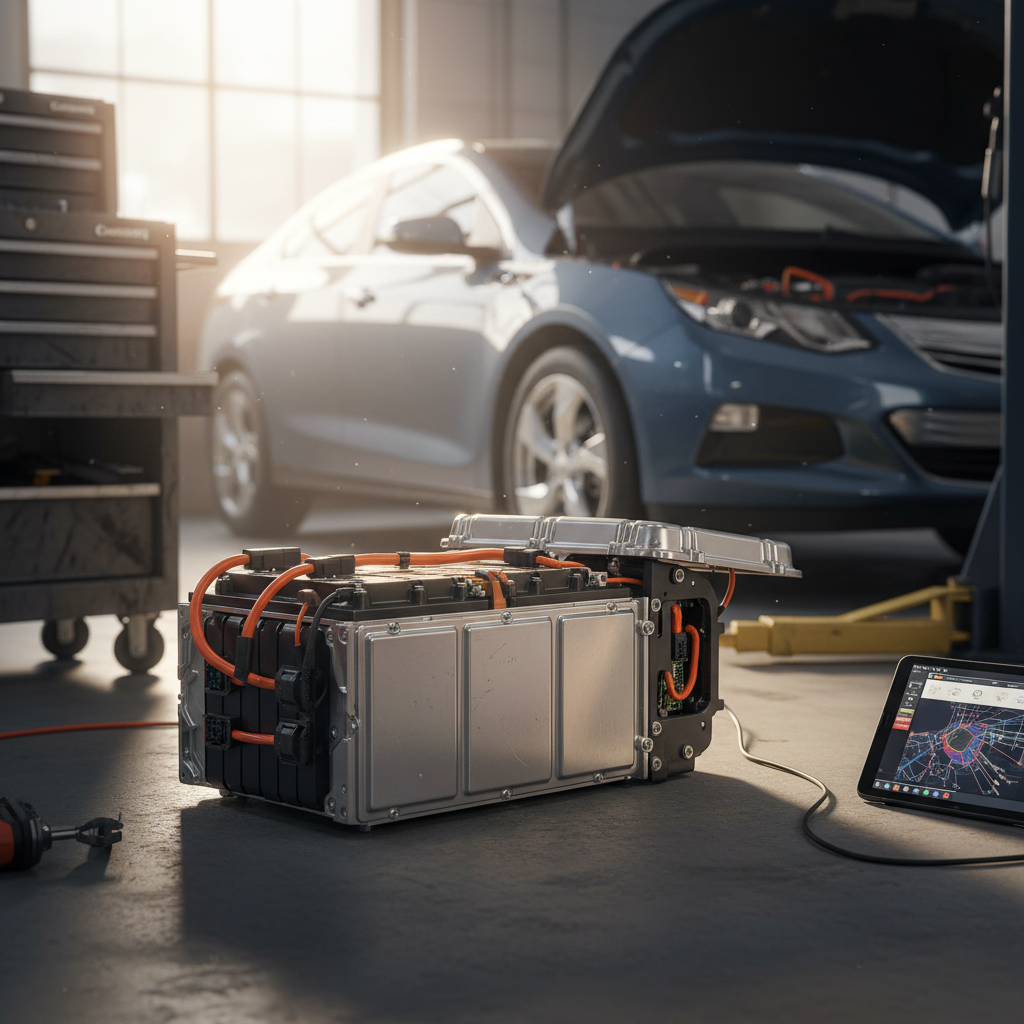
You can’t talk about 2022 Chevy Bolt EV problems without talking about the battery recall. Earlier Bolt EVs (2017–2021) suffered a rare but serious defect in LG‑supplied battery modules that could cause fires. GM’s response was to recall every single affected Bolt, replace full packs or modules, and roll out new diagnostic software to watch for bad cells.
- Most 2022 Bolts were built after the defective battery batches were corrected, but some early‑build cars still fell under software‑update campaigns.
- GM has since identified a small subset of 2020–2022 Bolt EV/EUVs that need their battery diagnostic software re‑installed correctly after earlier recall work.
- Updated packs use revised LG cells and a different charging profile intended to protect longevity and safety.
What this means for a used 2022 Bolt
Common 2022 Chevy Bolt EV problems reported by owners
Across owner forums, survey data, and complaint databases, a few themes show up again and again for 2022 Bolt EV and EUV models. Think of these less as “deal‑breakers” and more as known patterns you can screen for on a test drive or in a pre‑purchase inspection.
Main problem areas on 2022 Bolt EV/EUV
Not every car will see these, but they’re worth understanding
Battery & charging behavior
- Confusion around recall status
- Slower than expected DC fast charging
- Occasional charge‑session dropouts on public networks
Infotainment & electronics
- Freezing or laggy center screen
- Glitches with CarPlay / Android Auto
- Random warning messages that clear on restart
Steering & hardware issues
- Isolated reports of steering rack failures on 2022–2023 cars
- Usual suspension knocks over rough roads
Bolt EV vs. Bolt EUV
DC fast charging quirks and real‑world speed
If the 2022 Bolt EV has a personality flaw, it’s charging manners. On paper it can pull up to about 55 kW on DC fast charge. In real life, many owners see 30–45 kW for much of the session, especially when the battery is cold or the public charger is underperforming. For a compact EV positioned as a road‑trip partner, that can feel glacial compared with newer 150 kW–plus cars.
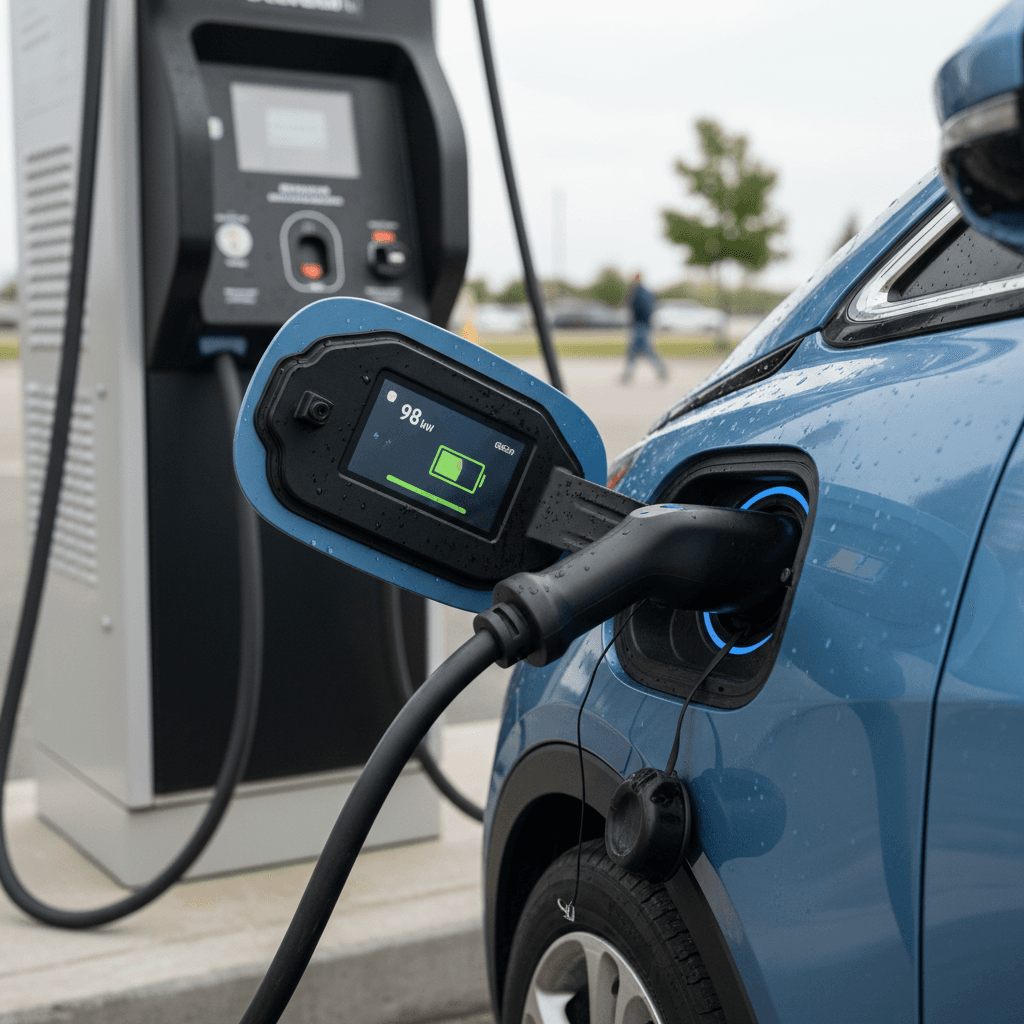
What’s normal for a 2022 Bolt EV
- Best‑case scenario: Warm battery, state of charge below ~50%, and a healthy 100–150 kW station. You’ll typically see 45–55 kW for a while, then a gradual taper.
- Cold weather: In the 30s–40s °F with a not‑preconditioned battery, initial rates in the 20–30 kW range are common until the pack warms.
- High SOC: Above roughly 60–65% charge, the car intentionally tapers hard. After ~70%, it can feel like you’re waiting for paint to dry.
What owners complain about
- Long road‑trip stops: An expected 30‑minute top‑up turning into 60+ minutes when the charger or battery isn’t in ideal condition.
- Charger incompatibilities: Sessions that won’t initiate, stop prematurely, or plateau at ~30 kW on some Electrify America or EVgo units.
- Post‑recall curves: Some earlier‑generation Bolts saw slower winter fast‑charge rates after their new packs, 2022+ cars inherit the more conservative charging logic.
How to road‑trip a 2022 Bolt without going insane
Checklist: getting the best DC fast‑charge speeds
1. Start low, not high
Plan your stop so you arrive with <strong>under 30%</strong> state of charge when possible. The Bolt is most eager to accept power when the battery is low.
2. Pre‑warm the battery
In cold weather, drive at highway speeds for at least 20–30 minutes before DCFC. Use cabin preconditioning while plugged in at home so you’re not pulling heat from a cold pack.
3. Try another cable or station
If you’re stuck in the low‑30 kW range on a 150 kW charger, try <strong>the other cable or a different stall</strong>. Public hardware is often the limiting factor.
4. Watch the curve, not just kW
Charging speed naturally tapers as the battery fills. On a Bolt, staying below ~70% for road‑trip stops is usually the best time‑per‑mile compromise.
5. Log problem sessions
If multiple stations misbehave with other EVs too, it’s likely the network. If <strong>only your car</strong> has issues across networks, have a dealer or EV specialist inspect the DCFC system.
Home charging and EVSE issues
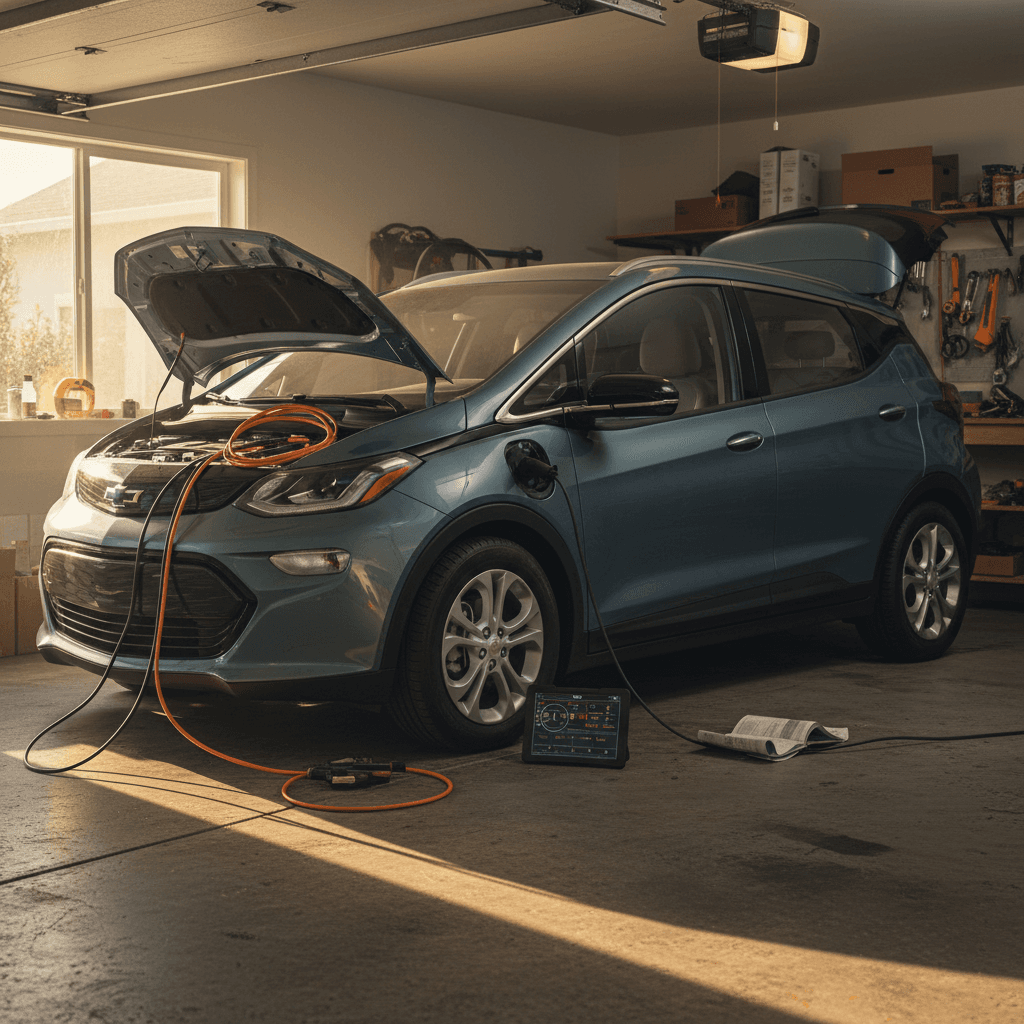
Mechanically, the Bolt’s onboard charger is stout. The more interesting drama is with the portable dual‑voltage charge cord GM ships with the car. Owners of 2022 Bolt EUVs in particular have reported units that throttle themselves when they get warm, dropping from full current to a trickle as the wall‑box electronics overheat.
Typical 2022 Bolt home‑charging complaints
Most are fixable annoyances, not deal‑breakers
Portable EVSE overheating
- GM’s bundled 120/240 V charge cord can get hot and drop to low current in warm garages.
- Some owners report units that cycle between normal and reduced power (blue/amber lights) with no clear pattern.
- Dealers may replace a misbehaving unit under warranty, but replacement cords can develop the same behavior.
House wiring limitations
- Older homes may have marginal circuits that can’t reliably supply 32–40 A for hours.
- Loose outlets or undersized wiring can cause nuisance breaker trips or hot plugs.
- These show up as “car won’t charge at home” when the culprit is really the electrical panel.
A better home‑charging setup
Ready to find your next EV?
Browse VehiclesInfotainment bugs and in‑car electronics
Like a lot of modern cars trying to be rolling smartphones, the 2022 Bolt EV can get a little…crashy in software. Owner surveys flag in‑car electronics as one of the more common annoyance categories: freezes, restarting screens, glitchy Bluetooth, and warning lights that vanish as mysteriously as they appeared.
- Center screen occasionally reboots or locks up, especially when juggling navigation, streaming audio, and phone mirroring.
- Apple CarPlay / Android Auto sessions that drop unexpectedly or refuse to connect until the next key cycle.
- Isolated reports of random warning messages, traction control, airbags, or charging systems, that clear on restart and don’t leave a persistent fault code.
What to do about software gremlins
Steering and suspension concerns on 2022–2023 Bolts
Most 2022 Bolts steer like what they are: compact, front‑drive hatchbacks with a sensible ride and a bit of body roll. But safety complaint databases include a handful of rack‑and‑pinion steering failures on 2022–2023 Bolt EVs and EUVs, owners reporting that the wheel no longer self‑centers and the car can wander off‑line after a turn.
Why a lazy steering wheel matters
Quick steering & suspension checks on a test drive
1. Hands‑off self‑centering
On an empty straight road, make a gentle turn and briefly loosen your grip. The wheel should <strong>smoothly return toward center</strong>. If it hangs off‑center, walk away.
2. Listen over bumps
Drive slowly over speed bumps and rough pavement with the windows cracked. Clunks or metallic knocks from the front could indicate <strong>worn suspension components</strong>.
3. Steering feel at highway speed
At 60–70 mph, the car should feel stable. If you’re constantly correcting or the car feels darty, have alignment and the steering system checked.
4. Check for warning lights
Any steering, stability‑control, or power‑assist warning lights during the drive are a red flag, especially if paired with odd steering feel.
Battery health, longevity, and how Recharged tests it
One under‑appreciated upside of the Bolt saga is that the newer LG packs in 2022+ cars and recalled earlier models were designed with safety and longevity very much front‑of‑mind. In the wild, most 2022 Bolt EVs are showing modest degradation, often still close to their original 259‑mile rating when driven reasonably.
Signs of a healthy 2022 Bolt pack
- Real‑world mixed driving range of about 220–260 miles on a mild‑weather full charge.
- No sudden drops in state of charge or big jumps in the guess‑o‑meter after short trips.
- Consistent DC fast‑charge behavior: similar times and rates at repeat stations in similar conditions.
How Recharged evaluates battery health
Every EV sold through Recharged comes with a Recharged Score Report. For a 2022 Bolt EV, that includes:
- Verified usable battery capacity compared to original spec.
- Scan of error codes, charging history, and thermal events where available.
- Confirmation of recall and software update status.
Instead of guessing from a dashboard range estimate, you see hard numbers about the pack you’re buying.
What to check when buying a used 2022 Bolt EV
If the 2022 Bolt EV is on your shopping list, think like a detective: you’re not just trying to spot a lemon, you’re trying to understand how this specific car has been used and whether its weak spots have already been addressed.
Used 2022 Chevy Bolt EV buyer checklist
Key problem areas, what to look for, and when to walk away
| Item | What to Ask / Look For | Good Sign | Red Flag |
|---|---|---|---|
| Battery recall & software | Ask for a printout of completed recalls and campaigns; run the VIN through a recall checker. | All battery‑related recalls closed; documentation of latest diagnostic software. | Open battery safety recalls, missing paperwork, or vague explanations. |
| DC fast‑charging behavior | If possible, do a short DC fast‑charge session from ~20% to 60%. | Sustained 40–55 kW on a 100–150 kW charger in mild weather. | Stuck at ~20–25 kW across multiple stalls and networks with a warm pack. |
| Home charging | Ask how the owner has been charging and whether the factory cord has misbehaved. | Dedicated Level 2 at home, no repeated EVSE failures. | Stories of the OEM cord constantly overheating or tripping breakers. |
| Steering & alignment | Test self‑centering, straight‑line tracking, and listen for clunks. | Steering returns to center; car tracks straight with minimal correction. | Wheel doesn’t self‑center, pulls hard, or feels vague at highway speed. |
| Infotainment & electronics | Cycle through cameras, CarPlay/Android Auto, and basic menus. | Snappy responses, no persistent warning lights. | Frequent freezes, black screens, or unexplained system alerts. |
| Battery health | Ask for any service records; on platforms like Recharged, review the battery health report. | Range and capacity within expectations for mileage and climate. | Unexplained big range loss, sudden SOC drops, or prior pack replacement with lingering issues. |
Bring this list, or bookmark it on your phone, when you inspect a used Bolt EV.
Buying through Recharged vs. going it alone
Who the 2022 Bolt EV is, and isn’t, for
A used 2022 Bolt EV can be a spectacularly smart buy if your life fits the car, and a slightly maddening one if it doesn’t. The issues above don’t doom the Bolt; they just define the use‑cases where its quirks fade into the background and where they become the main event.
Is a 2022 Chevy Bolt EV right for you?
Match the car’s strengths (and weaknesses) to your reality
Great choice if…
- You mostly drive local and suburban miles and can charge at home.
- You value low running costs and don’t care about headline‑grabbing fast‑charge speeds.
- You’re comfortable with a few software quirks in exchange for big used‑car savings.
Probably not your car if…
- You do frequent 1,000‑mile interstate road trips and hate long charging stops.
- You have no realistic way to install or share reliable home charging.
- You’re extremely sensitive to any history of recalls, even when resolved.
FAQ: 2022 Chevy Bolt EV problems
Frequently asked questions about 2022 Chevy Bolt EV problems
Bottom line: should you worry about 2022 Bolt EV problems?
The 2022 Chevy Bolt EV is not the villain of the EV story; it’s the misunderstood character actor. Its headline problems, battery fires and recalls, belong mostly to earlier years, but the reputation lingers. What you actually live with day‑to‑day is a compact, efficient hatchback with average reliability, somewhat pokey fast‑charging, and the usual crop of software grumbles.
If you go in blind, those quirks can feel like betrayal. If you go in informed, armed with recall documentation, a battery health report, and a realistic sense of its charging behavior, the 2022 Bolt EV can be one of the best value EVs in the used market right now. And if you’d like someone else to do the worrying, buying through Recharged means the car’s history, battery, and price have already been put under a microscope, so you can focus on the fun part: quietly zipping past gas stations.