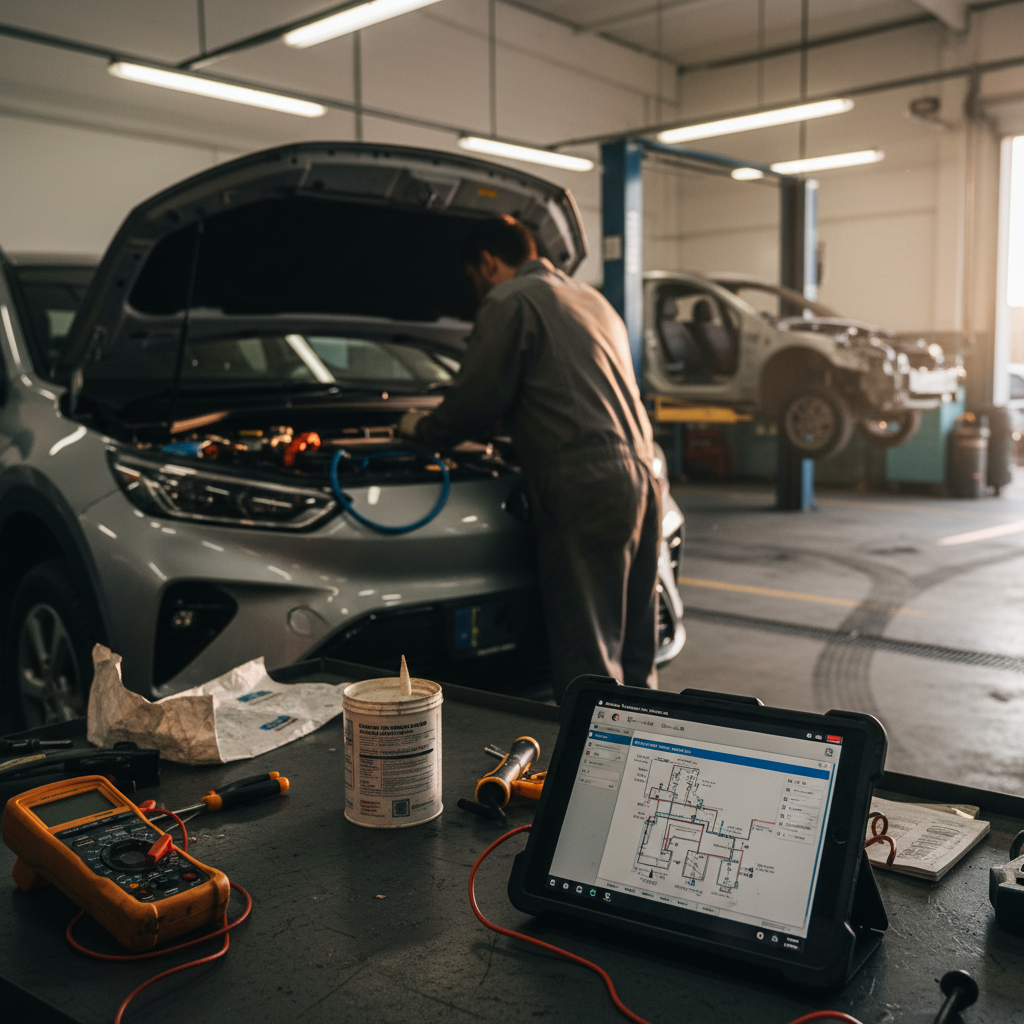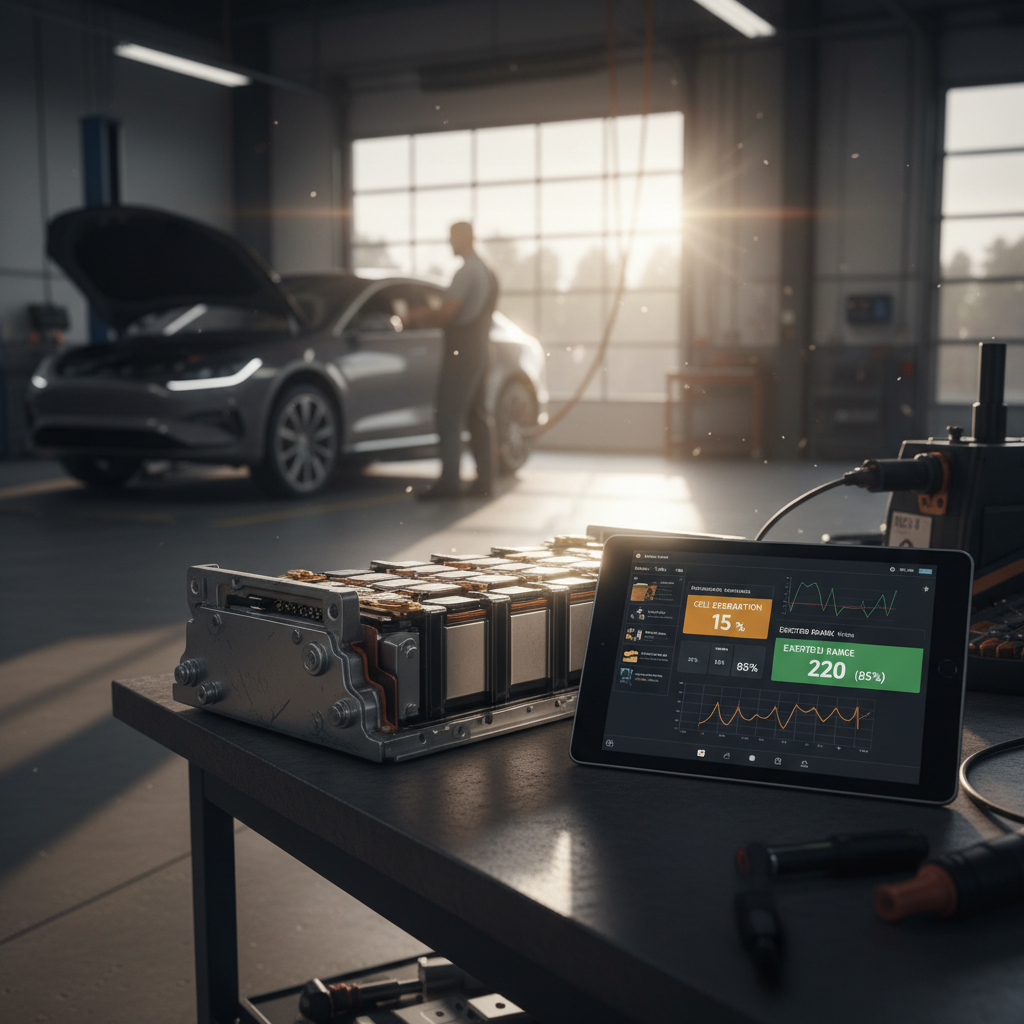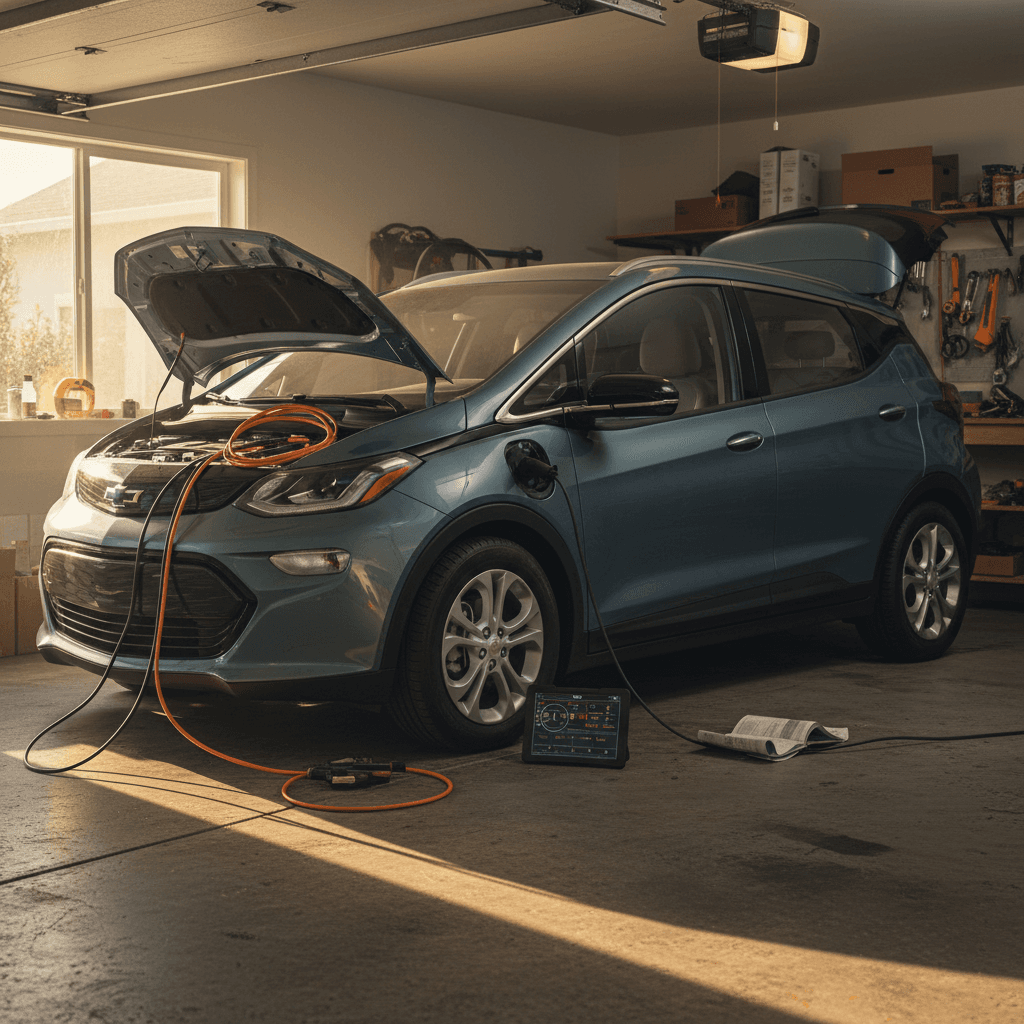
If you’re eyeing a used 2022 Chevy Bolt EUV, you’ve probably heard two competing narratives: it’s a practical, efficient urban EV… and it’s a GM science experiment that once caught some very public heat over batteries. The truth is somewhere in the middle. The 2022 Bolt EUV has some well-documented problems, but it’s also a genuinely useful EV when you know what you’re getting into and how to shop one wisely.
Quick Take
Overview: Is the 2022 Bolt EUV a Problem Child?
Let’s frame the big picture before we dive into individual 2022 Chevy Bolt EUV problems. Independent data puts the 2022 Bolt EUV at about average reliability for its model year, not a lemon but not a Lexus either. Owners report a mix of minor annoyances and a smaller number of more serious issues, especially around steering/suspension noise, charging behavior, and in-car electronics rather than catastrophic drivetrain failures.
2022 Chevy Bolt EUV Problem Snapshot
In other words: this isn’t an EV you should fear, but it is one you should approach with your eyes open, especially in the used market, where build quality, dealer repairs, and how the previous owner charged it all leave fingerprints.
Recalls and Safety Issues on the 2022 Chevy Bolt EUV
GM’s battery-fire recall for earlier Bolt EVs is part of the Bolt mythology now, so let’s separate fact from folklore for the 2022 EUV.
- The infamous battery fire recall primarily hit earlier Bolt EV model years; 2022 production restarted with updated battery packs. Some early-build 2022s were still covered, but many were not.
- As of early 2026, the 2022 Bolt EUV has been subject to roughly four NHTSA recalls, including issues related to the electrical system and airbags.
- There has been at least one closed NHTSA investigation into performance issues affecting thousands of 2022 Bolt EUVs, triggered by consumer complaints.
Don’t Skip the VIN Recall Check
For buyers, the key recall question isn’t "Was this car ever recalled?", it’s "Were the recalls actually done, and is there paperwork?" A properly remedied recalled vehicle is often safer than one that was never looked at.
2022 Bolt EUV Battery and Charging Problems
Battery anxiety around the Bolt is understandable. Earlier model years had high-profile pack replacements. By the time the 2022 Bolt EUV hit showrooms, GM had resumed production with revised battery modules, and many 2022s were not included in the big recall. Still, that doesn’t mean they’re immune to battery or charging headaches.
Common Battery & Charging Complaints on 2022 Bolt EUV
Most aren’t catastrophic failures, but they matter when you’re buying used.
1. Charging Won’t Start or Stops Early
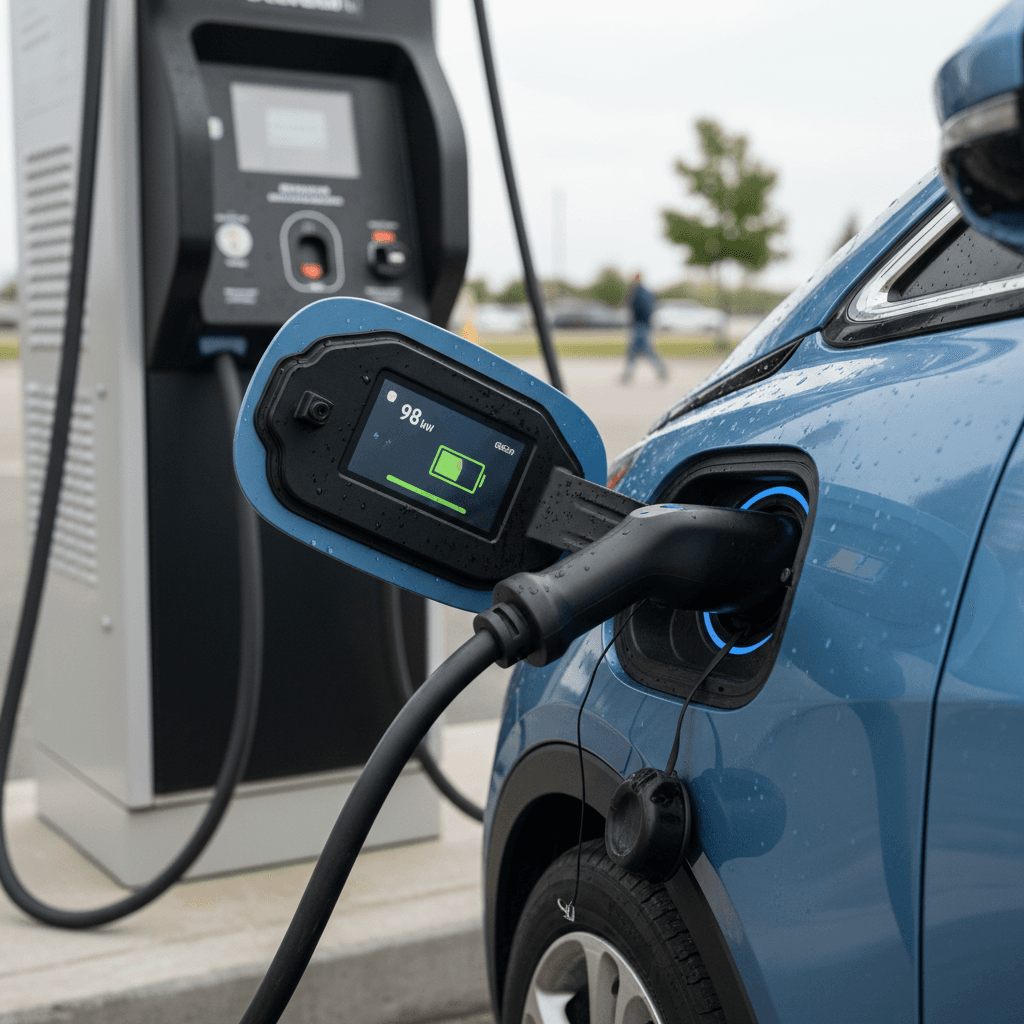
Some owners report the car won’t charge at home or stops before reaching 100%, especially with certain Level 2 chargers.
- Handshake issues between car and charger
- Charge port door or latch not fully closed
- Occasional software quirks needing a reset
2. Public Charger Incompatibility
Complaints include the car refusing to take a charge at specific public stations.
- DC fast chargers that are picky about firmware
- Older stations that struggle with newer EVs
- Sometimes solved by trying another stall or network
3. Battery Health & Recall History
While many 2022 EUVs have clean histories, there are reports of entire pack replacements even on newer cars.
- Isolated pack defects still possible
- Battery warranty is generous but not infinite
- Range loss over time depends heavily on charging habits
Used-Buyer Tip: Check How It Was Charged
There are also scattered reports of the car momentarily refusing to shift or power down after fast charging, then mysteriously fixing itself on the next drive. Those one-off gremlins are hard to diagnose, but they point to the same moral: software and battery-management systems in modern EVs are complex, and not every Chevy dealer is equally fluent in them yet.
Steering, Suspension, and Noise Issues
If there’s a signature annoyance on the 2022 Bolt EUV, it’s not the battery, it’s the noises. Owners have filled forums with play-by-play reports of squeaks, clunks, and creaks coming from the steering and suspension.
Steering & Suspension Problems Reported on 2022 Bolt EUV
What owners and techs most often call out, and how serious it usually is.
| Issue | What It Sounds/Feels Like | How Common It Seems | Typical Cause or Fix |
|---|---|---|---|
| Squeaky steering wheel | Squeak or groan at low speeds, worse when cold or wet | Fairly common on Bolt EV/EUV | Steering column or bushings; sometimes resolved with lube, sometimes needs column components |
| Clicking/knocking when turning | Noticeable click or knock when you turn or go over small bumps | Less common but reported | Steering rack or tie bar issues; some cars have had major components replaced |
| Rear suspension squeak or "scrunch" | Squeak over neighborhood-speed bumps, especially in cold weather | Common annoyance, rarely dangerous | Under-damped rear suspension and bushings; usually more NVH than failure |
| Persistent left/right pull | Car doesn’t track straight, needs constant correction | Occasional, but serious when present | Poor alignment from factory or after curb hit; requires professional alignment |
| High-mileage steering rack failure | Stiff steering, won’t self-center, knocking noises | Rare, usually at higher miles (100k+) | Steering rack wear requiring expensive replacement |
Not every Bolt EUV will have these issues, but they’re common enough to check for on a test drive.
When to Walk Away
The good news: most of these steering and suspension issues are more about refinement than safety. The bad news: they’re the kind of thing that will irritate you every single commute if you don’t catch them during your pre-purchase drive.
Electronics and Infotainment Glitches
Like most modern EVs, the 2022 Bolt EUV leans heavily on screens and modules. That means when the software burps, you feel it.
Typical Electronics Problems on 2022 Bolt EUV
Annoying more often than dangerous, but still worth screening for.
Infotainment & CarPlay/Android Auto
Owners have reported:
- Apple CarPlay or Android Auto randomly disconnecting
- SD card or navigation errors that disappear on the next drive
- Frozen or laggy infotainment screens
These often resolve with a soft reset or software update, but chronic glitches can make daily driving feel cheap and unfinished.
Warning Lights & Ghost Errors
Some 2022 EUVs throw one-time warnings:
- "Service transmission" or drivetrain warnings that clear after a restart
- TPMS or sensor errors that never repeat
- Body-control quirks like lights or locks acting odd
Individually, they’re not terrifying. But a history of repeated warning lights without clear fixes is a red flag on a used car.
The EV-Tech Bottleneck
From a used-buying perspective, random one-off glitches with long miles between them are less concerning than a thick folder of repeat visits for the same electrical gremlin. Look for evidence of successful software updates and problem-free driving afterward.
Brakes and Driving-Experience Quirks
The 2022 Bolt EUV’s drivetrain itself is generally stout, no wave of failed motors or axles here, but there are two places where owners routinely raise an eyebrow: the brakes and low-speed refinement.
- Poor brake-pedal feel: Reviewers and owners often mention that the conventional brakes feel numb and uncommunicative. Regenerative braking is strong enough that you don’t use the friction brakes much, but when you do, you may notice the lack of pedal feedback.
- Occasional brake noise: Because regen does most of the slowing, physical pads and rotors can glaze or rust, leading to squeaks or a rough feel until they’re cleaned up by a few hard stops.
- NVH (noise, vibration, harshness): Compared with newer EVs, the Bolt EUV feels a little more old-school econobox, road noise, suspension thunking, and wind rustle are noticeable at highway speeds. Not a defect, but something to be realistic about if you’re cross-shopping a newer Korean or Tesla product.
Test This on Your Drive
How Reliable Is the 2022 Bolt EUV Overall?
Pulling all of this together, here’s where the 2022 Bolt EUV lands in the real world:
Reliability Verdict: 2022 Chevy Bolt EUV
Where it’s strong, and where it can bite you.
Stronger Areas
- Electric motor and main drivetrain are generally solid
- Battery packs on 2022+ cars have far fewer systemic issues than early Bolts
- Simple front-wheel-drive layout (no AWD complexity)
Average Areas
- Overall reliability roughly middle of the pack among 2022s
- Normal wear-and-tear on brakes, tires, and suspension
- Interior materials and trim about what you’d expect from a compact Chevy
Weaker Areas
- Steering and suspension noises, especially in cold weather
- In-car electronics and warning lights acting up
- Charging quirks with certain Level 2 and DC fast chargers
If you’re coming from a Toyota hybrid, the Bolt EUV will feel a little more fragile around the edges. If you’re coming from an early Leaf or a first-gen compact EV, it will feel like a well-sorted, usefully modern appliance, with better range and more tech.
Used 2022 Bolt EUV Buying Checklist
A 2022 Chevy Bolt EUV can be a smart, affordable way into EV ownership, especially as prices soften on the used market. The trick is to separate the good ones from the problem children. Here’s a practical checklist to use on any candidate you’re considering, whether you’re shopping locally or browsing online listings.
Pre-Purchase Checklist for a 2022 Chevy Bolt EUV
1. Run a Full VIN Recall & Service History Check
Confirm all <strong>open recalls</strong> have been completed, especially anything related to the electrical system or airbags. Ask for dealer invoices or service records instead of just taking "it’s all done" on faith.
2. Get Objective Battery-Health Data
Don’t rely on the dash range estimate alone. A battery-health report, like the <strong>Recharged Score</strong> we run on every vehicle on Recharged, can show remaining capacity, pack balance, and whether anything looks abnormal.
3. Test Charging in the Real World
If possible, plug into both a <strong>Level 2 charger</strong> and, at least once, a <strong>DC fast charger</strong>. Confirm the car starts charging promptly, reaches your set limit, and doesn’t throw any charge-port or battery warnings.
4. Listen for Steering & Suspension Noises
At low speeds over speed bumps and during tight turns, listen for squeaks, clunks, or clicks. Make sure the steering <strong>returns smoothly to center</strong>. Any stiffness, knocking, or wandering deserves a pre-purchase inspection.
5. Stress-Test Electronics & Infotainment
Pair your phone with CarPlay or Android Auto, run navigation and audio, and cycle through cameras and driver-assist settings. Watch for <strong>frozen screens, random reboots, or persistent warning icons</strong> on the dash.
6. Inspect Tires, Brakes & Underside
Uneven tire wear or heavy inner-edge wear can hint at alignment or suspension issues. Ask the shop to put it on a lift to look for <strong>fresh underbody damage</strong>, especially around suspension mounting points.
7. Confirm Remaining Factory Warranty
GM’s <strong>EV battery warranty</strong> and bumper-to-bumper coverage may still apply depending on in-service date and mileage. Knowing exactly what’s left can turn a borderline deal into a safe one, or vice versa.
What Recharged Checks For You
Ready to find your next EV?
Browse VehiclesHow Recharged Helps You Shop a Bolt EUV Smarter
Verified Battery Health
Battery condition is the single most important variable on any used EV. Every vehicle on Recharged gets a Recharged Score Report with pack diagnostics, so you’re not guessing about real-world range or hiding behind a generic “8-year warranty” line.
We also surface how previous owners likely charged the vehicle and flag anything that looks out of line for its age and mileage.
EV-Savvy Support & Flexible Buying Options
Our EV specialists know the 2022 Bolt EUV’s quirks, steering squeaks, infotainment glitches, charging behavior, and can walk you through what’s normal and what’s not.
- Financing options tailored to used EVs
- Trade-in or instant offer for your current vehicle
- Nationwide delivery and a fully digital experience
- An in-person Experience Center in Richmond, VA if you want to see and drive before you buy
FAQ: 2022 Chevy Bolt EUV Problems
Frequently Asked Questions About 2022 Chevy Bolt EUV Problems
Bottom Line: Should You Avoid the 2022 Bolt EUV?
You don’t need to avoid the 2022 Chevy Bolt EUV; you just need to be choosy. This is not a perfect car, but it’s also not the horror story the early battery headlines might suggest. Think of it as a smart but slightly rough-around-the-edges EV: efficient, easy to park, and affordable on the used market, if you pick the right example.
Focus on battery health, steering and suspension behavior, and electronic stability. If a candidate passes those tests and has a clean recall and service record, you’re looking at a practical daily EV with years of useful life left. And if you’d rather not decode all that on your own, Recharged’s combination of Recharged Score battery diagnostics, expert EV support, and transparent pricing is built to make that decision a lot easier.