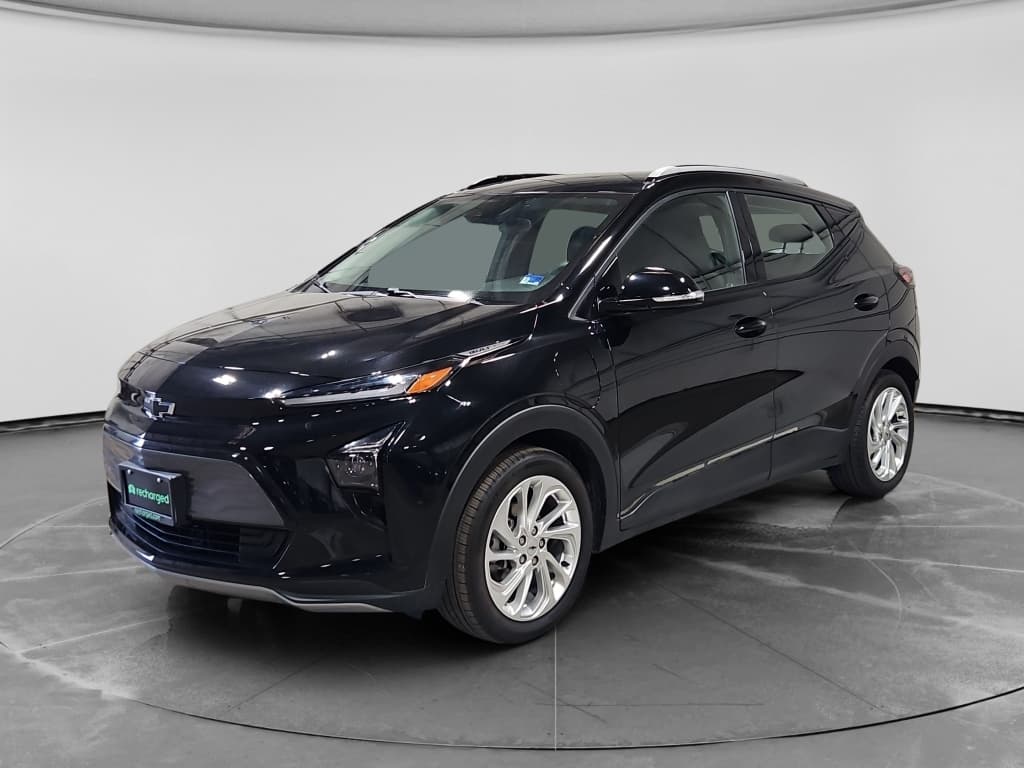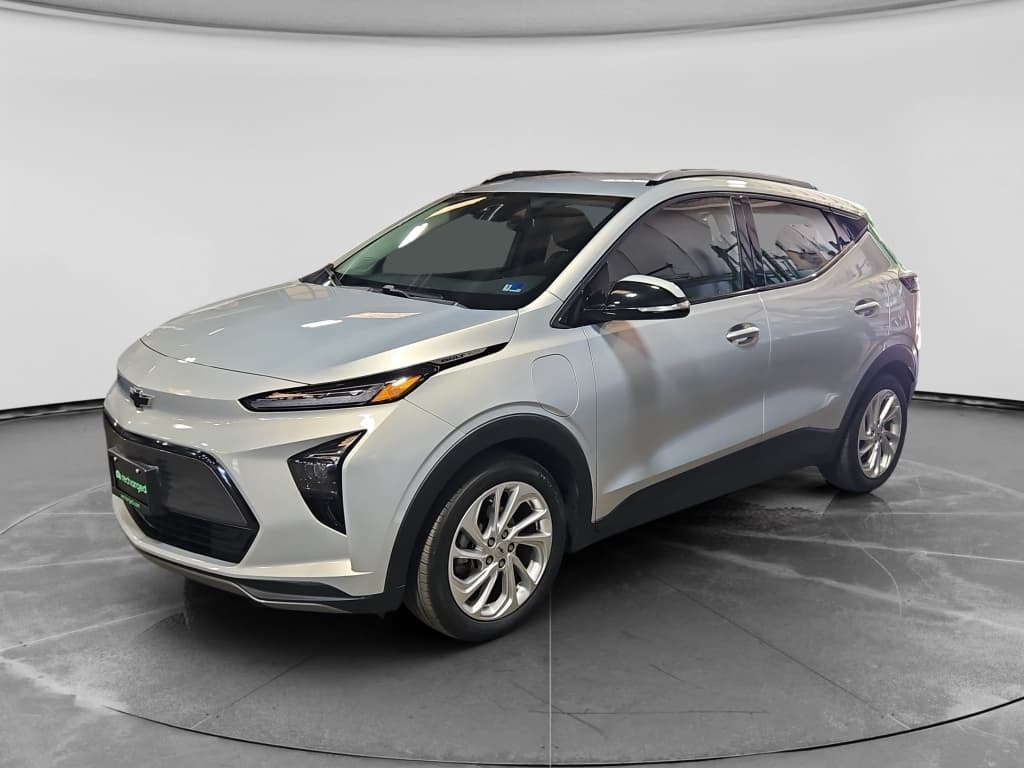
If you own, or are shopping for, a 2022 Chevrolet Bolt EV, you’ve probably heard about battery fires, seat belt issues, and glitchy cameras. The 2022 model year sits in the middle of GM’s long-running Bolt recall saga, and it can be hard to tell which campaigns actually apply to your car. This guide pulls together the essential 2022 Chevrolet Bolt EV recalls list, explains what each one does, and shows you how to protect yourself as an owner or used-EV shopper.
Scope of this guide
Overview: Why 2022 Bolt EV recalls matter
By 2022, Chevy had already walked through fire with earlier Bolt battery issues. The original 2017–2019 cars were under stop‑sale orders, batteries were replaced, and the Bolt became a bit of a punchline. The 2022 Bolt EV rides on that history: it benefits from redesigned battery hardware and updated software, but it’s still involved in at least one major fire-related recall plus ongoing software and camera concerns.
Chevy Bolt EV recall landscape (2017–2023)
For you, that history cuts both ways. On one hand, there’s more baggage than with, say, a Hyundai Kona Electric. On the other, a 2022 Bolt EV that’s fully updated can be one of the best-value used EVs on the market: good range, modern battery hardware, and heavily scrutinized safety engineering.
Quick reference: 2022 Chevrolet Bolt EV recalls list
Exact campaign numbers can vary slightly between EV and EUV, and between NHTSA and GM’s internal numbering. But as of April 2026, here’s the high‑level 2022 Chevrolet Bolt EV recalls list you should know about:
Major recalls affecting the 2022 Chevrolet Bolt EV
Use this table as a starting point, then confirm details for your specific VIN on NHTSA or Chevrolet’s recall sites.
| Area | Typical NHTSA campaign | What it addresses | Applies to 2022 Bolt EV? |
|---|---|---|---|
| Battery fire / battery-management software | Earlier: 21V-560 family; later updates vary by VIN | Original fire-risk campaigns on 2017–2019 batteries, plus software to limit state of charge while GM validated fixes. 2022s use updated packs but may receive additional battery-management software updates. | Indirectly (software only; hardware replacement mainly for earlier years) |
| Seat belt exhaust fire risk | 22V-930 and related GM campaigns | After certain crashes, hot gas from the seat belt pretensioner can ignite floor carpet, causing a fire risk inside the cabin. | Yes, 2017–2023 Bolt EVs including 2022 |
| Rear camera / vision issues | Manufacturer communications (e.g., PIT5940A), local campaigns | Glitchy or dim rear camera guidelines, intermittent camera loss or black screen; often handled via software updates or module/camera replacement. | Often affects 2022; may not always be a formal safety recall |
| Other software / control-module updates | Various service campaigns and TSBs | Tweaks to battery thermal management, infotainment, and driver‑assist features. Some are labeled recalls; others are Technical Service Bulletins (TSBs). | Case‑by‑case, check your VIN |
Campaign names are simplified for clarity; always rely on official recall notices for legal wording.
Don’t stop at the model‑year list
Battery fire campaigns: background and what applies to 2022
The Bolt’s reputation problem starts with the original traction battery fire risk on 2017–2019 cars. GM and LG eventually replaced battery modules on affected vehicles and pushed software that watched for anomalies. Those campaigns are cataloged under NHTSA numbers like 21V‑560 and related bulletins, and they cover build dates starting in 2016.
Where does the 2022 Bolt EV fit into this? GM redesigned the battery production process by the time the 2022 model year launched, so your 2022 Bolt EV was not built with the exact same flawed modules as the earliest cars. That’s why you don’t see 2022 hardware replacement listed in those original recall PDFs.
Early Bolt EVs (2017–2019)
- High‑profile garage fires and parking restrictions.
- GM advised parking outside and limiting charge level.
- Battery modules replaced in affected VIN ranges.
- Extensive software monitoring added on top.
2022 Bolt EV
- Built after GM reworked cell manufacturing.
- Generally no full battery replacement for fire recall.
- May still receive battery‑management software updates.
- You still benefit from the intense scrutiny those early fires created.
What to ask the dealer about battery recalls
Seat belt exhaust fire-risk recall (22V-930)
In late 2022, GM launched another major fire‑related recall that includes the 2022 Chevrolet Bolt EV. This one has nothing to do with the high‑voltage battery. Instead, it involves the front seat belt pretensioners, which use a small pyrotechnic device to cinch the belt in a crash.
On some vehicles, the pretensioner’s exhaust canister can get hot enough to ignite nearby carpeting after a crash. The fix is straightforward but important: dealers install a protective shield or insulation around the pretensioner area to keep hot gases away from the floor carpet.
- NHTSA campaign: commonly referenced as 22V-930 for Bolt EVs (2017–2023 model years).
- Symptom: No warning before a crash; risk is post‑impact fire near the front seat belt anchors.
- Remedy: Dealer installs a small shield or insulator on both front seat belt pretensioners.
- Cost to owner: $0, parts and labor are covered under the recall.
Don’t ignore the seat belt recall
Rear camera and vision-system issues
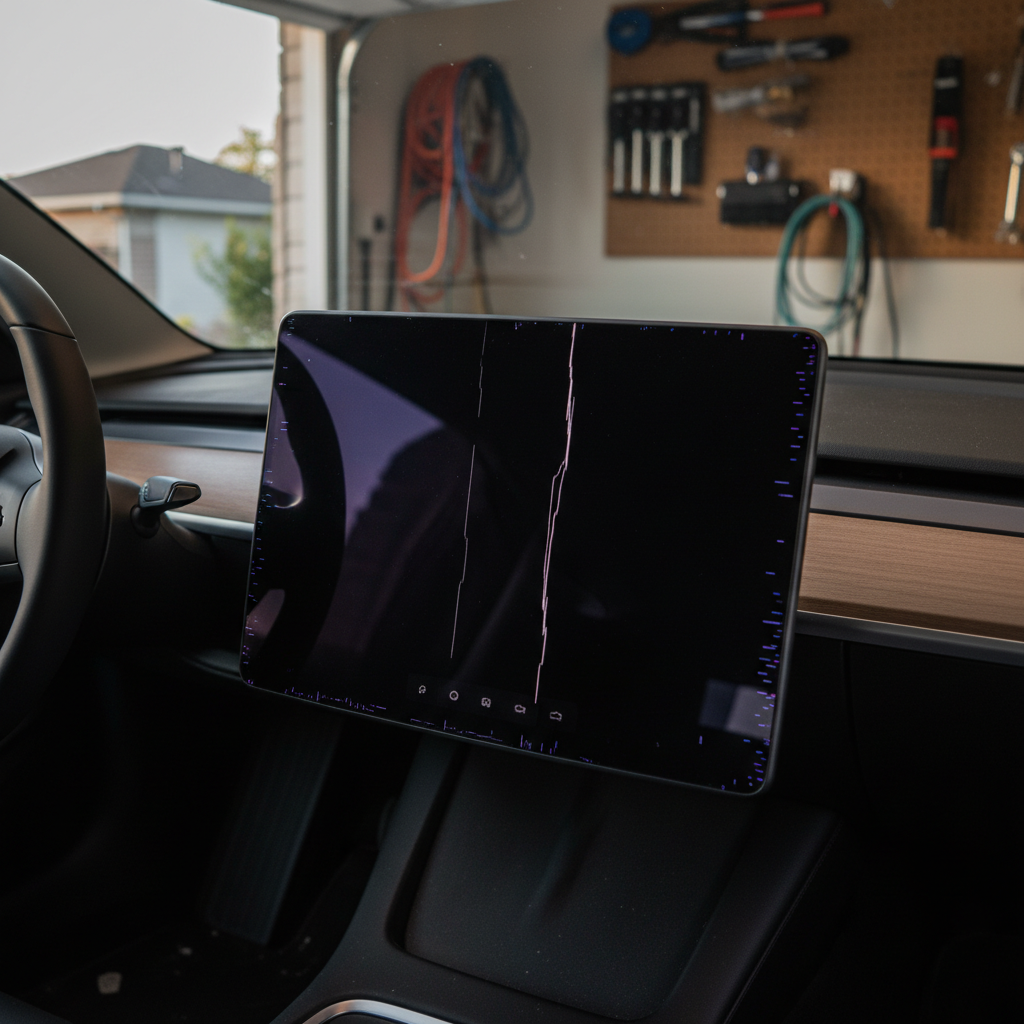
Spend five minutes in any Bolt owner forum and you’ll find a recurring theme: rear camera weirdness. Owners of 2022 EVs and EUVs report dim guidance lines, intermittent black screens, frozen images, or cameras that quit after a few minutes of driving until the car is restarted. In some cases, NHTSA lists these under manufacturer communications rather than full recalls, for example, a bulletin addressing dim gridlines on 2022+ EV/EUV backup cameras.
For you as an owner or shopper, the important distinction is this: some camera problems rise to the level of a formal safety recall, while others are treated as Technical Service Bulletins (TSBs) or one‑off warranty repairs. The difference changes how aggressively a dealer is required to act and whether you’ll see a mailed notice.
Common 2022 Bolt EV camera complaints
Most are fixable with software updates or module/camera replacement.
Dim or missing gridlines
Black screen in reverse
Intermittent failures
How to handle camera problems
Software updates, battery management and charge limits
Modern EVs ship with more software than some early smartphones, and the 2022 Bolt EV is no exception. GM has pushed updates for battery thermal management, charge‑level limits, infotainment quirks, and more. Some come through as official recalls or “special coverage” programs; others are quieter TSBs that the dealer applies when you complain about a symptom.
- Battery thermal‑management software to reduce stress on the pack under high load or temperature.
- State‑of‑charge limit changes, especially on earlier cars or in response to evolving fire‑risk logic.
- Infotainment and camera software to address freezing screens or lost guidance lines.
- Driver‑assist calibration tweaks affecting lane‑keeping and forward‑collision alerts.
Why software matters for used buyers
How to check if your 2022 Bolt EV has open recalls
Before you worry about any specific campaign numbers, you should run your car’s VIN through the same databases dealers use. It’s free, and it takes less than five minutes.
Step-by-step: check your 2022 Bolt EV for recalls
1. Locate your full 17-character VIN
You’ll find it at the base of the windshield on the driver’s side, on the driver‑door jamb sticker, and on your registration or insurance documents.
2. Search the NHTSA recall tool
Go to NHTSA’s official recall lookup and enter your VIN. This will show open <strong>safety recalls</strong>, including the seat belt pretensioner campaign and any others not yet completed.
3. Check Chevrolet’s recall page
GM sometimes shows additional service campaigns or brand‑specific info on its own site. Enter your VIN again there to cross‑check what NHTSA shows.
4. Ask the dealer for a printout
If you’re at a Chevy store, or considering buying a used Bolt from one, ask for a warranty history and recall completion printout for that VIN.
5. Verify recall completion dates
Look for completion dates and dealer codes. For example, a line item showing the seat belt shield installation or camera module replacement along with the date it was performed.
6. Save documentation for resale
Keep digital or paper copies of recall invoices and completion forms. They help when you sell or trade the car and can increase buyer confidence.
How Recharged handles recall checks
Ready to find your next EV?
Browse VehiclesWhat to expect at the dealer: cost, time and paperwork
If your 2022 Chevrolet Bolt EV shows an open recall, you’re entitled to have it fixed at no cost by an authorized Chevrolet dealer. That doesn’t mean the experience is always perfect, Bolt owners can tell you stories, but you’ll at least know what’s supposed to happen.
Typical recall visit for a 2022 Bolt EV
Your experience may vary, but the basics are consistent nationwide.
No-charge repair
Plan for half a day
Loaners & rentals
Get paperwork
Watch for unnecessary add‑ons
Used 2022 Bolt EV buyers: how recalls change the math
All of this recall talk raises a fair question: should you even consider a used 2022 Bolt EV? For many shoppers, the answer is yes, with eyes open. Recalls are not inherently a reason to avoid a car; in fact, a model that’s been heavily scrutinized and updated can be a smart buy if you verify the work.
Upside of a recalled-but-fixed 2022 Bolt EV
- Excellent value per mile of range compared with many rivals.
- Later‑generation battery hardware benefitting from earlier lessons.
- Seat belt fire-risk fix is simple and permanent once done.
- Software updates often improve thermal management and reliability.
Risks and homework
- Camera/software gremlins can be frustrating if the dealer is unhelpful.
- Spotty recall completion on private‑party sales, always run the VIN.
- Public perception of Bolt fires can affect long‑term resale value.
- Some insurance companies still price in legacy reputation risk.
Leverage recalls when negotiating
When you shop through Recharged, you don’t have to play detective alone. Our listings include a Recharged Score battery health report, fair‑market pricing analysis, and expert guidance on recall status for that VIN. We can also help arrange trade‑ins, financing, and delivery, so you spend more time driving and less time decoding NHTSA PDFs.
FAQ: 2022 Chevy Bolt EV recalls
Frequently asked questions about 2022 Bolt EV recalls
The 2022 Chevrolet Bolt EV sits at a strange moment in EV history: born out of a high‑profile recall crisis, but also sharpened by it. If you approach it with clear eyes, VIN checked, software updated, seat belt shield installed, it can deliver a lot of electric miles for the money. Whether you already own one or you’re hunting for a well‑priced used example, treat the 2022 Chevrolet Bolt EV recalls list not as a red flag, but as a checklist. Work through it methodically, keep good records, and you’ll know exactly what you’re driving.