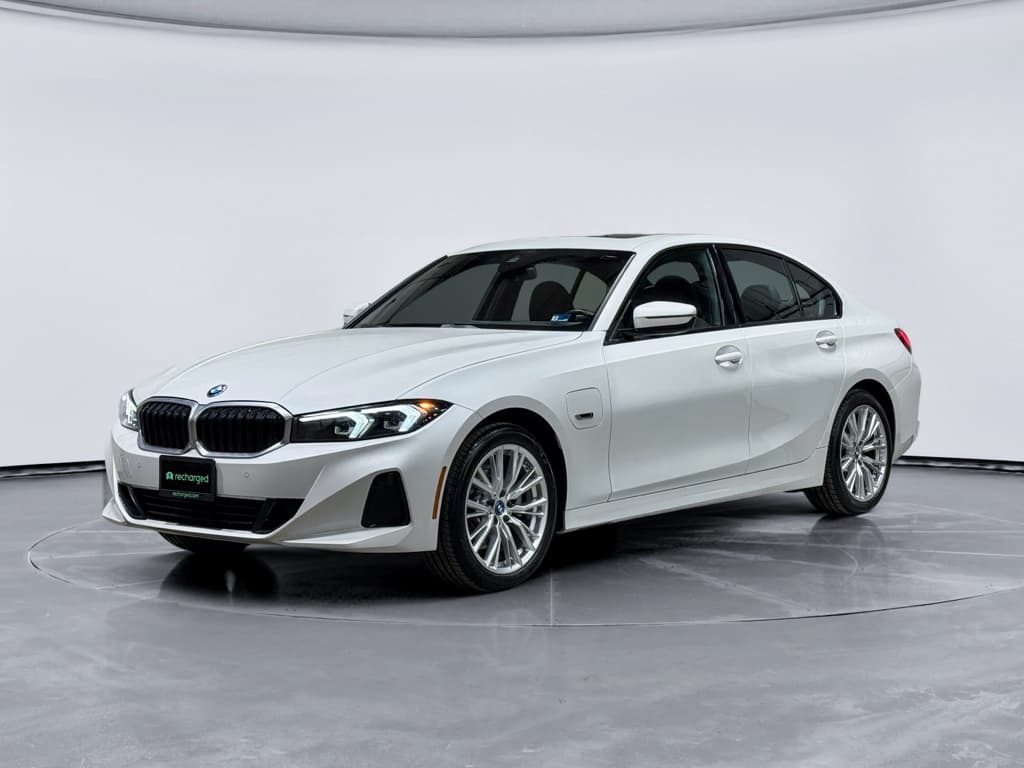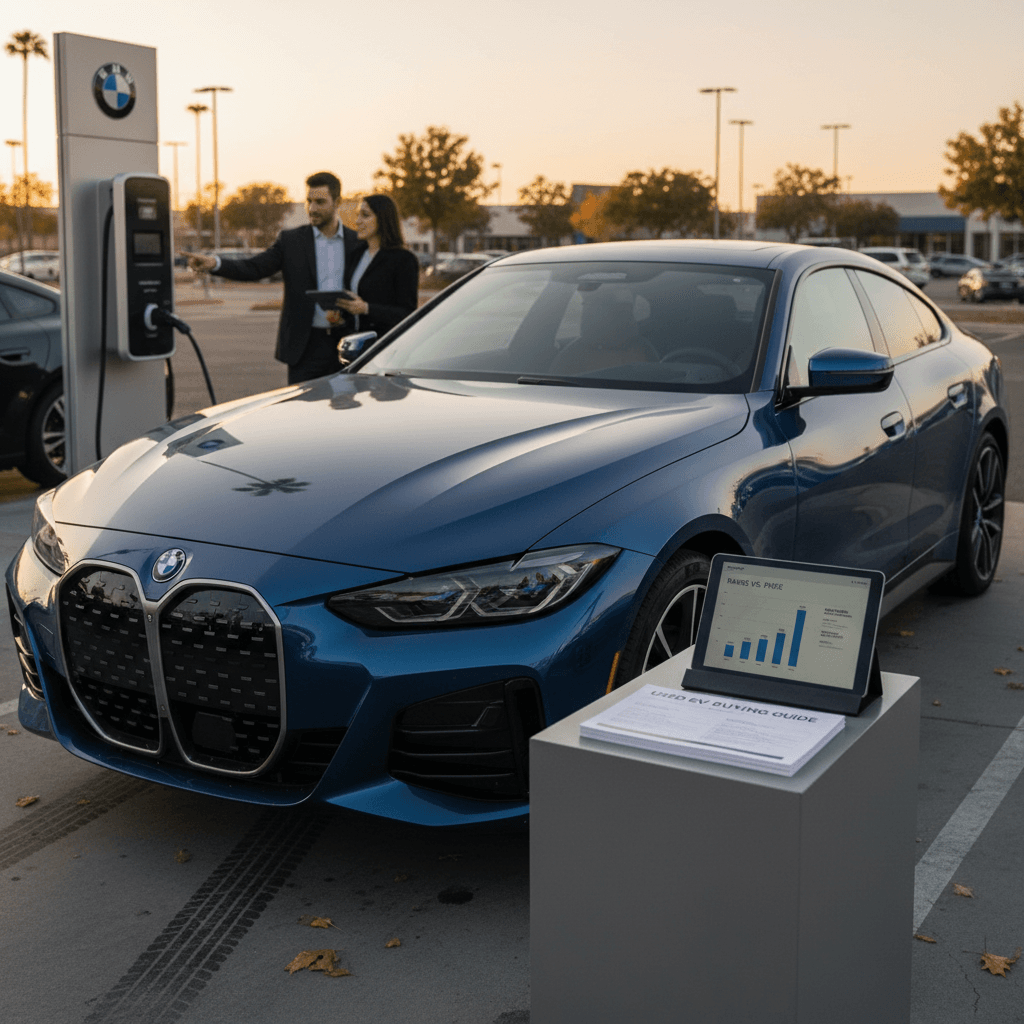
The 2022 BMW i4 was BMW’s first serious effort to turn its mainstream 4 Series into a fully electric Gran Coupe. As a used EV in 2026, it’s now past its steepest depreciation, which makes a 2022 BMW i4 one of the more compelling premium electric sedans you can buy, if you understand the trims, range, options, and potential pain points before you sign anything.
How this 2022 BMW i4 buying guide helps
Overview: Why the 2022 BMW i4 Is an Interesting Used Buy
Key 2022 BMW i4 numbers at a glance
The 2022 i4 rides on a modified 4 Series Gran Coupe platform rather than a bespoke EV skateboard. That matters because it feels familiar to longtime BMW drivers: low seating position, long hood, and a chassis that still wants to be a BMW first and an EV second. For a used‑car shopper, this means you’re not buying a science project, you’re buying something that, underneath, still behaves like a 4 Series with a very modern electric powertrain.
Who the 2022 i4 suits best
Trim levels: 2022 BMW i4 eDrive40 vs M50
For 2022, BMW kept the i4 lineup simple in the U.S.: the single‑motor eDrive40 and the dual‑motor M50. Both share the same basic battery pack and body style, but they target different buyers. Understanding the differences is step one in any 2022 BMW i4 buying guide.
2022 BMW i4 eDrive40 vs M50: core differences
Approximate U.S.‑market specs for the 2022 model year.
| Spec | 2022 i4 eDrive40 | 2022 i4 M50 |
|---|---|---|
| Drivetrain | Single motor, rear‑wheel drive | Dual motor, all‑wheel drive |
| Power (hp) | ~335 hp | ~536 hp |
| 0–60 mph | ~5.5 s (with launch control) | ~3.7 s |
| EPA range (approx.) | Up to ~301 mi | Up to ~245–270 mi depending on wheels |
| Battery (usable) | 81.5 kWh | 81.5 kWh |
| Suspension | Comfort‑oriented, still sporty | More aggressive M tuning, adaptive dampers |
| Typical used price* | Lower | Higher |
Always confirm exact equipment on the specific car you’re considering; some figures vary slightly with wheel/tire choices and options.
Don’t buy on horsepower alone
Which 2022 BMW i4 trim fits you?
Match your driving style with the right powertrain.
i4 eDrive40: the efficient sport sedan
Best for: Commuters, long‑range drivers, and people who value comfort and efficiency over max performance.
- Rear‑wheel drive, classic BMW feel.
- More range and smoother ride.
- Lower running costs (tires, insurance, energy).
i4 M50: the electric M‑car experience
Best for: Enthusiasts who care most about acceleration and all‑weather traction.
- Dual‑motor AWD and huge power.
- More aggressive suspension and brakes.
- Shorter range; higher tire and energy bills.
Performance, ride, and day-to-day feel
Driving experience
The i4 doesn’t feel like a tall crossover; it feels like a low, planted Gran Coupe. Steering is on the heavier side for an EV, with more feedback than many competitors. The eDrive40 offers a calmer, more progressive power delivery, while the M50 launches with the kind of shove that makes passengers swear and giggle.
On a back road, the eDrive40 is playful and fluid, whereas the M50 feels more like a hammer, fast, secure, and immensely capable, but less relaxed.
Comfort and noise
The 2022 i4 is on the firmer side, especially on 19" or 20" wheels. The M50’s adaptive dampers help, but big wheels and low‑profile tires can make rough pavement feel busy.
If you care more about long‑distance comfort than ultimate grip, prioritize cars on 18" wheels or with the more comfort‑oriented suspension setups. Either trim is quieter than most ICE sport sedans, but road noise from wide performance tires is noticeable on some surfaces.
Test‑drive tip
Range, battery, and charging basics
All 2022 BMW i4s use a high‑density lithium‑ion battery pack with around 81.5 kWh of usable capacity and a 400‑volt architecture. On paper, that yields competitive range for a compact luxury EV; in the real world, your results will depend heavily on trim, wheels, climate, and how you drive.
- Typical real‑world highway range for an eDrive40 on efficient wheels can land in the 230–260 mile bracket when driven at U.S. freeway speeds in mild weather.
- The M50, especially on wide performance tires, tends to see noticeably lower highway range, often under 220 miles for similar conditions.
- Cold weather, high speeds, and repeated hard acceleration can pull either trim well below its EPA numbers.
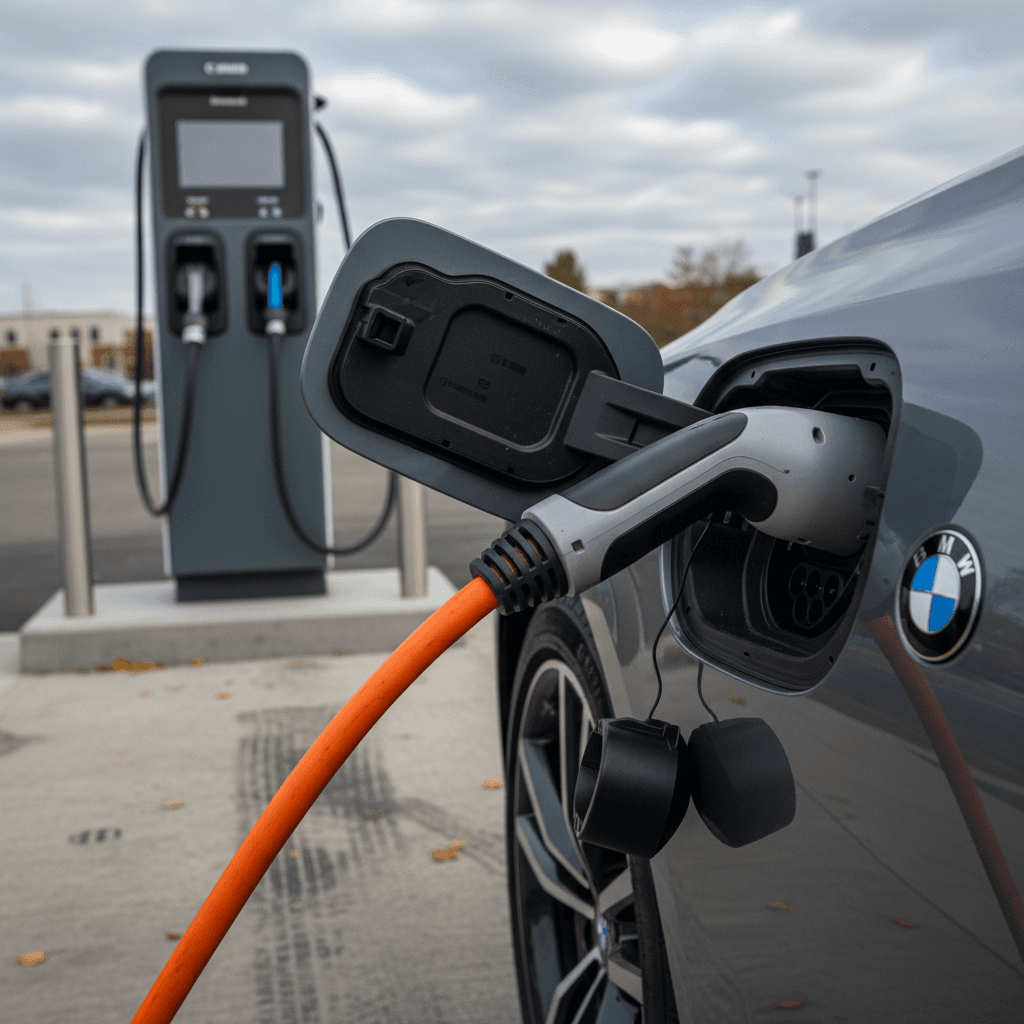
Charging a 2022 BMW i4: what you need to know
Home charging is where this car really makes sense.
Level 1 (120V)
Slow, backup‑only. Adds roughly 3–4 miles of range per hour. Acceptable for low‑mileage drivers with workplace charging, but not ideal long‑term.
Level 2 (240V)
The sweet spot for ownership. A 40–48 amp home charger can typically refill a depleted pack overnight, adding 25–35 miles of range per hour.
DC fast charging
Up to around 200 kW at compatible stations. Great for road trips, think 10–80% in roughly 30–35 minutes under ideal conditions, but less efficient than home charging.
Cold weather range reality
Pricing and depreciation: what should you pay?
Like most early luxury EVs, the 2022 BMW i4 has already taken a major depreciation hit. That’s bad news for the original owner but good news if you’re shopping used in 2026. Many cars are now trading at roughly 40–55% below their original MSRP, depending on mileage, options, and condition.
Typical 2022 BMW i4 used price ranges in 2026
High‑level ballpark values for U.S.‑market cars; actual pricing varies by region and condition.
| Trim & mileage | Approx. private‑party price | Notes |
|---|---|---|
| eDrive40, 25k–40k miles | ~$29,000–$36,000 | Often 40–50% below original MSRP; better value than new for most buyers. |
| eDrive40, 40k–60k miles | ~$25,000–$31,000 | More depreciation baked in; inspect tires and brakes carefully. |
| M50, 25k–40k miles | ~$34,000–$42,000 | Commands a premium for performance and AWD, especially with desirable options. |
| M50, 40k–60k miles | ~$29,000–$37,000 | Good deals appear when sellers underestimate the cost of new‑EV competition. |
Use these figures as starting points, then adjust for options, mileage, and battery health.
Compare to new‑EV incentives
Options and packages to look for (or skip)
Because the 2022 i4 leans heavily on software and driver‑assistance tech, options and packages matter more than just leather colors and wheel designs. Two cars that look similar on the outside can feel wildly different to own.
High‑value options on a 2022 i4
Features that meaningfully change the experience or resale value.
Driver assistance packages
Look for adaptive cruise control, lane‑keeping assistance, and traffic‑jam assist. BMW’s driver‑assist stack may not be the flashiest, but it’s well‑tuned and a real benefit for commuters.
iDrive and digital displays
Most 2022 i4s already have BMW’s newer curved display layout, but confirm you’re getting the larger digital cluster and navigation features you want, especially if you care about live charging data.
Comfort and cold‑weather packs
Heated seats and steering wheel matter more in EVs than in gas cars because they heat your body more efficiently than blasting cabin air. Great for range and comfort in winter.
Nice‑to‑have vs. must‑have
Common issues and ownership quirks
The 2022 BMW i4 doesn’t suffer from any single catastrophic flaw, but it shares some themes with other early‑adopter EVs and higher‑end BMWs: software, tires, and out‑of‑warranty repair costs. Go in with eyes open and a realistic budget.
- Software and infotainment bugs: Occasional glitches with iDrive, Bluetooth, driver‑assist warnings, or charging‑screen behavior. Many have been minimized with over‑the‑air or dealer software updates, but always verify the car is on recent software.
- Tire wear and alignment: Heavy EVs with strong torque are hard on tires. M50s on performance rubber can chew through tires quickly, and aggressive wheel/tire setups can amplify alignment‑related wear.
- Brake usage: Because of regen, pads and rotors can last a long time, but if the previous owner rarely used friction brakes, they may show surface rust or uneven wear. Inspect visually or have them measured.
- Charging‑port wear: High‑mileage, fast‑charged cars may show more wear at the charge port and door. Not a deal‑breaker, but a clue to usage patterns.
Out‑of‑warranty repairs aren’t cheap
Inspection checklist before you buy a 2022 i4
2022 BMW i4 pre‑purchase checklist
1. Verify battery health and DC fast‑charge history
Ask for documentation of battery health if available, and look for any history of DC fast‑charging–related faults. If you’re buying through a platform like Recharged, review the <strong>Recharged Score</strong> report for measured battery capacity and charging behavior.
2. Check software level and recall history
Confirm the car is up‑to‑date on BMW software campaigns and any recalls. An updated i4 often has smoother charging behavior, better driver‑assist tuning, and fewer infotainment bugs.
3. Inspect tires, wheels, and alignment
Look for uneven tire wear, curb rash on wheels, and any vibration on the test drive. Replacing a full set of performance tires and repairing wheels can wipe out thousands of dollars in savings if you’re not prepared.
4. Evaluate brakes for rust and feel
Take the car up to speed and use firm, sustained braking to feel for pulsation or noise. Ask a shop to measure pad and rotor thickness if there’s any doubt. Regen can mask underlying friction‑brake issues.
5. Test all driver‑assistance features
On a safe stretch of road, test adaptive cruise, lane‑keeping, parking sensors, cameras, and parking assist. Malfunctioning sensors or cameras can be costly to replace, especially on an M50 with extra hardware.
6. Confirm charging hardware and cables
Make sure the car comes with a portable charging cable if it originally included one, and test the charge port on both Level 2 and (if possible) DC fast chargers to confirm it initiates and maintains a session reliably.
Get it inspected like a performance car, not an appliance
How Recharged evaluates used BMW i4s
Because EVs age differently than gas cars, Recharged doesn’t stop at cosmetics and a quick test drive. Every BMW i4 we list, whether a 2022 eDrive40 or M50, comes with a Recharged Score Report that gives you an objective view of the car’s battery, pricing, and overall condition.
What you get with a Recharged BMW i4
Designed to remove the guesswork from used‑EV shopping.
Verified battery health
We measure real‑world battery capacity and charging behavior, so you know how much usable energy the pack still has compared with when it was new.
Fair market pricing
Our valuation looks at nationwide sales data, options, mileage, and condition to help you avoid overpaying in a volatile EV market.
EV‑specialist support
From model‑year nuances to home‑charging questions, our EV specialists walk you through the trade‑offs between trims and even help you compare a 2022 i4 to other used EVs you’re considering.
Ready to find your next EV?
Browse VehiclesYou can buy entirely online, trade in a current vehicle, arrange financing, and have a used BMW i4 delivered to your driveway, or visit our Experience Center in Richmond, VA if you want to see and drive cars in person before committing.
Financing a depreciated EV smartly
FAQ: 2022 BMW i4 buying questions
Frequently asked questions about the 2022 BMW i4
Is the 2022 BMW i4 right for you?
If you want a used EV that drives like a proper sport sedan, charges quickly on road trips, and has already shed a big chunk of its original sticker price, the 2022 BMW i4 deserves a hard look. The eDrive40 is the quiet achiever that fits most people’s real‑world needs, while the M50 is the electric M‑car thrill ride for those willing to trade range and running costs for performance.
The smart move is to treat a 2022 i4 like the complex, high‑performance machine it is: scrutinize its battery health, options, software, and wear items just as much as you admire its design and acceleration. If you’d rather not decode all of that on your own, browsing Recharged for 2022 BMW i4 listings with a Recharged Score Report, EV‑savvy inspection, and transparent pricing can turn what used to be a high‑risk, high‑complexity purchase into a confident one.