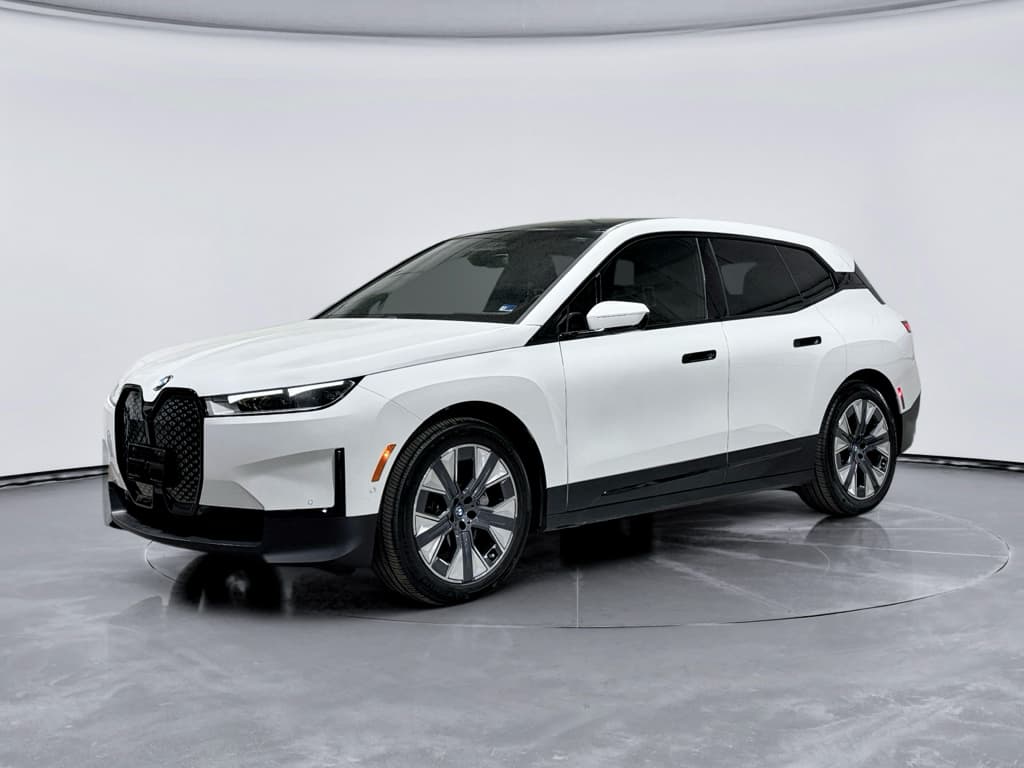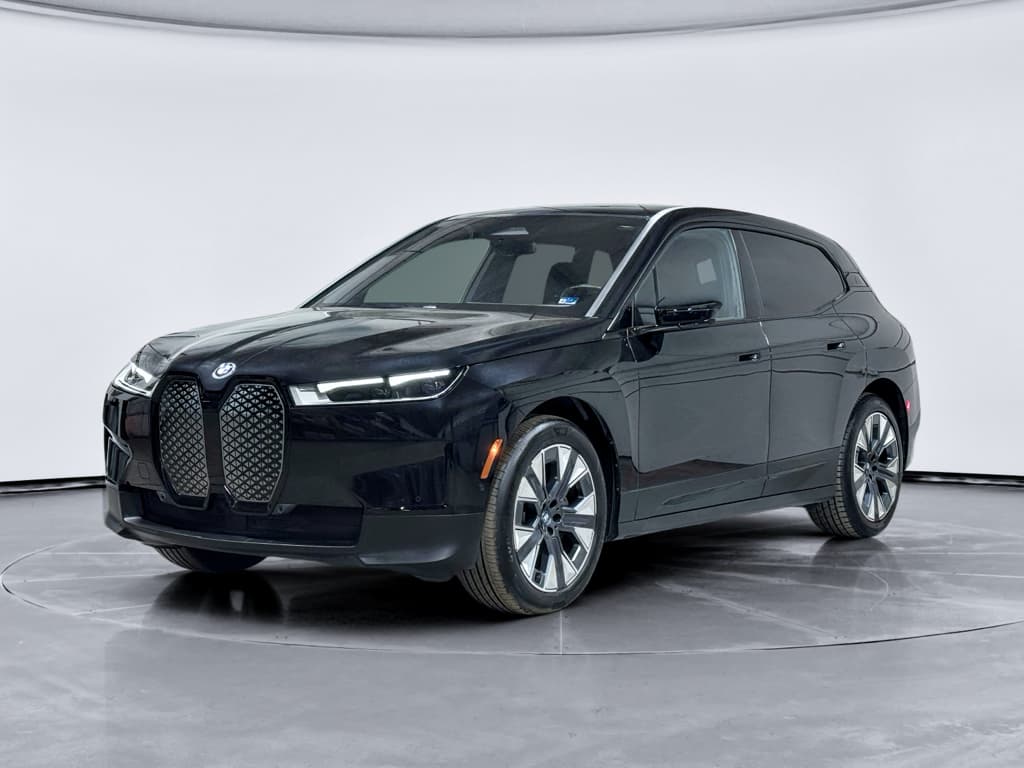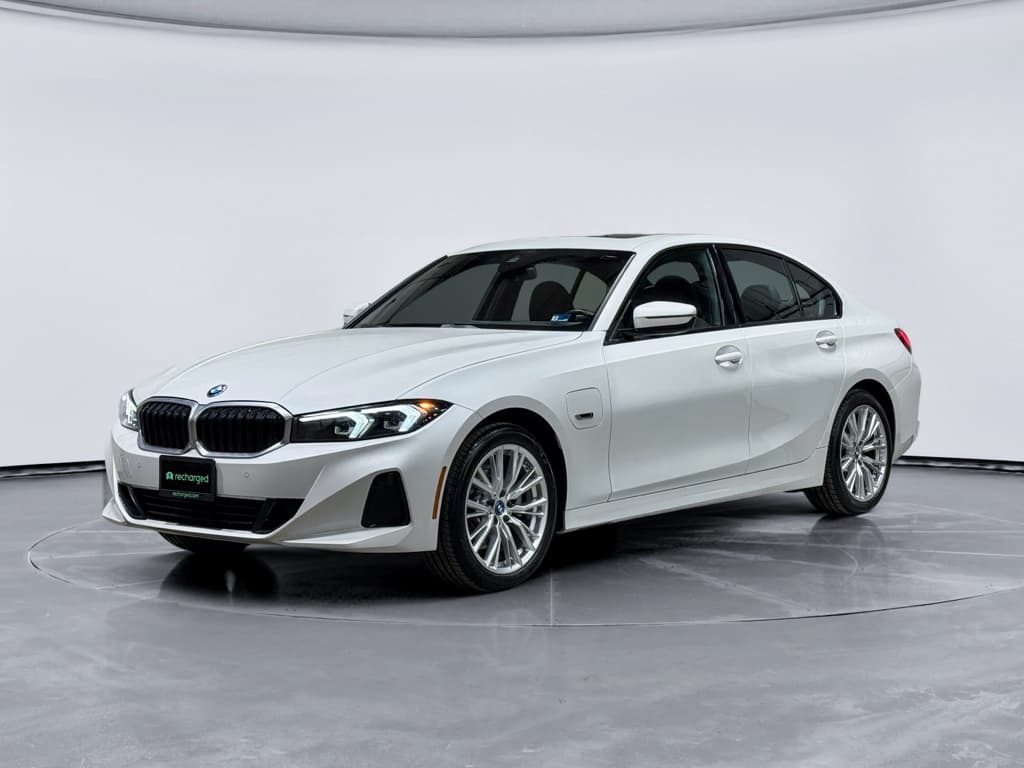
If you’re cross-shopping a used BMW i4 vs Mercedes EQE, you’re comparing two very different takes on the same idea: a premium German EV that feels familiar if you’re coming from a gasoline 3‑Series or E‑Class. On paper they’re both fast, comfortable, and packed with tech, but in the used market, things like range, battery health, depreciation, and charging access matter more than brochure numbers.
Sedan vs sedan/SUV, not apples-to-apples
Overview: how the used BMW i4 and Mercedes EQE stack up
High-level comparison: used BMW i4 vs Mercedes EQE
Quick view of where each EV tends to shine for used buyers
BMW i4 (eDrive35/40, xDrive40, M50)
Body style: Compact luxury liftback sedan (similar footprint to a 3‑Series).
- Strengths: Sporty driving feel, excellent efficiency, strong DC fast-charging performance, relatively simple spec story, often cheaper to buy than an equivalent EQE.
- Weaknesses: Tighter rear seat, less cargo and headroom than EQE SUV, ride can feel firm on big wheels, less opulent cabin than the Mercedes.
Mercedes EQE (Sedan & SUV)
Body style: Mid-size luxury sedan or SUV; closer to an E‑Class or GLE in size.
- Strengths: Plush ride, quiet cabin, big battery, strong range in 350+ trims, SUV variant offers much more space and a high seating position.
- Weaknesses: Heavier and less efficient, more complex trim spread, higher new prices mean steeper depreciation, and some trims have modest range for the size and price.
Used-market rule of thumb
Key specs and real-world range
Spec sheets for new cars are everywhere, but what you really care about in a used EV is: How far will it go on a charge now, and how will it fit my life? Below is a simplified comparison of popular trims you’ll actually see used in the U.S. market.
BMW i4 vs Mercedes EQE: core spec snapshot (new EPA estimates)
Representative trims you’re most likely to see on the used market in 2023–2025 model years. Actual range on a used example will vary based on battery health, wheel size, options, and climate.
| Model & trim | Battery (usable kWh) | Drivetrain | EPA range (mi) | 0–60 mph (approx.) |
|---|---|---|---|---|
| BMW i4 eDrive40 | 83.4 | RWD | 301 | ~5.5 s |
| BMW i4 xDrive40 | 83.4 | AWD | 307 (18" wheels) | ~5.1 s |
| BMW i4 eDrive35 | 68.7 | RWD | ~260 | ~5.7 s |
| BMW i4 M50 | 83.4 | AWD | ~245 | ~3.7 s |
| Mercedes EQE 350+ sedan | ~90.6 | RWD | 298–305 | ~6.0 s |
| Mercedes EQE 350 4MATIC sedan | ~90.6 | AWD | 260–280 | ~5.6 s |
| Mercedes EQE 500 4MATIC sedan | ~90.6 | AWD | ~277 | ~4.5 s |
| Mercedes EQE 350+ SUV | 90.6–96 | RWD | 279–307 | ~6.0 s |
| Mercedes EQE 350 4MATIC SUV | 90.6 | AWD | 253–265 | ~5.9 s |
| Mercedes EQE 500 4MATIC SUV | 90.6–96 | AWD | 269–282 | ~4.6 s |
Use this as a hierarchy guide: trims near the top are more efficiency‑focused, while lower‑range versions trade efficiency for performance or bigger wheels.
Range reality on a used car
Range and charging highlights
Watch for range‑killing options
Driving experience, comfort, and tech
BMW i4: sport sedan roots
The BMW i4 is essentially a 4‑Series Gran Coupe converted to electric, and it drives like it. Steering feels precise, the chassis is eager to change direction, and the low‑mounted battery keeps body roll in check. Even the non‑M trims have a quietly playful character that traditional BMW drivers will recognize.
- Pros: Engaging handling, strong acceleration in every trim, more compact footprint for city driving and parking.
- Cons: Ride can feel firm on rough pavement (especially M50 or large‑wheel cars), rear seat space is adequate rather than generous, and the cabin skews more businesslike than plush.
Mercedes EQE: comfort and quiet first
EQE sedan and SUV feel like they were designed from day one to deliver S‑Class levels of isolation in an electric package. Steering is light, the ride is soft, and the cabin is extremely quiet, especially the SUV, which insulates you from road and wind noise better than the i4.
- Pros: Cushy ride, hushed cabin, airy feel in the SUV, and a more lounge‑like atmosphere.
- Cons: Heavier and less agile, more distant steering feel, and the UX of the Hyperscreen/MBUX system can overwhelm if you just want simple controls.
Interior and tech: where each car feels special
Both feel high-end, but they appeal to different tastes.
Cabin design
BMW i4: Modern but restrained; iDrive 8/8.5 on a curved display, familiar BMW switchgear, and straightforward controls.
EQE: Sculpted dash with huge screens (Hyperscreen on some trims), more ambient lighting, and a more futuristic "lounge" feel.
Space and practicality
BMW i4: Liftback trunk is genuinely useful, but rear headroom can be tight for tall passengers.
EQE sedan: More rear-seat room than i4 but conventional trunk. EQE SUV: Easily the most practical, with higher seating and more cargo volume.
Infotainment & UX
BMW: iDrive has matured; voice control is decent, and wireless Apple CarPlay/Android Auto are common.
Mercedes: Hyperscreen/MBUX looks stunning and offers deep customization, but can feel menu‑heavy for some drivers.
Who wins on comfort?
Charging, road trips, and daily usability
On the used market, charging performance and connector standards are becoming just as important as range. The BMW i4 and Mercedes EQE both use CCS today, but the landscape is shifting quickly as automakers move toward the Tesla‑style NACS connector and broader Supercharger access.
- DC fast charging: Most BMW i4 trims (except the entry eDrive35) support peak DC rates around 200 kW, while EQE sedan and SUV are rated around 170 kW. In practice, both can go from roughly 10–80% in about 30–40 minutes when the battery and charger cooperate.
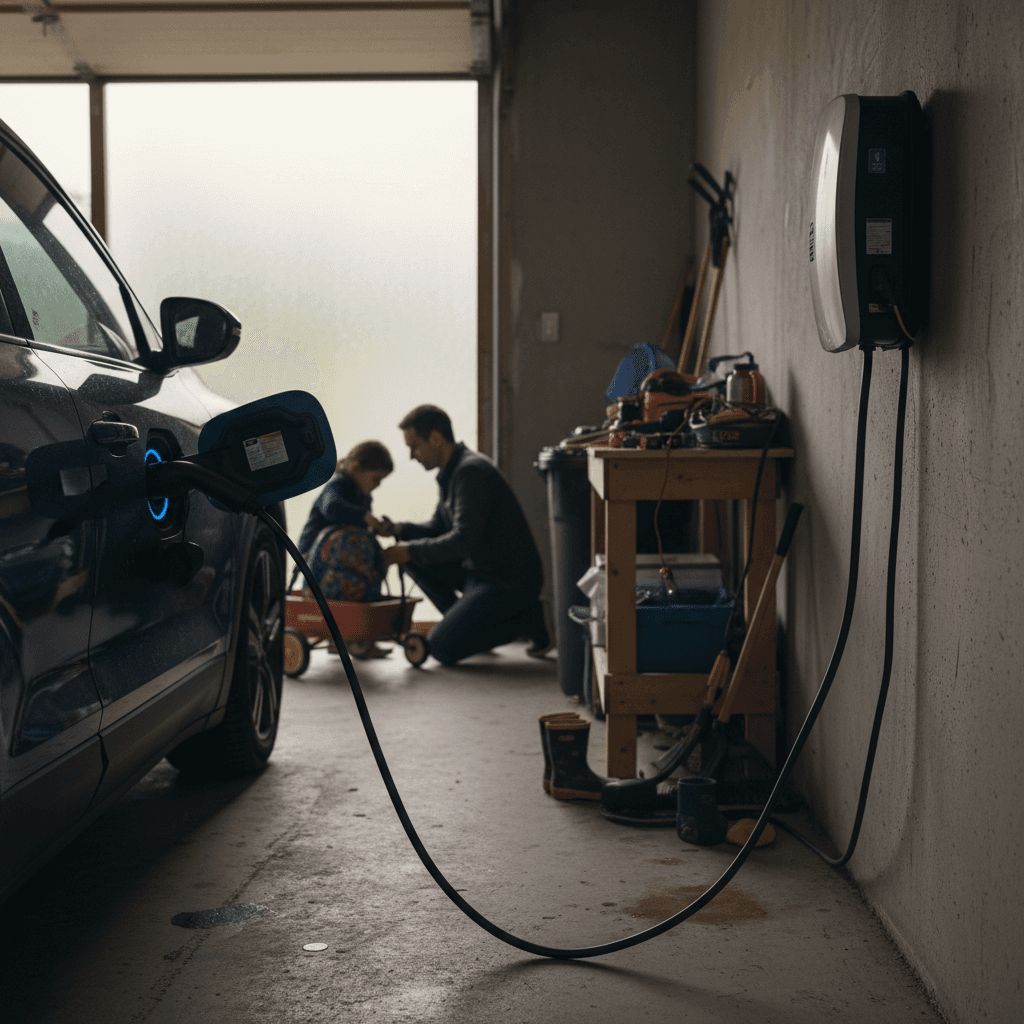
- Home charging: Both cars work well with a 40–48 amp Level 2 charger at home, giving you a full recharge overnight. The EQE’s larger battery means slightly longer charge times for the same home hardware.
- Public charging networks: Both rely mainly on CCS fast chargers today. Over the next few years, adapters and NACS ports will gradually normalize access to Tesla’s Supercharger network, but availability will vary by model year and manufacturer support.
- Efficiency: The BMW i4 is generally more efficient than a comparable EQE, especially the heavier SUV. That means lower electricity costs per mile and less time spent charging on the road.
Pair your EV with the right home charger
Reliability, battery health, and warranty on a used EV
Neither the BMW i4 nor the Mercedes EQE has been on the market long enough to have rock‑solid, long‑term reliability data like a decade‑old Toyota hybrid. But we do have some early signals and, more importantly, we know how their warranties and battery tech are structured.
What to know about reliability and battery health
Early data points and protection you still have on a used car.
Battery & drivetrain durability
- Both automakers use large, liquid‑cooled lithium‑ion packs with sophisticated thermal management, good news for longevity.
- Typical EV warranties from BMW and Mercedes cover the high‑voltage battery for around 8 years / 100,000–125,000 miles, retaining a set minimum capacity (often ~70%).
- On a 2–4‑year‑old used car with moderate miles, you’ll almost always still be within that battery warranty window.
General reliability & software
- Early owner feedback suggests both lines are broadly reliable, with most issues centered on infotainment software glitches, sensors, and the usual luxury‑car electronics rather than core battery failures.
- Complex options, air suspension, rear‑axle steering, high‑end audio, add cost if repairs are needed later. The EQE SUV can be especially feature‑laden, which is great for comfort but adds complexity.
Why a generic pre‑purchase inspection isn’t enough
Every EV listed on Recharged includes a Recharged Score Report that pulls live data from the vehicle, including verified battery health and fast‑charging history where available. That gives you a clearer picture than a seller’s “it seems fine” and helps you compare a used i4 directly against a used EQE in an apples‑to‑apples way.
Depreciation, pricing, and total cost of ownership
Luxury EVs depreciate hard from new, and that’s actually good news for you as a used buyer. The BMW i4 and Mercedes EQE started life with high MSRPs; in the used market, they’ve become significantly more attainable, especially the Mercedes, which has seen price cuts and slowing demand in the new market.
Cost and depreciation dynamics to keep in mind
Financing and trade‑in considerations
Which used buyer is a better fit for each?
BMW i4 vs Mercedes EQE: buyer profiles
Choose a used BMW i4 if you…
Care most about <strong>driving feel</strong> and want something that still feels like a classic German sport sedan, just electric.
Live where <strong>public fast charging</strong> is decent and you want strong DC performance and better efficiency to minimize time at the plug.
Don’t need massive rear-seat or cargo space; you mostly drive solo or with one or two passengers.
Want a relatively <strong>simple spec story</strong>, fewer air‑suspension, rear‑steer, and gadget layers than a loaded EQE SUV.
Are okay with a firmer ride in exchange for sharper handling, especially if you avoid the largest wheels.
Choose a used Mercedes EQE (sedan or SUV) if you…
Prioritize <strong>comfort and quiet</strong> above all: soft ride, low noise, and a more relaxed driving character.
Regularly carry adults in the back seat or lots of luggage, where the EQE, especially the SUV, has a clear space advantage.
Want a cabin that <strong>visibly screams “modern luxury”</strong> with huge screens, ambient lighting, and limousine‑like features.
Are willing to trade some efficiency and agility for a feeling of heft, solidity, and old‑school Mercedes isolation.
Like the idea of a high seating position and easier ingress/egress (EQE SUV) for you or your passengers.
Used BMW i4 & Mercedes EQE inspection checklist
9 things to check before you buy either EV used
1. Confirm remaining battery warranty
Ask for the in‑service date and mileage to see how much of the <strong>8‑year / ~100k–125k‑mile battery warranty</strong> is left. A later in‑service date on an earlier model year can be a quiet win.
2. Get a battery health report, not a guess
Use a <strong>data‑driven battery diagnostic</strong>, like the Recharged Score Report, rather than trusting a dash estimate. You want to see remaining usable capacity and any history of extreme fast‑charging behavior.
3. Inspect wheels and tires
Large wheels with low‑profile tires look great but can hide curb damage, bent rims, or uneven wear. On EQE especially, replacing 20"+ tires is not cheap; bake that into your budget.
4. Test DC fast‑charging behavior
If possible, plug into a DC fast charger and watch the <strong>charging curve</strong>. An i4 or EQE that stubbornly sticks at low kW even on a good charger may need battery preconditioning or could be throttling for other reasons.
5. Check for software and screen glitches
Cycle through navigation, media, driver‑assist settings, and phone mirroring. On EQE in particular, make sure <strong>MBUX/Hyperscreen</strong> feels responsive and that there are no dead pixels or erratic reboots.
6. Verify driver‑assist and safety features
Confirm which features are actually enabled: adaptive cruise, lane‑keeping, blind‑spot monitoring, automatic parking, etc. Some were optional and can significantly affect the ownership experience on long drives.
7. Listen for squeaks, rattles, and wind noise
On your test drive, pay attention on coarse pavement and at highway speeds. Wind noise around frameless windows (i4) or panoramic roofs (EQE SUV) can be a sign of worn seals or past bodywork.
8. Look for uneven panel gaps and paint blends
As with any luxury car, you don’t want a poorly repaired accident lurking in the background. Check for mismatched paint tones, overspray, or inconsistent panel gaps, especially around the rear hatch on the i4 and tailgate on the EQE SUV.
9. Confirm charging accessories and software account transfer
Make sure the car comes with its <strong>portable charging cable</strong> (if included originally), and that you can set up or transfer app access for remote features and over‑the‑air updates without drama.
Frequently asked questions: used BMW i4 vs Mercedes EQE
Used BMW i4 vs Mercedes EQE: FAQs
Bottom line: which used luxury EV should you buy?
If you want something that still feels like a classic German sport sedan, quick, efficient, and nimble, the used BMW i4 is usually the right answer. You’ll likely pay less up front than for a comparable EQE, spend less on energy, and enjoy a more engaging drive, especially in eDrive40 or xDrive40 trims.
If you care more about a cocoon‑like ride, space, and visual luxury, a used Mercedes EQE, especially the SUV, will feel more special day in and day out. You’ll trade some efficiency and agility for comfort, but you’ll gain a cabin and ride quality that rival much more expensive flagships.
Whichever way you lean, the key is not just picking the right badge but finding the right example. That means verified battery health, transparent pricing, and expert guidance on financing, trade‑in, and delivery. Recharged was built around exactly that idea: every used EV we list comes with a Recharged Score battery health report, EV‑specialist support, and a fully digital buying experience, so you can choose between a BMW i4 and a Mercedes EQE based on facts, not guesswork.