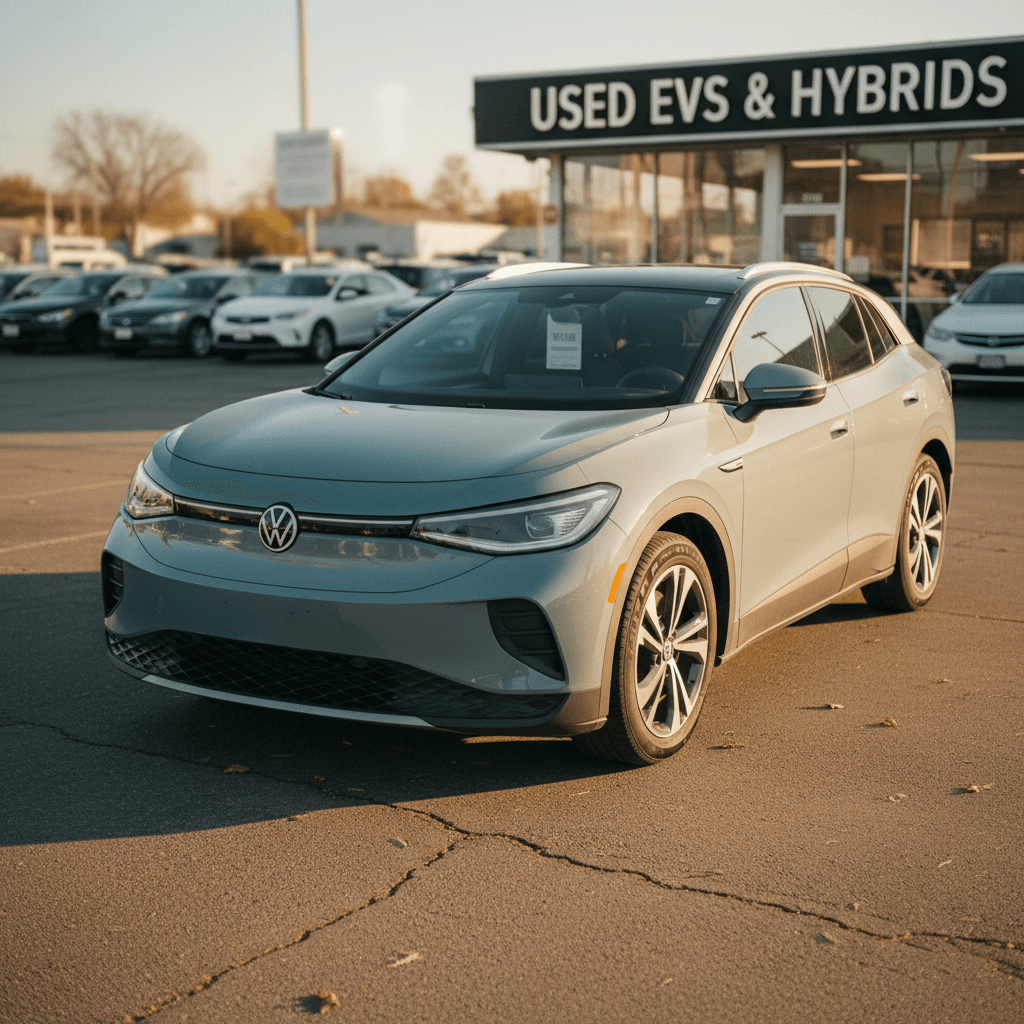
The 2021 Volkswagen ID.4 was VW’s first mass‑market electric SUV in the U.S., aimed squarely at shoppers who wanted something more affordable and relaxed than a Tesla Model Y. If you’re eyeing a **used 2021 VW ID.4**, you’re probably wondering how its range, charging speeds, comfort and reliability hold up in 2026, and whether today’s used prices make it a smart buy.
2021 ID.4 in a nutshell
Who the 2021 VW ID.4 is (and isn’t) for
Best fit vs. poor fit for a 2021 ID.4
Match the car to your daily reality before you shop
Great fit if…
- You want a comfortable, quiet commuter with around 230–250 miles of usable range.
- You value a smooth, relaxed drive more than outright performance.
- You can charge at home or work and only use DC fast charging on trips.
- You like the idea of a conventional-feeling SUV rather than a tech gadget on wheels.
Probably not ideal if…
- You expect sports‑car acceleration or sharp handling.
- You rely heavily on public DC fast charging and need the quickest possible road‑trip stops.
- You’re allergic to software glitches or learning a new infotainment system.
- You need a third row or tow heavy loads regularly.
2021 VW ID.4 key specs at a glance
2021 ID.4 core numbers
2021 VW ID.4 trims and highlights
The 2021 model year launched with three main U.S. flavors.
| Trim | Drivetrain | EPA Range (approx.) | Notable Features |
|---|---|---|---|
| 1st Edition | RWD | ~250 mi | Launch‑only model, unique wheels & styling bits, panoramic roof, power seats, most popular driver aids. |
| Pro | RWD / AWD | ~260 mi (RWD), ~240 mi (AWD) | Value leader; cloth or leatherette, available tow package, heat pump on some builds, most of the core tech. |
| Pro S | RWD / AWD | ~250 mi (RWD), ~230 mi (AWD) | Higher‑end interior, larger wheels, premium lighting, more comfort features; slightly less range due to weight. |
Exact equipment can vary slightly by build date and region, always confirm on an individual vehicle.
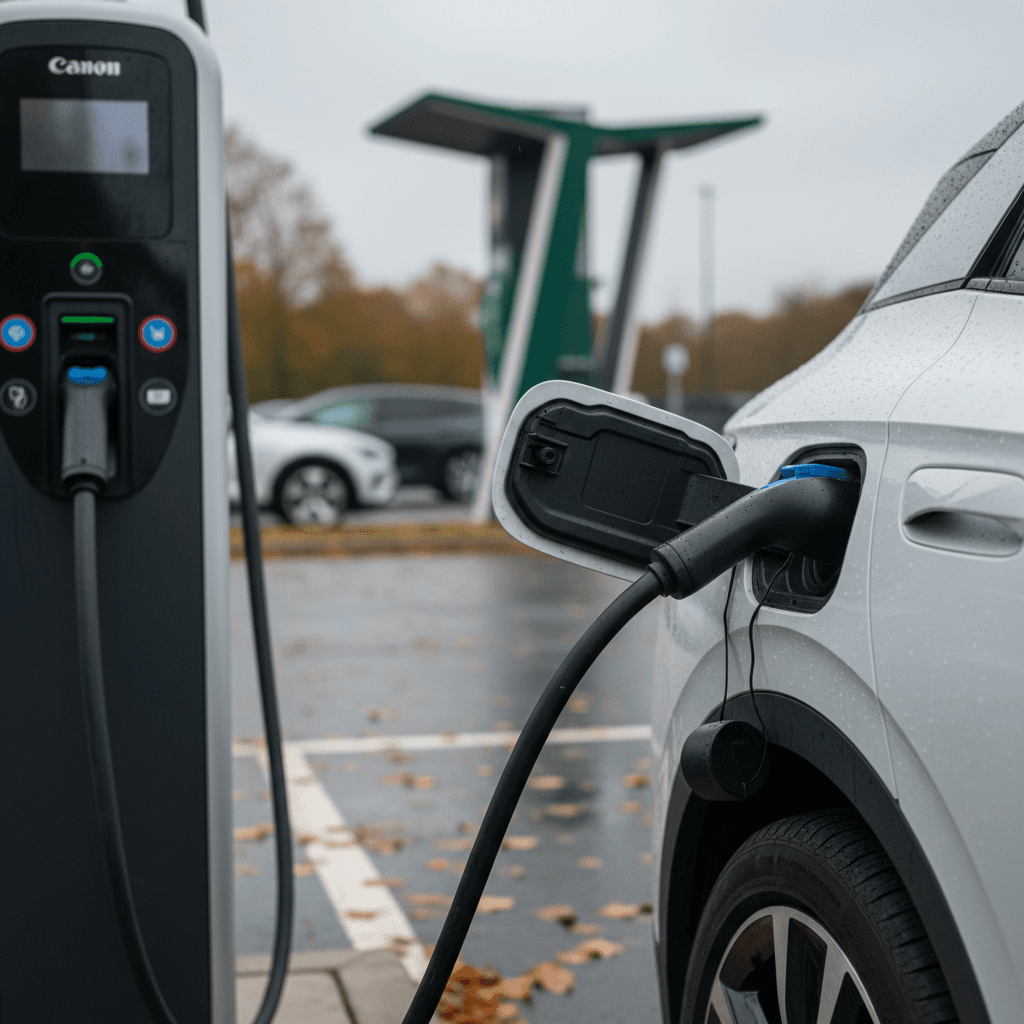
Battery, range and charging performance
Every U.S. 2021 ID.4 uses a roughly 77 kWh battery pack. Official EPA range varies slightly by trim and drivetrain, but rear‑wheel‑drive Pro models top out around **260 miles**, with Pro S and 1st Edition versions a bit lower because of larger wheels and extra equipment. In mixed everyday driving, most owners report real‑world range in the low‑to‑mid‑200s, depending on climate, speed and driving style.
- RWD models are the most efficient and go farthest on a charge.
- AWD adds a front motor for better traction and quicker acceleration but shaves roughly 15–20 miles off rated range.
- Cold weather and sustained 70–80 mph highway speeds can cut usable range noticeably, plan on 180–210 miles between DC fast‑charge stops in those conditions.
On the charging side, the 2021 ID.4 supports **up to 11 kW Level 2 AC charging** and a claimed **125 kW peak on DC fast chargers**. In practice, owners often see peaks between about 90–110 kW, with speeds dropping as the battery passes 40–50% state of charge. That means a typical 10–80% DC fast‑charge session, under good conditions, takes roughly **35–45 minutes**, not the 20–25 minutes you might be used to seeing on the latest EVs.
Charging strategy tip
For home charging, a 40‑amp Level 2 wall unit on a 240V circuit will usually replenish a near‑empty pack overnight. If you’re shopping for a used 2021 ID.4, confirm the previous owner’s charging habits and ask for any documentation of battery‑health checks. Tools like the Recharged Score Report can quantify remaining battery capacity so you’re not guessing about long‑term degradation.
Driving experience and comfort
Behind the wheel, the 2021 ID.4 feels more like a traditional compact SUV than a sci‑fi experiment. Rear‑drive versions make around **201 hp**, while all‑wheel‑drive models add a front motor for a combined output around **295 hp**. The instant torque makes city driving easy, but the tuning is deliberately relaxed: this is an EV that prioritizes calm over tire‑smoking launches.
Ride & refinement
- Comfort‑biased suspension soaks up broken pavement well, especially on smaller wheels.
- Cabin noise is well controlled for a mass‑market EV, wind and road noise are present at highway speeds but never overwhelming.
- Heavier curb weight gives the ID.4 a planted feel on the interstate.
Handling & performance
- Steering is light and somewhat numb, tuned for ease of use rather than feedback.
- Body roll is noticeable in quick transitions, but grip is predictable and secure.
- AWD models feel appreciably quicker off the line and more confident in bad weather.
Family‑friendly manners
Interior tech and practicality
Inside, the 2021 ID.4 offers a roomy cabin with a flat floor, generous rear‑seat space and cargo volume comparable to other compact SUVs. The materials in Pro S and 1st Edition models feel more upscale, while base Pro trims stick to durable, straightforward finishes that should age well in the used market.
Interior strengths vs. frustrations
Space is excellent, software less so, especially on early builds.
What it does well
- Spacious rear seat with good head‑ and legroom for adults.
- Useful cargo area with split‑folding rear seats and a low load floor.
- Comfortable front seats, especially in Pro S and 1st Edition with power adjustments and memory.
- Lots of small‑item storage and a modern, open cabin design.
Where it can annoy
- Touch‑sensitive sliders for volume and climate are fiddly and hard to use by feel.
- Infotainment on 2021 builds can be slow to respond or freeze until updated.
- Voice controls and navigation feel a step behind the best competitors.
- Some physical shortcut buttons many drivers expect simply aren’t there.
Software matters on early ID.4s
Reliability, common issues and recalls
As a first‑generation EV, the 2021 ID.4 has seen more than its share of **software gremlins and charging‑related complaints**. Many owners report trouble‑free driving after initial updates, but others have documented repeat visits for infotainment crashes, charging failures and warning lights. Before buying used, it’s important to understand the patterns.
- Charging failures: Some owners report the car refusing to charge at certain public stations, stopping mid‑session, or throwing battery error messages that require dealer intervention.
- Electrical and software bugs: Infotainment screens freezing or going black, glitchy connections with VW’s mobile app, and stray driver‑assist alerts have all been reported.
- 12‑volt battery issues: Premature 12V battery failures can leave the vehicle unable to start even though the high‑voltage pack is fine.
- Driver‑assist quirks: Occasional phantom braking or unexpected lane‑keeping behavior has been mentioned in owner forums and legal filings, though not every vehicle is affected.
Why a pre‑purchase health check matters
On the positive side, high‑voltage battery fire‑risk recalls have focused mainly on **later 2023–2025 ID.4 builds**, and catastrophic pack failures remain rare. In other words, the 2021 ID.4’s biggest pain points tend to be inconvenience and downtime rather than major safety defects, but they’re still problems you’ll want to guard against with smart shopping.
Depreciation and used pricing for 2021 ID.4
If there’s a silver lining to the ID.4’s rocky early years, it’s this: the **2021 model has depreciated faster than many gas SUVs**, creating compelling deals for used‑EV shoppers. Various valuation sources show that three to four years on, many 2021 ID.4s have lost roughly **45–55% of their original MSRP**, depending on mileage, condition and trim. In practice, that puts typical retail asking prices in the **high‑teens to low‑$20,000s** for clean, average‑mileage examples, with higher‑miles or less‑equipped units dipping lower.
What that depreciation means for you
Tax credits and incentives
What to check when buying a used 2021 ID.4
Used 2021 ID.4 inspection checklist
1. Confirm software update history
Ask the seller or dealer for records of infotainment and vehicle‑system software updates. A fully updated car is far less likely to suffer from freezes, glitches or charging‑station compatibility issues.
2. Run a battery‑health test
Don’t rely on a generic range estimate alone. A dedicated battery diagnostic, like the <strong>Recharged Score Report</strong>, can quantify remaining capacity and flag abnormal degradation.
3. Test AC and DC charging
If possible, plug into both a Level 2 charger and a DC fast charger before purchase. Watch for error messages, unusually low charge speeds or the session stopping unexpectedly.
4. Check 12‑volt battery and warning lights
Make sure the car starts consistently, the instrument cluster lights cycle normally and no persistent error messages appear during a thorough test drive.
5. Inspect tires and wheels
Many 2021 ID.4s run large wheels with EV‑specific tires that aren’t cheap to replace. Uneven wear can hint at alignment or suspension issues; factor replacement cost into your budget.
6. Verify driver‑assist calibration
On the test drive, gently exercise adaptive cruise control and lane‑keeping. Watch for phantom braking or aggressive steering interventions that might indicate sensor or calibration problems.
7. Review service and recall history
Ask for a full service printout and confirm that any open recalls or technical service campaigns have been addressed. A Recharged‑inspected vehicle will come with this documentation verified for you.
Make the process easier
How the 2021 VW ID.4 compares to rivals
2021 ID.4 vs. popular used‑EV rivals
Broad strokes comparison for shoppers cross‑shopping compact electric crossovers.
| Model (2021) | Approx. EPA Range | DC Fast‑Charge Peak | Character |
|---|---|---|---|
| VW ID.4 | 240–260 mi | ~125 kW | Comfort‑oriented, spacious, conservative styling, early‑gen software quirks. |
| Tesla Model Y Long Range | ~316 mi | >200 kW | Class‑leading range and charging, sharper performance, higher prices and firmer ride. |
| Hyundai Kona Electric | ~258 mi | ~75 kW | Excellent efficiency in a smaller package; slower DC charging and tighter rear seat. |
| Kia Niro EV | ~239 mi | ~75 kW | Practical and efficient, but interior and tech feel more conventional than cutting‑edge. |
| Ford Mustang Mach‑E (select trims) | 230–300+ mi | Up to ~150 kW | More performance‑oriented drive, bolder styling, sometimes pricier on the used market. |
Specs are approximate for 2021 model‑year vehicles and can vary by configuration.
Choose the ID.4 if…
- You want a calm, family‑friendly EV that feels familiar to drive.
- Interior space and ride comfort matter more than 0–60 bragging rights.
- You’ve found a well‑priced example with clean software and charging history.
Consider something else if…
- You road‑trip constantly and need the fastest charging and longest range available.
- You’re sensitive to user‑interface quirks and expect Tesla‑level software polish.
- You want a smaller footprint for city parking (think Kona or Niro EV).
FAQ: 2021 VW ID.4
Frequently asked questions about the 2021 VW ID.4
Bottom line: Is a 2021 VW ID.4 a good buy?
Viewed through a 2026 lens, the **2021 VW ID.4** is a classic early‑generation EV: a comfortable, practical electric SUV with solid range and livable running costs, wrapped in software that has taken a few years to mature. That combination has driven values down faster than many buyers expected, but it also sets up some of the most attractive pricing in the used‑EV segment.
If you’re willing to be choosy, prioritizing cars with clean charging behavior, complete software updates, strong battery‑health scores and documented service history, the 2021 ID.4 can be a smart, budget‑friendly alternative to pricier Teslas and newer rivals. If you’d like help sorting the strong candidates from the risky ones, Recharged can pair you with **EV‑specialist advisors, detailed Recharged Score battery reports, fair market pricing and nationwide delivery**, so you spend less time worrying about first‑generation wrinkles and more time enjoying life with an electric SUV.