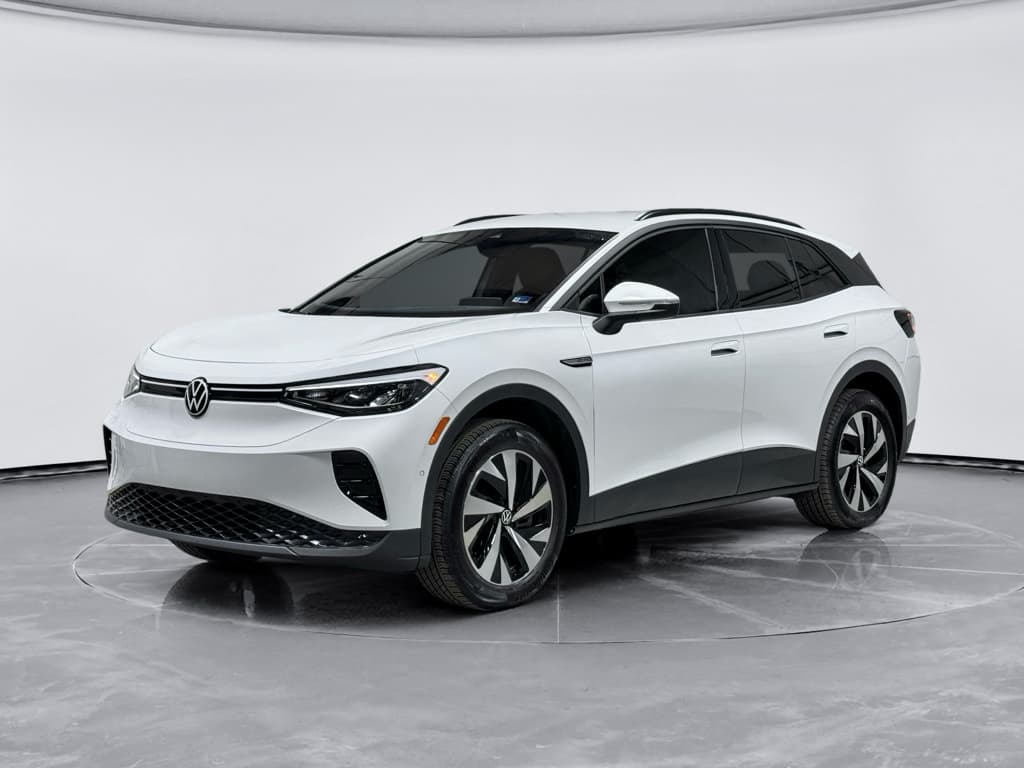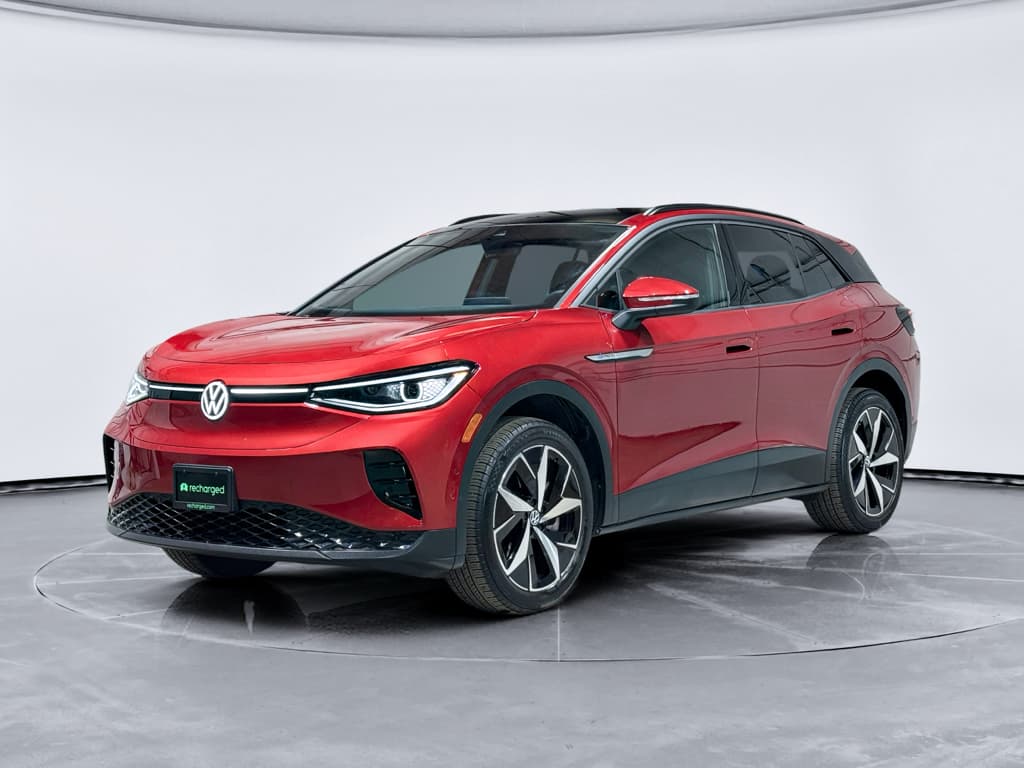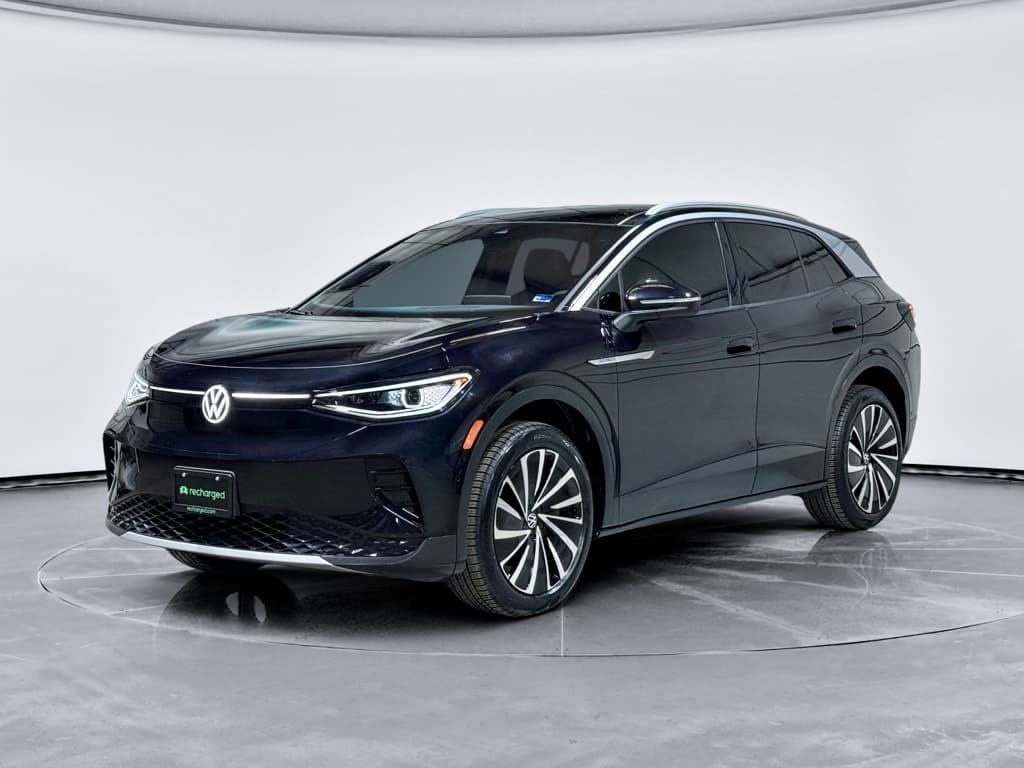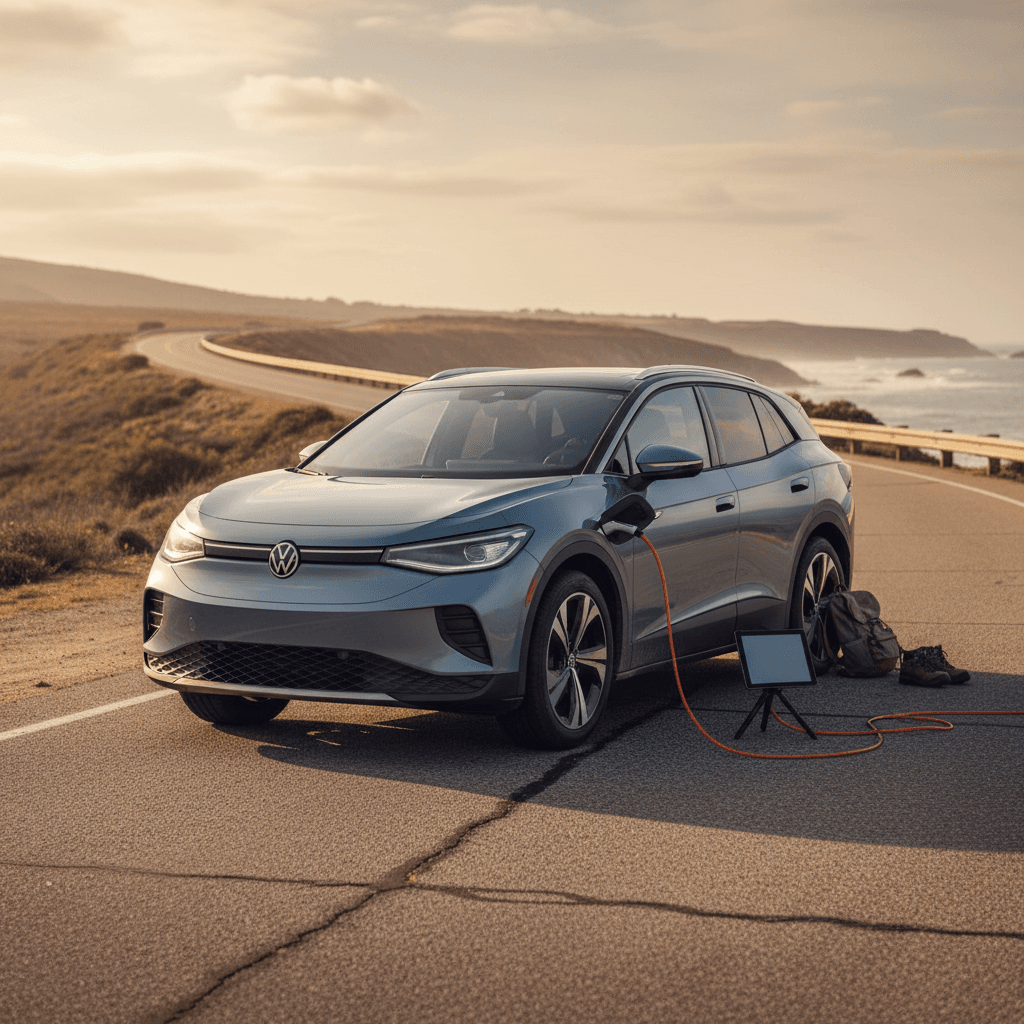
If you’re looking at a 2021 VW ID.4, especially on the used market, one of your first questions is simple: how far will it really go on a charge? Officially, early rear‑wheel‑drive 2021 ID.4 models are rated around 250 miles of EPA range, but real‑world tests and owner experience tell a more nuanced story. This guide pulls together highway range tests, day‑to‑day numbers, and practical tips so you know exactly what to expect.
Key takeaway
2021 VW ID.4 range at a glance
2021 VW ID.4 range and battery snapshot
The 2021 ID.4 launched with an 82 kWh battery (about 77 kWh usable) and a single rear motor (201 hp) in the U.S. That combination delivers a 250‑mile EPA rating for the Pro and 1st Edition trims, with slightly different numbers for later trims and the all‑wheel‑drive versions.
EPA range is a lab number
EPA vs. real‑world: 2021 ID.4 range tests explained
For the 2021 VW ID.4, the official ratings and real‑world results line up like this:
2021 VW ID.4 range: EPA vs. real‑world tests
How the 2021 ID.4’s EPA numbers compare with independent testing and typical owner experience.
| Scenario | Estimated Range | Notes |
|---|---|---|
| EPA rating (Pro / 1st Edition RWD) | 250 miles | Lab‑derived combined cycle number. |
| Independent 75‑mph highway test | ≈190 miles | Measured from full to empty at steady 75 mph. |
| Typical mixed driving (mild weather) | 200–230 miles | Blend of city, suburbs, and some highway. |
| Winter highway (below freezing) | 150–190 miles | Cabin heat and cold battery meaningfully cut range. |
Use these figures as ballpark guides; conditions and software versions can change results.
An early 75‑mph highway test of a 2021 ID.4 1st Edition returned about 190 miles from full to empty. That’s a sizeable drop from the 250‑mile EPA label, but it’s completely normal when you hold an EV at interstate speeds into the wind. At more modest 60–65 mph, or in mixed use, many owners report ranges closer to 210–230 miles on a full charge in mild temperatures.
Highway tests are worst‑case for range
Highway range test: How far at 70–75 mph?
Let’s translate the numbers into what they mean on the road. Assume a healthy 2021 ID.4 RWD, 77 kWh usable battery, and typical American highway use:
- At a steady 75 mph in mild weather, you’re looking at roughly 190 miles to empty. To stay comfortable, plan around 160–175 miles between DC fast‑charge stops.
- At 65 mph, you can stretch that closer to 210–220 miles, especially if you’re light on the accelerator and terrain is fairly flat.
- If you’re running 75–80 mph, roof box mounted, and a full load of passengers and gear, don’t be surprised to see effective range closer to 160–175 miles even in good weather.
Plan with a 10–15% buffer
Another factor in real‑world tests is how low you’re comfortable running the battery. Many drivers prefer arriving at a charger with 10–15% remaining, not 0. If you do that, your practical highway “stint” in a 2021 ID.4 might be 150–170 miles between fast‑charges instead of the full 190 miles a lab‑style test squeezes out.
City and mixed driving: What most owners actually see
The 2021 ID.4 often looks better in suburban and city duty than it does in pure highway tests. Regenerative braking recovers some energy, and speeds are lower. In the real world, that usually translates to:
- 200–230 miles on a full charge in mild weather with a typical mix of city and highway.
- 180–200 miles if you’re a heavy‑footed driver or frequently use climate control at maximum.
- 150–190 miles in colder conditions where cabin heating and battery temperature management are working harder.
Daily commuting
If you drive 30–60 miles per day, you’ll rarely think about range. Plug in overnight on Level 2, set an 80% charge limit for battery longevity, and the ID.4 will feel like it has an effectively “infinite” tank for your routine.
Occasional long trips
For a few road trips a year, the 2021 ID.4 works well as long as you accept that charging stops every ~150–180 miles are part of the experience and plan your route around DC fast chargers.
What kills range: speed, weather, and weight
Range test results only make sense if you understand what can move the needle up or down. With the 2021 VW ID.4, three big levers dominate: speed, temperature, and load.
Biggest range killers for a 2021 ID.4
Know what hurts range the most so you can plan around it.
High speed
Above 65 mph, aerodynamic drag ramps up quickly. At a steady 75–80 mph, you can easily give up 15–25% of your ideal range compared with cruising at 60–65 mph.
Cold weather
Below freezing, the battery is less efficient and cabin heat is energy‑hungry. Expect another 15–30% hit versus mild‑weather numbers, especially on short trips.
Weight & roof racks
Passengers, cargo, and roof‑mounted boxes all increase drag or rolling resistance. A roof box at highway speeds can easily trim 10% or more from your effective range.
Don’t chase the last mile
Charging behavior: How fast the 2021 ID.4 recovers range
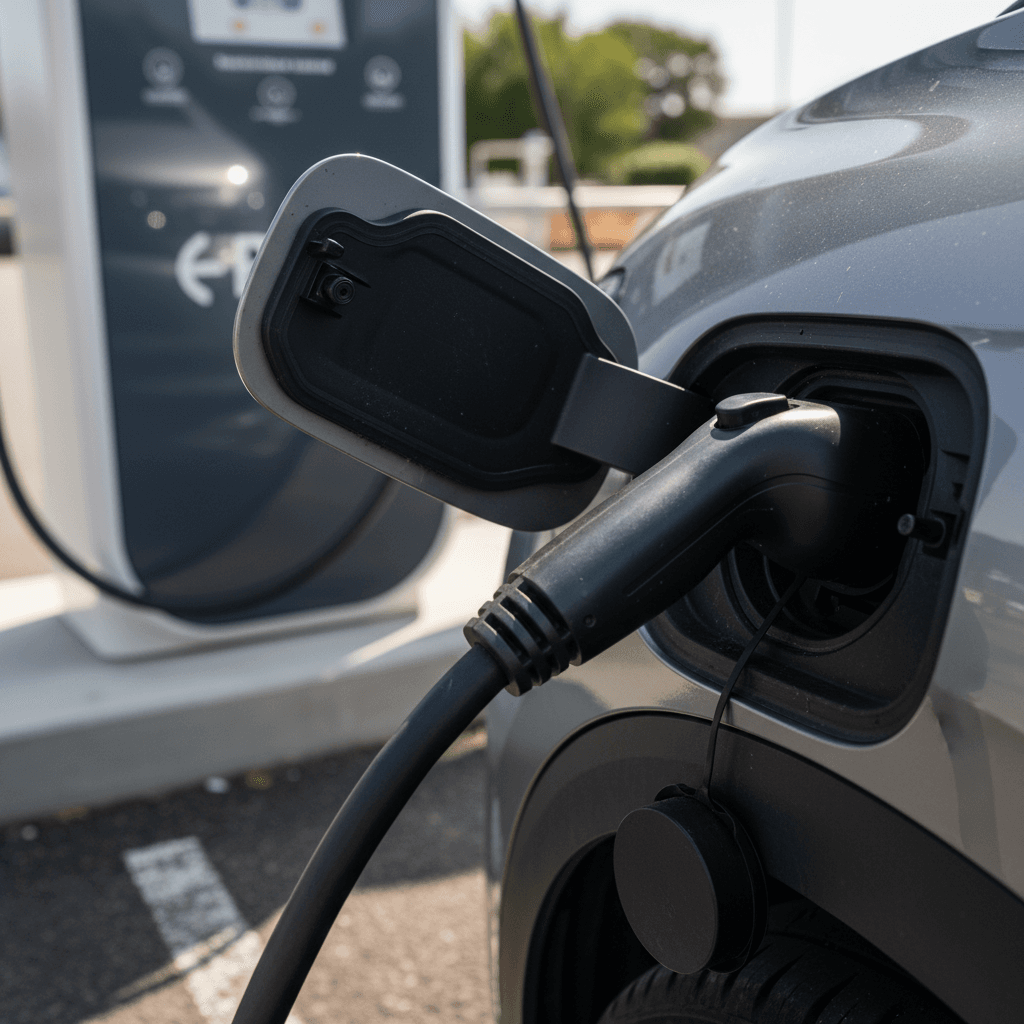
Range is only half the story; the other half is how quickly you can get it back. On paper, the 2021 ID.4 offers:
- Up to 11 kW AC charging with the proper Level 2 setup (some early cars in North America effectively charge at 7.2–7.7 kW depending on onboard hardware and electrical circuit).
- DC fast charging up to roughly 125–143 kW on compatible CCS stations, with 10–80% typically in about 30–40 minutes when the battery is warm and at low state of charge.
- About 30–35 miles of range per charging hour on a 32–40 amp Level 2 home charger, enough to refill a typical commute overnight.
Software updates matter
Quick ways to maximize range while charging
1. Precondition while plugged in
In cold or hot weather, pre‑heat or pre‑cool the cabin while the ID.4 is connected. You’ll use grid power instead of battery energy for climate control.
2. Favor Level 2 for daily use
Use DC fast charging mainly for trips. Regular home Level 2 charging is gentler on the battery and usually cheaper per kWh.
3. Stop fast charging near 80%
Above ~80%, DC charge power tapers sharply. For the best time efficiency on the road, it’s usually smarter to unplug around 80% and keep driving.
4. Keep software up to date
Ask a dealer or EV‑savvy shop to verify that your 2021 ID.4 has the latest software updates for the battery and charging system.
Road‑trip strategy for a 2021 ID.4
Can you road‑trip a 2021 VW ID.4? Absolutely, but it rewards a bit more planning than a gas crossover. Think of it this way: your realistic highway “hop” is 150–180 miles, and you’ll want reliable CCS fast chargers spaced along your route.
Simple road‑trip playbook for a 2021 ID.4
Plan your route, your stops, and your expectations.
Plan stops 120–160 miles apart
Use apps like Electrify America, PlugShare, or A Better Routeplanner to set conservative legs. Avoid stretches where chargers are 180+ miles apart unless speeds and weather are ideal.
Charge from ~10–15% to 70–80%
This is where the ID.4 charges fastest. Multiple short, efficient sessions beat one long, slow push to 100% on a fast charger.
Sync breaks with charges
Plan meals and rest stops around charging. A 25–35 minute DC fast‑charge window lines up nicely with a bathroom break and a snack.
Watch charger reliability
Used 2021 ID.4: Battery health and shopping tips
By 2026, most 2021 VW ID.4s have several years and tens of thousands of miles behind them. The good news: the big 82 kWh pack gives you some cushion against normal degradation. Well‑cared‑for cars often lose only a small percentage of capacity over their first 3–5 years.
VW’s battery warranty
What to look for in a used 2021 VW ID.4 (range & battery)
1. Ask for recent range data
Have the seller share a recent full‑charge estimate from the dash or a smartphone photo of the predicted range at 100%. Compare it to the ~250‑mile EPA figure while remembering that current weather and driving patterns affect that number.
2. Review fast‑charging history
Occasional DC fast charging is fine, but a car that lived almost exclusively on DC fast chargers may show slightly more degradation. Ask how and where it was typically charged.
3. Check for software updates
Confirm that any major VW software campaigns were done. Up‑to‑date software can improve both range estimates and charging behavior.
4. Test‑drive on your typical route
Take a 20–30 minute drive that mirrors how you’ll use the car, mix of highway and city if possible, and watch how quickly the state of charge drops.
5. Inspect tires and alignment
Underinflated or mismatched tires can quietly sap range. Uneven wear could point to alignment issues that add rolling resistance.
How Recharged helps with used ID.4 range confidence
Buying a used EV is different from buying a used gas SUV because the battery is the most valuable component. That’s why Recharged builds every transaction around transparent, data‑driven battery information.
Why shop for a 2021 ID.4 with Recharged
Range questions are easier to answer when you have real data.
Recharged Score Report
Every ID.4 on our platform comes with a Recharged Score Report that summarizes battery health, estimated remaining capacity, and how that translates into real‑world range today, not just the EPA number from the window sticker.
Fair pricing for real range
Because we analyze the battery, mileage, and market data together, pricing reflects the vehicle’s actual usable range and condition, not just its model year and trim level.
EV‑specialist guidance
Recharged’s EV specialists can walk you through what a specific 2021 ID.4’s range numbers mean for your commute or road‑trip plans, and help you compare it to other used EVs you’re considering.
Ready to find your next EV?
Browse VehiclesFrom financing and trade‑ins to nationwide delivery and our EV Experience Center in Richmond, VA, Recharged is built to make used‑EV ownership, including your first 2021 ID.4, as simple and transparent as possible.
FAQ: 2021 VW ID.4 range test
Frequently asked questions about 2021 VW ID.4 range
Put simply, the 2021 VW ID.4 doesn’t rewrite the range record books, but it delivers honest, usable distance for most American drivers, especially if you charge at home and understand how speed and weather shape your results. If you’re cross‑shopping used EVs, a clean 2021 ID.4 with a healthy battery can be a smart, budget‑friendly way to get into electric ownership. When you’re ready to take the next step, Recharged’s battery‑health reporting, EV‑savvy guidance, and fully digital buying experience make it easier to choose an ID.4 whose real‑world range matches your life.